Home Lines, Lures & Terminal Tackle Best Swimbait Jigheads: Weedless vs Exposed

Best Swimbait Jigheads: Weedless vs Exposed

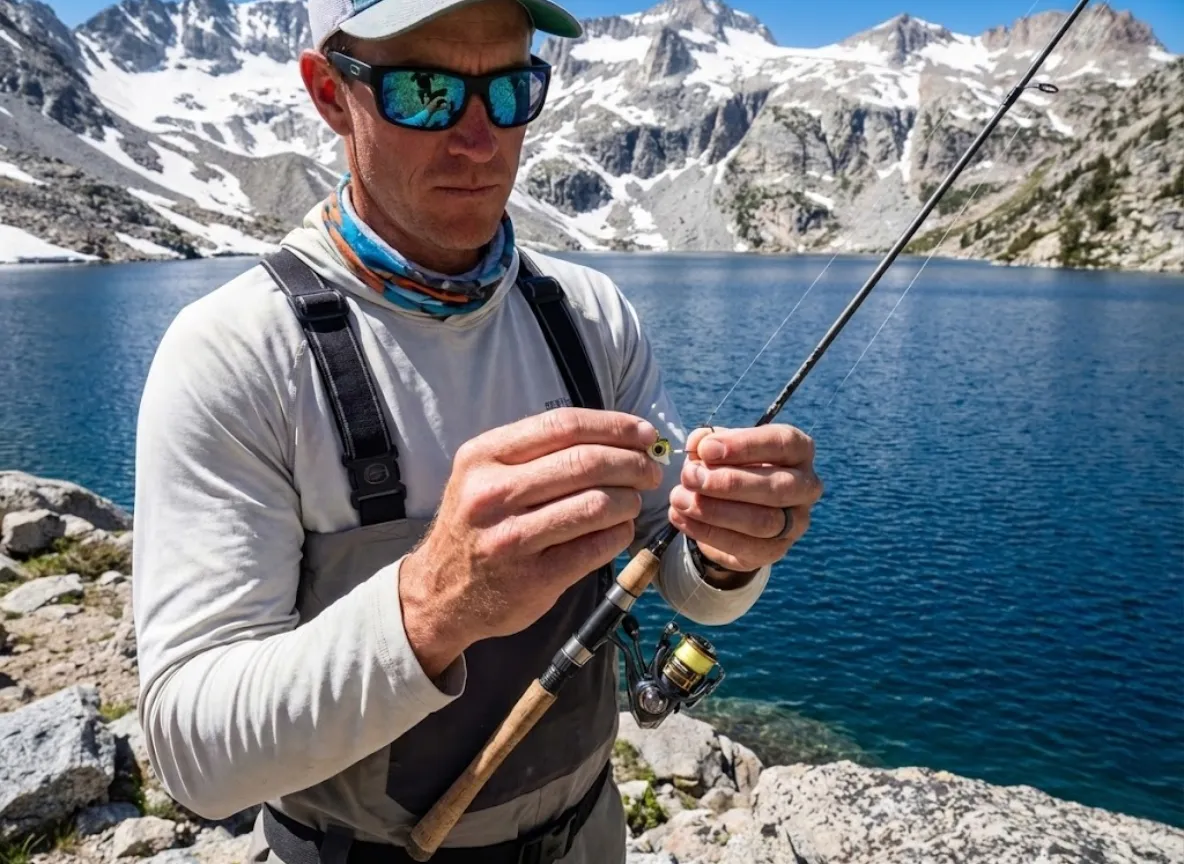
Angler inspecting a swimbait jighead on a granite shoreline at a high-altitude mountain lake.

You hike six miles into the basin, crest the talus slope, and make your first cast into the cobalt blue of a glacial lake. Your Keitech Fat Swing Impact snags on an unseen granite shelf twenty feet down, snapping your leader and leaving a toxic piece of lead in a pristine ecosystem.

This failure isn’t bad luck; it’s a failure of terminal ballistics. In the backcountry, where gear is finite and the fish are ancient, the jighead you tie on dictates whether you are fishing effectively or just mapping the bottom with expensive metal. For the dedicated backcountry angler, the ultralight tackle box has no room for error.

The choice between weedless jigheads and exposed versions is not a matter of preference, but a strategic calculation of “Access vs. Conversion” dictated by the unforgiving physics of high-altitude angling. You are not just buying tackle; you are selecting a delivery system. To succeed in the alpine lakes, you must understand the trade-off between hooking efficiency and snag avoidance, leverage the density of tungsten for sensitivity, and match your wire gauge to the softer backbone of multi-piece travel rods.

How to Choose the Right Swimbait Jighead

Close-up comparison of a small tungsten jighead versus a larger lead jighead held in a hand.

To select the correct tool, we must ignore brand loyalty and look at hydrodynamics and material science. The alpine environment demands efficiency that lowland freshwater fishing in ponds does not.

Why Does Material Density (Tungsten vs. Lead) Matter?

Material density determines the physical profile and sensitivity of your presentation, directly impacting your ability to deceive line-shy trout. Tungsten is approximately 1.7 times denser than lead, which allows for a 30% smaller physical profile for the same weight. In the crystal-clear water of a high-elevation tarn, a bulky lead swimbait head looks unnatural against a slender finesse swimbait. Tungsten solves this by keeping the profile compact, matching the scale of alpine forage.

A realistic side-by-side macro illustration showing a large, bulky lead jighead next to a small, compact tungsten jighead of the same weight, resting on a riverbed stone underwater.

Beyond stealth, density equals information. Tungsten’s hardness transmits the “tick” of rock and gravel composition far better than soft, dampening lead. This feedback is crucial when switching to lead-free tackle to protect fragile water tables, as it allows you to visualize the bottom without Garmin electronics. Standard lead also poses a significant toxicity risk to waterfowl and aquatic life, making the switch an ethical imperative validated by environmental research.

How Do Hook Geometries Impact Travel Rod Performance?

The geometry of your hook dictates the force required to set it, a variable often overlooked by hikers using pack rods. Multi-piece travel rods generally suffer from a “backbone deficit” compared to single-piece boat rods. They lack the structural stiffness to drive a heavy wire gauge (2X/3X) hook—like those found on a saltwater Owner Beast Hook—through the jaw of a predator.

A split-screen infographic illustrating fishing rod flex. On the left, a stiff "Bass Boat Rod" bends slightly, successfully driving a heavy hook. On the right, a multi-piece "Travel Rod" bends significantly, failing to set the same heavy hook due to energy loss.

If you pair a heavy-wire flipping hook with a 4-piece travel rod, the rod will flex continuously rather than transferring the necessary force, leading to lost fish. For the backcountry trekker, medium-light wire is the standard. It penetrates with less force, aligning with the physics of elasticity inherent in packable gear. Additionally, understanding rod power and action helps you select a hook gap wide enough to clear the bulk of the soft swimbaits during a strike, ensuring the point finds purchase even with a softer rod.

Weedless vs. Exposed: The “Access vs. Conversion” Equation

The choice between weedless and exposed hooks is a negotiation between where you can fish and how many bites you land. Exposed hooks offer the highest “Conversion” rate because there is zero impedance between the fish’s mouth and the hook point. They are the superior choice for open water, vertical “moping,” and subtle strikes where the fish might spit the bait instantly.

Asset Suggestion: “A split-screen diagram. Left side: ‘Exposed’ hook with a direct line of force to a fish mouth. Right side: ‘Weedless’ hook hitting a log and deflecting. Labels highlighting ‘Immediate Hookset’ vs. ‘Snag Deflection’.”

A split-screen underwater illustration comparing fishing hooks. The left side shows an exposed hook ready to catch a fish, labeled "Exposed: Zero Impedance." The right side shows a weedless hook with a brush guard bouncing off a submerged log, labeled "Weedless: Snag Deflection."

However, exposed hooks fail in “Access.” They cannot penetrate submerged logs, hydrilla, or floating grass without snagging. Weedless swimbait heads equipped with a wire loop guard or fiber guard allow you to put the bait where trophy fish hide. While surf fishing anglers might use a specific Warbaits weedless jighead to plow through kelp, hikers often need a lighter touch. Some prefer naked hooks with EWG screw-locks—similar to a Texas rig—to keep the hook point hidden (known as texposed) for a truly snag-free presentation.

Pro-Tip: If you are fishing a weedless jighead with a brush guard on a travel rod, trim 20% of the bristles off. This reduces the force needed to collapse the guard, compensating for the rod’s softer backbone.

Our Selection Process: How We Built This Guide

Hiking fishing gear and jigheads organized on a rock with a field notebook and map.

Our testing methodology relies on “Backcountry Physics”—weight-to-performance ratios and durability in remote settings—rather than tournament trends. We segment hikers into three distinct personas: the Ultralight Alpinist, the Trophy Hunter, and the Bushwhacker.

Every jighead recommended here was evaluated against four strict metrics: Hydrodynamics, Keeper Integrity, Hook Wire Gauge (specifically for travel rod compatibility), and Snag Resistance. We looked at competitors like the Dirty Jigs Tactical Bassin and Freedom Tackle Stealth Head, but narrowed our list based on a rigorous backcountry durability score. We may earn a commission if you purchase through our links, which supports our mission to keep the trails—and this content—free.

The Best Swimbait Jigheads of 2026: Our Top Recommendations for Every Need

Curated selection of swimbait jigheads in a small travel tackle box resting on a hiker's knee.

Our Top Picks for The Ultralight Alpinist

Great Lakes Finesse Stealth Ball Head Jig

$ $ $ $
Great Lakes Finesse Stealth Ball Head Jig

The Stealth Ball is the definitive choice for the gram-conscious alpinist facing crystal-clear water. Its matte finish acts as camouflage against wary wild trout, while the tungsten construction allows for a tiny physical profile that perfectly matches high-altitude hatchlings without sacrificing casting weight. The Gamakatsu 604 hook is surgically sharp, requiring minimal pressure to set—ideal for whippy ultralight rods. However, the premium tungsten price tag is steep, and the fine wire hook is not built for horsing fish out of heavy timber. It is a specialized tool for open water finesse.

Overall
Hydrodynamics
Keeper System
Hookup Ratio
Stealth/Finish
Durability
Material Tungsten
Hook Brand Gamakatsu 604
Finish Matte/Non-Chip
Best For Finesse Swimbaits (2-3 inch)

You Should Buy This If…

  • You are fishing ultra-clear, high-elevation lakes where fish are easily spooked.
  • You need maximum sensitivity to “feel” the bottom composition.
  • You use light line (2-6lb test) and finesse spinning gear.

You Should Reconsider If…

  • You are fishing in heavy timber (exposed hook).
  • You are on a strict budget (tungsten premium pricing).

Z-Man Finesse EyeZ

$ $ $ $
Z-Man Finesse EyeZ

Designed specifically to solve the “sliding bait” frustration of durable ElaZtech plastics, the Finesse EyeZ features a welded wire keeper that locks soft plastics in place for dozens of fish. Its low-profile design and large reflective eyes create a seamless, lifelike transition that triggers strikes from visual predators like Golden Trout. The Stabiltrack design keeps the bait perfectly horizontal, which is critical for vertical presentations. The primary drawback is that the lead construction lacks the sensitivity of tungsten, and the paint can chip after repeated contact with granite rocks.

Overall
Hydrodynamics
Keeper System
Hookup Ratio
Durability
Value
Material Lead
Hook Style Black Nickel Needlepoint
Keeper Welded Wire Barbs
Eyelet 90-degree

You Should Buy This If…

  • You exclusively use Z-Man (ElaZtech) soft plastics for their durability.
  • You want added visual appeal (prominent eyes) on your presentation.
  • You need a secure keeper that won’t tear standard plastics immediately.

You Should Reconsider If…

  • You prefer the sensitivity of tungsten.
  • You need a weedless presentation for heavy grass.

Owner Range Roller

$ $ $ $
Owner Range Roller

The Range Roller isn’t just a weight; it’s an action modifier. Its unique head geometry induces a subtle “body roll” in any swimbait attached to it, generating the flank-flashing behavior of a distressed baitfish—a critical trigger for drawing trout in from long distances in vast alpine waters. This makes it exceptional for the “mid-strolling” technique in open water. However, this specialized rolling action requires a high tie-point that makes the jighead prone to snagging if dragged along the bottom, limiting its use to the middle of the water column.

Overall
Hydrodynamics
Keeper System
Hookup Ratio
Action Enhancement
Snag Resistance
Material Lead
Hook Owner High Carbon
Action Rolling/Shimming
Best For Open water swimming/retrieving

You Should Buy This If…

  • You are “covering water” by fan-casting large alpine lakes.
  • You want to add action to stiff or subtle soft plastics.
  • You are targeting suspended fish in the middle of the water column.

You Should Reconsider If…

  • You are dragging baits on the bottom (prone to tipping/snagging).
  • You need a heavy-wire hook for massive predators.

Our Top Picks for The Backcountry Trophy Hunter

Dirty Jigs Guppy Head

$ $ $ $
Dirty Jigs Guppy Head

The Dirty Jigs Guppy Head is the definitive tool for the “Moping” technique, essential for targeting deep-dwelling Mackinaw. Its 90-degree line tie keeps the bait perfectly horizontal when suspended vertically, mimicking a lethargic sculpin, while the tungsten density rockets the bait to the strike zone in 50+ feet of water. The paint durability is legendary, resisting chips even on rocky bottoms. Be aware, however, that the standard model’s hook can straighten under extreme pressure from trophy fish if your drag is locked down too tight; consider the HD version for absolute giants.

Realism
Depth Control
Hook Strength
Versatility
Paint Durability
Material Tungsten
Hook Sizes 1/0 to 5/0 available
Eyelet Angle 90 Degrees
Application Vertical “Damiki” Rigging & Swimbaiting

You Should Buy This If…

  • You are targeting Lake Trout (Mackinaw) in deep water (20ft+).
  • You use the vertical “Moping” or “Damiki” technique.
  • You need a smaller hook (1/0) on a heavy weight (3/8oz) for trout mouths.

You Should Reconsider If…

  • You are fishing shallow, weedy bays.
  • You need a weed guard.

VMC Hybrid Swimbait Jig

$ $ $ $
VMC Hybrid Swimbait Jig

When strength is the priority, the VMC Hybrid delivers. Featuring a specialized hook bend that combines the gap of a round bend with the structural integrity of an O’Shaughnessy, this jighead is built to withstand the crushing jaw power of Bull Trout and large Browns without overpowering your travel rod. The screw-lock keeper saves money by preventing baits from tearing off during the fight. The main frustration is the wide-diameter spring keeper, which can be difficult to rig perfectly straight on thinner soft plastics without tearing the nose.

Realism
Hook Strength
Keeper System
Value
Weedlessness
Material Lead / High-Carbon Steel
Hook Style Hybrid Wide Gap
Keeper Screw-Lock Spring
Finish 3D Eyes / Painted or Raw

You Should Buy This If…

  • You are targeting trophy fish known for straightening lighter hooks.
  • You use braided line and need a hook that can handle the lack of stretch.
  • You prefer a screw-lock keeper to save money on soft plastics.

You Should Reconsider If…

  • You are using extremely light fluorocarbon leaders.
  • You are fishing finesse plastics that tear easily on screw locks.

Buckeye Lures Scoop Jighead

$ $ $ $
Buckeye Lures Scoop Jighead

The Buckeye Scoop is a specialized tool for the evening “shoreline push.” Its concave, hydrofoil-shaped head generates lift, allowing you to retrieve the bait slowly over shallow rock shelves without snagging bottom—a presentation that heavy tungsten heads simply cannot achieve. It excels at keeping baits high in the water column at creeping speeds. The trade-off is structural; the lead “lips” can deform if smashed against rocks, and some users report the hooks are on the thinner side, potentially bending out on a heavy snag.

Lift/Hydrodynamics
Realism
Keeper System
Depth Capability
Durability
Material Lead
Head Shape Concave / Scoop
Application Shallow water slow-rolling
Hook Heavy Duty Needlepoint

You Should Buy This If…

  • You are fishing shallow flats or shelves (less than 10ft).
  • You need to keep the bait high in the water column at slow speeds.
  • You are fishing over submerged grass beds.

You Should Reconsider If…

  • You are trying to reach deep fish quickly (lift works against you).
  • You are vertical jigging.

Our Top Picks for The Bushwhacking Explorer

Owner Sled Head

$ $ $ $
Owner Sled Head

The Owner Sled Head transforms your swimbait into a snag-proof, all-terrain vehicle. Utilizing a screw-lock keeper and an offset hook shank, it allows you to bury the hook point back into the plastic (Texas Rig style), making it immune to timber, lily pads, and jagged rock piles that claim exposed hooks. It is the “four-wheel drive” of jigheads. However, the thick skirt groove adds unnecessary bulk if you aren’t using a skirt, and driving the hook point through the plastic requires a firmer hookset than lighter travel rods can sometimes provide.

Snag Resistance
Keeper Integrity
Hookup Ratio
Durability
Versatility
Material Lead
Rigging Style Texas Rig / Tex-posed
Keeper Screw-Lock (Centering Pin)
Hook Offset Wide Gap

You Should Buy This If…

  • You are fishing heavy timber, laydowns, or beaver ponds.
  • You cannot afford to lose lures (preservation of tackle).
  • You want to map the bottom structure by dragging the lure.

You Should Reconsider If…

  • You are using very small, thin swimbaits (hook is too large).
  • You have an ultra-light rod (cannot drive the hook through plastic).

Z-Man Weedless Eye

$ $ $ $
Z-Man Weedless Eye

For swimming baits through the middle of submerged tree tops or grass, the Z-Man Weedless Eye is superior. Its keel-weighted design tracks perfectly straight, while the dual wire weed guards deflect heavy cover without being as stiff as a traditional bass brush guard, making hooksets easier on travel tackle. The prominent eyes act as a strike target in stained water. The only downside is that the wire guard can occasionally impede hookups on very light biters, requiring a sharper reflex from the angler to ensure connection.

Snag Resistance
Hydrodynamics
Hookup Ratio
Durability
Compatibility
Material Lead
Guard Type Dual Wire Deflector
Eyelet 90-degree
Keeper Barbed (optimized for ElaZtech)

You Should Buy This If…

  • You are swimming baits through cover rather than dragging on bottom.
  • You find fiber brush guards too stiff for your rod.
  • You use buoyant swimbaits.

You Should Reconsider If…

  • You are fishing bare rock (exposed hook is better).
  • You are unsure about setting the hook firmly.

Final Thoughts

The successful alpine angler understands that terminal tackle is not a commodity, but a system of weights and measures. Tungsten is the standard for the backcountry, offering the density required to read bottom composition and the low profile needed to fool wild trout. Equally important is matching your wire gauge to your rod; a 4-piece pack rod cannot drive a heavy wire gauge hook, so medium-wire options are essential for conversion.

Context remains king. Use jighead exposed hook options like the Dirty Jigs Guppy or Great Lakes Finesse when open water allows for maximum hookup ratios. Switch to weedless jigheads like the Owner Sled Head only when the cover—whether submerged logs or water willow—dictates it, prioritizing the preservation of your limited tackle supply. Before your next ascent, audit your tackle box. Swap out the generic lead ball heads for a dedicated system that respects the fish, the environment, and the Leave No Trace fishing ethos.

FAQ – Frequently Asked Questions

Can I bring these hooks in my carry-on for a hiking trip?

No. While TSA regulations are discretionary regarding small hooks, swimbait jigheads are frequently confiscated. Pack all terminal tackle, knives, and tools in checked luggage to avoid security delays and the loss of expensive tungsten.

How do I stop my hooks from rusting in my backpack?

Never return a wet lure to a sealed box; the trapped humidity will rust everything overnight. Use the Pool Noodle Hack for rigging for packs: attach a small slice of foam to your pack’s exterior to dry lures while you hike before stowing them.

Why do I keep losing fish with my weedless jigheads?

It is likely a mismatch between your rod power and the weed guard stiffness. Try trimming the fiber guard bristles or switching to a thin metal wire hook (like the Z-Man Finesse EyeZ) that penetrates with less force.

Is tungsten really worth the extra cost for a hiker?

Yes, primarily for profile and backcountry durability score. Tungsten is harder than granite and offers superior paint chip resistance, meaning one jighead can last an entire trip if not lost. Additionally, the smaller size is critical for fooling wild, pressure-sensitive trout in high-visibility water.

Risk Disclaimer: Fishing, boating, and all related outdoor activities involve inherent risks that can lead to injury. The information provided on Master Fishing Mag is for educational and informational purposes only. While we strive for accuracy, the information, techniques, and advice on gear and safety are not a substitute for your own best judgment, local knowledge, and adherence to official regulations. Fishing regulations, including seasons, size limits, and species restrictions, change frequently and vary by location. Always consult the latest official regulations from your local fish and wildlife agency before heading out. Proper handling of hooks, knives, and other sharp equipment is essential for safety. Furthermore, be aware of local fish consumption advisories. By using this website, you agree that you are solely responsible for your own safety and for complying with all applicable laws. Any reliance you place on our content is strictly at your own risk. Master Fishing Mag and its authors will not be held liable for any injury, damage, or loss sustained in connection with the use of the information herein.

Affiliate Disclosure: We are a participant in the Amazon Services LLC Associates Program, an affiliate advertising program designed to provide a means for us to earn advertising fees by advertising and linking to Amazon.com. As an Amazon Associate, we earn from qualifying purchases. We also participate in other affiliate programs and may receive a commission on products purchased through our links, at no extra cost to you. Additional terms are found in the terms of service.