
Home Lines, Lures & Terminal Tackle Best Lures for Trout Fishing: Top Picks & Rigging

Best Lures for Trout Fishing: Top Picks & Rigging

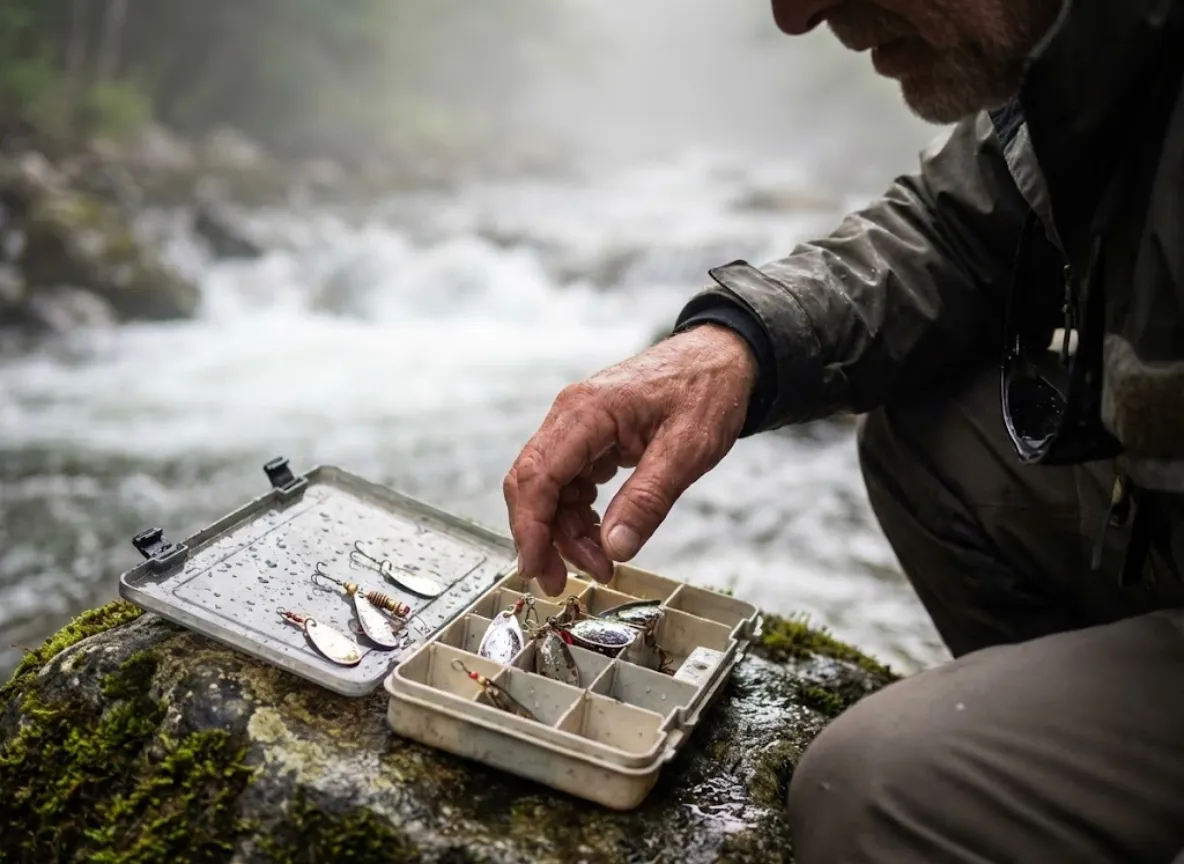
Angler looking at an open tackle box full of trout spinners and spoons on a river rock.

The water temperature sits at 48 degrees, and the metabolic rate of the rainbow trout holding in the riffle has dropped by half. It ignores the spinner flashing overhead not out of stubbornness, but because the hydrodynamics of the lure don’t match the biology of the fish. Mastering freshwater fishing and catching trout consistently isn’t about guessing the “hot color”; it is about engineering a presentation that triggers a predatory reaction in a creature designed to conserve energy. This adaptive angler guide dismantles the marketing hype to reveal the specific tackle & gear that exploit a trout’s vision, lateral line, and aggression.

I have spent decades wading through icy currents, watching how light filters through the water column and how sound travels in turbulence. We are moving beyond luck. We are going to look at why “Red” lures disappear at 15 feet, how the Lateral Line “hears” your lure before the fish sees it, and how to select a loadout based on distinct fishing personas.

How to Choose the Right Trout Lure
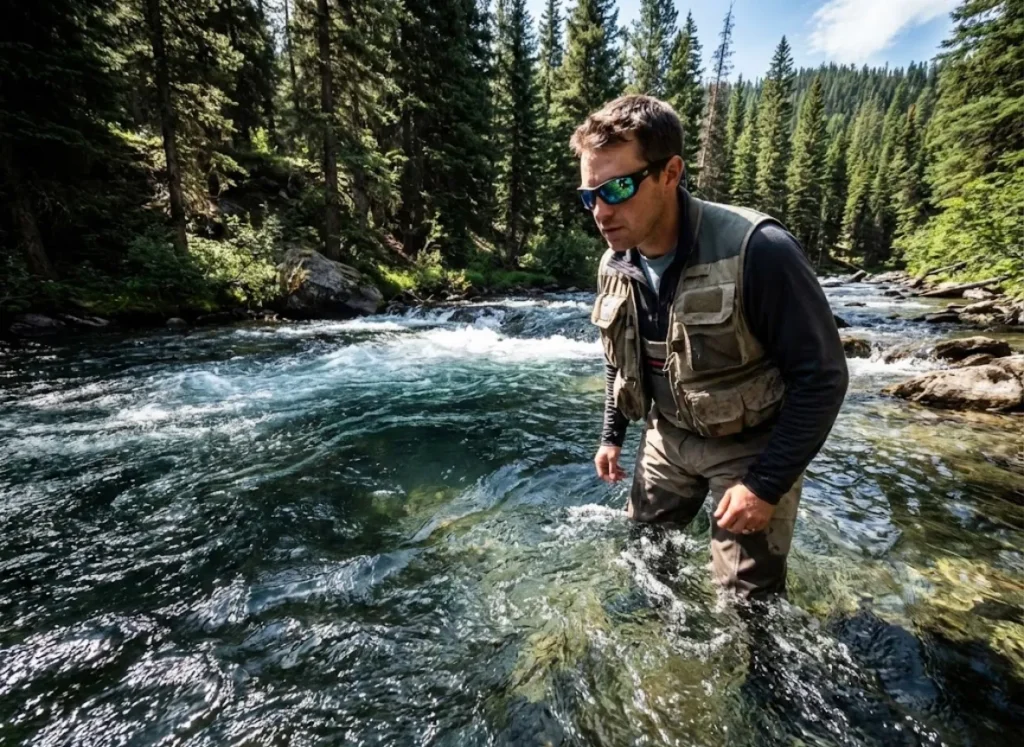
text: Fisherman standing in a river studying the water depth and light conditions.

Selecting the essential kit is less about what looks good on the shelf and more about understanding the sensory limitations of your target in specific conditions. It requires environmental matching—pairing your trout lure arsenal to the water flow speed and clarity.

Does Color Matter? Understanding Depth and Light

Yes, color matters, but only in relation to depth and water clarity. Red light has the longest wavelength and lowest energy, meaning it is absorbed by water molecules first. By the time your lure hits 15 feet of depth, that bright red spinning blade looks like a dull, dark gray shadow. If you are fishing deep or in stained water, metallics like gold/silver flash, or high-vis pink/chartreuse fluorescents, are essential because they reflect available light longer.
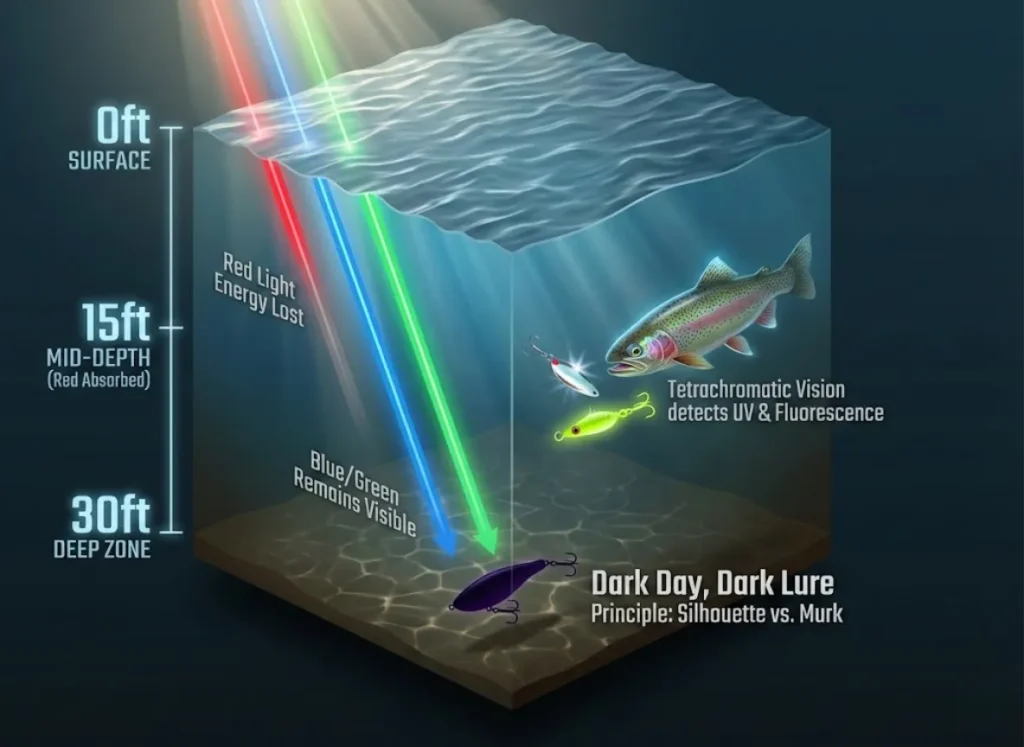
A sophisticated infographic cross-section of a lake water column from 0 to 30 feet depth. It visualizes how red light fades to gray at 15 feet while blue/green light penetrates deeper. It also illustrates trout tetrachromatic vision detecting fluorescent lures and the "Dark Day, Dark Lure" silhouette principle in murky deep water.

Trout possess tetrachromatic vision, meaning they have a fourth retinal cone that allows them to see UV patterns invisible to us. This is why how fish see underwater is a critical concept; a lure that looks plain to you might be blazing like a beacon to a trout. In turbid water or muddy conditions, the “Dark Day, Dark Lure” principle applies. You want a black or purple profile that creates a hard silhouette against the murky background, rather than a color that blends in.

Vibration and the “Thump” Factor

While color selection is visual, a trout’s ability to locate prey in turbulent water relies on mechanoreception. The lateral line is a sensory organ running down the fish’s flank that detects pressure gradients and wakes. It literally “feels” the displacement of water.
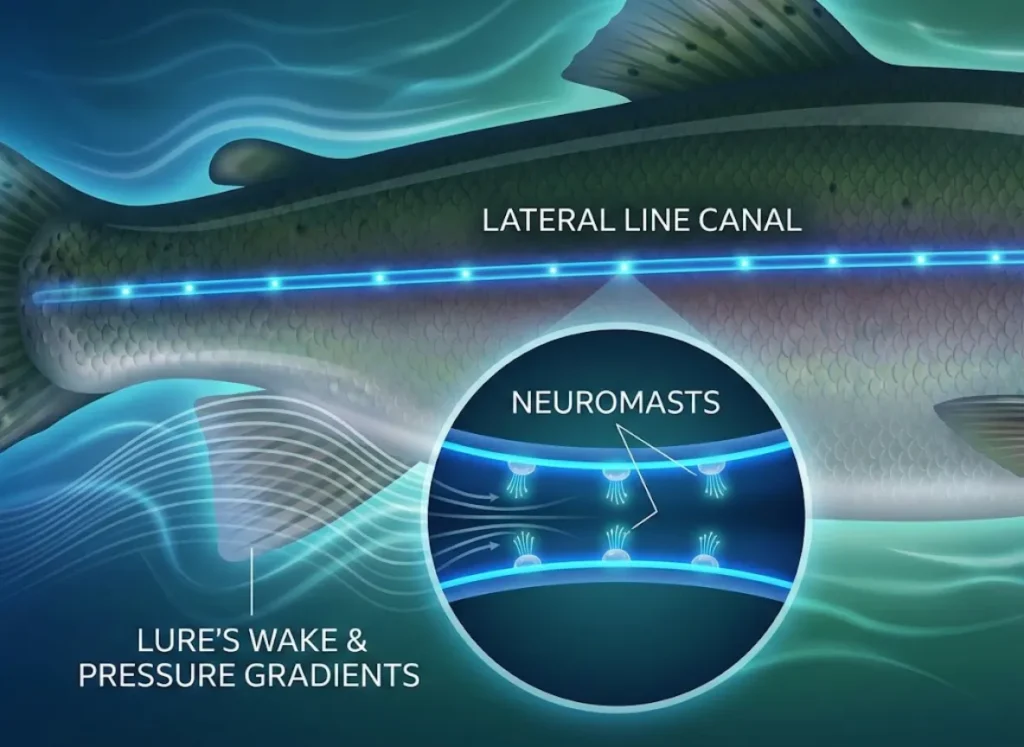
A scientific illustration of a rainbow trout's flank, highlighting the lateral line canal and neuromasts with wave lines indicating water displacement from a lure.

This is where sonic engineering comes into play. A Colorado blade produces a low-frequency blade thump that mimics the heavy tail beat of a slow-moving meal, while a Vibrax spinner creates a high-frequency rattle that triggers aggression. Even suspended neutral buoyancy jerkbaits create a “ghost” signature—vortices in the water that fish can track even when the lure is paused. Understanding these mechanics aligns your presentation with rainbow trout facts regarding their sensory biology. For a deeper dive into this anatomy, the Trout Unlimited article on Lateral Line biology offers excellent scientific context.

Our Selection Process: How We Built This Guide

Used and scratched trout fishing lures on a wooden table next to field notes.

We are committed to objectivity in our commercial investigation. That means looking past the packaging to analyze the “Anti-Sell”—the common failure points that frustrated anglers report after the purchase is made. Every lure in this guide was judged on “Start-up Inertia” (how fast the blade spins upon hitting water), “Hardware Integrity” (hook and wire strength), and the specific “Biological Trigger” it exploits.

We audited the current market offerings, separating legacy “Heritage” brands from emerging technical innovators. While we participate in affiliate programs, our “Don’t Buy If” warnings are there to prove our loyalty is to your success on the water, not the sale.

The Best Trout Lures of 2026: Our Top Recommendations for Every Need
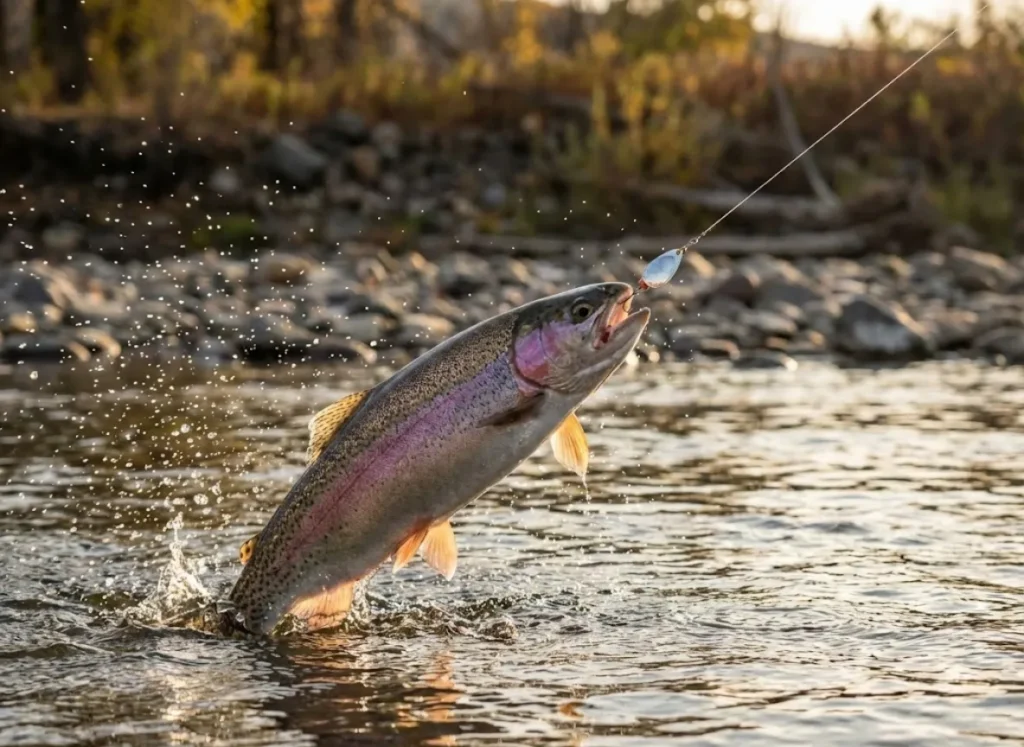
Rainbow trout jumping out of the water with a fishing lure in its mouth.

We have curated these product recommendations based on specific user personas, from the casual weekend angler to the technical catch-and-release specialist.

Our Top Picks for The “Weekender” (Family & Entry Level)

For small streams or family trips, these anglers need spin fishing simplicity. While the Worden’s Rooster Tail and Mepps Aglia are staples, the inline design below offers better castability in tight spots.
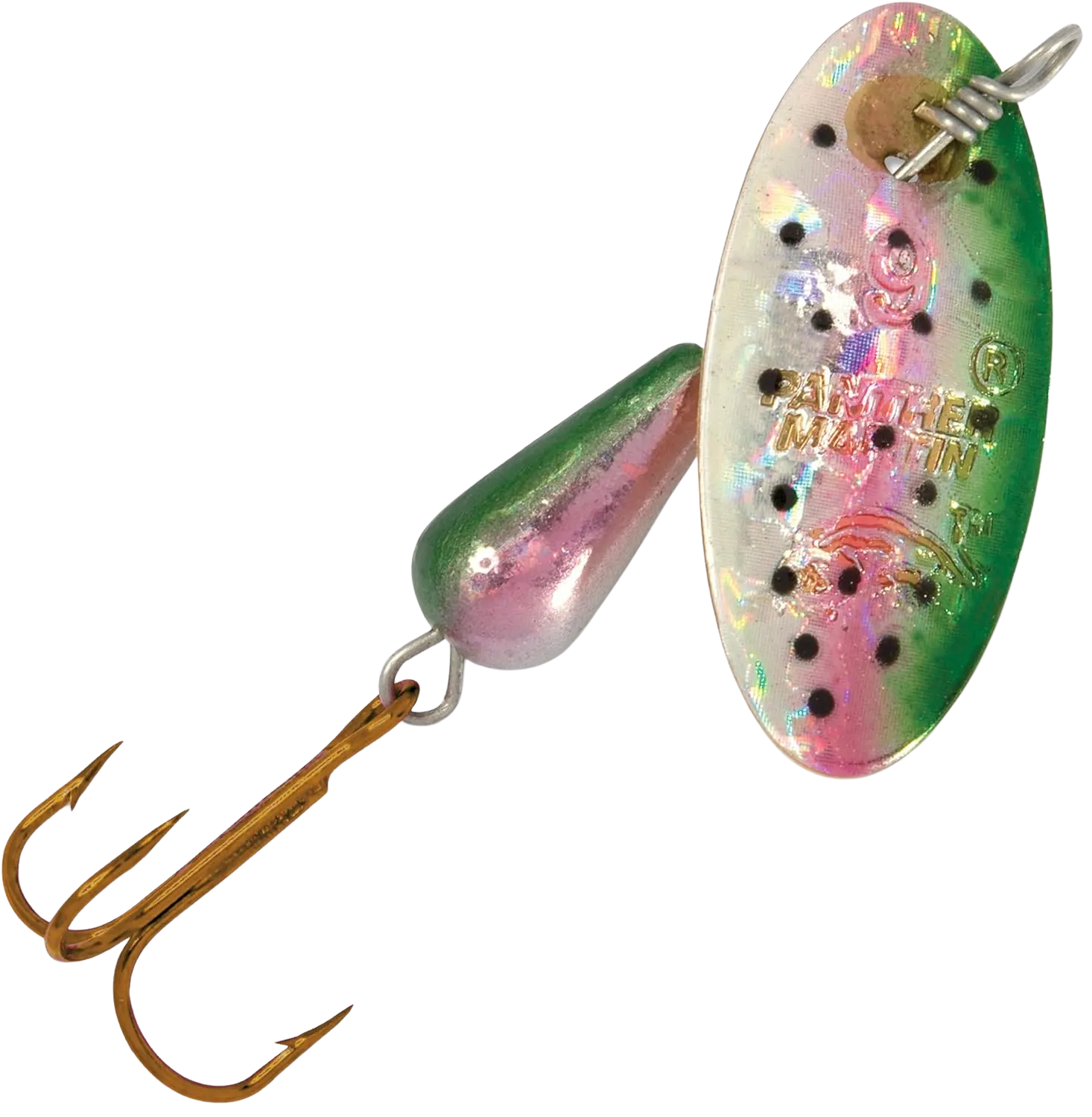
Panther Martin Spinner

$ $ $ $
Panther Martin Spinner

The Panther Martin is the undisputed king of small, tight waters thanks to its unique inline design. Unlike competitors that use a clevis to hold the blade, the Panther Martin’s shaft runs directly through the blade itself. This acts as a direct-drive system, forcing the blade to spin the micro-second it hits the water—critical for pocket water where you only have two feet of strike zone. The sonic vibration is intense, calling fish out of cover effectively. However, the lack of a clevis comes with a cost: this lure is notorious for causing severe line twist. If you don’t rig it with a high-quality ball-bearing swivel, you will be fighting bird’s nests all afternoon.

Overall
Start-Up Speed
Sonic Vibration
Line Twist Control
Durability
Depth Control
Blade Style Convex Inline (No Clevis)
Weight Range 1/32 – 1/4 oz
Key Feature Instant Spin / Sonic Vibration
Best Water Shallow / Rocky / Pocket Water

You Should Buy This If…

  • You are fishing small creeks where the strike zone is very short.
  • You want a lure that works instantly without needing a “jerk” to start.
  • You need strong sonic vibration to call fish out of muddy water.

You Should Reconsider If…

  • You do not know how to use a swivel (prone to severe line twist).
  • You are fishing deep, fast pools (it rides higher than a Rooster Tail).

Pro-Tip: Tie a barrel swivel about 18 inches up your line from the Panther Martin. This isolates the spinning torque from your main line, saving you from tangles while keeping the lure’s action pure.
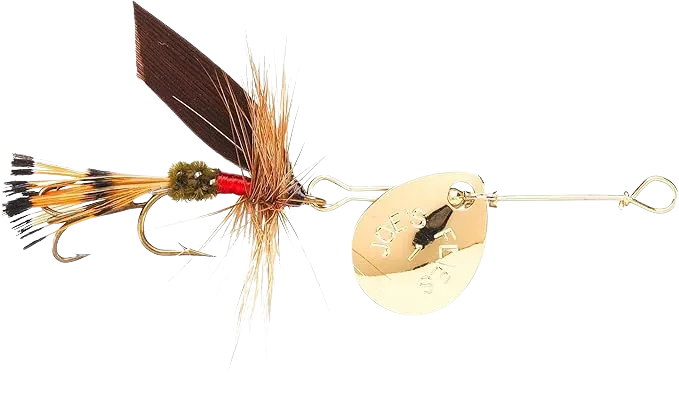
Joe’s Flies Short Striker

$ $ $ $
Joe's Flies Short Striker

Think of the Short Striker as a ‘cheater’ lure for days when fish are just nipping at tails. It creates a hybrid presentation by marrying a classic hand-tied fly pattern—like a Woolly Bugger—with a polished Colorado spinner blade. The magic lies in the trailing treble ‘stinger’ hook, which is attached via a monofilament loop. This design snags those tentative fish that short strike the lure without committing to the main body. It is lethal in slow pools. The downside is its fragility; the construction is delicate compared to a brass spinner, and that stinger hook is a nightmare for catch-and-release fishing, often resulting in deep or foul hooks that can injure the trout.

Overall
Hook Up Ratio
Slow Speed Action
Durability
Fish Safety
Visual Appeal
Blade Style Colorado
Weight Range 1/24 oz
Key Feature Stinger Treble Hook
Best Water Slow Pools / Following Fish

You Should Buy This If…

  • You are missing fish that tap the lure but don’t get hooked.
  • You want to fish very slowly (Colorado blade lifts easily).
  • You prefer natural fly patterns (Woolly Bugger style) with flash.

You Should Reconsider If…

  • You practice Catch & Release (high risk of deep/foul hooking).
  • You fish heavy cover (fragile construction/snag prone).

Our Top Picks for The “Meat Hunter” (Harvest & Efficiency)

These anglers prioritize yield. They often fish stocked ponds and need artificial lures that out-fish natural bait alternatives like worms, salmon eggs, or trout dough. This is about pure scent dispersion.

Berkley PowerBait Mice Tails

$ $ $ $
Berkley PowerBait Mice Tails

The Mice Tail represents the triumph of chemistry over physics. It is a scent-impregnated hybrid of a worm and a salmon egg, designed specifically for stocked trout that are conditioned to pellet feed. The high buoyancy is the functional key here; when rigged correctly, the tail floats the bait off the bottom, keeping it visible above the weeds and right in the cruising lane of the fish. It creates a swallowing response rather than an aggression strike. The ‘Anti-Sell’ is clear: this is a harvest tool. The fish often swallow the bait deep into the gullet, making safe release almost impossible. Also, the tails can tear easily if you are casting aggressively.

Overall
Effectiveness (Stocked)
Durability
Ease of Use
Fish Safety (C&R)
Versatility
Type Scented Soft Plastic
Size 3 inch
Key Feature Floating / High-Contrast Colors
Best Water Stocked Ponds / Lakes

You Should Buy This If…

  • You intend to keep your limit of trout for dinner.
  • You are fishing in murky water where scent is the primary trigger.
  • You want a “set it and forget it” method for lakes.

You Should Reconsider If…

  • You plan to release fish (high mortality/gut hooking rate).
  • You are fishing in “Artificial Lures Only” waters (often banned).

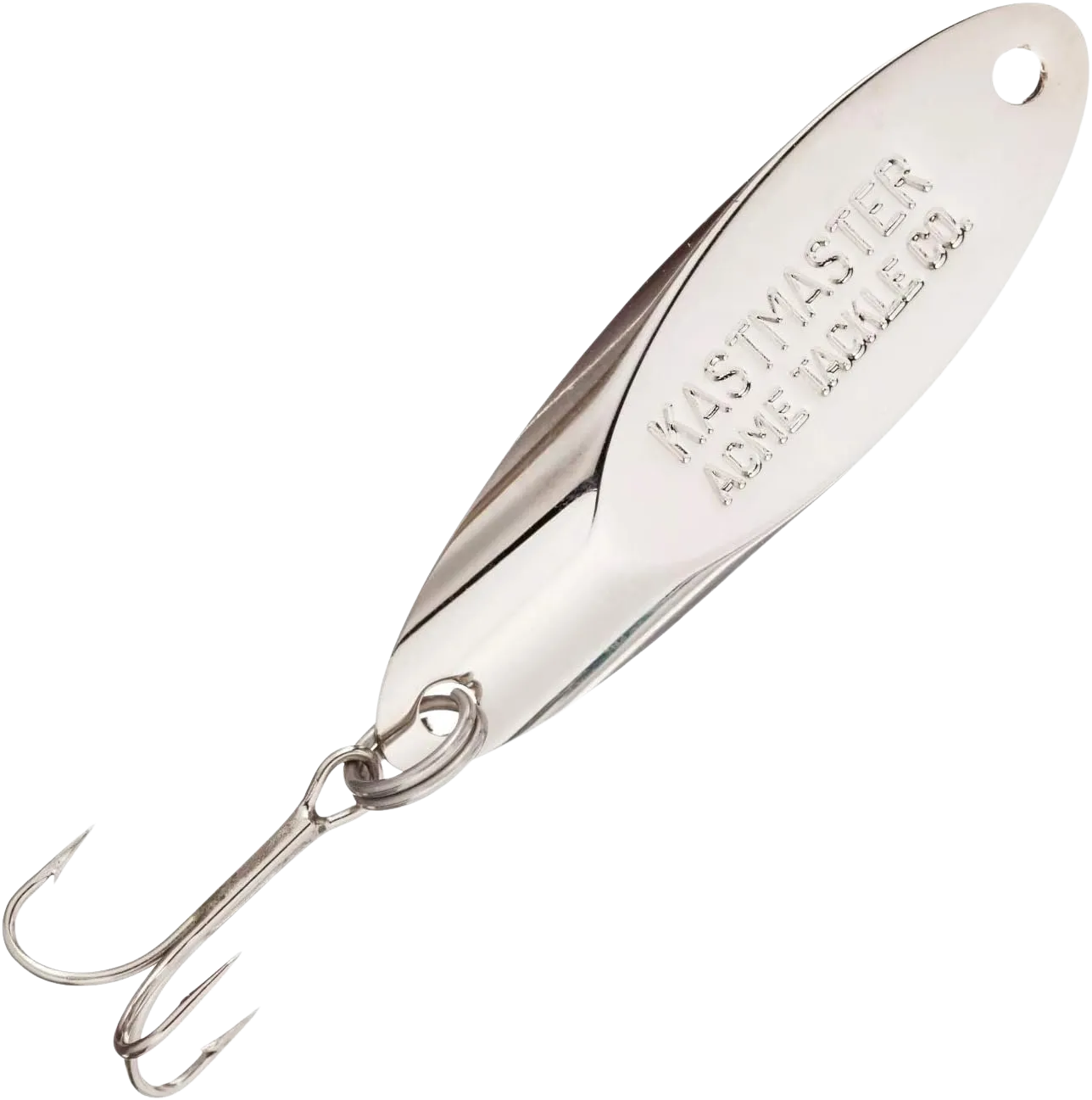
Acme Kastmaster

$ $ $ $
Acme Kastmaster

When trout are breaking the surface in the middle of a lake, well out of range of light spoons like the Acme Phoebe or Little Cleo, the Acme Kastmaster is the only tool that reaches them. Its dense, beveled slab design makes it aerodynamically superior to almost any other lure in its weight class. It cuts through wind and mimics a stunned baitfish with a wild, erratic darting action on the fall. It is virtually indestructible, machined from solid brass. However, it sinks like a stone. If you try to fish this in a shallow, snaggy river, you will lose it immediately. The stock hooks are also serviceable but not exceptional; swapping them for sharper replacements is often necessary.

Overall
Casting Distance
Durability
Wind Resistance
Action at Slow Speed
Visual Finish
Profile Beveled Slab
Weight Range 1/8 – 1/4 oz (for trout)
Key Feature Long Casting / Erratic Fall
Best Water Large Lakes / Alpine Reservoirs

You Should Buy This If…

  • You need to reach fish breaking far from shore or in high wind.
  • You are targeting larger predatory trout eating baitfish.
  • You need a lure that is virtually indestructible.

You Should Reconsider If…

  • You are fishing shallow, snaggy rivers (it sinks like a stone).
  • You prefer a slow, subtle finesse presentation.

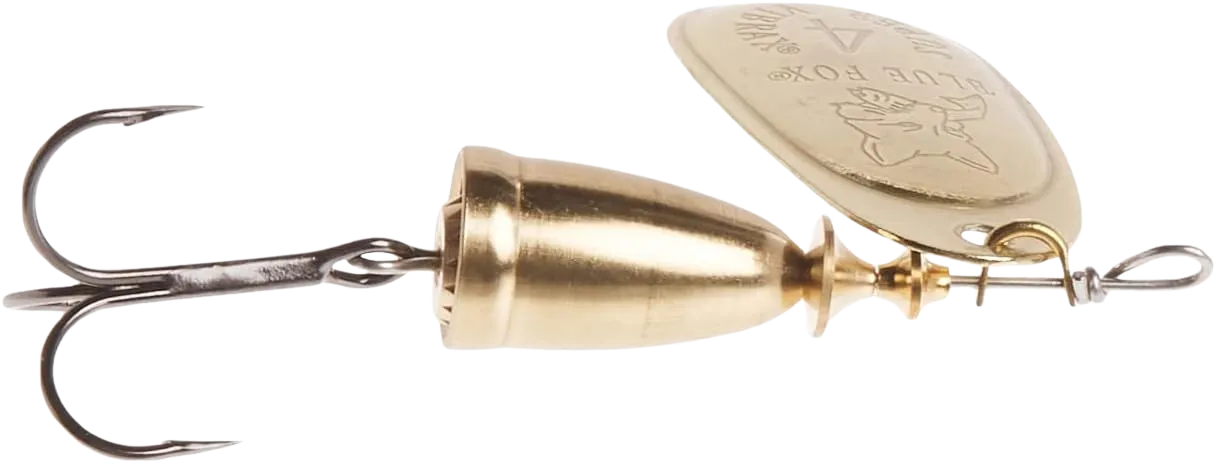
Blue Fox Vibrax

$ $ $ $
Blue Fox Vibrax

The Vibrax is the heavy artillery of the spinner world, ideal for deep pools or when turbulence cuts down visibility. Its proprietary two-part body houses a free-floating brass bell inside a hollow gear, which emits a low-frequency rasping sound as it spins. This sonic footprint is invaluable in murky water where sound/flash importance is amplified. The lure is built like a tank and generally casts well. The primary downside is the paint durability on the fluorescent models; after a few solid days of bouncing off river rocks, the finish tends to chip and flake significantly. It is also more expensive than standard spinners, making every snag feel a bit more painful.

Overall
Sonic Output
Casting Distance
Blade Rotation
Paint Durability
Depth Control
Blade Style French / Bell
Weight Range Size 0 – 2
Key Feature Internal Brass Bell Rattle
Best Water Deep Pools / Murky Water

You Should Buy This If…

  • You are fishing deep holes where vibration is needed to trigger strikes.
  • You want a spinner that casts well without additional weight.
  • You are targeting aggressive, territorial fish.

You Should Reconsider If…

  • You are fishing very shallow water (heavy body sinks fast).
  • You are worried about paint chipping on fluorescent models.

Our Top Picks for The “Technical Specialist” (Sport & C&R)

These are enthusiasts influenced by JDM trends and BFS gear. They value precision dead drifting and the ultralight approach. While marabou jigs and Aerojig Wooly Buggers work, the specific micro-finesse bait below mimics stonefly larvae perfectly.
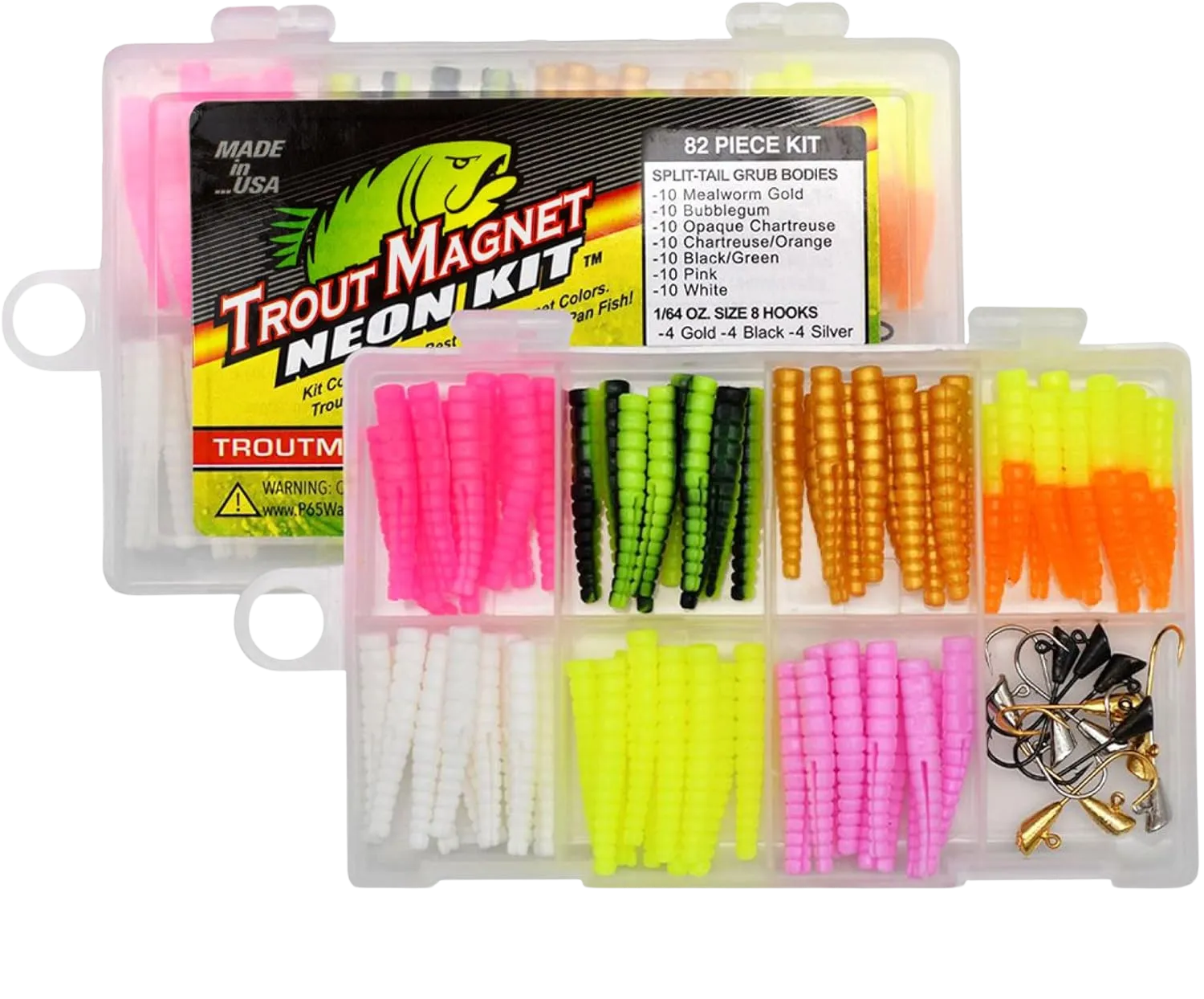
Leland’s Trout Magnet

$ $ $ $
Leland's Trout Magnet

The Trout Magnet is the ‘Anti-Lure.’ It has almost no inherent action, and that is exactly why it works when nothing else does. Designed to be fished under a float, the split-tail grub on a slanted jig head stays horizontal in the water column, perfectly mimicking the passive drift of aquatic larvae. It is the number one tool for high-pressure waters where trout have seen every spinner in the book. However, it requires a specific skillset and gear to use effectively. You need ultra-light line (2-4lb test) to cast it, and the stock hooks are notoriously light wire—if you hook a trophy brown, you risk bending the hook out if your drag isn’t set perfectly.

Overall
Catch Rate (Volume)
Pressure Resilience
Hook Strength
Casting Ease
Durability
Weight 1/64 oz
Style Micro Finesse Jig
Key Feature Horizontal Falling Action
Best Water Pressured Streams / Sight Fishing

You Should Buy This If…

  • You are fishing highly pressured water where fish refuse spinners.
  • You want to catch the highest volume of fish possible.
  • You are comfortable using ultra-light line (2-4lb test).

You Should Reconsider If…

  • You use standard medium-heavy gear (too light to cast).
  • You target large trophy trout (stock hooks are weak/bendable).

Rapala Husky Jerk

$ $ $ $
Rapala Husky Jerk

The Rapala Husky Jerk changed the game by mastering the ‘pause.’ Unlike floating minnows that rise to the surface when you stop reeling, this lure is neutrally buoyant. It suspends right in the fish’s face, freezing in the water column. This pause is the secret weapon for lethargic winter trout that are unwilling to chase a moving target but can’t resist a helpless meal. It is a precision tool. The trade-off is that it requires maintenance. You must be willing to ‘tune’ the eyelet with pliers to ensure it swims straight, and the stock hooks are often just average, requiring a swap for serious anglers who demand maximum sharpness.

Overall
Suspension
Cold Water Efficacy
Tuning Stability
Hook Quality
Casting
Action Suspending / Rattling
Sizes HJ06 / HJ08
Key Feature Neutral Buoyancy Pause
Best Water Cold Water / Winter / Stillwater

You Should Buy This If…

  • You are fishing in cold water (under 50°F) or winter conditions.
  • You are targeting predatory Brown Trout or Bull Trout.
  • You want a lure that stays in the strike zone longer.

You Should Reconsider If…

  • You are fishing extremely shallow riffles (will snag bottom).
  • You are unwilling to “tune” a lure with pliers to make it swim straight.

Pro-Tip: Use a “Non-Slip Loop Knot” when tying on a Husky Jerk. A tight knot chokes the action, but a loop allows the lure to pivot freely, maximizing that erratic side-to-side dance.

The Bottom Line

Success on the water isn’t about owning the most tackle; it’s about matching your method to the seasonal behavior and ecosystem dynamics of the fishery. Use spinners like the Panther Martin to search quickly, switch to the suspending Husky Jerk when the winter lethargy hits, and rely on the Trout Magnet when the pressure is high. Remember the physics: in deep water, red is black. Use fluorescents or metallics to maintain visibility.

Finally, upgrade your hardware. The analysis proves that stock hooks on mass-market lures are often the weak link. Swapping them for high-quality single inline hooks not only improves your catch-to-hook ratio but ensures a safer release for the fish. Audit your tackle box today, ditch the rusty trebles, and invest in the technical tools that actually work.

FAQ – Frequently Asked Questions

Why does my inline spinner line get so twisted and tangled?

Spinners create torque that transfers directly to your line if the clevis sticks or rotates stiffly (line twist). To fix this, use a high-quality ball-bearing snap swivel (like a Sampo) placed about 18 inches above the lure. This isolates the twist from your main line.

What is the best color lure for muddy or stained water?

In low visibility, you should focus on contrast or high-visibility fluorescents rather than natural patterns. Black or Purple creates a strong silhouette, while Chartreuse or Hot Pink stands out against the gloom. The Blue Fox Vibrax is an excellent choice here because it adds sound to the visual presentation.

Should I use treble hooks or single hooks for trout?

Single hooks are generally superior for holding power because they provide fewer leverage points for the fish to twist against and throw the lure. They are also essential for ethical Catch & Release, causing significantly less damage to the fish’s mouth. Swap factory trebles for VMC Inline Single Hooks on your hard baits.

How do I fish a Trout Magnet effectively?

It is best fished under a small float (bobber), drifting at the exact speed of the current without drag. The goal is to ensure the lure is suspended just inches off the bottom where trout hold, moving naturally with the water flow.

Risk Disclaimer: Fishing, boating, and all related outdoor activities involve inherent risks that can lead to injury. The information provided on Master Fishing Mag is for educational and informational purposes only. While we strive for accuracy, the information, techniques, and advice on gear and safety are not a substitute for your own best judgment, local knowledge, and adherence to official regulations. Fishing regulations, including seasons, size limits, and species restrictions, change frequently and vary by location. Always consult the latest official regulations from your local fish and wildlife agency before heading out. Proper handling of hooks, knives, and other sharp equipment is essential for safety. Furthermore, be aware of local fish consumption advisories. By using this website, you agree that you are solely responsible for your own safety and for complying with all applicable laws. Any reliance you place on our content is strictly at your own risk. Master Fishing Mag and its authors will not be held liable for any injury, damage, or loss sustained in connection with the use of the information herein.

Affiliate Disclosure: We are a participant in the Amazon Services LLC Associates Program, an affiliate advertising program designed to provide a means for us to earn advertising fees by advertising and linking to Amazon.com. As an Amazon Associate, we earn from qualifying purchases. We also participate in other affiliate programs and may receive a commission on products purchased through our links, at no extra cost to you. Additional terms are found in the terms of service.