
In this article
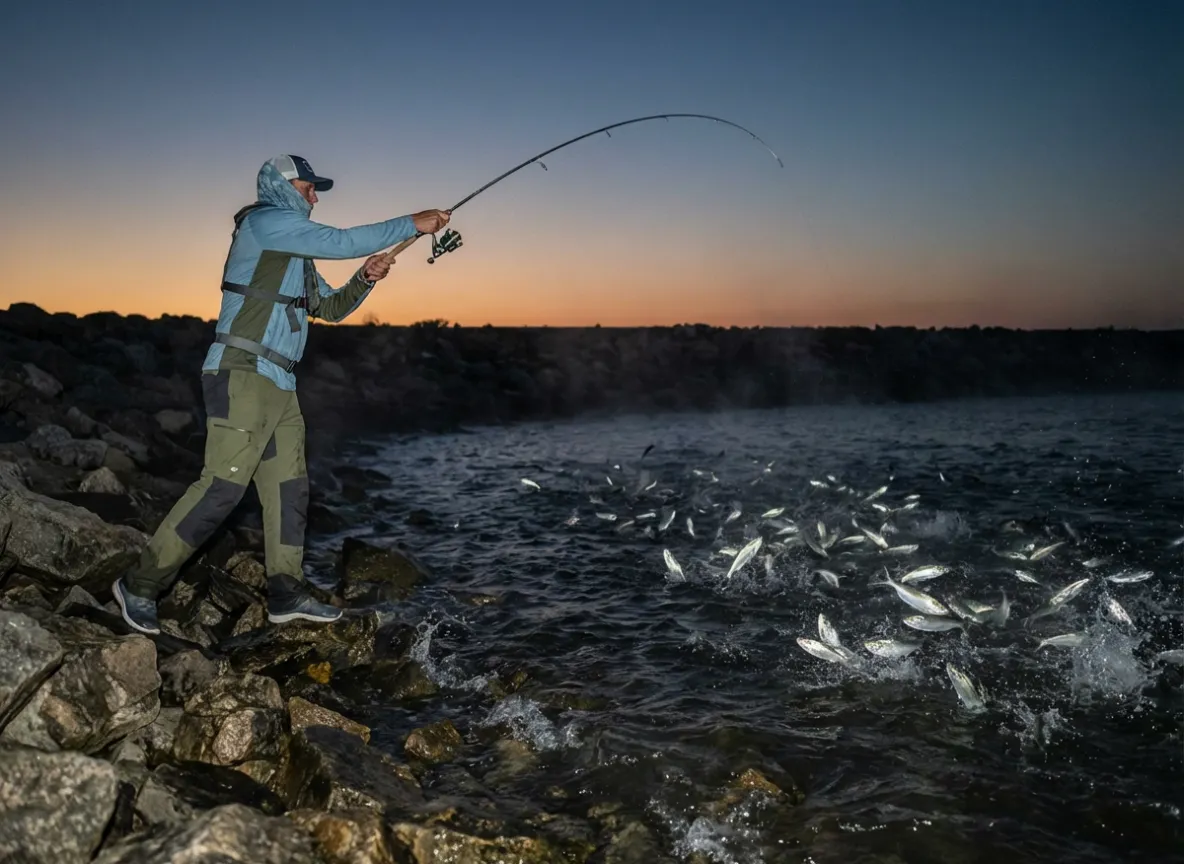
The water along the rip-rap isn’t just rippling; it is erupting. This is not the passive, meditative waiting game often associated with freshwater fishing. This is a “trophic cascade,” a violent, momentary intersection where the biological imperative of the threadfin shad collides with the caloric deficit of post-spawn bass.
To succeed at shad spawn fishing, you must abandon the slow finesse of the preseason and adopt a mindset of speed, aggression, and forensic observation before sun-up terminates the window. I have spent decades on the water, and I can tell you that missing this window by twenty minutes often means the difference between a livewell full of four-pounders and a frustrating day of grinding for a single bite.
This tactical playbook is designed to shift your approach from guessing to calculating. We will break down the precise water temperature windows that ignite the frenzy, the forensic clues like foam on the bank that reveal the zone, and the high-speed reaction baits required to trigger strikes in the chaos.
What Drives the Shad Spawn Phenomenon?
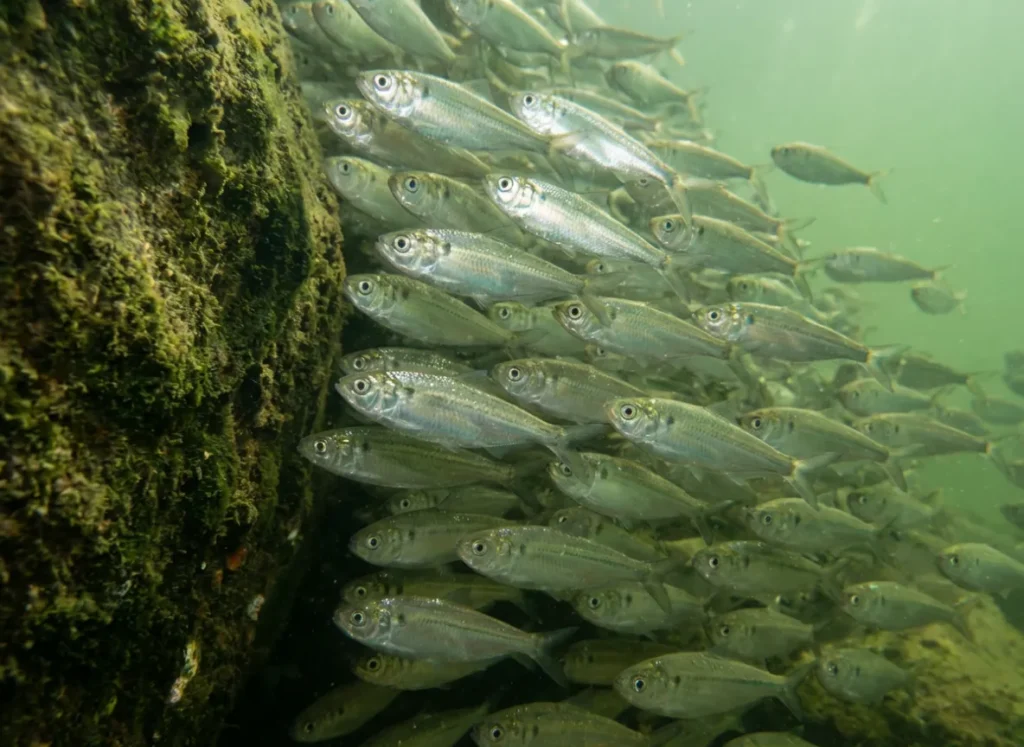
To predict when and why baitfish congregate, we must deconstruct the biological and environmental requirements of Threadfin and Gizzard Shad. This is not random movement; it is a rigid schedule of reproductive behavior. Once you understand the specific organism you are mimicking, you can identify the invisible thermal gates that dictate this seasonal patterning.
How do Threadfin and Gizzard Shad differ in behavior?
You must identify your target species immediately because the approach for one rarely works for the other. Threadfin Shad (Dorosoma petenense) are smaller, usually 2-4 inches, and are highly temperature-sensitive pelagic fish. Because of the temperature sensitivity and life history of Threadfin Shad, a sudden cold snap can cause massive die-offs.
This sensitivity condenses their spawning efforts into frantic windows as the water warms from late April to early June. When Threadfin are the forage, downsize to compact 3/8oz shad-style baits to match their profile. Contrast this with the Gizzard Shad (Dorosoma cepedianum).
These are the robust “tanks” of the ecosystem, often reaching lengths of 10+ inches, though bass typically target the 3-7 inch spawning class. Gizzard shad represent a massive protein meal, often attracting the largest predatory fish in the system. They spawn more violently against rock banks and clay banks, creating audible “ticking” sounds and visible displacement.
To mimic this, you need reaction baits with presence, like a 3/4oz spinnerbait with large #5 willow blades. Understanding these differences is the first step in refining the spring bass playbook for your specific body of water.
| Threadfin vs. Gizzard Shad | ||
|---|---|---|
| Data Point | Value/Range | Context |
| Spawning Temp (Threadfin) | 68°F – 76°F | “Magic Number” typically cited as 72°F. |
| Spawning Temp (Gizzard) | 65°F – 75°F | Can start slightly cooler than Threadfin; spans longer duration. |
| Daily Window | Dawn to ~8:30 AM | High light intensity terminates the shallow reproductive behavior. |
| Egg Adhesion | Hard Surfaces | Rocks, wood, docks, and stiff vegetation (Water Willow) are required. |
| Fecundity (Gizzard) | 250,000+ Eggs | Massively higher reproductive output than Threadfin, creating larger clouds. |
| Transition Depth | 5ft – 15ft | Bass move to first breaks or secondary points immediately post-window. |
What environmental triggers initiate the spawn?
Activity may begin when water hits 65°F, but the “Zone of Intensity” where the bite becomes exploitable is strictly between 68°F and 76°F. Most professional consensus and biological data pinpoint magic number 72°F as the optimal metabolic temperature for peak frenzied activity.
If you are tracking the correlation between water temperature and spawning intensity, you will notice that Gizzard shad often start earlier in the mid-60s. Threadfin follow in the upper-60s, creating a prolonged “double spike” season on lakes that hold both species.
Beyond temperature, the lunar cycle acts as the master clock. You should correlate your outings with the Full Moon and New Moon phases. The gravitational pull and nocturnal illumination help synchronize these productive shad spawns, a core principle in the science of fishing by the moon.
However, respect the “Light Switch.” Shad are negatively phototactic regarding spawning; direct solar radiation (usually around 8:30 AM) terminates the behavior immediately. Cloud cover is your greatest ally here. Overcast skies, low light, or fog act as a multiplier, extending this shallow bite into the day.
How Do You Locate an Active Spawn?
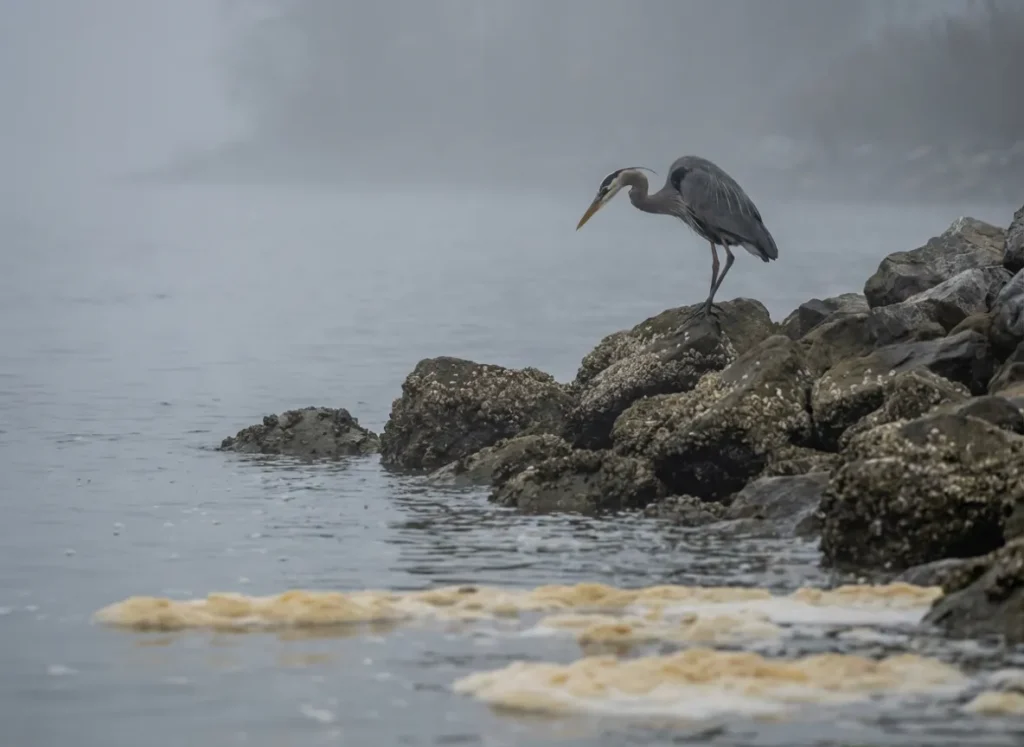
With the timing and species identified, the fisherman must shift from biologist to detective. You are running a diagnostic checklist to find physical evidence left behind at the crime scene.
What forensic clues confirm a spawn has occurred?
The most reliable indicator is foam on the bank. Scan the bank for off-white, yellowish, or brown bubbles clinging to rocks and wood. This is distinct from the clean white froth generated by wind. This “greasy” foam is protein-rich residue from milt and egg casings released during the reproductive chaos of the previous night.
Unlike wind foam, biological foam is tenacious. Finding it in a calm pocket confirms spawning activity even if the surface water is currently still. Your diagnostic efforts should focus on hard surfaces like rip-rap, concrete sea walls, bridge pilings, or stiff water willow and grass lines.
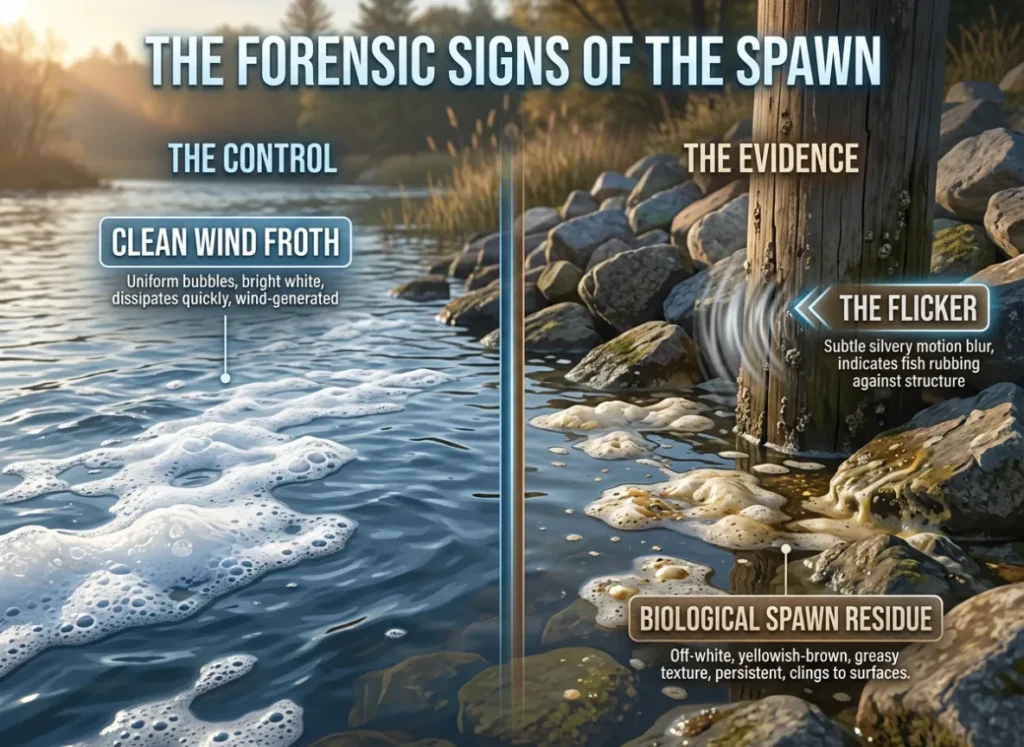
Watch for the “Flicker”—subtle, silvery ripples tight against floating docks or rocks—indicating spawning shad are still rubbing against the structure. Prioritize channel swings where deep water meets the spawning flats. Recognizing these signs is a specific application of how to score the perfect fishing spot based on biological evidence.
How do avian predators reveal the target zone?
While the foam tells you where the shad were, the behavior of other predators will tell you exactly where the post-spawn fish are right now. Treat the Great Blue Heron as aerial reconnaissance. A heron standing motionless on a dock or laydown is actively hunting, confirming the presence of baitfish in that specific location.
Understanding the ecological role of piscivorous birds reveals that they rarely waste energy in unproductive waters. Look for concentration. A singular bird is a clue, but a cluster of Egrets or herons along a specific stretch of rip-rap is a definitive signal to fish that bank.
Observe active predation over open water as well. Terns, Gulls, or Kingfishers diving or hovering indicate huge schools of shad are being pushed up, creating an easy meal. In shallow zones, these birds often detect boiling water faster than mastering your fish finder because they see real-time movement near the surface that sonar might miss.
Which Lures Constitute the Essential Shad Spawn Arsenal?
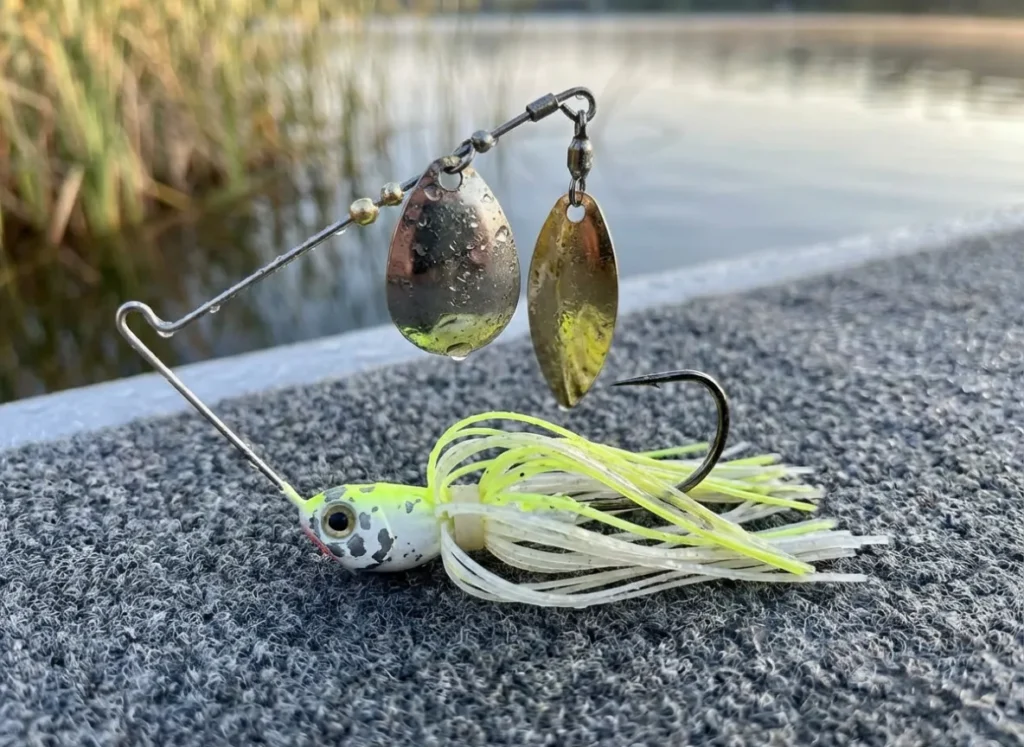
Confirming the location is only half the battle. Now you must select a tool capable of triggering a reaction in the midst of chaos. You need fast moving baits with specific mechanical attributes—flash or vibration.
Why is the spinnerbait the primary weapon for this pattern?
The spinnerbait is effective because of its “Burning” capability. Select a compact frame that carries weight, such as the War Eagle Screamin Eagle or Nichols Shattered Glass, but maintains a small profile for high-speed stability. Utilize a double willow spinnerbait configuration for maximum flash and minimal drag, allowing the bait to be retrieved rapidly.
The vibration of the willowleaf spinnerbait blades triggers the lateral line system in predatory fish, helping bass fishermen trigger strikes in low light.
Pro-Tip: Mandate the trailer hook. Equip a 1/0 or 2/0 trailer hook to every spinnerbait you throw. The bass are feeding in a frenzied, slashing manner, and “short strikes” are common. This simple addition will drastically increase your landing ratio.
Adapt your presentation to the light levels. Switch to white, pearl, or sexier shad painted blades during dawn or heavy overcast to provide a starker silhouette against the surface glare. When choosing your setup, understanding rod power vs action decoded is vital. You need a rod with enough backbone to handle the torque of burning heavy blades without overpowering the tip.
When should you switch to a swim jig or topwater?
The spinnerbait covers open water and rock, but when the shad spawn moves into thickets and marina docks, you need a different tool. Use a bullet-headed swim jig (like those from Dirty Jigs) to thread through water willow, hydrilla, or dock cables where open spinnerbait wires would snag.
For even more vibration in stained water, switch to a chatterbait or vibrating jig like the Thunder Cricket or Molix Lover Titanium. Execute the “Alabama Shake” by rapidly shaking the rod tip to flare the skirt, mimicking the frantic swimming action of a panicked shad. This approach capitalizes on the predatory habits of largemouth bass, which often use complex cover for ambush points.
In low light or fog, use topwater. Throw walking baits like the Megabass Giant Dog X or a popper like the Nomad Chug Norris during the pre-dawn darkness. A buzzbait is another excellent choice for covering water quickly. For deeper insight, refer to data-backed topwater fishing. Select “skipping” profiles for the swim jig to reach deep under dock overhangs where shade-seeking shad congregate later in the morning.
How Do You Execute the Technique for Maximum Efficiency?
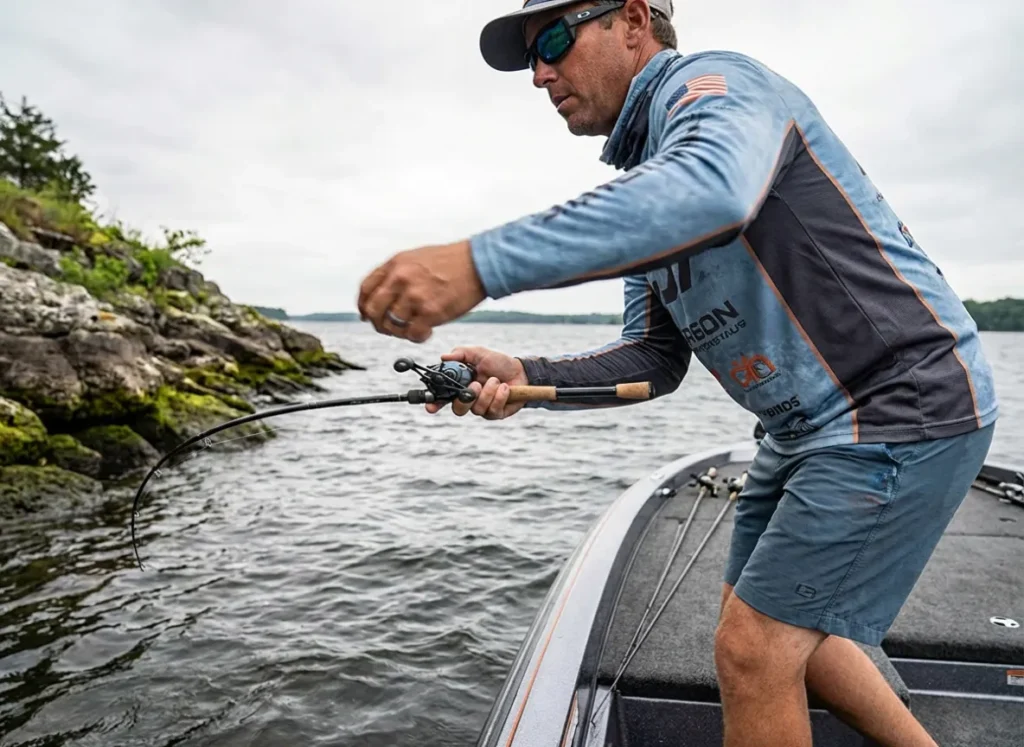
Selecting the right lure is critical, but without the correct mechanical execution, it is simply a piece of plastic. The magic lies in the technique speed.
What retrieve cadence triggers the reaction strike?
Commit to the “Burn.” Use a high-speed reel to keep the lure moving rapidly, preventing bass from getting a good look at the bait. The goal is to master bulging—retrieving the bait so the blades create a visible wake or waking surface without breaking the tension.
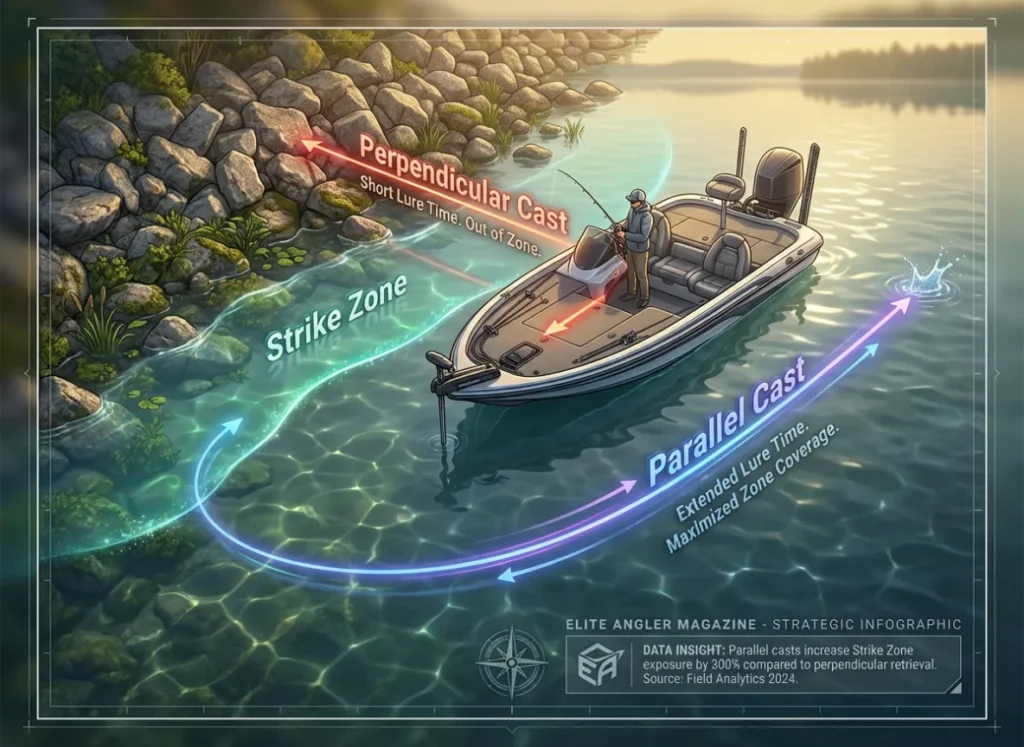
This silhouettes the lure for fish looking up. To achieve this, you need one of the best baitcasting reels for bass with a gear ratio of 7.1:1 or faster. Cast parallel to the bank. Position your boat close to the shoreline to keep the lure in the productive 0-3ft depth zone for the entire retrieve.
Force the “Deflection” by intentionally crashing the lure into bridge pilings, docks, or stumps. This erratic directional change triggers feeding behavior and reaction strikes that a straight retrieve cannot match. Utilize the “Kill” switch by momentarily pausing the retrieve immediately after a deflection to mimic a stunned shad.
What is the Protocol for the Post-9 AM Transition?
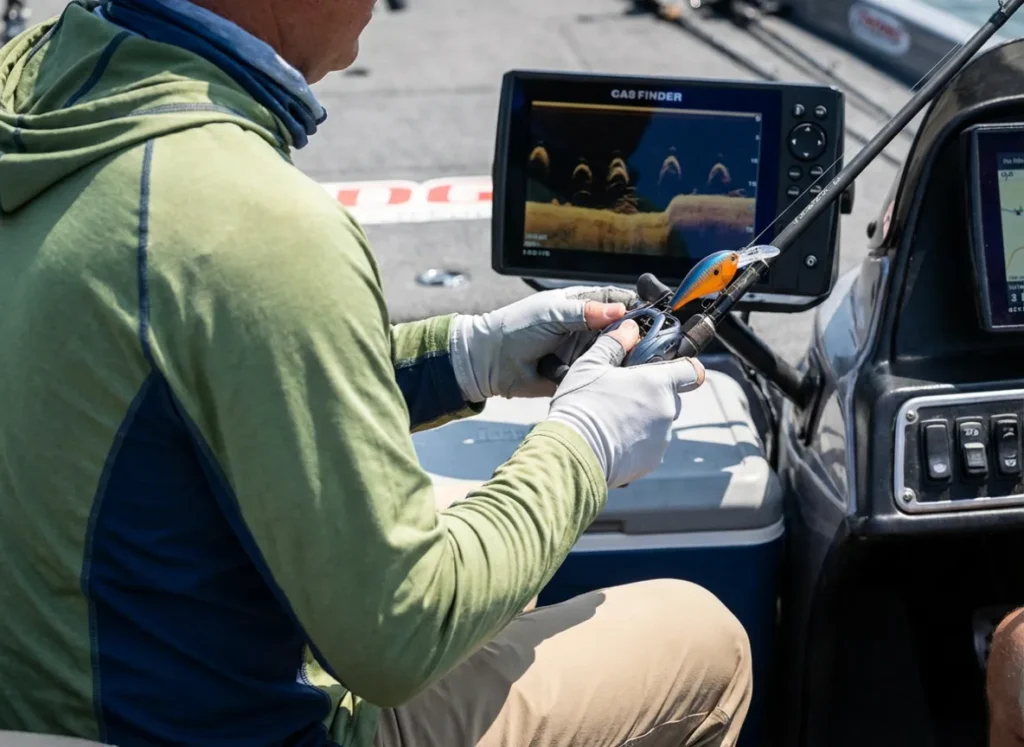
Eventually, despite your best execution, the sun will rise and the bank bite will die. This leads to the post spawn doldrums, but the expert angler knows the transition protocol.
Where do bass migrate once the sun hits the water?
Reject the idea that the bass leave the area. They simply reposition vertically and horizontally to the nearest safety zone. Identify the first break—the immediate drop-off or weed line edge (5-10ft depth) adjacent to the spawning area where bass retreat to digest.
Knowledge of reservoir habitat and fish migration suggests that secondary points inside creeks or windblown points act as “waiting rooms.” Transition from high-speed reaction baits to suspension and depth tools like a jerkbait (e.g., Livingston Lures DM Jr), a squarebill crankbait, or an underspin rigged with a hollow belly swimbait.
As the sun climbs, bass metabolism shifts from “hunt” to “digest.” This is the time to learn how to fish deep diving crankbaits to grind the bottom of that first break or adjacent deep water. On bright days, skip swim jigs deep under deep marina docks where the shade line persists.
Summary of the Shad Spawn System
The shad spawn is a predictable biological system governed by the 68°F – 76°F temperature window and low light conditions. Success begins with forensic observation—locating “greasy foam” and interpreting heron behavior before making multiple casts.
Speed and deflection are crucial; burning spinnerbaits and shaking swim jigs triggers the necessary reaction strike. In the end, remember that the bite doesn’t end at 9:00 AM; it moves deeper. Transitioning to the first break ensures the catch rate continues.
Next time you see birds diving or foam on the bank, don’t just cast—observe, calculate, and execute the tactical playbook. Share your best “Shad Spawn” catch or observation in the comments below.
FAQ – Frequently Asked Questions
What is the best water temperature for the shad spawn?
The peak intensity occurs between 68°F and 76°F, with 72°F often cited by experts as the optimal magic number 72°F. While activity can start as low as 65°F, the frenzy is most consistent in the low-to-mid 70s.
What time of day does the shad spawn happen?
The shad spawn is a nocturnal and crepuscular event, peaking from first light (dawn) until approximately 8:30 AM. Once the sun rises high enough to penetrate the water column, the shad retreat to deeper water.
Does the moon phase affect the shad spawn?
Yes, there is a strong correlation between spawning intensity and the Full Moon and New Moon phases. The increased nocturnal illumination and gravitational effects during these phases trigger mass spawning events.
How do you identify if a shad spawn is happening?
Look for greasy off-white or yellowish foam clinging to rocks and banks, which is biological residue. Other signs include Blue Herons standing on the bank, terns diving, and visible boiling water or flicking of baitfish against hard surfaces.
Risk Disclaimer: Fishing, boating, and all related outdoor activities involve inherent risks that
can lead to injury. The information provided on Master Fishing Mag is for educational and informational purposes
only. While we strive for accuracy, the information, techniques, and advice on gear and safety are not a substitute
for your own best judgment, local knowledge, and adherence to official regulations. Fishing regulations, including
seasons, size limits, and species restrictions, change frequently and vary by location. Always consult the latest
official regulations from your local fish and wildlife agency before heading out. Proper handling of hooks, knives,
and other sharp equipment is essential for safety. Furthermore, be aware of local fish consumption advisories. By
using this website, you agree that you are solely responsible for your own safety and for complying with all
applicable laws. Any reliance you place on our content is strictly at your own risk. Master Fishing Mag and its
authors will not be held liable for any injury, damage, or loss sustained in connection with the use of the
information herein.
Affiliate Disclosure: We are a participant in the Amazon Services LLC Associates Program, an
affiliate advertising program designed to provide a means for us to earn advertising fees by advertising and linking
to Amazon.com. As an Amazon Associate, we earn from qualifying purchases. We also participate in other affiliate
programs and may receive a commission on products purchased through our links, at no extra cost to you. Additional
terms are found in the terms of service.