
In this article
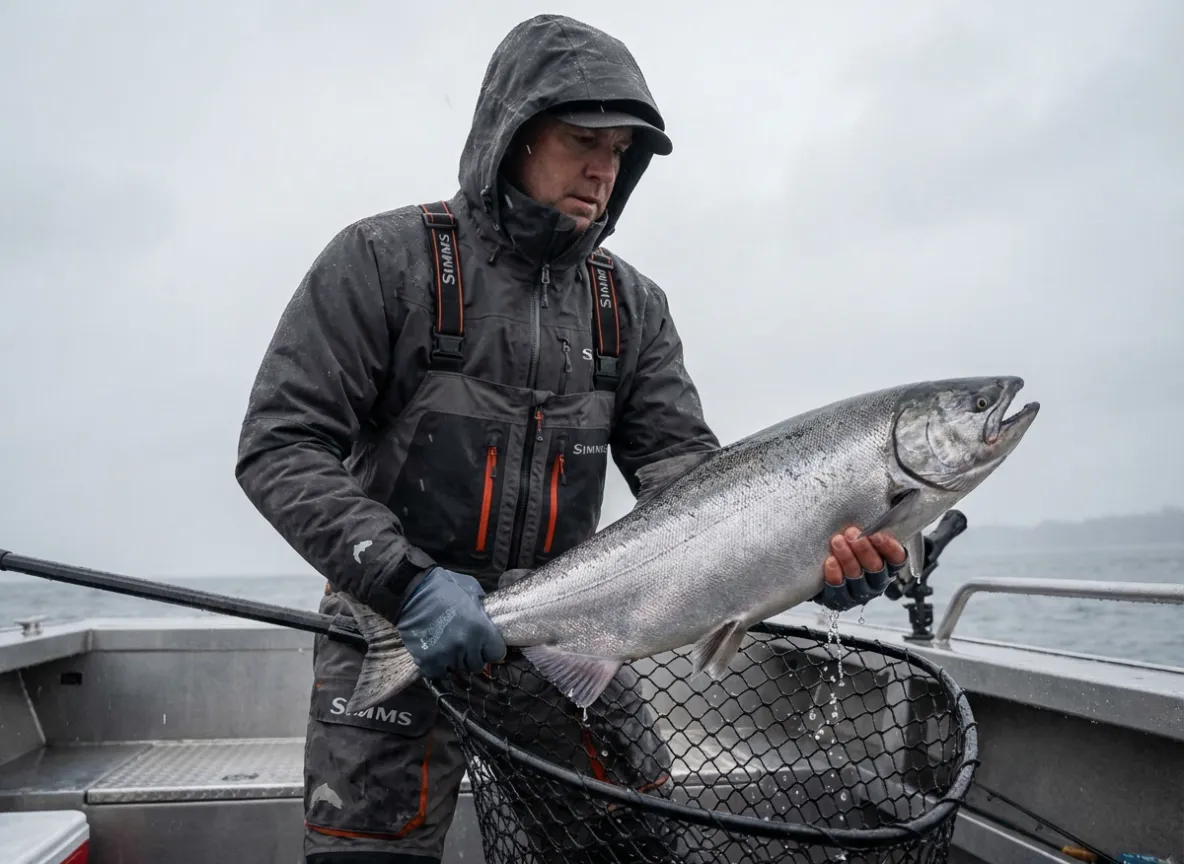
The chrome flank of a Chinook salmon breaking the surface of the Columbia isn’t luck. It is the mathematical result of intersecting variables. Cold water discharge meets tidal salt, photoperiod triggers migration, and a precisely rigged flasher rotates at a frequency that mimics a distressed baitfish.
For the independent angler, the annual Pacific Northwest salmon run is the ultimate test of preparation against an environment that is vast, dynamic, and often unforgiving. I have spent decades navigating these waters, from the chaotic mouth of the Columbia near Ilwaco and Westport to the quiet, fog-laden banks of the Sol Duc River and Bogacheil. I’ve learned that success in these anadromous fisheries doesn’t come to those who wait; it comes to those who calculate.
This guide moves beyond the standard fishing report or recreational fishing brochure. We are going to strip away the noise and focus on the decision-making framework you need to plan, execute, and succeed in a DIY salmon expedition. We will cover biological calibration, choosing your theater of operations—from Puget Sound to the Oregon coast—specific tactical systems, and the logistics required to get home safely.
What Drives the Migration and Timing of the Run?
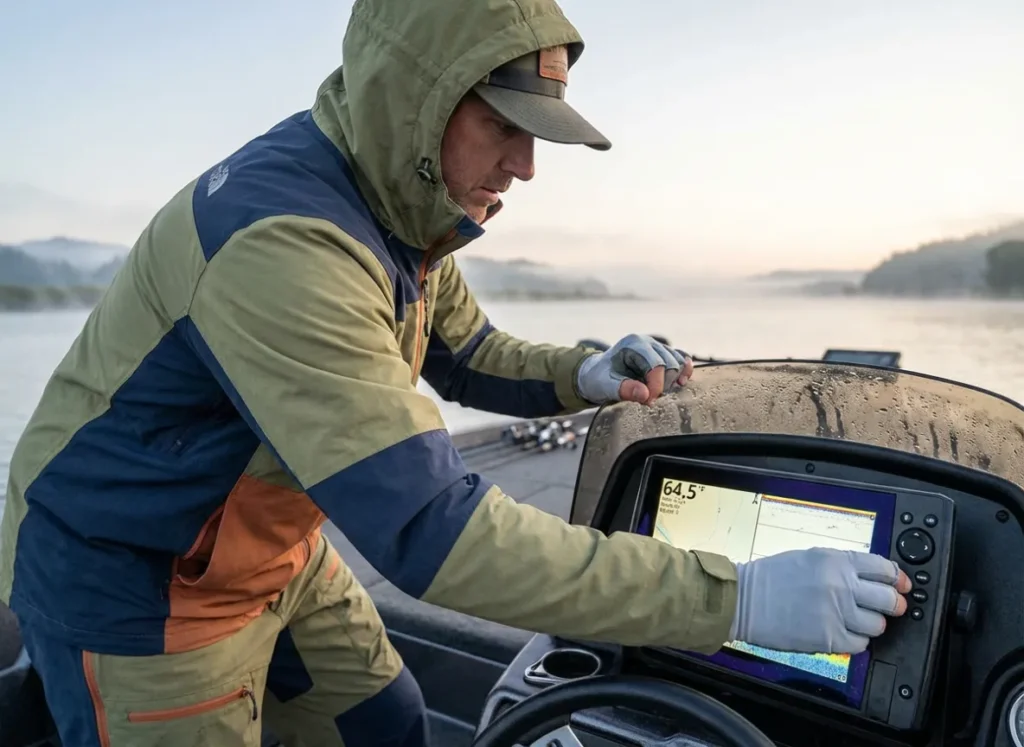
Run timing and temperature thresholds dictate success because Pacific salmon are cold-blooded creatures ruled by a rigid biological clock and thermal constraints. While calendar dates and seasonal run charts provide a general baseline, water temperature is the actual “go” signal for migrating fish.
How do seasonal timing and temperature thresholds dictate success?
The salmon calendar is layered. Spring Chinook (“Springers”) arrive from March to May, prized for their high fat content. They are followed by Sockeye salmon (Red salmon) and Summer Steelhead. The run peaks with the massive biomass of Fall Kings (Chinook salmon) and Coho salmon (Silver salmon) from August to November. Late in the season, Chum salmon (Dog salmon) arrive to test tackle in the lower rivers.
However, 2025 presents a critical anomaly: the biennial Pink Salmon return. This high-volume event occurs only in odd-year cycles, flooding Puget Sound rivers like the Snohomish River, Skagit River, and Skykomish River with millions of aggressive “Humpies.” To time your trip, you must consult WDFW rules and escapement reports to identify the specific “run phase”—Estuary, Lower River, or Terminal Zone.
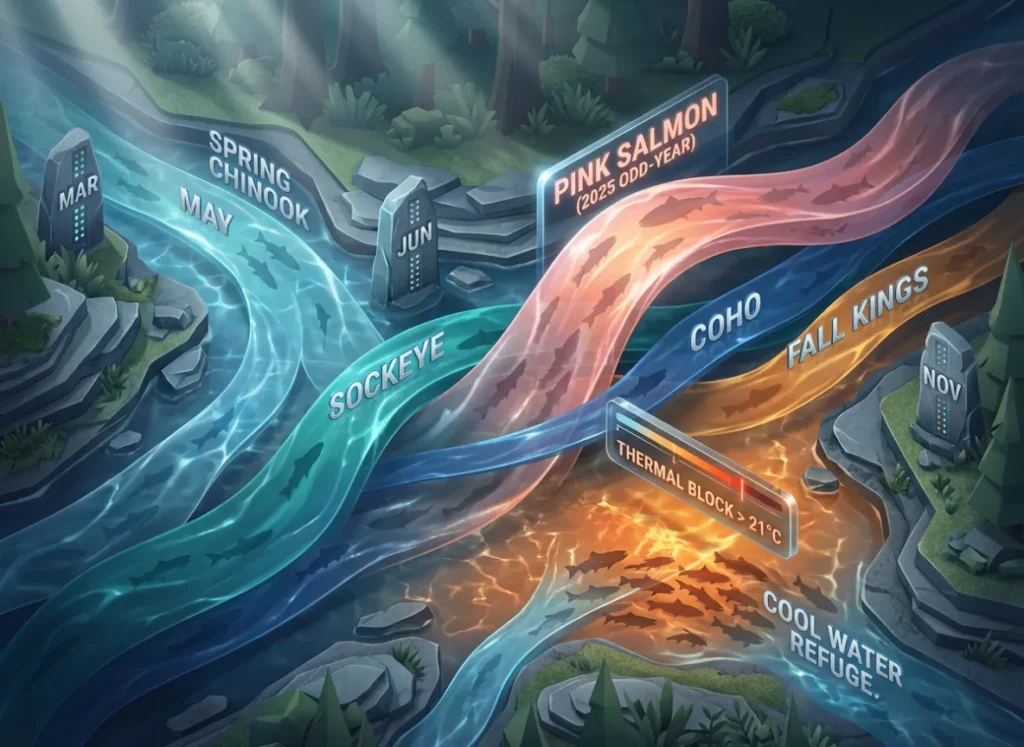
Knowing the date isn’t enough. You must understand the “Thermal Block.” Fish migration significantly slows or halts when mainstem temperatures exceed 21°C (69.8°F).
Pro-Tip: When the mainstem river hits 70°F, stop fishing the open lanes. Head immediately to the mouths of cooler tributaries. The fish will stack up there in dense schools, waiting for the water to cool.
When this thermal threshold is breached, fish are biologically compelled to “keg up” in thermal refuges. This creates high-density target zones near tributary mouths like Drano Lake (fed by the Little White Salmon River) or the Deschutes River confluence. This is the impact of thermal barriers on salmonid migration.
Instead of fishing “blind,” use this knowledge. You should be applying a data-backed method to choose a fishing spot by analyzing temperature gauges before you ever hitch up the boat.
Where Should You Intercept the Run?
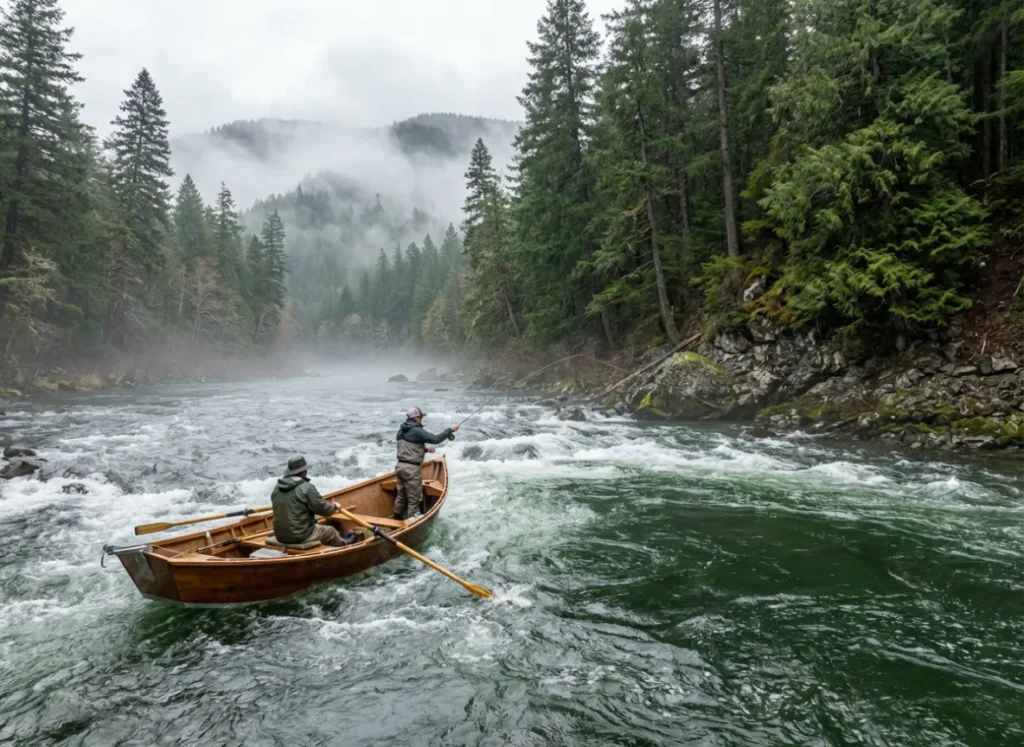
The Pacific Northwest watershed is massive. To avoid being overwhelmed, you must categorize the geography into tactical zones: the volume of the Columbia River “Super-Highway” or the technical precision of coastal streams and tributaries.
Why is the Columbia River considered the ‘Super-Highway’?
The Columbia River functions as the primary artery of the West Coast, channeling fish toward the Snake River, Willamette River, and beyond. It begins at the massive “Buoy 10” estuary fishery. Here, ocean-fresh fish first encounter freshwater and tides. The tactics are heavy-duty: 12 to 20 ounces of lead (often banana weights) and trolling massive spreads against strong tidal currents are standard to intercept fish entering from the Pacific Ocean.
Upriver zones, such as the Bonneville Pool and Hanford Reach, present different variables. You need boat control capable of handling heavy currents and a keen knowledge of underwater structure.
Safety is the critical priority at the river mouth. The Columbia River Bar is notoriously dangerous. You must adhere to Columbia River zone management plans and strictly respect tide cycles. Avoid maximum ebb tides against a westerly swell at all costs.
Since fishing the Columbia—especially at Buoy 10—often requires a substantial vessel, make sure you are choosing the right fishing boat for big water before attempting this fishery.
Which coastal and urban rivers offer the best drift and bank opportunities?
While the Columbia is about volume, coastal “strongholds” offer a technical engagement. On the Olympic Peninsula, rivers like the Quillayute River, Hoh River, Queets, and Sol Duc River are defined by their “flashy” nature, rising and falling quickly with rain. In Southwest Washington, the Chehalis River, Humptulips River, and Willapa Bay systems provide incredible opportunities.
Further south, Oregon’s Nehalem River, Wilson River, Trask River, Kilchis River, and the legendary Rogue River offer intense seasonal action. These waters are often best accessed via drift boat or raft. The Sol Duc is famous for its Spring and Fall Chinook, but its Class III and IV rapids demand expert rowing skills.
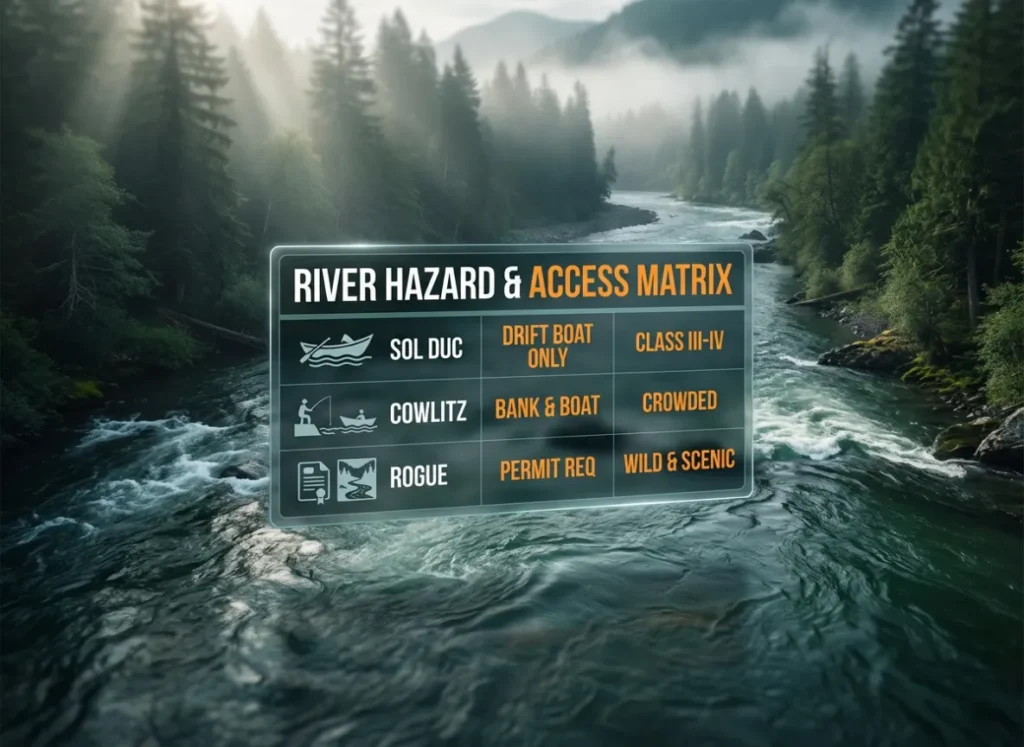
Urban fisheries in Puget Sound, like the Green River and the Lake Washington ship canal near the Ballard Locks, offer accessible bank fishing for Coho and Sockeye close to major population centers. The Cowlitz River, Kalama River, Lewis River, and Washougal River are heavily targeted tributaries that attract crowds but produce massive numbers of fish.
River classification is critical for safety. The “Wild & Scenic” section of the Rogue requires permit requirements for the Rogue River and specialized whitewater experience.
Success in these smaller systems relies on stealth and reading the water. You must be adept at mastering how to read a river to find soft seams and resting buckets. This contrasts sharply with the wide-open trolling of the Columbia or Strait of Juan de Fuca.
How Do You Match the Technique to the Conditions?
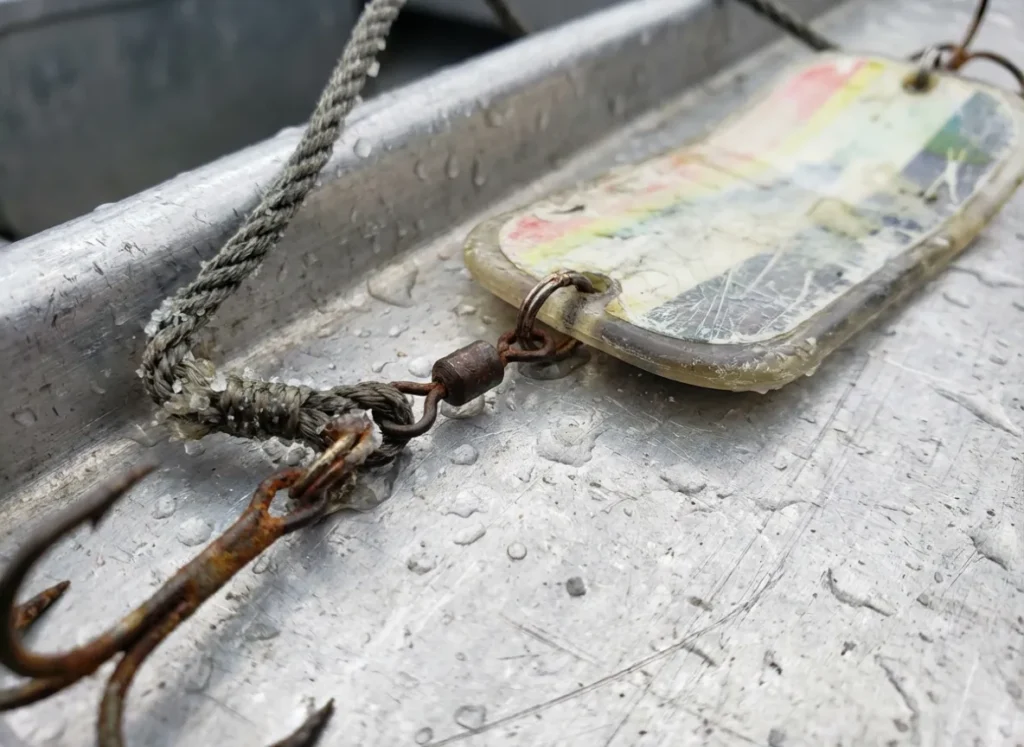
A river selected is only a potential fulfilled. Converting presence into a strike requires the precise application of mechanical advantage, whether you are mooching in Neah Bay or back-trolling Kwikfish on the Sandy River.
Why has the 360 flasher system revolutionized trolling?
Unlike traditional triangle flashers that roll on an axis, 360 flashers (like Pro-Troll or Short Bus Flashers) rotate in a full circle. This imparts a chaotic, violent “kick” that triggers aggression strikes. The rigging geometry is precise. A heavy bumper (18-30 inches) prevents tangles, while the leader to the lure must be short (26-30 inches for Chinook) to transmit the rotational energy.
This system excels in Marine Areas and the estuary. It allows you to cover water and create a large vibration profile to draw fish in. Speed control is the deciding factor. The flasher requires a specific troll speed, typically 2.5 to 3.5 mph, to maintain the correct rotation per minute.
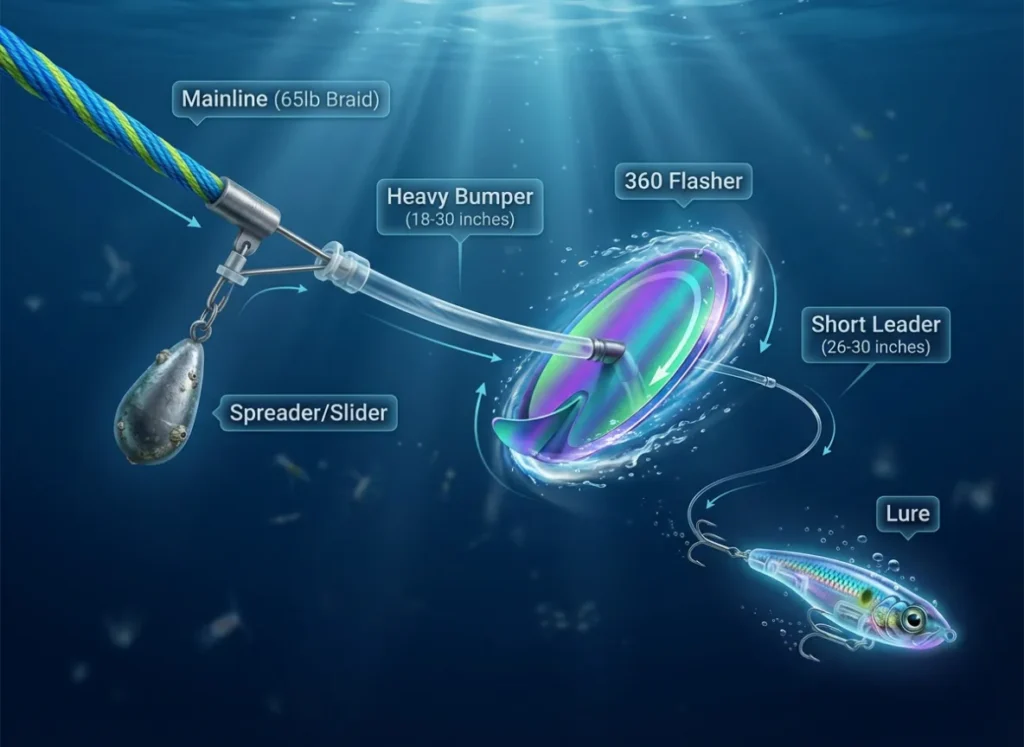
You must check gear modifications for selective fisheries to ensure compliance, but generally, this setup uses heavy braid. You should be selecting the best braided fishing line for heavy drag—usually 50lb to 65lb test—to cut the water and handle the resistance of the flasher. Common lures include Super Baits packed with tuna, Ace Hi Flies, or spinners.
When should you switch to plunking or twitching jigs?
“Plunking” is the stationary art of anchoring a buoyant lure, like a Spin-N-Glo wrapped with coon shrimp, in a migration lane using a heavy pyramid sinker. This is ideal for high-water conditions where fish hug the bank. The key is identifying “soft water” seams—the transition between the heavy main current and slack water—where migrating salmon travel to conserve energy.
Twitching jigs is a dynamic, active technique. It is primarily used for Coho in slower tributary water or log jams, utilizing a weighted marabou jig. The physics of twitching relies on a reaction strike. The rapid vertical “pop” followed by a slack-line freefall triggers an instinctive snap, even from non-feeding fish.
According to standard recreational fishing methods, these techniques are highly effective for bank access. They remove the need for a boat but require a deep understanding the physics of fishing in current to identify the hydraulic features like seams and eddies where fish hold. Other effective bank methods include drifting bobber & roe or floating sand shrimp through deep slots.
What Logistics Are Required for the DIY Angler?
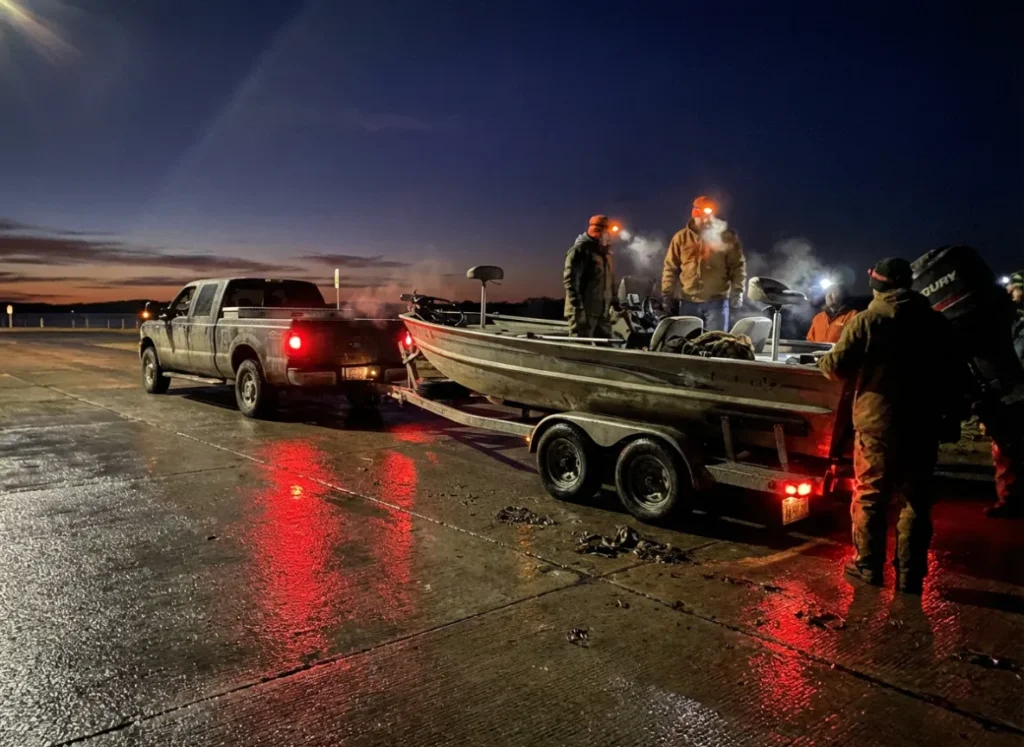
The functional details of independent operation—shuttle services, boat launch crowds, and marine area codes—are often what determine the success of a trip.
How do you safely navigate the Columbia River Bar and shuttles?
Crossing the Columbia River Bar—the “Graveyard of the Pacific”—requires strict timing. Never attempt a crossing on a max ebb tide (outgoing) against a westerly swell. This creates lethal “standing waves” that can capsize even large recreational vessels. Small craft operators must monitor Channel 16 and check for the “Rough Bar” amber warning lights at ramps like Hammond, Ilwaco, or Chinook.
Always consult the Local Notice to Mariners for District 13 before launching. Beyond the specific hazards of The Bar, you must be adhering to essential fishing safety tips every time you leave the dock.
For river drifters, utilizing a shuttle service is essential. On rivers like the Rogue, Cowlitz, or Klickitat River, these services move your vehicle from the put-in to the take-out while you float. Shuttle logistics require advance booking during peak season. Reputable services carry your spare key and park your rig safely, allowing for a seamless one-car operation.
Pro-Tip: Rig your boat in the staging area (straps, plugs, gear loading), never on the ramp itself. The most experienced anglers are the most efficient at the launch. Be ready to float the moment your tires hit the water.
How Do We Sustain the Fishery for Future Generations?
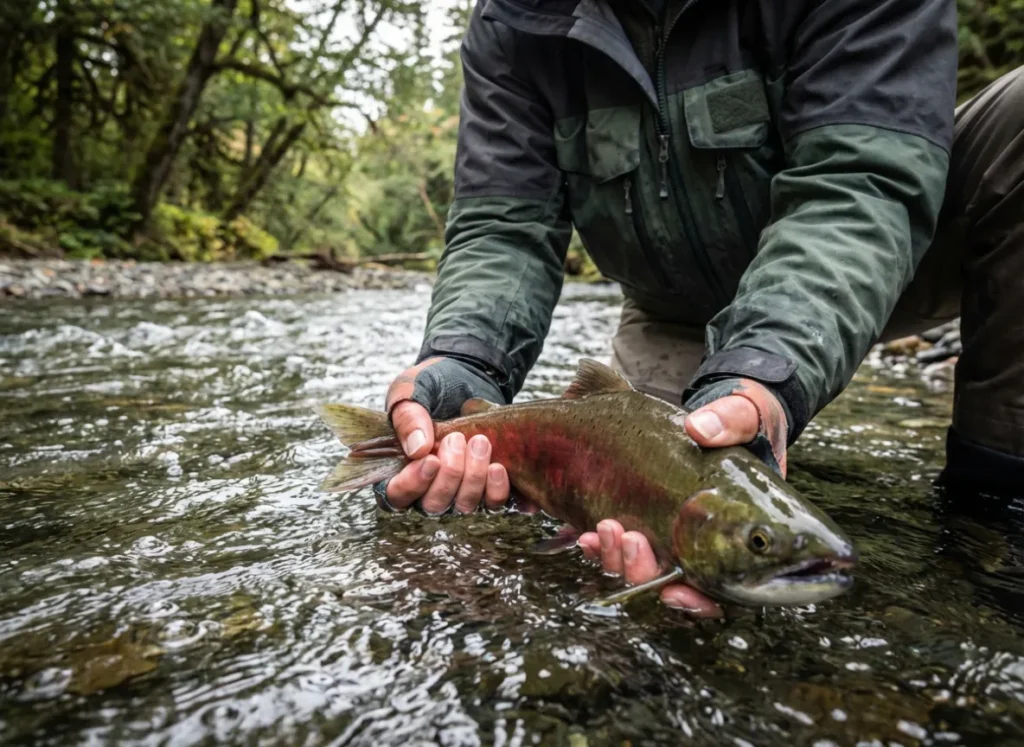
The final layer of the salmon run is regulatory. It is about stewardship & ethics and ensuring that the fish you catch is the fish you are legally allowed to keep.
Why is accurate species identification critical for compliance?
The primary regulatory distinction in the PNW is between hatchery fish (fin-clipped) and wild fish (adipose fin intact). This is particularly vital for Coho salmon and Chinook salmon. You must instantly identify the adipose fin. If it is present, the fish must be released unharmed without removing it from the water.
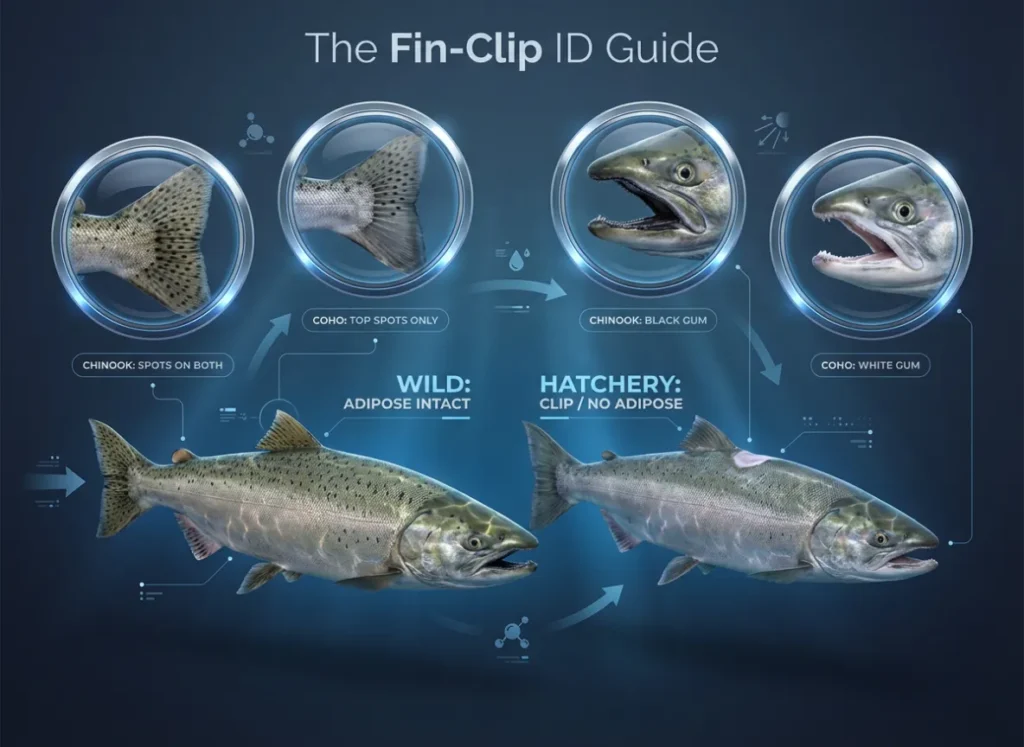
Species identification relies on specific markers. Chinook have black gum lines and spots on both tail lobes. Coho have white gum lines and spots only on the upper tail lobe. Misidentification leads to the illegal harvest of stocks protected under salmon recovery and monitoring data.
Ethical handling is not just about avoiding fines. It is about active participation in the fishery. You should be applying proper catch and release techniques, such as using rubberized nets to protect slime coats and reviving fish in the current, to ensure wild salmon survive to reach the spawning grounds.
Final Assessment
The Pacific Northwest salmon run is a grand, complex event. Success is dictated by the temperature of the water, the geography of the river, and the mechanics of your gear lab.
- Timing: Watch for the 21°C barrier and prepare for the 2025 Pink salmon bonus.
- Geography: Choose between the volume of the Columbia, the Strait of Juan de Fuca, or the technical drifts of the Coast.
- Tactics: Master the 360 flasher, heavy lead plunking, or the twitching jig.
- Ethics: Protect the future by identifying your catch and releasing wild fish with care.
Share your own reports from the run or ask specific questions about rigging in the comments below. Let’s build a community of competent, independent anglers.
FAQ – Frequently Asked Questions
When is the best time to catch salmon in the Columbia River?
The peak for the largest biomass (Fall Chinook and Coho) is typically from mid-August through September, specifically at Buoy 10 and the lower river. Springers (Spring Chinook) offer a premium but smaller run from March to May.
Do I need a boat to catch salmon in Washington and Oregon?
No. Bank anglers can be highly successful using plunking techniques on the Lower Columbia or twitching jigs on smaller tributaries like the Snohomish River, Cowlitz River, and Clackamas River. However, a boat is necessary for the estuary trolling lanes or reaching offshore fishing grounds near Neah Bay.
What is the difference between a wild and hatchery salmon?
A hatchery fish has had its adipose fin (the small fleshy fin on the back near the tail) clipped off, leaving a healed scar, indicating it is generally legal to keep. A wild fish retains this fin and must usually be released immediately to protect ESA-listed stocks.
What gear do I need for trolling at Buoy 10?
The standard setup includes a 9’6 to 10’6 heavy rod (look for a line rating of 15-50lb), a line-counter reel, 50-65lb braid, a 12-20oz lead weight, and a 360 flasher rigged with a spinner or cut plug herring.
What is a Blackmouth?
Blackmouth are immature Chinook salmon that reside in Puget Sound year-round rather than migrating to the open ocean. They provide excellent winter fishing opportunities in Marine Areas like Sekiu and Port Angeles.
Risk Disclaimer: Fishing, boating, and all related outdoor activities involve inherent risks that
can lead to injury. The information provided on Master Fishing Mag is for educational and informational purposes
only. While we strive for accuracy, the information, techniques, and advice on gear and safety are not a substitute
for your own best judgment, local knowledge, and adherence to official regulations. Fishing regulations, including
seasons, size limits, and species restrictions, change frequently and vary by location. Always consult the latest
official regulations from your local fish and wildlife agency before heading out. Proper handling of hooks, knives,
and other sharp equipment is essential for safety. Furthermore, be aware of local fish consumption advisories. By
using this website, you agree that you are solely responsible for your own safety and for complying with all
applicable laws. Any reliance you place on our content is strictly at your own risk. Master Fishing Mag and its
authors will not be held liable for any injury, damage, or loss sustained in connection with the use of the
information herein.
Affiliate Disclosure: We are a participant in the Amazon Services LLC Associates Program, an
affiliate advertising program designed to provide a means for us to earn advertising fees by advertising and linking
to Amazon.com. As an Amazon Associate, we earn from qualifying purchases. We also participate in other affiliate
programs and may receive a commission on products purchased through our links, at no extra cost to you. Additional
terms are found in the terms of service.