
In this article
The twin outboards roar to life at 6:00 AM, cutting through the morning mist. It should be the start of a perfect day. Instead, the toddler is crying because the life jacket itches, the teenager is aggressively bored, and your spouse is back in the hotel lobby checking the weather app.
This is the failure state of the family fishing vacation: high friction, low engagement, and the crushing weight of “Angler’s Guilt.” I have spent decades on the water, both as a guide and a father. I can tell you that a successful angling tourism experience creates a specific kind of tension.
You cannot view it through the binary choice of “sport fishing” or “family relaxation.” To succeed, you must master the “Compromise Coefficient.” This isn’t just about catching fish; it is about balancing technical angling ambitions with family comfort. By the end of this guide, you will have a decision matrix to plan a trip that leaves the rods bent and the family smiling.
What Defines the Perfect “Family-Centric” Angling Experience?
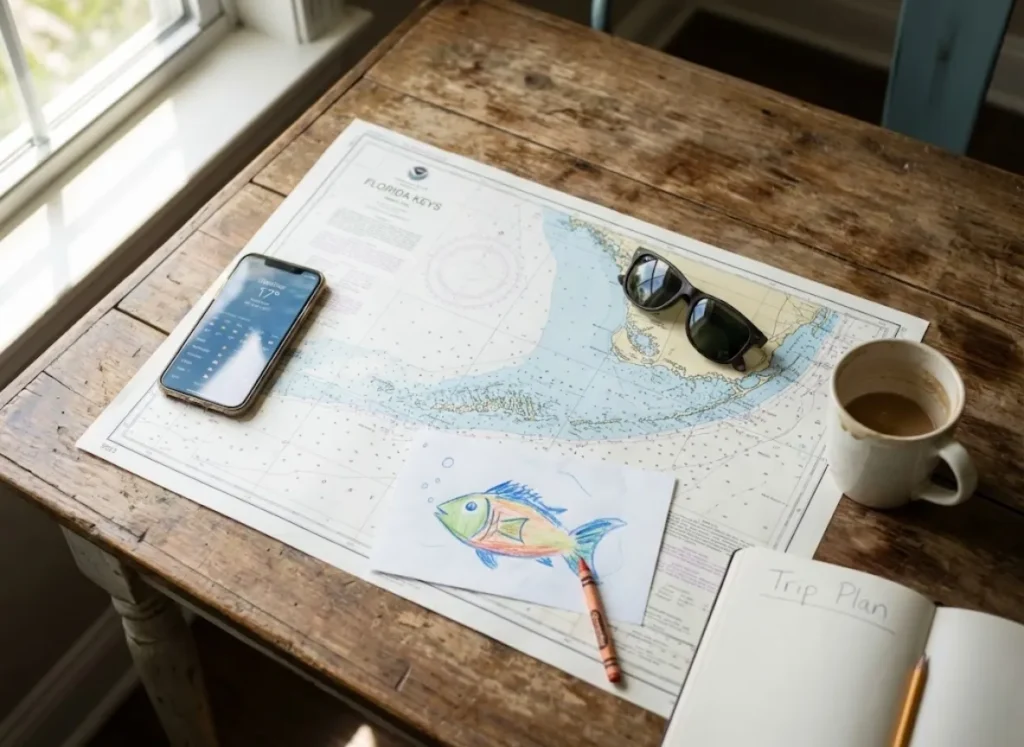
How do we calculate the “Compromise Coefficient” for a destination?
To truly rank these family fishing vacations, we have to reject the standard metrics used by sportfishing magazines. It doesn’t matter if a location holds the world record for marlin if getting there requires a three-hour ride in rough seas that will make your six-year-old sick. We conducted a commercial investigation of destinations based on three distinct axes.
First, we look at the Angler Score (1-10). This measures the fishery’s legitimacy using historical angling data. Is there a genuine shot at a trophy tarpon, or are we just dunking frozen bait for small Snapper? Second is the Family Score (1-10). This combines non-anglers amenities like pools, spas, and beaches with the “Time to First Fish”—a critical metric for keeping kids interested.
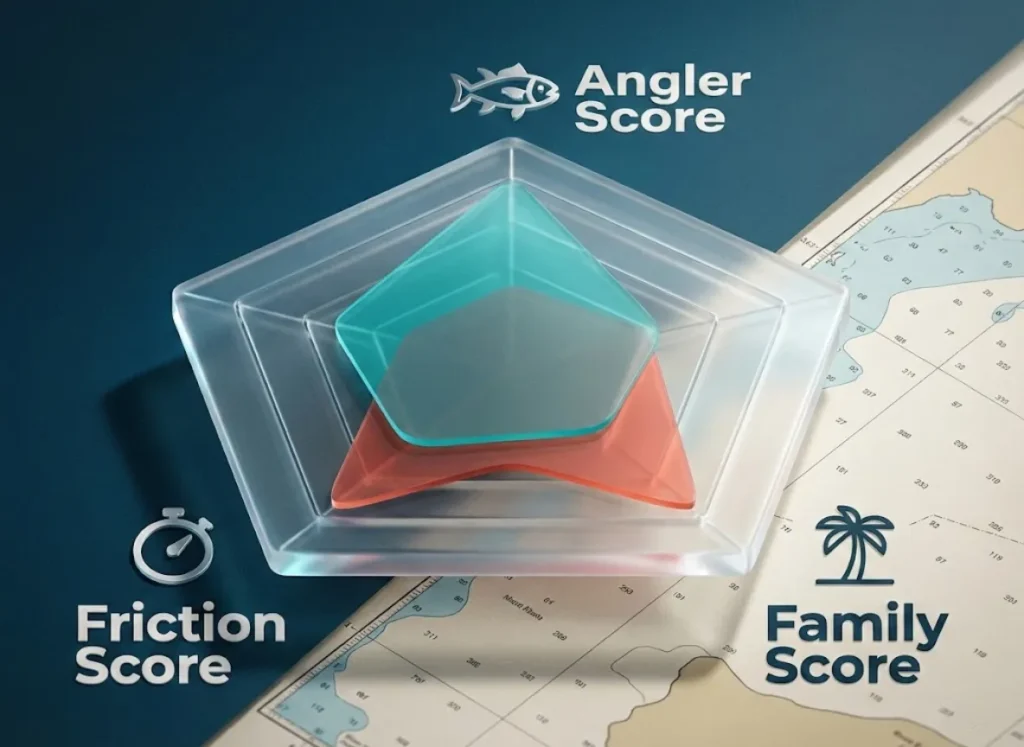
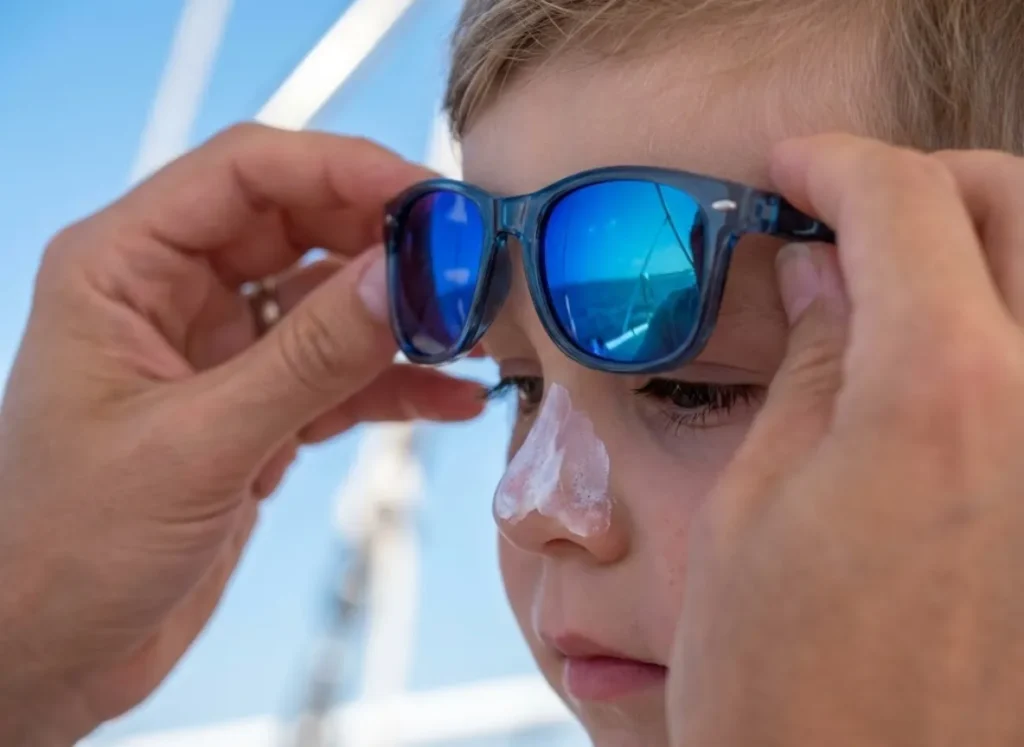
Finally, and perhaps most importantly, is the Friction Score. This variable quantifies the logistical pain of getting from the hotel room to the rod in hand. High-scoring destinations minimize the compromise layer—the physical distance between the angler and the non-angler. A “High Compromise” destination allows for a seamless “Split-Day” itinerary. The family can separate for morning activities and reunite for lunch without a massive transit headache.
We also have to prioritize the distinction between “deep sea fishing” (offshore) and “Backcountry” (inshore). This dictates seasickness risk and time commitment. The goal is the “Goldilocks Zone”: a world-class yacht club and a luxury pool on the same property. To ensure you are promoting safe and educational fishing experiences, you must match the destination to your family’s tolerance for friction.
Vibe Category 1: The “Resort Relaxers” (Luxury & Ease)
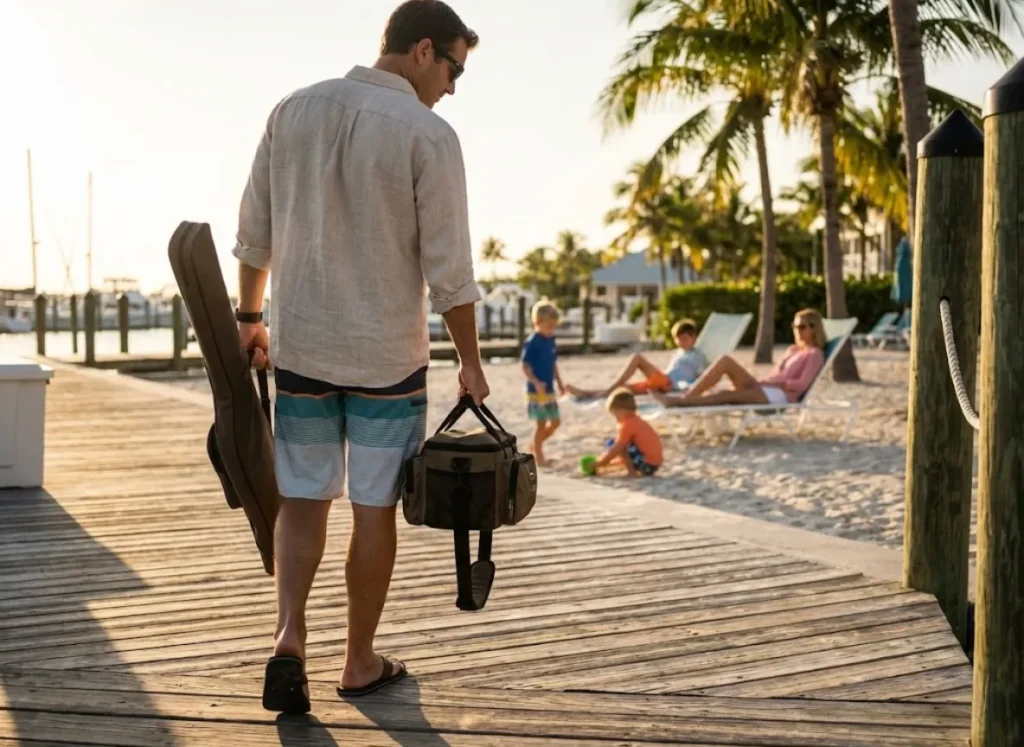
Which destinations offer the “Ski-in/Ski-out” equivalent for fishing?
For families who want maximum fishing with zero logistical headache, the Florida Keys—spanning Key West, Marathon, and Islamorada—sets the global benchmark. Specifically, Hawks Cay Resort is the heavy hitter for the family compromise meter. It features a full-service marina on-site, meaning you can walk from your villa to the vessel in five minutes.
The “Friction Score” here is near zero; there is no loading the car or fighting traffic. Hawks Cay offers access to both the Atlantic Ocean for saltwater reef fishing and the Gulf of Mexico for backcountry excursions. This diversity maximizes your target species options, targeting everything from Tarpon to Mahi.
Charter costs for 2026 reflect this premium convenience, generally ranging from $900 to $1,300 for a half-day. Before booking, ensure you understand the Florida non-resident fishing license requirements, as regulations are strictly enforced for those 16 and older.
Top Family Fishing Destinations
Compare the best spots for fishing, family fun, and adventure.
Est. Charter Cost
$900 – $1,300 (Half Day)
Non-Fishing Highlights
Dolphin Encounters, Pirate Ship Pool
Est. Charter Cost
$600 – $1,000 (Private), $10 (Pier)
Non-Fishing Highlights
Gulf State Park Pier, Beaches
Est. Charter Cost
$60 – $100 (Head Boat)
Non-Fishing Highlights
Lighthouse, Deep Hollow Ranch
Est. Charter Cost
$450 – $600 (Half Day)
Non-Fishing Highlights
Horseback Riding, Sailing
Est. Charter Cost
All-Inclusive ($5k+/person)
Non-Fishing Highlights
Glaciers, Bears, Float Planes
Est. Charter Cost
All-Inclusive Packages
Non-Fishing Highlights
Monkeys, Zip-lining, Eco-tours
If you prefer the Gulf side near Fort Myers Beach, understanding the tactics for Gulf of Mexico inshore fishing is essential for success. Family integration at these luxury resort locations is achieved through specialized programming. Hawks Cay has “Camp Hawk” and a pirate ship pool to keep non-anglers engaged.
Nearby Cheeca Lodge in Islamorada offers a more formal “Old Florida” vibe. Its 525-foot private fishing pier allows for low-stakes instruction without the cost of a charter. Gourmet dining closes the loop with “Hook and Cook” services, where the resort chef prepares your catch for dinner.
For families with older children seeking “Eco-Luxury,” look toward Costa Rica’s Osa Peninsula, specifically Crocodile Bay or Botánika. These resorts blend world-class billfish action with rainforest canopy tours. This offers a high-adventure alternative to the traditional sandy beaches resort, comparable to trips in the Bahamas (specifically the Abacos or Elbow Cay) or Cabo San Lucas, Mexico.
Vibe Category 2: The “Adventure Crew” (Wilderness & Bonding)
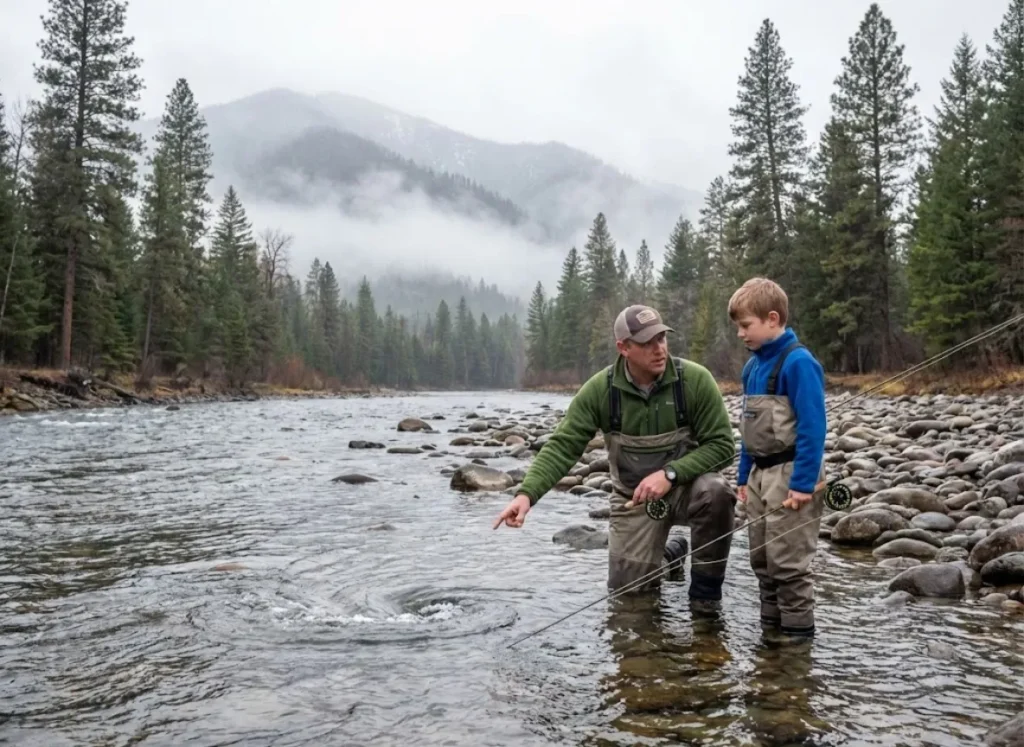
Where can families trade screen time for shared outdoor skills?
Some families need the smell of pine and the challenge of the wilderness to truly disconnect. Flathead Lake Lodge (Montana) represents the Yellowstone or Big Sky dream. It operates on an all-inclusive lodges or dude ranches model located on the largest freshwater lake in the West.
Fishing here is just one thread in a larger mix of activities, which reduces the pressure to “limit out” every day. You have access to guided lake trout fishing charters and simple dock fishing for pike. The latter is perfect for teaching patience to younger children in a controlled environment.
When planning a trip to this region, it is worth noting the Montana fishing license age exemptions. They currently exempt children 11 and under—a significant budget saver.
Pro-Tip: If you are visiting Montana, bring a dedicated “kids’ fly box” with oversized, foam terrestrial patterns (like grasshoppers). They float high, are easy to see, and fish love them, making casting practice much more rewarding.
For a closer look at the specific waters, you might want to explore ranking the best fly fishing rivers in Montana. This will help you decide if a side trip to a blue-ribbon stream fits your itinerary.
For the pure “Glamping” experience, Wilderness Place Lodge (Alaska) offers a profound adventure. It requires a fly-in fishing access, which is an event in itself. The lodge focuses on high-volume species like Pink and Silver Salmon in August and September. These fish are aggressive biters, ideal for building confidence in young anglers.
This option has a high “Friction Score” due to the travel logistics. However, this is offset by the massive “Family Score” of seeing bears, glaciers, and untouched wilderness. Due to the physical demands, this vibe is generally best for children aged 8-10 and older. Similar adventure travel vibes can be found at Weatherby’s in Grand Lake Stream or Tanque Verde in Arizona.
Vibe Category 3: The “Weekend Warriors” (Accessible & Americana)
How can “Drive-To” destinations deliver world-class volume?
You do not always need a plane ticket to find great water. Orange Beach and Gulf Shores (Alabama) offer incredible value, often hailed as the “Red Snapper Capital of the World.” This area, part of the Emerald Coast near Destin, provides the highest accessibility for families in the South and Midwest.
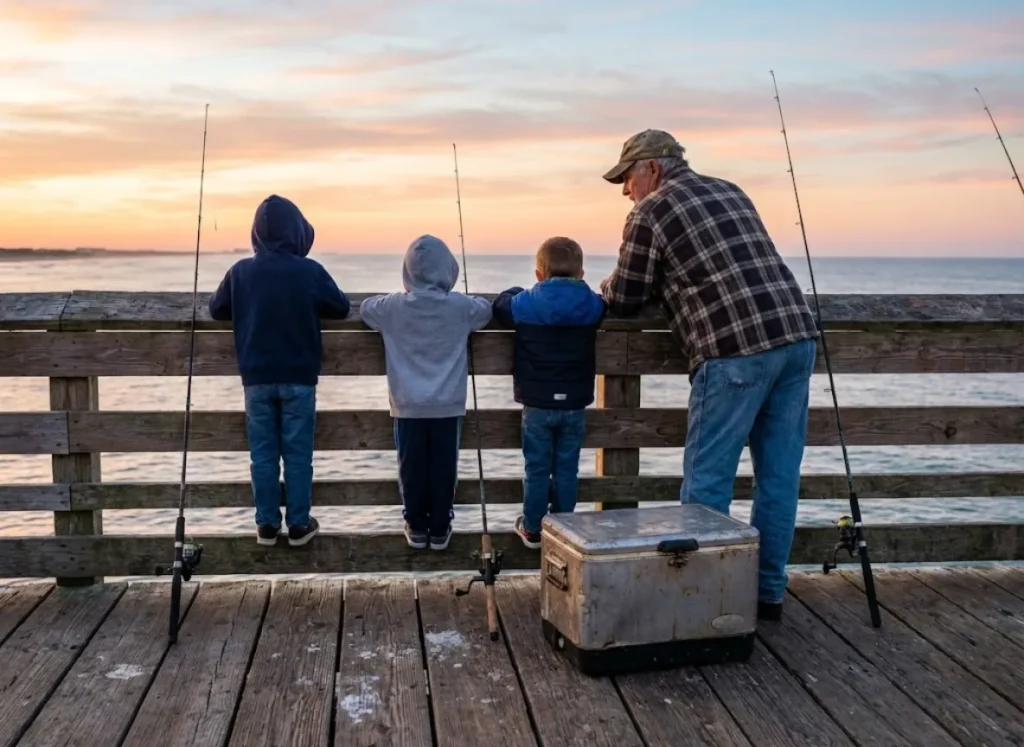
The Gulf State Park Pier is a standout feature. It provides a massive, safe platform where kids can fish for a nominal daily fee (often free for kids under 11). This eliminates the need for a boat entirely.
If you do want to get offshore, “Head Boats” offer a cost-effective entry point at roughly $69-$100 per person. This is a sharp contrast to private charters that cost thousands. Be sure to check Alabama freshwater fishing recreational licenses and saltwater registries before you cast.
In the Northeast, Montauk (New York) offers a rugged maritime history. While surfcasting for Striped Bass is technical, families can utilize the Viking Fleet for fluke fishing. This ensures high action with simple bottom rigs. Similar accessible vibes can be found in Ocean City, Galveston, or the Outer Banks.
Pro-Tip: When fishing heavily pressured public piers, bring fresh bait (like live shrimp or sand fleas) rather than frozen. The fish in these areas are smart, and the scent of fresh bait can make the difference between a boring day and a busy stringer.
Regardless of the coast, mastering shore fishing techniques is vital for these destinations. Simple skills like reading the surf and choosing the right sinker weight will dramatically increase your catch rate.
Big Green Lake (Wisconsin) offers a quiet Wisconsin vacation classic perfect for multi-generational trips. It features deep-water Lake Trout fishing and relaxed boat rentals. These locations score high on the “Angler Score” due to species variety but maintain a “Medium” Family Score due to reliance on public access beaches rather than private resort amenities. Similar lake recreations can be found at Table Rock Lake, Big Cedar Lodge, or the White River.
The Parent’s Tactical Playbook
How do you structure a “Split-Day” itinerary to prevent burnout?
The success of the trip hinges on the tactical execution of the daily day itinerary. I recommend the Split-Day Model: fish early (07:00–11:00) when the bite is active and the heat is low. Then, transition immediately to “Pool/Beach Mode” for the afternoon. This keeps energy levels high and prevents the midday meltdown.
Seasickness can ruin a trip before it begins. Protocols must be proactive. Administer motion sickness meds (kid-safe) 30–60 minutes before boarding. Once nausea starts, the trip is effectively over. For detailed guidance on this, review medical advice on managing motion sickness in children.
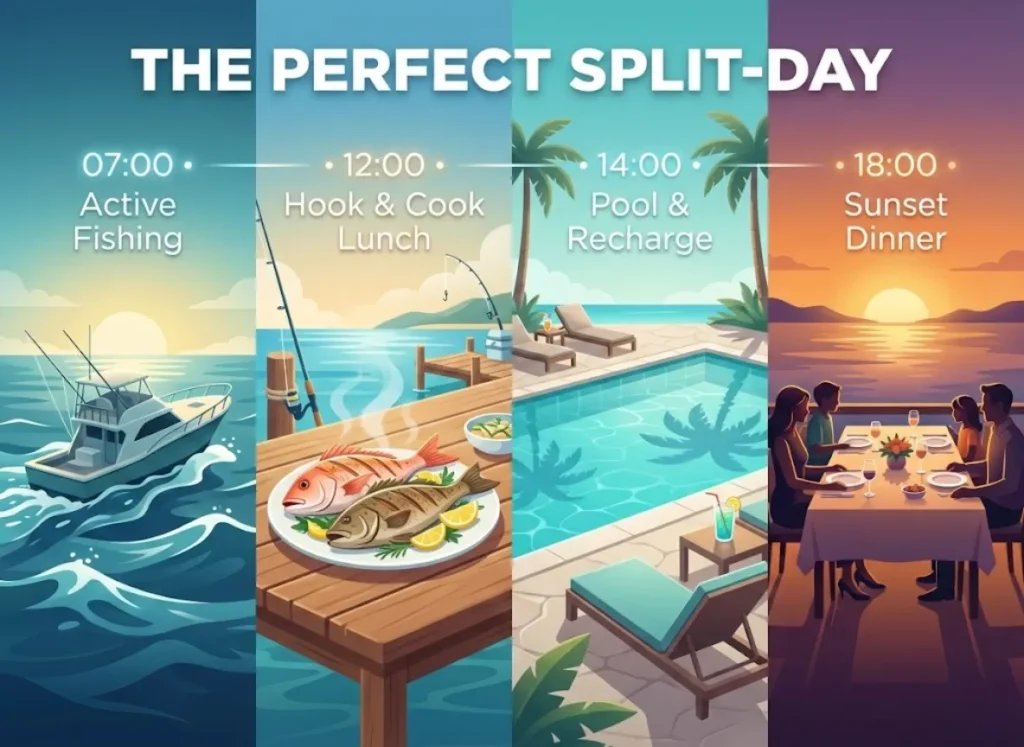
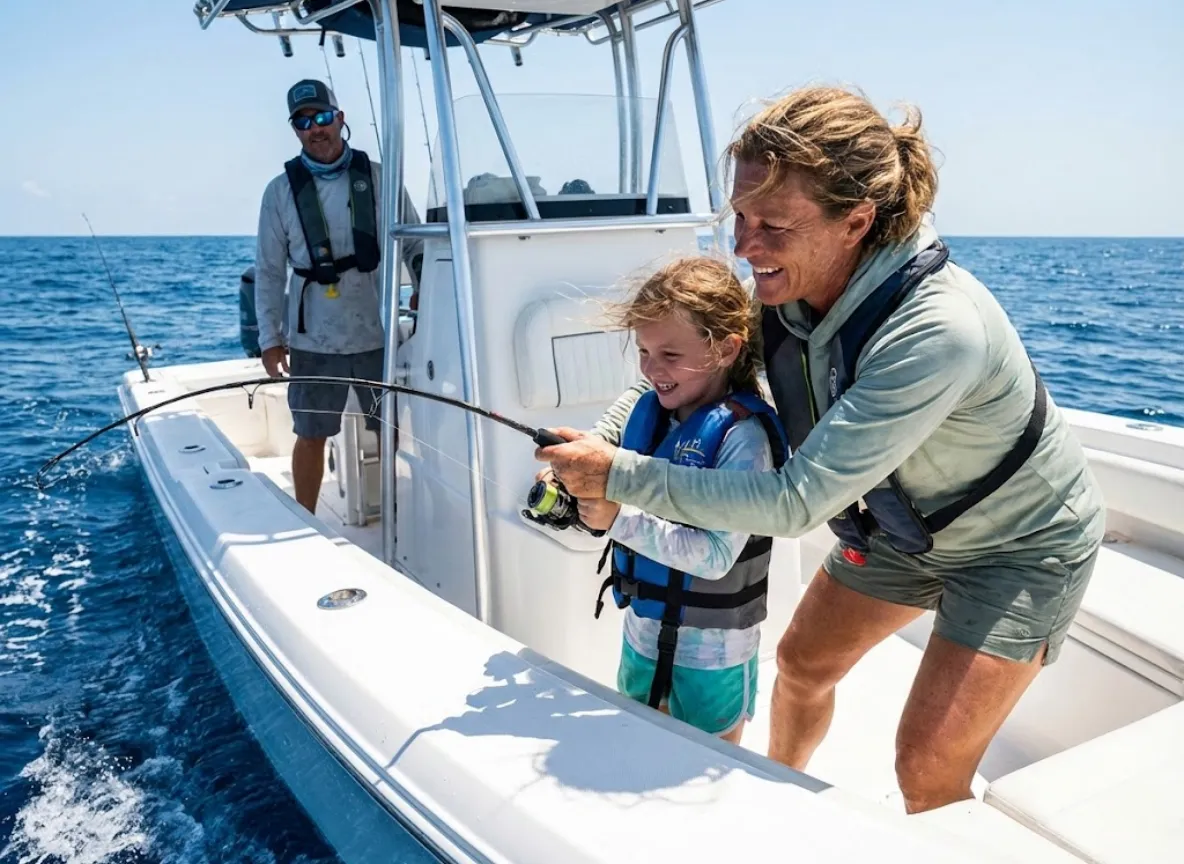
Safety gear is another non-negotiable. Replace generic resort life jackets with comfortable, fitted PFDs to ensure compliance without whining. Visual engagement is equally critical. Equip children with kid-specific eyewear so they can actually see the sea life and protect their eyes. For help choosing the right pair, read our guide on selecting the best fishing sunglasses.
Finally, leverage the “Hook and Cook” reward. Prioritize keeping a few edible fish, like Snapper or Grouper, to create a “Sea-to-Table” connection. This teaches children the cycle of harvest and nourishment. Use the trip to teach stewardship—pinching barbs for easier release and handling fish with wet hands to protect their slime coat.
Conclusion
A family fishing vacation is a delicate ecosystem. The Florida Keys (Hawks Cay) reigns as the best “Compromise” destination, blending a 9/10 Angler Score with a 10/10 Family Score. For those watching the budget, Orange Beach, AL offers the best value-per-dollar by utilizing public piers and head boats.
Success relies on the “Split-Day” itinerary and managing the “Friction Score” by choosing locations where the boat is steps away from the bed.
Share your family vibe and “Compromise Score” for your favorite fishing spot in the comments below, or explore our detailed gear guides to prep your tackle box for the next trip.
Risk Disclaimer: Fishing, boating, and all related outdoor activities involve inherent risks that
can lead to injury. The information provided on Master Fishing Mag is for educational and informational purposes
only. While we strive for accuracy, the information, techniques, and advice on gear and safety are not a substitute
for your own best judgment, local knowledge, and adherence to official regulations. Fishing regulations, including
seasons, size limits, and species restrictions, change frequently and vary by location. Always consult the latest
official regulations from your local fish and wildlife agency before heading out. Proper handling of hooks, knives,
and other sharp equipment is essential for safety. Furthermore, be aware of local fish consumption advisories. By
using this website, you agree that you are solely responsible for your own safety and for complying with all
applicable laws. Any reliance you place on our content is strictly at your own risk. Master Fishing Mag and its
authors will not be held liable for any injury, damage, or loss sustained in connection with the use of the
information herein.
Affiliate Disclosure: We are a participant in the Amazon Services LLC Associates Program, an
affiliate advertising program designed to provide a means for us to earn advertising fees by advertising and linking
to Amazon.com. As an Amazon Associate, we earn from qualifying purchases. We also participate in other affiliate
programs and may receive a commission on products purchased through our links, at no extra cost to you. Additional
terms are found in the terms of service.