
In this article
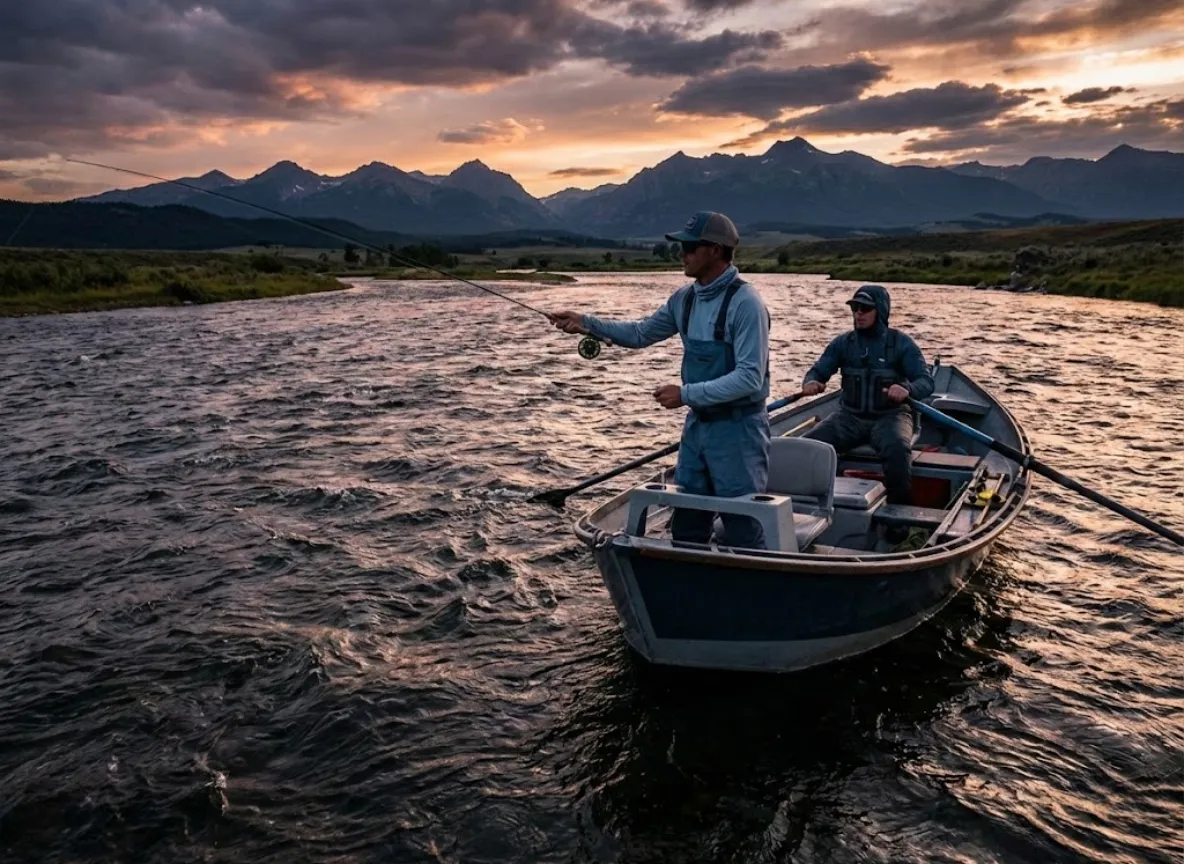
The wind on the Missouri River creates a chop that can capsize a drift boat, while the “greased bowling ball” boulders of Rock Creek wait to twist the ankles of the unprepared. Fly fishing in Montana is not just a postcard backdrop for a cast; it is a dynamic, sometimes hostile, biological theater. To fish here successfully is to understand that “difficulty” is not just about catching a fish—it is about navigating flow, temperature, and terrain without becoming a statistic.
I have spent years wading these waters, from Bozeman to Missoula, often watching enthusiastic visitors treat a Class IV river like a backyard pond. The result is usually a swim, a broken rod, or worse. True outdoor competence comes from turning theoretical knowledge into practical, confident action on these Western US fly fishing waters.
This commercial investigation and ranked review moves beyond simple catch rates found in a typical listicle. We will apply a specific “Difficulty Taxonomy” to help you select the river that matches your current skill set, from the forgiving gravel of the Bighorn River to the logistical lens required for the Smith River.
What Defines “Difficulty” on Montana’s Rivers?
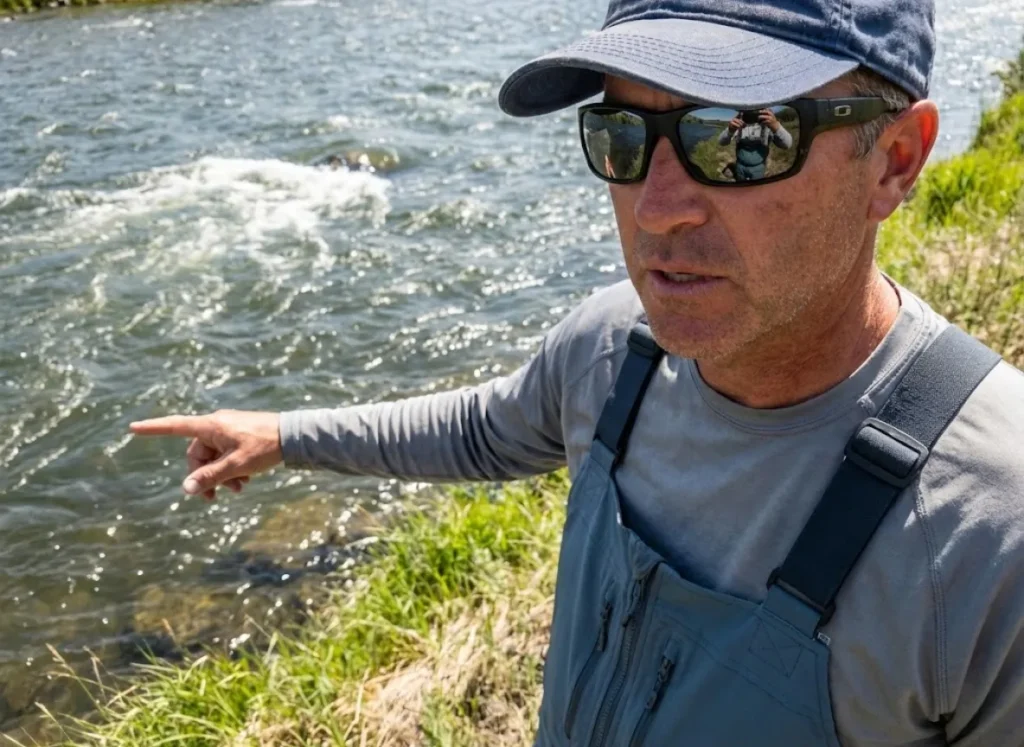
We need to establish objective metrics to rank these Blue Ribbon trout streams, moving beyond subjective opinion to a defensible, data-driven framework. The river doesn’t care about your experience level, so we must quantify the risk before stepping off the bank.
How Do We Calculate the Composite Difficulty Score (CDS)?
The Composite Difficulty Score (CDS) is an aggregate metric derived from four variables: Wading Difficulty, Navigational Hazard, Technical Demand, and Logistical Complexity. Wading Difficulty is quantified using substrate analysis (gravel vs. boulders) and the “Rule of 10” (Depth x Velocity), categorizing rivers from Class 1 (Casual) to Class 5 (PFD Mandatory).
Navigational Hazard applies the International Scale of River Difficulty (Class I-V) to assess risks for float fishing, including rapids, diversion dams, and “strainers.” Technical Angling Demand measures the precision required to induce a strike, factoring in fish pressure (“education”), required tippet classes, and hatch complexity.
Logistical Complexity accounts for friction points such as shuttle service recommendations, permit lotteries, and dynamic closures like Hoot Owl restrictions. This scoring system is essential because a tailwater fishery like the Missouri may be physically safe (Class I rowing) but technically brutal (10/10 difficulty). Conversely, a freestone fishery like Rock Creek is technically easy (opportunistic fish) but physically punishing.
Understanding these distinctions prevents the dangerous mismatch of an angler skill level with the river’s demands. It connects the concept of calculating difficulty directly to the skill of learning how to read a river for fishing, which is essential for assessing Wading Difficulty and Navigational Hazard. For accurate assessments, you should always reference real-time streamflow data from the USGS before departure.
Where Should Beginners Start? (Tier 1: Low Difficulty)
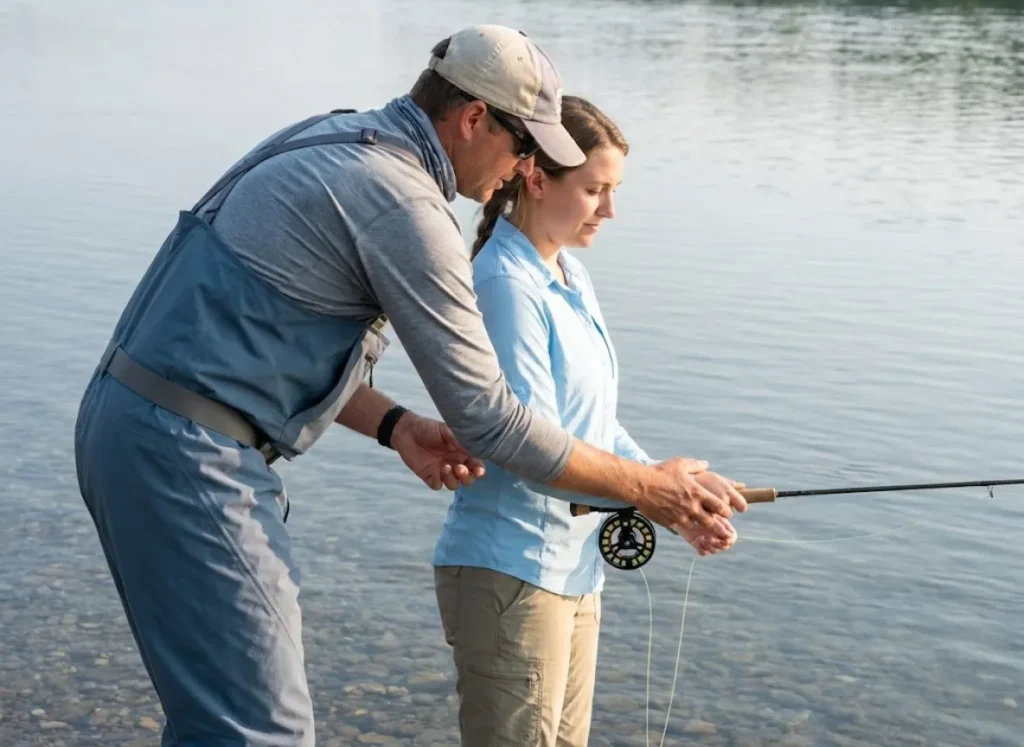
These are “Confidence Builder” fisheries where high trout densities and forgiving environments allow novices to focus on beginner education rather than survival.
Why is the Bighorn River considered the ultimate confidence builder?
The Bighorn River (Fort Smith) holds a Composite Difficulty Score of 3/10, primarily due to its controlled nature which creates consistent, clear flows. Wading difficulty is exceptionally low (2/10) thanks to a substrate of small cobble and gravel, lacking the treacherous boulders found in nearby Montana rivers. Navigational hazards are minimal (Class I), making this the ideal classroom for novice oarsmen learning to handle a drift boat without the threat of whitewater.
Despite the physical ease, the Bighorn introduces a “Technical Floor” where anglers must master the use of micro-flies (#20-26 midges) and light tippet to fool the heavy Rainbow Trout and Brown Trout. The high trout per mile count allows for frequent positive reinforcement; even imperfect drifts can result in catches, which is critical for the “Aspirant Novice” persona. Access is highly concentrated at three main points (Afterbay, 3 Mile, Bighorn), simplifying the DIY logistics for visiting anglers.
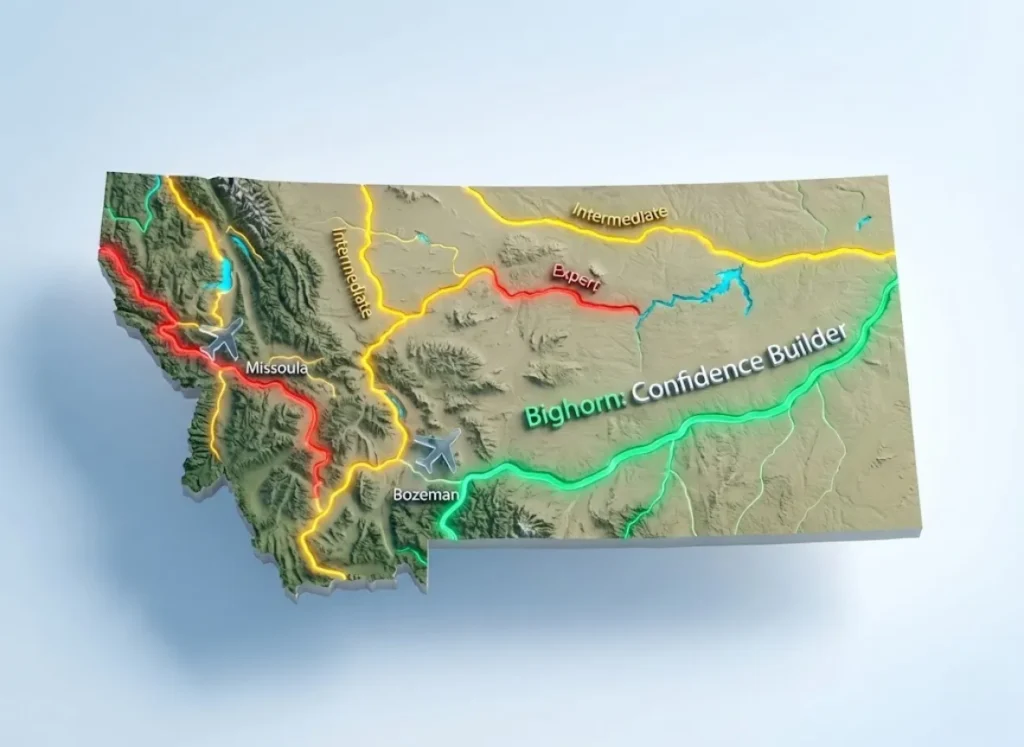
To maximize success here, focus on selecting the right beginner fly rod and reel capable of protecting light tippets against large trout. For context on the dam operations that create this world class trout habitat, review the National Park Service management of the Bighorn Canyon.
How does the Missouri River offer a “gentle giant” experience?
The Missouri River near Craig presents a unique dichotomy: a Wading Difficulty of 3/10 combined with a Technical Demand of 10/10. Physical access is non-threatening, with vast, flat gravel bars and weed beds that allow anglers to wade safely, provided they respect the sheer volume of water. Rowing is technically easy (Class I) regarding rapids, but the primary hazard is wind, which can gust over 40mph and require physical stamina to manage.
The true difficulty here is “The Graduate School of Dry Fly Fishing.” The fish are highly educated, requiring 15-foot leaders, 6X tippet, and perfect reach cast execution. This environment forces the “Intermediate Tactician” to refine their accuracy and knot-tying speed under pressure without the fear of drowning.
Success on the Missouri relies heavily on identifying major aquatic insects for fishing, specifically the complex PMDs and Tricos hatches that occur daily. Logistics are streamlined by a robust network of fly shop recommendations and services in Craig. However, anglers should be aware of biological shifts detailed in FWP’s 2025 assessment of the Missouri River fishery.
Which Rivers Act as “Intermediate Classrooms”? (Tier 2: Moderate Difficulty)
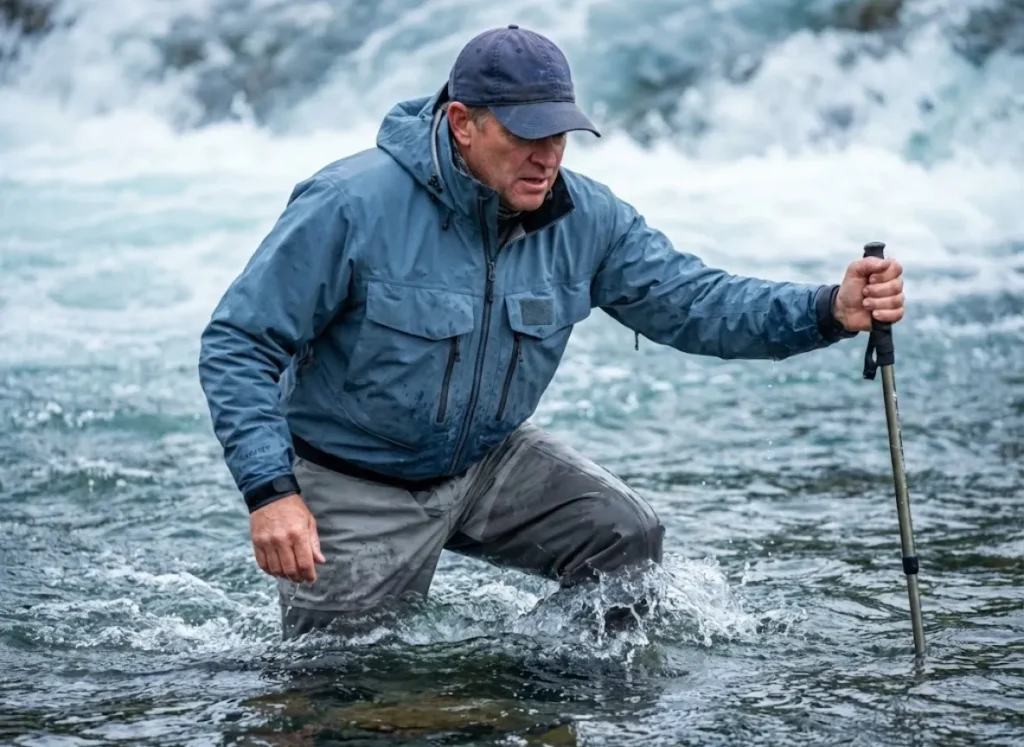
These rivers introduce dynamic hazards and specific biological windows, suitable for the “Intermediate Tactician” ready to leave the safety of the tailwaters for legendary rivers.
What specific hazards define the Bitterroot River?
The Bitterroot River introduces a Navigational Hazard Rating of 6/10, not from rapids, but from lethal “strainers” and “sweepers.” As the river cuts through soft agricultural soil near Missoula, it erodes banks and topples massive cottonwood trees into the current. These create traps on outside bends where boats are naturally pushed. This forces the rower to develop “heads-up” anticipation skills, making PFDs mandatory for entrapment safety rather than just whitewater buoyancy.
Ecologically, the difficulty spikes during the Skwala stonefly hatch (March/April), requiring anglers to brave unpredictable spring weather for a specific biological window. Summer brings “Hoot Owl” difficulty; the river warms rapidly, often triggering the new 66°F closure threshold for Westslope Cutthroat protection by early July. This restriction often impacts nearby waters like the Blackfoot River and Clark Fork River as well.
Navigating strainers and spotting underwater hazards makes wearing the best polarized sunglasses for fishing a safety necessity for sight-fishing, not just a luxury. You must also understand the rationale behind Hoot Owl restrictions to plan your trip ethically.
How does the Madison River test wading endurance?
Known as the “50-Mile Riffle,” the Madison River presents a Wading Difficulty of 8/10 driven by relentless, uniform velocity. Unlike the Gallatin River, the Madison’s bottom creates a treacherous environment where anglers must employ the “tripod stance” (two feet + wading staff) to remain upright. From the outlet of Quake Lake to the town of Ennis, the river offers little “dead water” for rest, testing the angler’s physical stamina constantly.
Navigational difficulty varies wildly; the “Varney to Ennis” section is a “fighter pilot” run requiring quick maneuvering through boulder gardens that damage drift boats. Biologically, the river has recovered from Whirling Disease to become a nymph fishing powerhouse, rewarding anglers who can master the mechanics of fishing in current.
Pro-Tip: If you are floating the Madison, avoid the “Kitchen Sink” rapid near the Palisades unless you are an expert rower. The hydraulic reversal there flips boats annually.
During late June, the massive Salmonflies hatch draws crowds, but the river also holds Mountain Whitefish and trophy brown trout that will eat a well-placed Woolly Bugger. For a deeper dive into the flow management that creates this environment, review the annual reports on Madison River flows.
Where Do Experts Go for the Ultimate Challenge? (Tier 3: High Difficulty)
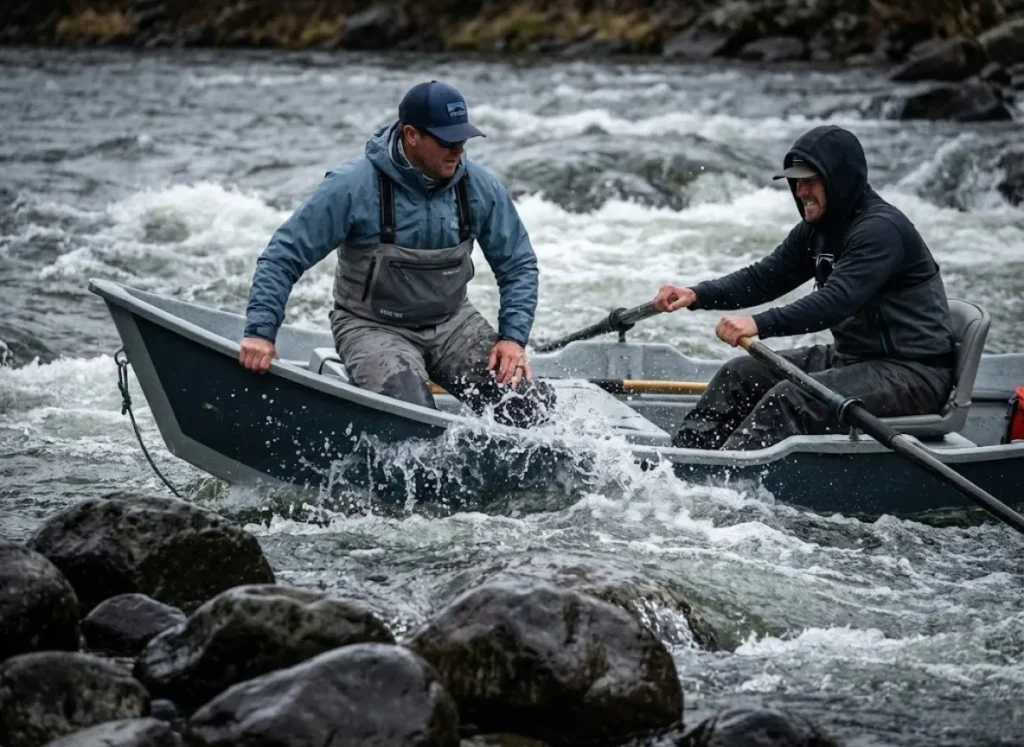
This tier addresses the “Expert Specialist” seeking high-risk, high-reward scenarios involving physical danger, conservation ethics, and complex logistics, viewed through a technical lens.
Why is the Yellowstone River physically demanding?
The Yellowstone River earns a Composite Difficulty Score of 8/10, anchored by a Wading Difficulty of 9/10 due to “greased cannonball” boulders and heavy volume. It is the longest undammed river in the contiguous US, meaning runoff is prolonged and uncontrolled near Livingston, often keeping the river unfishable until mid-July. Navigational hazards are severe, including Yankee Jim Canyon (Class III/IV rapids) which becomes life-threatening for drift boats at flows above 15,000 cfs.
Downstream hazards include lethal diversion dams (Intake, Huntley) that require portage, demanding a high level of situational awareness from the rower. The “Rule of 10” is constantly in play here; wading past knee-deep is ill-advised in many sections without a PFD due to the deceptive power of the current.
Given the high consequences of a mistake here, I strongly recommend reviewing definitive fishing safety tips before launching. Always check NOAA river gauge data for Livingston to ensure flows are within your rowing capability.
What makes the Smith River the logistical “final boss”?
The Smith River holds a Logistical Complexity Score of 10/10, primarily due to the permit lottery system where odds of drawing are often less than 10%. Access is a committed 59-mile wilderness float through a limestone canyon with no intermediate take-outs, requiring a 5-day expedition mindset. Anglers must be self-sufficient, packing all food, camping gear, and a mandatory portable toilet system to pack out all human waste.
Navigational difficulty is moderate (Class II) but flow-dependent; low water years require physically exhausting “frogging” (dragging rafts) over miles of shallow riffles. The “difficulty” here is not technical fishing, but rather the holistic management of a wilderness camp, bear safety protocols, and group dynamics in isolation. It offers a wilderness lens similar to the South Fork of the Flathead, but with far more red tape.
Detailed requirements for this trip can be found in the Smith River State Park permit regulations.
Why is the “Jefferson Basin Crisis” changing the difficulty rating?
The Big Hole River, Beaverhead River, and Ruby River are currently experiencing a historic population decline, with 2023-2024 surveys showing the lowest trout numbers in decades. This creates a new “Ethical Difficulty”: finding catchable fish is harder due to scarcity, but the moral decision to fish for stressed populations is the real challenge. Recruitment failure—where juvenile fish are not surviving to adulthood—means these fisheries are fragile, affecting Arctic Grayling and trout alike.
Anglers targeting these waters must adopt hyper-conservationist practices: using heavier tippet to shorten fight times, keeping fish wet, and strictly adhering to thermal closures. The “difficulty” has shifted from technical presentation to biological stewardship.
This crisis highlights the importance of understanding the principles of fish conservation for anglers. For the data behind this decline, consult FWP’s 2024 recruitment study findings.
How Do You Prepare for Montana’s Unique Conditions? (Logistics & Safety)
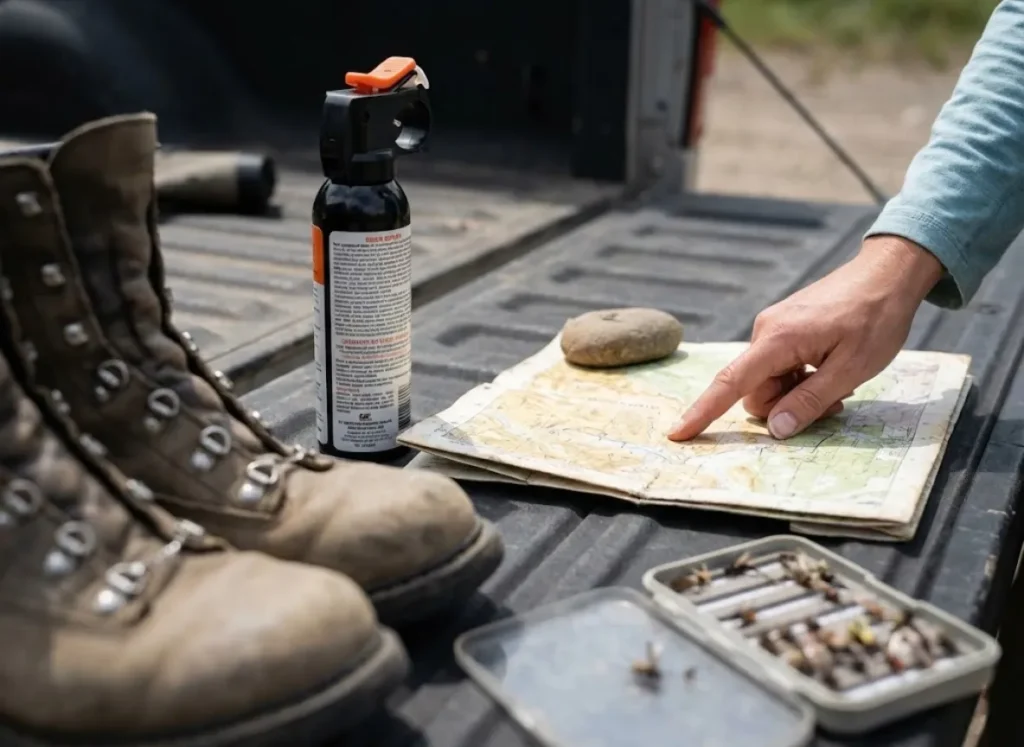
To navigate these tiered difficulties—from the Bighorn’s ease to the Big Hole’s fragility—you need a concrete set of operational protocols for both safety and conservation.
How can the “Rule of 10” save your life while wading?
The Rule of 10 is a safety heuristic: if Depth (feet) x Velocity (feet/second) > 10, the wading situation is dangerous and potentially lethal. For example, wading in 2.5 feet of water moving at 4 feet per second equals a score of 10, the “red line” where hydraulic force can sweep an adult off their feet. Applying this math changes how you read water; a shallow but fast riffle on the Madison may be more dangerous than a deeper, slower pool on the Missouri.
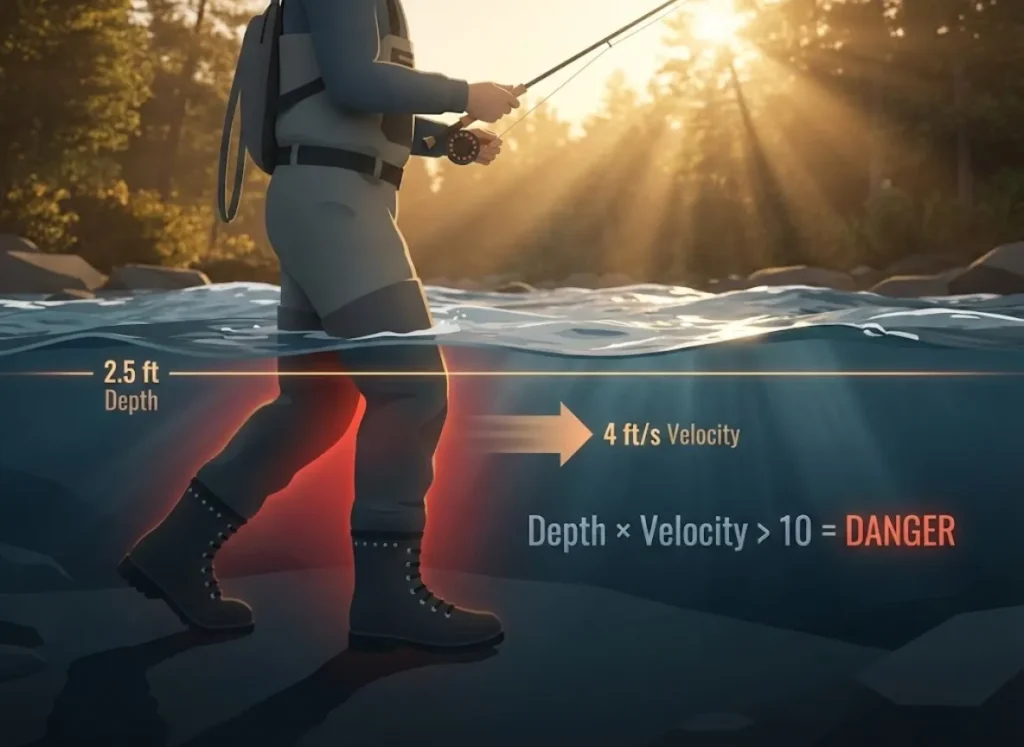
Mitigating this risk requires specific gear choices: studded boots are mandatory on the Yellowstone. Safety in wade fishing is directly tied to gear quality; consider the strategic selection of the best fly fishing waders that offer durability and traction. For further reading on cold water safety, reference the Glacier National Park water safety guidelines.
What are the critical regulatory hurdles for 2026?
The most significant regulatory shift is the new Hoot Owl criteria: closures now trigger at 66°F for Cutthroat trout streams (Bitterroot, Blackfoot) rather than the historical 73°F. This means “safe fishing windows” in July and August may close by 2:00 PM, requiring anglers to have a “Tailwater Backup Plan” (Missouri/Bighorn) which stays cooler longer.
Aquatic Invasive Species (AIS) protocols are strictly enforced; all boats must stop at inspection stations. The “Clean, Drain, Dry” rule is mandatory to prevent zebra mussel spread. Additionally, Montana’s Stream Access Laws allow anglers to access any river up to the high-water mark via bridge crossings, a critical tool for the DIY logistics angler to avoid trespassing. You can learn more about these requirements in our guide to aquatic invasive species explained for responsible anglers.
Pro-Tip: Always carry a digital thermometer. If the water hits 67°F, reel up, even if the legal closure hasn’t been officially posted yet. Be the steward the river needs.
Official details are available via Montana’s official aquatic invasive species program.
Final Thoughts on River Selection
Montana’s rivers are not static; “difficulty” fluctuates with flow, temperature, and biological health. The Bighorn and Missouri offer high-reward environments for skill building, while the Yellowstone and Rock Creek demand physical respect and advanced wading skills. The 2025 reality is defined by the Jefferson Basin crisis and strict Hoot Owl restrictions, requiring anglers to prioritize ethics and flexibility over trophy potential.
Explore our library of skill-building guides to master the technical demands of these rivers, or share your own experience with the “Rule of 10” in the comments below.
FAQ – Frequently Asked Questions about Montana Fly Fishing
What is the best time of year to fly fish in Montana?
Post-runoff (July to September) offers the most consistent access and dry fly fishing. However, pre-runoff (March-April) provides solitude and specific hatches like the Skwala on the Bitterroot.
Do I need a drift boat to fish Montana major rivers?
No, rivers like the Missouri and Bighorn have excellent wade fishing access. However, a boat is highly recommended for the Yellowstone and heavy-flow sections of the Madison to reach productive water safely.
How do Hoot Owl restrictions affect my fishing trip?
These restrictions close fishing from 2 PM to midnight when water temperatures exceed safe limits (66°F for Cutthroat waters). You must plan to fish early mornings or switch to cooler tailwater fisheries during late summer.
What license do I need to fish in Montana?
You need a Conservation License, a Base Hunting or Fishing License, and a specific Montana fishing license (available in 1-day, 5-day, or season durations). Always carry a digital or paper copy and proof of AIS inspection if boating.
Risk Disclaimer: Fishing, boating, and all related outdoor activities involve inherent risks that
can lead to injury. The information provided on Master Fishing Mag is for educational and informational purposes
only. While we strive for accuracy, the information, techniques, and advice on gear and safety are not a substitute
for your own best judgment, local knowledge, and adherence to official regulations. Fishing regulations, including
seasons, size limits, and species restrictions, change frequently and vary by location. Always consult the latest
official regulations from your local fish and wildlife agency before heading out. Proper handling of hooks, knives,
and other sharp equipment is essential for safety. Furthermore, be aware of local fish consumption advisories. By
using this website, you agree that you are solely responsible for your own safety and for complying with all
applicable laws. Any reliance you place on our content is strictly at your own risk. Master Fishing Mag and its
authors will not be held liable for any injury, damage, or loss sustained in connection with the use of the
information herein.
Affiliate Disclosure: We are a participant in the Amazon Services LLC Associates Program, an
affiliate advertising program designed to provide a means for us to earn advertising fees by advertising and linking
to Amazon.com. As an Amazon Associate, we earn from qualifying purchases. We also participate in other affiliate
programs and may receive a commission on products purchased through our links, at no extra cost to you. Additional
terms are found in the terms of service.