
In this article
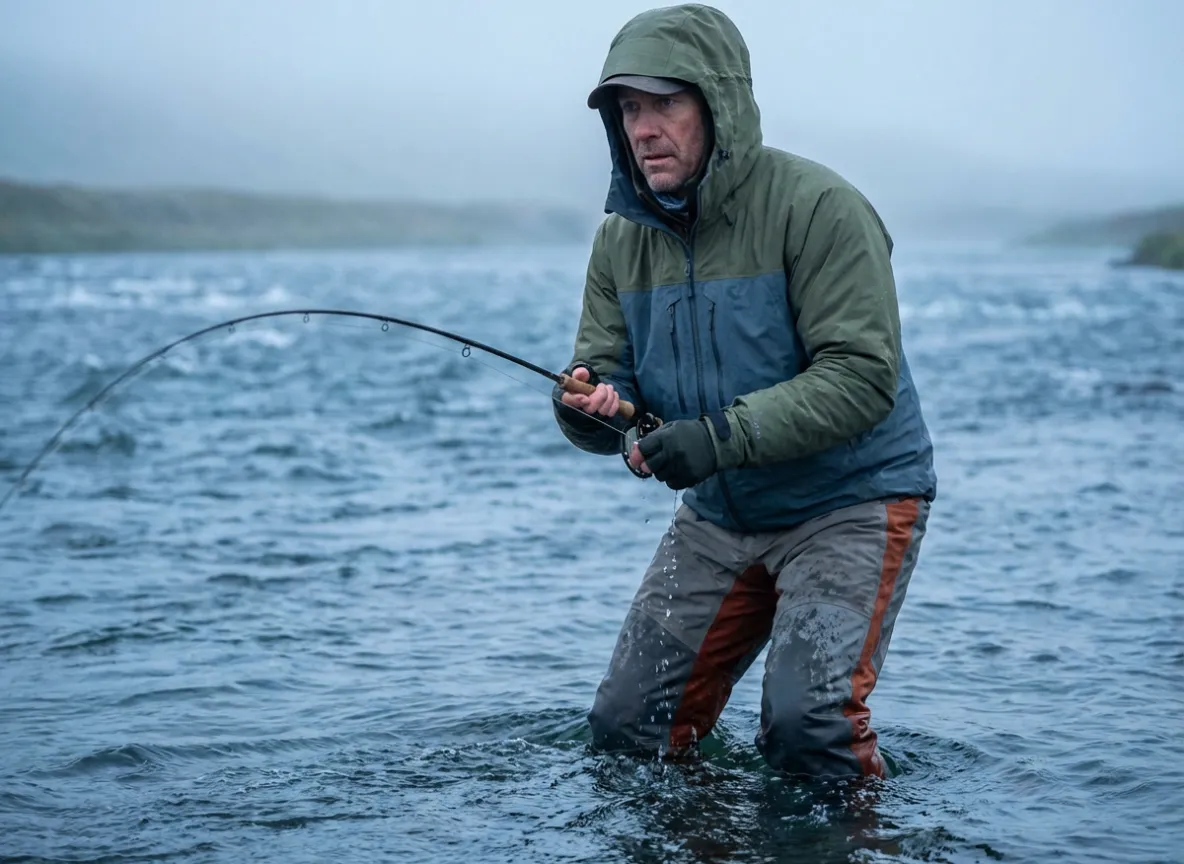
River water at 42 degrees doesn’t care about the logo on your chest. When a seam fails three miles from the truck, the only reality that matters is the freezing seep running down your leg and the slosh in your boot. For decades, we bought fishing waders based on habit or brand loyalty.
But in 2026, with private equity shaking up legacy brands and marine-grade technology entering the river, “durability” has a new definition. It is no longer just about how thick the fabric is. It is about how the chassis fits your biomechanics and how fast the factory can get you back on the water when—not if—wader failure occurs.
Buying the best fly fishing waders is now a calculation of “Serviceable Life.” This guide moves beyond marketing fluff to focus on the physics of failure (inseam stress) and the logistics of repair. We are stripping away the hype to help you match the right fit and warranty to your specific environment, whether you need bombproof construction for steelheading or lightweight packability for high-alpine trout.
How to Choose the Right Fly Fishing Wader
To choose the right wader, ignore the marketing photos and focus entirely on mechanical stress and fit. Technical fishing apparel is a dynamic envelope that has to move with you, not against you.
The Fit & Sizing Matrix: Why Mechanics Matter More Than Material
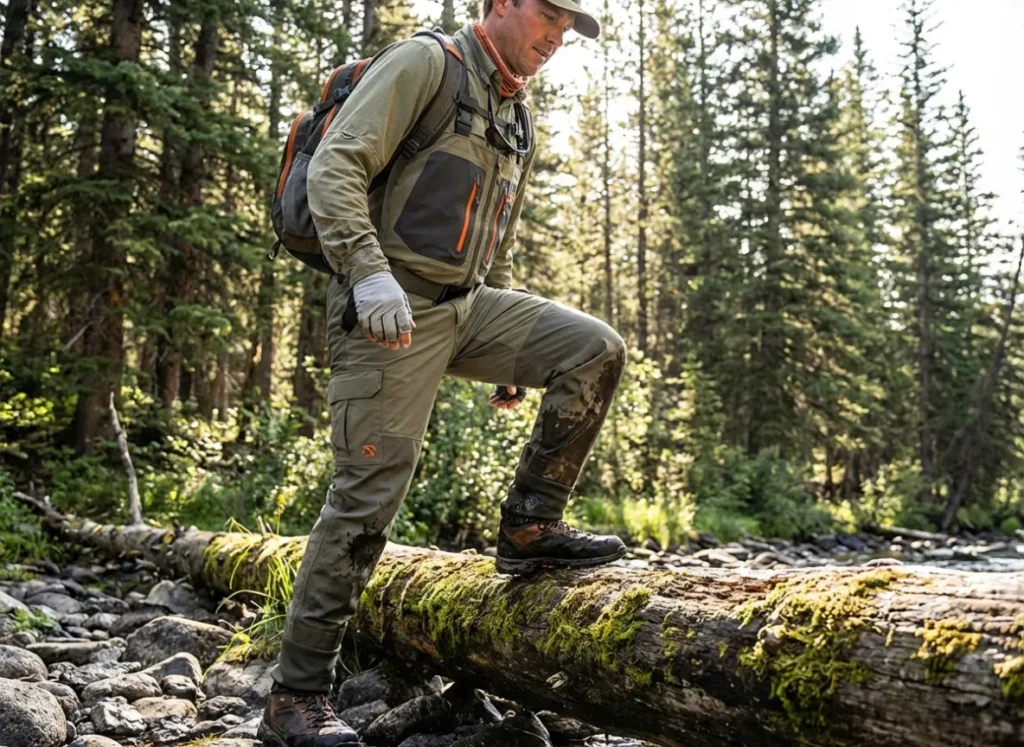
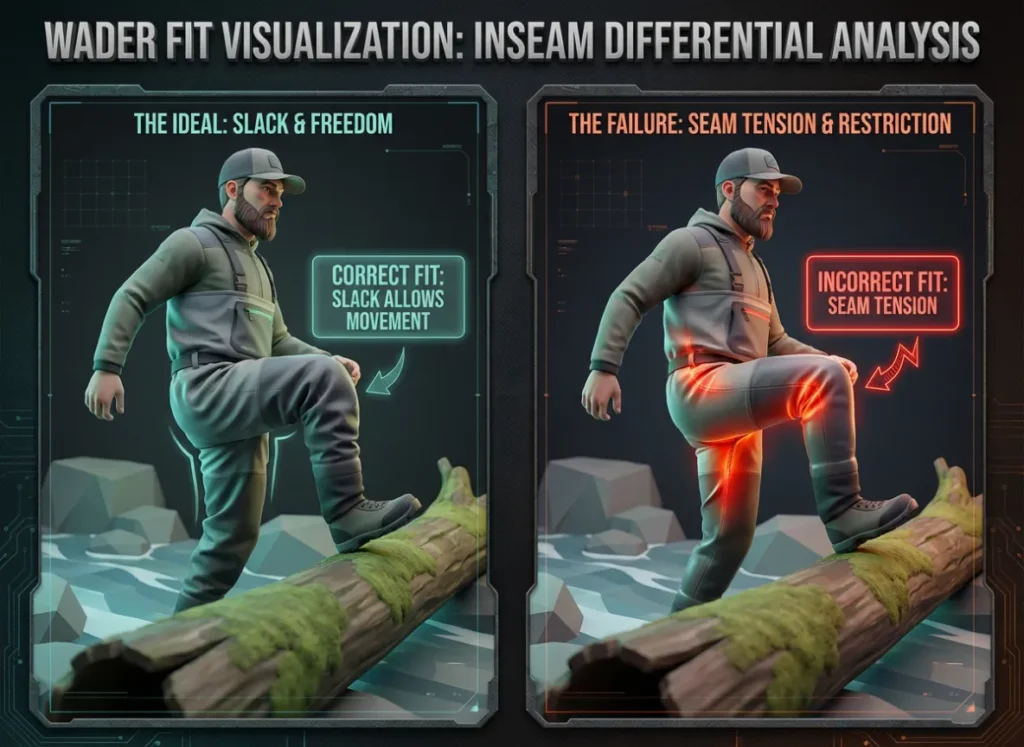
The number one cause of catastrophic seam failure isn’t thorns or barbed wire; it is the Inseam Differential. If you buy a fishing wader with an inseam that is too short for your stride, every time you step over a log or climb a high bank, you are physically pulling the seam tape apart. This tension creates micro-fissures that eventually burst.
Conversely, too much length creates “fabric stacking,” where folds abrade against each other like sandpaper. This constant friction wears through the DWR coating and the laminate itself. A proper articulated fit and gusseted crotch are essential to prevent this.
You also need to consider the interface between the neoprene bootie and your wading boots. Ill-fitting stockingfoot waders create folds that press into your skin, leading to pressure points and potential necrosis on long trips, while also creating stress points for leaks. When mastering the physics of fishing in current, your gear is under constant hydraulic pressure; a poor fit amplifies every ounce of that stress.
Pro-Tip: Put on your waders and do a “high-knee” march in your living room. If the fabric pulls tight across your thigh or crotch before your thigh hits parallel to the floor, the inseam is too short. Return them immediately.
The Repairability Index: The Hidden Cost of Ownership
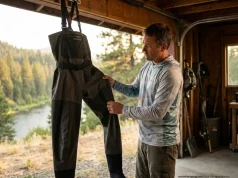
Once you understand that mechanical stress kills waders, you must evaluate the logistics of keeping them alive. Not all materials are created equal in the eyes of a repair technician. Gore-Tex Pro and Toray fabric laminates are generally superior because they bond reliably with Aquaseal for field repairs. Proprietary weaves or cheaper PVC blends often struggle to hold a patch once they are wet, leaving you vulnerable to a pinhole puncture.
Standard test methods for bursting strength, such as ASTM D3787, give us lab data, but the real world involves “Turnaround Time” (TAT). If you send your waders in for repair in June, a 2-week turnaround (common with Patagonia) keeps you fishing. An 8-week wait (common with some legacy brands like Simms during peak season) ruins your season.
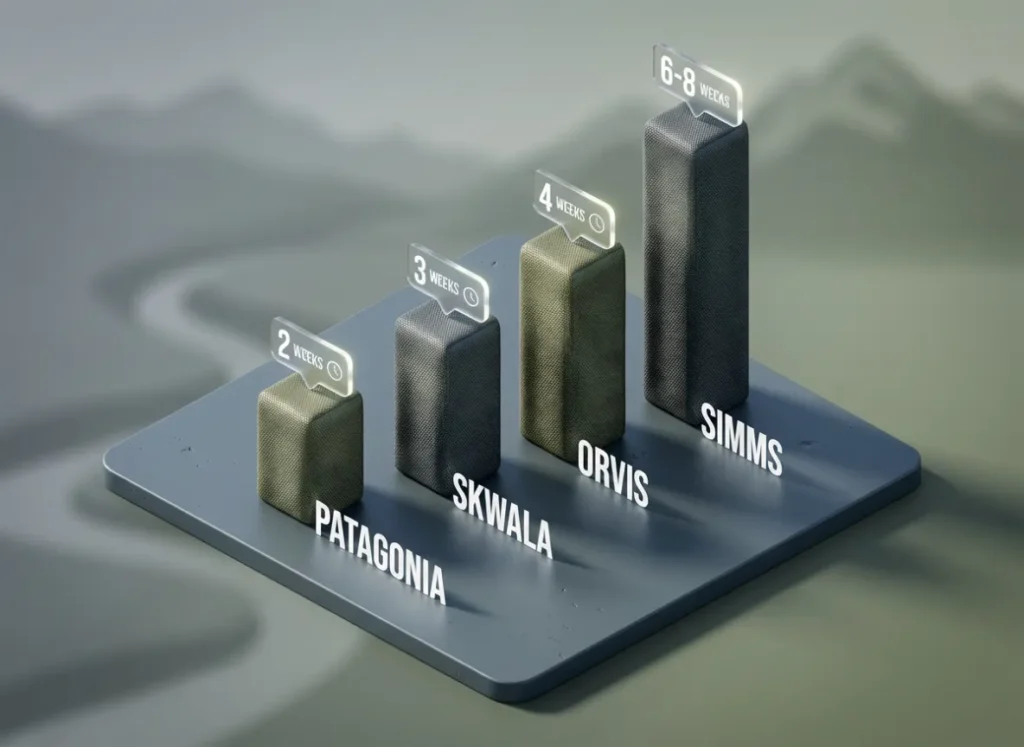
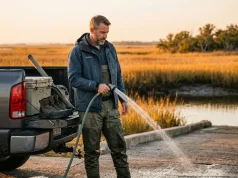
This is the risk of the “Red Stamp”—when a brand deems a wader unrepairable to force a new sale. Understanding these risks allows us to filter the market into categories of utility and apply sustainable fishing gear maintenance protocols to extend the life of your investment.
Our Selection Process: How We Built This Guide
We are committed to objectivity. We analyze gear based on failure points, not press releases. Every wader in this list was scored against our Fit & Sizing Matrix (articulation and range of motion) and the Repairability Index (logistics and policy transparency).
We identified three angler archetypes—The Pro, The Ultralight, and The Value Hunter—and selected the top candidates based on recent market shifts in 2024 and 2025. While we may earn a commission if you purchase through our links, our “Anti-Sell” warnings ensure you only buy what actually works for your specific body type.
The Best Fly Fishing Waders of 2026: Our Top Recommendations for Every Need
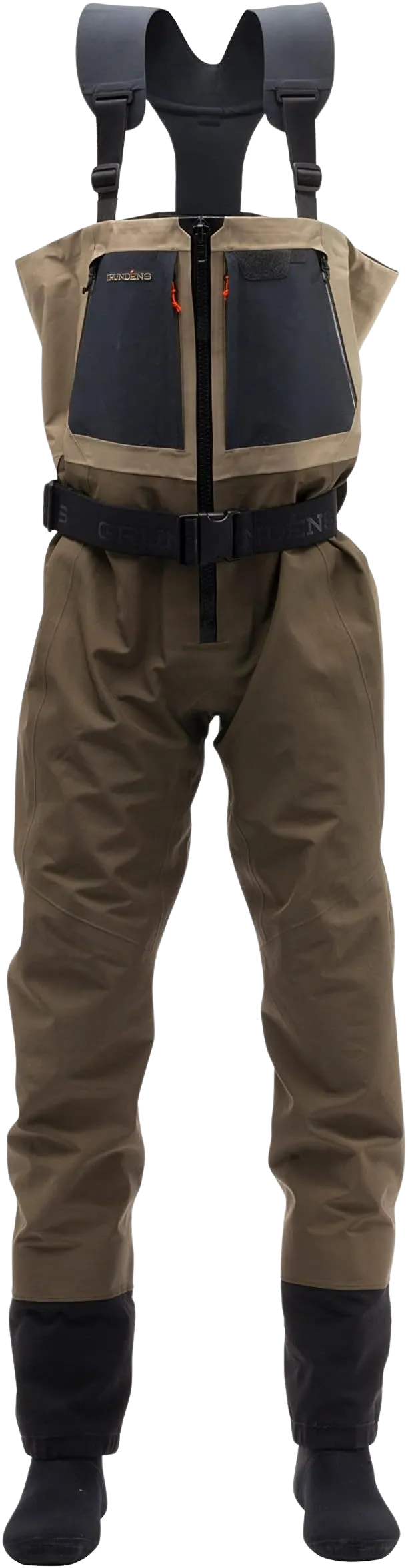
Our Top Picks for The Hard-Use Professional
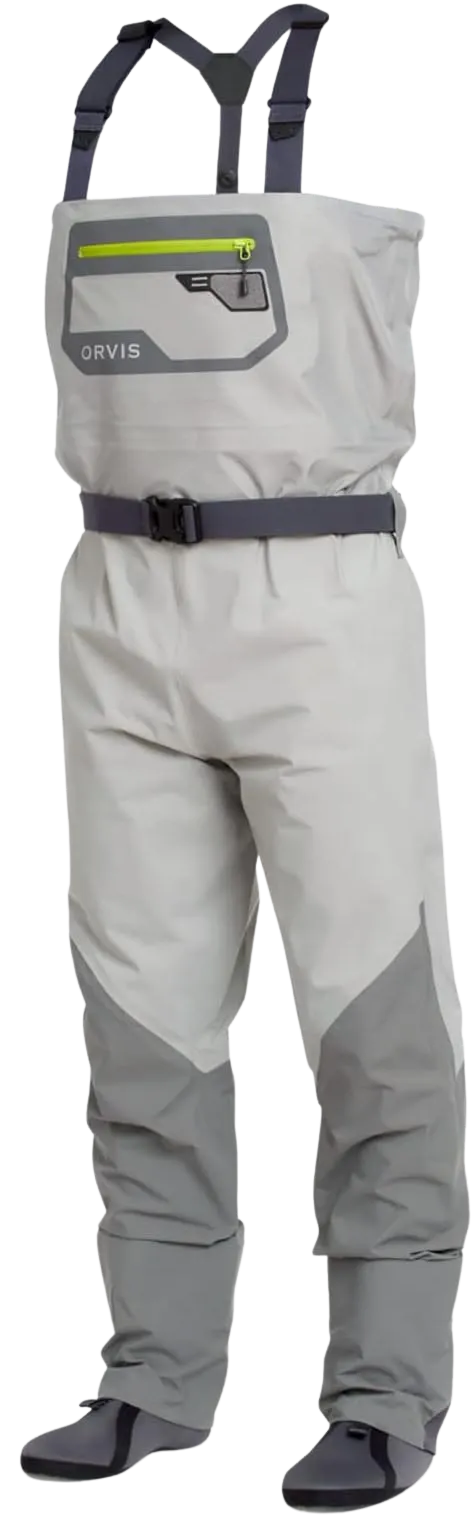
Our Top Picks for The Ultralight Specialist
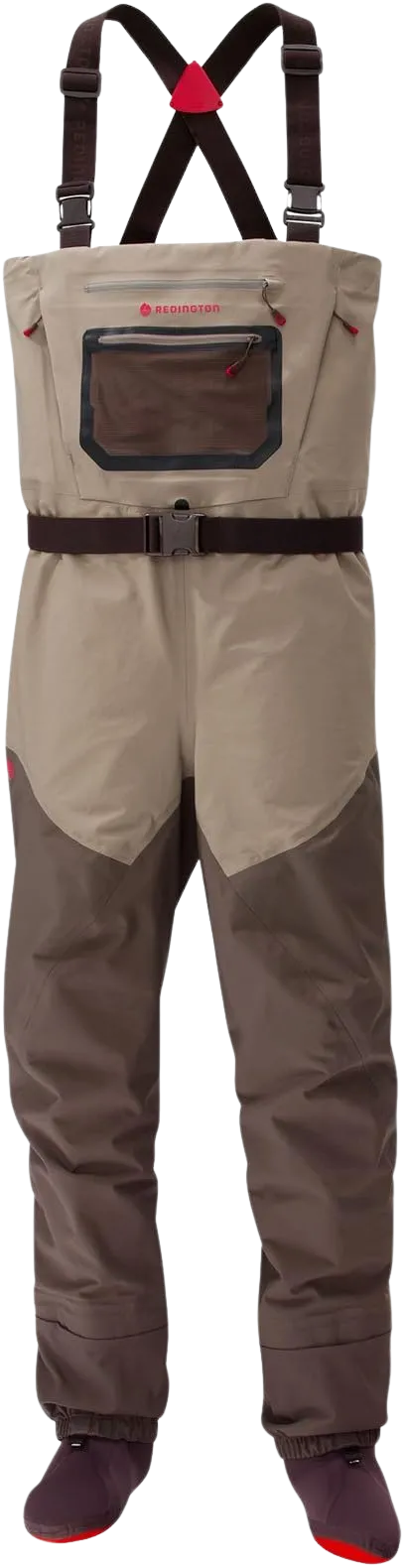
Our Top Picks for The Budget-Conscious
Conclusion
In 2026, a wader is only as good as its warranty turnaround time. Logistics now trump loyalty. We’ve seen that Fit = Life; investing in “Short” or “Tall” sizes to match your inseam adds years to the wader’s life by reducing the mechanical seam stress that inevitably leads to leaky waders.
Finally, face the Material Reality. Choose Gore-Tex Pro if you are standing still in steelhead runs, but look to proprietary textiles with better drape, like those from Skwala or Orvis, if your day involves miles of hiking.
Pro-Tip: Before you click “buy,” measure your inseam (crotch to floor) and your girth (widest point of chest or belly). Cross-reference these numbers with the manufacturer’s chart. Do not guess based on your jean size.
FAQ – Frequently Asked Questions about Fly Fishing Waders
Why do my waders leak at the crotch or knees first?
This is usually a mechanical failure caused by an improper inseam fit. If the wader is too short, high-stepping pulls the seam tape apart. Consider waders with articulated leg seams like the Skwala RS Wader to mitigate this.
Is Gore-Tex better than other waterproof laminates?
Gore-Tex Pro generally offers superior puncture resistance and field repairability (bonding with Aquaseal), but proprietary laminates often offer better stretch and drape. For maximum Gore-Tex durability, the Simms G4Z remains the benchmark.
How often should I wash my waders?
You should wash them whenever they wet out (stop beading water) or get dirty, as dirt clogs the breathable pores and causes internal condensation. Use a specialized cleaner like Nikwax Tech Wash.
Can I repair waders myself?
Yes, pinholes are easily fixed with Aquaseal or UV cure, but large seam delamination usually requires factory heat-pressing. Brands like Patagonia offer the most transparent and rapid factory repair services.
Risk Disclaimer: Fishing, boating, and all related outdoor activities involve inherent risks that
can lead to injury. The information provided on Master Fishing Mag is for educational and informational purposes
only. While we strive for accuracy, the information, techniques, and advice on gear and safety are not a substitute
for your own best judgment, local knowledge, and adherence to official regulations. Fishing regulations, including
seasons, size limits, and species restrictions, change frequently and vary by location. Always consult the latest
official regulations from your local fish and wildlife agency before heading out. Proper handling of hooks, knives,
and other sharp equipment is essential for safety. Furthermore, be aware of local fish consumption advisories. By
using this website, you agree that you are solely responsible for your own safety and for complying with all
applicable laws. Any reliance you place on our content is strictly at your own risk. Master Fishing Mag and its
authors will not be held liable for any injury, damage, or loss sustained in connection with the use of the
information herein.
Affiliate Disclosure: We are a participant in the Amazon Services LLC Associates Program, an
affiliate advertising program designed to provide a means for us to earn advertising fees by advertising and linking
to Amazon.com. As an Amazon Associate, we earn from qualifying purchases. We also participate in other affiliate
programs and may receive a commission on products purchased through our links, at no extra cost to you. Additional
terms are found in the terms of service.