In this article
A 15mph crosswind on windy banks does not care about your casting accuracy. In the time it takes to re-tie a leader or finish culling a fish, a drifting boat can move fifty yards off the offshore structure, ruining the approach you spent twenty minutes setting up.
Boat positioning is no longer a test of manual seamanship; it is a function of marine electronics, automated energy management, and acoustic discipline. The decision between a Spot-Lock GPS anchor and a mechanical Shallow Water Anchor (SWA) is not a preference—it is a comparative analysis of depth limits, stealth, and holding physics.
I have spent decades on the casting deck, from the mud flats of the Lowcountry to the deep creek channels of TVA reservoirs. I’ve learned that fighting the laws of physics is a losing battle. This guide moves beyond brand loyalty to help you understand the hydrodynamic and acoustic realities that dictate true boat control. We will break down the hard “8-Foot Threshold,” the acoustic penalty of prop wash, and the battery budget that determines whether your voltage survives a full tournament day.
How to Choose the Right Boat Control System
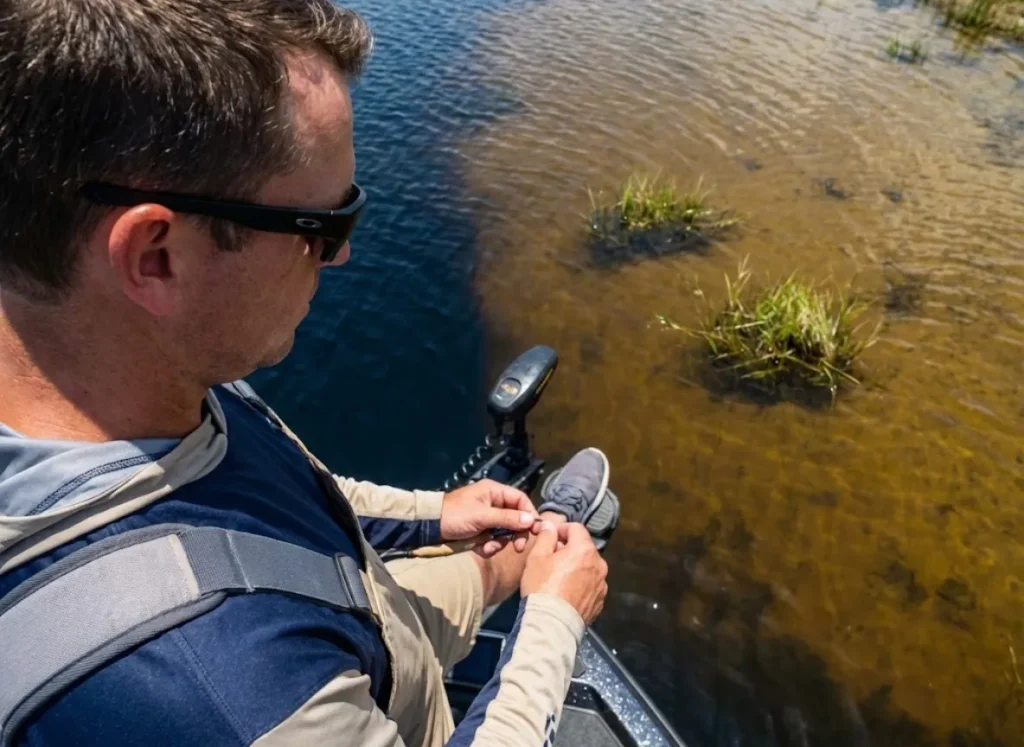
Choosing the right system isn’t about buying the most expensive gadget; it’s about arming yourself with objective knowledge based on physics and your specific fishing style. We approach this through a total boat control matrix, evaluating every angle from the financial lens to the environmental lens.
The “Active vs. Passive” Energy Equation
The most critical distinction between these systems lies in how they consume power to maintain position. Spot-Lock relies on a PID control loop—a constant cycle of measurement and correction where the motor constantly fights wind and current. This “Active Hold” is a continuous-draw system with a steep energy penalty.
Holding a heavy bass boat in a 15mph wind can draw up to 52 amps continuously. On a standard lead-acid setup, you might deplete your bank in two to four hours. This energy density requirement is exactly why understanding how lithium-ion batteries work is fundamental to modern boat rigging; the high-draw nature of active anchoring demands a voltage curve that lead-acid simply cannot sustain under load.
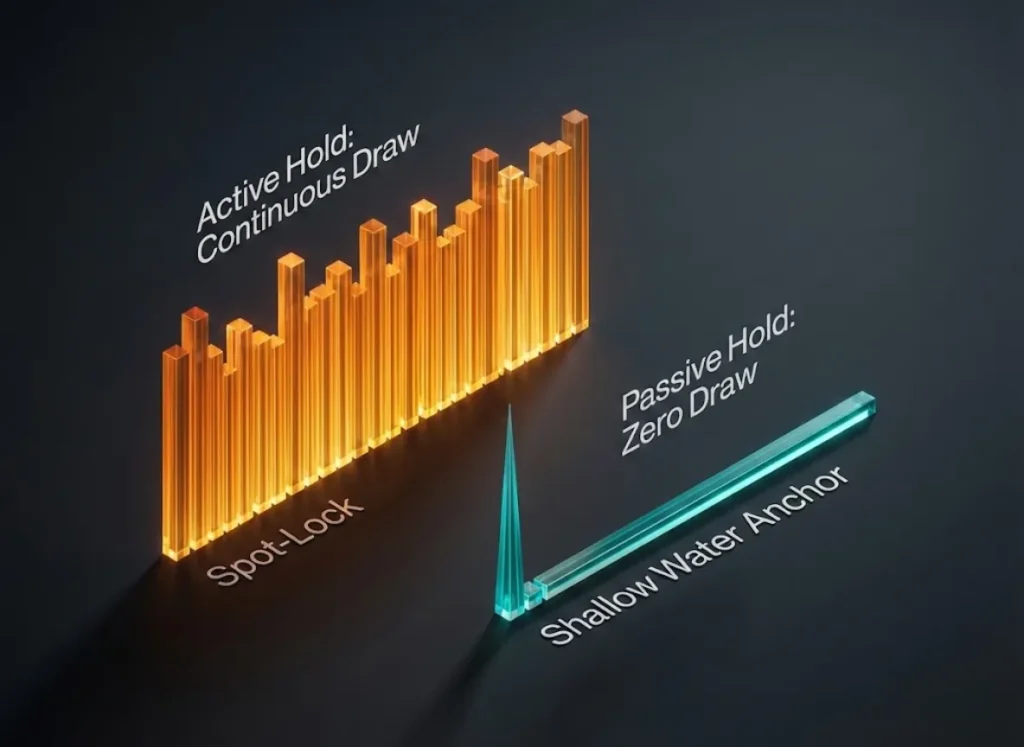
In contrast, Shallow Water Anchors utilize “Passive Holding.” They rely on mechanical friction to create a zero-movement hold. Energy is consumed only during the 5-8 second deployment sequence. Once the spike is driven into the substrate, the hydraulic pump or electric winch shuts down. The amp draw drops to zero, acting as an intermittent-draw system.
You have an infinite hold time regardless of wind velocity. While energy management dictates how long you can fish, the battery technology you choose dictates the efficiency of that hold. This is why upgrading to a modern lithium trolling motor battery is almost mandatory for heavy Spot-Lock users to match the endurance of a passive mechanical system.
Acoustic Signature: The Stealth Factor
Silence allows you to approach, but the physical environment dictates which tool can actually reach the bottom without alerting your target. The hidden killer in shallow water sight fishing isn’t just motor whine; it’s hydrodynamic turbulence and sediment disturbance.
When a trolling motor corrects position in less than five feet of water, the prop revs creates prop wash that re-suspends mud plumes and creates pressure waves. These waves travel faster through water than air, easily triggering the sensitive lateral lines of largemouth bass long before they see the boat. Even a noise level reduction to 57.4 dB doesn’t matter if you are thrusting silt at the fish.
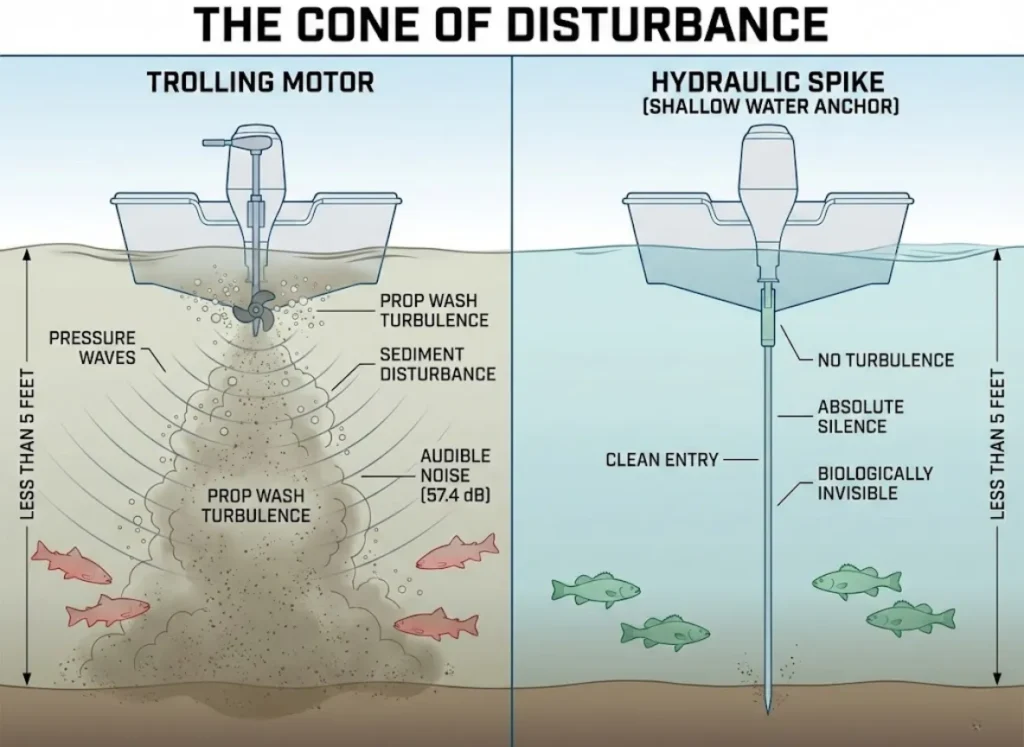
The industry has shifted toward brushless motors like the Power-Pole Move and Minn Kota Quest to reduce audible airborne noise. While this shift eliminates mechanical whine, it cannot cheat physics: water displacement remains. A propeller must move water to create thrust.
A Shallow Water Anchor, however, offers absolute silence. The hydraulic spike enters the water cleanly, with no rotation and no wash. Studies on fish sensitivity confirm that lateral lines are finely tuned to detect these exact hydrodynamic pressure anomalies, making passive anchors biologically invisible compared to a correcting motor. This is the difference between catching spawning fish and spooking fish.
The “Walled Garden”: Ecosystem Compatibility
Once you understand the physics, you must navigate the software architectures. Manufacturers are increasingly building “Walled Gardens”—interconnected systems that enable premium features only when you commit to a single brand.
The “One-Boat Network” allows Humminbird units to talk directly to Minn Kota trolling motors and Raptor anchors via i-Pilot Link. This enables features like “Drift Mode” or deploying anchors from the sonar screen. This is similar to industrial safety and control system standards where component integration ensures reliability.
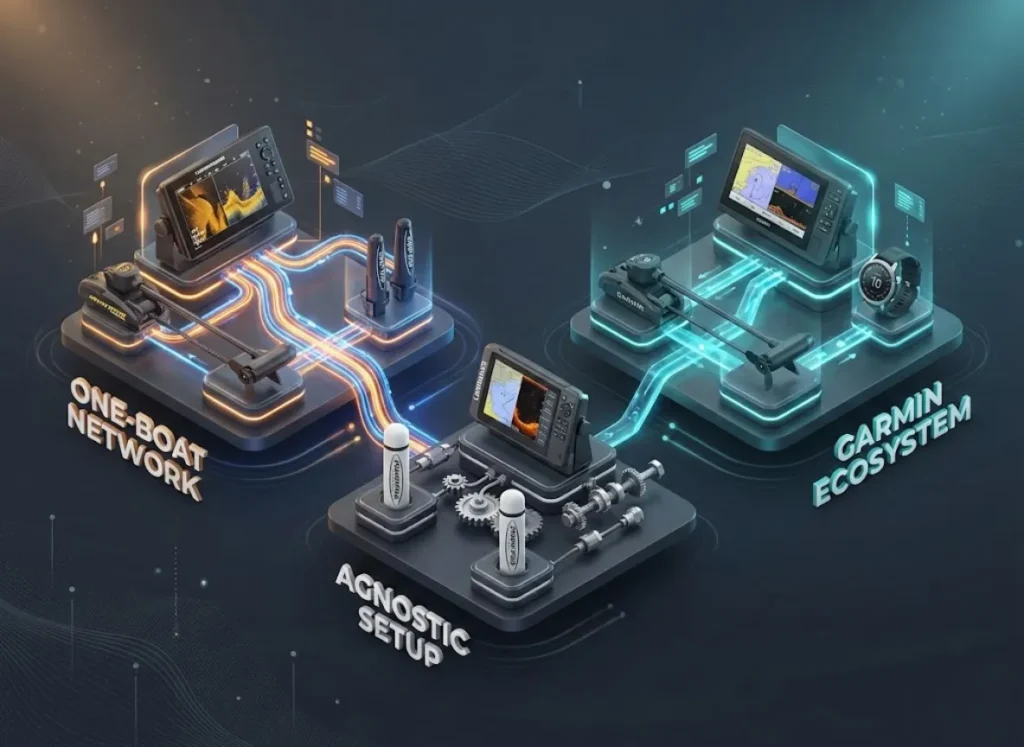
Garmin offers a similar experience, linking their Force and Kraken motors to their chartplotters and even smartwatches for gesture control. However, many anglers prefer an agnostic approach. Power-Pole remains the dominant choice for those who mix and match, pairing Lowrance screens with Power-Pole anchors. With the physics and compatibility understood, we apply these criteria to help you in selecting the best trolling motor for your specific ecosystem, ensuring your hardware talks to your software.
Our Selection Process: How We Built This Guide
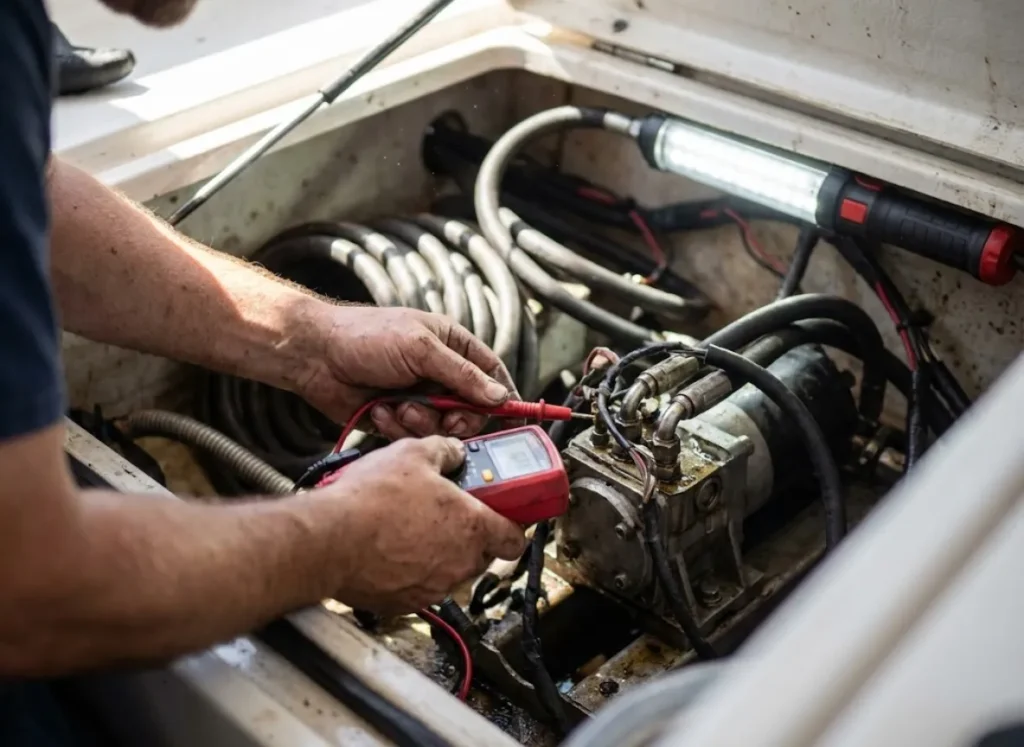
We build trust by transparently detailing our rigorous research and curation process. We analyze engineering specs, circuit boards, and repair manuals, not just marketing brochures.
Our commercial investigation framework judged products on four vectors: Acoustic Signature (decibels), Amp-Hour Efficiency, Mechanical Reliability (specifically analyzing failure points like hydraulic hoses vs. cables), and Ecosystem Integration. We cross-referenced 2024-2025 manufacturer data with independent user failure reports to identify the “class leaders” for specific personas, from the bank beater to the offshore hunter. While we may earn a commission, our recommendations are driven by the “8-Foot Threshold” physics, not payout rates.
The Best Marine Positioning Systems of 2026: Our Top Recommendations for Every Need
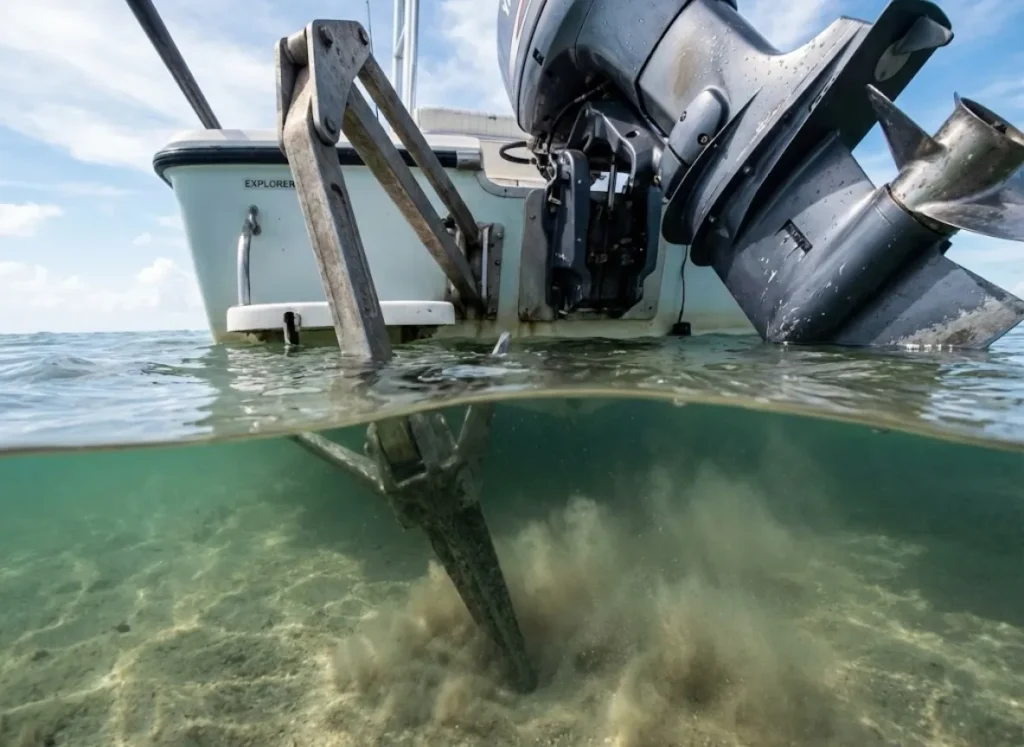
Our Top Picks for The Shallow Water Specialist (<8ft)
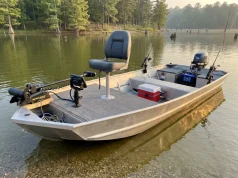
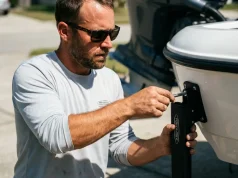
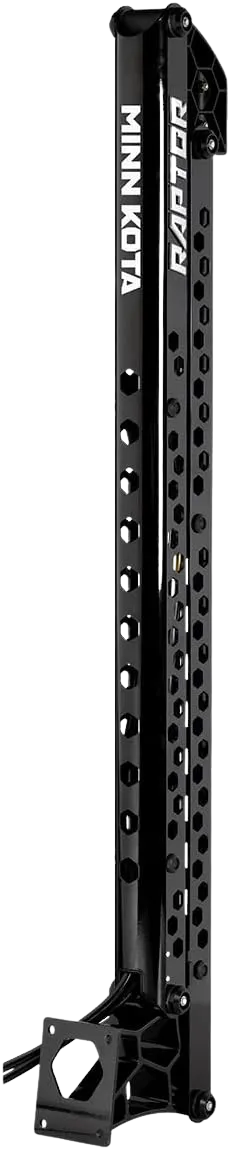
For anglers fishing flats, marshes, and heavy cover where silence and holding power are non-negotiable. Whether you run a skiff or a bay boat, these tools engage the bottom physically to prevent boat swing.

Our Top Picks for The Precision Boat Captain (Trolling Motor Focus)
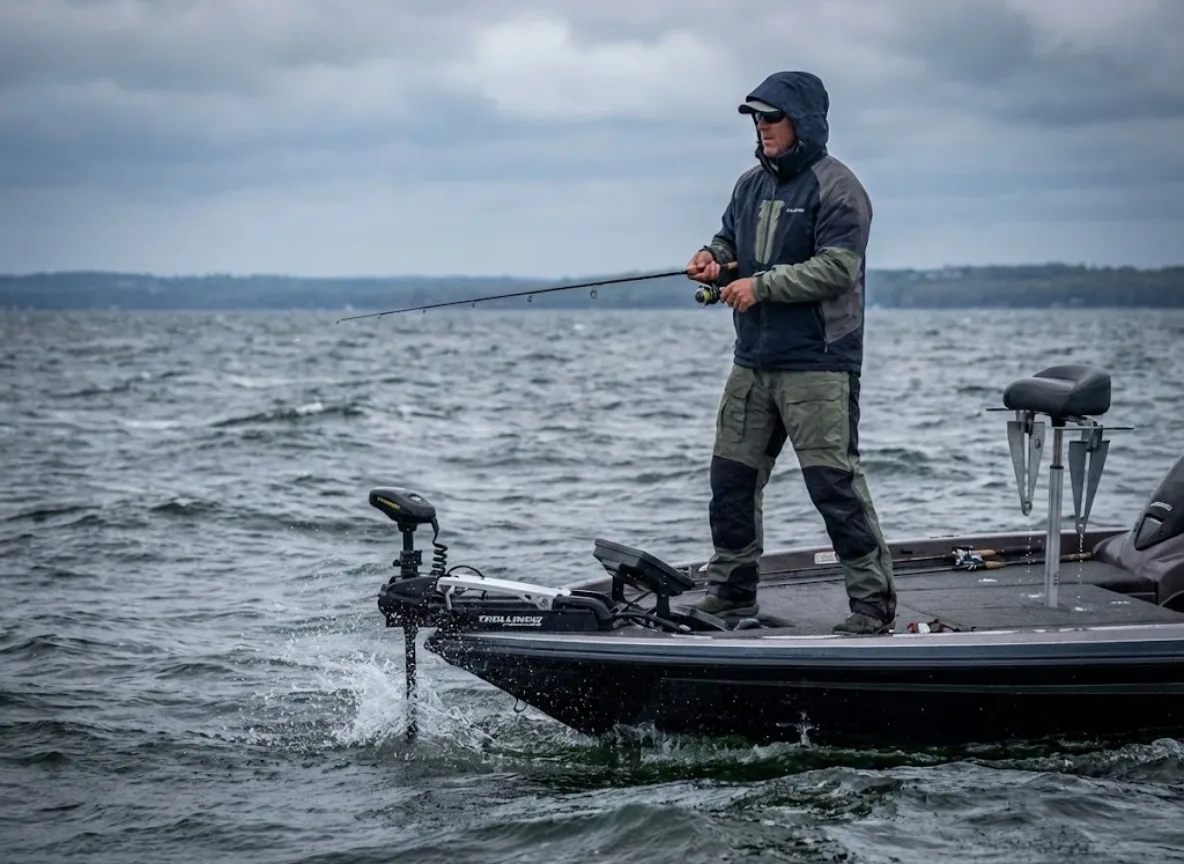
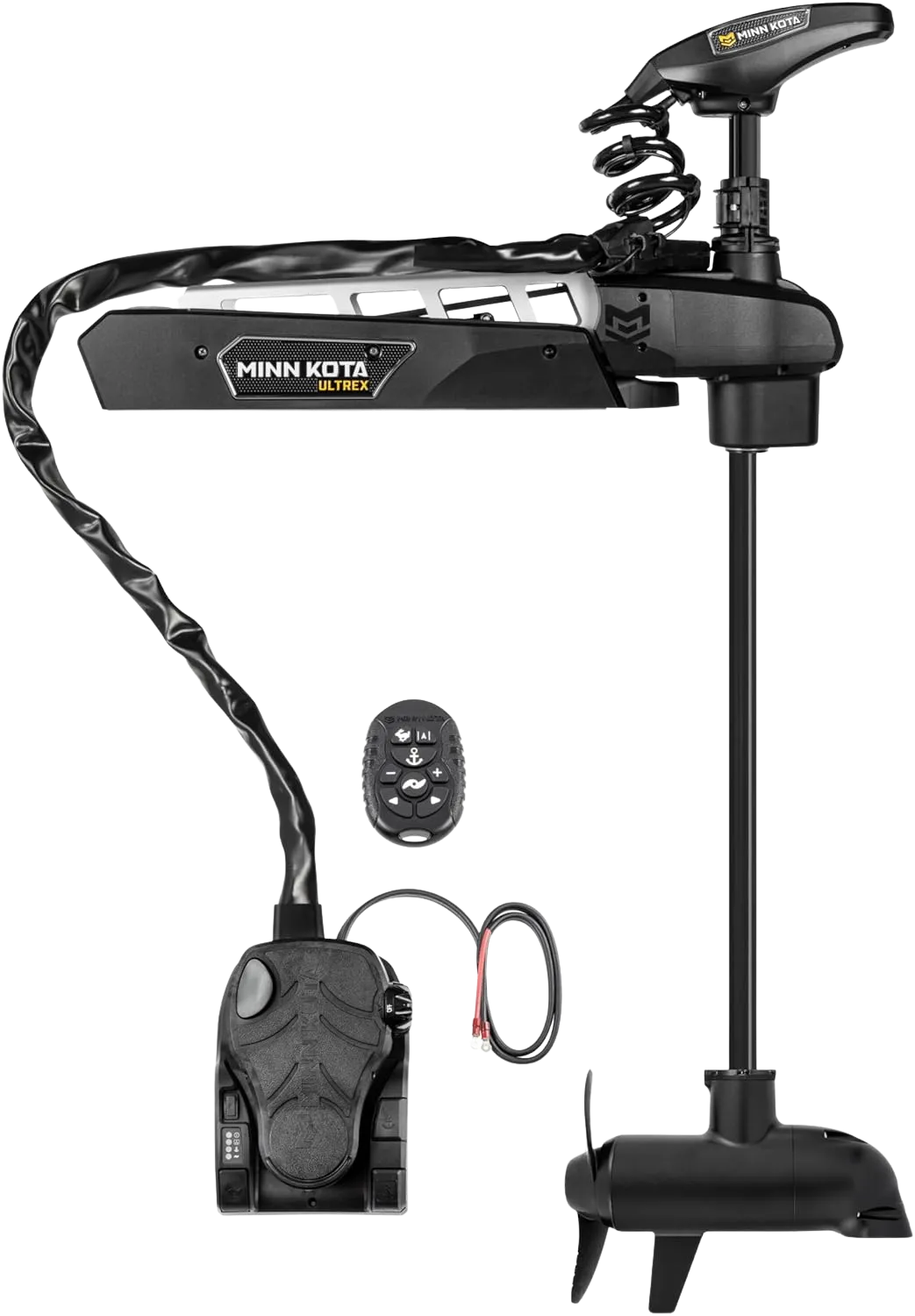
For anglers who need intelligent, active boat positioning in deeper water or variable currents. These are the engines of the operation for precision angling.
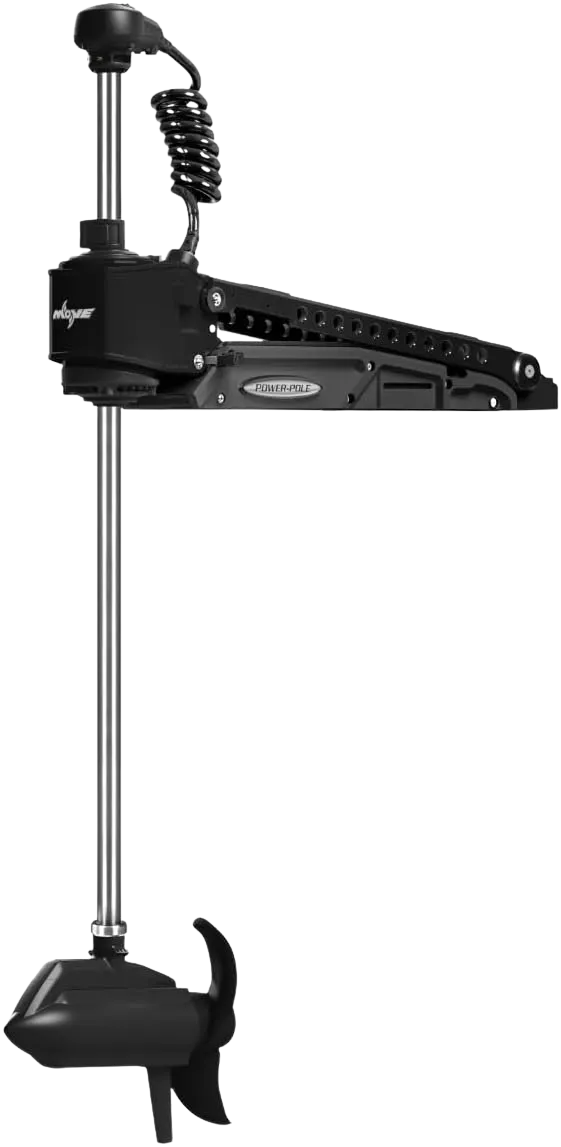
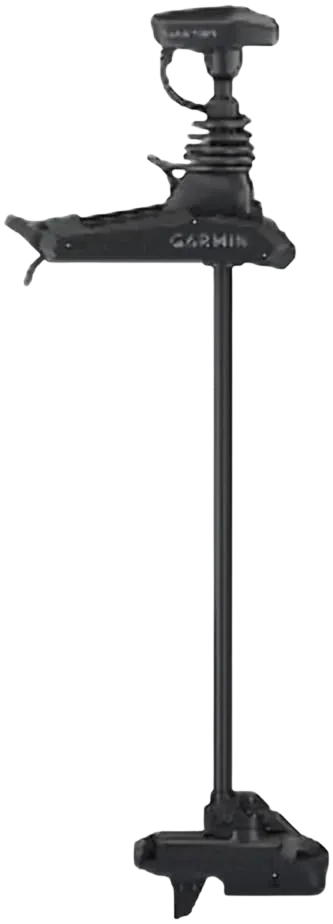
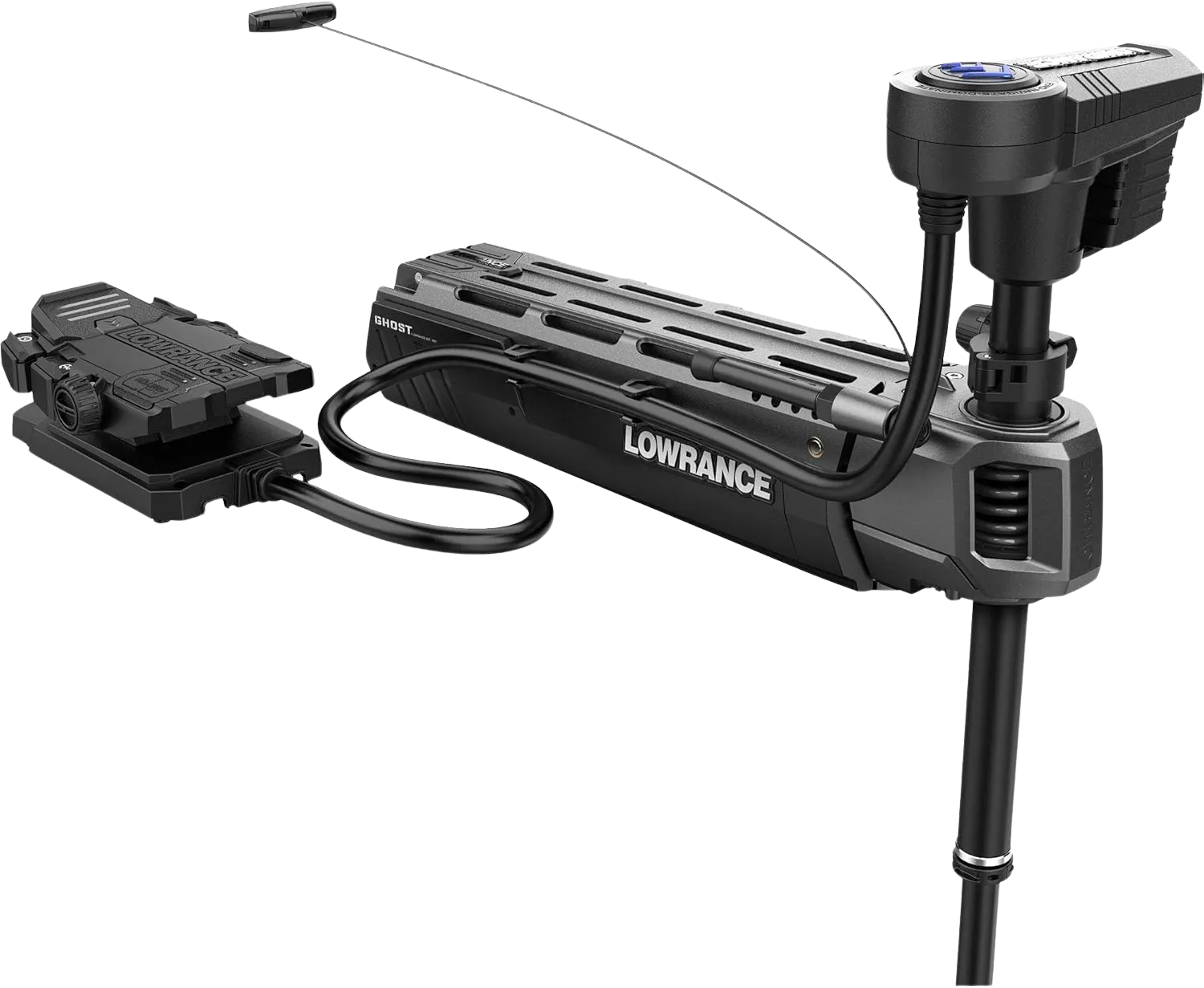
The Final Verdict
The debate between Spot-Lock and Shallow Water Anchors is not binary; it is environmental. Depth rules all: if you fish deeper than 10 feet, Spot-Lock is mandatory. If you stalk fish in less than 6 feet, SWAs are mandatory for acoustic stealth.
Energy management further divides the field. Spot-Lock demands high-capacity Lithium power to sustain the constant amp draw of fighting the wind, while SWAs offer a “passive hold” that costs you zero energy once deployed. For the complete angler, the “Hybrid Solution”—a dual-threat system—is the end game: a brushless motor to transport you and hold deep, paired with dual SWAs for surgical precision in the shallows. This redundant approach is essential for solo docking, tournament efficiency, and redundancy when equipment fails.
Pro-Tip: Before buying, log your fishing depth for your next five trips. If 80% of your time is spent in water under 8 feet, invest in anchors first. If you are constantly offshore, prioritize the trolling motor upgrade.
FAQ – Frequently Asked Questions
Can I use Spot Lock in shallow water (2-4 feet)?
Yes, but it is effectively a dinner bell for fish. The prop wash will stir up sediment clouds and create acoustic pressure waves that spook pressured fish instantly.
How long can a trolling motor Spot Lock on a 100Ah battery?
In calm water, you might get 10+ hours. However, in 15mph wind, a standard lead-acid battery may die in 2-4 hours; a 100Ah LiFePO4 lithium battery is recommended to survive a full day of heavy wind.
Do I really need two Shallow Water Anchors, or is one enough?
One anchor stops the boat, but the boat will still spin around that pivot point in the wind. You need two anchors to lock the hull’s orientation and keep your bow pointing at the target.
Which is quieter, the Power-Pole Blade or Minn Kota Raptor?
The Power-Pole Blade is generally quieter due to its hydraulic architecture and Soft Close software. The Raptor is highly effective but its pump and mechanical operation are slightly more audible above water.
Risk Disclaimer: Fishing, boating, and all related outdoor activities involve inherent risks that
can lead to injury. The information provided on Master Fishing Mag is for educational and informational purposes
only. While we strive for accuracy, the information, techniques, and advice on gear and safety are not a substitute
for your own best judgment, local knowledge, and adherence to official regulations. Fishing regulations, including
seasons, size limits, and species restrictions, change frequently and vary by location. Always consult the latest
official regulations from your local fish and wildlife agency before heading out. Proper handling of hooks, knives,
and other sharp equipment is essential for safety. Furthermore, be aware of local fish consumption advisories. By
using this website, you agree that you are solely responsible for your own safety and for complying with all
applicable laws. Any reliance you place on our content is strictly at your own risk. Master Fishing Mag and its
authors will not be held liable for any injury, damage, or loss sustained in connection with the use of the
information herein.
Affiliate Disclosure: We are a participant in the Amazon Services LLC Associates Program, an
affiliate advertising program designed to provide a means for us to earn advertising fees by advertising and linking
to Amazon.com. As an Amazon Associate, we earn from qualifying purchases. We also participate in other affiliate
programs and may receive a commission on products purchased through our links, at no extra cost to you. Additional
terms are found in the terms of service.