

In this article
A single lead split shot, weighing almost nothing, sits in the stomach of a Common Loon (Gavia immer). It grinds against small granite pebbles. To us, that piece of tackle costs pennies and is easy to replace. To the bird, that simple grinding action turns a common fishing tool into a deadly metabolic poison in less than two weeks.
I have spent decades on the water, both as a guide and a conservationist. I have learned that switching to non-toxic alternatives isn’t just about following rules. It is the next step for any modern angler who wants to practice sustainable angling and protect the aquatic environment we love.
This guide explains why lead fishing tackle is so dangerous to wildlife populations and helps you navigate the confusing mix of state bans and federal regulations. More importantly, we will look at how switching to modern materials like tungsten can actually help you catch more fish.
Why Is Lead Tackle a Critical Threat to Waterfowl?
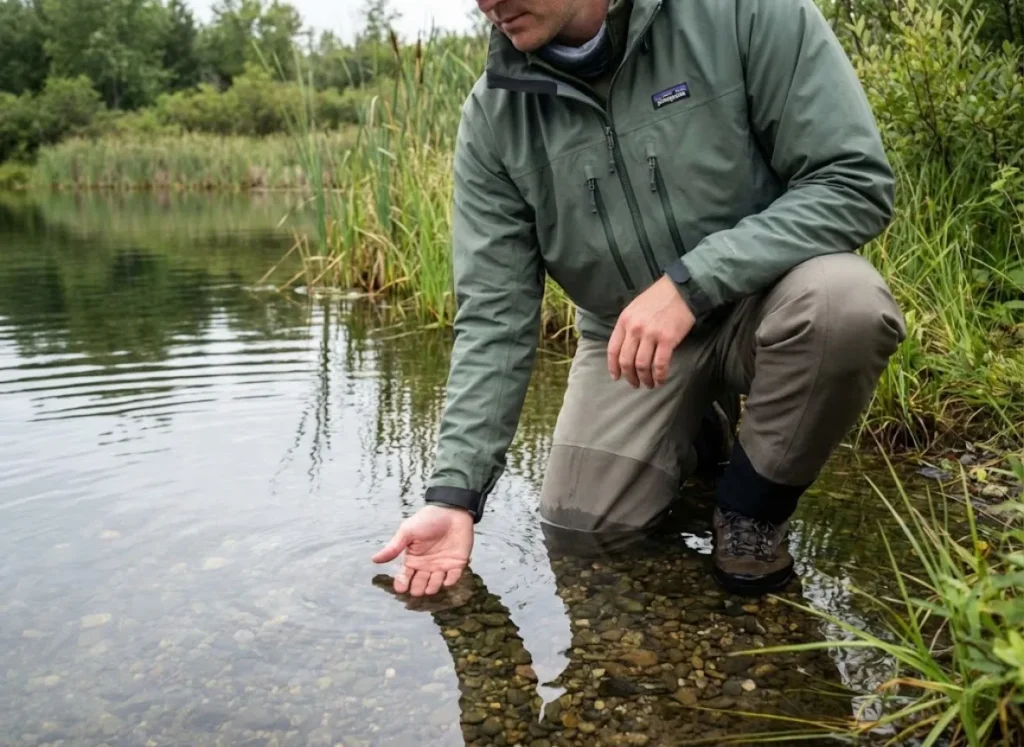
There is an old saying that “the solution to pollution is dilution.” The idea was that a big lake could neutralize small amounts of environmental contamination. That does not apply here. The danger isn’t the water itself. The danger is the physical reaction between the bird’s biology and the metal.
How does a single lead sinker kill a loon?
Waterfowl, specifically Common Loons, Mute Swans, Trumpeter Swans, and even Whooping Cranes, do not have teeth. To digest their food, they have to eat small stones and grit. These stones sit in their gizzard and grind down their food.
Unfortunately, lead sinkers, split-shot, and jigs look and feel exactly like these essential stones. This case of mistaken identity leads birds to eat them thinking they are grit.
Once lead items are inside the gizzard, the powerful muscles begin the mechanical grinding process against the soft metal. This releases lead salts directly into the bird’s bloodstream, causing acute toxicity. It confuses the body’s natural chemistry and shuts down vital functions in the nervous and reproductive systems.
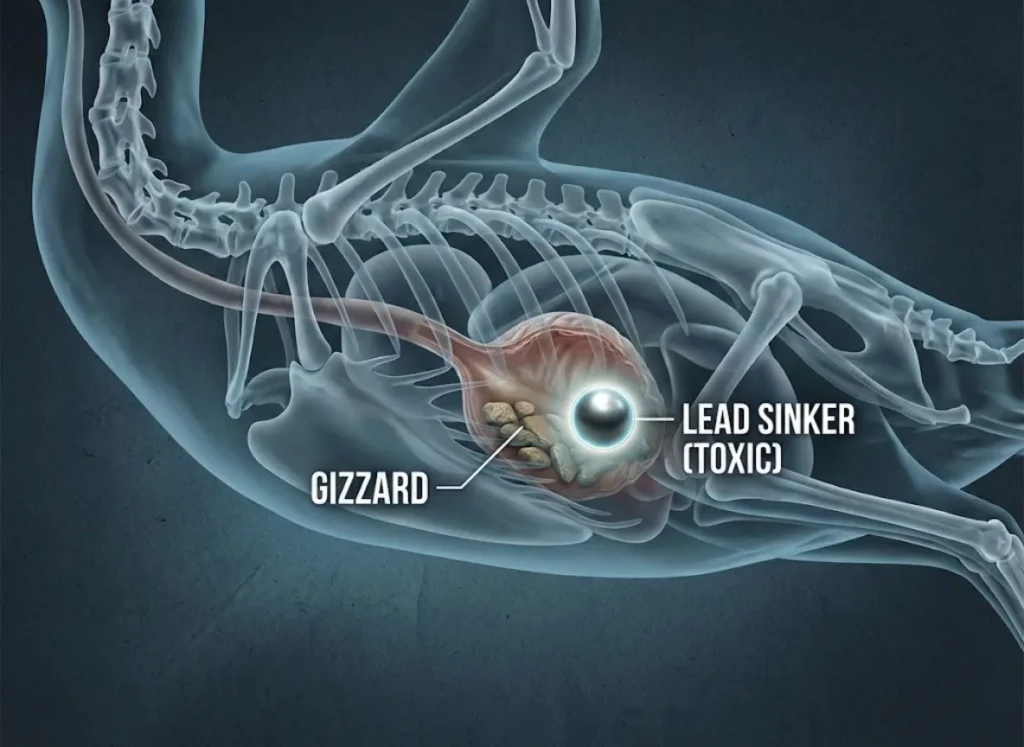
The biological timeline of death is fast and devastating. The lead causes severe anemia and paralysis. You might see a bird with “wing droop,” displaying loss of balance, convulsions, or green diarrhea. They often become too weak to fly or dive, making them easy targets for predators.
Sadly, without help, a bird that swallows a sinker will almost certainly die. U.S. Fish & Wildlife Service data on loon mortality confirms that a single sinker can kill an adult loon in two to four weeks. This is a major threat to wildlife species. This reality forces us to rethink our fishing sinkers, aligning with broader fish conservation principles to protect the resources we rely on.
What is the “One Health” approach to angling?
There is a concept called the One Health approach. It simply means that our health is connected to the health of animals and our shared environment. Anglers are part of the food web, not just observers. If the water is toxic to a loon, it probably isn’t great for the fish we want to catch either.
Lead does not disappear; it undergoes bioaccumulation. This means scavengers and piscivores are exposed to all the poison stored in their prey.
Pro-Tip: If you hunt waterfowl or upland birds in addition to fishing, inspect the crops of harvested birds. Seeing the grit they consume provides a firsthand understanding of why small split shot is so easily mistaken for food.
This creates a chain reaction. Bald Eagles and extremely rare California Condors often get lead poisoning because they eat sick waterfowl or scavenge gut piles that contain lead fragments. Even mammals like raccoons can suffer. A single lost sinker can end up hurting multiple species.
NIH research on the One Health framework backs this up. It highlights that what hurts the ecosystem eventually hurts us. Switching to lead-free angling protects the fishery for future generations. It is also a key part of practicing sustainable fishing gear maintenance so we lose less gear in the first place.
What Are the Current Regulations for Lead Fishing Tackle?
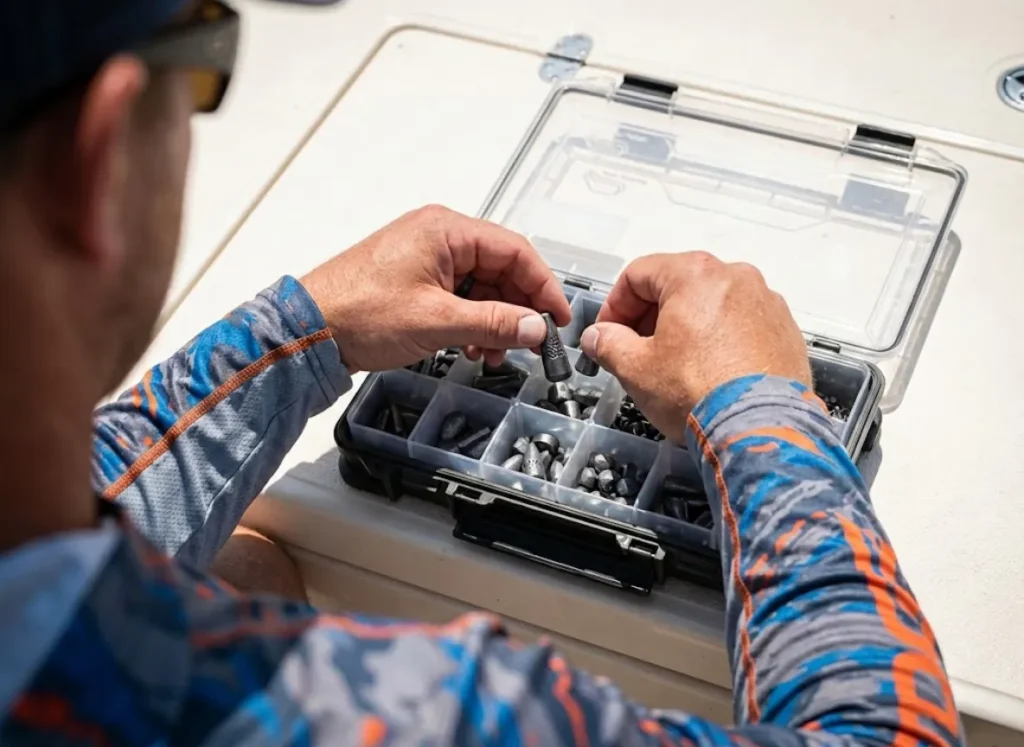
Figuring out lead laws can be frustrating. The rules change depending on which state you are in, and sometimes even which lake you are fishing. Organizations like the Association of Fish and Wildlife Agencies and Maine Audubon track these changes closely.
Which states have enacted strict lead bans?
The Northeast currently has the strictest rules. New Hampshire prohibits both the sale and use of lead sinkers and jigs weighing one ounce or less.
Maine is in the middle of a transition. The sale of painted lead jigs is banned as of 2024. A total ban on using them starts in September 2026. You should check the Maine Department of Inland Fisheries and Wildlife lead laws for exact dates. New York and Massachusetts also have restrictions, mostly focused on stopping the sale of small lead sinkers (often under 0.5 oz).
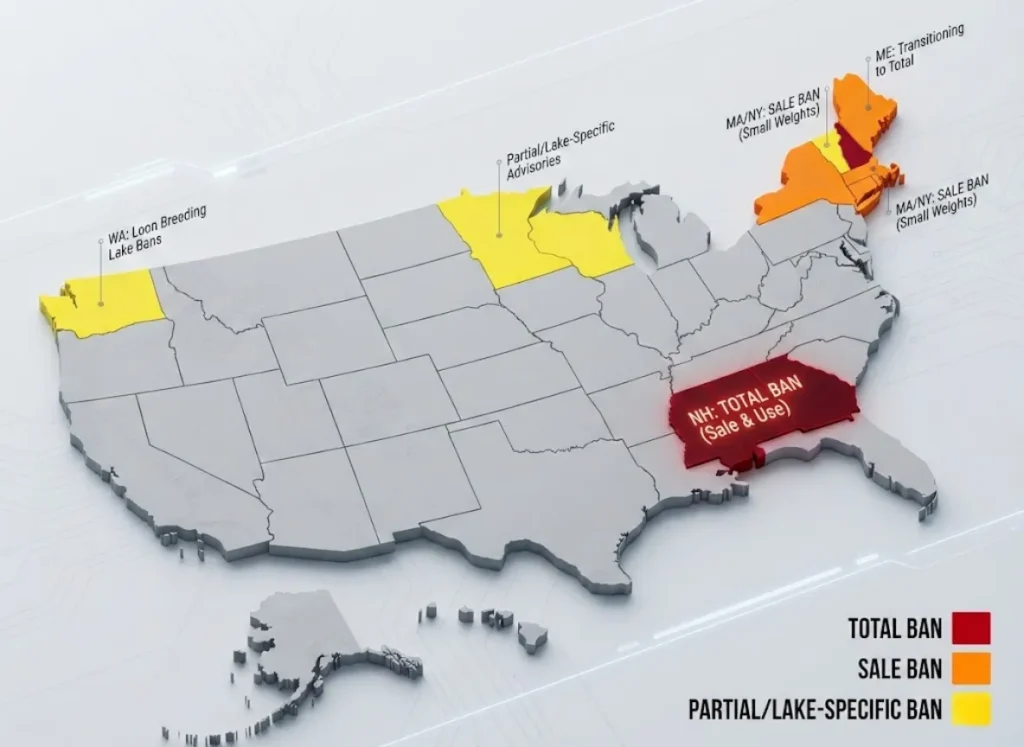
Other states are catching up. Vermont, Minnesota, and Wisconsin have various advisories or restrictions. Washington has banned lead weights and jigs under 1.5 inches on lakes where loons breed. Even California and Oklahoma are reviewing toxic effects on local wildlife. In Canada, the CEPA 1999 guidelines regulate toxic substances heavily.
The federal government is also taking action. The U.S. Fish and Wildlife Service (USFWS) is phasing out lead tackle on National Wildlife Refuges by 2026. If you are traveling, check your tackle box. We recommend reviewing your local state fishing regulations before every trip. Rangers can confiscate illegal gear and issue heavy fines.
How do federal lands impact tackle choices?
Federal lands, like a National Wildlife Refuge, often have different rules than the state they are in. Many of these areas are moving to “lead-free only” fishing to protect wading birds and aquatic animals.
For example, refuges like Blackwater and Chincoteague are scheduled to go fully lead-free for fishing by Fall 2026. These federal rules usually override state laws. A sinker might be legal on a state lake, but illegal on a Refuge five miles away.
This trend shows that lead will likely be banned on most public waters in the future. The USGS study on lead exposure in waterfowl provides the background for these decisions. Ignoring this shift could limit where you are allowed to fish. It is smart to stay updated on requirements often tied to your fishing licenses, as following the rules is the only way to keep our access open.
How Does Non-Toxic Tackle Compare in Performance?
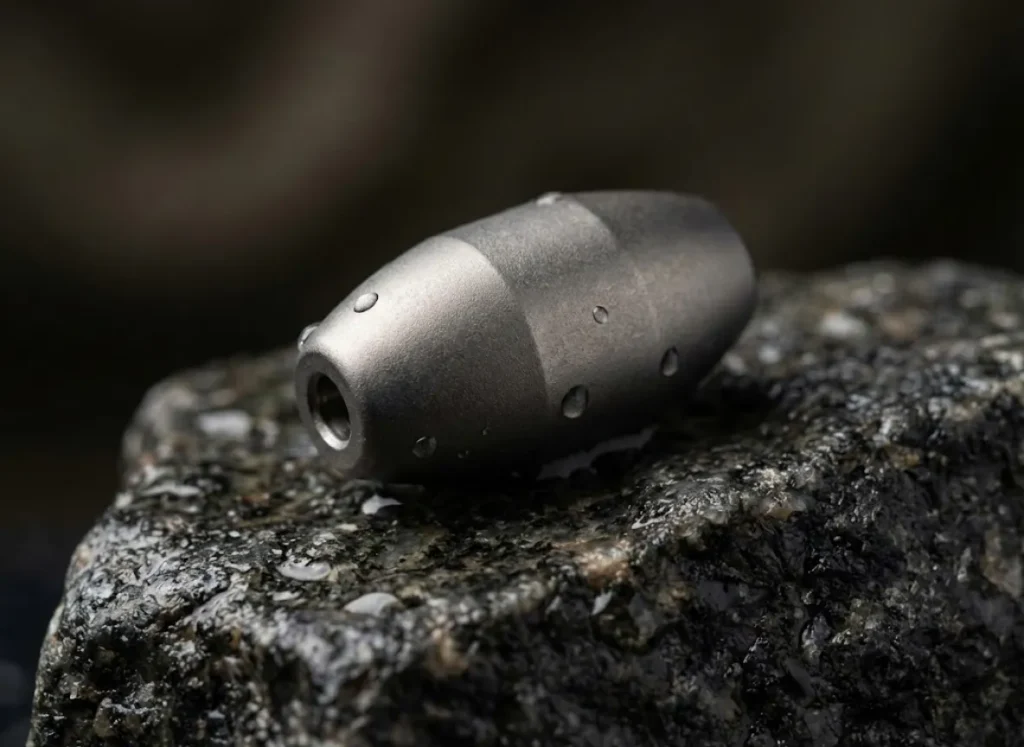
Many anglers worry that non-toxic alternatives won’t work as well. The truth is the opposite. Modern metals have turned this environmental choice into a serious upgrade for your fishing field performance.
Does Tungsten actually offer a competitive advantage?
Tungsten is the best material available for weights today. It is incredibly dense—almost twice as heavy as lead.
Because it is so dense, a tungsten weight is much smaller than a lead weight of the same mass. This compact size helps it slip through heavy weeds and rocks without getting snagged as often.
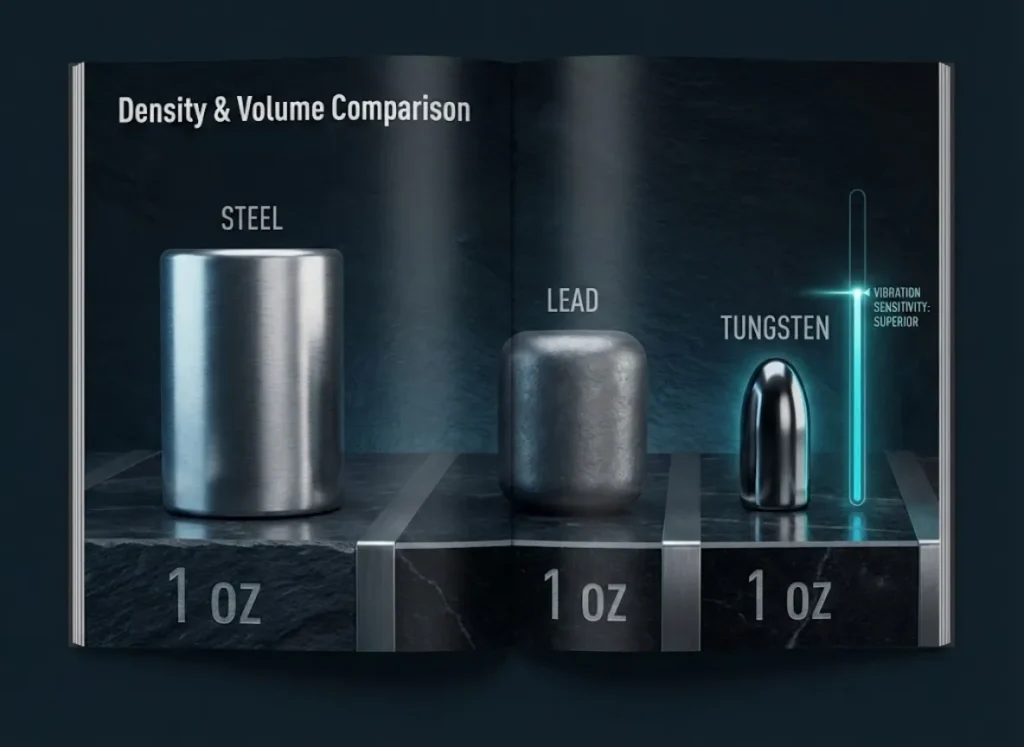
Tungsten is also very hard. This hardness allows for superior vibration transmission. When you drag a tungsten weight on the bottom, you can feel everything. This is critical for techniques like drop-shotting.
A soft lead weight makes a dull “thud” when it hits a rock. Tungsten makes a sharp “tick.” This sensitivity helps you tell the difference between mud, sand, and gravel. A University of Vermont analysis of lead sinker alternatives highlights these benefits. If you want to know more about the data, check our guide on the performance metrics of lead-free fishing tackle.
What are the best budget-friendly alternatives to lead?
Tungsten is expensive, and you don’t always need it. There are cheaper options like steel, tin, brass, and even ceramic.
Steel is the most affordable alternative. It is lighter than lead, so the weights need to be a little bigger. Look for “stick weights” made of steel; their shape helps prevent snags despite the larger size.
For split-shot, tin is the best choice. It has good malleability and is light. You can crimp it onto your line easily without damaging your leader.
Pro-Tip: When using steel weights, go up one size. If you usually use a 1/4 oz lead weight, try a slightly heavier steel weight to feel the bottom better in the current.
Bismuth and tin blends are another option. They are heavier than steel but cheaper than tungsten. They can be brittle, so they are better for open water than for crashing into rocks. The Wisconsin DNR on lead toxicity and alternatives confirms these materials are safe for wildlife. For a full list of when to use which metal, see our guide to modern fishing weights.
Summary
The science is simple: a tiny piece of lead acts as a toxic agent to a loon because of how their stomachs work. The laws are changing to reflect this, with bans growing across the country.
The good news is that you don’t have to sacrifice performance. Tungsten helps you feel the bottom better, and steel offers a cheap, safe alternative.
Take a look at your tackle box this weekend. Swap out that old lead split shot for tin or tungsten. Consider participating in lead tackle exchanges if your local club hosts them. You will be protecting the fishery, and you might just find you catch more fish with the better gear.
FAQ – Frequently Asked Questions
Is lead fishing tackle banned everywhere in the United States?
No, there isn’t a total ban across the whole country. However, strict bans exist in states like New Hampshire, Maine, New York, and Washington. Also, federal lands like Wildlife Refuges often have their own bans to prevent lead exposure.
Can I use coated or painted lead sinkers to prevent poisoning?
No. Lead paint or rubber coatings don’t help. The grinding action in a bird’s gizzard strips the coating off very quickly. Once the coating is gone, the lead is exposed and poisons the bird just like a bare sinker.
Why is tungsten so much more expensive than lead?
Tungsten is a rare metal that is very hard to work with. It has a high melting point, so it costs more to manufacture. However, because it is so hard, it doesn’t dent or deform like lead, so one weight can last a long time.
How should I dispose of my old lead fishing weights?
Do not throw old lead in the trash or bury it. It is considered hazardous waste by the EPA. Take it to a local hazardous waste center, a metal recycler, or a tackle shop that has a disposal program.
Risk Disclaimer: Fishing, boating, and all related outdoor activities involve inherent risks that
can lead to injury. The information provided on Master Fishing Mag is for educational and informational purposes
only. While we strive for accuracy, the information, techniques, and advice on gear and safety are not a substitute
for your own best judgment, local knowledge, and adherence to official regulations. Fishing regulations, including
seasons, size limits, and species restrictions, change frequently and vary by location. Always consult the latest
official regulations from your local fish and wildlife agency before heading out. Proper handling of hooks, knives,
and other sharp equipment is essential for safety. Furthermore, be aware of local fish consumption advisories. By
using this website, you agree that you are solely responsible for your own safety and for complying with all
applicable laws. Any reliance you place on our content is strictly at your own risk. Master Fishing Mag and its
authors will not be held liable for any injury, damage, or loss sustained in connection with the use of the
information herein.
Affiliate Disclosure: We are a participant in the Amazon Services LLC Associates Program, an
affiliate advertising program designed to provide a means for us to earn advertising fees by advertising and linking
to Amazon.com. As an Amazon Associate, we earn from qualifying purchases. We also participate in other affiliate
programs and may receive a commission on products purchased through our links, at no extra cost to you. Additional
terms are found in the terms of service.