
In this article
A treble hook buried in 30-gauge vinyl ends a fishing trip instantly. For decades, this specific fear kept serious anglers tethered to heavy aluminum and fiberglass hulls. We accepted the trade-off: limited access to remote waters and expensive storage fees in exchange for the safety of a hard hull.
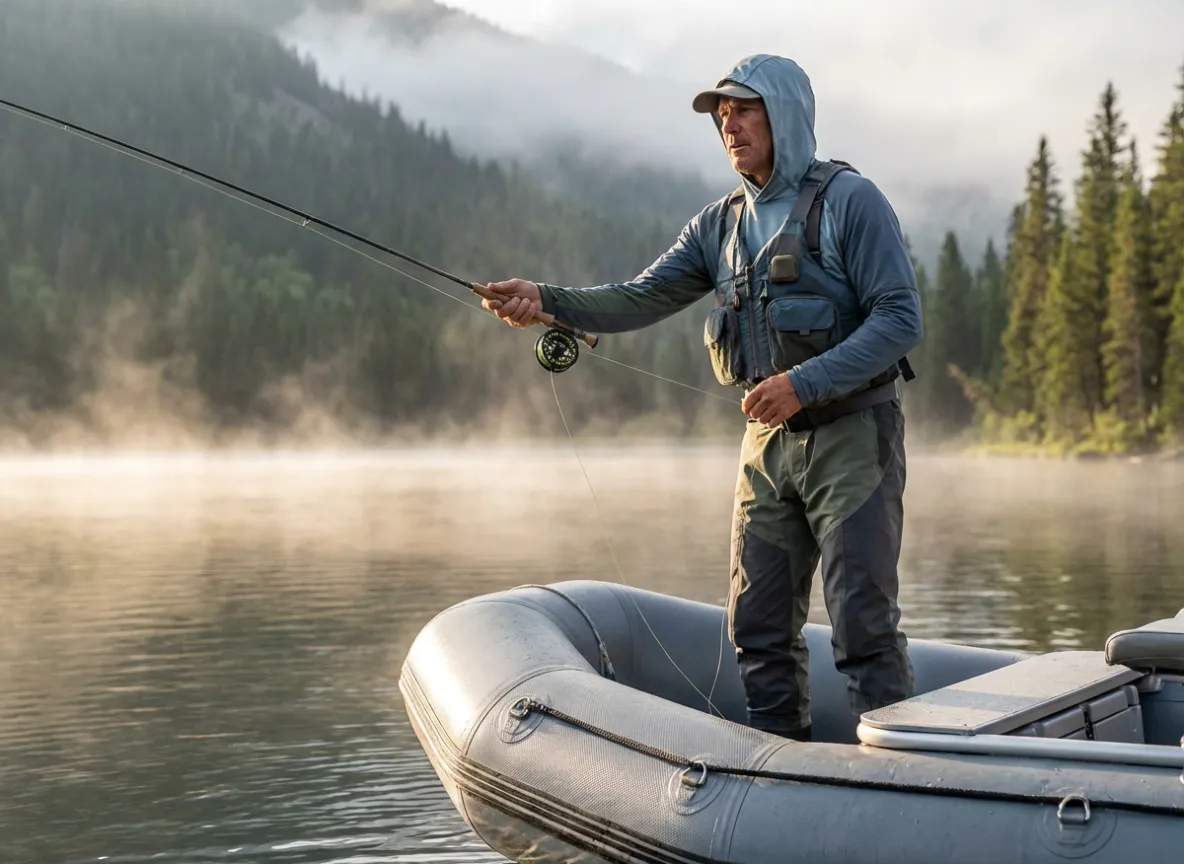
That era is over. The introduction of drop-stitch floor technology and high-denier reinforced PVC has fundamentally altered the rules. In 2026, inflatable fishing boats are no longer compromise solutions for apartment storage; they are legitimate tactical tools for accessing shallow flats, alpine lakes, and rocky rivers that hard boats simply cannot reach.
We aren’t talking about pool boats or leisure inflatables here. We are analyzing purpose-built watercraft designed to handle Class II rapids, support standing stability for casting, and mount a Honda 9.9HP. Whether you are looking to drag a fish skiff onto a remote beach or hike a raft into a high-country basin, the technology finally matches the ambition.
How to Choose the Right Inflatable Fishing Boat
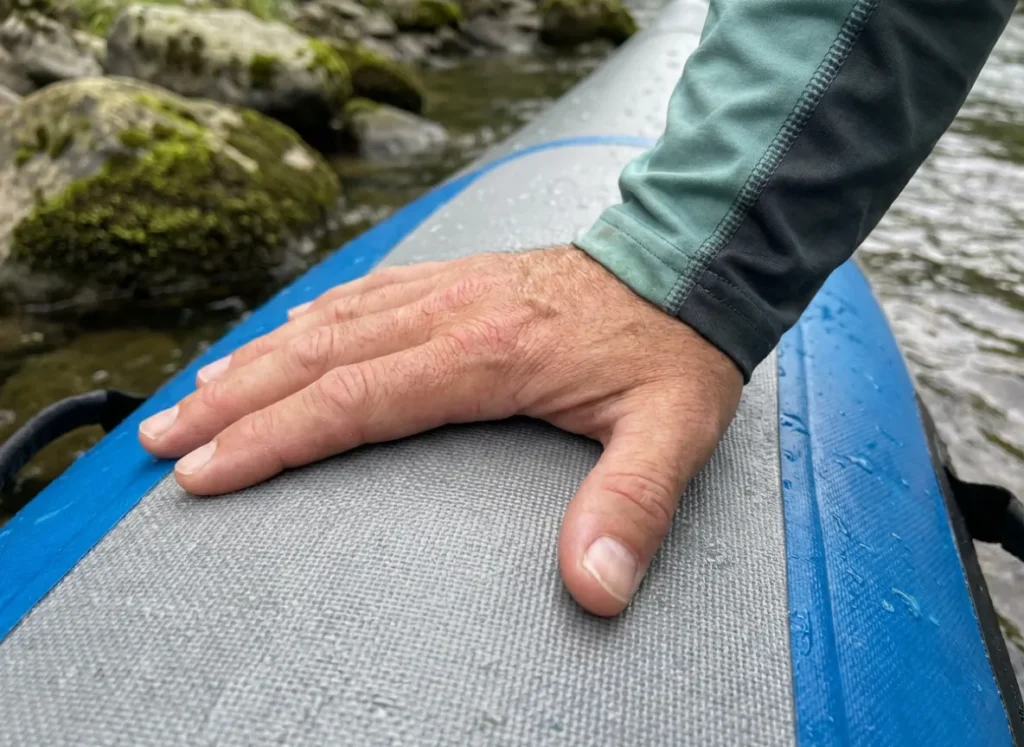
Choosing an inflatable fishing boat requires you to ignore the marketing fluff and look strictly at structural reality. A vessel that claims a 1,000lb weight capacity is useless if the floor is too soft to stand on, or if the wind spins you in circles the moment you stop rowing.
Floor Construction: Why Stability Matters More Than Buoyancy
If you want to stand and sight-cast, you must understand floor mechanics. Standing stability is distinct from buoyancy; a boat can float a truck but still feel like a waterbed under your feet. The difference lies in Drop-Stitch Technology. This construction uses thousands of internal threads connecting the top and bottom layers of the inflatable floor. When inflated to high pressure (often 10+ PSI), these threads lock tight, creating a rigid fishing platform firm enough to rival plywood.
In contrast, traditional inflatable I-Beam or Air Deck floors rely on large inflatable chambers that flex under weight. These are strictly for sitting or trolling. While comfortable for drifting, they sap energy and make casting while standing nearly impossible. For those prioritizing speed and ruggedness over portability, Aluminum Slat floors (common in Zodiac boats) offer the ultimate rigidity but come with a heavy penalty in hull weight and assembly time.
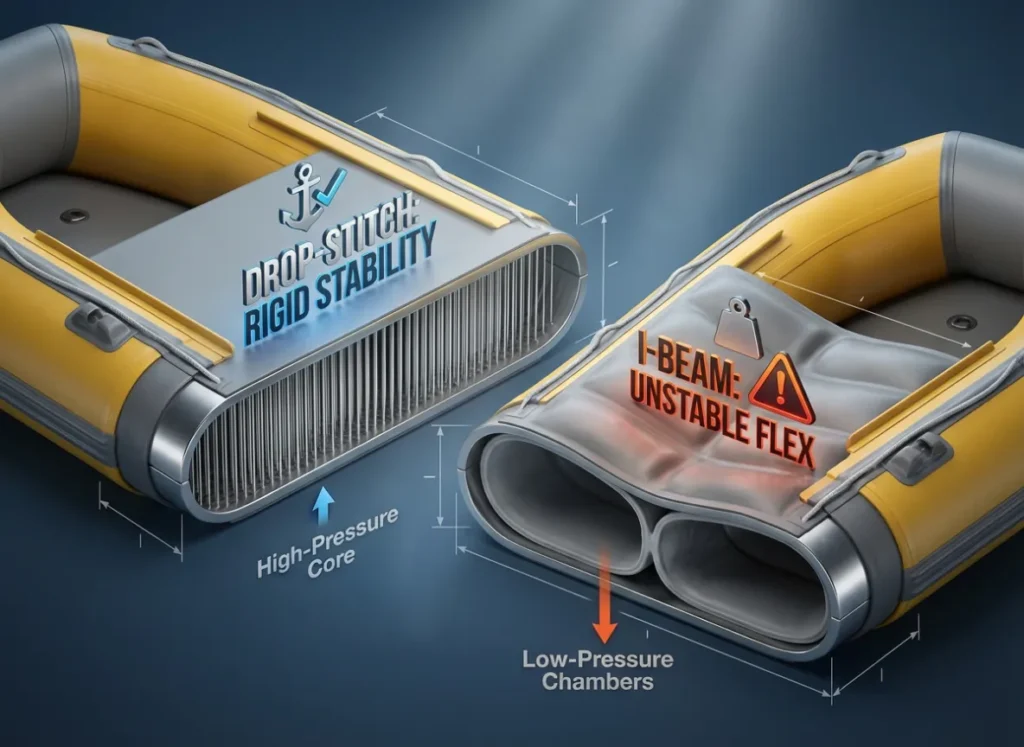
When evaluating hull designs for specific water conditions, you must match the floor stiffness to your fishing styles. Safety standards from the ABYC dictate buoyancy requirements, but they don’t measure “fishability.” If you plan to pitch lures to shoreline cover, a drop-stitch floor isn’t a luxury; it’s a necessity.
Pro-Tip: If you buy a boat with a soft floor, cut a piece of 3/4″ marine plywood to fit the center section. Wrap it in outdoor carpet to protect the PVC. It adds weight, but it solves the stability issue instantly.
Material Resilience: The “Hook-Proof” Factor
The “pop” anxiety usually stems from experience with cheap vinyl. Serious inflatables use 1100 Denier Reinforced PVC or 1000 Denier variants. The term “Denier” refers to the density of the internal fabric weave. A higher number means a tighter, thicker weave that boosts puncture resistance and hook resistance. Crucially, reinforced PVC contains an internal scrim mesh. If you drive a fishing rod tip or hook into it, the mesh prevents the tear from propagating—a massive difference from standard vinyl which stretches and bursts.
Longevity also depends on seam construction. Heat-welded seams fuse the material into a single piece, creating a bond that is impervious to the glue failure often seen in hot garages. Glued seams can delaminate over time, especially when stored in high heat, a common issue with cheaper rubber boats. While expensive Hypalon (used in military rigid inflatable boats) resists UV and chemicals better, high-grade PVC is the standard for consumer fishing boats.
While investigating preventing the spread of aquatic invasive species, note that fabric-covered frameless fishing boats (like float tubes) trap moisture and biological matter, making them harder to clean than wipe-down PVC hulls. See the NRS Learning Center for deep dives on how environmental exposure leads to material degradation.
Propulsion & Logistics: The Reality of Ownership
A robust boat is useless if you cannot transport it effectively. Many anglers underestimate the “Pack-Down Reality.” Factory dimensions describe a machine-folded boat; getting stiff, cold PVC back into that bag at the boat ramps is a wrestling match, especially for solo anglers. Additionally, transom rigidity is vital for gas motors. A weak transom causes the motor to flex under the boat (cavitation), killing your power.
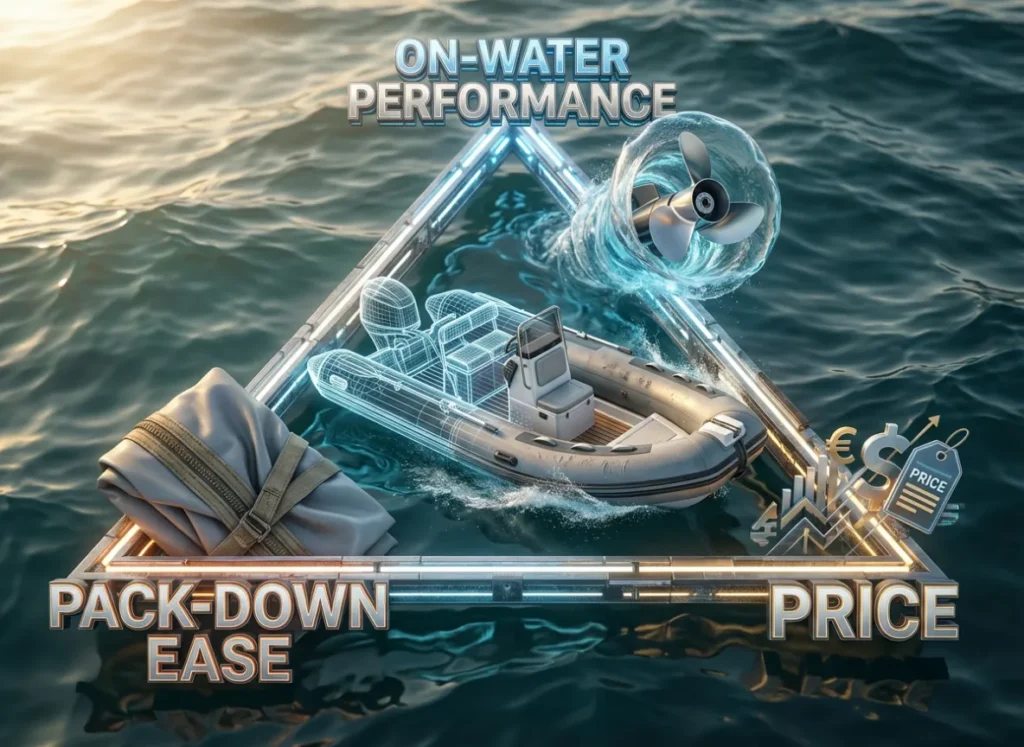
Wind drift is the silent killer of inflatable fishing performance. Because these craft sit on the water rather than in it, high freeboard acts like a sail. You must compensate with skegs or an inflatable keel. Also, when selecting the right shaft length and thrust, remember that inflatables are lighter than hard boats but have more drag, often requiring different prop pitches. Always check US Coast Guard capacity plates to ensure your engine choice—whether a Honda 5HP or a Torqeedo electric—is legal.
Our Selection Process: How We Built This Guide
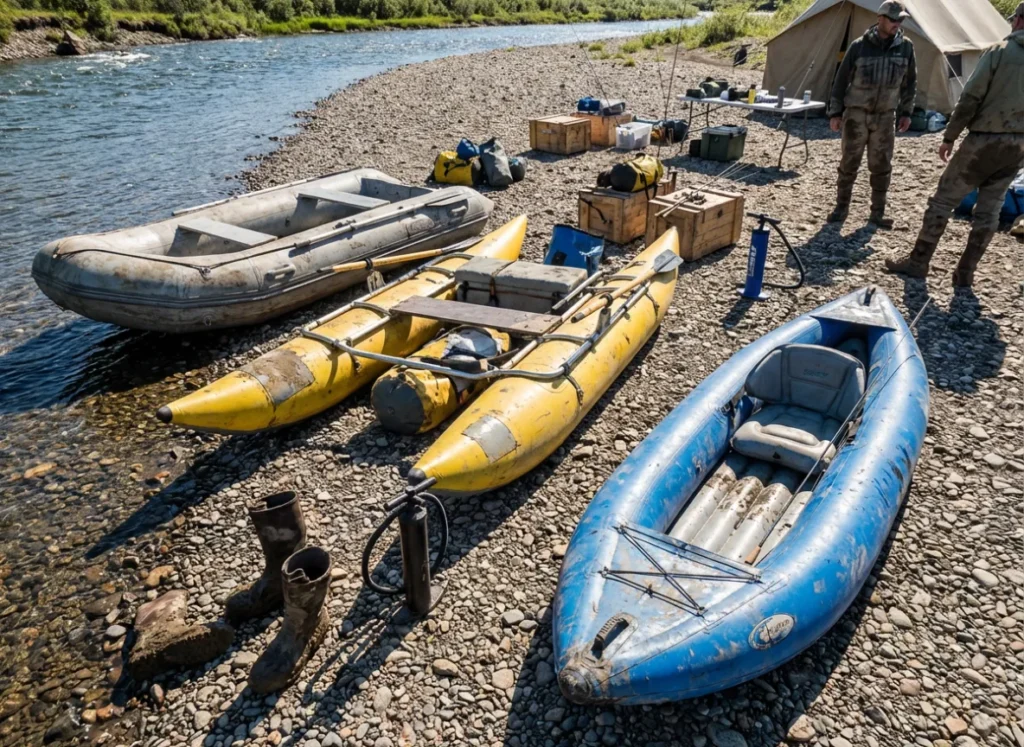
We ignore generic “weight capacity” marketing claims because they are irrelevant to fishing capabilities. A person boat rated for 1,000 lbs might only be fishable with 400 lbs of fishing tackle before it becomes sluggish. We evaluate based on the “60% Rule”: never load the boat beyond 60% of its max rating for optimal performance.
Our recommendations are scored on five metrics, including a logistics scorecard that accounts for inflation time and real-world pack size. We looked beyond the marketing—referencing stress tests like those from Greyson Roberts—to find the toughest inflatable fishing boat for specific scenarios. We prioritized vessels that solve specific problems—like the need to access backcountry lakes or run Class I rivers—over generic all-rounders.
The Best Inflatable Fishing Boats of 2026: Our Top Recommendations for Every Need
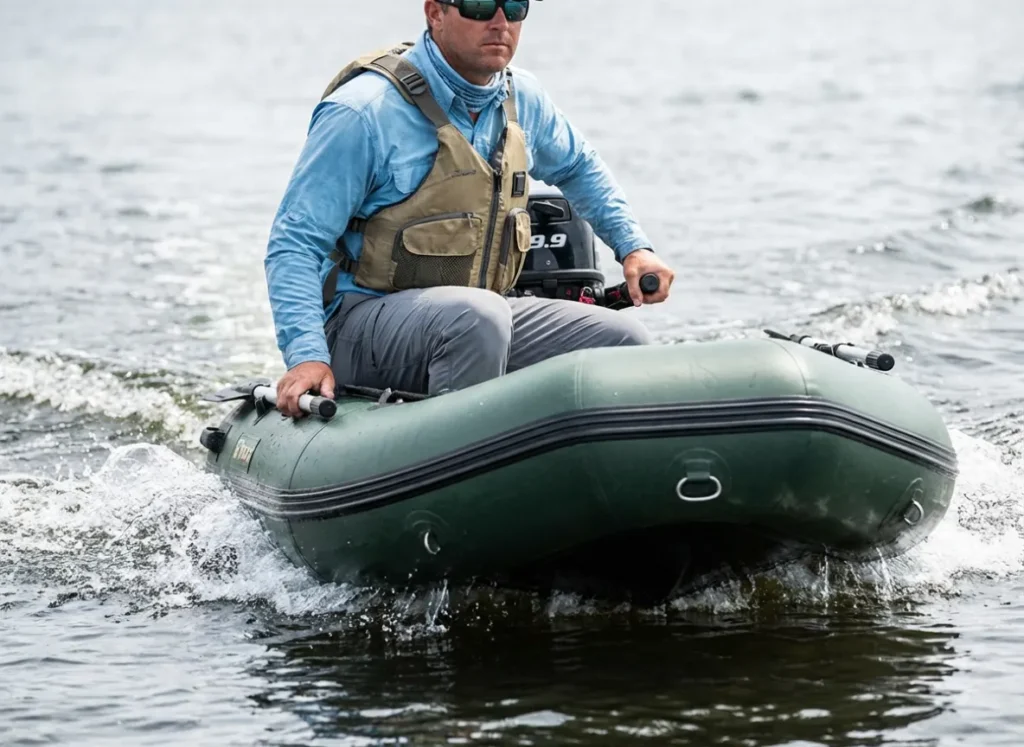
Our Top Picks for “The Hard-Use Professional”
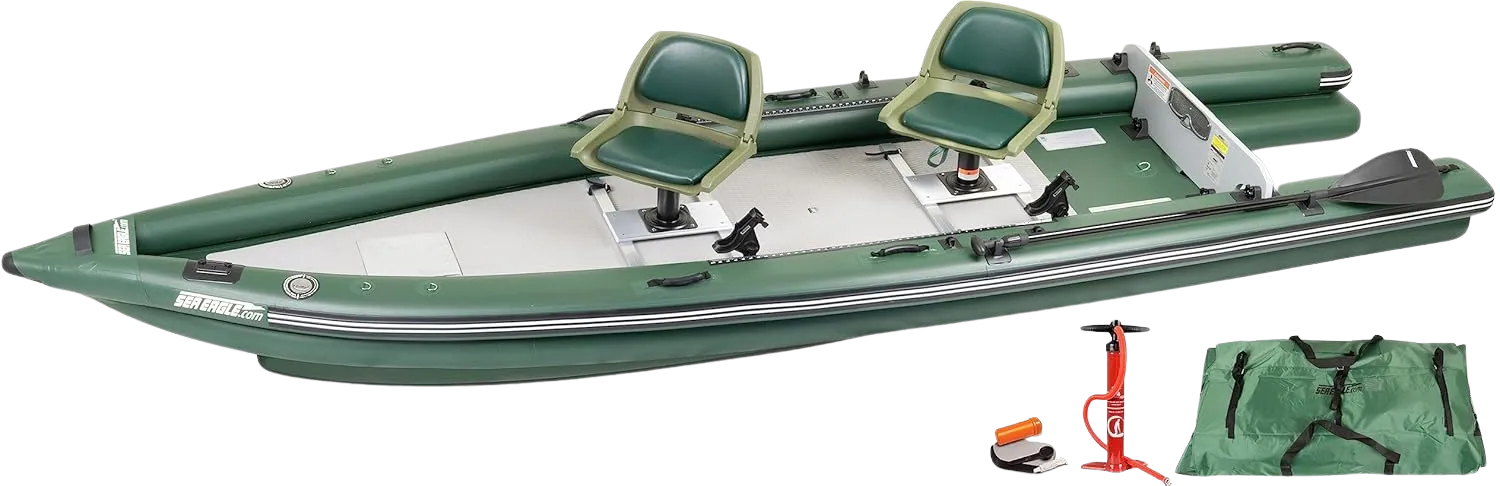
Our Top Picks for “The Budget-Conscious Beginner”
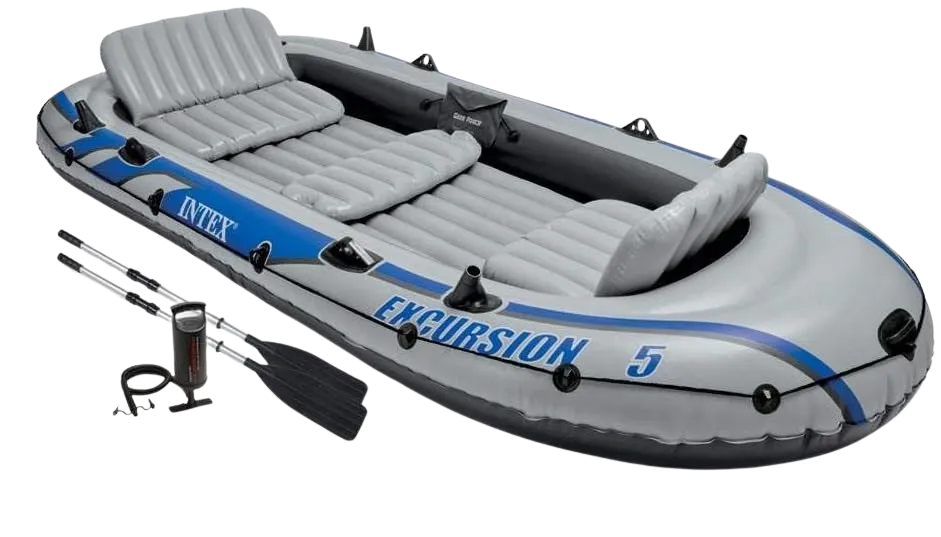
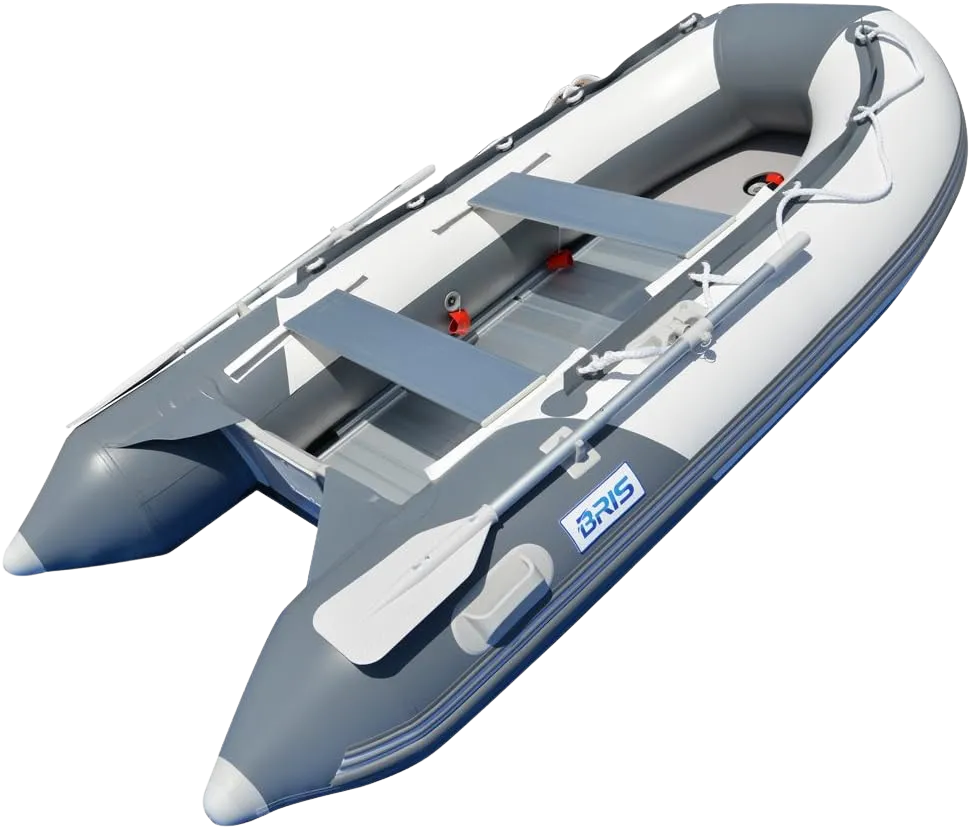
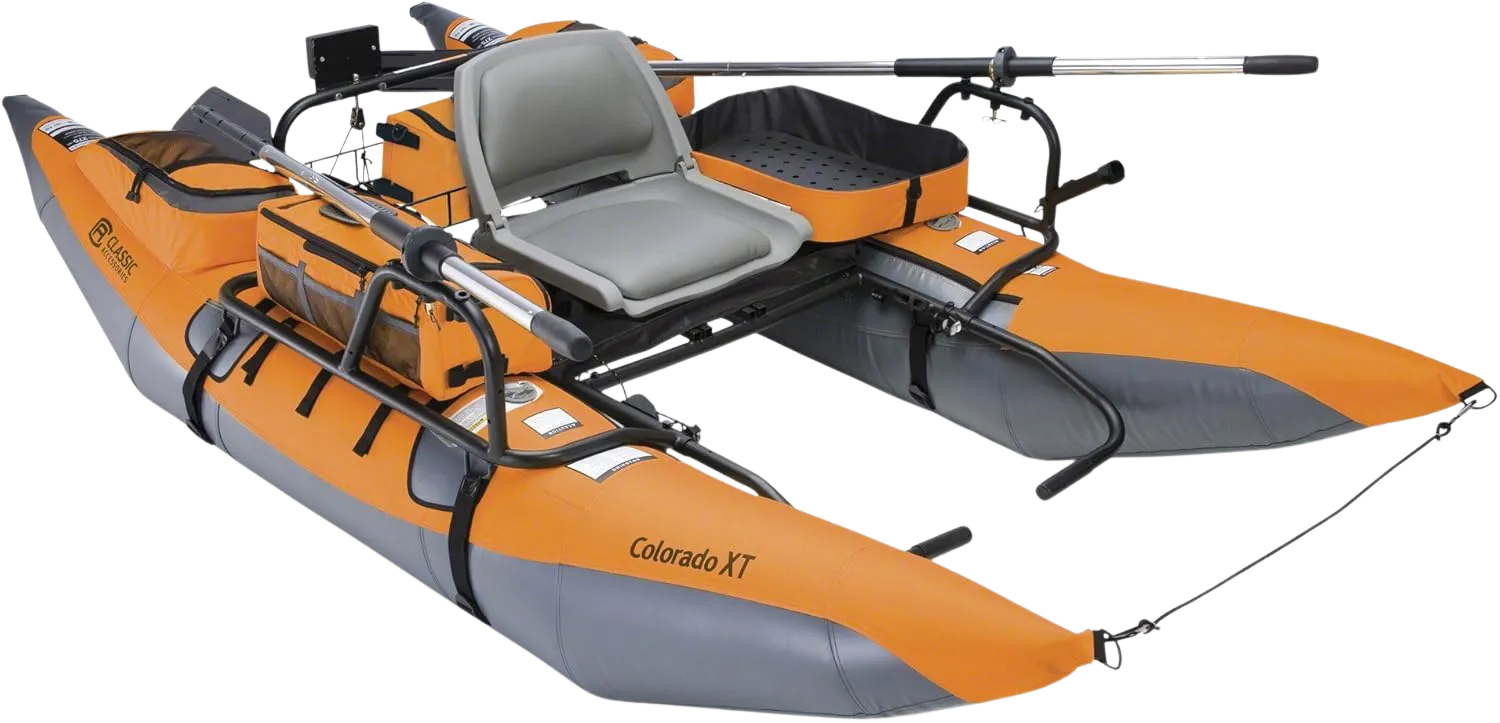
Our Top Picks for “The Ultralight Specialist”
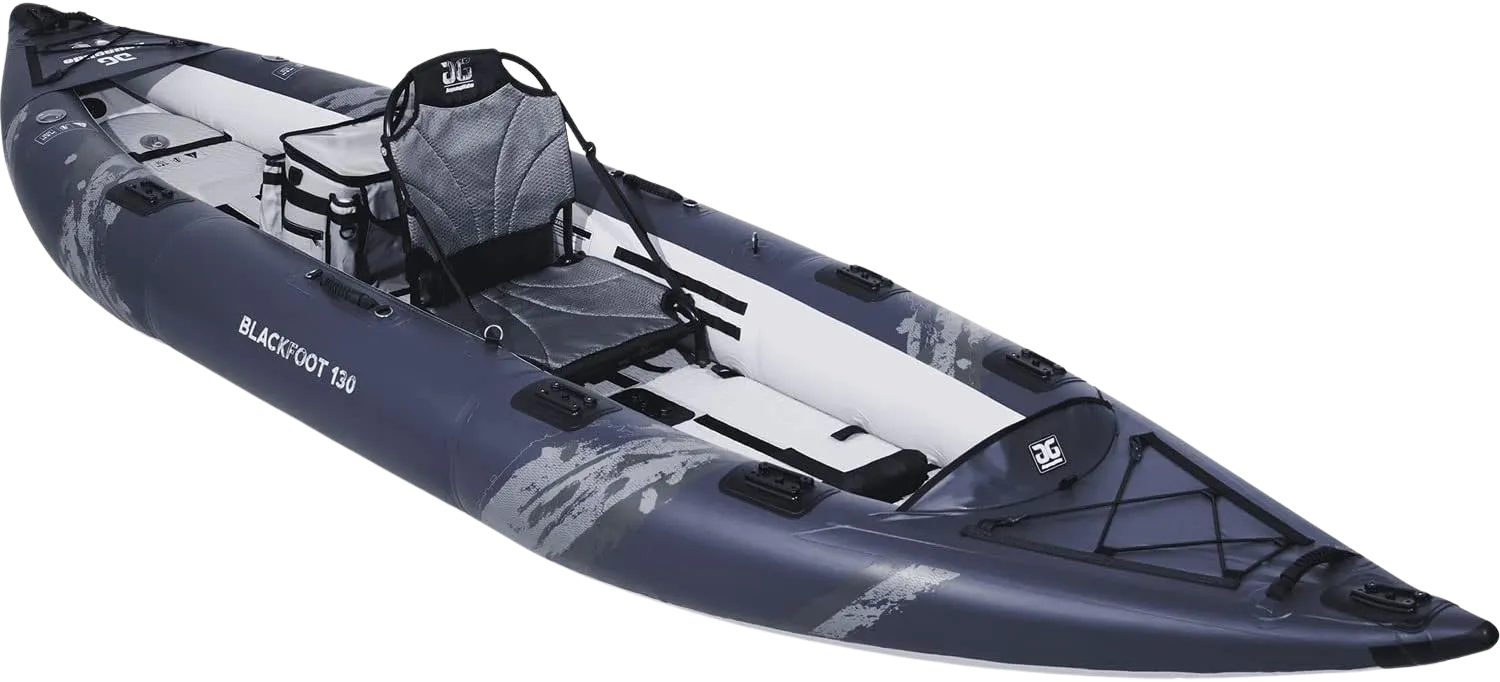
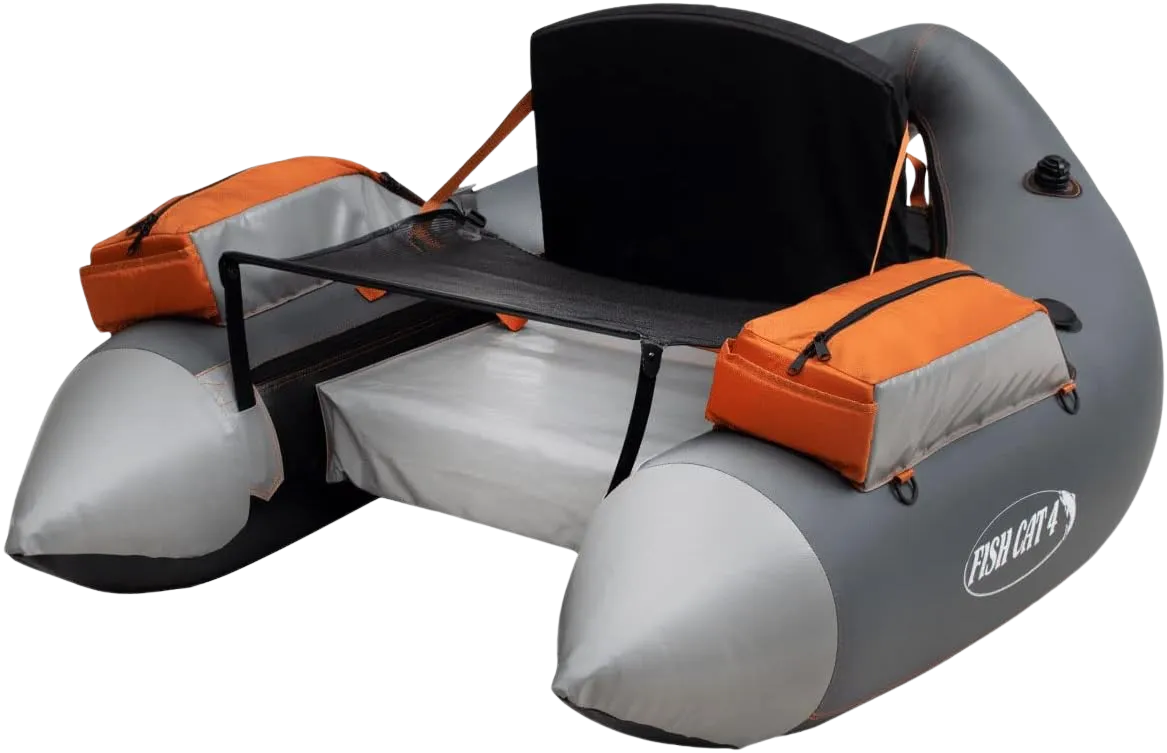
The Bottom Line
Let’s recap the essentials. If you need to stand and sight-fish, a Drop-Stitch Floor is non-negotiable; anything less will leave you wobbling. For longevity in hot climates or rocky rivers, prioritize 1100 Denier PVC with Welded Seams over standard vinyl pool boats. And always observe the “60% Rule”: never load the boat beyond 60% of its rated capacity if you expect optimal fishing capabilities.
Stop waiting for the “perfect” hard boat or the garage space to store it. Assess your current RV life constraints or truck bed transport options, pick the inflatable boat that fits your car, and get back on the water this weekend to find that perfect fishing spot.
FAQ – Frequently Asked Questions
Can I leave my inflatable boat inflated on a trailer?
Yes, but you must lower the pressure slightly. Air expands when heated by the sun, so a boat inflated to max PSI in the morning can over-pressurize and burst a seam by noon. Always use a UV-resistant cover if storing outdoors to prevent the PVC from becoming brittle.
Are inflatable boats safe for fishing with treble hooks?
Yes, commercial-grade fishing boats use reinforced PVC with an internal mesh scrim. While a hook can puncture the outer layer, the mesh stops it from creating a catastrophic tear. Unlike thin pool toy vinyl which bursts, quality fishing inflatables generally suffer only pinhole leaks that are easily patched.
Do I need to register my inflatable boat?
Generally, yes. If you attach any motor—even a small Watersnake Venom or similar electric motor—most states require you to register the hull and display numbers. Human-powered vessels (oars or paddles only) are usually exempt, but always check your local DMV or DNR regulations to be sure.
How long do inflatable fishing boats last?
A well-maintained boat with heat-welded seams can last 10-15 years. Boats with glued seams typically have a lifespan of 5-7 years before the glue begins to degrade, especially if stored in hot environments. The single biggest factor in longevity is keeping the watercraft clean and covered from UV light when not in use.
Do these boats have multiple air chambers?
Yes, this is a key safety feature for unsinkability. Most quality inflatable dinghies feature multiple air chambers (usually 3 or more). If one chamber suffers a puncture on a rocky river, the remaining chambers keep the boat afloat, allowing you to reach the shore safely.
Risk Disclaimer: Fishing, boating, and all related outdoor activities involve inherent risks that
can lead to injury. The information provided on Master Fishing Mag is for educational and informational purposes
only. While we strive for accuracy, the information, techniques, and advice on gear and safety are not a substitute
for your own best judgment, local knowledge, and adherence to official regulations. Fishing regulations, including
seasons, size limits, and species restrictions, change frequently and vary by location. Always consult the latest
official regulations from your local fish and wildlife agency before heading out. Proper handling of hooks, knives,
and other sharp equipment is essential for safety. Furthermore, be aware of local fish consumption advisories. By
using this website, you agree that you are solely responsible for your own safety and for complying with all
applicable laws. Any reliance you place on our content is strictly at your own risk. Master Fishing Mag and its
authors will not be held liable for any injury, damage, or loss sustained in connection with the use of the
information herein.
Affiliate Disclosure: We are a participant in the Amazon Services LLC Associates Program, an
affiliate advertising program designed to provide a means for us to earn advertising fees by advertising and linking
to Amazon.com. As an Amazon Associate, we earn from qualifying purchases. We also participate in other affiliate
programs and may receive a commission on products purchased through our links, at no extra cost to you. Additional
terms are found in the terms of service.