
In this article
You drove four hours to fish the most famous trout stream in Pennsylvania and spent the morning watching a parade of anglers walk past your spot every ten minutes. The fish were there — you could see them refusing every fly that drifted over their heads. That’s what happens when you fish the same water everyone else reads about.
Here’s what most “best trout streams” lists won’t tell you: Pennsylvania and the Catskills sit within a half-day drive of each other and hold four completely different types of trout water. Each one fishes differently, peaks at different times, and rewards a different approach. After years of splitting time between both regions, I’ve put together the streams that actually produce — the famous ones worth the crowds, and the ones locals fish when they want the water to themselves.
Quick Answer: The best trout streams across Pennsylvania and the Catskills include:
- Spring Creek and Penns Creek (PA limestone — wild browns year-round)
- Pine Creek and Fishing Creek (PA freestone — native brookies and stocked browns)
- Beaverkill and Willowemoc (Catskill classics — dry fly tradition)
- West Branch Delaware (tailwater — summer trophy rainbows and browns)
- Kettle Creek, Slate Run, and Upper Willowemoc (less-pressured alternatives)
Why These Two Regions Belong in the Same Trip
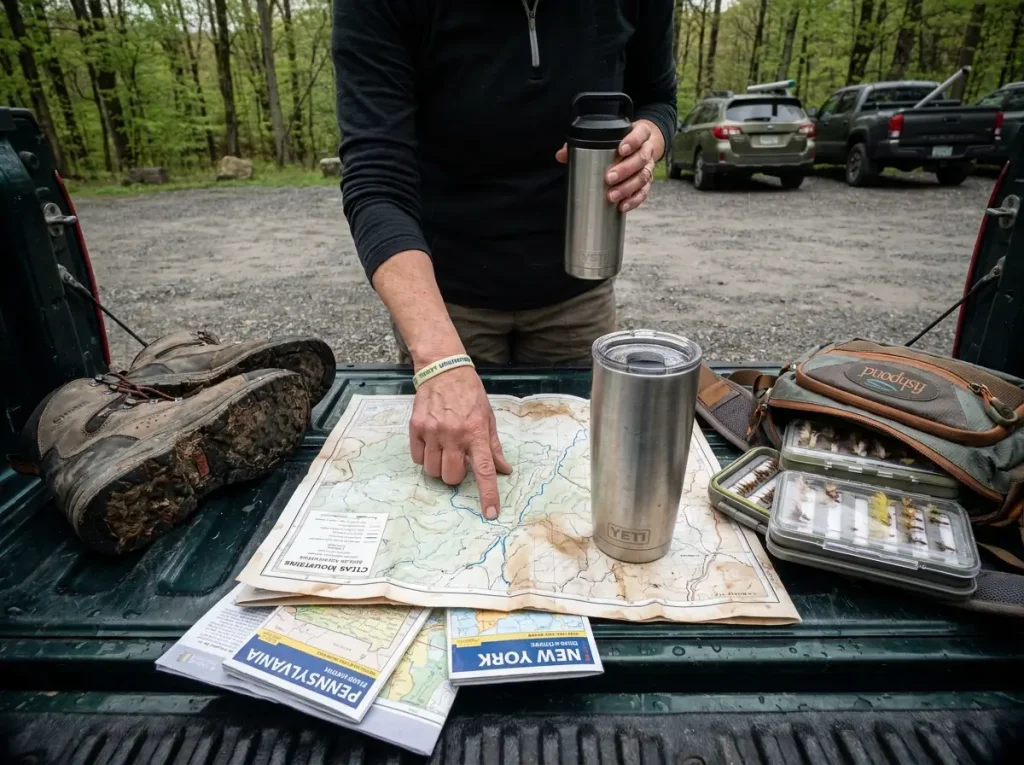
Most anglers think of Pennsylvania trout fishing and Catskills fly fishing as separate destinations. They’re not. Centre County, Pennsylvania, to Roscoe, New York — the heart of the Catskills — is about a four-hour drive. That’s close enough for a long weekend, and the fishing couldn’t be more different.
Pennsylvania gives you two distinct fishery types in one state. The limestone spring creeks of the Cumberland Valley and Centre County pump out cold, mineral-rich water year-round. These streams grow brown trout that would make a Montana angler do a double-take — fish measured in pounds, not inches. Then you drive north into the mountains and find freestone streams crashing through hemlock gorges, holding native brook trout in water that runs the color of sweet tea after a rain.
Cross into the Catskills and the character shifts again. These are the streams where American dry fly fishing was born. The Beaverkill and Willowemoc flow through valleys that haven’t changed much since Theodore Gordon tied his first Quill Gordon in the 1890s. The water is bigger, the hatches are legendary, and the tradition runs deep enough to feel in every cast.
Then there’s the Delaware River system — the wild card. Cold-water releases from Cannonsville and Pepacton dams turned what used to be bass water into one of the best tailwater trout fisheries on the East Coast. While everyone else is sweating through a July afternoon, Delaware tailwater anglers are hooking 20-inch rainbows in 42-degree water.
Pro tip: Plan your trip around hatch overlap. Late May through mid-June, Sulphurs are popping on Pennsylvania limestone creeks while Hendricksons and Green Drakes fire on the Catskill rivers. You can fish both hatch systems in the same long weekend.
Pennsylvania Limestone Legends: Spring Creek, Penns Creek, and Letort Spring Run
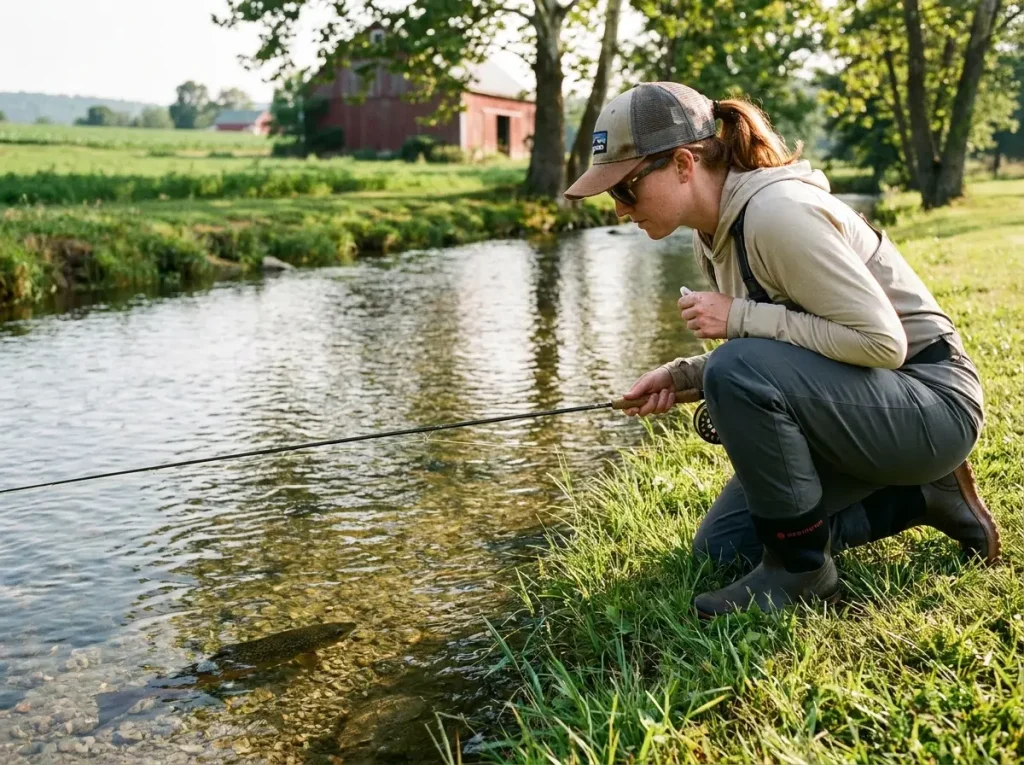
If you’ve never fished a limestone creek, the first thing you notice is the water. It’s so clear it looks like the fish are floating in air. Underground springs push through limestone bedrock, picking up calcium and minerals that supercharge aquatic insect production. The result: cold, stable water temperatures and trout that grow fast — as much as six inches per year in the best sections.
Spring Creek: 5,000 Fish Per Mile
Spring Creek in Centre County is the standard everyone else gets measured against. The PA Fish and Boat Commission estimates roughly 5,000 wild brown trout per mile in its best sections — a number that puts it on par with famous Western tailwaters. The catch? These fish see more flies in a week than most trout see in a year.
The Canyon section south of Bellefonte offers the best combination of access and solitude. You’ll need to hike in on the Spring Creek Canyon Trail, which keeps the casual crowd at the road pulloffs. Fish size 18 to 22 Sulphurs and Blue-Winged Olives on 6X fluorocarbon tippet, and present them dead-drift with zero drag. Any hint of unnatural movement and these fish are gone.
Penns Creek: The Mid-Atlantic’s Crown Jewel
Penns Creek is arguably the most celebrated trout stream in the Mid-Atlantic. It’s a limestone-influenced freestone — meaning it gets the mineral-rich water from underground sources but also has the boulders and riffles of a mountain stream. The combination creates extraordinary insect productivity and wild brown trout that grow large and suspicious.
The Green Drake hatch on Penns Creek in late May is a pilgrimage event. Size-10 mayflies the color of old money blanket the water at dusk, and browns that stay hidden all year come out to gorge. If you’ve ever wanted to see a 20-inch wild brown eat a dry fly off the surface, this is your best shot east of the Rockies. The catch-and-release section from Coburn downstream holds the densest populations.
Letort Spring Run: Where Legends Cut Their Teeth
The Letort in Carlisle is a tiny meadow stream that punches way above its weight class. Charlie Fox and Vince Marinaro developed the terrestrial fishing techniques here in the 1950s that changed fly fishing forever. The wild browns are educated beyond belief — they’ve been refusing artificial flies since before most anglers were born.
Fish here with ants, beetles, and hoppers from mid-June through September. The fish hold under cut banks and overhanging grass, and you’ll crawl on your hands and knees to get close enough for a cast. It’s not relaxing. It’s addictive.
Pro tip: On limestone creeks, slow down your approach. Wild brown trout in clear water can spot movement from 30 feet away. Crouch low, wear neutral colors, and keep your shadow behind you. The fish you spook are usually the biggest ones.
Pennsylvania Freestone Favorites: Pine Creek, Fishing Creek, and Oil Creek
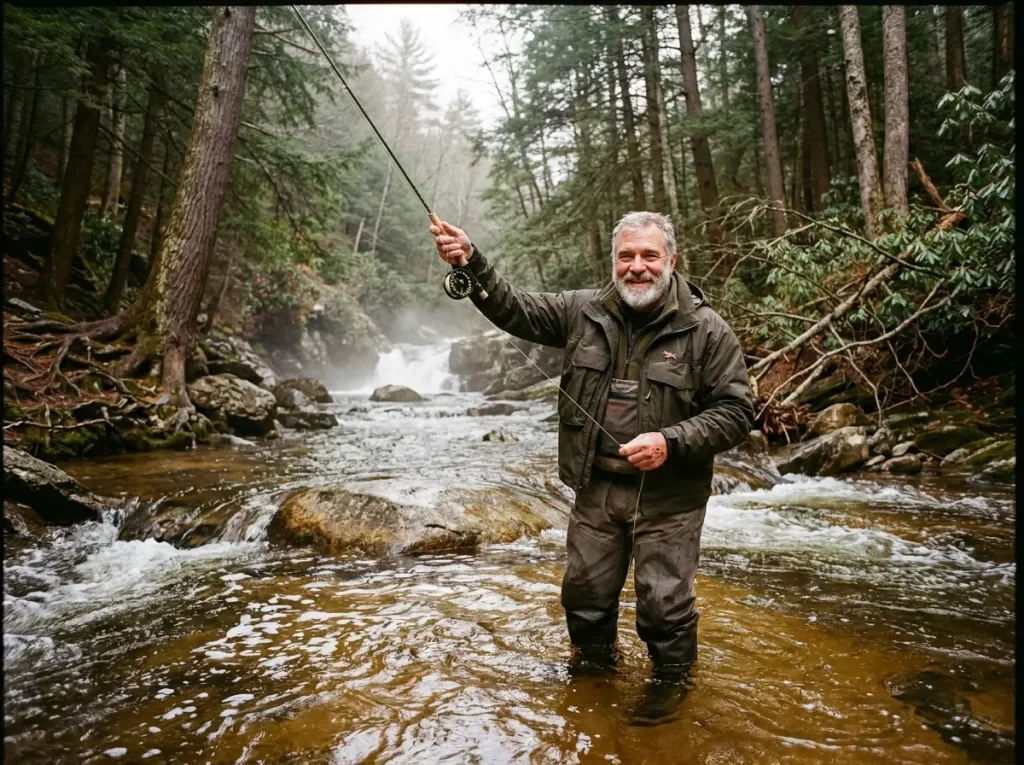
Pennsylvania’s freestone streams are a different animal entirely. These mountain creeks run over sandstone and shale, picking up tannins that give the water an amber tint after rain. They don’t grow trout as fast as limestone — the water chemistry isn’t as rich — but what they lack in size they make up for in sheer wildness.
Pine Creek and Slate Run: The PA Grand Canyon
Pine Creek flows through the Pennsylvania Grand Canyon in Tioga State Forest, and the scenery alone is worth the drive. The main stem holds a mix of stocked and holdover browns, but the real prize is the tributaries. Slate Run is a designated trophy trout area with restrictive regulations that keep the wild brook trout population healthy. You’ll find native brookies in the upper reaches — fish with electric-blue halos on their spots and bellies that glow orange during fall spawning.
The gorge section requires a hike, but that’s the point. Every step you take away from the road puts you closer to fish that haven’t seen a fly all week. Bring a 3-weight rod and small attractor patterns — Elk Hair Caddis in size 14 works almost everywhere.
Fishing Creek: The Underappreciated Gem
Fishing Creek near Bloomsburg lives up to its name better than most anglers realize. Deep pools and excellent runs hold both stocked and wild trout, and the creek fishes well into winter when the deeper holes concentrate fish. It doesn’t get the magazine coverage that Penns Creek or Spring Creek attract, which means you can find productive water without company.
Oil Creek: State Park Access Done Right
Oil Creek in Oil Creek State Park near Titusville offers some of the best public access to quality freestone trout fishing in northwestern Pennsylvania. Three feeder streams provide brook trout opportunities, and the main stem holds browns that move up from the Allegheny drainage. The aquatic insect hatches in May are particularly strong, with solid caddis emergences that bring fish to the surface.
Pro tip: Freestone streams fish best after a couple days of stable weather following rain. The initial high-water pulse pushes fish into soft-water refuges, but as flows drop and clear, they spread back into feeding positions and eat aggressively. Check the USGS stream gauge before you drive — it saves wasted trips.
The Catskill Classics: Beaverkill, Willowemoc, and Esopus Creek
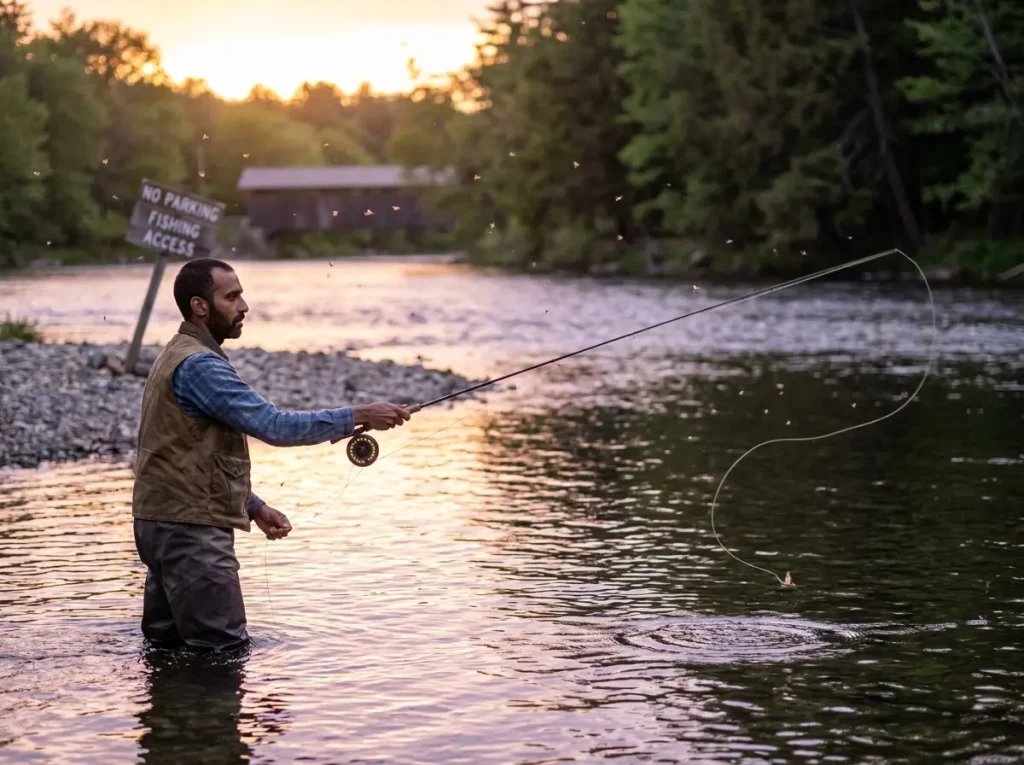
These three streams are where American trout fishing became a tradition, and the NY DEC’s Catskill fly fishing guide documents why. Theodore Gordon adapted English dry-fly techniques to American waters on the Beaverkill in the 1890s. Art Flick wrote A Streamside Guide to Naturals and Their Imitations from his decades on the Schoharie and its tributaries. The Catskills aren’t just trout water — they’re the foundation of how we fish today.
The Beaverkill: America’s Most Famous Trout Stream
The Beaverkill doesn’t need an introduction, but it does need a reality check. On any given May weekend, the parking areas at Cairns Pool and Horton look like a tailgate party. Out-of-state plates outnumber local ones three to one. But the fish are still there, and the hatches still happen on schedule.
The Quill Gordon in early April kicks things off — often the first dry-fly action of the year in the Northeast. Hendricksons follow in late April, then the progression builds through March Browns, Sulphurs, and the legendary Green Drake emergence in early June. These hatches happen like clockwork, and matching them correctly is the difference between a memorable evening and an exercise in frustration. Keep your entomology basics sharp and you’ll fish circles around the crowd.
Willowemoc Creek: The Other Half of Trout Town
The Willowemoc meets the Beaverkill at the famous Junction Pool in Roscoe — Trout Town USA. The lower Willowemoc fishes like a smaller version of the Beaverkill with similar hatches and brown trout that average 10 to 14 inches. But the real magic is upstream.
Above the Livingston Manor covered bridge, the character changes. The water narrows, the gradient steepens, and pocket water replaces the long pools. Keep driving toward the headwaters in the Catskill Forest Preserve and you’ll find native brook trout in abundance. This upper water sees a fraction of the pressure and rewards anglers who are willing to scramble over blowdowns and cast around tight corners.
Esopus Creek: The Brawler
The Esopus is the Catskills’ big-water option. Cold releases from the Shandaken Tunnel pour into the creek at the Allaben Portal, creating flows that can be challenging to wade safely. When the portal is running hard, the wading conditions demand respect — proper boots with studs and a wading staff aren’t optional, they’re insurance.
But when you figure out the Esopus, the rewards are real. Rainbow trout that average 14 to 16 inches run through the main stem, with occasional fish pushing past 20. The Chimney Hole at the head of Ashokan Reservoir is legendary — a 19-pound 14-ounce brown was pulled from there in 1923, and trophy fish still hold in that same water. Fish above the Portal when tunnel flows are heavy, or hit the tributaries like Woodland Valley Creek for a quieter experience.
Delaware River Tailwaters: The Summer Sleeper
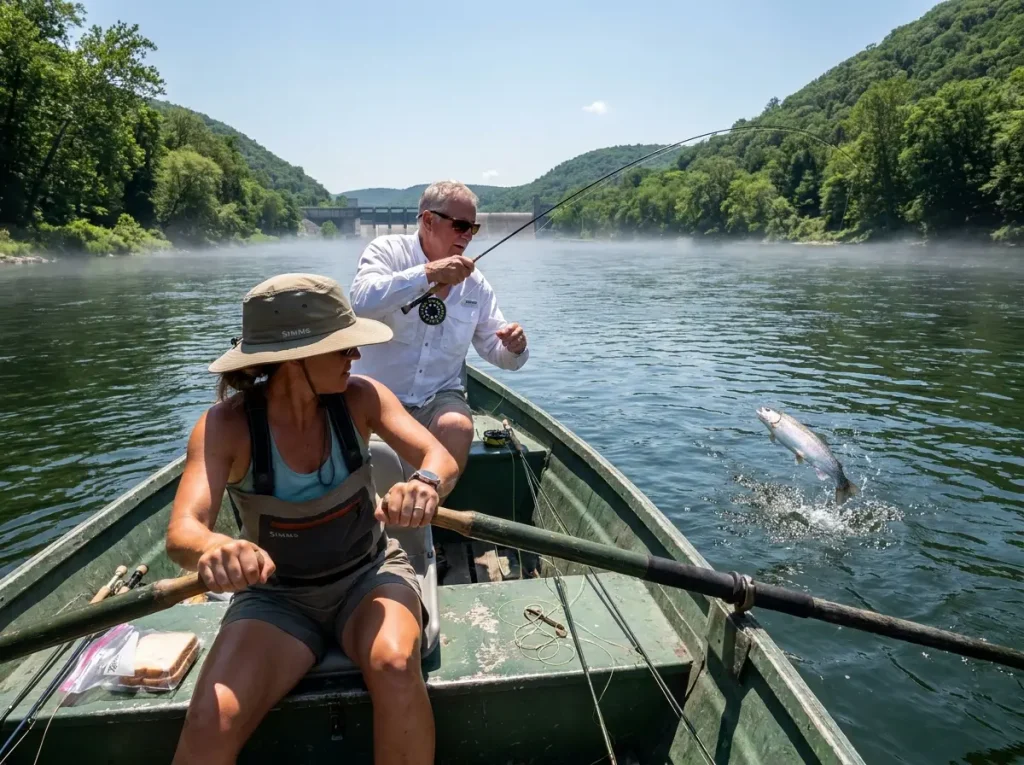
Here’s the secret the Catskill locals know: when summer heat shuts down the freestone streams, the Delaware River system comes alive. Cold-water releases from Cannonsville Dam on the West Branch and Pepacton Reservoir on the East Branch keep water temperatures in the low 40s to low 50s — prime trout water while everything else is too warm.
West Branch Delaware: Trophy Water
The West Branch below Cannonsville holds some of the largest wild trout in the entire Northeast. Rainbow trout and brown trout both reproduce naturally here, and fish over 20 inches are caught regularly by anglers who understand the system. This is drift boat country — the river is wide enough that bank access limits your options. Hire a guide your first time and pay attention to where they anchor.
The hatches on the West Branch can be frustrating because the cold water delays everything by two to three weeks compared to the Beaverkill. Hendricksons show up in mid-May when they’ve been done on the Beaverkill for weeks. But that delay is actually an advantage — it extends your total hatch season across both regions.
East Branch and Main Stem
The East Branch below Pepacton offers similar tailwater fishing in a slightly smaller package. The Main Stem from Hancock downstream holds excellent trout in the upper miles before it warms. During summer, the Main Stem’s morning and evening windows can produce explosive dry-fly fishing as trout feed aggressively in the brief period when conditions align.
Pro tip: Delaware tailwater flows change based on NYC water demand. Check the USGS gauges at Hale Eddy (West Branch) and Harvard (East Branch) before you commit to a float. Flows between 200 and 400 CFS on the West Branch are ideal for wading; above 600, you want a boat.
The Streams Nobody Writes About (But Locals Fish First)
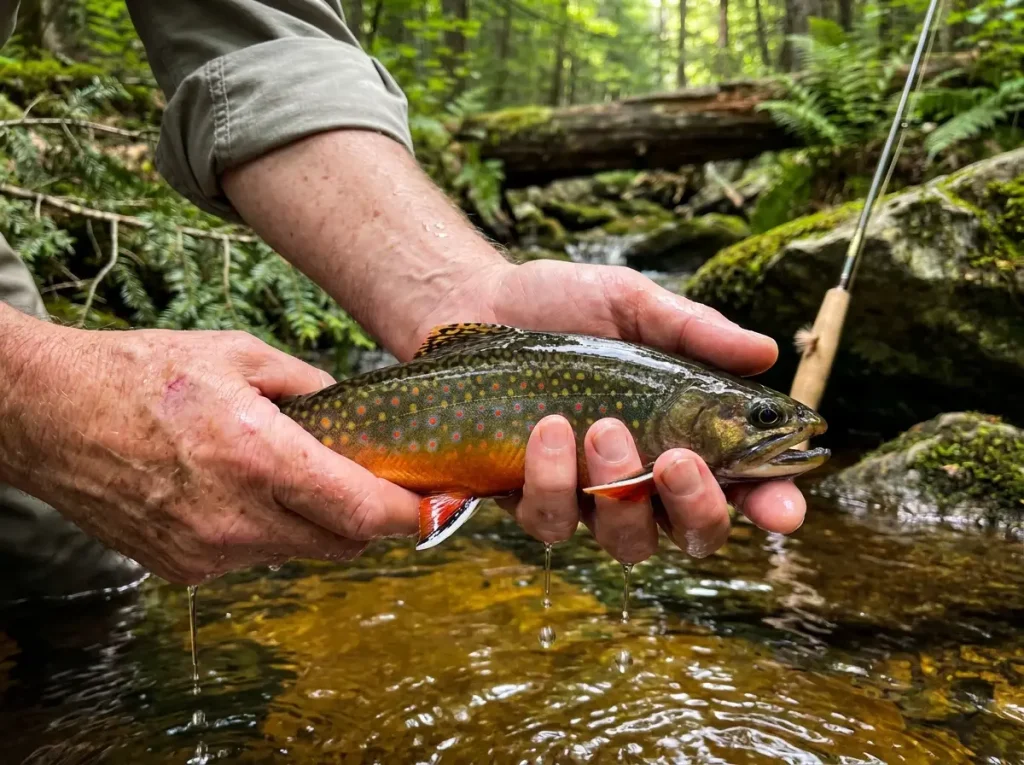
Every “best trout streams” article features the same ten names. Here are the waters that don’t make those lists — not because the fishing is worse, but because the people who fish them have no interest in telling you about them.
Pennsylvania’s Hidden Freestone Gems
Kettle Creek in Clinton County is everything Pine Creek is, minus the crowds. The upper reaches above Oleona hold wild browns in rugged mountain terrain that requires effort to access. Young Womans Creek, a Kettle Creek tributary, is one of the finest native brook trout streams left in the state — the kind of water where you might not see another angler all day.
Loyalsock Creek in Sullivan County offers excellent wild trout fishing in its upper tributaries, and the main stem holds decent holdover browns from spring stocking. The scenery through Worlds End State Park rivals anything in the Catskills.
Catskill Tributaries Worth the Scramble
Schoharie Creek above the Barrier Dam at Prattsville holds trout in water that most Catskill visitors never see. Art Flick spent decades getting public fishing rights established here, and the West Kill — his pride and joy — still holds wild trout in rehabilitated sections between West Kill and Lexington.
Batavia Kill near Windham is a sleeper. It holds wild brown, brook, and rainbow trout in the same system — something rare in the Catskills. The upper sections through the forest preserve offer solitude and native brookies.
The Rondout Creek headwaters above Merriman Dam, in the Peekamoose area, hold good numbers of brook trout in water so remote that the trout aren’t particularly selective. Pack light, wear proper wading gear, and enjoy fishing the way it used to be everywhere.
When to Fish Each Region: A Month-by-Month Guide
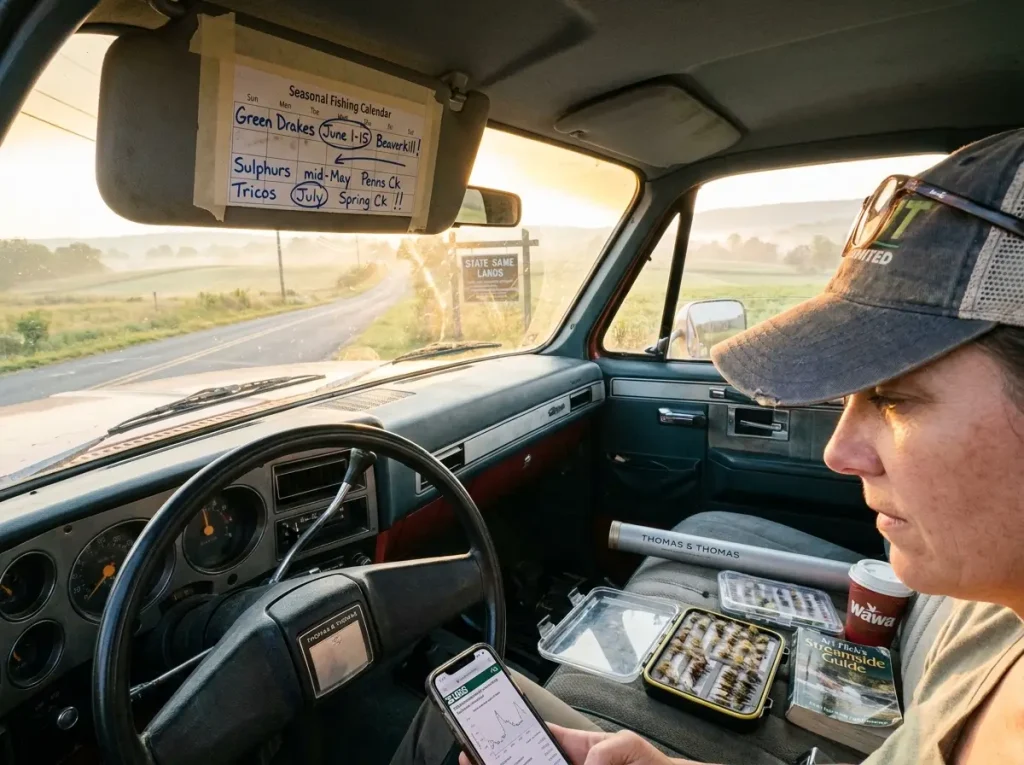
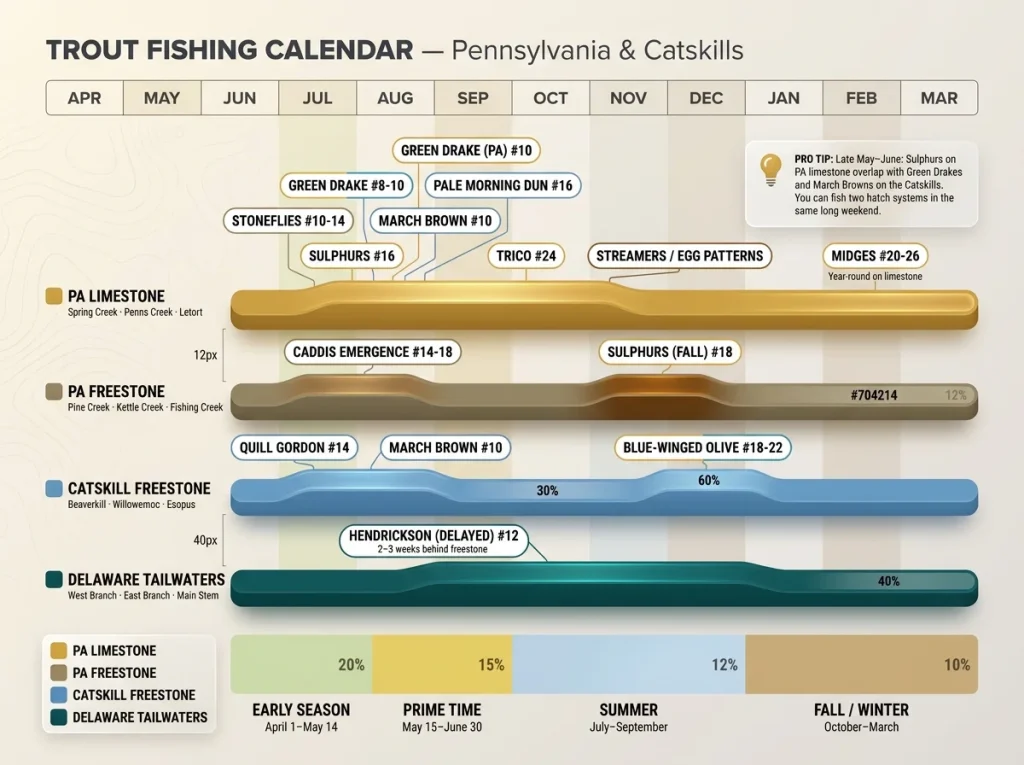
Timing matters more than stream choice. Fish the right water at the wrong time and you’ll wonder what all the fuss is about. Here’s how the seasons stack across both regions.
Early Season: April Through Mid-May
Pennsylvania’s stocked streams open April 4 — expect crowds for the first two weeks on popular waters. Skip the circus and fish the Class A wild trout sections that are open year-round. On the Catskills side, Quill Gordons and Hendricksons start the dry-fly season in mid-to-late April, with the Beaverkill and Willowemoc fishing best from late morning through early afternoon as water temperatures climb into the high 40s.
Prime Time: Mid-May Through June
This is the window. Sulphurs blanket the Pennsylvania limestone creeks while Green Drakes and March Browns fire on the Catskill rivers. The Delaware tailwaters start their Hendrickson hatch in mid-May, lagging behind the freestone streams by two to three weeks. You could fish a different hatch on a different stream type every day for a month and never run out of action.
Summer: July Through September
Freestone streams get warm and fishing slows. Switch to early-morning or late-evening windows, or head to the Delaware tailwaters where cold dam releases keep the water in prime range all summer. Pennsylvania’s limestone creeks also fish well through summer — their spring-fed water stays in the 50s even when air temperatures hit 90. Trico spinners on Spring Creek and Penns Creek from July through September offer challenging technical fishing with tiny flies.
Fall and Winter: October Through March
Fall brown trout spawning activity makes October and November excellent on both PA and Catskill streams — fish streamers and egg patterns near spawning gravel. Winter fishing is legal year-round on Pennsylvania Class A waters, and the limestone creeks remain productive. Midges and tiny nymphs in sizes 20 to 24 are the ticket on cold January days, but the fish still eat if you slow your presentation down.
Limestone vs Freestone vs Tailwater: How Water Type Changes Your Approach
Understanding why these three water types fish differently will help you more than memorizing stream names. The geology drives everything — the insects, the trout size, the presentation style, and the gear you need.
Limestone Spring Creeks
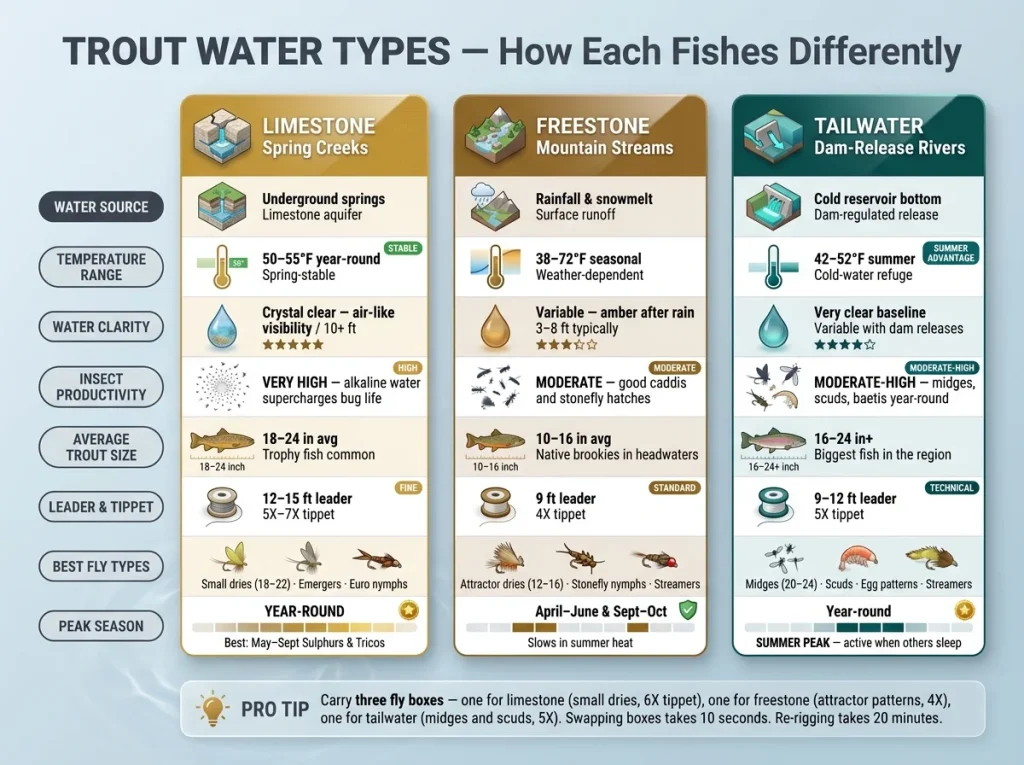
The underground spring water dissolves calcium from the bedrock, creating alkaline water with stable temperatures (typically 50-55°F year-round). This mineral-rich environment supports massive insect populations, which grow trout fast. But the clear, slow water also makes fish extremely wary.
You need long leaders (12 to 15 feet), fine tippet (5X to 7X), and precise drag-free drifts. Euro nymphing techniques work well here because they eliminate the drag that spooks educated fish.
Freestone Mountain Streams
Freestone streams run off rainfall and snowmelt over non-soluble rock. Water temperatures fluctuate with the weather, insect life is less abundant, and trout generally don’t grow as large.
But the tradeoff is forgiving water — broken currents, faster flows, and less visibility mean fish have less time to inspect your fly. A 9-foot leader, 4X tippet, and buggier fly patterns are the standard. The fish reward accuracy more than delicacy.
Tailwater Rivers
Tailwaters below dams get cold, oxygen-rich water from the bottom of the reservoir. This creates an artificial spring creek effect in a river-sized package. The fishing can be technical because the consistent conditions grow selective fish, but the flow variability from dam releases adds a challenge that spring creeks don’t have. Match the hatch with small patterns when flows are stable; switch to streamers and larger nymphs when generation schedules push higher water.
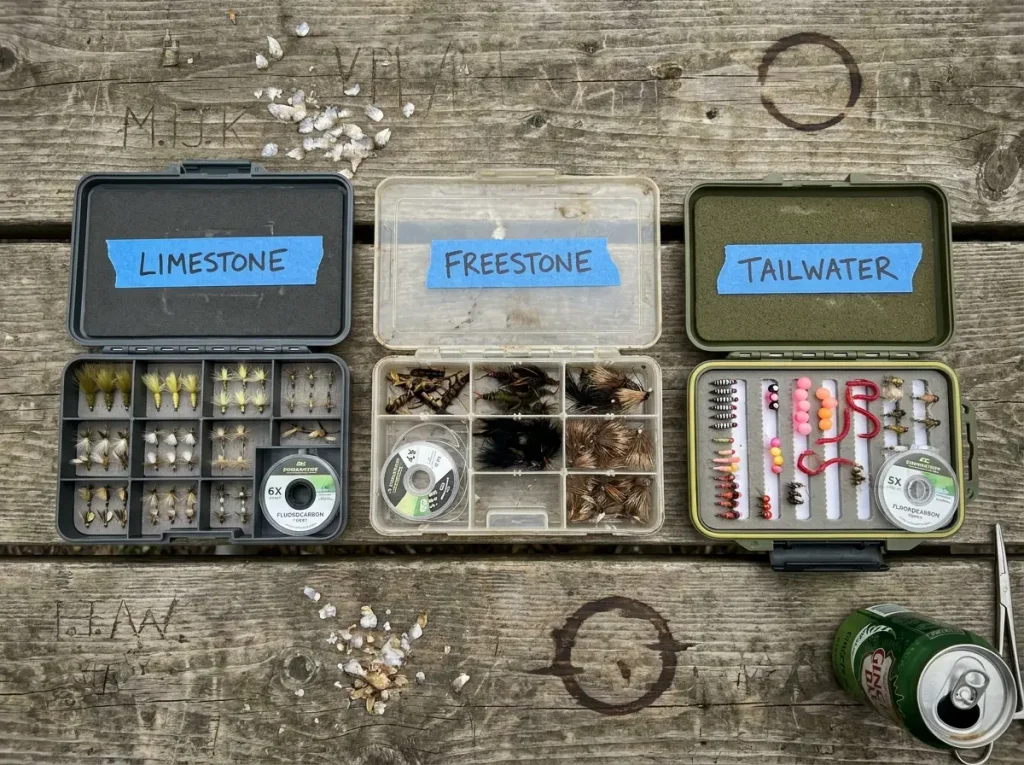
Pro tip: Carry three separate fly boxes — one rigged for limestone (small dries and emergers, 6X tippet), one for freestone (attractor patterns and stonefly nymphs, 4X tippet), and one for tailwater (midges, scuds, egg patterns, 5X tippet). Swapping boxes takes ten seconds. Re-rigging streamside takes twenty minutes and spooks every fish in the pool.
Conclusion
Three things to take away from this guide. First, Pennsylvania and the Catskills aren’t competing destinations — they’re complementary. A well-planned trip that hits both regions in the right season will give you more variety in a long weekend than most anglers see in a month.
Second, water type matters more than stream fame. A mediocre day on a famous stream happens when you fish it like every other stream — learn the differences between limestone, freestone, and tailwater and adjust your approach accordingly. Third, the best fishing often happens on the streams nobody writes about. Kettle Creek, Young Womans Creek, the Schoharie tributaries, upper Willowemoc — these waters reward anglers who are willing to drive past the crowded parking lots and put in a little extra effort.
Your next trip starts with a decision: what kind of fishing do you want? Pick the water type, check the seasonal timing, and go. The trout are there. They’ve always been there.
Q1 What is the best trout stream in Pennsylvania?
Spring Creek in Centre County holds roughly 5,000 wild brown trout per mile and fishes well year-round thanks to its limestone spring-fed water. Penns Creek is a close second, especially during the legendary Green Drake hatch in late May. Both are Class A wild trout waters managed exclusively for wild fish.
Q2 Where are the best trout streams in the Catskills?
The Beaverkill and Willowemoc Creek near Roscoe are the most famous Catskill trout streams, with world-class mayfly hatches from April through June. The West Branch of the Delaware River below Cannonsville Dam offers the biggest fish, especially during summer when other streams run warm.
Q3 What is the best time to fish for trout in Pennsylvania?
Mid-May through mid-June offers the best combination of hatches, comfortable weather, and active fish across all Pennsylvania water types. Limestone creeks like Spring Creek fish well year-round. Opening day is April 4 in 2026, but wild trout sections on Class A waters are open all year with no closed season.
Q4 Are there wild trout in the Catskills?
Yes — the Catskills hold self-sustaining populations of wild brown trout, brook trout, and rainbow trout. The Beaverkill and Willowemoc support wild browns and brookies in their upper reaches. The Delaware tailwaters below Cannonsville and Pepacton dams hold naturally reproducing rainbows and browns that rival any wild trout fishery in the East.
Q5 What are Class A wild trout streams in Pennsylvania?
Class A is the PA Fish and Boat Commission’s designation for streams with the most abundant wild trout populations. Pennsylvania currently has 1,236 Class A stream sections covering 3,267 miles. These waters are managed for wild fish only — no stocking. The designation means the stream supports natural reproduction at levels that sustain the fishery without human intervention.
Risk Disclaimer: Fishing, boating, and all related outdoor activities involve inherent risks that
can lead to injury. The information provided on Master Fishing Mag is for educational and informational purposes
only. While we strive for accuracy, the information, techniques, and advice on gear and safety are not a substitute
for your own best judgment, local knowledge, and adherence to official regulations. Fishing regulations, including
seasons, size limits, and species restrictions, change frequently and vary by location. Always consult the latest
official regulations from your local fish and wildlife agency before heading out. Proper handling of hooks, knives,
and other sharp equipment is essential for safety. Furthermore, be aware of local fish consumption advisories. By
using this website, you agree that you are solely responsible for your own safety and for complying with all
applicable laws. Any reliance you place on our content is strictly at your own risk. Master Fishing Mag and its
authors will not be held liable for any injury, damage, or loss sustained in connection with the use of the
information herein.
Affiliate Disclosure: We are a participant in the Amazon Services LLC Associates Program, an
affiliate advertising program designed to provide a means for us to earn advertising fees by advertising and linking
to Amazon.com. As an Amazon Associate, we earn from qualifying purchases. We also participate in other affiliate
programs and may receive a commission on products purchased through our links, at no extra cost to you. Additional
terms are found in the terms of service.