
In this article
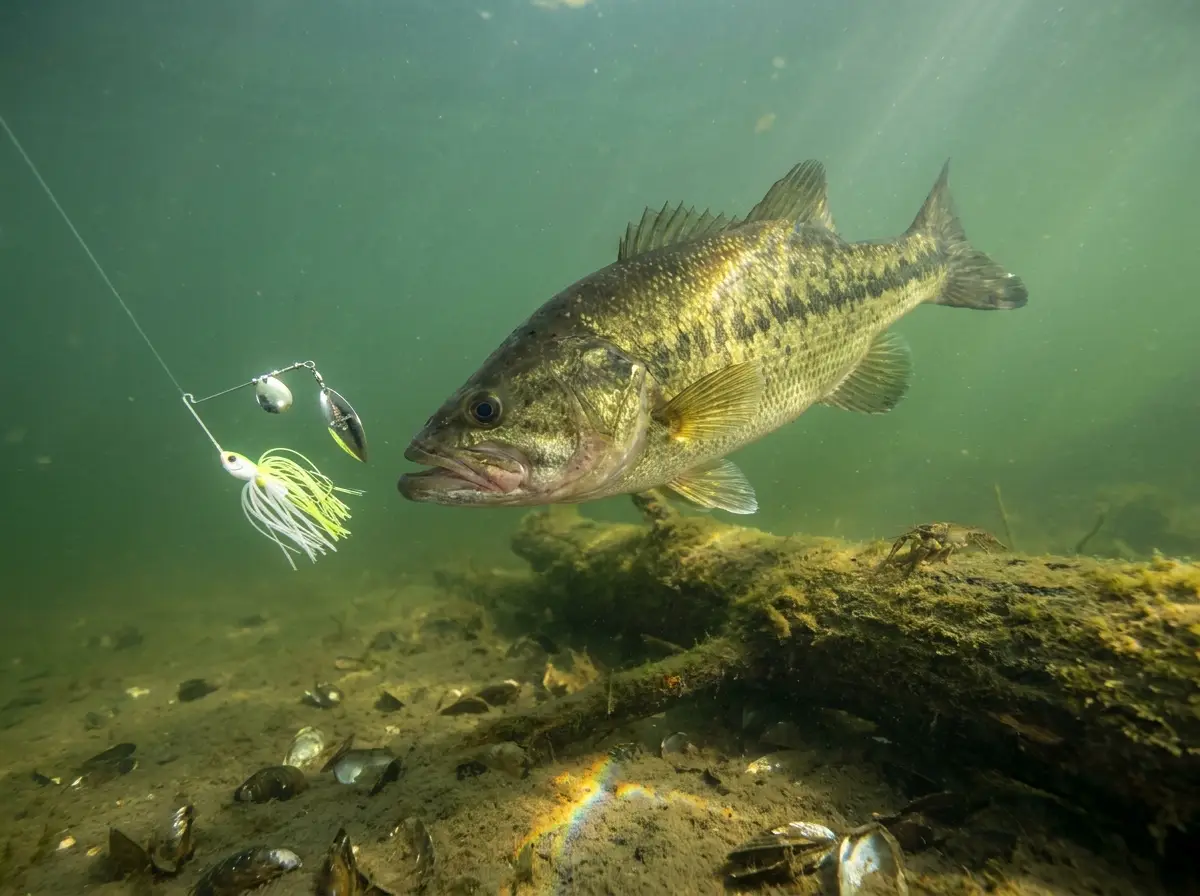
Last Tuesday that white spinnerbait caught four bass off the same dock in forty minutes. Saturday you threw the same spinnerbait at the same dock for an hour and didn’t get a bump. Same water. Same lure. Same time of day. The only thing that changed was the fish.
Fish learn. Not the way you and I learn — they’re not sitting around discussing which baits to avoid — but they form associations between a negative experience and the thing that caused it. A bass that gets hooked on a chatterbait and fought for thirty seconds before being released connects that vibration pattern with something unpleasant. Next time that vibration shows up, the fish hesitates. Sometimes that hesitation is all it takes.
Here’s what’s actually happening inside the water when angling pressure builds, how different species learn in different ways, and what you can do about it when the fish stop cooperating.
Quick Answer: Fish do learn from being caught. Research shows that hooked fish develop hook avoidance behaviors that reduce their vulnerability to the same lures, sometimes within a single catch-and-release event. This learning varies by species — carp learn by watching other fish get caught, while bass only learn from personal experience. The effect can last weeks to months and compounds with repeated fishing pressure on the same water.
Yes, Fish Learn — And It Happens Faster Than You Think
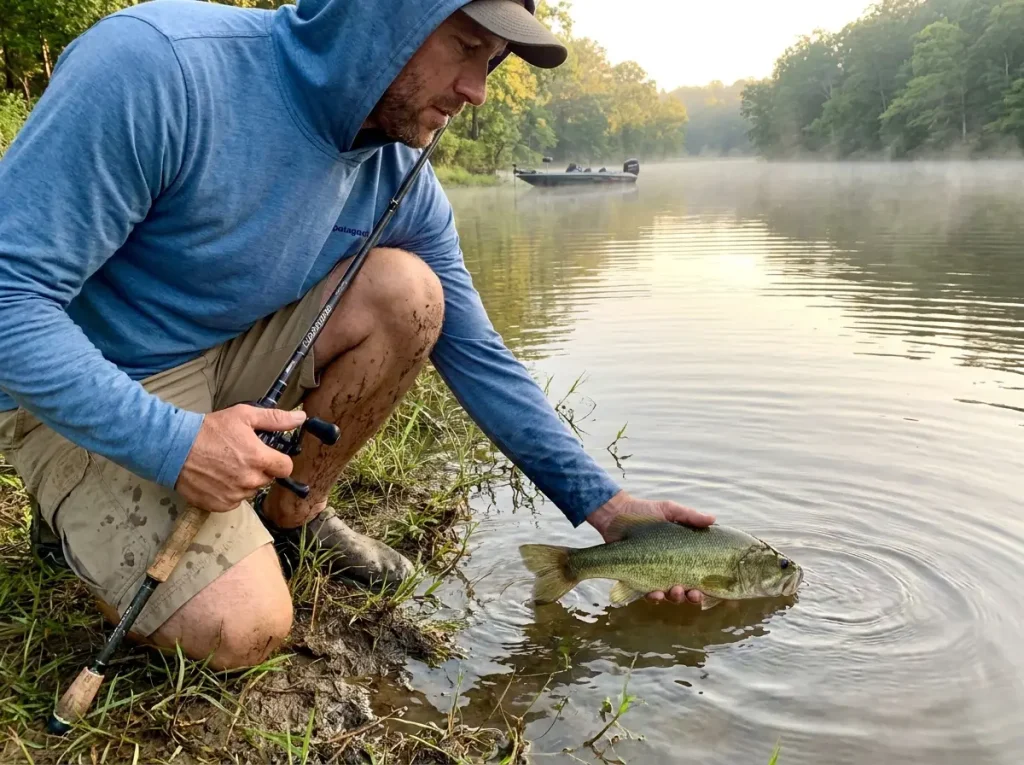
The idea that fish are too simple to learn has been dead for years in fisheries science. Multiple studies confirm that fish associate the experience of being hooked with specific stimuli and change their behavior accordingly.
One Hook, One Lesson
Research published in the Transactions of the American Fisheries Society showed that common carp developed measurable hook avoidance after just one or two capture events. The fish continued eating pellets — they weren’t afraid of food in general — but they stopped eating food presented near hooks. That distinction matters. The fish didn’t become passive or stop feeding. They got selective.
A separate study on crucian carp found that juvenile fish from high-angling-pressure environments were significantly less vulnerable to recapture than those from low-pressure environments. The fish didn’t look different or act lethargic. They were simply better at recognizing what was real food and what wasn’t.
The Stress Response That Rewires Behavior
When a fish gets hooked, fought, handled, and released, the experience triggers a cortisol spike — the fish equivalent of an adrenaline dump. That physiological stress response pairs with the sensory memory of what happened right before it: the feel of the lure, the vibration pattern, the look of the bait in the water.
This pairing is classical conditioning. The fish’s brain links the stress to the stimulus. The stronger the stress event — longer fight, more air exposure, rougher handling — the stronger the learned avoidance becomes. This is why how you handle a fish during catch-and-release affects more than just that fish’s survival. It affects how hard every fish in that population becomes to catch next time.
How Long the Memory Lasts
Early research suggested carp could remember a single hooking event for over a year. More recent studies have found that memory duration varies. Seven months is a common benchmark in controlled pond studies, though the effect weakens over time. In the wild, where fish encounter many stimuli daily, the avoidance window is probably shorter — weeks to a few months for most species.
But here’s the practical takeaway: if you fish the same lake every weekend and catch-and-release the same population, those fish are carrying fresh memories of your lures every single trip. You’re not starting with a blank slate.
Pro tip: If a specific lure produced on a body of water two weeks ago and now gets zero interest, it’s not the conditions that changed — the fish learned. Rotate your presentation before you blame the weather.
What Happens Inside a Fish’s Brain After the Hook
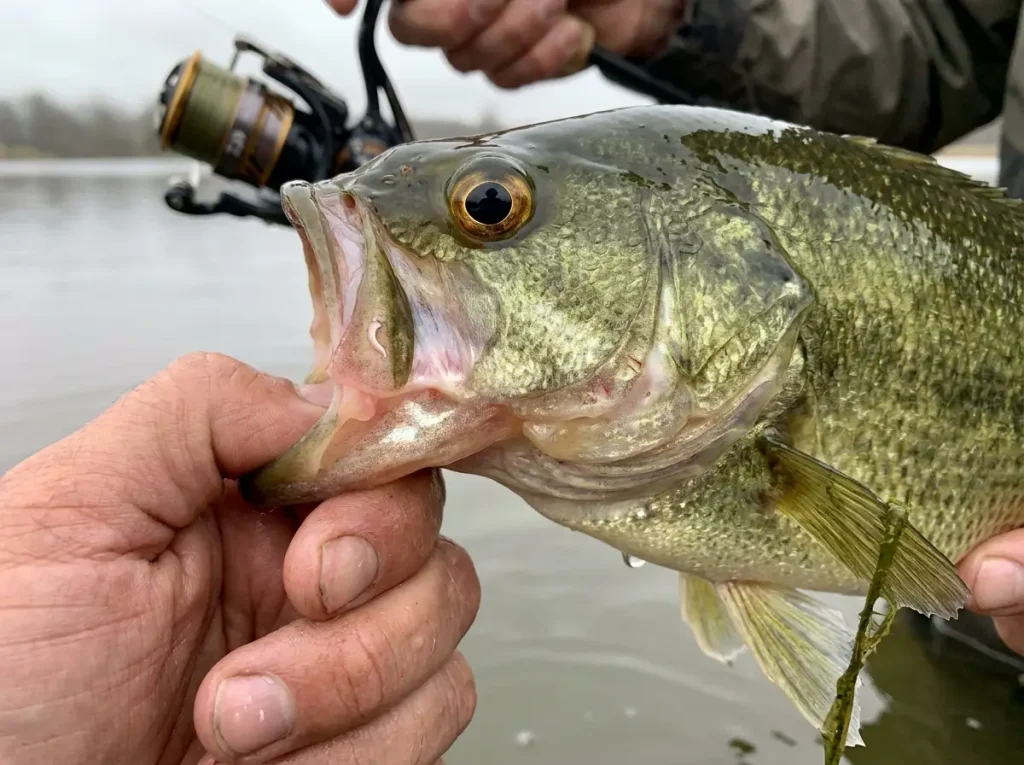
Fish brains are small but surprisingly capable. Understanding what’s happening neurologically explains why some fish become nearly uncatchable after a single event.
The Cortisol Cascade
When a fish is hooked, its hypothalamic-pituitary-interrenal axis fires — basically the fish version of the stress hormone system. Cortisol floods the bloodstream, heart rate spikes, and glucose is mobilized for the fight. That chemical cascade affects the brain’s ability to form memories.
High-stress events create stronger memories. That’s true across most vertebrates, and fish are no exception. A bass that was fought for two minutes, held out of water for a photo, and dropped back in carries a stronger avoidance memory than one that was hooked, quickly unhooked in the water, and released in fifteen seconds. The intensity of the experience scales directly with the strength of the learned response.
The Association Window
Fish don’t analyze the experience. They associate. Whatever sensory input was present in the seconds before the hook set — the flash of the blade, the vibration frequency, the color pattern, the fall rate — gets paired with the negative event. That’s the association window.
This is why fish can seem to “avoid” specific lures while still eating similar-looking natural prey. The lure has a vibration signature, a flash pattern, or a movement cadence that natural food doesn’t share. The fish isn’t avoiding everything. It’s avoiding the specific cue it associated with getting caught.
Not All Fish Process It the Same Way
Individual variation is huge. Some fish in a population learn faster. Some barely learn at all. Research from the University of Illinois found that largemouth bass who were faster at learning an association task in the lab were actually more likely to be caught by anglers — their quick learning made them bolder and more exploratory, which put them in contact with lures more often. The fast learners get caught first. And removed — or released with a strong avoidance memory.
Pro tip: When a lake stops producing on power lures but still gives up fish on slow finesse presentations, it’s probably not a “mood change.” The aggressive, fast-reacting fish already got educated. What’s left are the cautious ones that need a slower, more natural-looking offering.
Bold Fish Get Caught First — And That Changes Everything
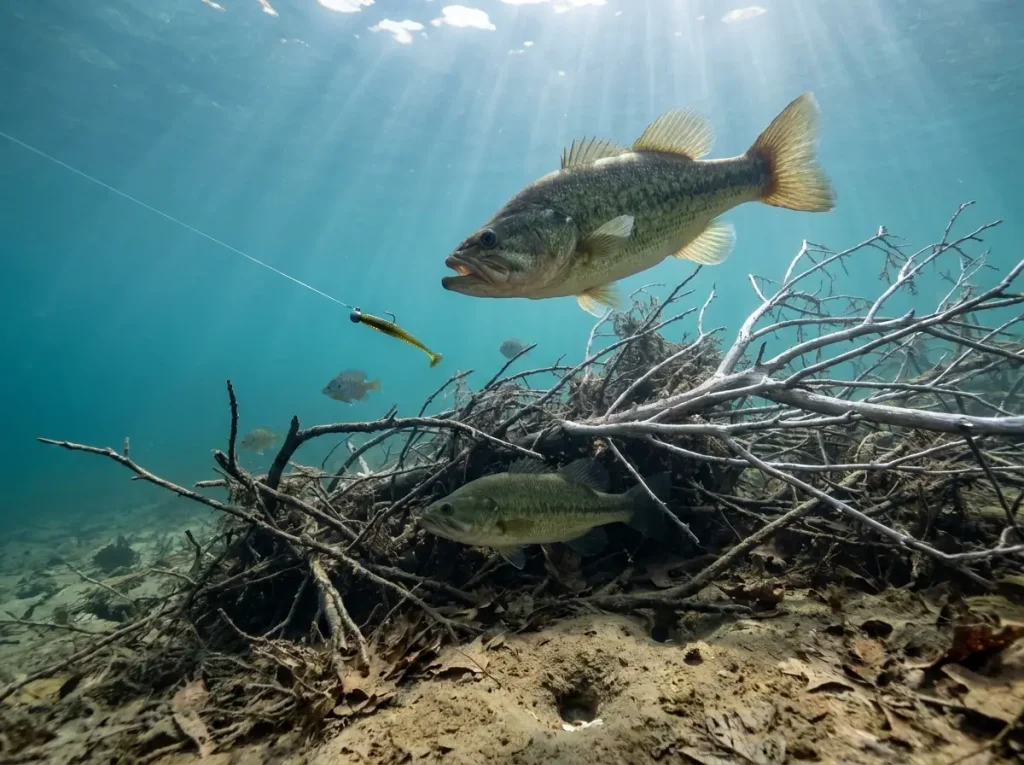
This is the piece most anglers never consider. Angling doesn’t just affect individual fish. It changes the character of the entire population over time.
The Boldness Trap
In any fish population, individuals fall on a spectrum from bold to shy. Bold fish feed more aggressively, explore more territory, and take more risks. Shy fish stay tight to cover, feed cautiously, and avoid unfamiliar objects.
Guess which ones eat your lure first.
Angling selects for boldness. The bravest, most aggressive fish in the lake are the first to get caught. In a catch-and-release fishery, those bold fish get caught, stressed, and released with a new hook avoidance memory. In a harvest fishery, the bold fish get removed permanently. Either way, what’s left is a population that skews toward the cautious end of the spectrum.
Timidity Syndrome — What It Means for Your Fishing
Fisheries scientists call this timidity syndrome: heavily fished populations shift toward shy, risk-averse individuals. The fish that remain aren’t sick or inactive. They’re just genetically and behaviorally wired to be more careful.
On a practical level, this means a pressured lake isn’t just harder to fish because the fish “saw everything.” It’s harder because the fish that are left are the ones that were always harder to catch. The easy ones are gone or educated. You’re now fishing for the PhD candidates of the bass world.
This shift can happen within a single season on heavily fished water, and the effect compounds over years. A lake that gets tournament pressure every weekend doesn’t just have pressured fish — it has a population that’s been selected for wariness across generations. The fish living in pressured waters aren’t the same fish that lived there ten years ago. They’re their cautious offspring.
Why “Resting” a Spot Helps — But Not Enough
When angling pressure drops — midweek, off-season, or after a tournament — catch rates recover somewhat. Fish become slightly more willing to forage openly. But the population-level shift toward caution doesn’t reverse that fast. The bold fish that got removed or conditioned are still gone or still wary.
Resting a spot helps because it lets the stress hormones clear and the acute avoidance memories fade. But it doesn’t undo the selection pressure. This is why a lake that fishes great on a quiet Wednesday still feels noticeably harder than it did five years ago.
Private Learning vs Social Learning — It Depends on the Species
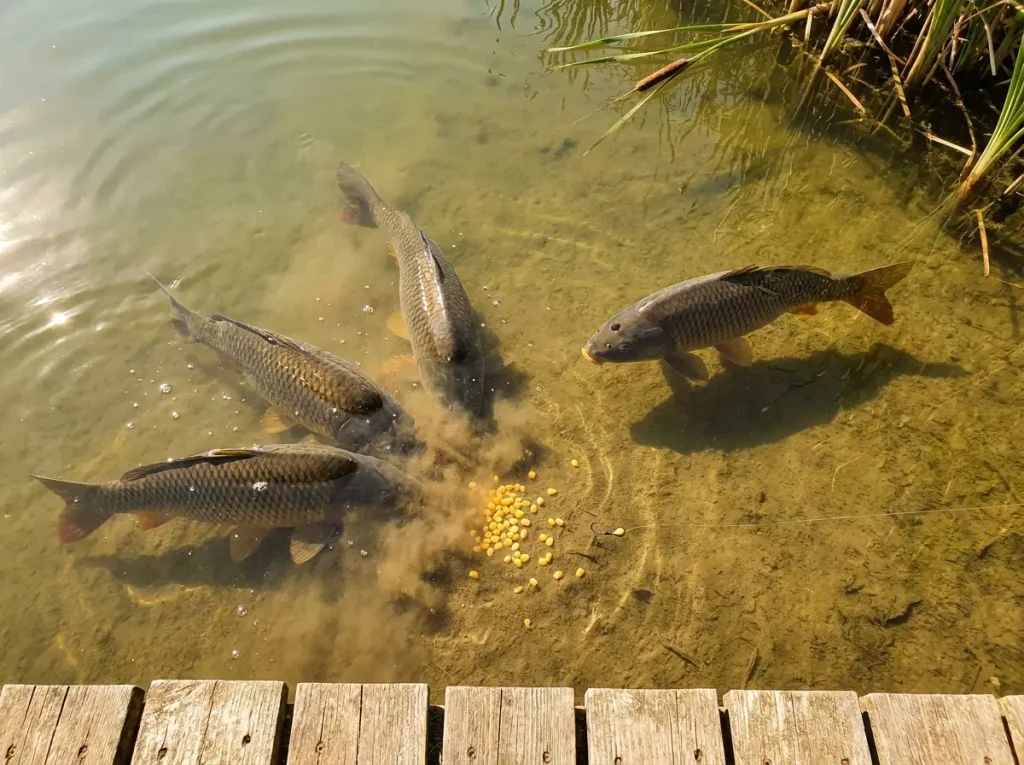
Not all fish learn hook avoidance the same way. The mechanism differs by species, and that difference changes how pressure spreads through a population.
Private Learners: Bass, Trout, Pike
Largemouth bass, rainbow trout, and northern pike learn primarily through direct personal experience. If a bass watches another bass get hooked and fought ten feet away, that observing bass doesn’t become more cautious. It has to get hooked itself to develop avoidance.
This means in a bass population, pressure spreads one fish at a time. Each individual needs its own negative experience. The fish that haven’t been caught yet are still naive — until it’s their turn.
For anglers, this is actually an advantage on bass water. If you catch and release a few fish from a spot, the remaining uncaught fish in that area are still potentially willing to eat. The population isn’t collectively educated. Just the individuals who got hooked.
Social Learners: Carp
Common carp are different. Research shows that bystander carp — fish that watch another carp get hooked — develop their own hook avoidance without being caught themselves. This is social learning, and it makes carp populations much harder to fish under pressure because a single hooking event can educate multiple fish simultaneously.
This explains why carp fishing in pressured European waters requires such extreme finesse — long leaders, critically balanced baits, extended waiting periods. The fish that have never been hooked are still wary because they’ve watched their neighbors get caught. When dealing with species-specific behavior like this, understanding how fish respond to their environment at a fundamental level makes the tactical adjustments make sense.
What This Means for Your Water
If you primarily fish for bass, you can still target unpressured individuals even on a busy lake. The fish that haven’t been caught are still relatively naive. If you primarily fish for carp or other social-learning species, the entire group gets smarter together, and your approach needs to be fundamentally more careful from the start.
Pro tip: On heavily fished bass water, skip the spots where everyone parks and walk the bank to less-accessible areas. The fish there haven’t been caught recently, and they lack the personal experience that drives avoidance. Overlooked bank fishing spots that boats skip hold genuinely naive fish.
The Pressure Clock — When Fish Shut Down and When They Reset
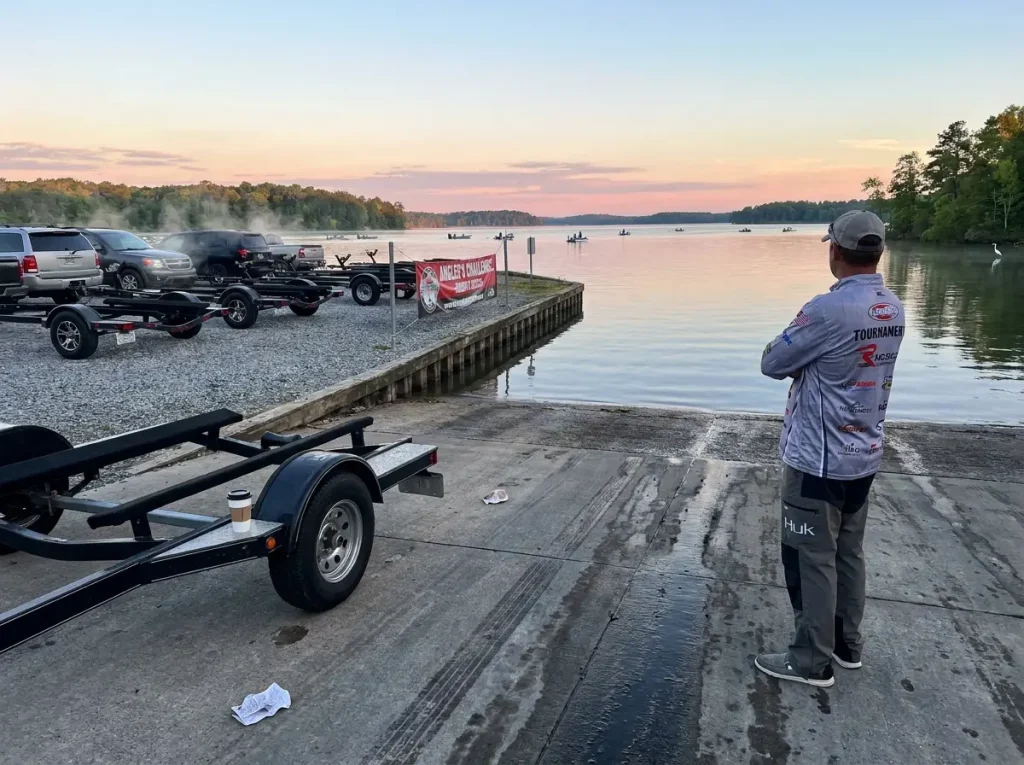
Fishing pressure doesn’t just change fish behavior permanently. It has a daily and weekly rhythm that affects when fish are catchable.
Tournament Day Shutdown
On tournament days, catch rates often plummet within the first two hours as dozens of boats work the same water simultaneously. The combination of boat noise, trolling motor vibrations, repeated lure presentations, and caught-and-released fish sends a cascade of stress signals through the population.
Fish don’t have to be caught to feel pressure. The noise alone pushes them tighter to cover, deeper in the water column, and into a reduced feeding state. By midday on a tournament Saturday, the fish that haven’t been caught are behaving almost as cautiously as the ones that have.
The 48-Hour Recovery Window
Research suggests that the acute behavioral effects of a high-pressure event fade within roughly 48 hours. Cortisol levels return to baseline, feeding resumes at normal levels, and fish move back to their preferred holding positions. That’s why midweek fishing on tournament lakes is consistently better than weekend fishing — you’re hitting the recovery window.
But the learned associations last longer. A fish that was caught Saturday and released may resume feeding by Monday but will still shy away from the specific lure type that hooked it. The acute stress fades. The specific memory stays.
Using the Clock to Your Advantage
Fish the first hour of the day before other anglers arrive. Fish the last hour after boats leave. Target the 48 to 72 hour window after a heavy-pressure event for the best recovery-period feeding. And vary your lure selection week to week so you’re not reinforcing the same avoidance pattern the fish are already building.
Understanding why fish stop biting after fronts and pressure changes overlaps with this — both angling pressure and weather pressure affect fish through similar stress pathways.
Pro tip: Keep a log of when tournaments happen on your home lake. Fish Tuesday or Wednesday after a Saturday tournament and you’ll notice a measurable difference in how willing the fish are to eat. That 48-hour window is real.
How to Catch Fish That Already Know Your Tricks
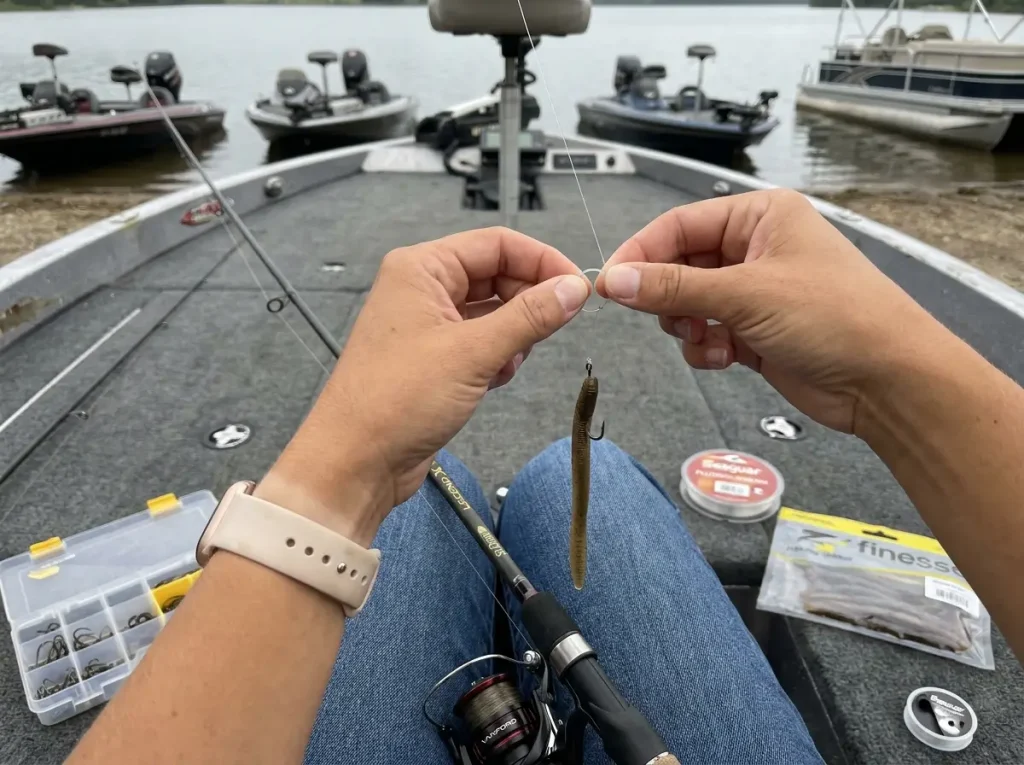
Once you understand how and why fish learn to avoid lures, the tactical adjustments become logical instead of random.
Downsize Everything
Smaller lures, lighter line, more natural colors. Pressured fish have learned to associate the exaggerated vibration, flash, and profile of standard lures with getting caught. Dropping from a 3/8-ounce jig to a small Neko rig or drop shot with a 3-inch worm reduces the sensory signatures that trigger avoidance.
Fluorocarbon leaders matter more on pressured water — not because fish “see” the line (they sometimes do in clear water), but because fluorocarbon sinks naturally and doesn’t create the surface disturbance that braided line does. Every unnatural cue you can eliminate removes one potential avoidance trigger. Combining finesse rigs with the right line is what makes techniques like the Neko rig so effective on pressured bass.
Change the Sensory Profile
If the lake has been hammered with crankbaits, throw a worm. If everyone’s throwing soft plastics, try a small blade bait or an underspin. The goal isn’t to find the “best” lure — it’s to present a sensory package the fish haven’t been conditioned against.
Color changes alone often aren’t enough. Fish associate vibration pattern and movement cadence more strongly than color. A green pumpkin Senko fished the same way as a watermelon Senko triggers the same avoidance response. Change the action type, the fall rate, or the retrieve speed — not just the color.
Fish the Edges of Pressure
The easiest fish to catch on a pressured lake are the ones that haven’t been caught. They live in the spots nobody else fishes — the awkward bank access, the shallow flat that looks empty, the deep point that requires a long cast from shore, the pocket behind the no-wake buoy.
Combine this with timing. Dawn and dusk on weekdays, the first and last 30 minutes of any session, and the 48-hour window after heavy pressure events. The fish are the same fish. Their willingness to eat changes with how recently they’ve been stressed.
Pro tip: On your home lake, make a short list of spots that are hard to access by boat or that most anglers pass because they don’t look productive. Fish those first. The naive fish living there don’t carry the baggage of fifty weekend anglers throwing the same three lures.
Conclusion
Fish learn from being caught. The experience creates measurable changes in behavior — from individual hook avoidance to population-level shifts toward cautious fish. That’s not speculation. It’s documented across bass, trout, carp, pike, and dozens of other species.
Three things to carry with you. First, rotate lures and presentations between trips to the same water — repetition trains the fish against you. Second, fish the timing gaps — dawn, dusk, midweek, post-tournament recovery windows — when acute stress has faded but before fresh pressure builds. Third, go where nobody else goes — the fish in low-access spots haven’t been educated and still behave like fish are supposed to.
The fish in your lake aren’t getting dumber. They’re getting smarter. Fish smarter too.
Q1 Do fish remember being caught?
Yes. Research confirms fish form hook avoidance associations after being caught and released. The memory is tied to the specific sensory cues present during hooking — lure vibration, flash, and movement pattern. Duration varies by species but commonly lasts weeks to several months.
Q2 How long do fish remember lures?
Controlled studies show memory of a specific hooking event lasting seven months or longer in carp. In wild bass and trout populations, practical avoidance behavior appears to last two to eight weeks before fading, though high-stress catches create longer-lasting memories.
Q3 Do fish learn to avoid hooks?
Fish avoid the sensory signatures they associate with being caught, not the hook itself. They stop eating lures with familiar vibration patterns, flash sequences, or movement styles while continuing to eat natural prey that looks and moves differently.
Q4 Can fish tell other fish about being hooked?
It depends on species. Common carp exhibit social learning — bystander fish become more cautious after watching another carp get hooked. Largemouth bass and rainbow trout do not show social learning for hook avoidance and only develop wariness through personal experience.
Q5 How does fishing pressure affect fish populations?
Sustained angling pressure selects for cautious, risk-averse individuals — a phenomenon called timidity syndrome. Bold, aggressive fish get caught first and either removed or educated. Over seasons and generations, the remaining population becomes harder to catch even for anglers using new techniques.
Risk Disclaimer: Fishing, boating, and all related outdoor activities involve inherent risks that
can lead to injury. The information provided on Master Fishing Mag is for educational and informational purposes
only. While we strive for accuracy, the information, techniques, and advice on gear and safety are not a substitute
for your own best judgment, local knowledge, and adherence to official regulations. Fishing regulations, including
seasons, size limits, and species restrictions, change frequently and vary by location. Always consult the latest
official regulations from your local fish and wildlife agency before heading out. Proper handling of hooks, knives,
and other sharp equipment is essential for safety. Furthermore, be aware of local fish consumption advisories. By
using this website, you agree that you are solely responsible for your own safety and for complying with all
applicable laws. Any reliance you place on our content is strictly at your own risk. Master Fishing Mag and its
authors will not be held liable for any injury, damage, or loss sustained in connection with the use of the
information herein.
Affiliate Disclosure: We are a participant in the Amazon Services LLC Associates Program, an
affiliate advertising program designed to provide a means for us to earn advertising fees by advertising and linking
to Amazon.com. As an Amazon Associate, we earn from qualifying purchases. We also participate in other affiliate
programs and may receive a commission on products purchased through our links, at no extra cost to you. Additional
terms are found in the terms of service.