

In this article
Five miles from the ramp, fighting a stiff headwind and an outgoing tide, your trolling motor reveals the blunt truth about your power system. The prop RPMs drop, the steering response gets sluggish, and you find yourself stepping off the pedal to conserve energy right when the fish start schooling. This isn’t just bad luck; it is “voltage sag,” the inevitable physical failure of legacy lead-acid batteries under load.
In 2026, the question is no longer whether to upgrade to Lithium Iron Phosphate (LiFePO4), but rather which system possesses the engineering intelligence to handle the high-amperage demands of modern brushless motors without leaving you stranded. The shift from lead-acid to lithium isn’t just about weight savings; it is a fundamental change from managing chemistry to managing marine electronics.
I have spent decades rigging everything from tournament bass boats to micro-skiffs, testing batteries from EverStart to MillerTech. I have seen cheap wet-cell batteries melt terminals and reliable ones save the day. This guide moves past the marketing noise to explain why usable capacity, Peukert’s Law, and ABYC E-13 safety standards are the only metrics that actually matter on the water.
How to Choose the Right Marine Power System
Why Does “Usable Capacity” Matter More Than “Rated Capacity”?
Usable capacity is the critical metric because lead-acid batteries lose effective power under high load, often delivering just 60% of their rating due to Peukert’s Law. In contrast, lithium batteries provide nearly 100% of their listed Amp Hours (Ah) regardless of motor speed. A standard Group 27 or Group 31 lead-acid battery and a 100Ah lithium unit are simply not created equal on the water.
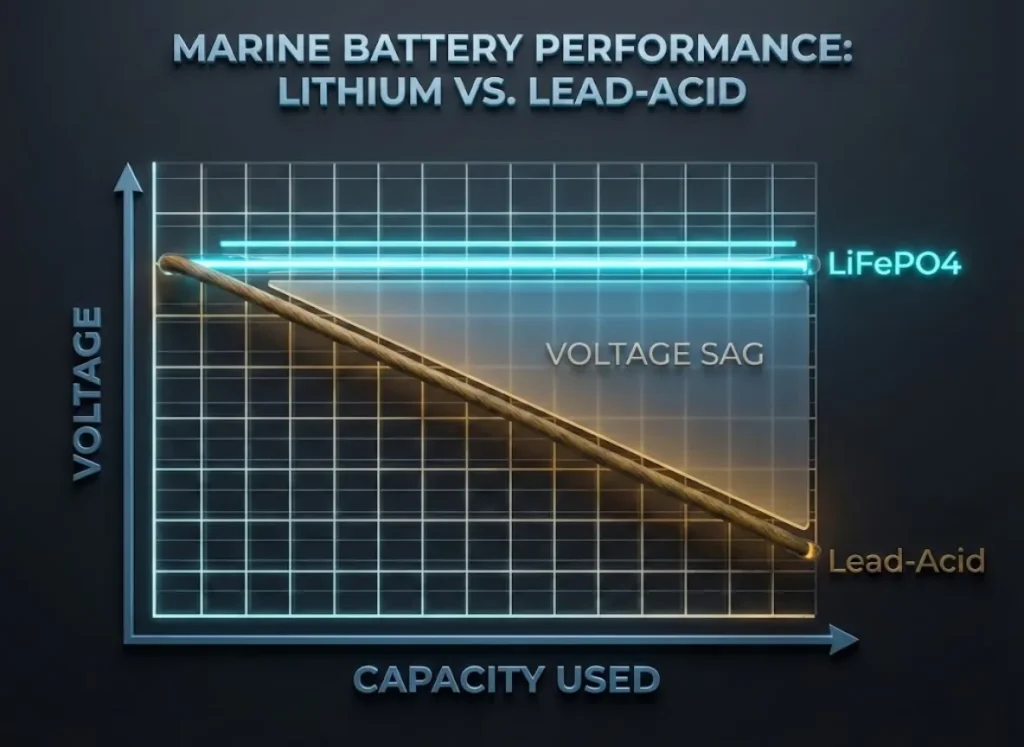
The difference lies in the voltage curve. Lead-acid battery voltage drops linearly as you use it, resulting in a noticeable “fade” in thrust throughout the day. Lithium maintains a flat voltage (usually above 12.8V) until the very last drop of energy. This ensures your modern brushless trolling motors—like the Minn Kota Quest or Lowrance Ghost—perform as aggressively at 2:00 PM as they did at launch. Reserve Capacity (RC) is largely an outdated metric here; if the voltage drops below the motor’s threshold, the remaining minutes don’t matter.
Pro-Tip: Don’t just look at the price tag. A lead-acid battery might cost less upfront, but it offers roughly 400 cycles at 50% depth of discharge. A quality LiFePO4 unit offers 3,000+ cycles at 100% depth of discharge. Over five years, lithium is mathematically cheaper per trip.
Why is the BMS (Battery Management System) the New Safety Standard?
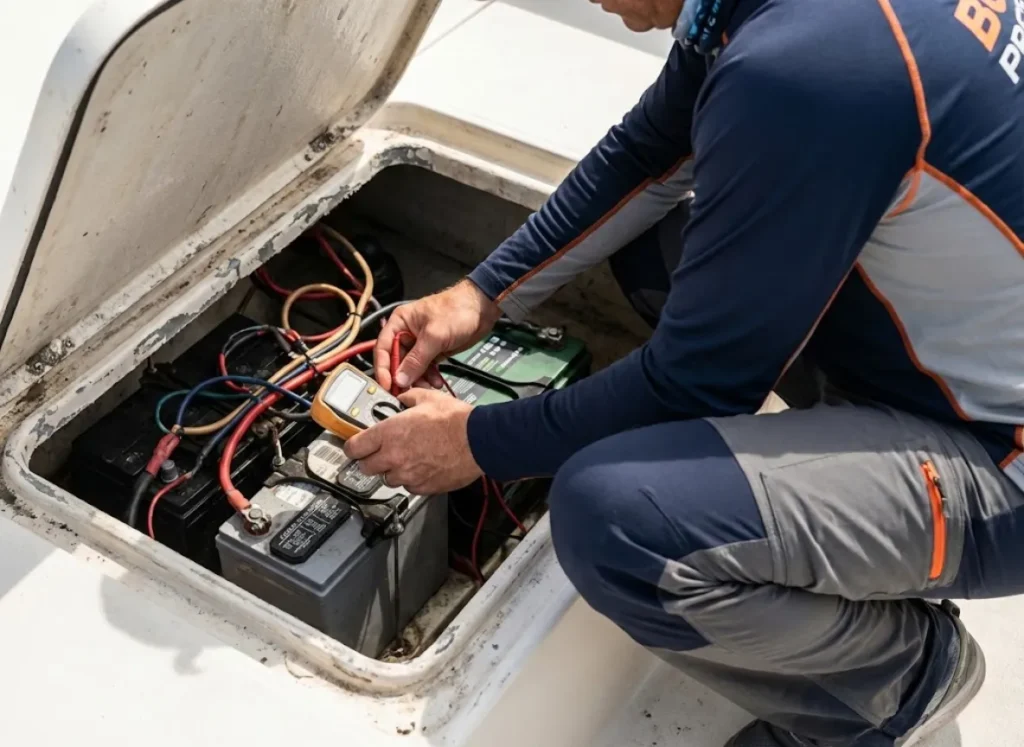
The Battery Management System (BMS) has become the new safety standard because it actively monitors cell health to prevent catastrophic failures like thermal runaway. Unlike passive wet-cell technology, the BMS is an intelligent computer that disconnects the battery instantly if it detects dangerous voltage, temperature, or current spikes. However, not all BMS units are built for the demands of freshwater fishing or saltwater fishing.
A budget BMS rated for 50 continuous amps will trip and shut down a high-thrust motor just when you are relying on Spot-Lock in a heavy current. You must match the BMS “Continuous Discharge Rate” to your motor’s maximum draw. High-end units from brands like Powerhouse Lithium or Relion often feature 100A or higher continuous ratings.
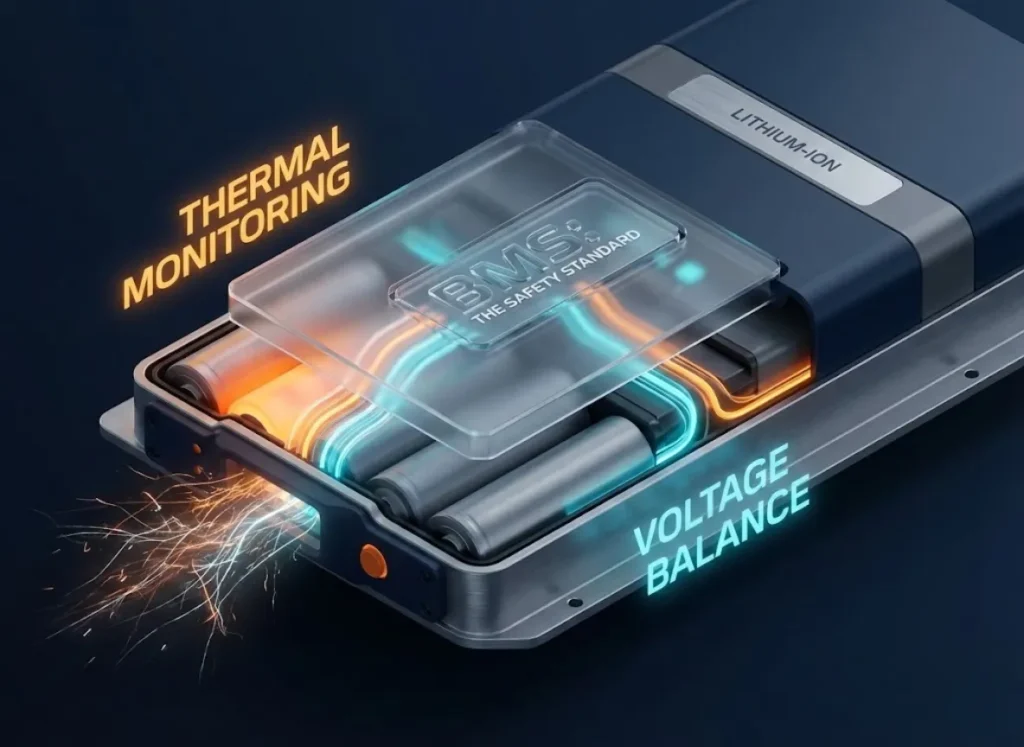
As we move into 2026, compliance with voluntary standards like those from the ABYC (American Boat & Yacht Council) is becoming essential. These standards ensure the battery has redundant safety disconnects and voltage alarms—features that generic “drop-in” replacements often lack. Additionally, features like Bluetooth monitoring and self-heating elements for low-temp protection are becoming standard on premium smart batteries.
Pro-Tip: If you fish in freezing temperatures, ensure your BMS has a “Low-Temp Cutoff.” Charging a lithium battery below 32°F causes permanent damage called lithium plating. Smart BMS units prevent this; cheap ones do not.
Our Selection Process: How We Built This Guide

We don’t take recommendations lightly because we know what it’s like to be dead in the water. Our investigation into the marine battery market prioritized internal component quality and engineering specifications over brand recognition. We analyzed specs from industry leaders like Dakota Lithium, Odyssey, and MillerTech, alongside budget contenders like Goldenmate and ZPRO. We scored candidates on Energy Density, BMS “Headroom” (the buffer between rated amps and trip points), and waterproofing integrity (IP65 vs IP67).
We specifically filtered out products with recurring BMS failure reports in user forums and categorized market leaders into specific use-cases: Tournament, Kayak, Value, and Cold Weather. While we may earn a commission if you purchase through our links, this does not influence our runtime calculator estimates or safety warnings.
The Best Trolling Motor Batteries of 2026: Our Top Recommendations for Every Need

Our Top Picks for The Value-Conscious Upgrader
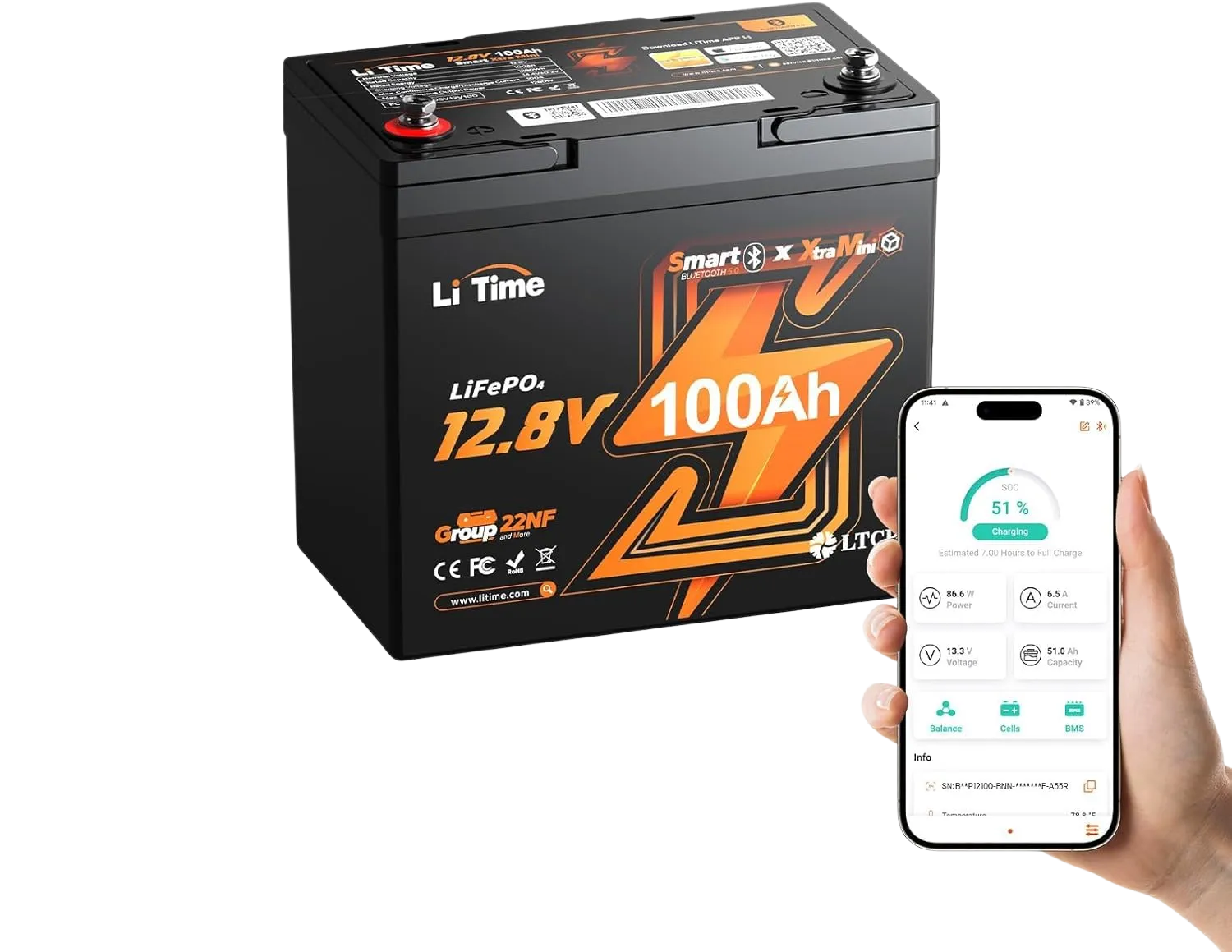
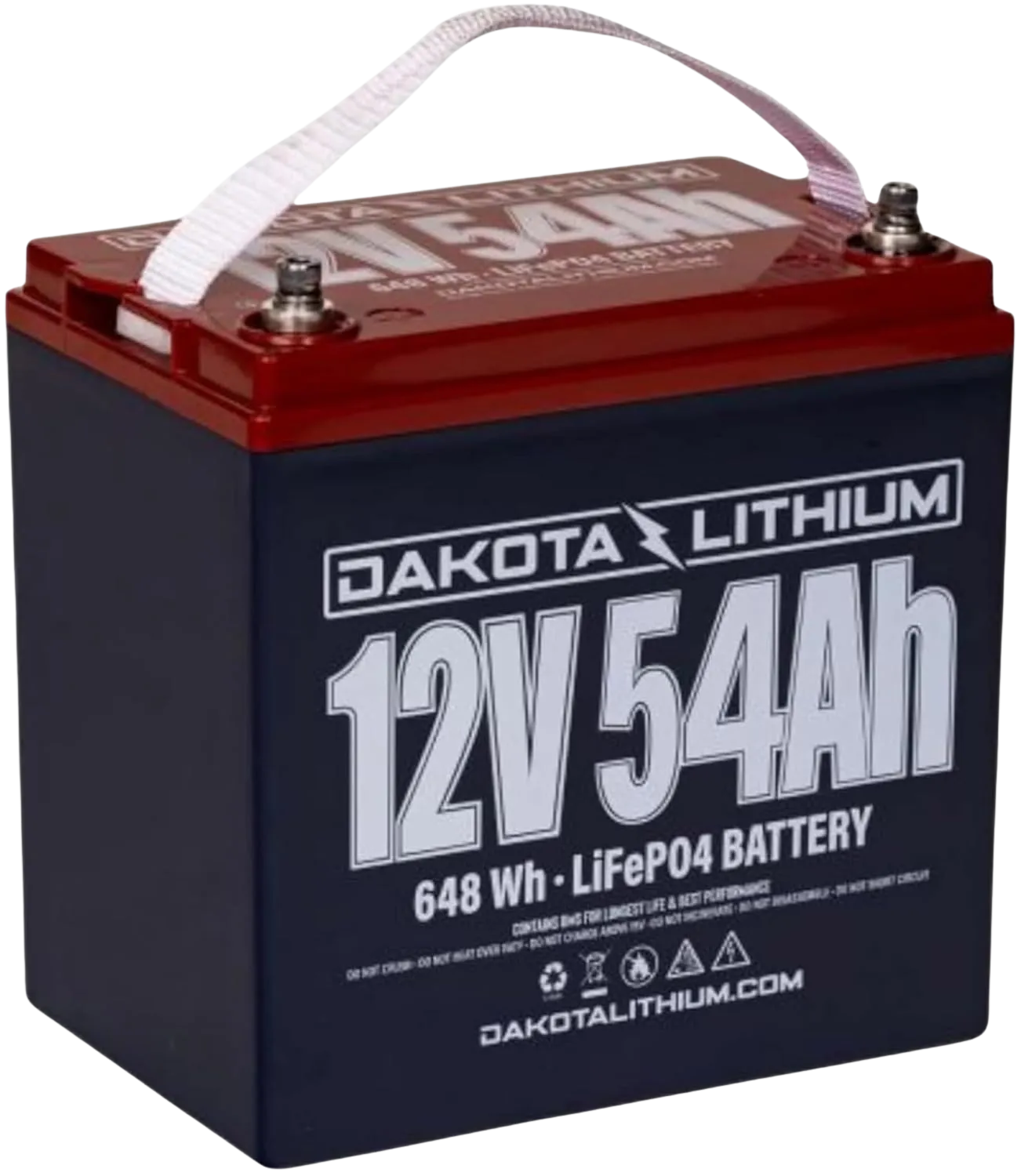
Our Top Picks for The Kayak & Micro-Skiff Angler
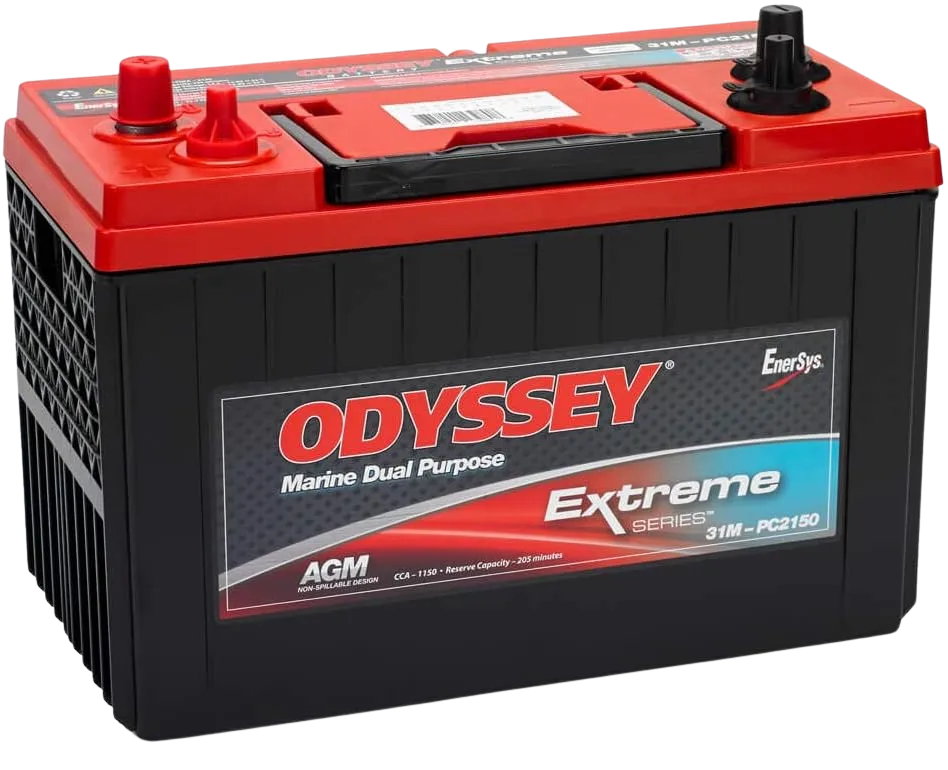
Our Top Pick for The Traditionalist / Cold Weather Operator
Conclusion
The shift to 2026 standards is clear: voltage is king. Lithium’s flat discharge curve provides maximum thrust until the very end of the day, solving the fatigue issues inherent in lead-acid chemistry. However, upgrading requires diligence. Your battery’s BMS continuous rating must exceed your motor’s max draw—roughly 60A for high-thrust models like the Quest or Force—to prevent sudden shutdowns.
Safety must also be a priority. Compliance with ABYC E-13 standards regarding BMS disconnects and alarms is essential for both your safety and your insurance coverage. Finally, view this as a system upgrade; check your matching charger profiles (look for systems like the Power-Pole Charge) and circuit breaker sizing to ensure they can handle the sustained loads. You should also review wiring diagrams carefully when deciding between series vs parallel setups for 24V or 36V systems.
Don’t let a dead battery ruin the bite of a lifetime. Audit your current system’s amp draw today, and upgrade to the power source that matches your angler profile.
FAQ – Frequently Asked Questions
Can I use a standard lead-acid charger on a LiFePO4 battery?
Generally, no. While it may provide a partial charge, lead-acid chargers lack the specific voltage profile to fully charge and balance lithium cells, and they cannot wake up a BMS that has gone to sleep. Invest in a precision charger like the Minn Kota Precision or NOCO Genius GenPro.
What happens if I connect a lithium battery to a trolling motor that draws too many amps?
The Battery Management System (BMS) will trigger an over-current protection fault and instantly cut power to the motor to protect the cells. This is why matching the BMS Continuous Discharge rating (e.g., 60A or 100A) to your motor’s max draw is the most critical step in buying.
Do I need to upgrade my boat’s wiring when switching to lithium?
Potentially yes. Because lithium batteries sustain higher voltage under load, your motor will draw its full rated power for longer periods; ensure your wiring (6 AWG or 4 AWG) and circuit breakers (60A) are rated for this sustained load to prevent overheating.
Is it safe to leave my marine lithium battery on the charger all winter?
It is safe if you have a modern smart battery charger, but it is not necessary. LiFePO4 batteries have an extremely low self-discharge rate and are best stored disconnected at roughly 50-60% charge for long-term health.
Risk Disclaimer: Fishing, boating, and all related outdoor activities involve inherent risks that
can lead to injury. The information provided on Master Fishing Mag is for educational and informational purposes
only. While we strive for accuracy, the information, techniques, and advice on gear and safety are not a substitute
for your own best judgment, local knowledge, and adherence to official regulations. Fishing regulations, including
seasons, size limits, and species restrictions, change frequently and vary by location. Always consult the latest
official regulations from your local fish and wildlife agency before heading out. Proper handling of hooks, knives,
and other sharp equipment is essential for safety. Furthermore, be aware of local fish consumption advisories. By
using this website, you agree that you are solely responsible for your own safety and for complying with all
applicable laws. Any reliance you place on our content is strictly at your own risk. Master Fishing Mag and its
authors will not be held liable for any injury, damage, or loss sustained in connection with the use of the
information herein.
Affiliate Disclosure: We are a participant in the Amazon Services LLC Associates Program, an
affiliate advertising program designed to provide a means for us to earn advertising fees by advertising and linking
to Amazon.com. As an Amazon Associate, we earn from qualifying purchases. We also participate in other affiliate
programs and may receive a commission on products purchased through our links, at no extra cost to you. Additional
terms are found in the terms of service.