

In this article
The sun’s glare erasing the very edge of the weed line where a trophy bass is ambushing prey. For a serious angler, vision isn’t just seeing; it’s the ability to process underwater information. Standard glasses just make things dark; high-performance polarized fishing sunglasses are precision instruments that decode the water, turning blinding glare into actionable intel. This is the definitive guide to the best fishing sunglasses, covering every water type from offshore bluewater to inshore flats and freshwater streams. This guide cuts through the marketing noise to give you a data-driven framework for choosing the exact pair of angling-specific eyewear that will sharpen your most important asset: your eyes.
You are about to learn the five critical performance metrics that separate a $30 pair from a $300 investment in your vision. We will discover why your choice of lens material–Glass versus Polycarbonate–is the most important trade-off you’ll make. You’ll see our top-rated sunglasses for 2025, curated for three distinct angler types: The Hard-Use Professional, The Versatile Weekend Enthusiast, and The Finesse Fly Angler. Ultimately, you will walk away with a clear verdict on which sunglasses will give you the ultimate on-water advantage and help you see deeper and clearer.
How to Choose the Right Polarized Sunglasses for Fishing: An Expert’s Framework

To make a smart, confident choice, you need objective knowledge. This section deconstructs what truly defines high-performance fishing glasses—from lens material and coatings to frame fit and coverage—arming you with an expert’s framework so you can see past the hype and focus on what matters. This is your how-to choose manual.
Why Do Lens Material and Impact Resistance Matter?
The soul of any sunglass is its lens, and the material it’s made from dictates its core performance. The two dominant lens materials, Glass and Polycarbonate, present a fundamental trade-off in the classic glass vs polycarbonate lenses debate. Glass lenses represent the pinnacle of optical lens clarity and scratch resistance. They offer a pristine, distortion-free view that purists swear by, rendering the underwater world with unparalleled crispness. On the other hand, Polycarbonate lenses are the undisputed champions of impact resistance and lightweight comfort. This isn’t just a comfort feature; it’s crucial protective eyewear that can protect your eyes from a snapped-back lure or a misplaced sinker, making them practically shatterproof lenses.
The decision boils down to a clear choice between the ultimate optical purity of glass and the superior safety and all-day comfort of polycarbonate. To quantify this safety, look for an ANSI Z87.1+ Rating. While it sounds like an industrial standard, for an angler, it’s a tangible performance feature. It certifies the glasses as a piece of personal protective equipment (PPE) proven to withstand high-velocity impacts, offering peace of mind when you’re casting heavy hardware.
Pro-Tip: Always clean polycarbonate lenses with a microfiber cloth and a dedicated lens cleaner. Never use a t-shirt or paper towel, as wood fibers can easily create micro-scratches on the softer material, degrading optical clarity over time.
Now that you understand the lens’s physical foundation, let’s look at how it manipulates light. For a deeper dive into safety ratings, this authoritative link from Safety Glasses USA is an excellent resource. This decision is fundamental to your gear, just as line choice balances visibility and strength for optimal performance.
How Do Polarization and Contrast Enhancement Work?
At its core, polarization is the non-negotiable, foundational technology for any fishing sunglass. This answers the question, what is lens polarization? It works by blocking horizontal, glare-producing light waves, much like a set of vertical blinds stopping light from the side. This is what eliminates the blinding surface glare, allowing you to see into water and spot fish hidden from view. However, not all polarization is created equal. Cheaper sunglasses often use a surface-level film that can peel or delaminate over time, rendering them useless. Premium optics, in contrast, encapsulate the polarizing film within the lens itself, ensuring permanent alignment, durability, and a consistently clear view.
Contrast enhancement is the next level—the evolution from passive glare cut to active light spectrum management. This is where proprietary technologies like Costa’s 580P or 580G, Smith’s ChromaPop™, and Bajio’s LAPIS™ come into play. These advanced polarized color-enhancing lenses selectively filter out “visual noise”—the confusing specific wavelengths of light between primary colors—to make the important colors and details “pop.” The benefit of this is profound. It isn’t just about seeing into the water; it’s about being able to differentiate a dark fish against a dark bottom or spot the subtle flash of a turning baitfish that would otherwise be invisible.
What Makes a Frame High-Performance?
A high-performance lens needs a chassis to match. Frame material is the first checkpoint. Unlike the cheap acetate used in fashion sunglasses, premium fishing frames utilize durable, flexible materials like bio-resin, Triloid nylon, and other advanced polymers. This emphasis on better materials is also leading to a focus on conservation and sustainability, with top brands using recycled fishing nets to create exceptional recycled frames.
Next is the Base Curve, which defines the frame fit and coverage. A 6-Base wrap is flatter, typical of lifestyle frames, while an 8-Base wrap is a high-wrap, performance-oriented design. This aggressive wrap creates a “goggle-like” seal or facial cavity seal around your eyes, providing full coverage that effectively blocks extraneous light, wind, and spray from the periphery. Finally, comfort and fit security are what allow you to wear them from dawn until dusk without a second thought. Features like hydrophilic (non-slip) padded nose pieces and temple grips, which actually become tackier when wet, prevent slippage. Paired with quality components like durable spring hinges, anti-fog vents, and adjustable nose pads, the goal is a “set it and forget it” fit that eliminates distractions and lets you focus completely on the fish.
Beyond the frame itself, consider if you need prescription fishing sunglasses. Many high-performance models, including the Smith Guide’s Choice and Costa Blackfin Pro, are Rx available or even offer reader bifocals, ensuring you don’t have to sacrifice clarity for performance. Also, look at the included accessories; a quality hard case, soft bag, and leash or integrated leash system are hallmarks of a premium package and essential for protecting your investment over many fishing seasons.
Our Selection Process: How We Built This Guide
To build this guide, we committed to absolute objectivity. Our recommendations are the result of a comprehensive analysis of technical specifications, expert on-water testing, and aggregated long-term user feedback. They are field tested, earned, not influenced. Every pair of sunglasses in our database was systematically scored against the five critical performance metrics: Optical Clarity, Polarization Quality, Contrast Enhancement, Frame Durability, and All-Day Comfort. Our process began with a market-wide scan of over 50 models. We then filtered this list down to the 12 top-performing and most relevant products for 2025, evaluating each one to provide evidence-based recommendations.
A Note on Affiliate Links: If you choose to purchase through a link on this page, we may earn a small commission at no extra cost to you. This helps support our independent research and testing. We only recommend gear we believe in.
The Best Polarized Sunglasses for Fishing of 2025: Our Top Recommendations for Every Need
This is the culmination of our research. Here, we present the curated top recommendations for the key user personas, providing a clear path to the right fishing sunglasses for your specific needs on the water.
Our Top Picks for “The Hard-Use Professional”
This angler demands the best overall in optical performance and durability for longer days on the water in bright sun, often in offshore fishing environments. Their gear is a tool, and failure is not an option. For this professional, who may be a pro bass angler, price is secondary to performance and full coverage.
Our Top Picks for “The Versatile Weekend Enthusiast”
This user is the core of the market. They are passionate, fish multiple scenarios from freshwater fishing to inshore fishing, and seek the absolute highest performance-to-price ratio. They need a “quiver-of-one” that works well everywhere and can be trusted to perform season after season, whether in bright sun or overcast conditions.
Pro-Tip: For the angler who fishes a wide variety of locations and light conditions, a copper, amber, or bronze base lens is the most versatile choice. It provides excellent contrast enhancement for spotting fish against varied bottoms (sand, mud, rock) and performs well in both bright sun and overcast conditions.
Our Top Picks for “The Finesse Fly Angler”
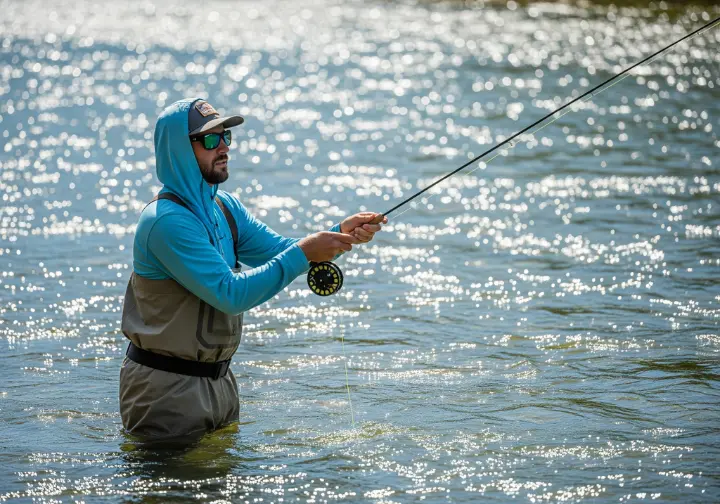
This specialist prioritizes different attributes. They need high-contrast lenses for spotting fish against complex riverbeds or mottled flats, often in low-light conditions at dawn/dusk. A lightweight frame is key for comfort during thousands of repetitive casting motions, and a secure, non-intrusive fit is paramount for maintaining focus during a long day of fly fishing.
Conclusion
The best polarized fishing sunglasses are not just an accessory; they are a critical piece of optical equipment that provides a tangible performance advantage. The fundamental choice between glass and polycarbonate lenses is a direct trade-off between maximum optical clarity and superior impact resistance/comfort. Beyond basic polarization, advanced technologies that enhance contrast and color are the single biggest technological leap that separates a good pair of sunglasses from an essential piece of fish-spotting equipment. Finally, matching the frame’s coverage (base curve) and fit features to your specific needs is essential for all-day comfort and maximizing the performance of the lenses.
Armed with this knowledge, revisit the recommendations for your angler persona and invest in the pair that will not only protect your eyes from UV rays but fundamentally change the way you see the water.
Frequently Asked Questions about Polarized Sunglasses for Fishing
Are expensive ($200+) fishing sunglasses really worth it?
Yes, for dedicated anglers, the performance benefits in optical clarity, contrast enhancement, and durability absolutely justify the investment. The difference lies in higher quality, encapsulated polarizing films, hydrophobic coatings, and advanced, selective light-filtering technologies not found in budget pick options. These premium features reduce eye strain, allowing you to focus longer, and actively help you spot more fish by enhancing specific colors and cutting through glare more effectively, as seen in models like the Smith Guide’s Choice.
What is the best lens color for most fishing situations?
A copper lens, amber lens, or bronze-based lens tint is widely considered the most versatile for providing excellent contrast and visibility in a wide variety of light conditions, from bright sun to overcast skies. These colors are exceptional at separating fish from their background on sand, grass, or mud bottoms. The Bajio Zapata with a copper lens is an elite example of a versatile, high-contrast option that excels in freshwater and inshore fishing environments. A blue mirror lens is typically best for bright, offshore conditions, while a gray lens is a great neutral option.
Should I choose glass or polycarbonate lenses for fishing?
You should choose a glass lens if you demand the absolute highest level of scratch resistance and distortion-free optical clarity and are willing to accept more weight and less impact resistance. It’s the choice for the optical purist. Conversely, choose polycarbonate lenses if you prioritize lightweight comfort for all-day wear and want superior impact protection from potential hazards like snapping lures. The safety and comfort offered in a frame like the Oakley Holbrook XL make polycarbonate the ideal choice for active anglers.
What does “8-Base Curve” mean and do I need it?
An 8-base curve refers to a high-wrap frame that follows the contour of your face closely to block peripheral light, wind, and spray. You absolutely need an 8-base wraparound sunglasses frame, like the one on the Costa King Tide 8, if you fish in bright, open-water environments such as offshore or on large lakes. In these settings, sunlight comes from all angles, and the maximum protection provided by a high-wrap frame is essential for preventing glare and reducing long-term eye fatigue.
Risk Disclaimer: Fishing, boating, and all related outdoor activities involve inherent risks that can lead to injury. The information provided on Master Fishing Mag is for educational and informational purposes only. While we strive for accuracy, the information, techniques, and advice on gear and safety are not a substitute for your own best judgment, local knowledge, and adherence to official regulations. Fishing regulations, including seasons, size limits, and species restrictions, change frequently and vary by location. Always consult the latest official regulations from your local fish and wildlife agency before heading out. Proper handling of hooks, knives, and other sharp equipment is essential for safety. Furthermore, be aware of local fish consumption advisories. By using this website, you agree that you are solely responsible for your own safety and for complying with all applicable laws. Any reliance you place on our content is strictly at your own risk. Master Fishing Mag and its authors will not be held liable for any injury, damage, or loss sustained in connection with the use of the information herein.
Affiliate Disclosure: We are a participant in the Amazon Services LLC Associates Program, an affiliate advertising program designed to provide a means for us to earn advertising fees by advertising and linking to Amazon.com. As an Amazon Associate, we earn from qualifying purchases. We also participate in other affiliate programs and may receive a commission on products purchased through our links, at no extra cost to you. Additional terms are found in the terms of service.

