
In this article
Five miles upstream, the ache starts in the right trapezius. It’s a familiar burn for anyone who has spent the last decade trusting the industry’s push toward minimalism—the telltale sign of a fully loaded sling pack torqueing the spine. While sling packs look sleek in the parking lot, the river demands accessibility and balance.
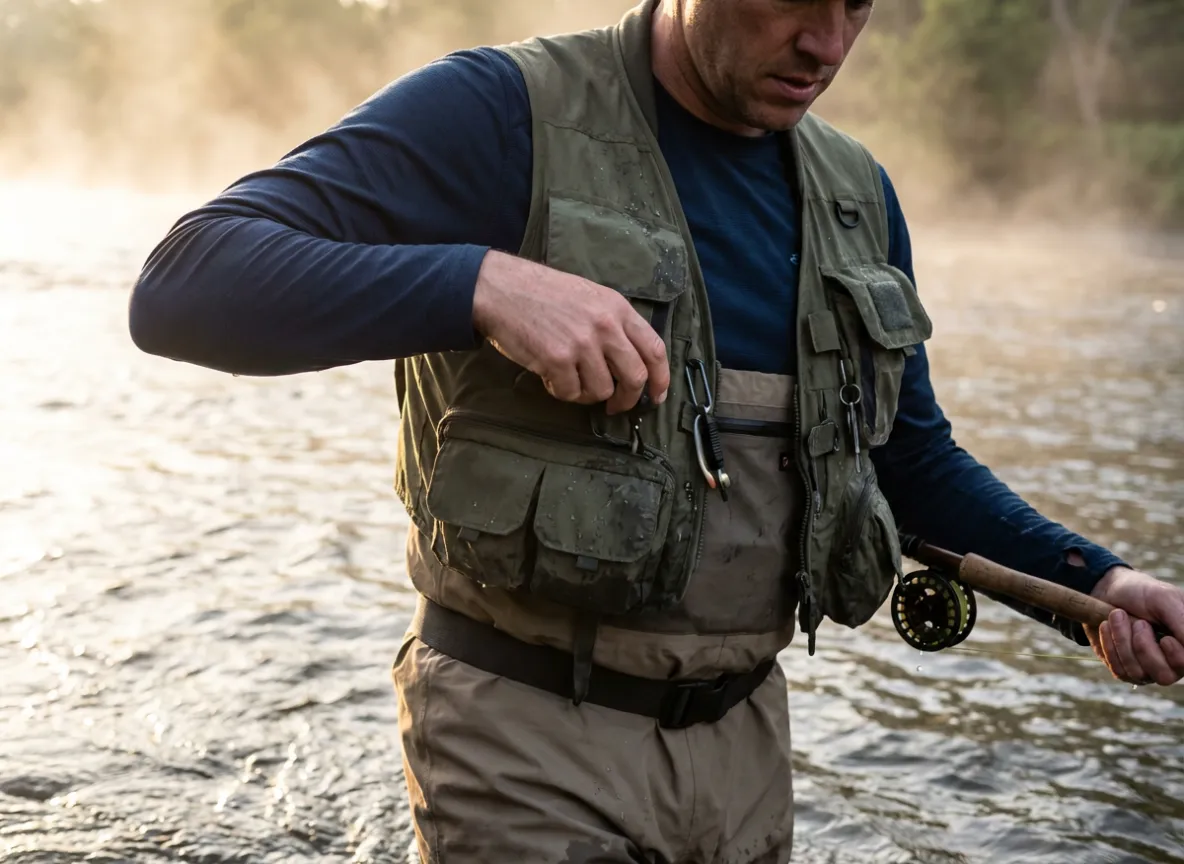
The 2026 class of fishing vests is not a return to the heavy, water-logging cotton relics of the past. It is an ergonomic correction. These are bilateral weight distribution systems designed to keep you on the water longer. We aren’t just looking for storage lockers; we are looking for a mobile workbench and a true gear command center—fishing gear that puts the right tool in your hand without your eyes ever leaving the rising fish.
How to Choose the Right Fishing Vest
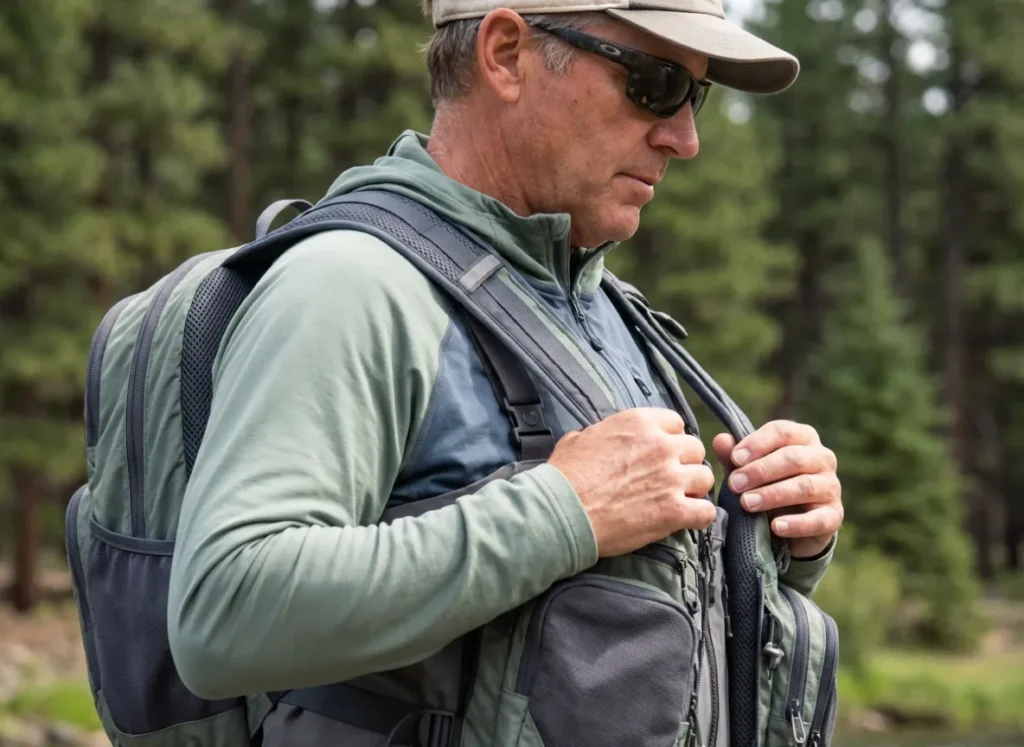
Choosing a vest isn’t about counting pockets; it’s about engineering principles. We need to move beyond aesthetics and look at how fishing tackle interacts with the human body during an eight-hour shift on moving water.
The Biomechanics of Load-Bearing: Why Your Back Hurts
The primary advantage of a vest is bilateral symmetry. When you load a sling pack, you pay an “asymmetry tax.” Your paraspinal muscles must constantly fire on the opposite side to compensate for the uneven load, leading to cumulative fatigue that ruins your casting stroke by 2:00 PM. The vest vs sling pack debate ends here: a properly fitted vest distributes that weight evenly across the clavicle and trapezius, promoting a “neutral spine” alignment.
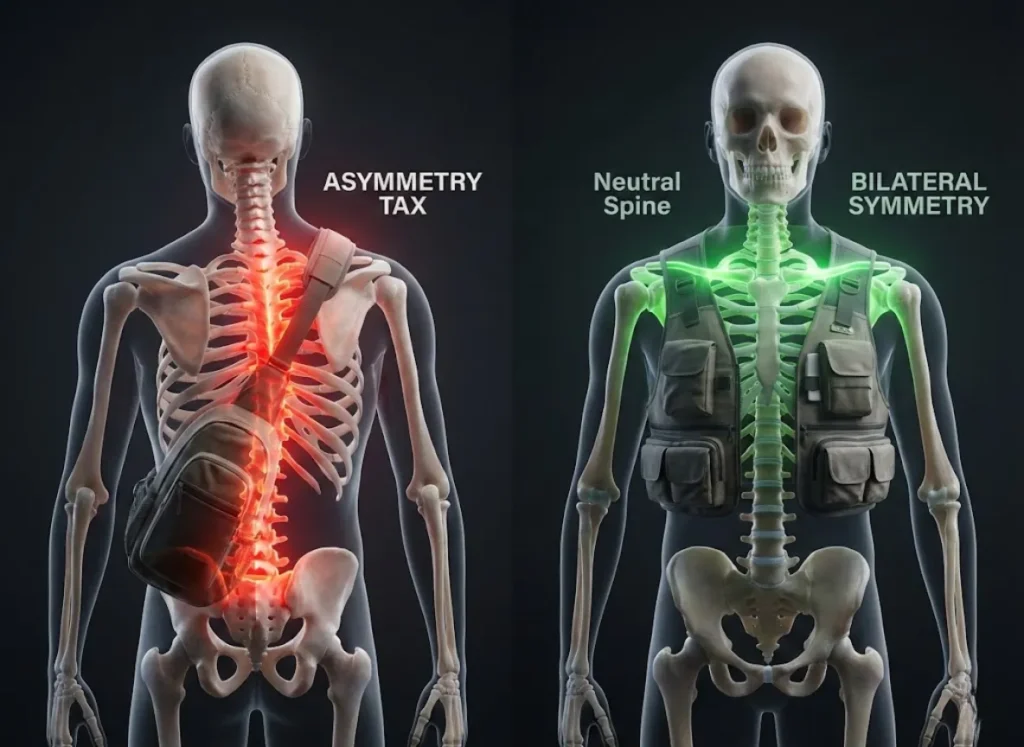
This suspension system doesn’t work in isolation; it must function as part of a total wearable system, integrating seamlessly with your fly fishing waders to prevent bunching. Effective load distribution relies on high-quality shoulder padding and yoke assemblies borrowed from mountaineering packs rather than simple strap collars, which tend to dig into the neck.
Material Science: Ripstop vs. The Green Shift
We have moved past the days of heavy canvas that absorbs water like a sponge. The performance standard is now Nylon Ripstop or Cordura (210D/420D), providing necessary durability and thicket resistance against briars and wayward hooks. However, the most significant shift in 2026 is the use of ECONYL. This regenerated nylon, made from recovered ghost nets, matches virgin nylon durability while significantly lowering the garment’s carbon footprint.
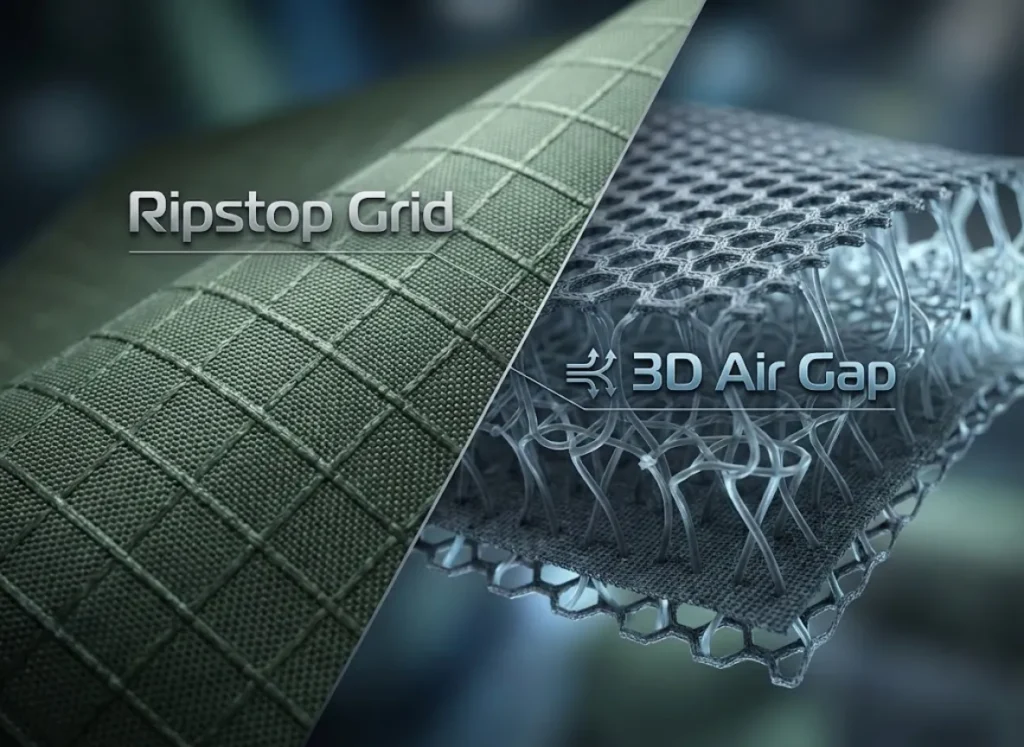
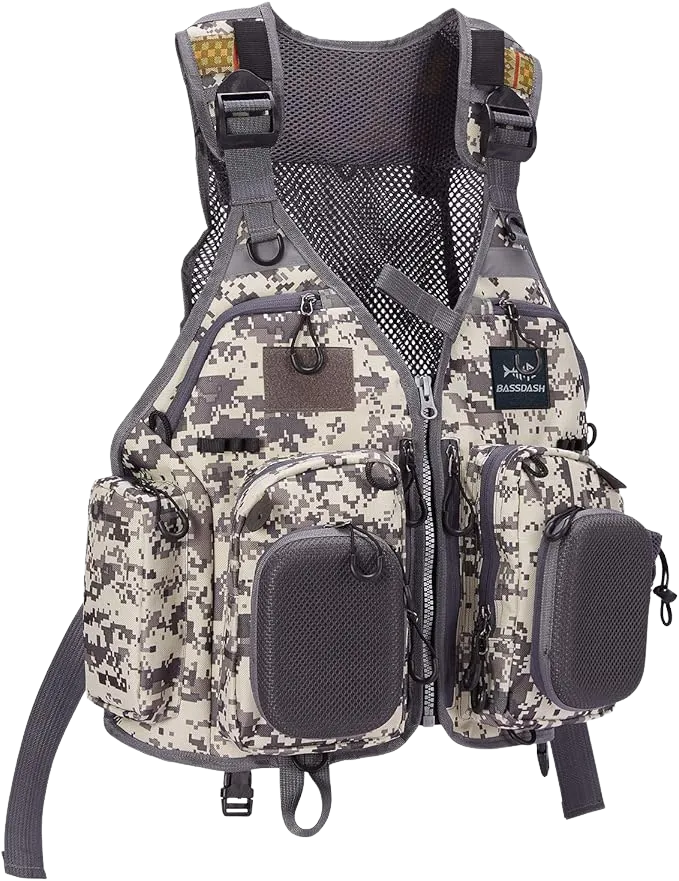
Breathability and ventilation are the other half of the equation. Modern vests utilize 3D spacer mesh and mesh back panels to create physical air gaps for convective cooling. This is critical for heat management and summer vs winter performance, especially when layering over waterproof fishing rain gear to prevent that clammy “sweat patch” from forming in the center of your back during high-output hikes.
“Pocket IQ” and Cognitive Load
“Pocket IQ” is the ability to visualize 80% of your gear without rotating your torso. Every second you spend fumbling with a zipper or buckle is a second your fly isn’t in the water. Dedicated storage spots reduce the mental strain of finding tippets or bait, allowing your focus to remain entirely on the drift.
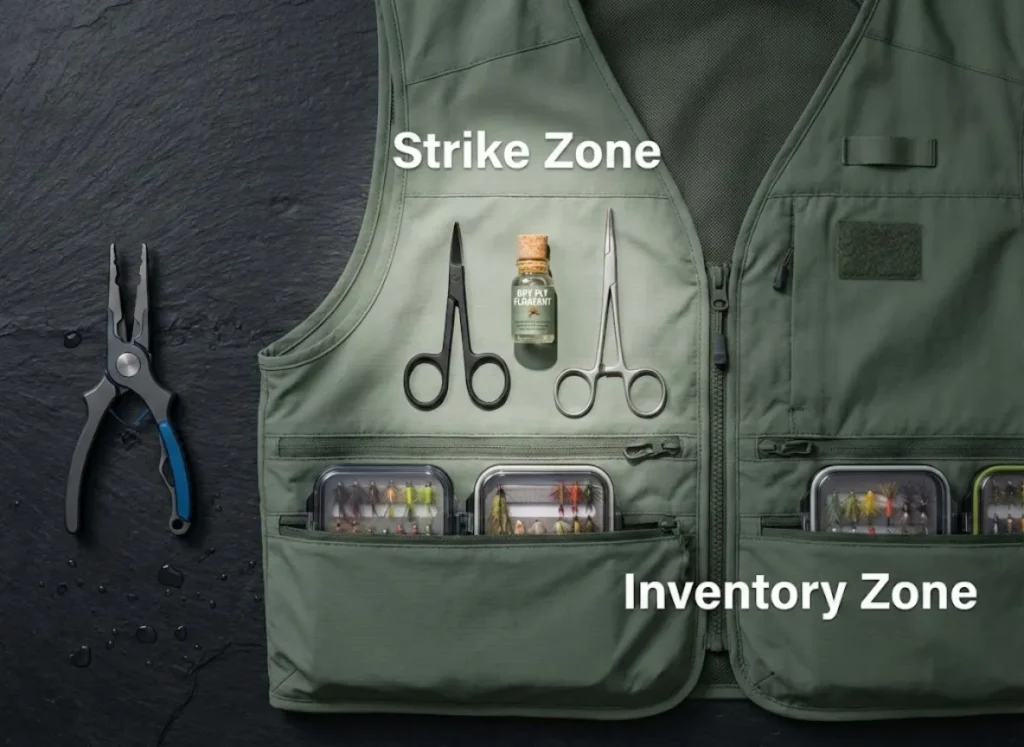
However, be wary of the “capacity trap.” High pocket count isn’t always better; too many shallow, undefined pockets create “black holes” where gear disappears. You need structured storage, particularly dedicated storage for your fishing pliers, the most frequently used tool that dictates the success or failure of a pocket layout.
Pro-Tip: Assign your pockets based on frequency of use, not size. Nippers, floatant, and hemostats go in the “Strike Zone” (upper chest). Fly boxes go in the “Inventory Zone” (lower horizontal). Never change this layout, or you will fumble when the pressure is on.
Our Selection Process: How We Built This Guide
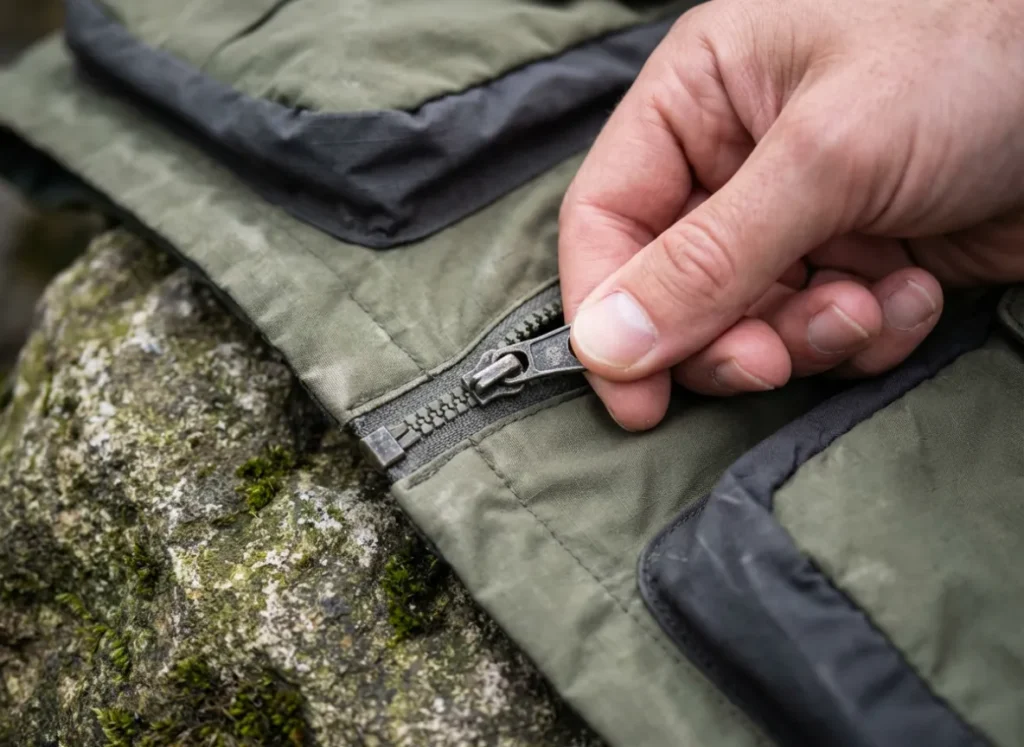
We don’t rely on marketing copy. We analyze gear based on field utility through rigorous commercial investigation. Every vest in this guide was hands-on tested and scored against weighted criteria: Storage Logic (30%), Durability (25%), Comfort (20%), Value (15%), and Versatility (10%).
Our “Anti-Sell” methodology is simple: we specifically look for failure points. Does the rod holder strap fail? Does the collar chafe when the back pocket is loaded with a rain shell? We also issue clear “Don’t Buy If” warnings. We may earn a commission if you purchase through our links, but our priority is ensuring you don’t buy gear that fights you on the water.
The Best Fishing Vests of 2026: Our Top Recommendations for Every Need
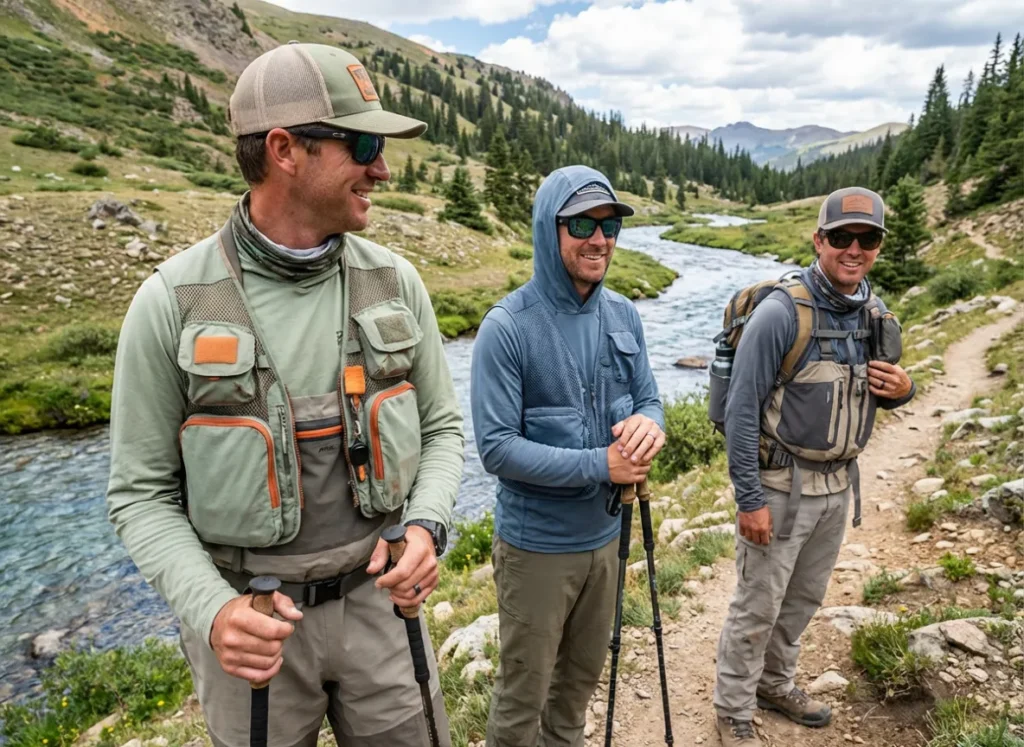
Our Top Picks for The Expedition Guide (The Heavy Hauler)
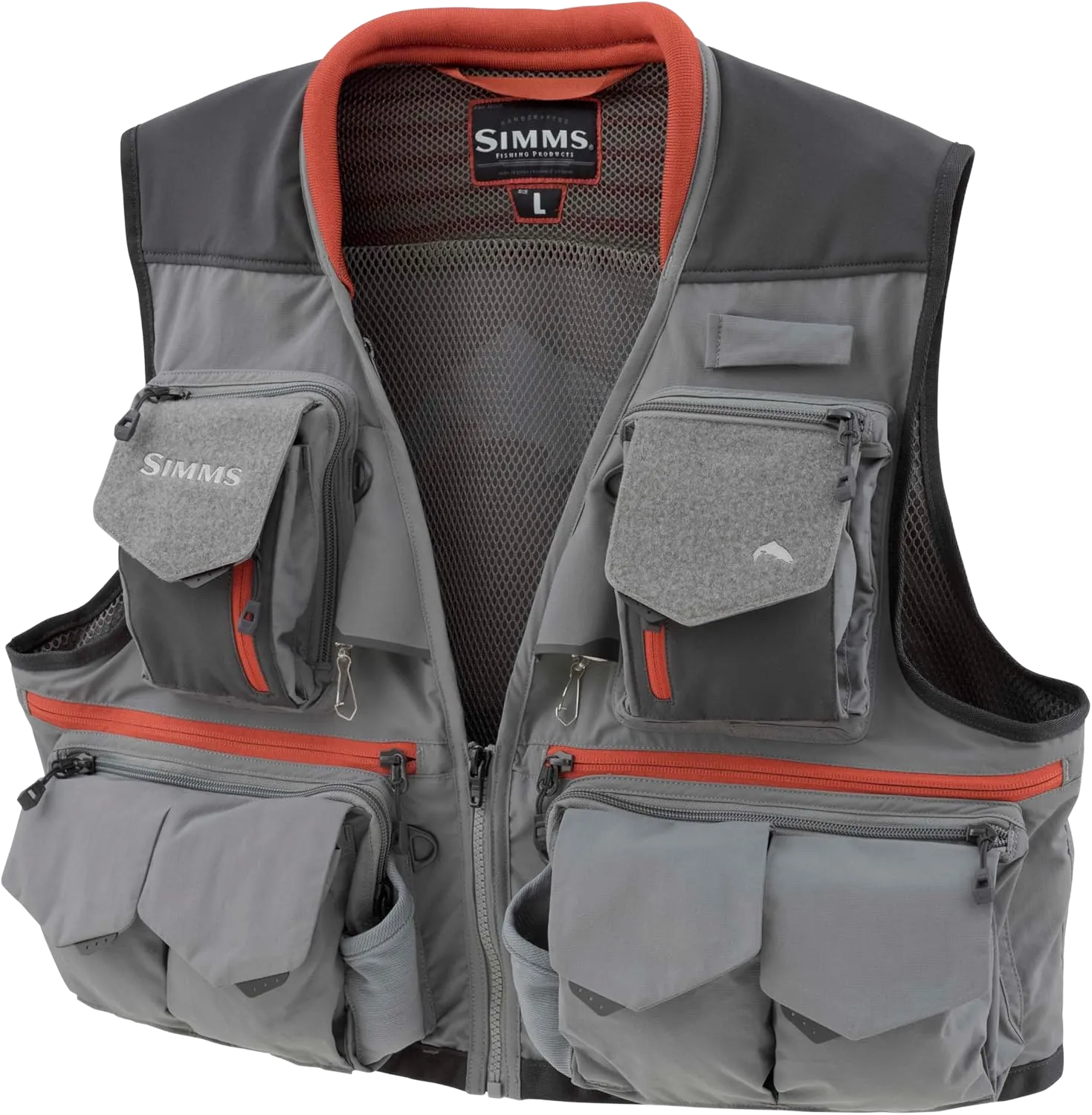
Our Top Picks for The Technical Tactician (The Modular Minimalist)
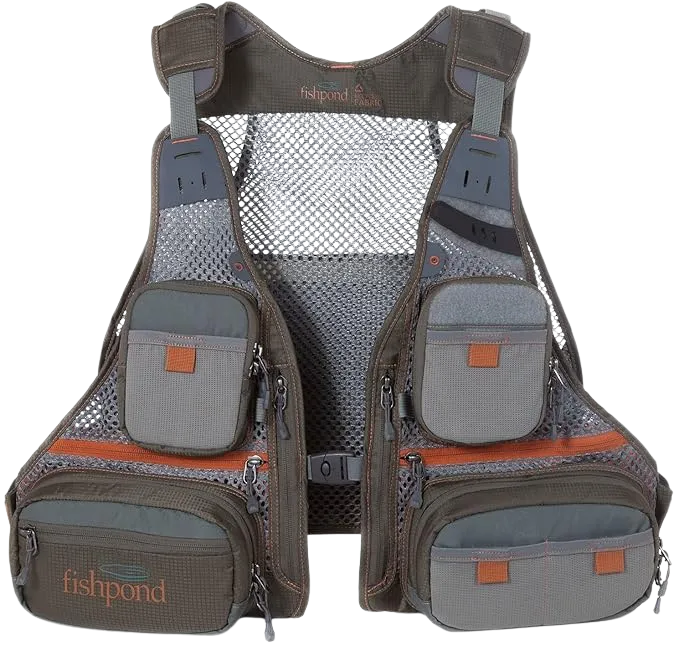
Our Top Picks for The Budget Pragmatist (The Weekend Warrior)
The Bottom Line
The “perfect” vest does not exist in a vacuum; it exists in relation to your mission. Don’t buy an expedition-grade Simms vest for a three-hour blue-lining trip—the weight will fight you. Conversely, don’t take a mesh starter vest on a winter steelhead guide trip.
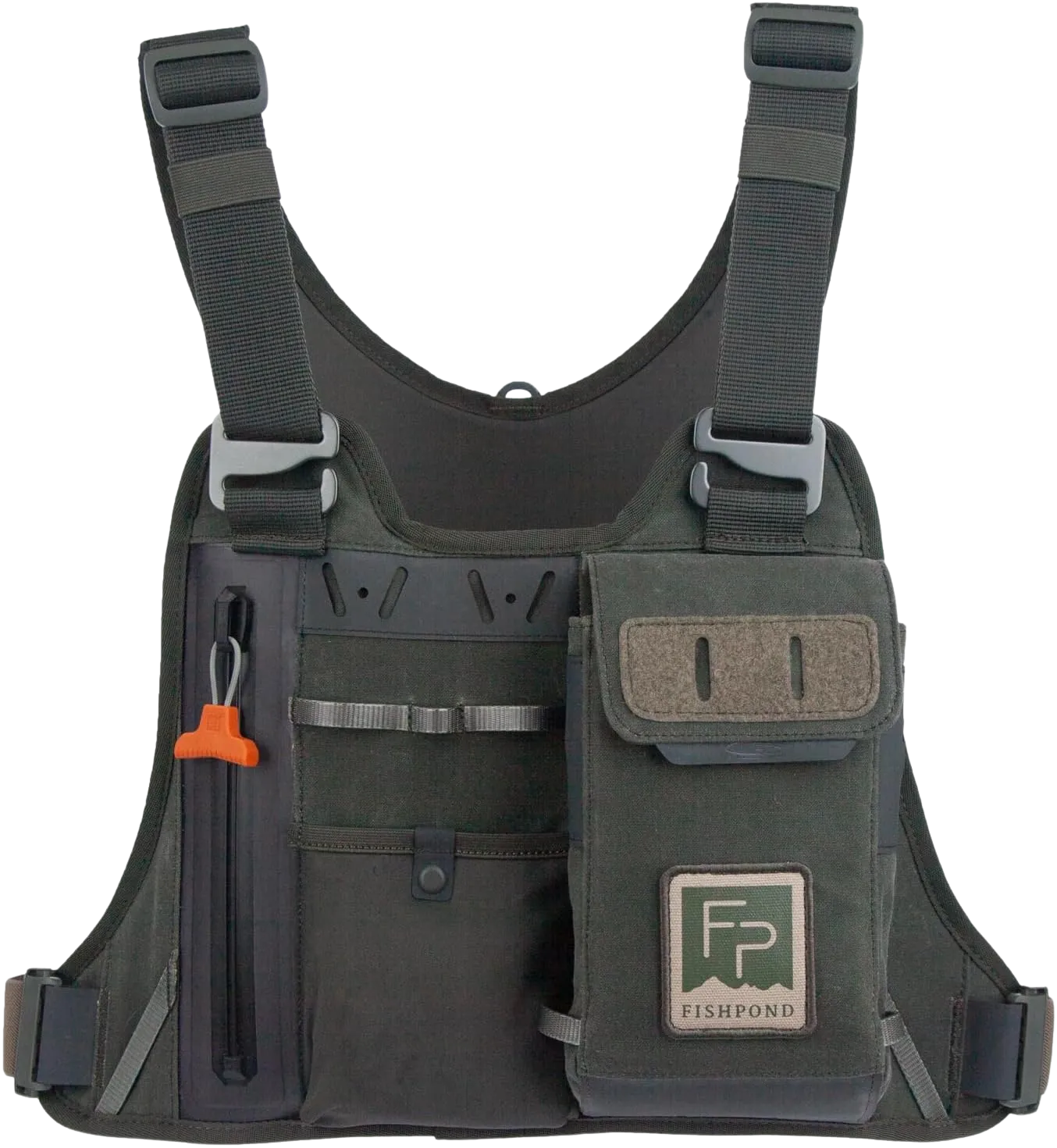
If you fish more than 20 days a year, treat this as an investment in biomechanics. The suspension systems of premium vests like the Fishpond Sagebrush Pro prevent the long-term injury that comes from asymmetrical loading. Just as importantly, practice “Zone Defense.” Audit your loadout schematics, identify your friction points, and ensure your vest turns you from a pack mule into a predator, whether you are a trout angler or one of the many multi-species anglers chasing bass.
FAQ – Frequently Asked Questions
Vest vs. Sling Pack vs. Hip Pack: Which is better for back pain?
Vests are superior for back pain because they distribute weight bilaterally across both shoulders, promoting a neutral spine. Vest vs hip pack comparisons often favor the vest for deep wading, as hip packs can get soaked. If you have back issues, the Fishpond Sagebrush Pro offers the best suspension.
What is the best fishing vest for hot weather?
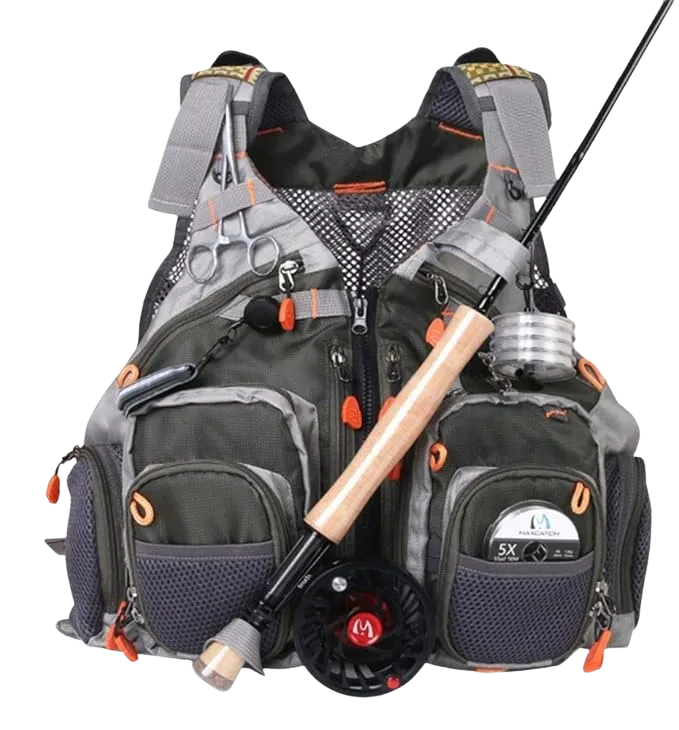
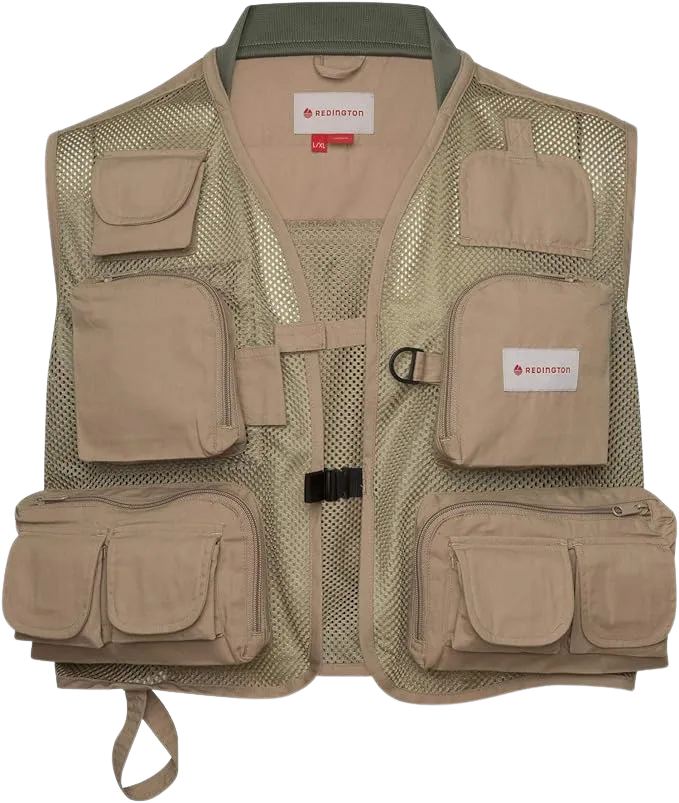
Look for a mesh chassis vest that utilizes 3D spacer mesh to create an air gap between the load and your body. The Maxcatch V-Mesh or Redington Clark Fork allow wind to cut right through, preventing overheating.
Are expensive fishing vests worth the money?
Yes, if you fish frequently. The premium cost pays for advanced suspension systems that keep you comfortable, corrosion-resistant zippers that offer longevity, and warranties that budget brands cannot match. A Simms Guide Vest can easily last a decade.
Can I wash my fishing vest?
Yes, and you should. Washing with fresh water removes salt and grit that destroy zippers. Use a technical detergent and re-apply a DWR spray to maintain water resistance and keep the fabric performing correctly.
Risk Disclaimer: Fishing, boating, and all related outdoor activities involve inherent risks that
can lead to injury. The information provided on Master Fishing Mag is for educational and informational purposes
only. While we strive for accuracy, the information, techniques, and advice on gear and safety are not a substitute
for your own best judgment, local knowledge, and adherence to official regulations. Fishing regulations, including
seasons, size limits, and species restrictions, change frequently and vary by location. Always consult the latest
official regulations from your local fish and wildlife agency before heading out. Proper handling of hooks, knives,
and other sharp equipment is essential for safety. Furthermore, be aware of local fish consumption advisories. By
using this website, you agree that you are solely responsible for your own safety and for complying with all
applicable laws. Any reliance you place on our content is strictly at your own risk. Master Fishing Mag and its
authors will not be held liable for any injury, damage, or loss sustained in connection with the use of the
information herein.
Affiliate Disclosure: We are a participant in the Amazon Services LLC Associates Program, an
affiliate advertising program designed to provide a means for us to earn advertising fees by advertising and linking
to Amazon.com. As an Amazon Associate, we earn from qualifying purchases. We also participate in other affiliate
programs and may receive a commission on products purchased through our links, at no extra cost to you. Additional
terms are found in the terms of service.