In this article
The pre-dawn air is thick and still, but the water’s surface tells a different story—a nervous, flickering dance as thousands of shad push into the shallows. Suddenly, the calm erupts as a bass torpedoes through the chaos, its wake a momentary tear in the water’s glassy surface. This is the shad spawn, one of the most intense spring forage events of the year, but it’s also a widely misunderstood phenomenon that for many bass anglers can be feast or famine. This seasonal playbook is your complete how-to guide, designed to transform that confusion into a strategic advantage by revealing the two distinct fisheries hidden within the “shad spawn”: one for the predator (bass) and one for the forage (shad).
Together, we’ll deconstruct this critical misnomer, separating the explosive reservoir bite from the challenging river run. You’ll master the predator playbook, getting the precise “when, where, and how” for targeting largemouth bass during their critical post-spawn bass recovery. We will then unlock the forage playbook, discovering the overlooked but thrilling light-tackle challenge of anadromous shad. Most importantly, you will learn to fish with purpose, embracing the role of a steward by practicing ethical angling and applying sustainable shad strategies. By the end, you won’t just have the knowledge; you’ll have the confidence to act on it.
What Is the “Shad Spawn” and Which Fish Are You Targeting?

The first step to true mastery is understanding that the term “shad spawn” creates confusion because it bundles multiple, distinct biological events involving different fish species under one name. For the vast majority of bass anglers, it refers specifically to the inland reservoir spawn of Gizzard and Threadfin Shad. This event is tactically significant because it happens right after the bass spawn, creating a “recovery buffet” for hungry, recuperating bass that are often heavier due to shad-filled stomachs. These shad are spawning, making them easy targets for bass that are aggressively chasing them. But simultaneously, the term also describes the anadromous “shad run,” where species like American and Hickory Shad migrate from the ocean into freshwater rivers to spawn, creating an entirely different kind of fishing opportunity.
The playbook for targeting bass gorging on Gizzard Shad in a reservoir is fundamentally different from targeting American Shad in a river. The key differences are stark: the location is shallow reservoir banks versus powerful river current seams; the timing is triggered by different water temperatures and seasons; and the techniques involve aggressive reaction baits for bass versus small, subtle darts for shad. Understanding this distinction is the first step to mastery, as it prevents anglers from applying the wrong strategy in the wrong environment. To choose the right playbook, you first need to identify the players and the stage. To help, let’s break down the defining characteristics of anadromous fish and their inland cousins.
How Do You Master the Bass-on-Shad Frenzy? (Playbook 1)
This is the main event for most bass anglers—a short window of chaos that can produce some of the fastest fishing of the year. Mastering it requires precision timing, pinpoint location, and the right presentation. This is your playbook for understanding all the timing and environmental triggers.
When is the perfect time to strike?
Many anglers ask, “when does the shad spawn occur?” While many factors are at play, the primary trigger is water temperature. Shad will begin their spawning rituals when the water is over 60 degrees, but the intense bass feeding frenzy ignites when the water temperature stabilizes in the low 70s. The magic number, as pros like Kevin VanDam have noted, is right around 72°F. This event follows a predictable seasonal progression, occurring in the spring, typically from April through June, during the post-bass spawn period. This timing is no accident; it’s nature providing a much-needed feast, and it’s a key part of mastering every phase of spring bass fishing.
More critical than the date on the calendar, however, is the time on your clock. The spawn is a nocturnal and crepuscular event, and these low light conditions are key. The prime fishing window is the “Golden Hour”—the very first hour of daylight as the night’s activity concludes. You absolutely must be in position before the sun peeks over the horizon; the bite often “cuts off in a heartbeat” the moment direct sun hits the water. Environmental modifiers can be your best friend. Heavy cloud cover, dense fog, or a steady rain can extend this precious window. And don’t forget to look at the lunar calendar. The days surrounding the full moon phases can be especially intense, as the increased nighttime light seems to concentrate the spawning activity.
Where are the high-percentage ambush points?
The core rule for finding a productive shad spawn involves diligent location scouting for hard surfaces. Shad are broadcast spawners with adhesive eggs, so they spawn on objects their eggs can stick to and survive. These spawn locations become predictable ambush points. Prime spots are shallow banks with hard bottoms like rock, riprap, gravel, or even flat clay points. Some of the best, yet often overlooked, spots are channel swing banks inside of creeks and steep banks just outside of spawning pockets, especially those with deep water access nearby.
Man-made structures are absolute magnets. Seawalls, bridge abutments, and especially floating marina docks offer thousands of square feet of ideal spawning surface. Docks can be particularly effective because they provide both surface area and shade, holding fish even when floating over deep water. But don’t overlook natural cover. Any grass lines, submerged vegetation, floating grass, or random debris can hold spawning shad. Similarly, woody cover like laydowns and brush piles are viable targets. Your eyes are your best tool for confirmation. Look for the signs of activity: diving birds (gulls and herons), or the subtle “popping” and flickering of shad on the surface. Understanding the role of shad as vital components in riverine ecosystems helps you recognize why bass are so keyed into these specific locations, and having a proven system for fishing heavy cover is essential.
Pro-Tip: Approach these shallow areas with absolute stealth. Use your trolling motor on a low, constant setting rather than short, high-pitched bursts that alert every fish in the area. If possible, use the wind or current to drift into casting range with the motor off. The biggest bass are often the wariest, and a clumsy approach can shut down the bite before you ever make a cast.
How do you choose and present the right lure?
This subsection addresses the core question: what are the best baits for the shad spawn? During this event, you are triggering reaction bites from wolf packs of bass. The goal is to use fast moving baits that imitate a fleeing school of shad. My number one choice is the Spinnerbait. Its vibration and flash perfectly imitate a shad school, and you’ll often have shad following the blades, confirming you’re in an active zone. Using a spinnerbait trailer hook is a must. For fishing around grass, a Bladed Jig (Chatterbait) like the Z-Man Jack Hammer offers intense vibration but is more weedless. When the fish are buried in the grass or tight to wood, a simple white or pearl Swim Jig, like the Missile Bait Mini Swim Jig, is often the best choice.
If you’re blessed with low-light conditions, Topwater Baits excel. A walking bait like a Rapala Skitter V in a Bone or Ghost Bone color, a popper, a buzzbait, or a Whopper Plopper can all draw explosive strikes. For hard-to-reach places, like under docks, a hollow-belly Swimbait like the Berkley Powerbait Hollow Belly, typically in the 3.5-inch to 4-inch size, is perfect. Your retrieval style should be fast and erratic. A burning retrieve for spinnerbaits and bladed jigs, making sure to bump them into shallow cover, is key. This aggressive fishing for bass ranging from keepers to 5-pounders demands the right gear specifications. A setup like a Dobyns Xtasy 7’2″ Medium Heavy rod paired with a fast reel like the Abu Garcia Zenon MG-X (7.1:1+ reel gear ratio) spooled with 30lb Sufix 832 Braid is ideal for power and control. These lure choices are deadly, but understanding them within a definitive, data-driven analysis of the best lures will make you a better angler year-round.
Lure Selection Guide by Cover Type
Primary and secondary lures with expert techniques for bass fishing
Recommended Lures
Primary: Spinnerbait
Secondary: Topwater (Walking)
Expert Technique
Technique: “Burn” (fast retrieve) the spinnerbait, bumping it off the rocks to create a reaction. Use topwater for the first-light surface bite.
Recommended Lures
Primary: Hollow Belly Swimbait
Secondary: Bladed Jig
Expert Technique
Technique: Skip the swimbait (weedless or open hook) far under docks and swim it parallel to floats. Fish the bladed jig along seawalls.
Recommended Lures
Primary: Swim Jig (White)
Secondary: Hollow Frog (White)
Expert Technique
Technique: A swim jig is weedless and can be fished in and over submerged grass where shad spawn. Use a frog for matted or very shallow grass.
The bass playbook is a sprint, but what about the marathon? Let’s shift gears to the less-known but equally rewarding pursuit of the shad themselves.
How Do You Target the Shad Themselves? (Playbook 2)
This is a completely different world from the bass frenzy. Here, we’re targeting anadromous American and Hickory shad as they migrate from the ocean into their natal freshwater rivers to spawn in the spring, typically from March through July. This fishery is about finesse, reading water, and the importance of knot tying with light lines to connect with a powerful, migratory fish.
What gear and techniques are needed for the shad “river run”?
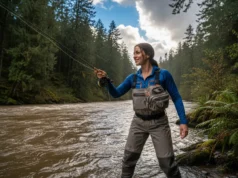
The classic and most accessible method uses light-action spinning tackle. A 6 to 7-foot rod with a sensitive tip, paired with a reel spooled with 4 to 8-pound line, is ideal for casting the small lures required and, more importantly, feeling the subtle bite. The undisputed king of lures is the Shad Dart, a small, brightly-colored jig designed specifically for this fishery. Small flutter spoons and brightly-colored crappie jigs (especially pink and chartreuse) are also highly effective and often more readily available. The primary technique is to cast across the current, allow the lure to sink, and let it drift and swing near the bottom through current seams, deep pools, and areas below obstructions. The retrieve is often a slow, erratic twitch-and-pause that imitates a struggling baitfish.
Fly fishing is an incredibly popular and poetic way to pursue these fish. A 5-7wt fly rod for the larger American Shad (or a 3-5wt for Hickory) with a fast-sinking tip line is essential to get the fly down into the strike zone. Fly anglers use small, bright-colored flies and “darts,” often drifting them through current seams from an anchored position. The details of their anadromous behavior and spawning habitats are what dictate these locations. Mastering this game requires applying these specific techniques within the universal principles of reading water, making it a true test of skill for any definitive guide for river anglers.
Mastering these two distinct playbooks equips you for the entire scope of the shad spawn, but true expertise lies in knowing how to adapt when conditions change and, crucially, how to protect the resource that makes it all possible.
How Can Anglers Protect This Vital Resource?
This is the part of the conversation that matters most. As anglers, we are the frontline stewards of the resources we love. Understanding our role in conservation, a value championed by brands like AFTCO, is not just a responsibility; it’s what separates a good angler from a great one.
Why do shad need protection and what are the angler’s responsibilities?
The hard truth is that many anadromous shad populations, particularly American Shad, are “severely depleted” across their historic range. The primary threats are man-made: historical overfishing and, most significantly, dams that block their migration routes to natal spawning grounds. As a result, many historic shad fisheries are now heavily regulated or entirely closed, like the Hudson River fishery, which saw official data on the Hudson River fishery closure in 2010. It is a non-negotiable, critical responsibility for every angler to check their local regulations before fishing, as many open rivers have strict catch-and-release-only rules for shad.
Because these populations are so vulnerable, practicing proper catch-and-release is vital for ensuring their survival. This means going beyond simply letting the fish go. Use barbless or crimped-barb hooks to make removal easy and minimize damage. Handle fish with wet hands to protect their delicate slime coat, which is their primary defense against infection. Minimize air exposure to less than 60 seconds—a good rule of thumb is to hold your own breath; when you need air, so does the fish. Whenever possible, dehook the fish in the water. If a hook is swallowed deep, always cut the line. The hook will often rust out, giving the fish a far better chance of survival than a damaging removal attempt. Learning the science that turns every release into a future trophy is a commitment to the future of the sport.
Pro-Tip: When releasing a shad in a river, don’t just let it go. Resuscitate a sluggish fish by holding it gently upright facing into the current. Let the water flow over its gills. You will feel the fish begin to regain its strength. Only release it when it swims away strongly under its own power. This small act can make a huge difference in its survival.
This commitment to stewardship is the mark of a true expert angler, one who protects the very resource that provides the “feast” they enjoy.
Conclusion
The “shad spawn” is not one event, but two distinct and thrilling fisheries: a reservoir-based bass feeding frenzy driven by inland shad and a river-based anadromous shad run. How to fish the shad spawn for bass involves understanding that the prime bass catch is triggered by a specific water temperature in the low 70s and is confined to a brief, low-light window at first daylight, demanding a strategy of speed and reaction baits around hard cover. For the anadromous shad themselves, the pursuit requires a complete shift in location, gear, and technique, focusing on light tackle and small darts drifted through river currents. Above all, we learned that many of these anadromous shad populations are severely depleted, making knowledge of local regulations and proper catch-and-release techniques an essential part of responsible angling.
Now that you have the dual playbook, put this knowledge into practice on your local waters. Be a student of the environment, a steward of the resource, and share your shad spawn experiences in the comments below.
Frequently Asked Questions about Shad Spawn Fishing
What water temperature does the shad spawn start?
The temperature varies by species; Gizzard and Threadfin shad in reservoirs begin spawning in water from the high 60s to low 70s, while the prime bass bite occurs around 72°F. Anadromous American Shad have a peak spawning temperature that is cooler, around 65°F.
What are the best baits for the shad spawn?
For targeting bass, the best baits are fast-moving reaction lures like white spinnerbaits, bladed jigs, and topwater walkers. For targeting river-run shad directly, the best baits are small, brightly-colored shad darts and flutter spoons.
What is the best time of day for the shad spawn?
The best time to fish is the first hour of daylight. The spawn itself is a nocturnal event, and the early morning window is the tail end of the activity when predator fish are most active.
What do I do when the shad spawn bite stops?
When the sun gets high and the bite stops, do not move far. The bass and shad will pull out to the first adjacent deep water, such as the ends of docks, nearby points, or shade lines, where they can be targeted with slower, follow-up baits like jerkbaits or finesse swimbaits.
Risk Disclaimer: Fishing, boating, and all related outdoor activities involve inherent risks that can lead to injury. The information provided on Master Fishing Mag is for educational and informational purposes only. While we strive for accuracy, the information, techniques, and advice on gear and safety are not a substitute for your own best judgment, local knowledge, and adherence to official regulations. Fishing regulations, including seasons, size limits, and species restrictions, change frequently and vary by location. Always consult the latest official regulations from your local fish and wildlife agency before heading out. Proper handling of hooks, knives, and other sharp equipment is essential for safety. Furthermore, be aware of local fish consumption advisories. By using this website, you agree that you are solely responsible for your own safety and for complying with all applicable laws. Any reliance you place on our content is strictly at your own risk. Master Fishing Mag and its authors will not be held liable for any injury, damage, or loss sustained in connection with the use of the information herein.
Affiliate Disclosure: We are a participant in the Amazon Services LLC Associates Program, an affiliate advertising program designed to provide a means for us to earn advertising fees by advertising and linking to Amazon.com. As an Amazon Associate, we earn from qualifying purchases. We also participate in other affiliate programs and may receive a commission on products purchased through our links, at no extra cost to you. Additional terms are found in the terms of service.