
In this article
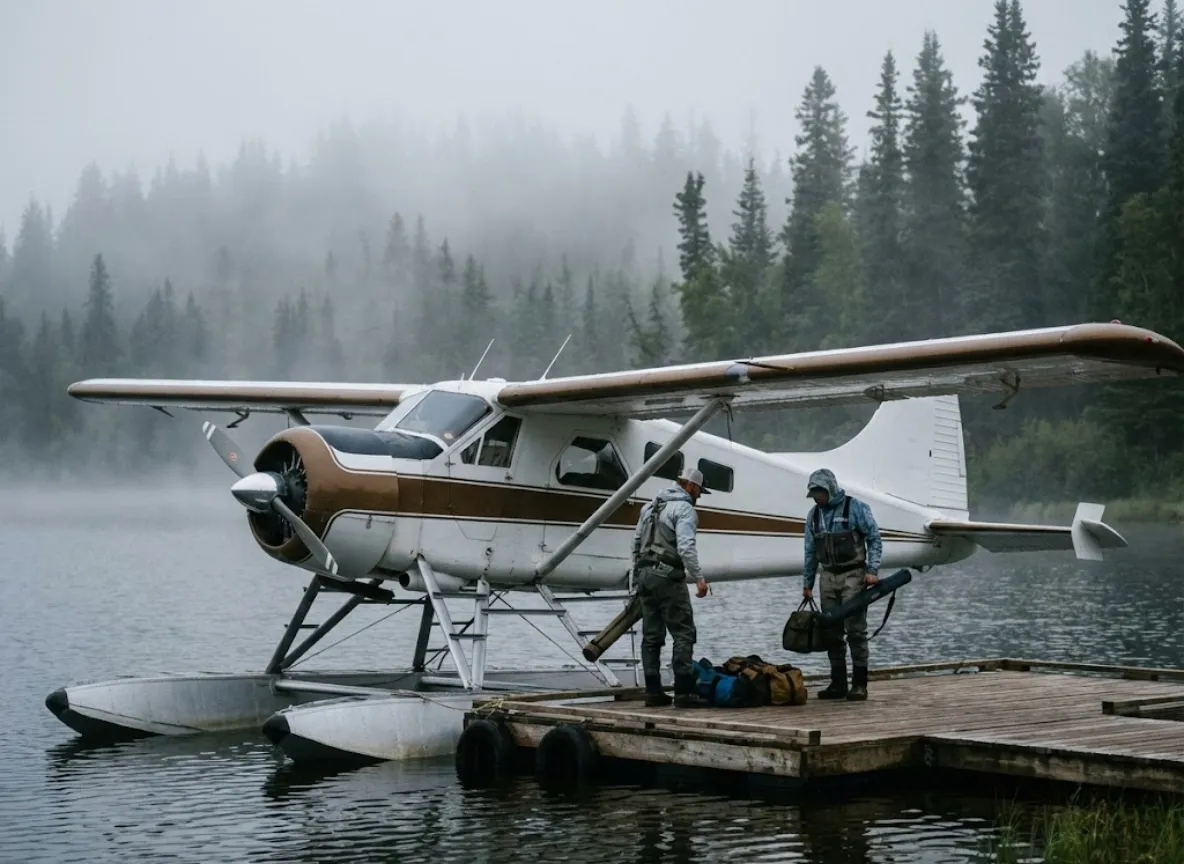
The rotor wash of a DeHavilland Beaver screams across the Nushagak River, signaling the start of a day that costs more than most mortgages. In Alaska, “luxury” is not defined by thread counts or turn-down service; it is defined by the seamless conquest of wilderness variables. You are not just paying for a bed; you are funding a complex supply chain of aviation fuel, marine navigation, and resource access.
To book the right lodge is to understand that the package cost is a reflection of logistics, not just hospitality. I have spent years analyzing these operations, from the industrial efficiency of massive canneries to the precise intimacy of tent camps. This guide moves beyond the brochure fantasy to help you master the geography, biology, and economics of an Alaska trip. You will learn to audit a lodge’s assets—from floatplane transfers to fish processing facilities—and align them with your specific sport fishing goals.
What Defines the “Best” Lodge for Your Goals? (The Decision Matrix)
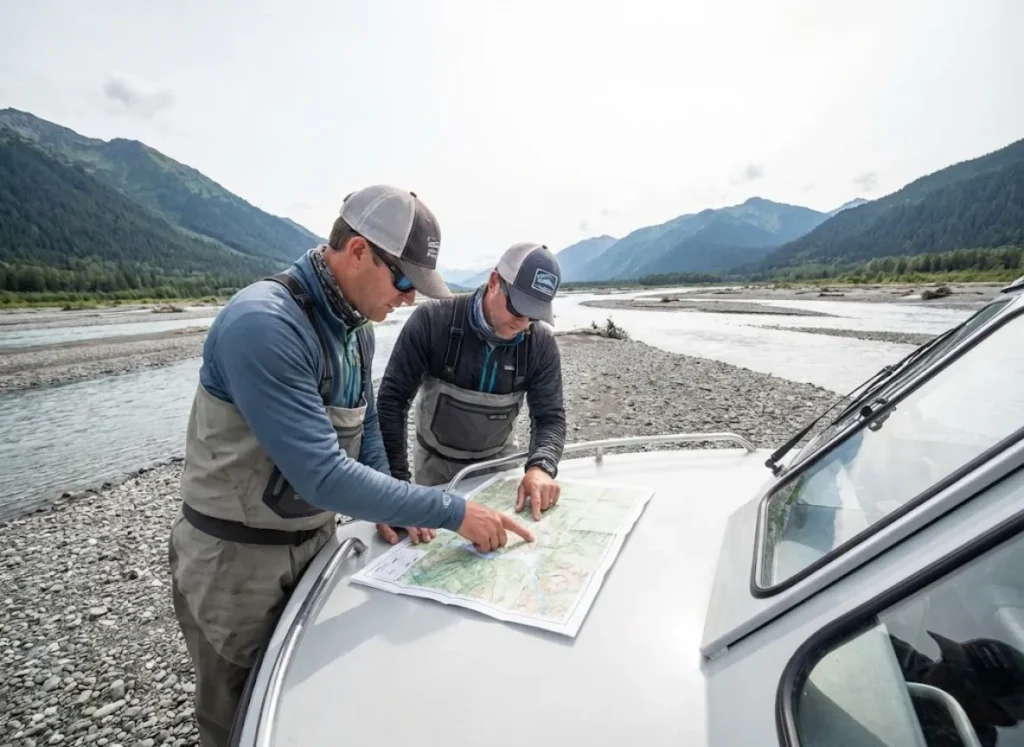
The primary filter for any Alaska wildland adventure is the biological target. You cannot simply book a trip and hope for the best; you must decide if you are hunting biomass or technique. Saltwater lodges in the Inside Passage (Southeast Alaska) focus on volume extraction of Halibut, Lingcod, Rockfish, and feeding Salmon. This “meat haul” approach typically utilizes heavy tackle, bait (herring/squid), and large cabin cruisers to fish depths of 150–300 feet near Prince of Wales Island or Sitka.
Conversely, freshwater lodges in Bristol Bay, the Susitna Valley, or on the Kenai River prioritize “anadromous interception.” Here, you target Salmon as they enter rivers, or resident Rainbow Trout and Arctic Grayling using technical fly fishing or spin fishing methods. While the Pacific Northwest salmon run offers similar species, the density in Alaska is unmatched.
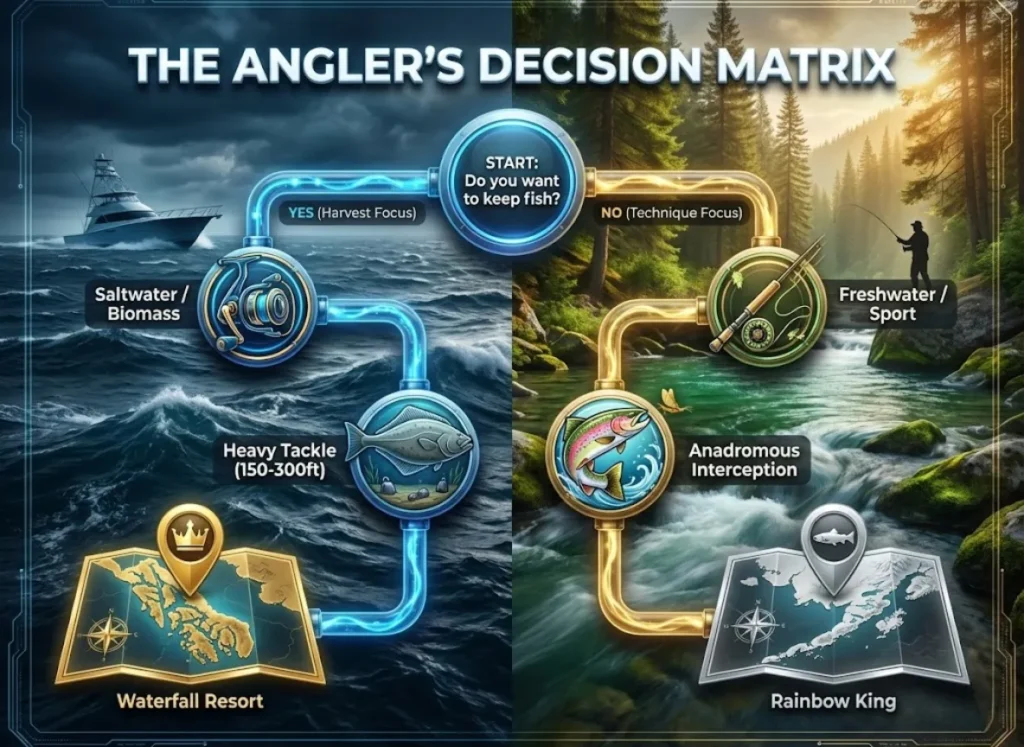
The choice dictates the physical demand. Saltwater fishing is often sedentary but susceptible to seasickness, while freshwater fishing requires wading capability and casting proficiency. Regulatory constraints vary wildly; saltwater zones often have specific “day-off” closures for Halibut. River systems face emergency orders regarding King Salmon retention, which can change overnight. Aligning your “freezer goals” with the fishery is critical; you cannot expect to fill a 50lb box with Alaskan seafood while staying at an inland fly fishing camp targeting resident species.
Fly-Out vs. Stationary: How Does Mobility Impact Price and Risk?
The “Daily Fly-Out” model (exemplified by Rainbow King Lodge, Mission Lodge, or Enchanted Lake Lodge) uses the lodge as an aviation hub, transporting guests via floatplane to different watersheds every morning. This fly-in access model offers the highest variety of water and species, allowing guides to pivot instantly if a specific river is “blown out” by rain. “Stationary” or “boat-in access” lodges access the fishery via jet boat on a home river system, eliminating the daily flight variable.
The economic delta is significant. Maintaining a fleet of Beavers and Otters drives pricing transparency into the $12,000+ tier, compared to $5,000–$8,000 for boat-based lodges like Alaska Sportsman’s or Wilderness Place Lodge. Risk management is the trade-off. Fly-out fishing programs are at the mercy of aviation weather. Low ceilings or fog can ground guests, whereas boat-based lodges guarantee daily rod time regardless of cloud cover.
Choosing a fly-in lodge is an investment in access to unpressured water, but it requires a tolerance for schedule volatility. If you choose the stationary route, your success depends heavily on your skill at reading the water and fishing in current on a single system like Lake Creek or the Kenai.
Pro-Tip: If booking a fly-out lodge, ask about their “backup plan.” Do they have a home river they can access by boat if the planes can’t fly? If the answer is no, you are gambling with your vacation days.
Who Are the Titans of the Inside Passage (Southeast Alaska)?
Waterfall Resort vs. Talon Lodge: Volume or Culinary Luxury?
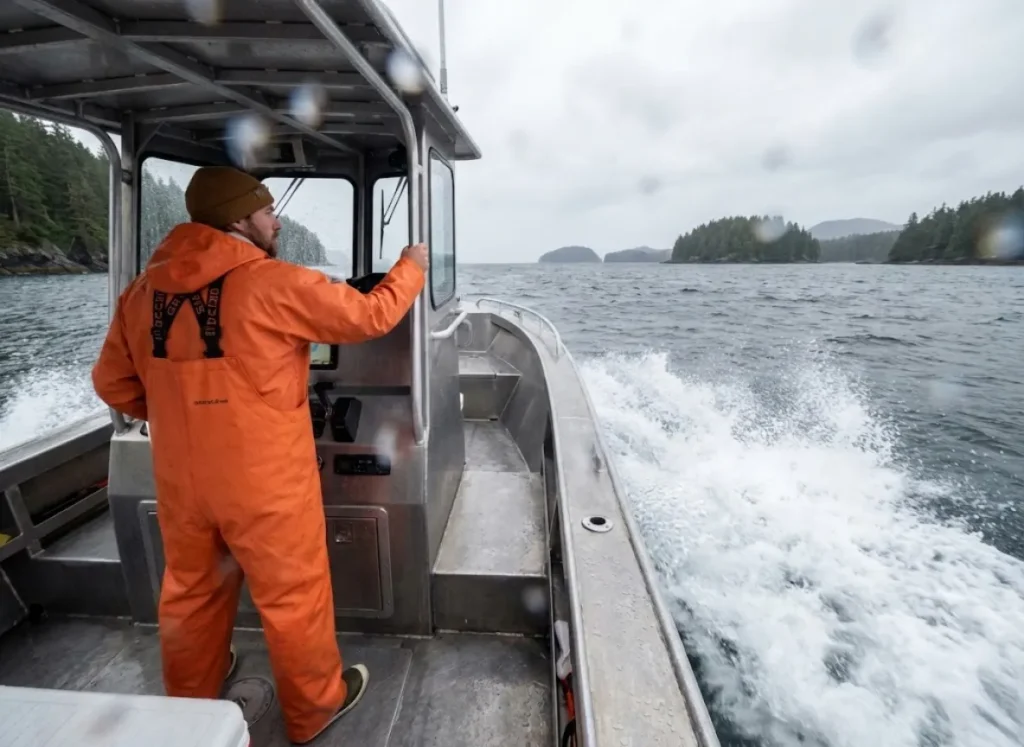
Waterfall Resort operates on an industrial scale as a converted historic cannery (formerly a record-setting salmon cannery), utilizing a massive fleet of standardized 27-foot North River cabin cruisers. Its value proposition is efficiency and volume, capable of processing massive amounts of biomass for corporate groups and “freezer fillers.”
Talon Lodge & Spa in Sitka takes a diametrically opposite approach. They cap guest counts to ensure intimacy and focus on a private island experience. The “hardware” defines the comfort; Waterfall’s heated shared cabins are essential for the damp climate, while Talon utilizes custom-built vessels designed for Sitka Sound’s specific swell.
The “soft product” differentiates the two. Talon integrates James Beard-caliber visiting chefs and wine events, positioning the catch as part of a broader gourmet dining narrative. This distinction forces the angler to choose between a “fishing campus” atmosphere at Waterfall and a “boutique luxury” retreat at Talon. Regardless of the lodge, you must be aware of the federal management plans for Area 2C to understand exactly what you can keep. You will also need durable saltwater spinning reels if you plan on bringing your own fishing gear to these heavy-hitting environments.
Highliner Lodge: Is Vertical Integration the Secret to Better Fish?
Highliner Lodge in Pelican distinguishes itself through vertical integration with “Indigo Fisheries,” a commercial seafood operation owned by the lodge. This connection allows sport-caught fish to be handled with commercial-grade protocols, specifically the “slush ice” bleed technique immediately upon capture. The fleet comprises 36-foot ACI catamarans and Allied Liberators, vessels significantly larger and more stable than the industry standard.
The “Freezer ROI” is maximized here. The package includes unlimited fish processing, vacuum sealing, and shipping of up to 100-150 lbs of fish, a cost often billed separately elsewhere. The larger vessel hulls allow access to “the edge”—distant fishing grounds near Icy Bay or the open Gulf that smaller boats cannot safely reach. This increases the probability of high-grade Halibut and Lingcod.
For the angler who views the trip as a food-sourcing expedition, the integration of commercial-grade handling standards offers the highest tangible return. However, Pelican is notoriously wet, so packing the best rain gear for fishing is not optional; it is a survival requirement.
Which Bristol Bay Lodges Dominate the Freshwater Game?
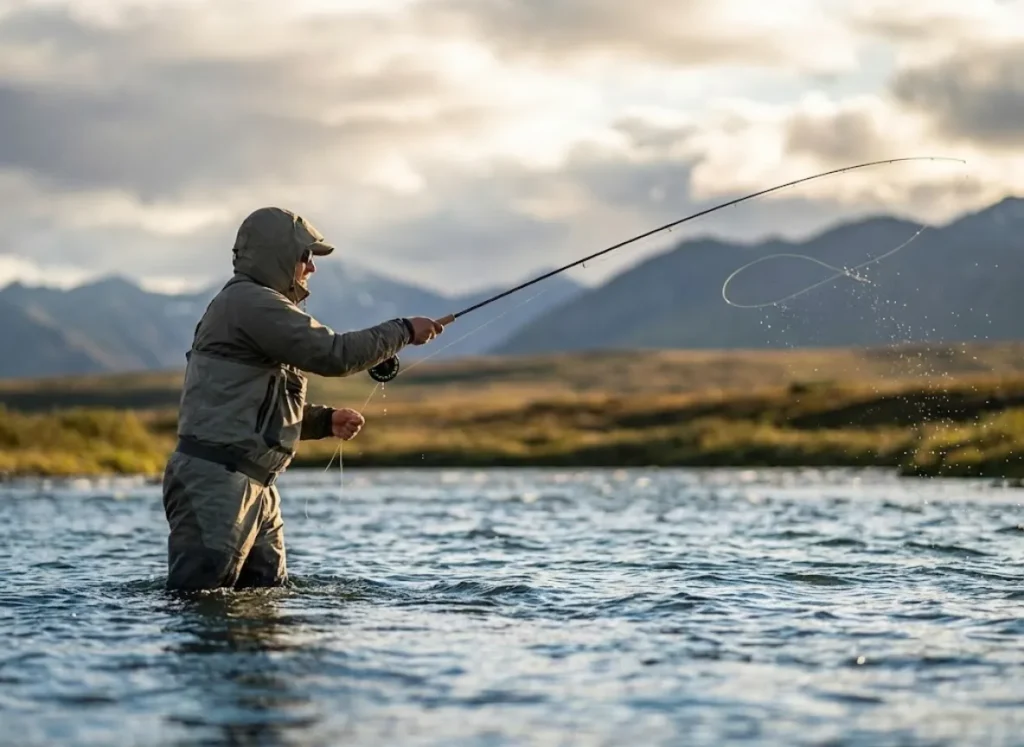
Rainbow King Lodge: Is the Air Superiority Worth the Premium?
Rainbow King Lodge represents the apex of the “Fly-Out” ecosystem, maintaining a private air force of DeHavilland Beavers and a Turbine Otter. This asset base allows guests to access over 110 square miles of licensed water, chasing runs across the Iliamna watershed rather than waiting for them. The program pivots between Strategic Rainbow Trout Facts application (catch and release) and salmon harvesting, depending entirely on the daily biological reality.
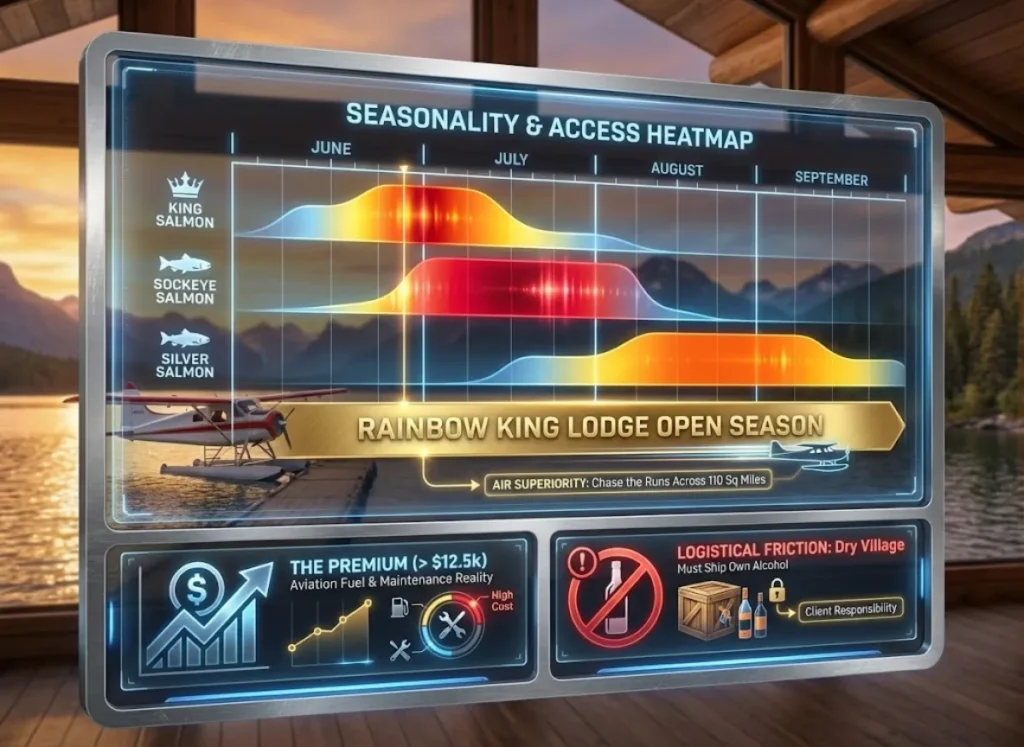
The premium price tag (often exceeding $12,500) is a direct reflection of aviation fuel, maintenance, and insurance costs required to sustain this mobility. A critical logistical friction point is the “Dry Village” status of Iliamna and Aleknagik. Guests must procure and ship their own alcohol, a hurdle that catches many luxury travelers off guard. The value here is strictly “access exclusivity”—the ability to stand in a river where you are the only human for fifty miles.
Angler’s Alibi vs. King Salmon Lodge: Technical or Accessible?
Angler’s Alibi is situated in the “tidewater” section of the Alagnak River, intercepting salmon when they are “chrome bright” and fresh from the ocean. The lodge focuses on a 2:1 guide-to-guest ratio and technical methods, catering specifically to Spey rod enthusiasts and fly anglers targeting Chinook Salmon. You will need the best fly fishing waders here, as you will be standing in cold water all day.
King Salmon Lodge offers a different advantage: road system access via the Naknek River highway. It serves as a hub for both fishing and bear viewing at Brooks Falls in Katmai National Park. Angler’s Alibi has upgraded to high-speed Starlink availability, allowing for Wi-Fi calling and business connectivity in a camp that was historically rustic. King Salmon Lodge’s connection to the municipal grid provides a “civilized wilderness” experience, ideal for mixed groups who may want to fish one day and tour Katmai the next.
Where Can You Find Value in Kodiak and Southcentral?
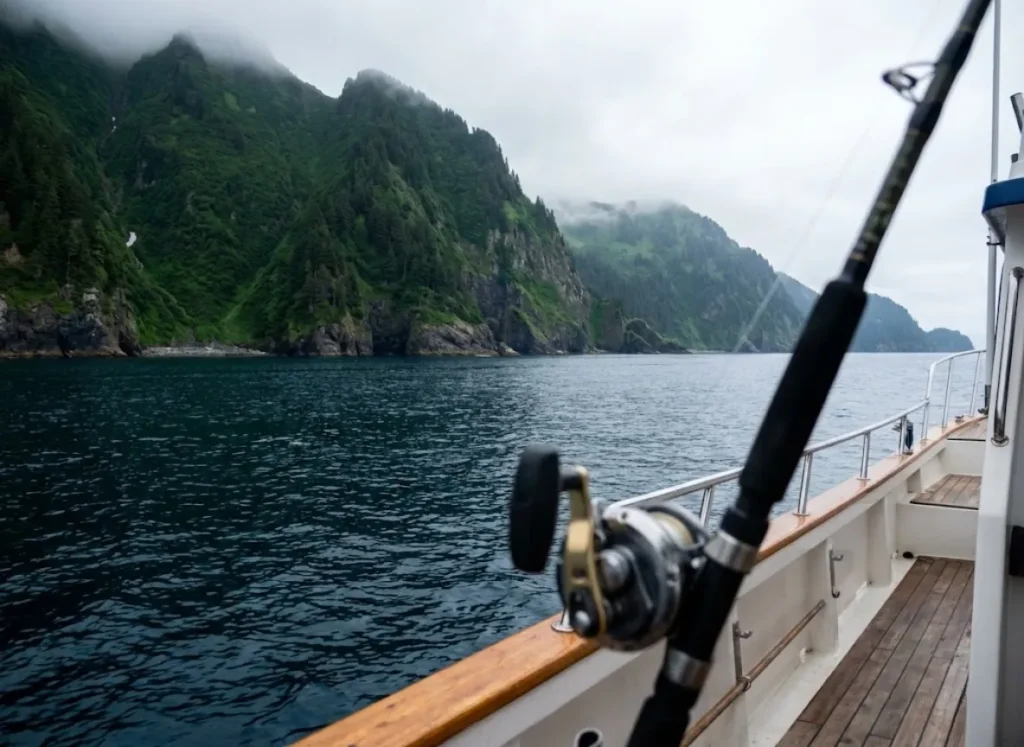
Kodiak Lodge & Otter Cove: How Do Boat-In Logistics Lower Costs?
Kodiak Lodge, located in Larsen Bay, operates a “Salt & Stream” hybrid model, using high-speed boats to access both the Shelikof Strait for Halibut and local rivers for Silver Salmon (Coho). The Lodge at Otter Cove in Homer utilizes water taxis for access, drastically reducing the “entry cost” compared to floatplane transfers. These lodges occupy the $4,000–$6,000 price tier, offering a high-service experience without the five-figure investment of Bristol Bay or ultra-luxury venues like Tordrillo Mountain Lodge.
Regulatory awareness is crucial here. Area 3A regulatory mandates dictate that charter vessels cannot retain halibut on certain days of the week (Tuesdays or Wednesdays in recent seasons). A guest booking a standard 3-day package that overlaps these days may be legally barred from harvesting their target species. You must check the state fishing regulations before booking your dates. The value proposition relies on the “Incidental Catch”—using the boat to access diverse fisheries like Kodiak Island or the Kenai Peninsula rather than relying on a single species run.
What Are the Hidden Economics of an Alaska Trip?
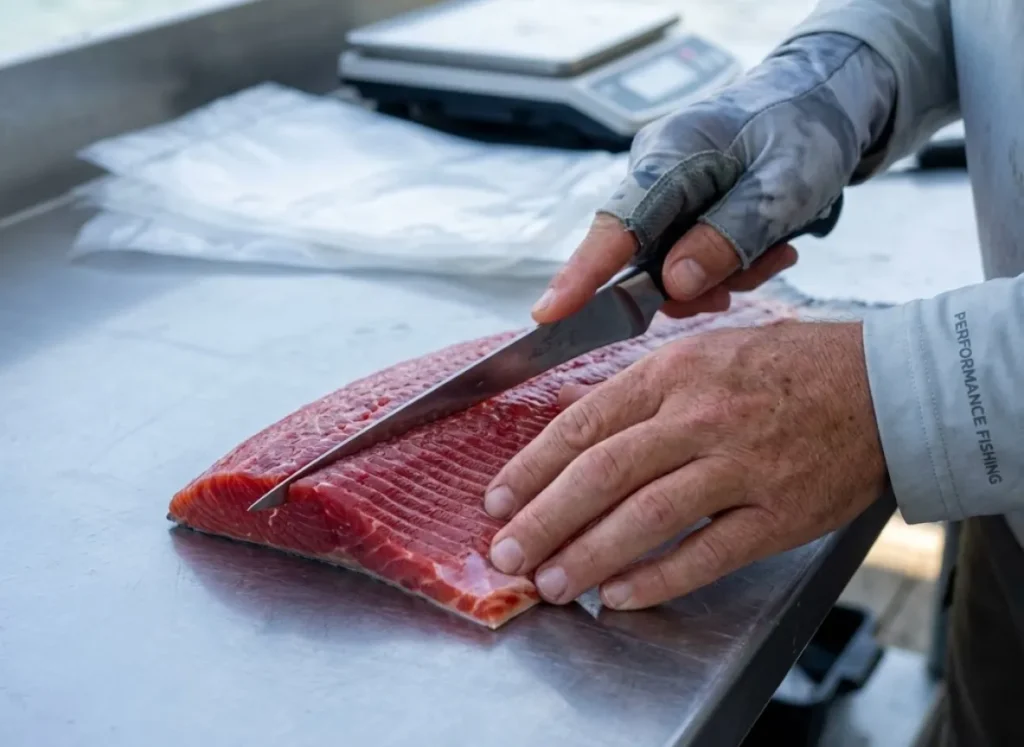
How Do You Calculate the “Protein ROI” of Your Trip?
The “All-Inclusive” label in Alaska rarely includes alcohol, gratuities, or the specific costs of boxing fish and shipping. “Protein ROI” is calculated by assessing the market value of the retained catch (e.g., 50 lbs of Halibut fillets) against the processing fees charged by the lodge. Lodges like Highliner that include processing create a “hidden subsidy” of over $500 compared to lodges that charge per pound for cutting and vacuum sealing.
The quality of the “yield” matters. Industrial processing (flash-freezing) preserves the Alaskan seafood for a year, whereas improper handling degrades the asset immediately. This calculation transforms the trip from a pure expense into a partial investment in household food security. The nutritional value of wild salmon is incredibly high, making this a tangible return. However, always prioritize fish conservation for anglers and adhere to strict bag limits.
Logistics & Cost Matrix (2026 Projections)
Compare Alaskan Fishing Lodges by Access, Cost, and Amenities
Alcohol Policy
Extra (Saloon)
Fish Processing
Included (Industrial)
Starlink/Wifi
Yes
Alcohol Policy
Extra (Except Wine events)
Fish Processing
Extra Fee
Starlink/Wifi
Yes
Alcohol Policy
Extra
Fish Processing
Included (Unlimited)
Starlink/Wifi
Yes
Alcohol Policy
BYOB (Dry Village)
Fish Processing
Included
Starlink/Wifi
Yes
Alcohol Policy
Included
Fish Processing
Included
Starlink/Wifi
Yes
Alcohol Policy
Extra
Fish Processing
Included
Starlink/Wifi
Yes
Alcohol Policy
Included (Beer/Wine)
Fish Processing
Included
Starlink/Wifi
Yes
Alcohol Policy
Extra
Fish Processing
Included
Starlink/Wifi
Yes
Why Is Connectivity (Starlink) the New Luxury Standard?
Historically, “remote” meant “disconnected,” but the proliferation of Starlink satellite internet has fundamentally altered the reality. Lodges like Angler’s Alibi and King Salmon Lodge now offer low-latency satellite connectivity capable of supporting video conferencing and Wi-Fi calling. This capability expands the “Total Addressable Market” to business owners and executives who previously could not risk being offline for a week.
For the safety-conscious traveler, this provides a lifeline in case of medical emergencies or weather delays that is independent of legacy satellite phones. This is a critical factor when planning family fishing vacations where checking in with home is non-negotiable. It redefines “luxury” not just as comfort, but as “autonomy”—the ability to control one’s communication regardless of how deep in the wilderness one travels.
Pro-Tip: Don’t assume Starlink means Netflix streaming for the whole camp. Bandwidth is often throttled to ensure voice and email work first. Download your movies before you leave home. This isn’t a Tahoe ski resort or a Wisconsin vacation rental; data is precious.
Final Assessment
The market for Alaska fishing lodges is complex. Geography dictates biology; you cannot catch King Salmon in October, nor huge Halibut in a creek. Aviation drives cost; if you don’t require the daily variety of a floatplane, a boat-in lodge like Kenai Riverside offers better fiscal value. Finally, watch for the “hidden” included costs. Alcohol policies and processing fees can swing the total trip cost by $1,000+ per group.
Explore our full library of destination guides to deepen your understanding of specific fisheries before you book your deposit.
FAQ – Frequently Asked Questions
How much does an all-inclusive Alaska fishing trip cost?
Prices range widely based on access. Boat-in lodges typically run $4,000–$6,000 per person, while daily fly-out fishing lodges command $10,000–$15,000. Always factor in exclusions like commercial airfare to the hub (usually Anchorage), gratuities (typically 10-15%), and alcohol.
Can I bring my fish home from an Alaska lodge?
Yes, bringing home biomass is a core part of the experience. Most lodges offer vacuum sealing and flash-freezing services (either included or for a fee). You are limited by ADF&G possession limits (e.g., 2 bag limits of salmon) and airline baggage weight restrictions.
Do Alaska fishing lodges provide alcohol?
It varies by location. Many lodges in Dry Villages (like Aleknagik) legally cannot sell alcohol, requiring guests to ship their own in advance. Others, like Waterfall Resort, have licensed bars where drinks are charged to your room, while some luxury lodges include beer and wine in the rate.
What is the best month to fish in Alaska?
June and early July are peak for Chinook Salmon (King), while mid-July offers the massive Sockeye Salmon runs. August and September are premier months for Silver Salmon (Coho) and Trophy Rainbow Trout as they feed on spawn. Check a seasonality chart for specific run times.
Risk Disclaimer: Fishing, boating, and all related outdoor activities involve inherent risks that
can lead to injury. The information provided on Master Fishing Mag is for educational and informational purposes
only. While we strive for accuracy, the information, techniques, and advice on gear and safety are not a substitute
for your own best judgment, local knowledge, and adherence to official regulations. Fishing regulations, including
seasons, size limits, and species restrictions, change frequently and vary by location. Always consult the latest
official regulations from your local fish and wildlife agency before heading out. Proper handling of hooks, knives,
and other sharp equipment is essential for safety. Furthermore, be aware of local fish consumption advisories. By
using this website, you agree that you are solely responsible for your own safety and for complying with all
applicable laws. Any reliance you place on our content is strictly at your own risk. Master Fishing Mag and its
authors will not be held liable for any injury, damage, or loss sustained in connection with the use of the
information herein.
Affiliate Disclosure: We are a participant in the Amazon Services LLC Associates Program, an
affiliate advertising program designed to provide a means for us to earn advertising fees by advertising and linking
to Amazon.com. As an Amazon Associate, we earn from qualifying purchases. We also participate in other affiliate
programs and may receive a commission on products purchased through our links, at no extra cost to you. Additional
terms are found in the terms of service.