In this article
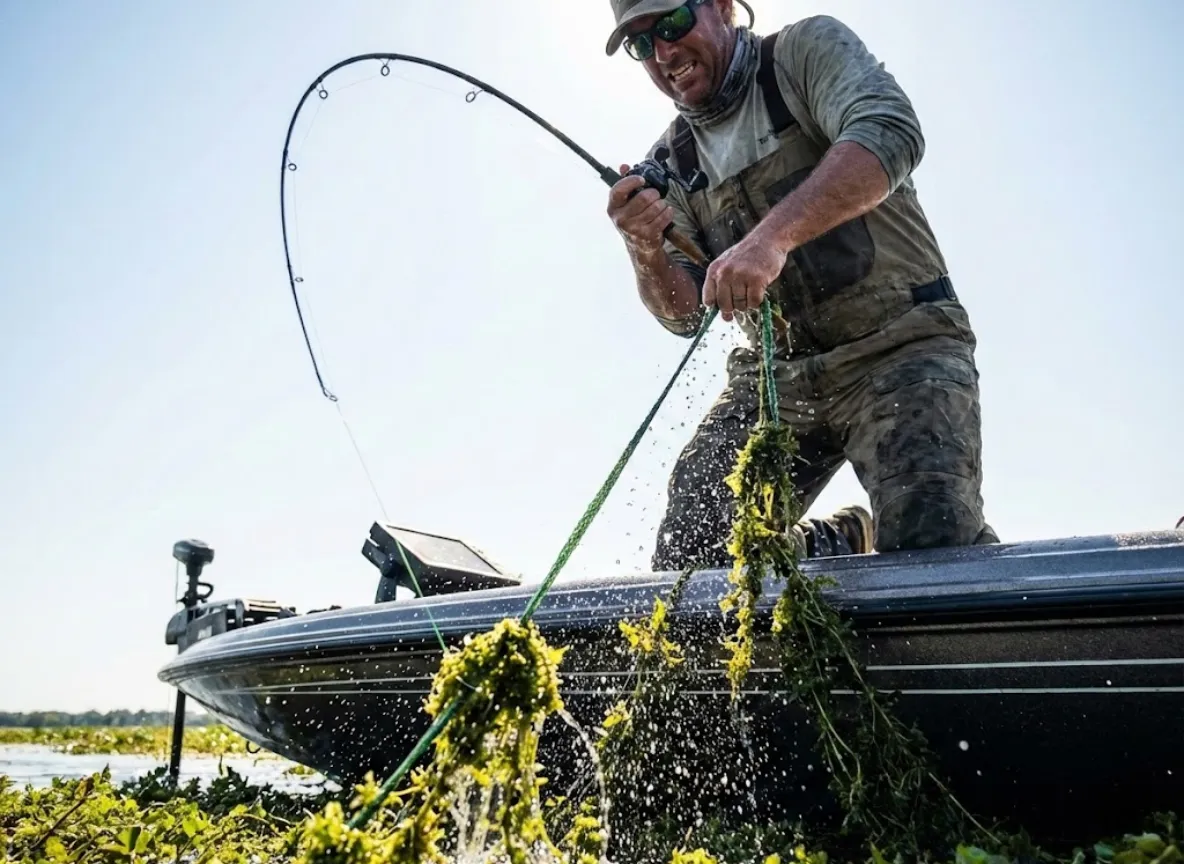
A 4-pound bass buried deep in hydrilla requires a serrated knife, not a silk ribbon. Yet, most anglers spool their reels based entirely on the “lb test” printed on the box—a number that, in the US market, is often a complete fabrication designed to compensate for bad knots. This disconnect between what is printed on the spool and the physics occurring underwater results in lost fish, wind knots, and wasted money.
We don’t rely on marketing hype. Our team has spent years on the water, from the heavy mats of Florida to clear reservoirs, testing lines against the harsh realities of friction and tension. We combine this field experience with data-backed stress tests to decouple the “diameter deception” from actual performance. This technical guide will move you from guessing based on brand loyalty to selecting a braided fishing line based on Actual Breaking Strength (ABS), diameter-to-strength ratio, and strand architecture.
How to Choose the Right Braided Fishing Line

Choosing the right line is about understanding physics, not buying a brand. Once you look past the packaging, you realize that the number of carriers (strands) dictates the line’s texture, and texture dictates how it interacts with water and cover.
Strand Count Architecture: The “Saw” vs. The “Sphere”
The most critical decision you make is between 4-strand and 8-strand weaves. A 4-carrier line has a rougher texture, creating a “saw-tooth” effect. This roughness is a mechanical necessity for cutting through kelp and lily pads, which is why it is central to essential strategies for fishing heavy cover. However, that same texture creates a “singing” noise through your guides.
Conversely, 8-carrier lines use more strands to create a smoother, rounder profile. This reduces aerodynamic drag, allowing for long bomb casts, but often lacks the internal abrasion durability of the thicker 4-strands. Smooth lines also facilitate laminar flow, helping deep crankbaits dive deeper. To verify these structural differences, we reference data from Line Laboratory, an independent entity that measures the physical variance between weave types like 9 strand, 12 strand, and even 16 strand braids.
Pro-Tip: If you are flipping heavy vegetation, do not use smooth 8-strand braid. It slides over the plant stems rather than cutting through them, leaving you pinned. Stick to 4-strand for the “machete” effect.
Material Composition: Dyneema, Spectra, and GORE
At the core of almost all superlines is Ultra-High Molecular Weight Polyethylene (UHMWPE), often branded as Dyneema or Spectra fibers. These fibers are 15 times stronger than steel by weight. However, manufacturers manipulate performance by adding other materials, such as GORE performance fibers (ePTFE). Adding a strand of GORE increases density, allowing the line to sink faster and reducing vibration, which changes the outcome when comparing braided vs fluorocarbon vs monofilament properties.
We must also address the longevity of these plastics. Unlike monofilament, braid does not degrade quickly in sunlight, meaning lost line persists in the environment for decades. It is vital to follow the BoatUS Foundation standards for line recycling rather than throwing it in the trash. Eco-conscious angling demands proper disposal to prevent issues for wildlife.
Our Selection Process: How We Built This Guide
We reject the “feel” test in favor of the “stress” test. While on-the-water experience validates handling, it cannot measure tensile limits accurately. Our evaluation framework analyzes products based on Actual Breaking Strength (ABS) versus Rated Strength, specifically calculating tensile rank. We specifically look for Diameter Deviation—checking if a line is significantly thicker than claimed, which is a common trick to boost strength ratings.
We synthesized independent data with qualitative consensus from professional bass circuits and field durability reports, considering respected names like Melton Tackle and insights from Outdoor Gear Lab. While we may earn a commission from links, our recommendations are driven by data physics. If a line claims 20lbs but breaks at 18lbs, it doesn’t make the list.
The Best Braided Fishing Lines of 2026: Our Top Recommendations for Every Need
Our Top Picks for The “Power & Utility” Angler (Heavy Cover & General Baitcasting)

Our Top Picks for The “Precision Finesse” Angler (Spinning Reels & Clear Water)
Our Top Picks for The “Specialized Performance” Angler (Eco-Conscious & Distance)
Conclusion
The “pound test” printed on the box is often just a marketing suggestion. To truly optimize your setup, you must buy based on diameter and weave architecture, ignoring claims like “best braided fishing line for bass” without scrutiny. For heavy cover and vegetation, 4-strand braid like PowerPro is a mechanical necessity for its cutting power. Conversely, for deep water and spinning gear, 8-strand braid like Sufix 832 is essential for drag reduction and silence.
We must also look to the future and sustainable fishing. As biodegradable options mature, consider lines like TUF-Line for environments that need protection. Check your reel’s spool capacity, ignore the “lb” rating on the box, and buy the line that fits the cover you are fishing, not just the fish you are chasing.
FAQ – Frequently Asked Questions
Does braid color matter for fish visibility?
Fish see contrast, not just color. In clear water, high-vis braid can spook line-shy fish, which is why a fluorocarbon leader is recommended. For a stealthy main line option, consider Seaguar Smackdown in Stealth Grey.
Can I use braided line on a spinning reel?
Yes, but you must manage wind knots by manually closing the bail after each cast. If you struggle with loops and tangles, Berkley Fireline is the best choice due to its stiffness and memory.
How long does braided fishing line last?
High-quality UHMWPE braid can last 3-5 years on the spool because it does not degrade from UV light or water like monofilament. However, if you use biodegradable options, you must replace them annually to ensure structural integrity and prevent unexpected line snap.
How do I spool braided line correctly?
Braid has no stretch, so it can slip on the spool arbor if tied directly. You must use a mono backing or a piece of electrical tape to grip the spool. For a complete guide, check our tutorial on how to put line on a fishing reel.
Risk Disclaimer: Fishing, boating, and all related outdoor activities involve inherent risks that can lead to injury. The information provided on Master Fishing Mag is for educational and informational purposes only. While we strive for accuracy, the information, techniques, and advice on gear and safety are not a substitute for your own best judgment, local knowledge, and adherence to official regulations. Fishing regulations, including seasons, size limits, and species restrictions, change frequently and vary by location. Always consult the latest official regulations from your local fish and wildlife agency before heading out. Proper handling of hooks, knives, and other sharp equipment is essential for safety. Furthermore, be aware of local fish consumption advisories. By using this website, you agree that you are solely responsible for your own safety and for complying with all applicable laws. Any reliance you place on our content is strictly at your own risk. Master Fishing Mag and its authors will not be held liable for any injury, damage, or loss sustained in connection with the use of the information herein.
Affiliate Disclosure: We are a participant in the Amazon Services LLC Associates Program, an affiliate advertising program designed to provide a means for us to earn advertising fees by advertising and linking to Amazon.com. As an Amazon Associate, we earn from qualifying purchases. We also participate in other affiliate programs and may receive a commission on products purchased through our links, at no extra cost to you. Additional terms are found in the terms of service.