In this article
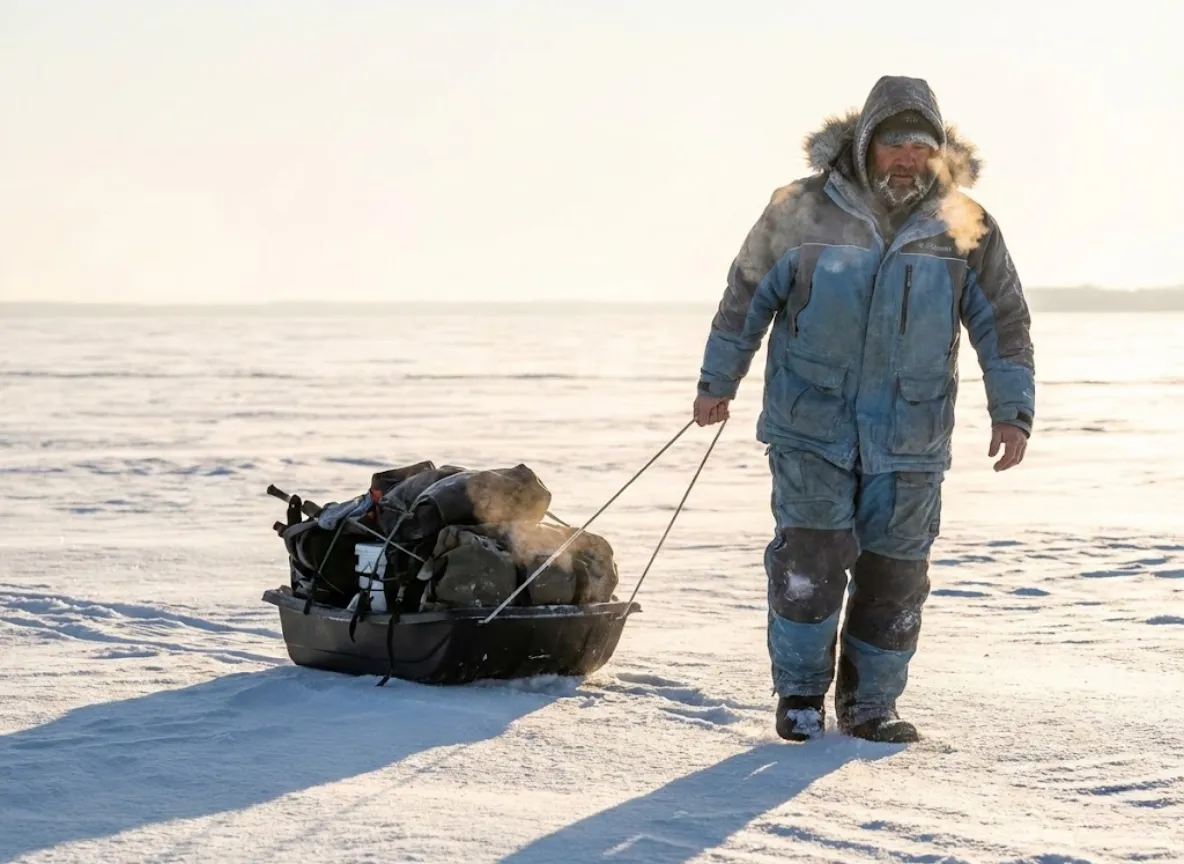
The wind on the open basin of Big Traverse Bay doesn’t just blow; it screams across ten miles of featureless ice, stripping the heat from your layers in seconds. This is the reality of the Northern Minnesota hardwater season—an environment that demands respect before it yields a reward.
To the uninitiated, the “Land of 10,000 Lakes” is just a map of blue shapes. But to the dedicated ice angler, it is a complex ecosystem of distinct biomes. Success here requires more than just drilling a hole; it demands understanding the specific personality of the water.
In my years guiding on the ice, I’ve learned that true outdoor competence comes from matching your mission profile to the limnology of the lake. Whether you are navigating the stained, shallow factories of the north or the clear, technical basins of Central Minnesota, this guide will help you turn theoretical reports into confident action.
What Defines the 2025-2026 Minnesota Hardwater Season?

The 2025-2026 season is defined by a tension between strong year-class populations and unprecedented angling pressure. This dynamic has triggered tighter fishing regulations that every angler must internalize before loading the truck. “Abundance” has necessitated “restriction.”
Upper Red Lake has implemented a strict four-Walleye possession limit, with only one allowed over 17 inches. This rule is designed to protect the broodstock while still allowing the harvest of “eaters.” Meanwhile, Lake Mille Lacs maintains a conservative three-fish limit. However, the most significant shift has occurred with Yellow Perch on Mille Lacs, now reduced to a 10-fish limit to distribute the harvest more equitably.
These regulations are not arbitrary. They are responses to biological surveys where high catch rates can deplete a year-class in a single winter. Anglers must consult the specific Upper Red Lake Fishing Regulations prior to drilling, as statewide general limits rarely apply to these Tier 1 fisheries.
The rise of “wheelhouse” culture has increased harvest efficiency. This makes catch-and-release discipline vital for sustaining the trophy potential of lakes like Lake Vermilion. Navigating the complexities of state fishing regulations helps you understand the “Slot Limits” (e.g., releasing 19.5″-28″ fish on LOTW). Adhering to these DNR guidelines is the mark of a conservation-minded angler who prioritizes the fishery’s future over a full freezer.
Which “Industrial” Basins Offer the Best Volume Fishing?
If your mission is high catch rates and logistical ease, the “Tier 1” lakes of the north—Red Lake and Lake of the Woods—are the undisputed kings.
Why is Upper Red Lake considered the “Early Ice King”?
Upper Red Lake is a massive, shallow basin (max depth ~15-17ft) that freezes earliest, typically offering the first walkable ice of the season. Unlike the strictly tribal waters of Lower Red Lake to the west, the Upper basin is open to state anglers. The water is heavily bog-stained (tannic). This dark water filters sunlight, allowing Walleye to feed aggressively in shallow water throughout the day, rather than just at dawn or dusk.
Tactical simplicity rules in this walleye goldmine. A “One-Two Punch” is the standard: use aggressive jigging spoons to call fish in, paired with a passive deadstick (minnow under a bobber) nearby. The lack of bottom structure forces fish to roam in “wolf packs” across the mud flats. Mobility is less about finding a specific reef and more about intercepting cruising schools.
Critical Safety: The lake is divided by a rigid, invisible line—the Red Lake Reservation boundary. State anglers must strictly stay east of longitude 94° 43′ 12.0″ W. Violating this boundary is a federal trespassing offense. A reliable GPS chip or phone app is mandatory gear, not a luxury. Consult the Red Lake Nation DNR Guidelines to visualize this border clearly.
While Red Lake offers a shallow, aggressive bite, its northern neighbor offers a deeper, more complex ecosystem. When preparing for first ice fishing, understanding these depth differences is crucial for safety.
How does Lake of the Woods differ as an international fishery?
Lake of the Woods (LOTW) functions as an inland sea. The Minnesota side (Big Traverse Bay) acts as a deep (30ft+) mud basin. The sheer biomass of Sauger and Walleye supports a massive sleeper houses industry, where anglers can live comfortably on the ice for days. Primary access points like Wheeler’s Point and Zippel Bay serve as the gateways to the main basin and the Rainy River mouth.
Fishing in 30+ feet of water introduces significant physiological risks to the fish. Mitigating the risks of barotrauma in fish is essential here; reel fish in slowly to allow them to decompress, and release slot-fish immediately.
Pro-Tip: Gold is the universal lure color on LOTW due to the humic stain of the water and the shiner forage base. If the bite slows, switch to a glow-red spoon to trigger a reaction strike.
The MN DNR Lake of the Woods Management plan emphasizes the “Aggregate Limit.” This allows for high-volume harvesting, but identification is key. Sauger fishing is excellent here, but you must know the difference: Sauger have spotted dorsal fins and lack the white tip on the tail found on Walleye. Anglers near the river mouth may also encounter Lake Sturgeon, a dinosaur of a fish that requires heavy gear.
Where Should Anglers Go for Structure-Oriented Trophy Hunting?
For the angler who prefers technical challenges, electronics, and hunting specific structures over simple volume fishing, the central giants offer a different game.
Why does water clarity dictate strategy on Mille Lacs?
Mille Lacs Lake has been transformed by invasive Zebra Mussels. This has resulted in high water clarity that spooks fish easily during midday. Anglers must abandon the loud rattle spoons of the north in favor of finesse presentations.
Think fluorocarbon leaders, smaller flutter spoons, and silent tungsten jigs. The primary target structures are the famous “Mud Flats” in the basin and the sharp breaklines of the rock reefs. This requires precise boat control or “spot-on-the-spot” drilling.
Because of the clarity, understanding rod action vs power is critical. A lighter power rod allows for the use of lighter line and smaller baits without breaking off. The clarity pushes prime feeding windows to crepuscular periods (dawn/dusk) or night fishing, making sleeper houses effective for the “night bite.”
“Hole Hopping”—drilling a grid of holes along a breakline and moving quickly—is often more effective than sitting and waiting. In clear water, fish can see lures from a distance but often inspect without striking. The MN DNR LakeFinder provides specific hydrographic data to help you locate these reefs.
What makes Lake Vermilion and Leech Lake technical challenges?
Lake Vermilion is a structural maze with 365 islands. This creates endless current “pinch points” and saddles that funnel baitfish. Leech Lake presents a duality: Walker Bay and Agency Bay are deep, shield-style basins requiring heavy metal tactics, while the main lake is a shallow flowage best suited for tip-ups.
Success on these lakes is heavily dependent on mastering how to read a fish finder. You must trust your Lake Chip to locate small, isolated humps in vast open water. Transition zones—where the bottom composition changes from rock to sand or mud—are the “highways” for Walleye in these systems.
Vermilion offers a unique mixed bag, with a recovering Tullibee population fueling the growth of massive Northern Pike and Muskies. Leech Lake, managed in part by the USDA Forest Service, is also a cult destination for Eelpout (Burbot), a freshwater cod species targeted at night on heavy glow jigs near the bottom.
Which “Action Reservoirs” Provide the Best Multi-Species Experience?
Sometimes, the goal is consistent action and a full frying pan rather than a trophy hunt.
How do reservoirs like Winnibigoshish and Big Sandy offer consistency?
Lake Winnibigoshish (Winnie) is a Mississippi River reservoir known as a “Perch Mecca.” Here, schools of Jumbo Perch roam the expansive flats. Big Sandy Lake and Bowstring Lake offer similar reservoir dynamics: darker water, flowage current, and high populations of Northern Pike and Tullibee alongside Walleye. Nearby Squaw Lake and Sand Lake are often overlooked gems that provide excellent mid-winter action without the crowds.
These waters are ideal for “Basecamp” style trips. The goal is consistent flags on tip-ups and active jigging for panfish. It is the perfect environment for introducing new anglers to the sport. The strategy here is “Swiss Cheesing”—drilling many holes over a large area to locate the mobile schools of Perch.
Downsizing is critical. Replace heavy spoons with small Tungsten Jigs tipped with waxworms or minnow heads. This downsizing is key to mastering how to catch perch and triggering bites from diverse species.
For those in the Brainerd Lakes Area, Gull Lake offers accessible panfish action, while Pokegama Lake serves as a nearby alternative for those seeking Lake Trout. Lake Bemidji is another convenient hub with reliable structure for Walleye and Perch. Check the U.S. Army Corps of Engineers for current water level data, which dictates fish location in these reservoirs.
How Does Gear Selection Change Based on Lake Limnology?
Your lure selection should not be a guess; it should be a calculated decision based on light physics.
Why is matching lure color to water clarity the “Golden Rule”?
In Stained/Humic systems (Red Lake, LOTW), light penetration is poor. Fish rely on their lateral line and contrast. The “Gold Standard” applies here: Metallic Gold, Glow Red, and Pink lures maximize visibility and mimic the flash of shiners in the gloom. Lures with internal rattles (like the Buck-Shot Rattle Spoon) are essential in stained water to help fish locate the bait through vibration before they can see it.
In Clear/Oligotrophic systems (Mille Lacs, Pokegama), fish rely primarily on sight. They can be repelled by unnatural glow or loud rattling. Anglers should switch to “Match the Hatch” patterns: Silver, Perch, Blue/Chrome, and translucent plastics that resemble invertebrates.
This is grounded in understanding how fish see underwater. In clear water, a “Medium-Light” power rod is the utility player for jigging, but a dedicated “Deadstick” rod with a soft, fiberglass noodle tip is crucial for visual bite detection on passive sets. The University of Minnesota Sea Grant provides excellent context on how invasive species like Zebra Mussels alter these optical environments.
What Are the Critical Logistics for a Safe and Legal Trip?
You have the map, the plan, and the gear. The final hurdle is the logistics of getting onto the ice safely.
How do anglers navigate public access and ice roads safely?
On industrial lakes, paying the daily access fee ($15-$25) to use a Resort-Maintained Ice Road is the safest investment an angler can make. Resorts actively monitor ice thickens and bridge dangerous pressure ridges. “Wildcatting” from public ramps requires extreme caution and self-reliance.
Key Public Access Coordinates:
- Upper Red Lake: Tamarac River (48.167, -94.512)
- LOTW: Wheeler’s Point (49.097, -94.824)
- Mille Lacs: Isle Public Access (46.138, -93.460)
Locating the right bait is critical. Utilize shops like Log Cabin Bait (Baudette) or Hillman’s Store (Waskish) that stock premium shiners specific to the local bite. Always verify current ice road reports via the resort’s social media before driving out. Cracks can open overnight even in sub-zero temperatures.
Safety gear is non-negotiable. Ice picks around your neck, a shovel in the truck, and a tow strap are mandatory for vehicle travel on the basin. Before you go, spend time reviewing the ice fishing basics and consult the MN DNR Ice Safety Guidelines.
Pro-Tip: Never rely solely on a phone for navigation. Cold drains batteries instantly. Always carry a handheld GPS or a paper map as a backup when travelling miles offshore.
Final Cast
Success on the Minnesota ice isn’t about luck; it’s about preparation. Match your mission to the lake. Choose Red Lake or LOTW for volume, or Mille Lacs and Vermilion for a technical hunt. Respect the Red Lake reservation boundary, adapt your lure colors to the water clarity, and always verify the latest possession limits.
Whether you’re chasing a 30-inch Walleye or a bucket of Perch, the hardwater awaits. Share your 2026 season reports and catch photos in the comments below to help the community stay current on the bite.
FAQ – Frequently Asked Questions about Minnesota Ice Fishing
What is the legal fishing boundary on Upper Red Lake?
State anglers must stay east of the longitudinal line 94° 43′ 12.0 W. Crossing this invisible line constitutes trespassing on Red Lake Nation waters and is strictly enforced via GPS monitoring.
What is a Protected Slot Limit and how does it apply to LOTW?
A protected slot requires the immediate release of fish within a specific size range to protect spawning stock. On Lake of the Woods, all Walleye between 19.5 and 28 inches must be released, with only one fish allowed over 28 inches.
When is it safe to drive a truck on Minnesota ice?
Generally, 12-15 inches of clear, solid ice is recommended for a medium-sized truck, but ice is never 100% safe. Always check with local resorts for daily road reports, as pressure ridges and cracks can compromise thick ice.
Do I need a special license to fish with a Sleeper Shack?
You need a standard MN angling license, but if your shelter is left unattended overnight (as sleeper shacks are), it must be licensed with the DNR and display the owner’s ID or license number on the exterior.
Risk Disclaimer: Fishing, boating, and all related outdoor activities involve inherent risks that can lead to injury. The information provided on Master Fishing Mag is for educational and informational purposes only. While we strive for accuracy, the information, techniques, and advice on gear and safety are not a substitute for your own best judgment, local knowledge, and adherence to official regulations. Fishing regulations, including seasons, size limits, and species restrictions, change frequently and vary by location. Always consult the latest official regulations from your local fish and wildlife agency before heading out. Proper handling of hooks, knives, and other sharp equipment is essential for safety. Furthermore, be aware of local fish consumption advisories. By using this website, you agree that you are solely responsible for your own safety and for complying with all applicable laws. Any reliance you place on our content is strictly at your own risk. Master Fishing Mag and its authors will not be held liable for any injury, damage, or loss sustained in connection with the use of the information herein.
Affiliate Disclosure: We are a participant in the Amazon Services LLC Associates Program, an affiliate advertising program designed to provide a means for us to earn advertising fees by advertising and linking to Amazon.com. As an Amazon Associate, we earn from qualifying purchases. We also participate in other affiliate programs and may receive a commission on products purchased through our links, at no extra cost to you. Additional terms are found in the terms of service.