
In this article
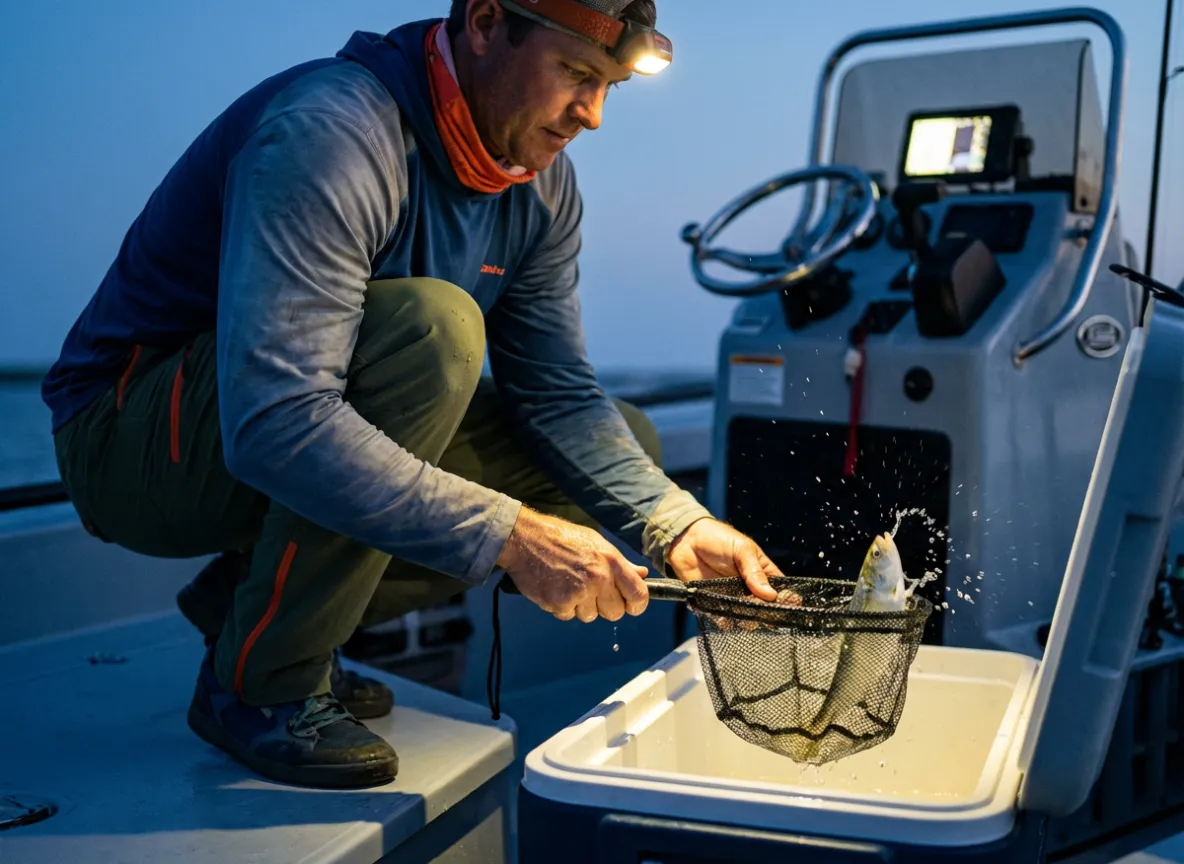
You reach into the bucket for a lively shiner, expecting the frantic vibration of energy that triggers predator strikes. Instead, your hand meets the slick, lifeless drift of white bellies floating on the surface. That silence in the livewell doesn’t just represent wasted money; it signals the premature end of your live bait fishing strategy before the first cast is even made.
Keeping live bait alive is not a matter of luck; it is a discipline of live bait management, requiring you to balance a biological life-support system against the laws of thermodynamics. In my years on the water, I’ve learned that dead bait is rarely an accident—it is usually a failure of angling logistics.
This guide moves beyond standard advice. We will engineer a survival system based on the biological triad of dissolved oxygen, ammonia, and water temperature, ensuring your baitfish remain as vibrant at noon as they were at dawn.
Why Does Bait Die? (The Biological Framework)
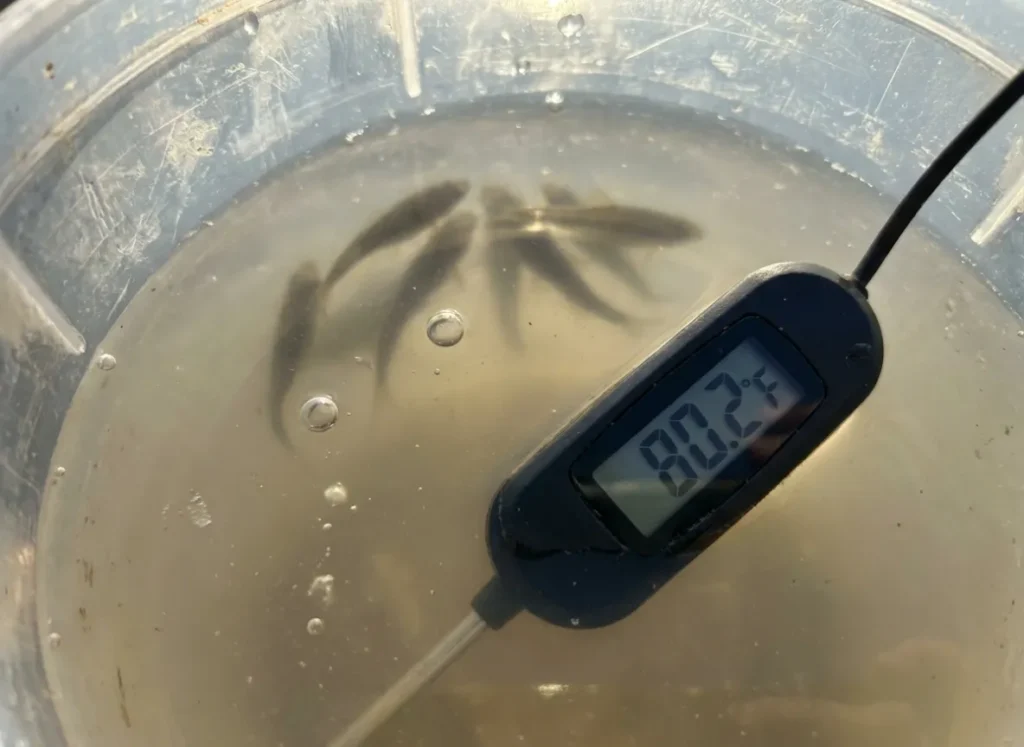
To solve the bait mortality problem, we must first deconstruct the invisible enemies destroying your minnows and shad from the inside out: hypoxia and toxicity.
How does dissolved oxygen availability change with temperature?
Fish respiration relies entirely on the partial pressure gradient of oxygen between the water and the blood. This process is governed strictly by oxygen saturation physics. As water temperature rises, its ability to hold Dissolved Oxygen (DO) decreases. Water at 80°F holds approximately 30% less oxygen than water at 50°F.
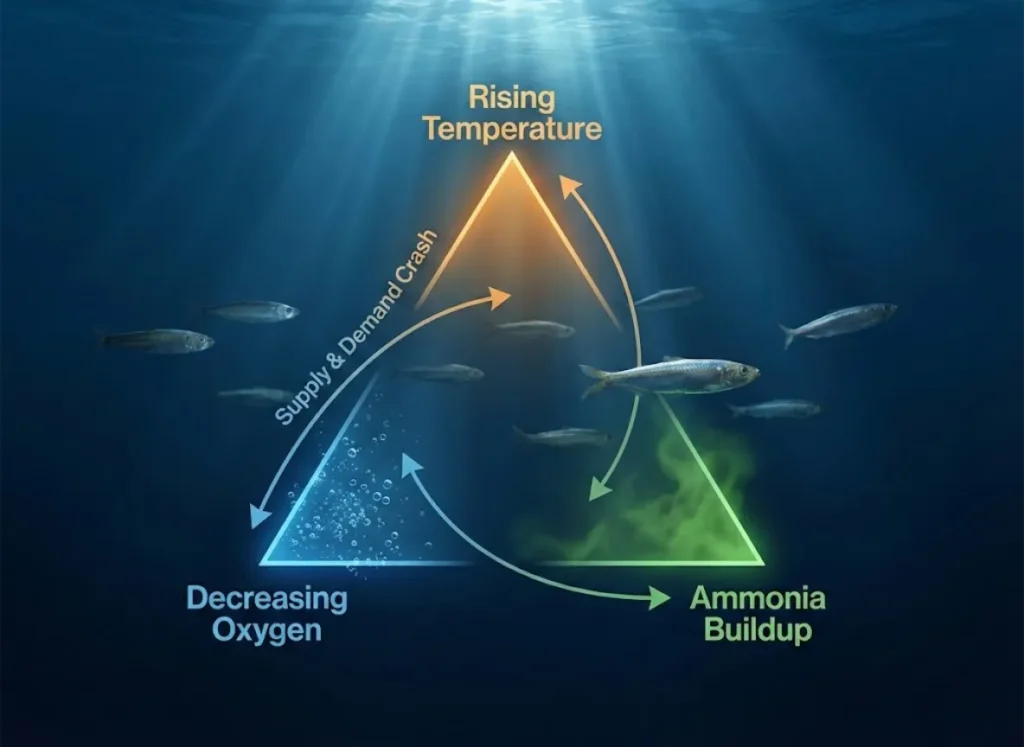
Simultaneously, the metabolism of the bait increases with heat. This causes them to consume oxygen twice as fast just as the supply diminishes. Researchers call this a “supply and demand crash,” leading to rapid hypoxia. Studies on the Physiological Mechanisms of Thermal Tolerance have mapped exactly how this oxygen demand mismatch leads to system failure.
The critical threshold for most bait fish is 5.0 mg/L. Below this, they stop feeding and their immune systems collapse. Surface agitation is often insufficient in warm water because the gas exchange rate cannot keep up with the accelerated consumption. While managing the heat during summer fishing tips usually focuses on finding game fish, the same principles apply to keeping your fatheads and creek chubs from suffocating.
How does ammonia toxicity develop in a bait bucket?
While oxygen is the fuel, the waste produced by burning that fuel creates a second, invisible killer. Fish excrete ammonia ($NH_3$) through their gills as a byproduct of protein metabolism. In a lake, this waste dilutes instantly. In a closed two-gallon bucket, it accumulates rapidly, burning delicate gill filaments.
Total Ammonia Nitrogen (TAN) exists in two forms: toxic un-ionized ammonia and relatively harmless ionized ammonium. The ratio is dictated by water chemistry. Higher pH and higher temperatures drastically increase the percentage of toxic ammonia. According to data on Managing Ammonia in Fish Ponds, a warm afternoon can make the same amount of waste up to 16 times more deadly than it was in the morning.
Symptoms of ammonia poisoning include erratic spiraling and purple or red inflamed gills. Live bait anglers often mistake this for exhaustion, but it is chemical burn. Water change frequency is the most effective mechanical removal method. However, mastering how to use a livewell requires understanding that tap water cannot be used for changes without a dechlorinator, as chlorine accelerates gill damage.
How Do I Build the Perfect Bait System? (Hardware & Engineering)
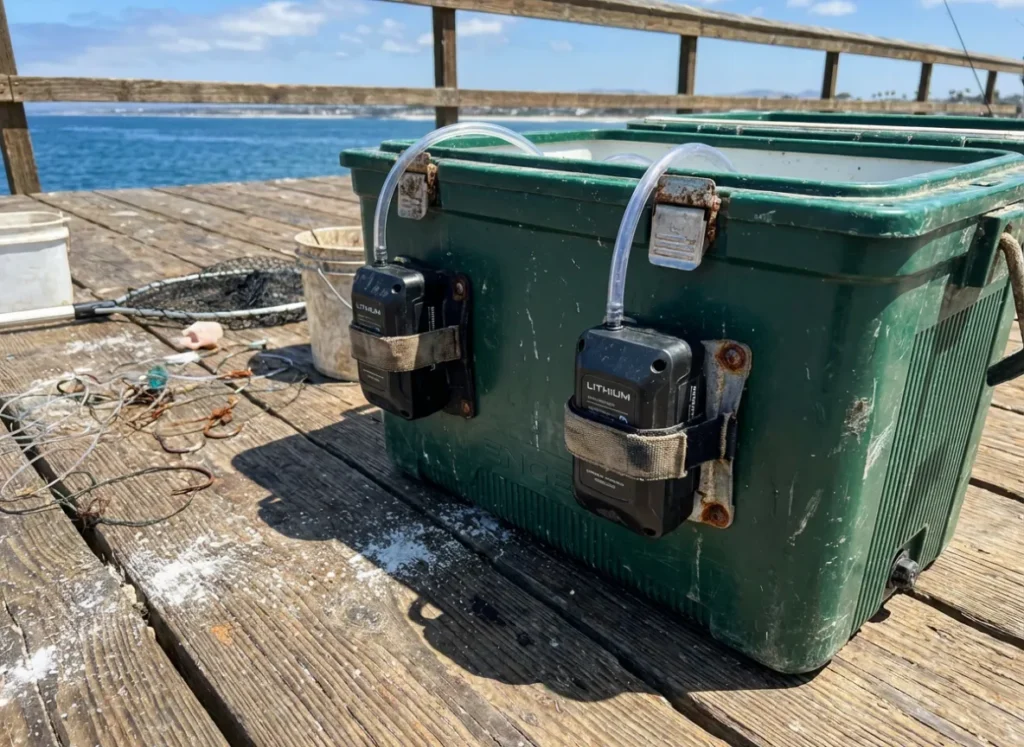
Understanding biological threats is ineffective if you don’t have the gear to combat them. We need to look at mechanical solutions that allow us to engineer a survivable home bait tank or portable system.
Why are insulated coolers superior to standard buckets?
Standard plastic buckets have near-zero insulation quality. This means the water temperature equalizes with the air temperature rapidly. High-end insulated bait buckets, such as an Engel live bait cooler, use injection-molded foam to maintain thermal stability. This keeps the water cool and oxygen capacity high.
Temperature spikes trigger the release of cortisol, a stress hormone that suppresses the fish’s immune system. Thermal stability eliminates thermal shock, which is the primary cause of delayed mortality in sensitive species like shiners and shad.
The shape of the container matters as much as the insulation. Square corners trap schooling baitfish, leading to fatal bruising. Round or oval bait tanks allow for a continuous “gyre” or circular flow. Transportation of Warmwater Fish: Equipment Guidelines outlines how proper tank shapes prevent physical injury during transport.
Additionally, integrated “pull nets” or mesh net baskets are essential. They allow you to retrieve bait without stirring up sediment or dipping hands into the water, similar to utilizing best fishing net designs that prioritize fish safety.
What aeration technology provides the best survival rates?
Aerators function by breaking the surface tension of the water, allowing gas exchange. They do not simply “blow bubbles.” A fine stone bubbler is superior to coarse stones because smaller bubbles have a higher surface-area-to-volume ratio for gas transfer.
Lithium aerator pumps offer consistent pressure, unlike alkaline D-battery aerator units that fade as batteries drain. You want a pump powered by a reliable source, much like selecting the best trolling motor battery for consistent output. For sensitive bait like shad, a “flow-through” system or recirculation pumps are required to create a directional current.
Noise and vibration from cheap impeller pumps can stress fish via their lateral lines. Magnetic drive pumps are quieter and transfer less heat to the water. Fish Pond Management – Aeration explains the physics of agitation necessary to prevent fish kills. Always have a backup power source; mechanical failure leads to hypoxia within minutes in a crowded bait tank.
Pro-Tip: If using a darker cooler or bucket, consider painting the interior light blue. A pitch-black interior can disorient fish, while stark white causes anxiety. Light blue mimics open water, keeping stress reduction manageable.
How Should I Handle Specific Bait Species? (Tailored Protocols)
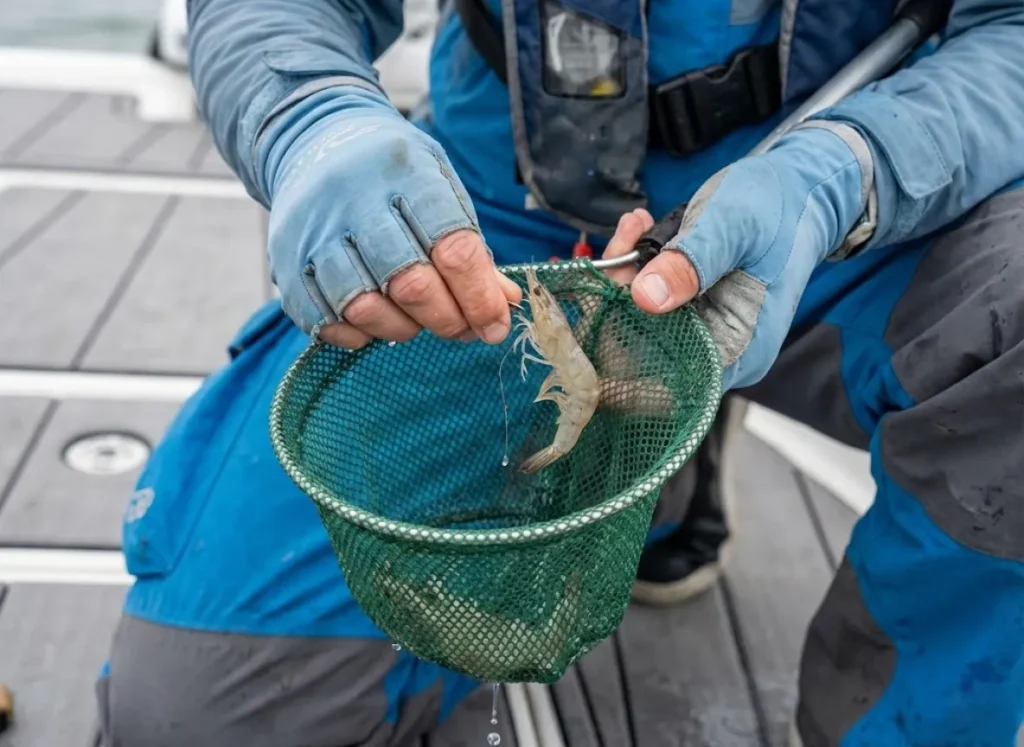
General theory only gets you so far. Now we must address the specific physiological needs of the creatures you are trying to keep alive, from hardy baits like suckers to fragile marine species.
How do I keep shrimp alive and preventing them from cannibalizing?
Shrimp are highly territorial and cannibalistic when stressed. Overcrowding triggers immediate aggression. The “Screen Method” involves placing a fiberglass mesh or screen inside the cooler. This increases surface area, allowing shrimp to cling to walls rather than piling on the bottom.
Temperature must be kept below 75°F. However, never put ice directly into the water. Melting freshwater causes fatal osmotic shock to saltwater shrimp. Use sealed frozen water bottles or ice packs to cool the tank without altering the salinity. This is a staple tactic for inshore fishing in the Gulf of Mexico, where live shrimp is the primary currency.
For longer transport, you can induce a state of dormancy known as “torpor.” Place shrimp on damp newspaper over ice to keep them alive without water for hours. Remove dead shrimp immediately to prevent toxin release, and avoid sunblock transfer completely. Harvesting and Holding Live Bait details how sensitive crustaceans are to these chemical contaminants.
What are the “Red Nose” protocols for shad and herring?
Gizzard Shad and Blueback Herring are high-octane swimmers. In square tanks, they get trapped in corners and bruise their snouts (“Red Nose”), which is usually fatal. You must use a round or oval tank with a directional spray bar to create a circular current, allowing them to swim indefinitely.
Never touch these species with dry hands. Doing so removes their slime coat and scales, leading to immediate osmotic failure. This is critical during the shad spawn fishing frenzy when you are cycling through fresh caught bait quickly. Use a soft, knotless fish net and transfer them quickly to the hook without squeezing.
Adding non-iodized salt or rock salt (1 cup per 10 gallons) hardens their scales and reduces osmotic stress. Amino acid cues emanating from Pacific salmon eggs and ovarian fluid discusses the chemical sensitivity of fish to amino acids like L-Serine found in human hand oils, validating the “clean hands protocol.”
What Chemicals and Additives Actually Work? (Advanced Chemistry)
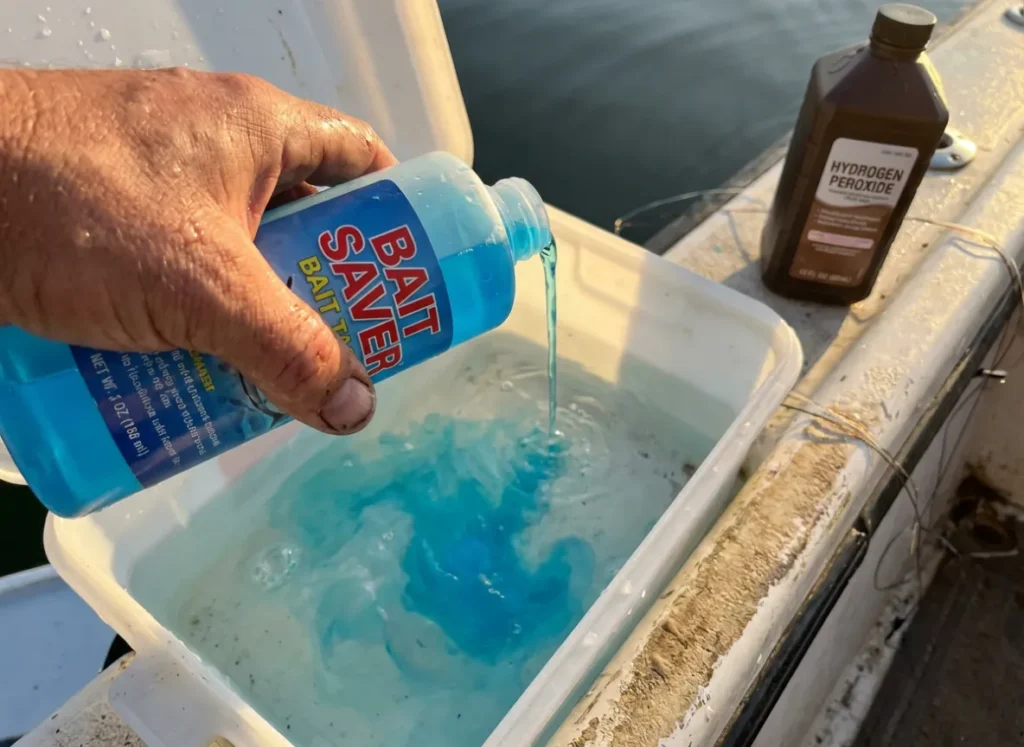
Chemistry of livewells isn’t just about what you put in the water; it’s also about understanding the tools available for emergency triage and bait preservation.
Is hydrogen peroxide a safe emergency rescue for bait?
Hydrogen Peroxide acts as an “Oxygen Grenade.” It chemically decomposes into water and pure oxygen to provide an immediate boost to hypoxic fish. It is an emergency intervention for “piping” fish, similar to emergency interventions like treating barotrauma in fish.
The safe dosing protocol is critical. Use standard Hydrogen Peroxide 3% at a rate of 1 fluid ounce (30ml) per 3 gallons of water. Add the peroxide slowly in an area of high flow to ensure even mixing.
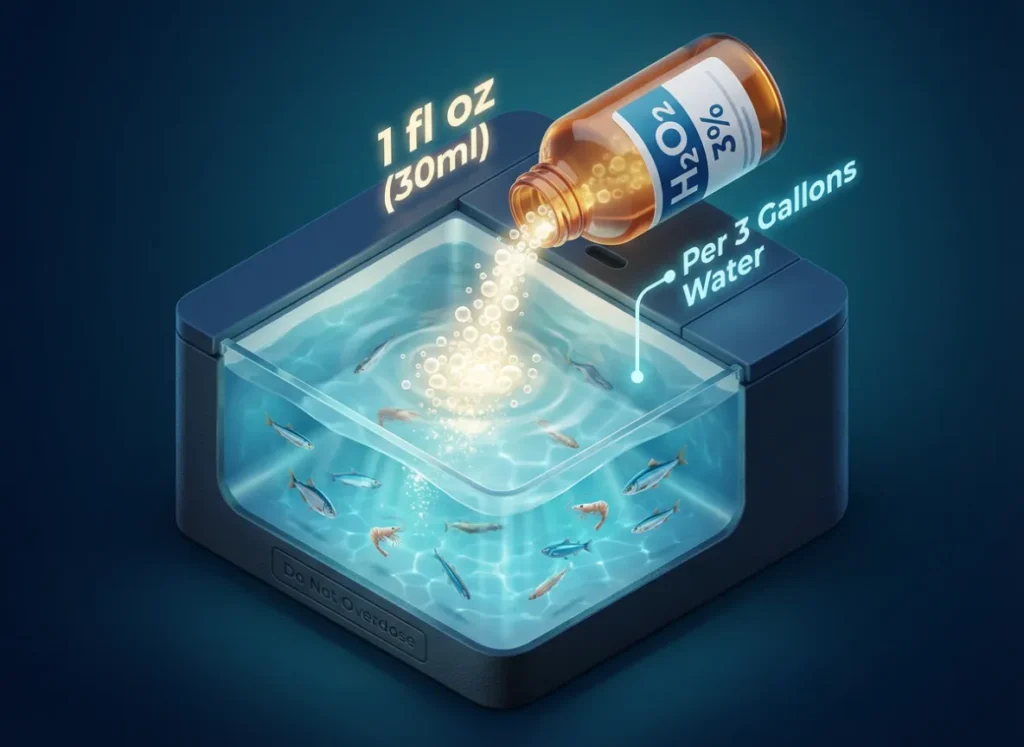
Overdosing leads to oxidative stress, destroying gill tissue. The Use of Hydrogen Peroxide in Finfish Aquaculture confirms that while effective, it must be dosed with precision. Remember, peroxide does not remove ammonia; it only addresses oxygen levels, so consider pairing it with ammonia neutralizers or a commercial bait saver like Pogey-Croaker Saver.
Pro-Tip: Keep a bottle of Sodium Thiosulfate (water conditioner) in your tackle bag. If you are forced to use city water or gas station hose water in an emergency, this will neutralize the chlorine instantly, saving your bait from chemical burns.
Conclusion
Keeping bait health intact requires a shift in mindset. You are not just carrying fish; you are maintaining a delicate ecosystem. Remember the survival triangle:
- Dissolved Oxygen: Keep it high with cold water and micro-bubbles.
- Ammonia: Neutralize it chemically and dilute it with water changes.
- Temperature: Stabilize it with insulation to prevent metabolic burnout.
For non-fish bait like nightcrawlers or red wigglers, simpler methods like breathable containers with damp peat moss or shredded newspaper stored in a dark closet suffice. But for aquatic species, the rules are strict. Before you head out, check your local DNR regulations regarding invasive species and bait disposal. Never dump leftover live baits into the waterway—”Trash it, don’t stash it.”
FAQ – Frequently Asked Questions about Keeping Bait Alive
How long can minnows stay alive in a bucket without an aerator?
In cool water (60°F), minnows may survive 1-2 hours without aeration before hypoxia sets in. In warm water (80°F), mortality can occur in less than 15 minutes due to accelerated metabolism and lower oxygen saturation.
Can I use tap water for my bait bucket?
No, tap water contains chlorine and chloramines which burn fish gills and cause death within minutes. You must use a dechlorinating water conditioner (like Sodium Thiosulfate) or let the water sit for 24 hours to off-gas (though chloramines require chemical treatment).
Why is there foam on top of my bait water?
Foam is caused by dissolved organic proteins (slime coat, regurgitated food, and waste) acting as a surfactant. It indicates dangerous water quality; perform a 50% water change immediately to remove the toxins.
Does hydrogen peroxide really help keep bait alive?
Yes, hydrogen peroxide 3% breaks down into oxygen and water, providing an emergency rescue for fish gasping at the surface. It must be dosed correctly (1 oz per 3 gallons); overdosing will burn the fish’s gills and kill them.
Risk Disclaimer: Fishing, boating, and all related outdoor activities involve inherent risks that
can lead to injury. The information provided on Master Fishing Mag is for educational and informational purposes
only. While we strive for accuracy, the information, techniques, and advice on gear and safety are not a substitute
for your own best judgment, local knowledge, and adherence to official regulations. Fishing regulations, including
seasons, size limits, and species restrictions, change frequently and vary by location. Always consult the latest
official regulations from your local fish and wildlife agency before heading out. Proper handling of hooks, knives,
and other sharp equipment is essential for safety. Furthermore, be aware of local fish consumption advisories. By
using this website, you agree that you are solely responsible for your own safety and for complying with all
applicable laws. Any reliance you place on our content is strictly at your own risk. Master Fishing Mag and its
authors will not be held liable for any injury, damage, or loss sustained in connection with the use of the
information herein.
Affiliate Disclosure: We are a participant in the Amazon Services LLC Associates Program, an
affiliate advertising program designed to provide a means for us to earn advertising fees by advertising and linking
to Amazon.com. As an Amazon Associate, we earn from qualifying purchases. We also participate in other affiliate
programs and may receive a commission on products purchased through our links, at no extra cost to you. Additional
terms are found in the terms of service.