
In this article
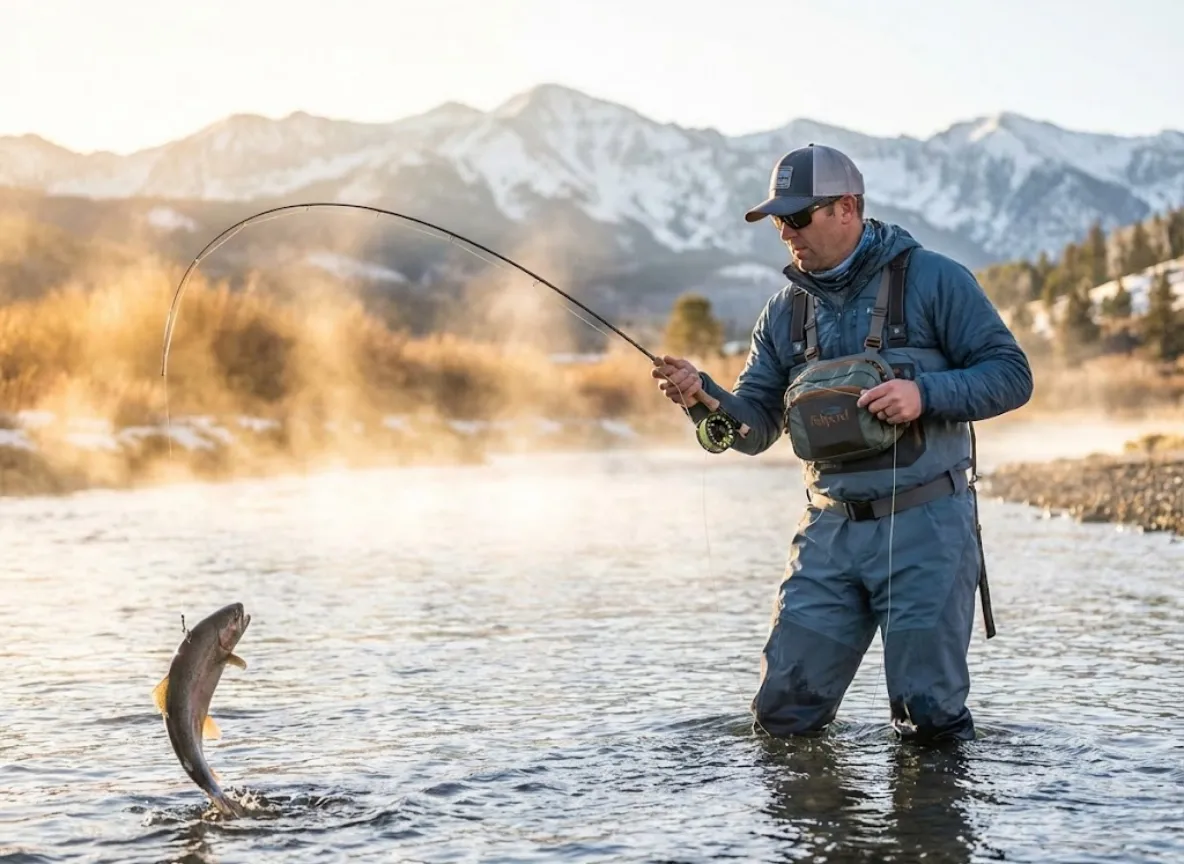
The wind was ripping across the Dream Stream at 40 miles per hour, my backing was singing through the guides, and the 22-inch cutbow on the other end was heading for the reservoir. It was February. Every other angler in Colorado was home watching the Super Bowl. That’s when you know you’ve graduated from tourist to local.
After 15 years of fishing Colorado’s trout streams, I’ve learned that timing matters more than location. Every serious angler knows the South Platte exists. But knowing when the Arkansas becomes wadeable, or why November at Pumphouse beats July—that’s the intelligence that separates locals from visitors standing in the wrong water at the wrong time.
This guide covers the 12 rivers worth your time, the seasonal windows that make them fishable, and the tactical approaches that work on pressured water. No tourism brochure fluff. Just the operational knowledge you need to fish like a local.
⚡ Quick Answer: Colorado’s best trout streams include the South Platte system (Cheesman, Deckers, Dream Stream), the Western Slope rivers (Gunnison, Fryingpan, Taylor), and often-overlooked southern waters (Rio Grande, Conejos). The key isn’t finding secret spots—it’s understanding seasonal timing windows like the August 15th flow drop on the Arkansas or winter access at Pumphouse.
Understanding Colorado’s Trout Water Classifications
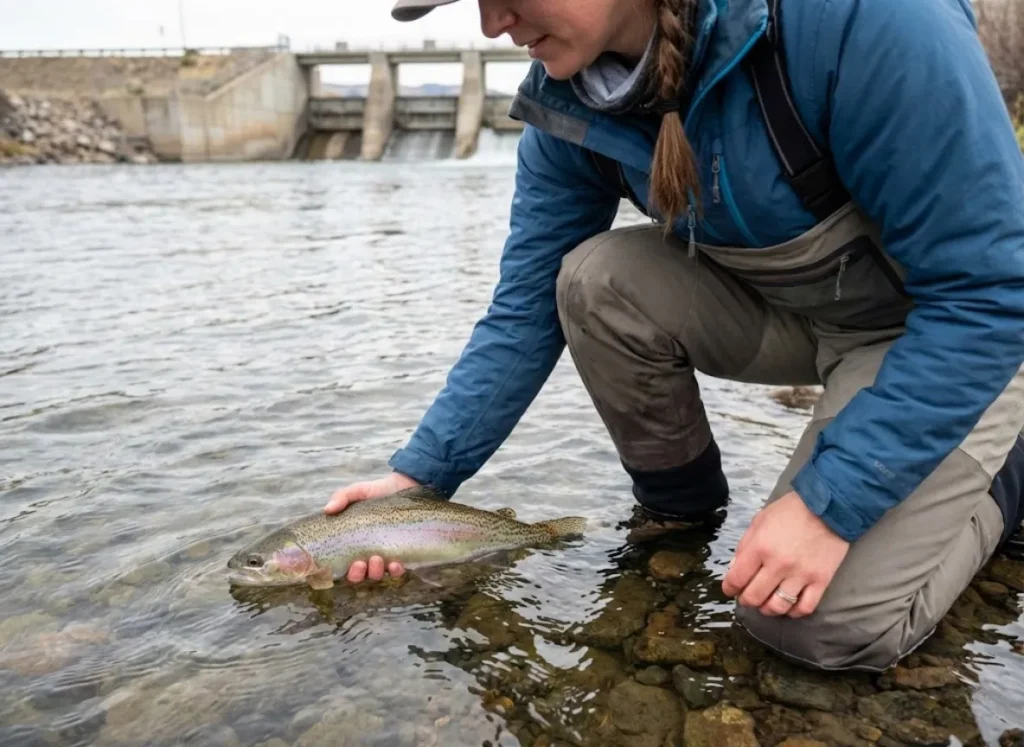
Before you plan any trip, you need to understand what you’re fishing. Colorado’s classification system tells you more than most anglers realize.
Gold Medal Waters vs. Wild Trout Waters
Gold Medal Water isn’t marketing—it’s a measurable standard. Colorado Parks and Wildlife designates this status when a fishery produces at least 60 pounds of trout per acre and 12 quality trout (14+ inches) per acre. Currently, 11 rivers and 3 lakes account for nearly 325 miles of Gold Medal water statewide.
Wild Trout Water means natural reproduction sustains the population without stocking. The distinction matters for your trip planning. Gold Medal waters guarantee biomass density. Wild Trout waters offer genetic diversity and typically less pressure.
Don’t confuse “Gold Medal” with “easy.” Some of the most technical water in the state carries that designation.
Tailwaters vs. Freestone Rivers
Tailwaters flow below dams with bottom-release flows that maintain consistent temperatures year-round. The South Platte River, Fryingpan, Taylor River, and Blue River are all tailwaters—fishable 365 days a year even when the high country is locked in ice.
Freestone rivers like the Arkansas River, Conejos River, and Rio Grande depend on natural runoff. They experience greater seasonal variation and blow out during spring runoff, but they reward bold presentations when conditions align.
The tactical difference is significant. Tailwaters require technical finesse—6X-7X tippet and size 22-26 flies. Freestones reward bigger patterns and heavier tippets. Understanding tailwater hydrology helps you approach these systems with the right gear and expectations.
Mysis shrimp in certain tailwaters (Fryingpan, Taylor, Blue) grow rainbow trout to double-digit weights. These tiny freshwater shrimp flush through dam turbines and create a protein-rich food source that produces fish exceeding 20 pounds.
Reading Flow Data Like a Local
CFS (Cubic feet per second) is the universal language of Colorado anglers. Every local has USGS real-time flow data bookmarked on their phone.
The numbers that matter:
- Arkansas River: Ideal wade fishing at 225-300 CFS. Dangerous above 1,500 CFS.
- Fryingpan: Technical sweet spot at 80-150 CFS.
- Upper Colorado (float fishing): 1,500-3,300 CFS.
Temperature matters too. Voluntary fishing closures trigger when water temps reach 71°F. The Yampa River and White River close almost every August. Check conditions before you drive.
Pro tip: Create a bookmark folder with USGS gauge links for your target rivers. Check real-time flow rate data the morning of your trip and again before you leave. Conditions change fast in Colorado.
The South Platte System: Colorado’s Technical University
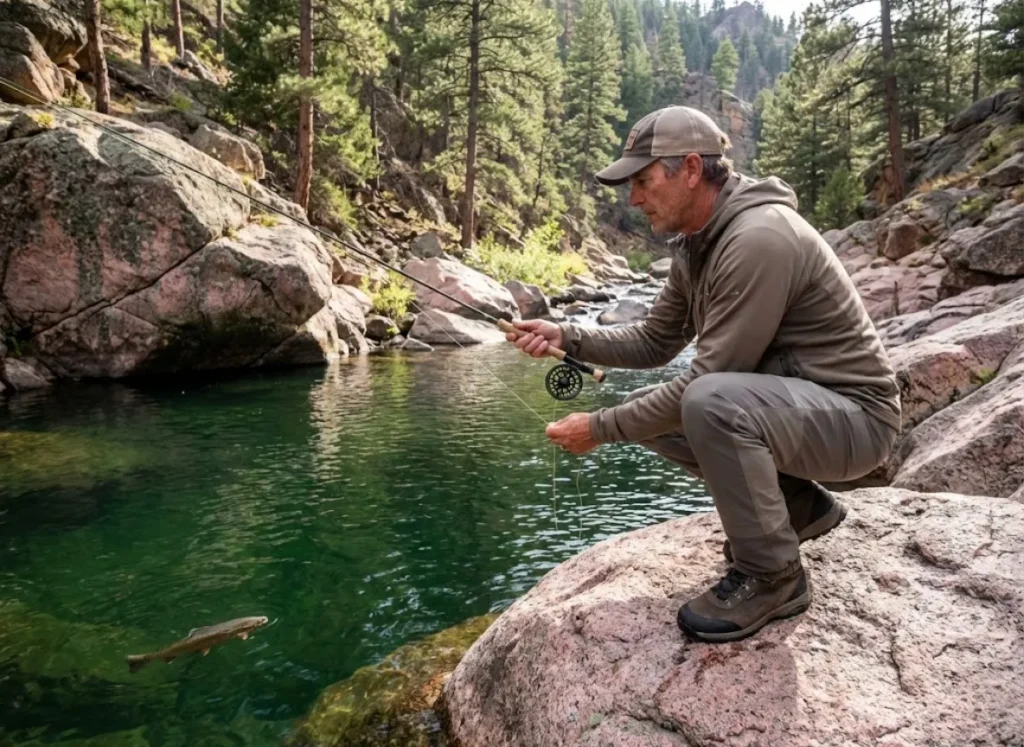
If you want to test your skills against the most educated trout in the West, the South Platte delivers. This system produces more frustration—and better anglers—than any other water in the state.
Cheesman Canyon—The Wilderness Tailwater
Cheesman Canyon requires a strenuous hike via the Gill Trail. This filters out casual roadside anglers and concentrates the most dedicated practitioners. The river cuts through massive Pikes Peak granite boulders, creating deep emerald pools and complex pocket water.
These fish see thousands of anglers annually. They can distinguish artificial patterns from naturals with unnerving accuracy. The standard presentation here is sight fishing with size 24-26 midge pupae on 6X-7X fluorocarbon using proper nymph rigging techniques.
A single landed fish in the Canyon is considered a successful day. The trout demand sight fishing mastery—you must spot the fish before presenting, watch for the take, and set on subtle mouth movement rather than indicator dip.
Pro tip: Remove your strike indicator in Cheesman. Use a yarn indicator or go indicator-free entirely. These fish know what a Thingamabobber looks like—and they avoid it.
Deckers and Eleven Mile Canyon—Winter Consistency
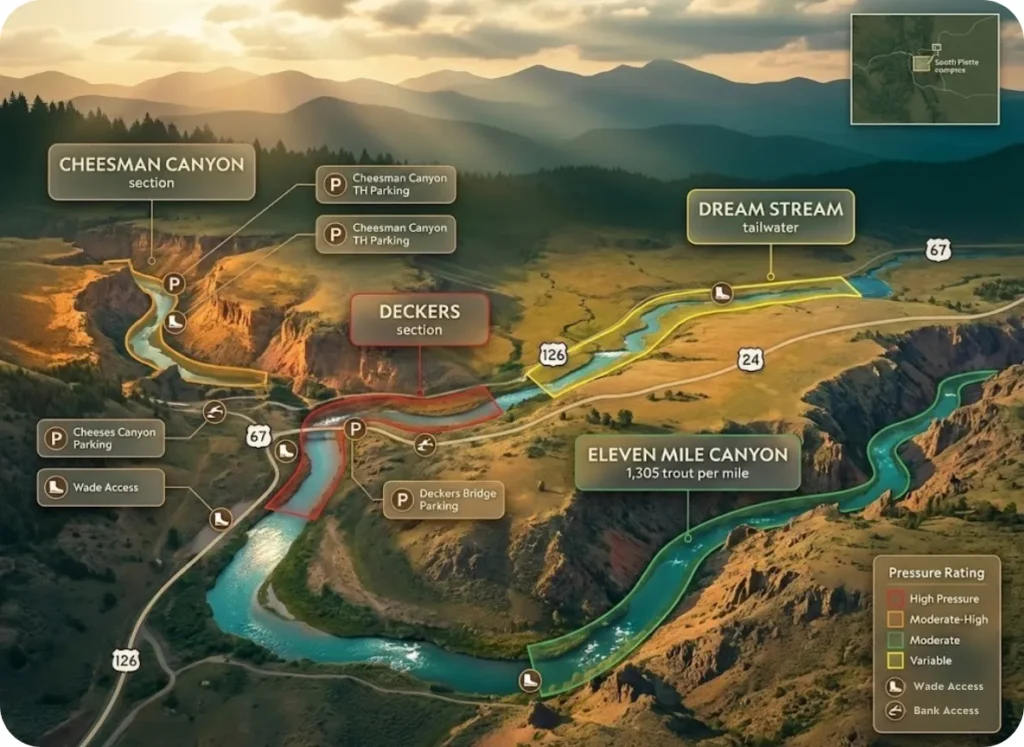
Deckers via Highway 67 is arguably the most pressured stretch of public water in Colorado. Locals fish it for one specific reason: winter fishing options. When the high country is locked in ice, Deckers flows clear and stable.
“Combat fishing” is the norm on weekends. Spacing etiquette breaks down. Locals mitigate this by fishing midweek or during inclement weather when fair-weather anglers retreat.
Eleven Mile Canyon holds 1,305 trout per mile and 184 fish over 14 inches per acre according to CPW surveys. More significantly, it shows successful natural reproduction of rainbow trout—rare in a state where whirling disease impact decimated wild rainbow populations.
The Dream Stream—Migratory Giants
The section between Spinney Mountain and Eleven Mile reservoirs flows through high-altitude grassland with zero tree cover. This exposes you to the notorious South Park winds—40+ mph is common.
The ecological significance lies in its role as a spawning corridor. In spring, massive cutbows and rainbows migrate upstream from Eleven Mile Reservoir. In autumn, brown trout and Kokanee salmon make the same journey. These migratory fish regularly exceed 20 inches.
The local approach is patience. This is a quality-over-quantity fishery where hours of wind-whipped casting may reward you with a single trophy-class trout.
The Western Slope Rivers: Where Locals Escape the Crowds
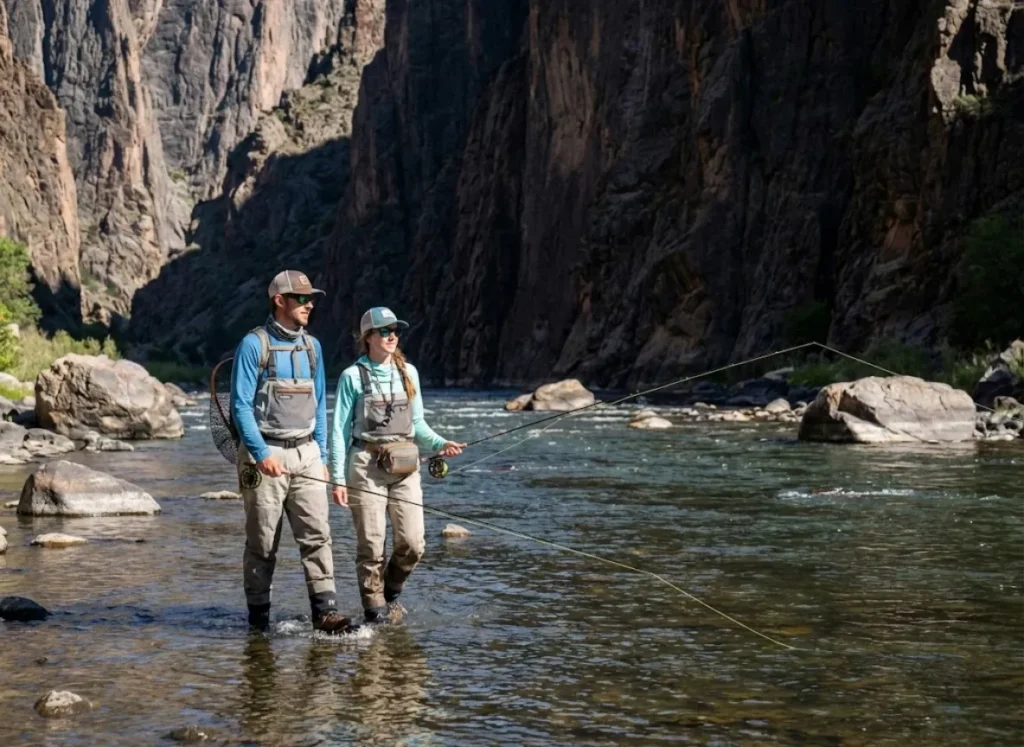
When the Front Range waters are blown out or mobbed, locals look west. These rivers offer world-class fly fishing with a fraction of the pressure.
Gunnison River—8,000 Fish per Mile
The Black Canyon section requires hiking down steep, poison-ivy-choked gullies to reach the water. There is no road access. This barrier to entry preserves the fishery.
Historical data from the East Portal section suggests trout densities can reach 8,000 fish per mile. The fishery is currently dominated by brown trout. In the 1990s, the Gunnison River was the epicenter of the whirling disease outbreak, which devastated wild rainbow populations. Browns filled the ecological niche.
The Salmonfly hatch in June brings two-inch stoneflies that drive trout into a feeding frenzy. It’s one of the few times you can fish with 0X tippet and massive foam dry flies. However, timing is critical—the hatch moves upstream daily, and missing the leading edge results in a slow day as the fish become gorged.
You can find specific Black Canyon National Park fishing regulations and wilderness permit requirements on the park website before planning your descent.
Fryingpan and Taylor Rivers—The Mysis Laboratories
Both rivers release Mysis relicta (freshwater shrimp) from their reservoirs. This food source allows rainbow trout to grow to state-record proportions. The Taylor C&R section has produced fish exceeding 20-30 pounds.
The “Toilet Bowl” at the Fryingpan—the deep pool immediately below Ruedi Dam—is the subject of intense ethical debate. Anglers stand shoulder-to-shoulder, drifting shrimp patterns to visible leviathans. Many locals avoid it entirely.
The better move: fish miles 4-8 downstream on the Fryingpan for technical water dry fly action without the crowds. Standard Taylor C&R presentation requires 6X fluorocarbon, micro-split shot, and size 24-26 midge larvae patterns. Understanding rigging for technical tailwaters helps you connect with these educated fish.
Roaring Fork—The Green Drake Destination
The Roaring Fork River drops 6,000 feet from Independence Pass to the Colorado River confluence. The Gold Medal reach from Basalt to Glenwood Springs is primarily float fishing water—a drift boat allows access to miles flowing through private property.
This section is famous for the Green Drake hatch in July. These massive mayflies bring the largest fish to the surface. The hatch is a “moveable feast,” starting in the lower river and progressing upstream over several weeks.
Winter fishing at Glenwood produces Mountain Whitefish—some of the largest in the state—providing consistent action for nymph anglers during lean months.
The Southern Rivers: Colorado’s Best-Kept Secrets
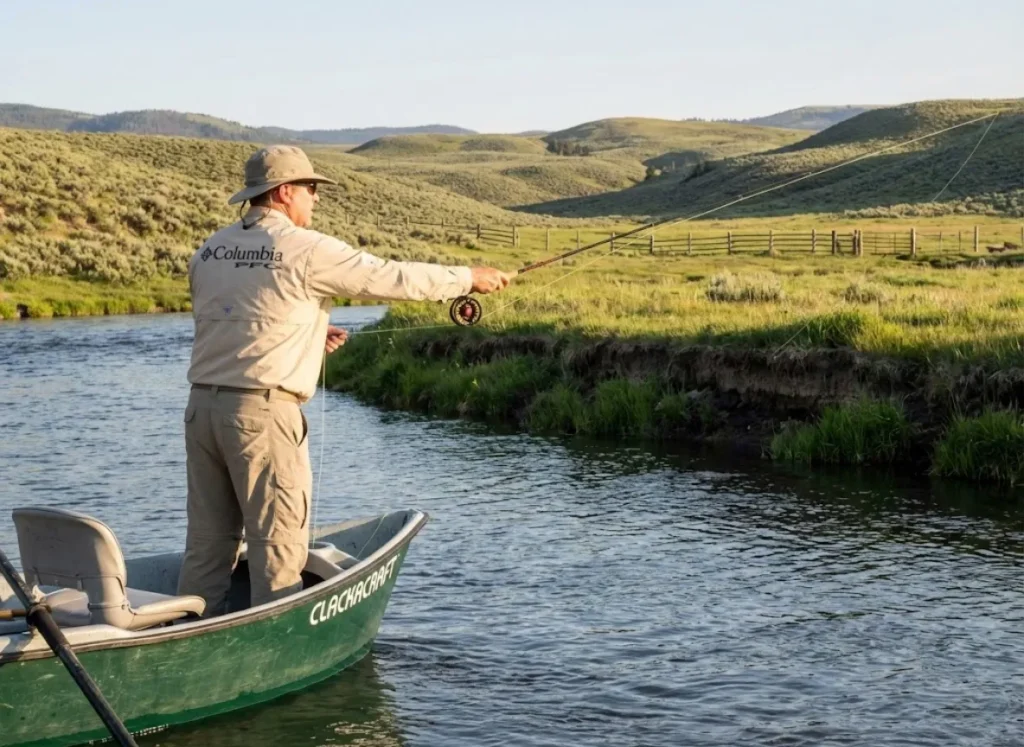
The Rio Grande basin offers lower pressure and wild trout populations that remind you what Colorado fishing used to be.
Rio Grande—The Montana of Colorado
The section from South Fork to Del Norte is Gold Medal water. Much of the river flows through private ranch land, limiting wading access to specific points like the Coller State Wildlife Area. This makes the Rio Grande primarily a drift boat fishery—and the lack of wading pressure means less spooky fish.
Salmonfly and Golden Stone hatches (June/July) rival the Gunnison for intensity. The best time to fish this water is late June through early July, immediately after runoff subsides.
In fall (September/October), the river drops and clears, becoming prime territory for streamer fishing. Large brown trout preparing to spawn become aggressive toward sculpin and baitfish imitations stripped through deep undercut banks.
Conejos River—Wild Browns and Native Cutthroats
This major tributary of the Rio Grande flows from Platoro Reservoir but retains the character of a wild freestone river. “The Meadows” below Platoro offers classic dry fly water, though the fish are notoriously spooky in clear, slow current.
Downstream, “The Pinnacles” is a rugged canyon characterized by large boulders and fast pocket water. This section holds some of the largest brown trout in the system.
The upper tributaries (Lake Fork, Adams Fork) are critical sanctuaries for the Rio Grande Cutthroat Trout—Colorado’s only native trout in the Rio Grande basin. These genetically distinct fish are prized by anglers completing the Colorado Grand Slam.
Seasonal Timing Secrets: When Locals Actually Fish
The difference between a good trip and a great one often comes down to knowing the calendar and understanding seasonal timing.
The August 15th Calendar Marker
The Voluntary Flow Program keeps Arkansas River flows artificially high—above 700 CFS—from July 1 through August 15 to support commercial rafting. During this window, wading is dangerous and often restricted to extreme margins.
On August 15th, flows drop to native levels (typically 250-400 CFS). The entire river becomes accessible, water clears, and brown trout move into riffles to feed on hoppers and late-season caddis hatch activity.
This post-August window is prime season for wade fishing. Tourists don’t know this date exists. Locals have it circled.
Winter Windows That Nobody Fishes
The Arkansas “Banana Belt” near Salida sits in a geographic rain shadow with significantly milder winters than the surrounding mountains. Near Estes Park and Silverthorne, conditions can be harsh, but the Arkansas often stays fishable.
In February and March, when the Roaring Fork and Gunnison fight shelf ice, the Arkansas near Salida is often open. Mid-day midge hatches and BWO (Blue Winged Olive) emergences provide dry fly opportunities.
The Animas River in Durango operates similarly—often remaining open when high country is frozen, with consistent mid-day midge hatches even in January.
The Upper Colorado at Pumphouse is a local secret for winter wading. When flows drop to 400-500 CFS in November and December, the rafting crowds vanish. Brown trout stack in deep, slow runs, and wading anglers access water that’s dangerous in summer. This approach works whether you’re targeting trout with spinning reels or fly gear.
Pro tip: When nighttime temps stay in the mid-twenties followed by daytime highs above 38°F, the Arkansas fishing turns on. That temperature window triggers mid-day insect activity and gets fish feeding.
Avoiding the Summer Crowds
Temperature closures on the Yampa and White River (typically August) force anglers to seek alternatives. Understanding winter trout metabolism and seasonal patterns helps you find productive water year-round.
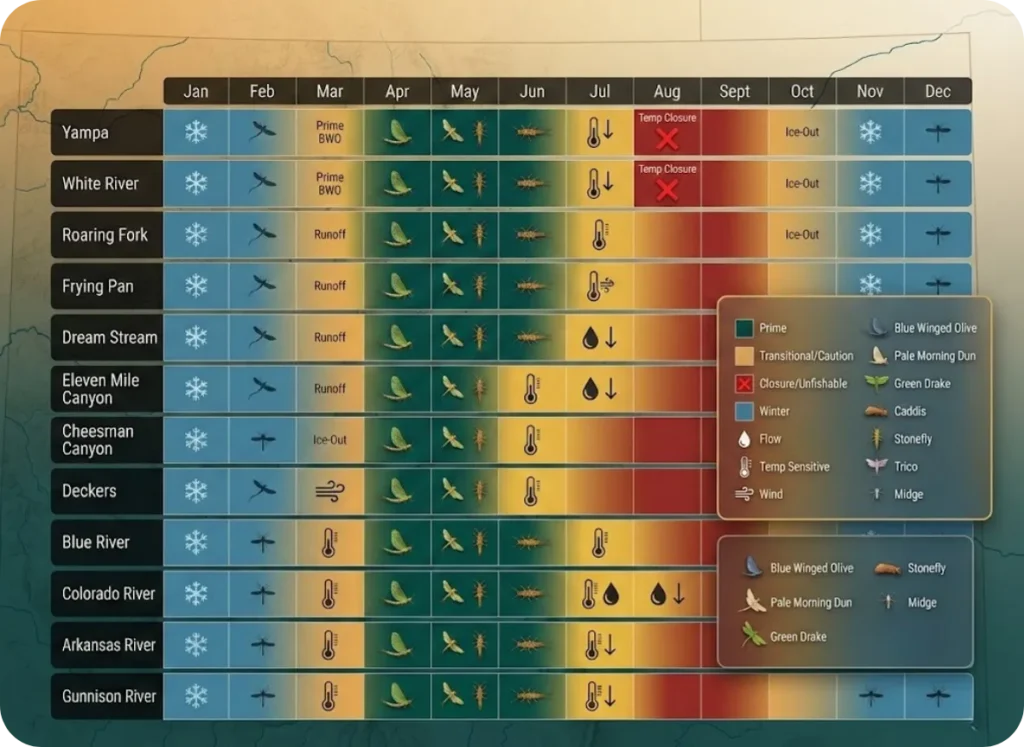
When the Pan is a “zoo,” fish miles 4-8 downstream. When the Dream Stream is blown out by wind, Eleven Mile Canyon provides protected canyon walls. Fish midweek or during inclement weather—locals capitalize on rain and cold fronts when tourists retreat to their accommodation options in nearby towns.
Gear and Tactics for Colorado Waters
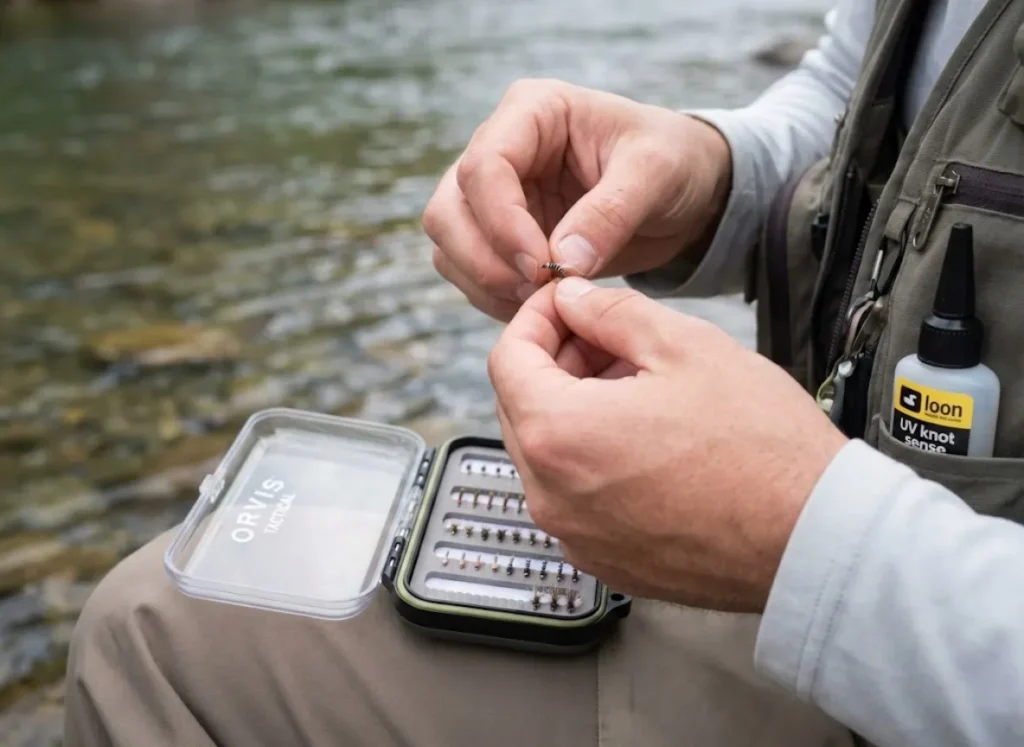
Colorado’s technical water fisheries demand specific gear and tactical approaches. Whether you prefer fly gear, baitcasting reels, or spinning reels, matching your equipment to conditions matters.
The Standard Colorado Setup
A 9-foot 5-weight is the “Colorado all-around” rod. However, a 10-foot 3-weight or 4-weight is preferred for Euro-nymphing on Cheesman and Taylor C&R—longer rods provide better drift control in technical situations.
Standard tippet: 6X fluorocarbon for clear tailwater fishery conditions; 4X-5X for freestones. Many locals use yarn indicators or go indicator-free in pressured water to avoid spooking educated fish. Quality reels with smooth drag systems help when large fish make runs in tight canyon water.
Essential Fly Patterns by River Type
Mysis tailwaters (Taylor, Pan, Blue): Size 22-26 Midges (Top Secret, Zebra Midge), Mysis Shrimp patterns.
Stonefly rivers (Gunnison, Rio Grande, Colorado): Pat’s Rubberlegs, Chubby Chernobyl.
Caddis water (Arkansas): Elk Hair Caddis size 14-16.
Understanding trout lure selection by biology helps you match the hatch and select patterns based on what fish are actually eating. The RS2, Pheasant Tail, and Frenchie are universal utility patterns that work across most Colorado waters.
Reading Pressured Trout Behavior
Fish in pressured tailwaters exhibit educated refusals—they inspect offerings and turn away. When you observe this behavior, move down in tippet size (6X to 7X) before changing flies.
Present from further away. Reduce false casts over the target zone. Fish the margins and foam lines where pressured trout often hold in overlooked water. For anglers fishing from shore, understanding access type and public easements prevents trespassing issues on waters like the Rio Grande and Conejos.
Conclusion
Timing beats location. Knowing that August 15th opens the Arkansas, or that Pumphouse becomes wadeable in November, matters more than discovering a mythical “secret spot.”
Tailwaters demand finesse; freestones reward boldness. Size 24 midges on 7X tippet for the Pan; Chubby Chernobyls on 0X for the Gunnison Salmonfly. Match your gear to the water type.
Pressure is predictable. Fish midweek, fish bad weather, fish winter. The rivers don’t change—the crowds do.
These 12 rivers are not hidden gems. Every serious angler in Denver knows them by name. What separates the local from the tourist is knowing when to fish them, not where. Start with the flow gauges. Circle August 15th on your calendar. And remember: the best fishing often happens when the parking lots are empty. Make sure you have your fishing license before hitting the water—a non-resident annual runs about $120 through Colorado Parks and Wildlife.
FAQ
What is the best time to fly fish in Colorado?
Late August through October offers optimal conditions—lower flows, fewer crowds, and aggressive fall trout feeding before winter. Spring (April-May) provides excellent hatches like the PMD hatch but brings higher, variable flows. Winter fishing is underrated, especially on the Arkansas Banana Belt and Animas near Durango where mild temperatures encourage mid-day insect activity.
Do I need a guide for Colorado fly fishing?
Not for most waters. The South Platte, Arkansas, and Yampa have extensive public access with well-documented access points. Guide services add the most value for float trips on the Rio Grande, Gunnison Gorge, or Roaring Fork where private land limits wade access. A guided experience makes sense on unfamiliar big water.
What license does a non-resident need for Colorado fishing?
A non-resident annual fishing license costs approximately $120, or you can purchase a 1-day license for about $21. A Habitat Stamp ($12.47) is required for annual licenses. Purchase through Colorado Parks and Wildlife online before your trip. A DIY trip is entirely feasible with proper research.
What are Gold Medal Waters in Colorado?
Waters designated by CPW that consistently produce at least 60 pounds of trout per acre and at least 12 quality trout (14+ inches) per acre. This includes 325 miles across 11 rivers and 3 lakes statewide, with the Arkansas River offering the longest continuous Gold Medal stretch at 102 miles.
When should I avoid fishing in Colorado?
Avoid July 1 through August 15 for wade fishing the Arkansas (rafting flows make it dangerous). Check for temperature closures on the Yampa and White River in August. Avoid weekend afternoons at Deckers and the Fryingpan Toilet Bowl unless you enjoy crowd intelligence testing.
Risk Disclaimer: Fishing, boating, and all related outdoor activities involve inherent risks that
can lead to injury. The information provided on Master Fishing Mag is for educational and informational purposes
only. While we strive for accuracy, the information, techniques, and advice on gear and safety are not a substitute
for your own best judgment, local knowledge, and adherence to official regulations. Fishing regulations, including
seasons, size limits, and species restrictions, change frequently and vary by location. Always consult the latest
official regulations from your local fish and wildlife agency before heading out. Proper handling of hooks, knives,
and other sharp equipment is essential for safety. Furthermore, be aware of local fish consumption advisories. By
using this website, you agree that you are solely responsible for your own safety and for complying with all
applicable laws. Any reliance you place on our content is strictly at your own risk. Master Fishing Mag and its
authors will not be held liable for any injury, damage, or loss sustained in connection with the use of the
information herein.
Affiliate Disclosure: We are a participant in the Amazon Services LLC Associates Program, an
affiliate advertising program designed to provide a means for us to earn advertising fees by advertising and linking
to Amazon.com. As an Amazon Associate, we earn from qualifying purchases. We also participate in other affiliate
programs and may receive a commission on products purchased through our links, at no extra cost to you. Additional
terms are found in the terms of service.