
In this article
Stand in front of the rod wall at any tackle shop and you’ll see forty spinning rods that all look basically the same, and a search for the best beginner rod hands you forty more. The real problem was never picking the best one. It’s picking one that won’t quietly work against you for the first month, missed hooksets, a tip that cracks on a solid strike, line that keeps breaking on a rod everyone swears is fine. A record 57.9 million Americans went fishing in 2024, according to Take Me Fishing, and about 5.1 million picked up a rod for the very first time, so if you feel behind, you’re in good company. Below is what actually matters on a first spinning rod, the picks worth buying by how you fish, and the two honest signs it’s time to upgrade, and if you want the wider rundown on how to pick a fishing rod without overpaying, start there first.
Why Spinning Gear Is the Right Call for Your First Rod
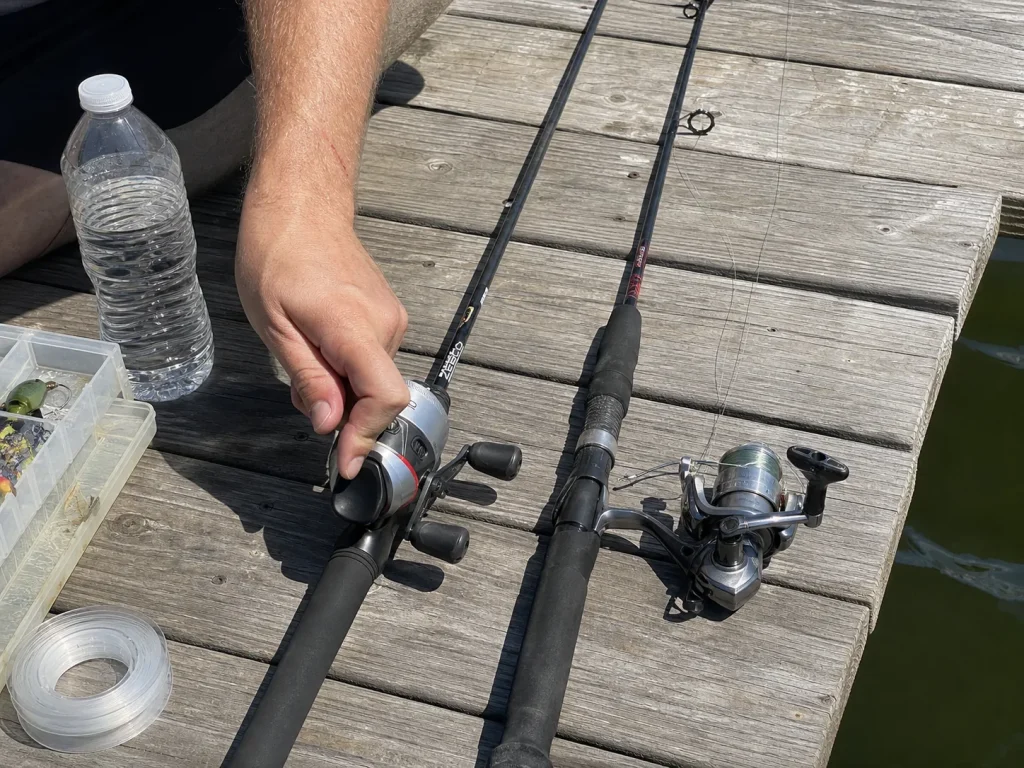
Ask a buddy who’s been fishing a while to set you up, and he’ll almost always hand you a spinning rod instead of the baitcaster he actually loves. There’s a reason for that, and it’s not snobbery. It’s that he remembers picking a bird’s nest of tangled line out of a baitcaster for an hour on his first trip, and he doesn’t want you to live that.
Spinning vs Spincast vs Baitcasting
There’s a real ladder here, and every angler climbs it. Push-button spincast reels sit at the bottom, dead simple, the kind of thing you hand a kid. Spinning is the next rung up, and it’s where most adults should start. Baitcasting is the top rung, more casting power and accuracy once you can run it, but it punishes a beginner’s thumb with backlash. Starting on spinning isn’t settling. It’s just standing on the right rung for where you are, which lines up with the U.S. Fish and Wildlife Service’s guide to fishing for the first time. If you want to think through the reel side in more depth, we broke down why your first reel isn’t always a spinning reel.
Why Backlash Is the Beginner-Killer Spinning Avoids
On a spinning reel the line peels off a fixed spool that never rotates. Nothing spins faster than your lure is pulling, so nothing overruns and tangles. On a baitcaster the spool spins to release line, and the instant your lure slows down mid-cast but the spool doesn’t, you get a bird’s nest. That’s the whole mechanical story. It’s why spincast and spinning are the beginner-recommended setups and baitcasting waits.
A closed-face spincast like the Zebco 33 Spincast Combo (check it here) is genuinely easy, but you’ll outgrow it in a season, and that’s exactly why this guide points you straight to spinning instead of parking you on a push-button reel you’ll replace by fall.
When a Rod-and-Reel Combo Is the Smart First Buy
For a first rod, a matched beginner combo is the smart money. The rod and reel come balanced out of the box, it costs less than buying the pieces separately, and you skip the guesswork of pairing a reel size to a blank. Buy a rod on its own later, once you know your water well enough to have opinions. There’s no shame in a combo. Plenty of guides keep a cheap one rigged and ready in the truck.
What Length Rod a Beginner Actually Needs
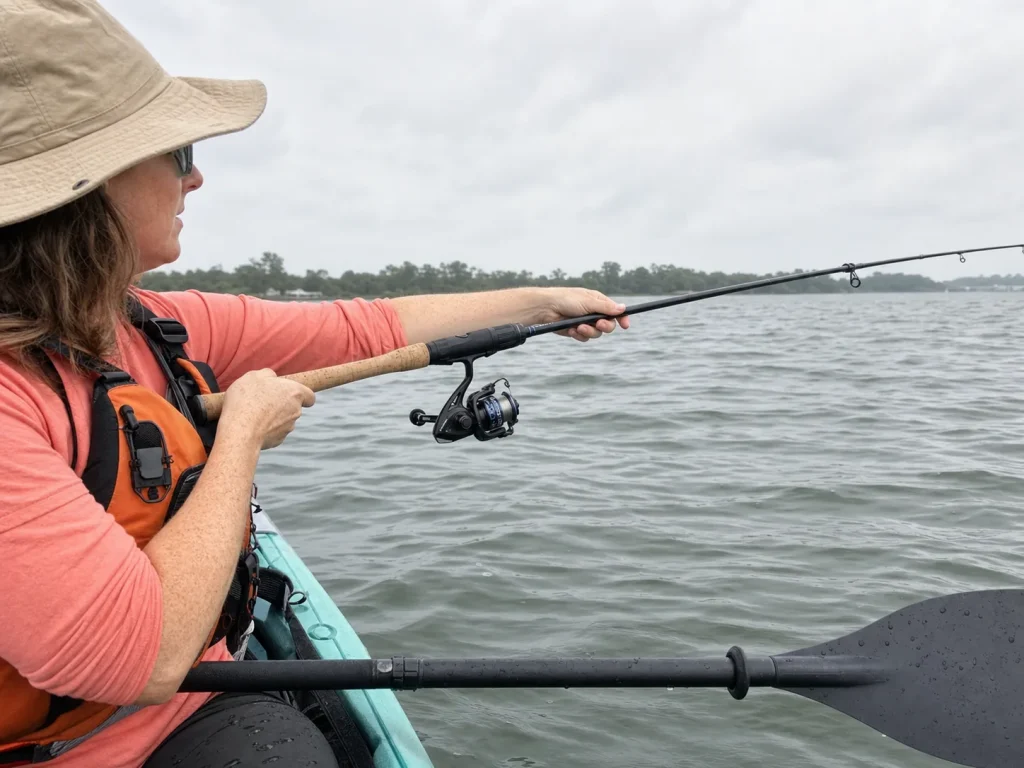
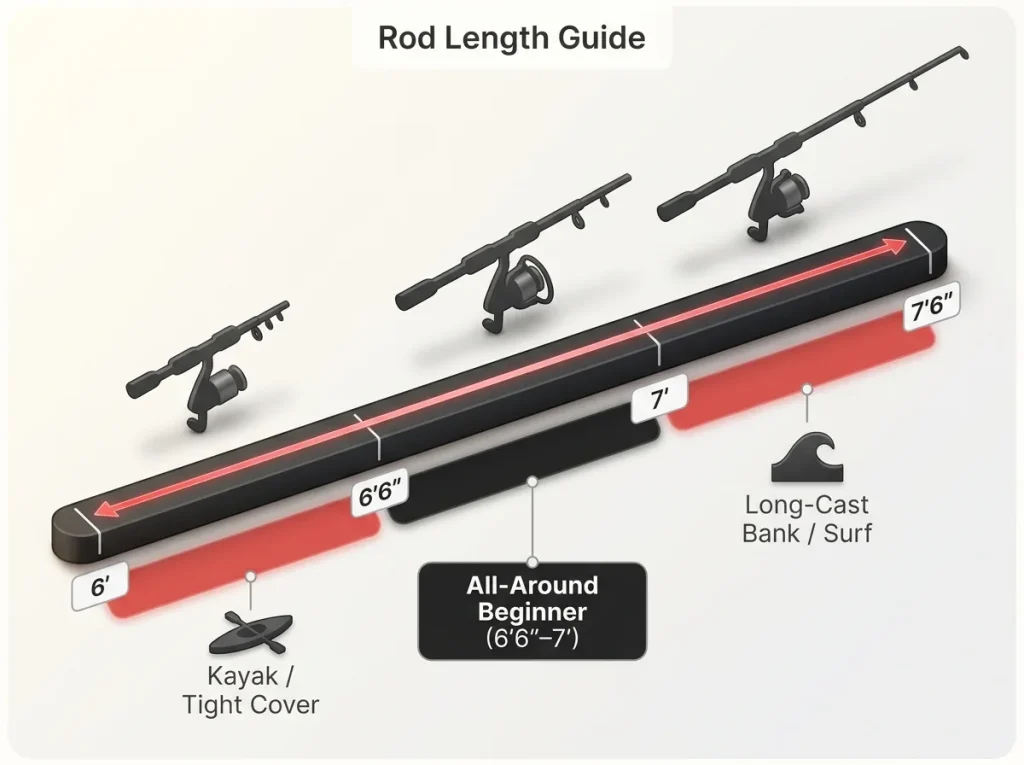
If there’s a single spec that does 90% of what a beginner needs, it’s a rod right around seven feet. Long enough to cast a respectable distance, short enough to control from a bank, a dock, or a kayak seat.
The 6’6″–7′ Sweet Spot and Why It Works
The 6’6″ to 7′ range is the beginner default for a reason. You get enough rod length to load the blank and lob a light lure out there, plus enough leverage to drive a hookset home, without the rod becoming a flagpole you can’t handle in tight cover. A 7-foot medium covers largemouth bass, panfish, most general freshwater situations, and even a little light inshore saltwater for the odd redfish, all on a single rod, which is exactly what you want when you own exactly one. You feel the difference right away: a 7-footer flings a light jig that a stiff little 6-foot rod would just dump at your feet.
Where Longer or Shorter Actually Helps
Go longer than seven feet and you buy casting distance and hookset leverage, which is why surf and big-water anglers run eight and nine-foot rods. You also lose control in tight quarters and wear your arm out faster. Go shorter and you gain precision and control, handy from a kayak or under overhanging trees, at the cost of distance. For where you’ll actually fish as a beginner, seven feet threads that needle. If you want to match a rod to specific water later, here’s how to pick the right rod length for where you fish.
Power and Action, the Two Specs Beginners Mix Up
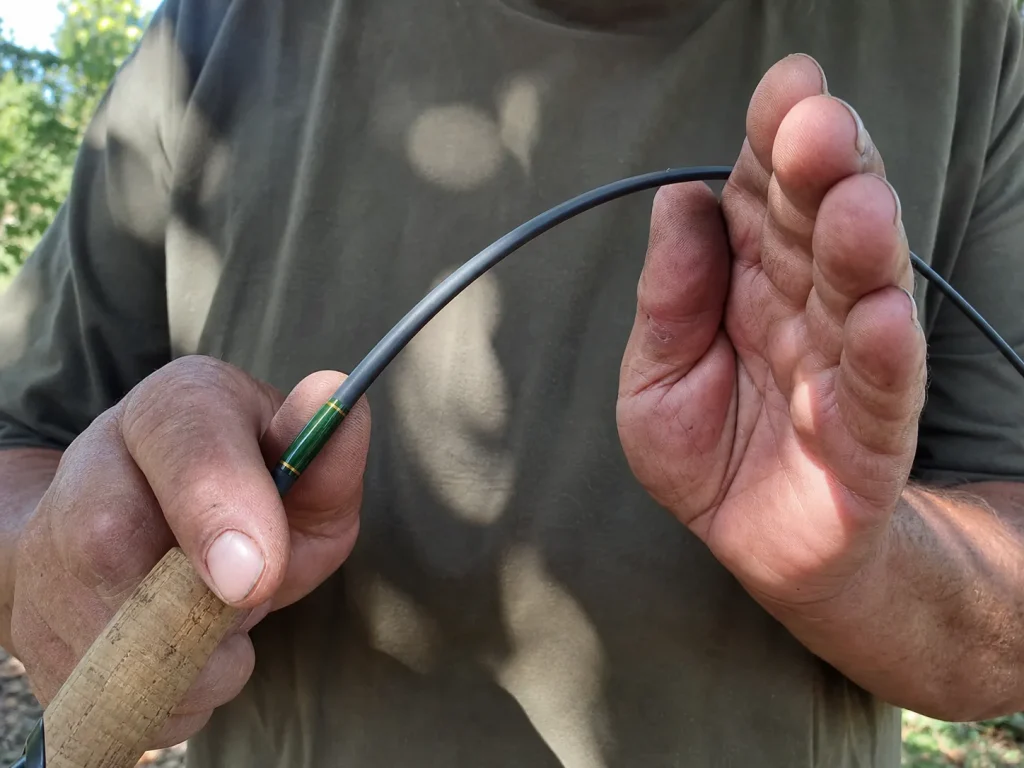
Walk up to the counter and ask for a “medium action” rod and you’ve just asked for two different things at once. Power and action are separate specs, and mixing them up is the single most common mistake new buyers make. Sort this out and half the confusion on the rod wall disappears. It’s worth reading why rod power and action aren’t the same thing alongside this.
What Power Actually Controls
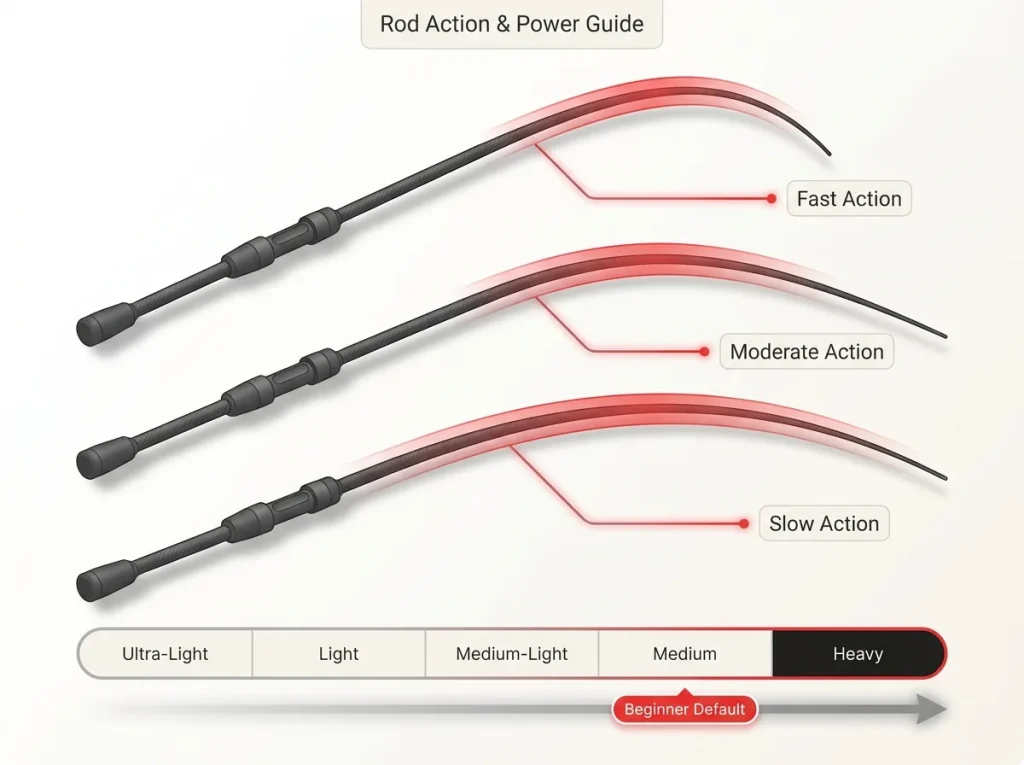
Power is how much force it takes to bend the blank, rated from Ultra-Light through Extra-Heavy. Think of it as the rod’s weight class. Ultra-light bends under a bluegill; heavy barely notices a bass. Power should match the size of fish and the weight of lure you’re throwing. For a beginner covering bass and panfish, medium power is the honest all-rounder.
Action, Where the Rod Bends and Why It Matters
Action is a different question entirely: it’s where along the blank the rod bends. A fast action rod bends only in the top third, staying stiff below. A moderate action bends closer to the middle, and a slow action flexes almost the whole way down. Fast action gives you a firm, immediate hookset, which is why it pairs so well with single-hook baits and jigging a soft plastic along the bottom.
The Beginner Default (Medium / Fast) and When to Stray
Medium power with fast action (or moderate-fast if you throw a lot of treble-hook baits) is the beginner default that handles the widest range of fishing. It’s forgiving enough to learn on and capable enough that you won’t outgrow it in a month. You’d only stray toward ultra-light for dedicated panfish finesse, or heavier power for pulling bass out of thick cover. You’ll find both ratings stamped on the blank just above the handle, so you can always check what you’re holding.
Why the Wrong Action Costs You Fish
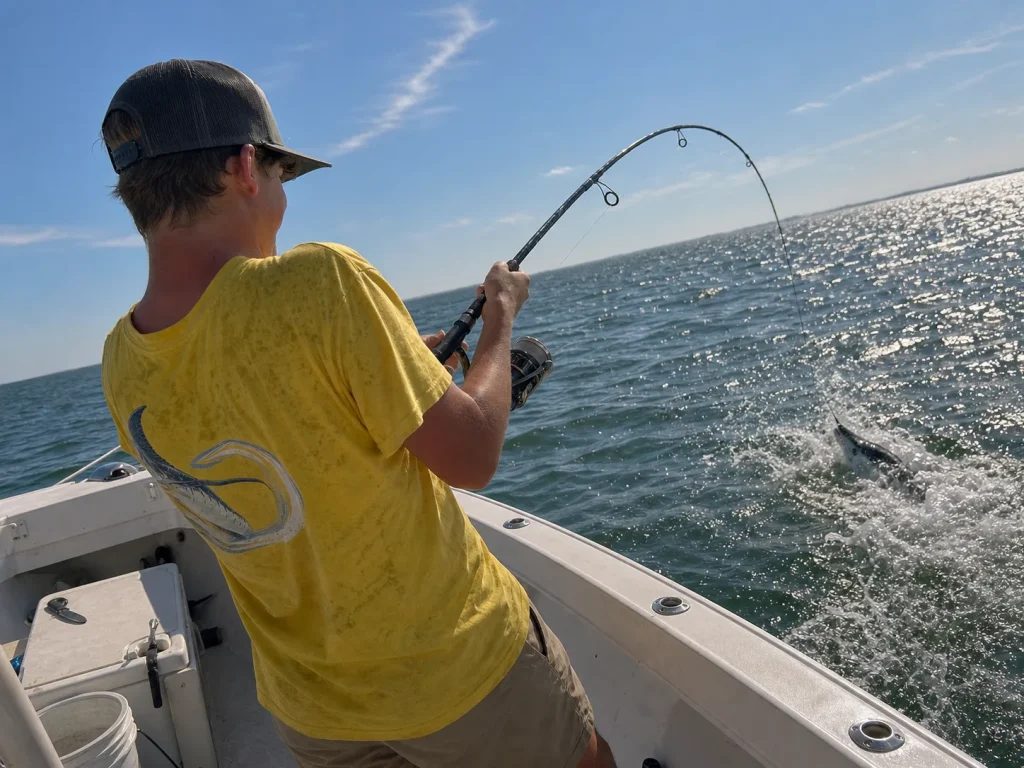
Here’s the part no beginner guide bothers to explain, and it’s the reason you lose fish on a rod that feels perfectly fine in your hands. The wrong action doesn’t announce itself. It just quietly costs you hooksets, and you end up blaming your luck.
The Tap-Tap-Miss When the Rod’s Too Soft
Picture the classic first-trip moment. You feel a tap-tap, your heart jumps, you swing to set the hook, and nothing’s there. A rod that’s too soft or slow for the lure telegraphs that bite too late. The blank is still loading and flexing while the fish is already deciding your bait feels wrong, and it spits the hook before the point ever buries. You felt the bite. The rod just didn’t let you do anything about it in time.
The Torn Hook When the Rod’s Too Stiff
The opposite failure is uglier. A rod too fast and stiff for a treble-hook bait like a crankbait sets the hook so hard and so instantly that it tears the trebles right back out of a fish’s soft mouth. You hook up, feel weight for a second, and then it’s gone. That’s not bad luck either. That’s a hookset with no give, driven by a blank that doesn’t cushion the strike at all.
Why Medium/Fast Forgives Beginner Timing
This is exactly why medium power with fast action is the beginner sweet spot. It’s firm enough to bury a hook on jigs, worms, and other single-hook lures, but it isn’t a broomstick, so your timing doesn’t have to be perfect. It forgives the over-eager swing every new angler makes. And a quick safety note that costs nothing: on a snappy fast rod, a hard hookset into a snag can rocket a lure straight back at your face, so always know where your backcast lane is and keep it clear.
When you miss a bunch of light bites in a row, don’t reach for a new lure first. Check whether your rod’s action matches what you’re throwing. Nine times out of ten a beginner’s “the fish aren’t biting” day is really a “my hooksets aren’t connecting” day.
Graphite, Fiberglass, or a Blend
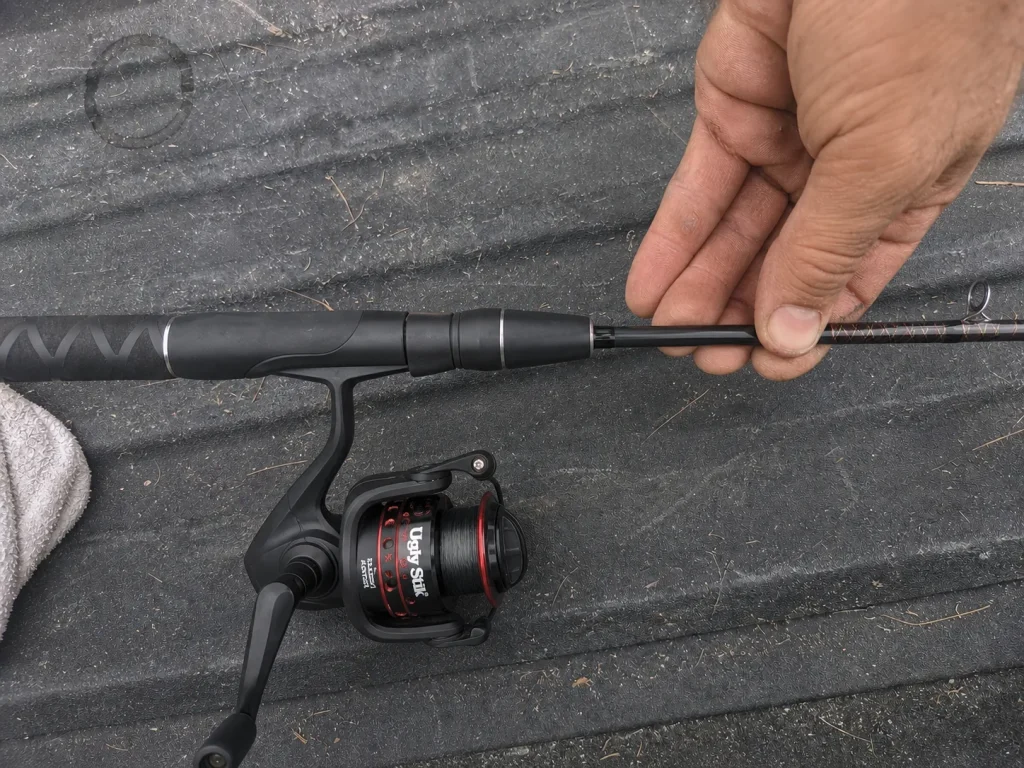
Here’s where the honest gear talk comes in. Graphite sounds more advanced than fiberglass, so beginners chase it, and that’s usually the wrong instinct for a first rod.
Graphite vs Fiberglass, Sensitivity vs Durability
Graphite blanks (a carbon fiber material) are light and sensitive, so you feel more of what’s happening at the end of your line, but that stiffness makes them more brittle. Fiberglass is heavier and less sensitive, but it’s tough and forgiving, the kind of rod that shrugs off abuse. For a first rod that’s going to get high-sticked, stepped on, and slammed in a truck door its first season, that toughness matters more than squeezing out the last ten percent of feel. The deeper science behind graphite versus glass rods is worth a read once you care about the tradeoff.
The Composite Blend (Why It’s the Beginner Sweet Spot)
A graphite/fiberglass composite blank splits the difference, and it’s why rods like the Ugly Stik have introduced more people to fishing than anything else. You get enough sensitivity to learn what a bite feels like, plus enough backbone and durability that the rod survives the learning curve. For most beginners, composite is the sweet spot, full stop.
Modulus and Ton Ratings Without the Hype
You’ll see numbers like 24-ton graphite, IM7 graphite, or 30-ton thrown around. Those describe blank stiffness, and higher isn’t automatically better, it’s just stiffer and often more brittle. A beginner does not need a 40-ton premium blank to catch a bass off a dock, and anyone who tells you otherwise is selling something. For a first rod, treat modulus as background noise and let power, action, and durability drive the choice.
Match Your Line to the Rod or Lose Fish
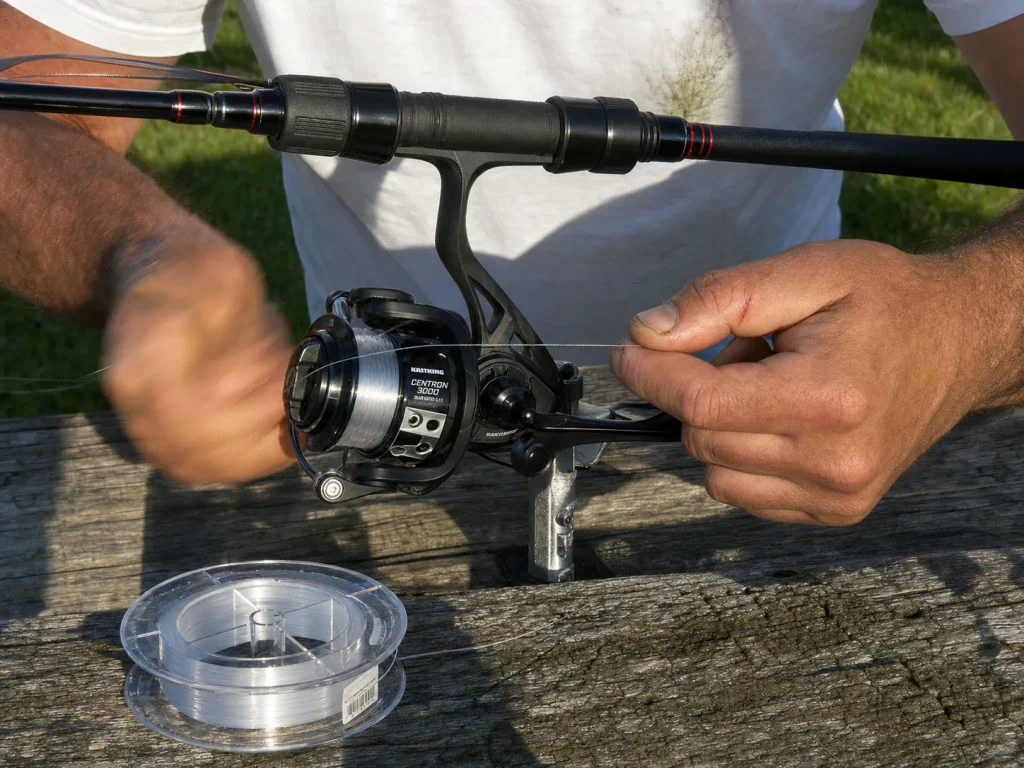
You can buy exactly the right rod, spool it with the wrong line, and undo the whole thing. This is the quietest budget-rod failure there is, and almost nobody connects the two. Your line test and your rod power have to agree.
The Line-Test-to-Power Cheat Sheet
Every rod has a printed line range near the reel seat, and it’s there for a reason. Match your line to the rod’s power and stay in the middle of that range, not the extreme ends. Here’s the pairing that keeps you out of trouble.
| Rod Power | Line Test | Best Line Type | Typical Target |
|---|---|---|---|
| Ultralight | 2–6 lb | Mono | Panfish, bluegill |
| Light | 4–8 lb | Mono | Trout, crappie |
| Medium-Light | 6–10 lb | Mono or fluoro | Smaller bass, all-around |
| Medium (beginner default) | 8–12 lb | Mono or fluoro | Largemouth bass, general freshwater |
If your line falls outside that printed window, you’re set up to fail in one of two ways. Too light for the rod and you snap off on hard hooksets. Too heavy and you risk the tip on a solid strike because the line won’t give before the blank does.
Why Mono Is the Better Beginner Line
Monofilament stretches under load. Braided line and fluorocarbon don’t. That stretch sounds like a weakness until you realize it’s exactly what forgives a jerky beginner hookset and cushions the shock on a light or moderate rod. Braid sounds more advanced, and there’s a time for it, but for your first season mono is genuinely the better line. It hides your mistakes while you’re still making them.
Set Your Drag Before the First Cast (“The Third”)
Old-timers call it “the third,” and it’s the cheapest insurance in fishing. Set your reel’s drag to roughly a third of your line’s rated strength before you ever make a cast. Do it by feel or with a small scale. That one habit prevents more snapped lines and pulled hooks than any rod upgrade you could buy. If pound test still confuses you, here’s what pound test actually means for beginners.
Set your drag at home before the trip, not with a fish already pulling. Tie your line to something solid, walk back until the rod loads, and thumb the spool to feel where it slips. Do it once and you’ll know the feel forever.
How to Judge a Rod Before You Buy It
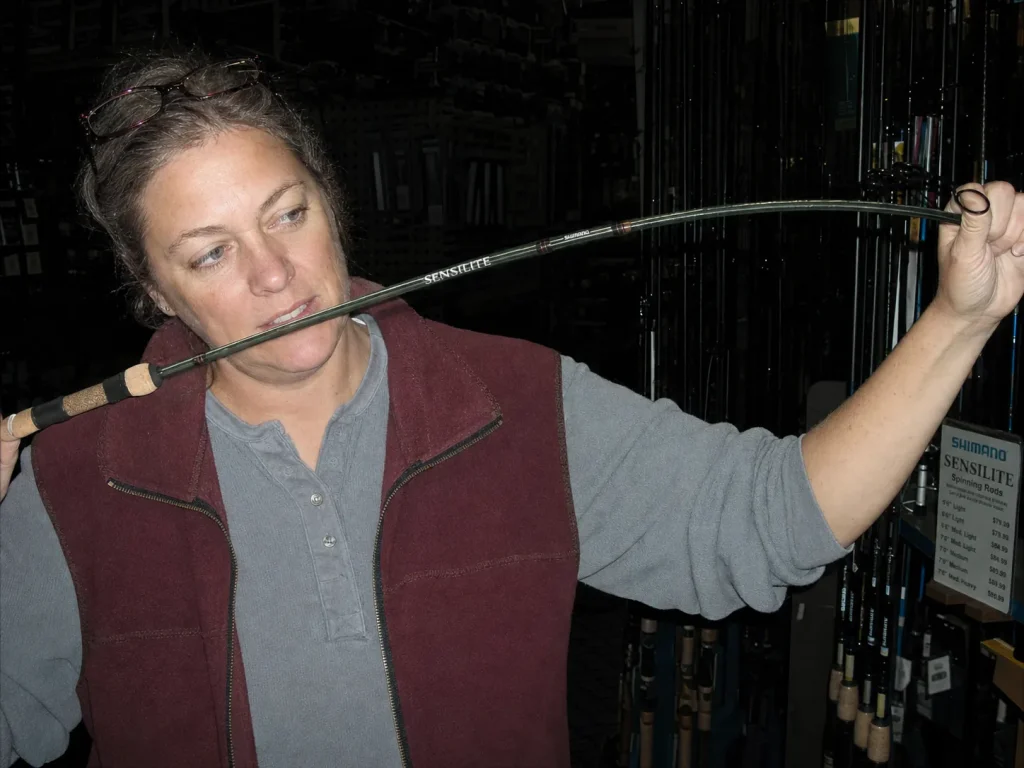
Most people now buy their first rod online, sight unseen, which means they judge it entirely off a spec sheet. That’s a shame, because a few seconds in your hands tells you more than any spec line, and even from a listing there are tells. This is the stuff nobody bothers to teach a first-time buyer.
The Floor Flex Test (Read the Action by Hand)
Every veteran does this without thinking. Hold the rod up, press the tip down toward the floor, and watch where the bend starts. If the bend concentrates in the top third, you’re holding a fast action. If it flexes deep and even down toward the handle, that’s a moderate or slow action. You just read the action with your hands instead of trusting a sticker. Do this with any rod in a shop before you buy it.
Count the Guides, Feel the Inserts
The rod guides tell you a lot about a blank’s quality. More guides, evenly spaced, let the rod bend in a smoother arc and spread load along its length. Run a fingernail around the inside of each guide, it should feel glass-smooth, never gritty, because a rough insert saws through your line over time. Look for SiC or Fuji-stamped ceramic inserts, which cut friction better than cheap steel or basic stainless steel guides.
Judging a Rod You Can Only See Online
Buying online, you can’t flex it, so read what you can. Check the printed power and action, the line and lure ratings, and the guide count and material in the specs. Zoom in on the reel seat and grip in the listing photos. A quality cork grip or firm EVA grip and a solid reel seat are signs the maker didn’t cut every corner. The feel of a grip is personal, so handle a few different ones in a shop if you can before you commit.
Nick a guide insert with your fingernail. If you can feel a burr or a hairline crack, walk away, even if the price is right. A cracked ceramic insert will fray and cut your line all season, and it’s the number-one budget-rod defect nobody checks for.
What Each Price Tier Actually Gets You
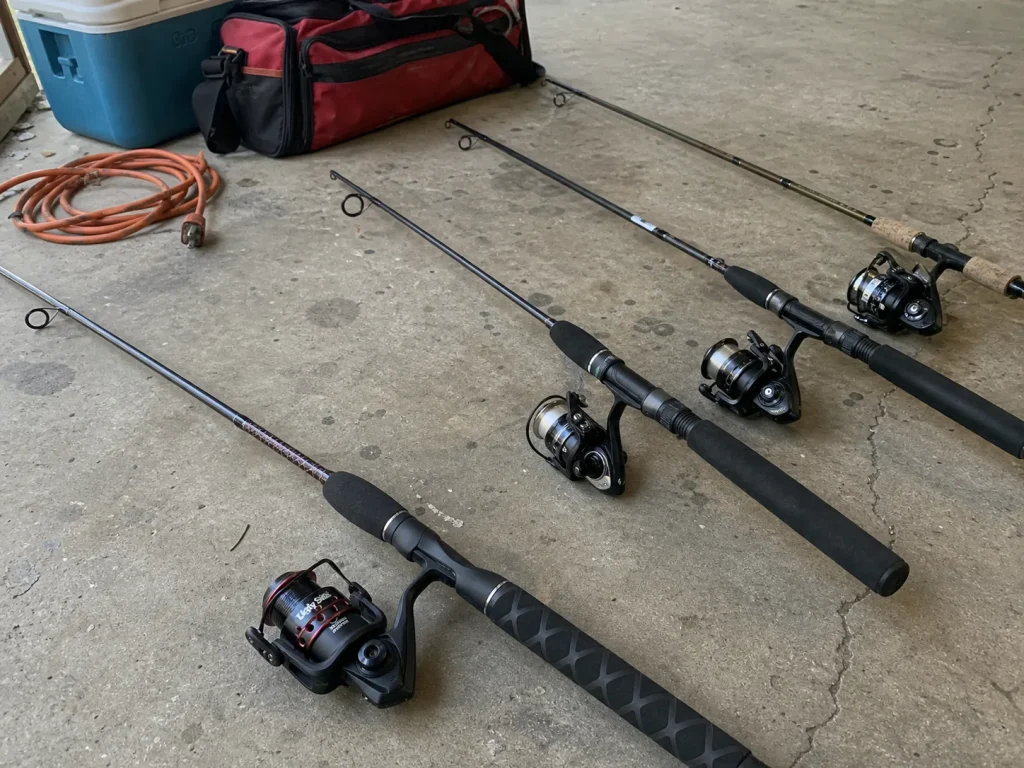
Let’s talk money without talking dollars, because the honest truth is a modest combo catches plenty of fish and the value plateau hits sooner than the marketing wants you to believe.
The Tiers Explained (Entry → Premium)
Think in four rough tiers. An entry combo is budget-friendly, ready to fish, and completely fine to start on, and a well-chosen budget rod at this tier catches just as many fish as a pricier one. A solid all-rounder steps up blank sensitivity and reel smoothness. A step-up rod gets noticeably lighter and more sensitive. A premium blank is where the exotic materials and buttery reels live. What actually changes as you climb is weight, sensitivity, guide quality, and how smooth the reel feels, real differences, but not all of them a beginner can feel yet.
Where the Value Plateau Sits for Beginners
For most beginners the value plateau sits right around the solid all-rounder tier. Past that point, more money buys refinements your hands can’t cash in on yet, a hair more sensitivity, a few fewer grams. Spend there once you’ve developed the feel to notice, not before. If you want the honest breakdown of where budget fishing gear wins and where it fails, we don’t sugarcoat it.
What More Money Does and Doesn’t Buy
More money buys sensitivity and lightness. It does not buy you fish. A competent angler catches all day on an Ugly Stik, and plenty of guides keep cheap combos rigged and ready precisely because they hold up. Buy the tier that matches your skill, not your aspirations, and put the savings toward line, lures, and the rest of what actually fills out a first setup.
Our Top Spinning Rod Picks for Beginners
Here’s what I’d actually hand a friend, sorted by how they fish, not ranked on a leaderboard. Every one of these is a combo or rod that forgives a learning curve. Combos come balanced out of the box; the rod-only pick means you’ll be matching your own reel to balance the setup. No prices here, the button takes you to the live price on Amazon.
Best Overall: Ugly Stik Elite Spinning Combo
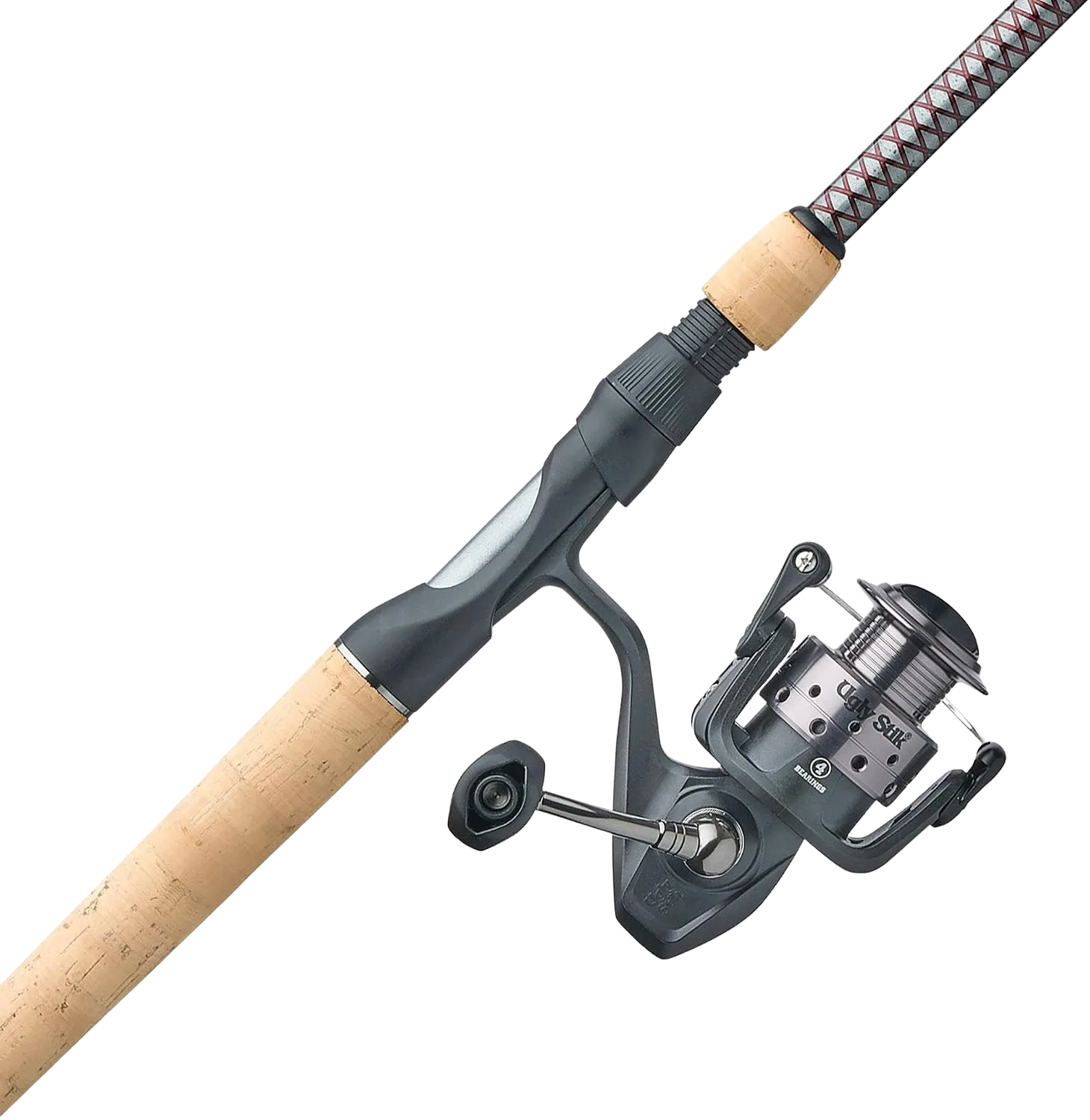
If you buy one rod and stop reading, buy this one. The Ugly Stik Elite combo covers bass, panfish, and general freshwater without a second thought, and it takes the kind of abuse a first season dishes out. The only knock is weight, it’s a hair heavier than a pure-graphite rod, but that’s the price of a blank that won’t crack when you high-stick a snag.
Best Budget: Ugly Stik GX2 Combo
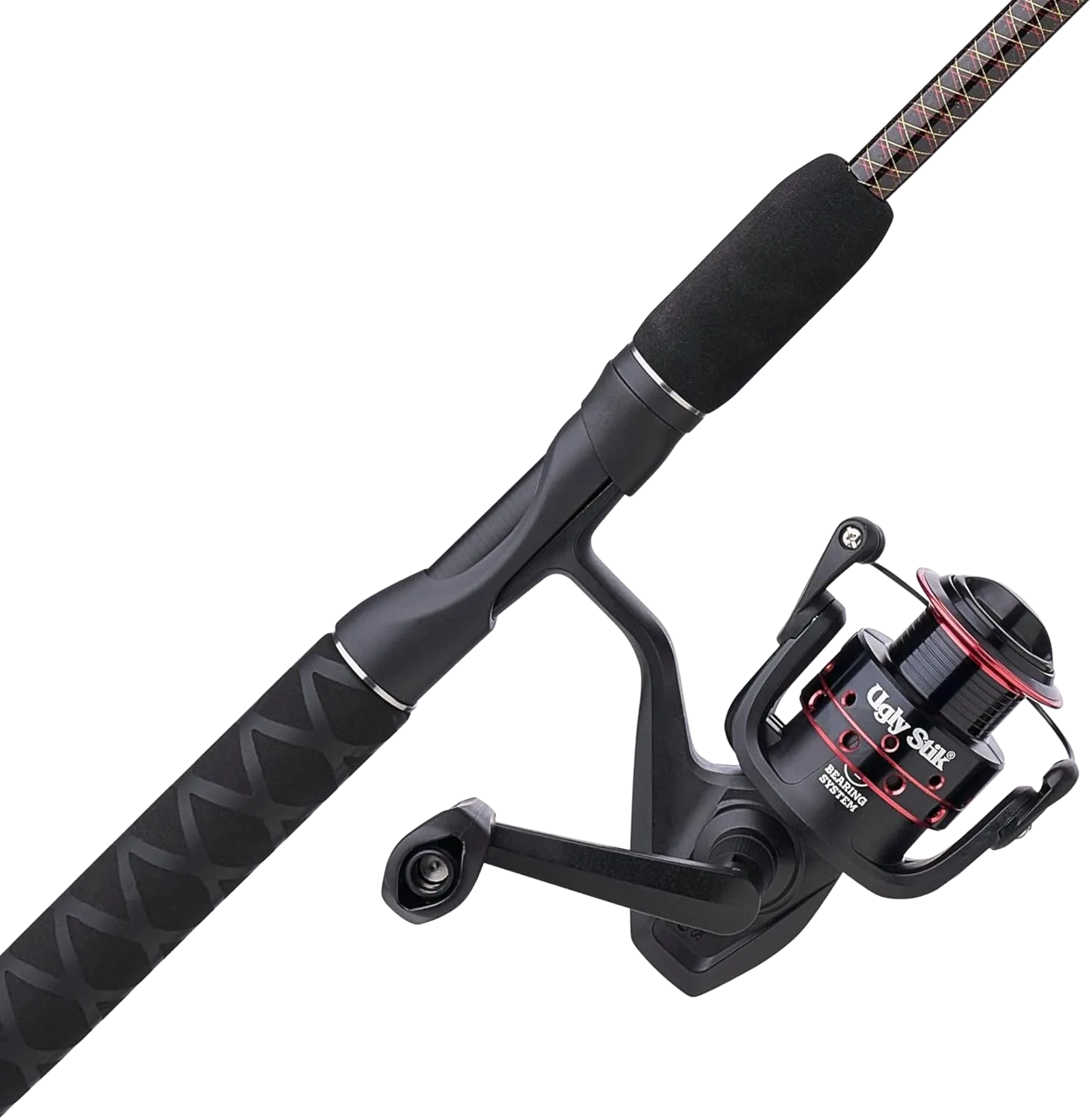
The Ugly Stik GX2 is the budget benchmark every other cheap combo gets measured against. It’s a hair softer at medium-light power, so it leans a touch more toward panfish and smaller bass than the Elite, but for the money there’s nothing to complain about. This is the combo you hand a kid, a spouse, or yourself when you’re not sure fishing will stick.
Best Value Combo: KastKing Centron Spinning Combo
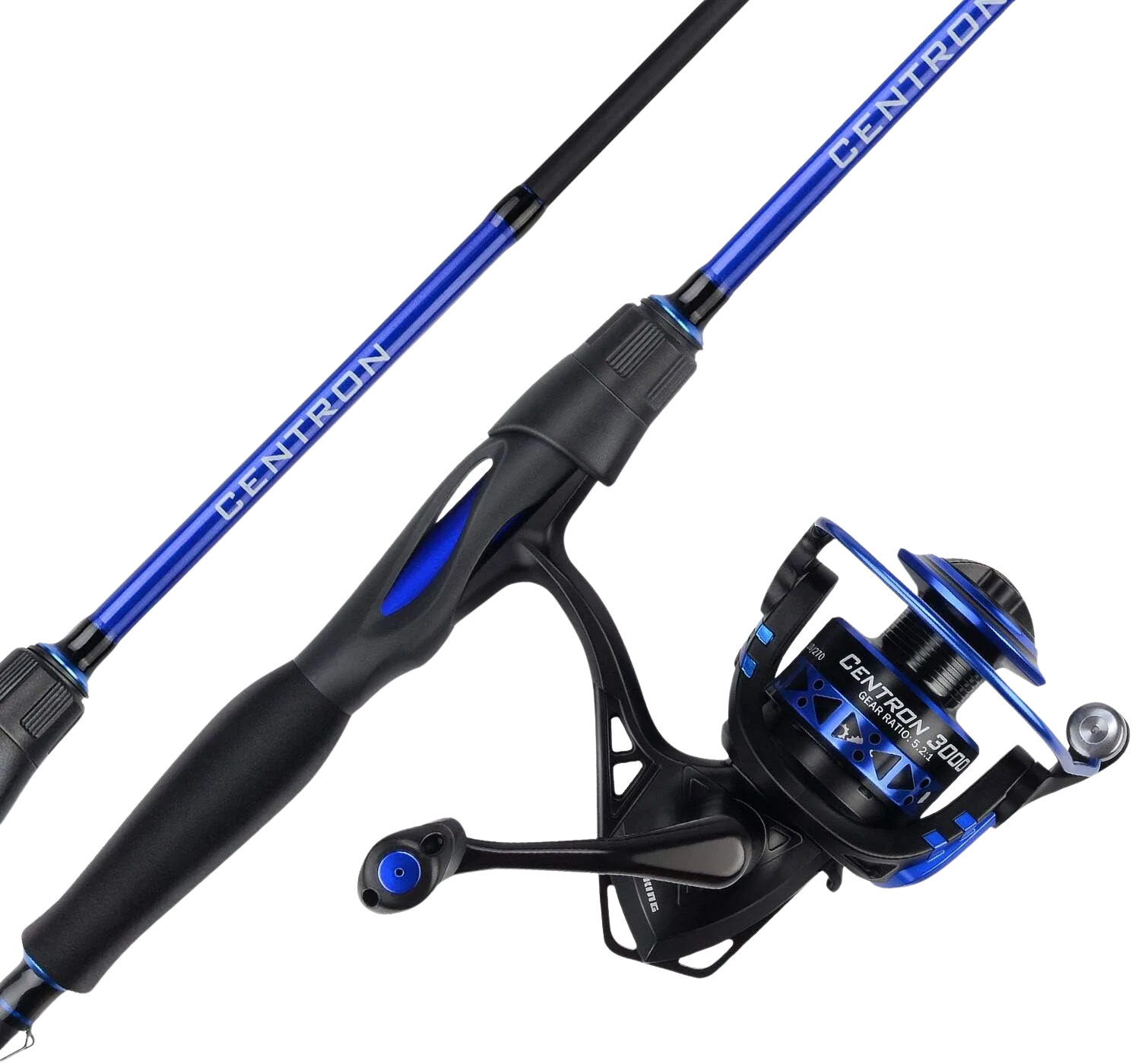
If you’d rather have the full seven-foot length than a legacy brand name, the KastKing Centron combo is the value play. That extra length buys you casting distance from a bank, and it lands right on the medium/fast beginner default. It’s not as legendarily tough as the Ugly Stik line, but treat it with normal care and it’ll serve a first season well.
Best for Panfish and Light Finesse: Lew’s Mach Crush Spinning Combo
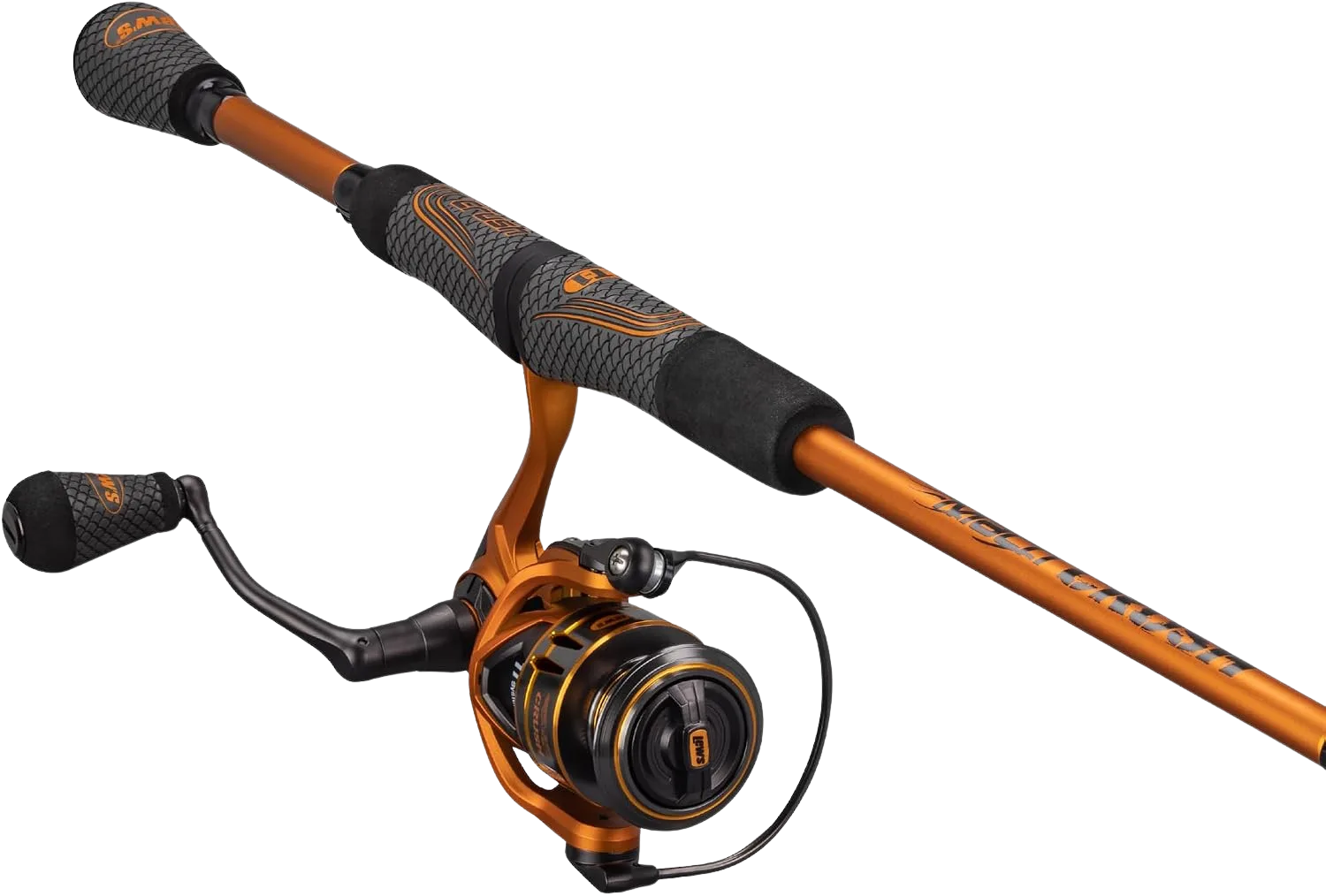
If your idea of a good day is a cooler of bluegill and crappie, the Lew’s Mach Crush is dialed for it. The ultra-light power loads on tiny jigs the medium combos wouldn’t even feel, and the fast action still gives you a crisp hookset on a light bite. It’s a specialist, not a do-everything rod, so pair it with a medium combo if you also want to chase bass.
Best for Bass: Shimano Sensilite Spinning Rod

For a beginner who already knows bass are the goal, the Shimano Sensilite gives you a lighter, more sensitive stick than the do-everything combos without leaping to a premium price. It’s a rod only, so you’ll add a 2500 or 3000-size reel, but that lets you build a balanced setup that feels a step above an out-of-the-box combo. The tradeoff is you’re now buying and matching two pieces instead of one.
Best Step-Up Rod, Rod-Only: St. Croix Triumph
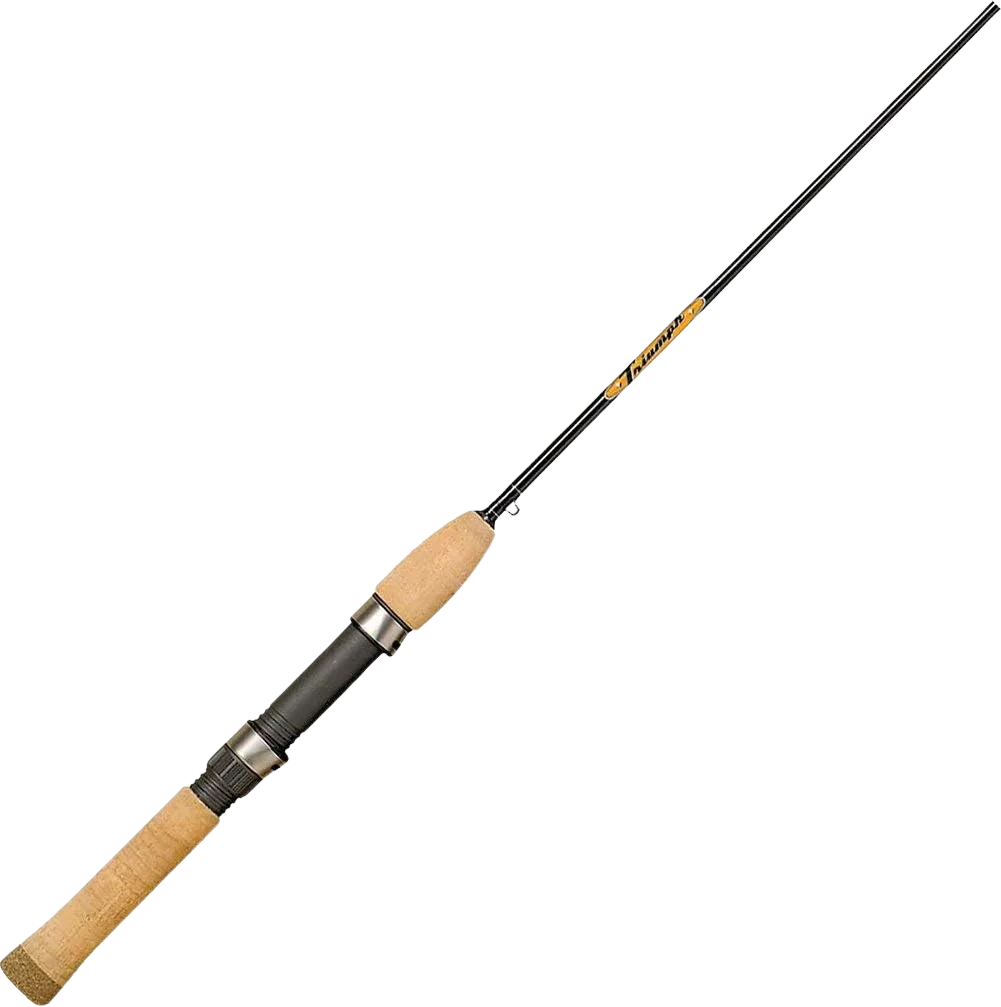
If you already have a reel sitting in a drawer, or you want to learn to balance a setup yourself, the St. Croix Triumph is where quality blanks start without jumping to a premium price. It’s a light-power, fast-action rod, so it leans finesse, and it rewards you with the sensitivity a bargain combo can’t match. Pair it with a matched 2500-size reel and you’ve got a setup that’ll outlast your beginner phase.
Rod Care and When to Upgrade
The difference between a rod that lasts five seasons and one that dies in one usually isn’t price. It’s three thirty-second rod maintenance habits and knowing where rods actually break. And when the day comes that your first rod is holding you back, there are two honest signals, not a calendar.
Three Habits That Make a First Rod Last
None of this takes real effort. Rinse the guides and reel seat with fresh water after any saltwater trip, salt is what quietly destroys gear. Run a cotton ball around each guide now and then; if it snags, you’ve found a nick before it frays your line. And store your rods vertically or lying flat, never leaning in a corner under their own tension, which puts a permanent set in the blank over time. Here’s the full method for storing fishing rods without warping them.
Don’t High-Stick, and Where Rods Actually Break
Most broken rods are user error, not defects, and the number-one culprit is high-sticking: lifting the rod too vertical under load, usually when fighting a fish close to the boat or trying to free a snag. That vertical angle loads all the stress into the weak upper section and snaps the tip. Keep the rod at a lower angle and let the blank’s full length do the work. Most manufacturer warranties won’t cover a high-sticking break either, since it counts as user error, not a defect.
The Two Signs It’s Time for Rod #2 (with the upgrade pick)
Forget the idea that you upgrade after a set amount of time. The two real signals are these. First, you keep missing hooksets on light, subtle bites, meaning you’ve outgrown your rod’s sensitivity. Second, your rod can’t turn a decent fish’s head, meaning you’ve outgrown its power. When you feel either one consistently, and only then, it’s worth stepping up. This is that step.

When you’ve genuinely outgrown rod #1, the G. Loomis IMX-Pro Blue shows you what a premium blank feels like, noticeably more sensitive and higher-modulus than anything a beginner needs. Be honest with yourself about whether you’re there yet. Buying this before your hands can use it is money you’d feel better spending on more days on the water.
Conclusion
A 7-foot medium-power, fast-action spinning combo is the do-everything first rod, and for most beginners it’s the only one you need for a while. Match your line to the rod’s printed range and set your drag to a third before the first cast, because the wrong line quietly undoes the right rod. And chase durability over the last bit of sensitivity, since a composite blank survives the season that a brittle premium rod won’t.
Pick the one that matches how you’ll actually fish, rig it, set the drag, and go catch something. The rod that “won’t fight you” isn’t the most expensive one on the wall. It’s the one you stop thinking about the moment a fish bites.
Frequently Asked Questions
01What size spinning rod is best for a beginner?
A 7-foot rod is the best all-around starting size. It gives enough length for casting distance while staying controllable from a bank, dock, or kayak, covering bass and panfish without a second rod.
02Is a spinning rod or a baitcasting rod better for beginners?
Spinning, without much debate. Line comes off a fixed spool so you avoid the backlash bird’s nests that plague new baitcaster users, which is why spinning is the standard rung before baitcasting.
03What power and action should a beginner’s spinning rod be?
Medium power with fast or moderate-fast action is the do-everything default. Medium power handles most freshwater fish, and fast action gives a firm hookset on the single-hook lures beginners throw most.
04Do you need a rod-and-reel combo as a beginner?
For a first buy, yes. A matched combo comes balanced out of the box and costs less than buying the pieces separately. Buy a rod on its own later, once you know your fishing well enough to pick a reel.
05How much should a beginner spend on a spinning rod?
Enough for a solid all-rounder, not a premium blank. The value plateau hits early, so a durable entry combo catches plenty of fish, and most beginners can’t yet feel what a high-end rod adds.
Risk Disclaimer: Fishing, boating, and all related outdoor activities involve inherent risks that
can lead to injury. The information provided on Master Fishing Mag is for educational and informational purposes
only. While we strive for accuracy, the information, techniques, and advice on gear and safety are not a substitute
for your own best judgment, local knowledge, and adherence to official regulations. Fishing regulations, including
seasons, size limits, and species restrictions, change frequently and vary by location. Always consult the latest
official regulations from your local fish and wildlife agency before heading out. Proper handling of hooks, knives,
and other sharp equipment is essential for safety. Furthermore, be aware of local fish consumption advisories. By
using this website, you agree that you are solely responsible for your own safety and for complying with all
applicable laws. Any reliance you place on our content is strictly at your own risk. Master Fishing Mag and its
authors will not be held liable for any injury, damage, or loss sustained in connection with the use of the
information herein.
Affiliate Disclosure: We are a participant in the Amazon Services LLC Associates Program, an
affiliate advertising program designed to provide a means for us to earn advertising fees by advertising and linking
to Amazon.com. As an Amazon Associate, we earn from qualifying purchases. We also participate in other affiliate
programs and may receive a commission on products purchased through our links, at no extra cost to you. Additional
terms are found in the terms of service.