In this article
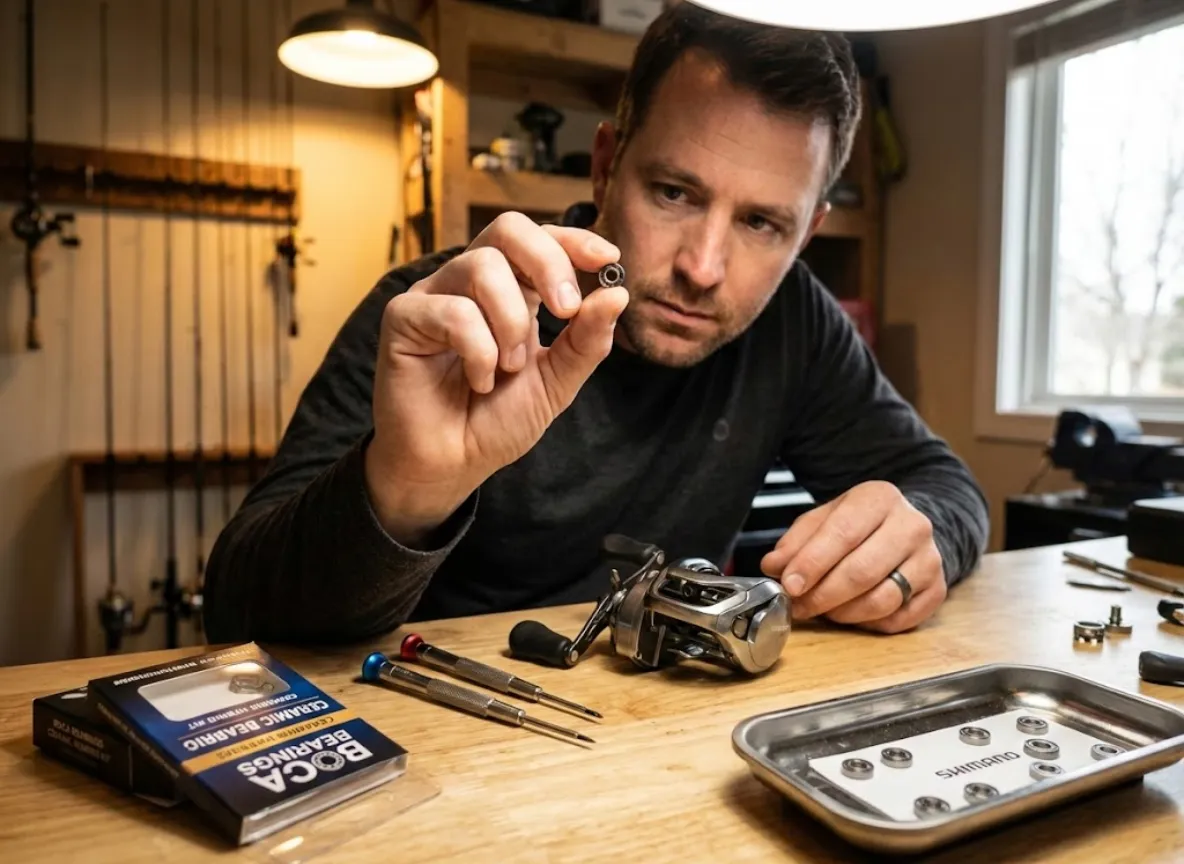
You’ve just dropped $60 on a set of ceramic bearings for your Shimano Curado, watched three YouTube videos on proper installation, and spent an hour at the workbench carefully swapping them in. First cast of the day—and the spool sounds like a tiny dentist drill. A forum search later, you learn that “dry” ceramics need break-in time, that your casting technique matters more than ball material, and that the stock bearings you removed weren’t even the limiting factor.
After decades of tuning reels for tournament anglers and hobbyists alike, I’ve seen this story play out hundreds of times. The ceramic bearing industry has done an outstanding job marketing the upgrade, but the physics tell a more nuanced story. Here’s the honest breakdown of when ceramic hybrid bearings actually deliver—and when your money would be better spent on lures.
⚡ Quick Answer: Ceramic bearings reduce friction and resist corrosion better than stainless steel, but they only provide meaningful benefits for specific anglers: BFS (ultralight finesse) specialists casting lures under 1/2oz, dedicated saltwater anglers who fish 50%+ in salt, and tournament competitors chasing marginal gains. For everyone else throwing standard bass lures from mid-tier reels, quality steel bearings—properly maintained—perform just as well.
The Tribology Behind the Hype: What Bearings Actually Do in Your Reel
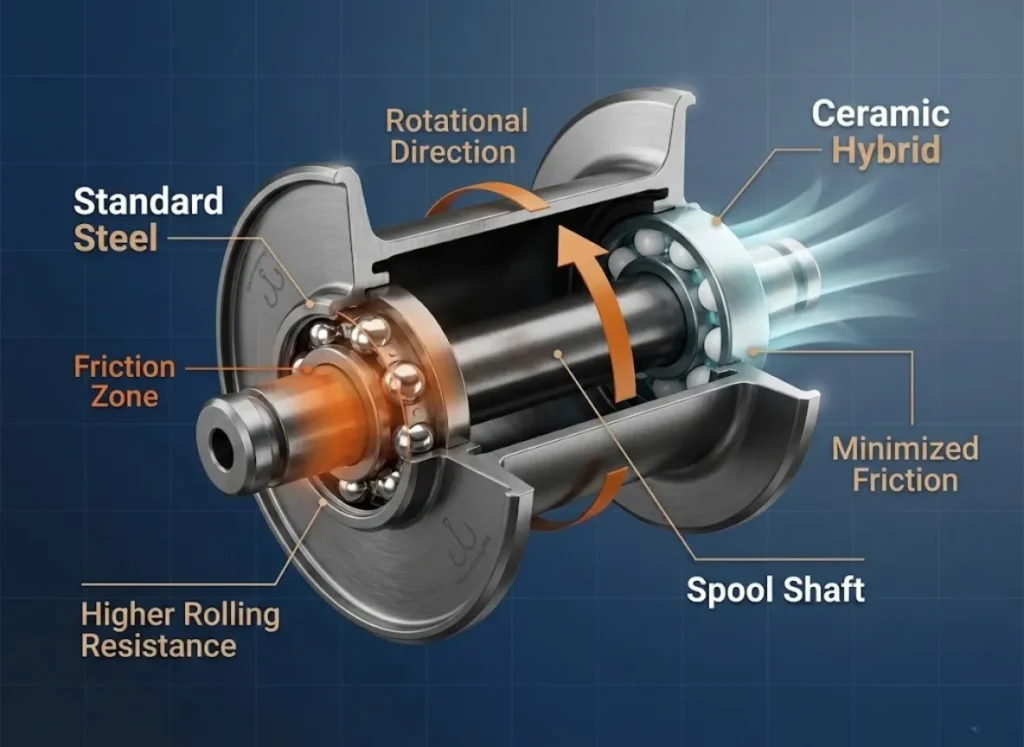
Before comparing materials, you need to understand what reel bearings actually do. They reduce friction between rotating components—specifically the spool shaft and spool in baitcasting reels, or the pinion gear assembly in spinning reels. That friction directly affects how freely your spool spins and how far your lure travels.
How Rolling Resistance Dictates Casting Distance
Rolling resistance comes down to how much the bearing resists rotation. Steel bearings create more resistance than ceramic. In lab conditions, ceramic hybrids can reduce this resistance by roughly 40%. Sounds impressive—and it is. But here’s the catch: these lab numbers assume clean, properly lubricated bearings.
A dirty steel bearing can have ten times the friction of a clean ceramic. Material becomes irrelevant if you’re ignoring reel maintenance. The most expensive silicon nitride balls in the world won’t help if they’re clogged with dried salt and old grease.
Pro tip: Before spending $60 on ceramic upgrades, try this: disassemble your current bearings, clean them with solvent, flush them dry, and apply fresh light oil. You might be surprised how much performance you recover from your stock bearings.
Your reel’s bearings handle different stress depending on location. The spool bearings see high RPM and low load during casting—potentially exceeding 30,000 RPM on a hard pitch. The pinion gear bearings and main gear bearings see lower RPM but higher torque during retrieves and fish fights. This distinction matters when deciding where to upgrade.
Where Bearings Live Inside Your Reel
A typical baitcaster runs 6-9 bearings: two spool bearings (the most critical for casting distance), two pinion bearings, two main gear bearings, and one to three auxiliary bearings in the handle knob and line guide. The spool bearings are where the ceramic advantage matters most.
Here’s a misconception that needs to die: more bearings doesn’t mean a better reel. A $500 Shimano Antares with six high-grade bearings will outperform a $30 reel with fifteen cheap bearings every time. If you’re chasing proper reel lubrication zones as part of your maintenance routine, clean steels will serve you well.
ABEC ratings (5, 7, 9) measure how precisely the bearing is manufactured. ABEC 7 means tighter tolerances—a smoother spin. But ABEC doesn’t predict lifespan in a fishing environment. A perfectly machined bearing still fails when contaminated with sand.
Ceramic Hybrid vs Stainless Steel: The Real Performance Differences
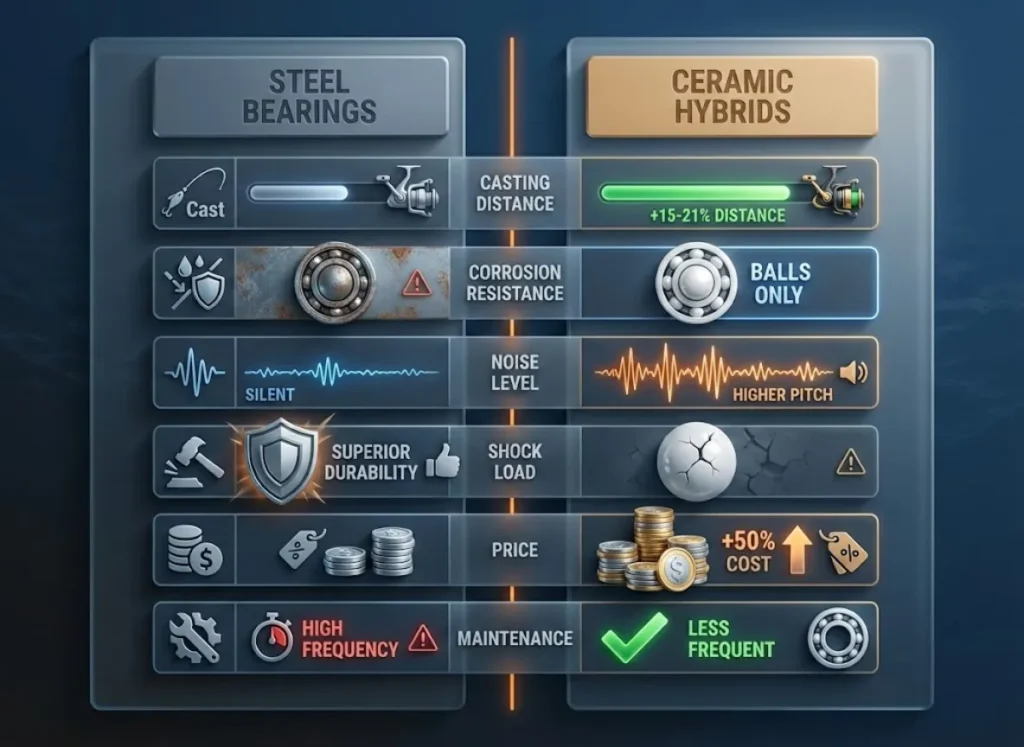
Now let’s get to the head-to-head comparison. Ceramic hybrid bearings use silicon nitride balls (the ceramic part) running on stainless steel races (the inner and outer rings). This hybrid design is what most anglers mean when they say “ceramic bearings”—full ceramic bearings are rare and significantly more expensive.
The Casting Distance Question: What the Data Actually Shows
Sport Fishing Magazine ran controlled casting tests with interesting results: ceramic hybrid bearings produced 15.3% distance gains with 1/2oz lures and 21.4% gains with 1/4oz lures compared to factory steel—under controlled conditions with identical reels and casting machines.
Here’s the critical context: those tests used dry ceramics with no lubricant. In real-world use where most anglers apply light oil (which dampens noise), the gap narrows to 5-10%. Still meaningful for certain applications, but not the transformation the marketing suggests.
BFS fishing—Bait Finesse System—sees the largest benefits. When casting 1/16oz to 1/8oz lures, every gram of ball weight matters. The lighter ceramic balls (40% less mass than steel balls) reach peak RPM faster and maintain it longer. But for lures over 3/4oz? Your arm and rod become the limiting factors, not ball material.
Corrosion Resistance: The Saltwater Advantage
Ceramic balls are inert. Silicon nitride does not corrode in saltwater, period. This eliminates the “rust on balls” failure mode that plagues standard chrome steel bearings. For dedicated saltwater fishing, that’s a genuine advantage.
But don’t overlook the fine print: ceramic hybrid bearings still use steel races. Those races—typically 440C stainless steel or 316 stainless steel—are still susceptible to corrosion. The ceramic balls won’t rust, but the races can. Daiwa’s Mag-Seal technology takes a different approach entirely, using magnetic oil barriers to prevent saltwater intrusion into standard steel bearings.
The bottom line on corrosion: ceramic hybrids reduce but don’t eliminate the saltwater maintenance burden. If you’re following a proper saltwater corrosion prevention protocol, steel bearings can last a long time in salt too.
Noise Generation: The Trade-Off Nobody Talks About
Here’s something the marketing materials skip: ceramic bearings generate more operational noise than steel, especially when running dry. Users on Bassresource consistently describe them as “noisy” or sounding like a “tiny drill.”
Silicon nitride is harder than steel. That hardness means less give at contact points, resulting in sharper sound transfer—more noise with each rotation. Lubrication dampens the noise significantly, but it also reduces the friction advantage that justified the ceramic premium.
Some anglers actually prefer the audible feedback—they can hear when their spool is spinning freely. Others find it irritating. Know yourself before you buy.
Pro tip: If you’re considering ceramic bearings and noise tolerance matters to you, buy a single replacement bearing first. Install it in just one spool position and test. You’ll know within a few trips whether the sound works for you.
When Ceramic Bearings ARE Worth It: The ROI Scenarios
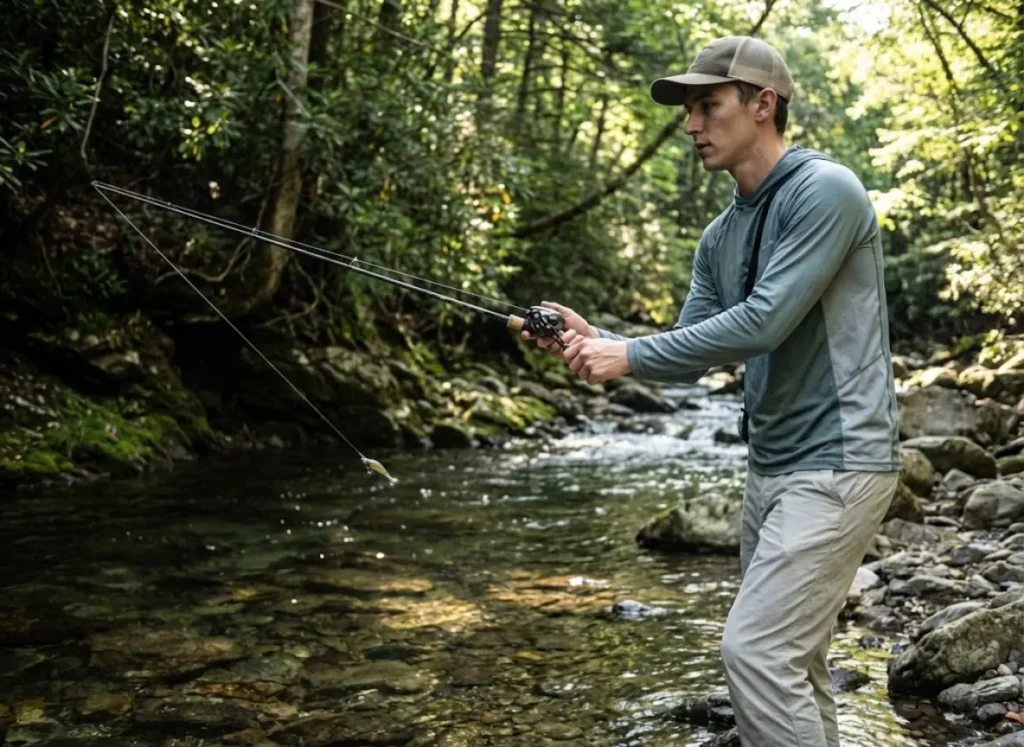
Let’s be clear about who actually benefits from the upgrade. Three specific angler profiles see measurable returns on their ceramic investment.
The BFS (Bait Finesse System) Specialist
If you’re fishing light lure finesse with 1/16oz to 1/8oz lures, minimum lure weight is your primary variable. Every gram of ball weight matters. Unshielded bearings provide maximum free-spin for BFS applications—15-20% casting distance improvement over stock shielded bearings.
The ideal reels for ceramic BFS upgrades include the Shimano Aldebaran, Daiwa Alphas, or any spool under 8 grams. If you’re already deep in the finesse game with a dedicated ultralight setup, the upgrade makes sense.
The Saltwater Long-Haul Angler
Fish saltwater more than 50% of the time AND perform bearing cleaning fewer than 4x per year? Ceramic hybrids reduce your maintenance burden. The ceramic balls won’t develop rust pitting that degrades bearing performance over time.
The break-even math: at $60 for a Boca Bearings ceramic kit and four cleanings per year saved, the payback period is roughly three years. But this only applies if you’re already maintaining your reels properly. Neglect maintenance entirely, and ceramics fail too—just from contamination rather than corrosion.
The Tournament Marginal-Gains Seeker
At the elite level, 5% more distance means accessing structure your competitors can’t reach. For tournament anglers where every edge compounds, the upgrade ROI makes sense. But consider this: stock bearings on reels like Shimano Antares or Daiwa Tatula are already premium ABEC 5 or higher.
The marginal gains from a ceramic upgrade on those reels are smaller than on a $150 Curado. Same $60 cost, very different return.
When Ceramic Bearings Are NOT Worth It: Save Your Money
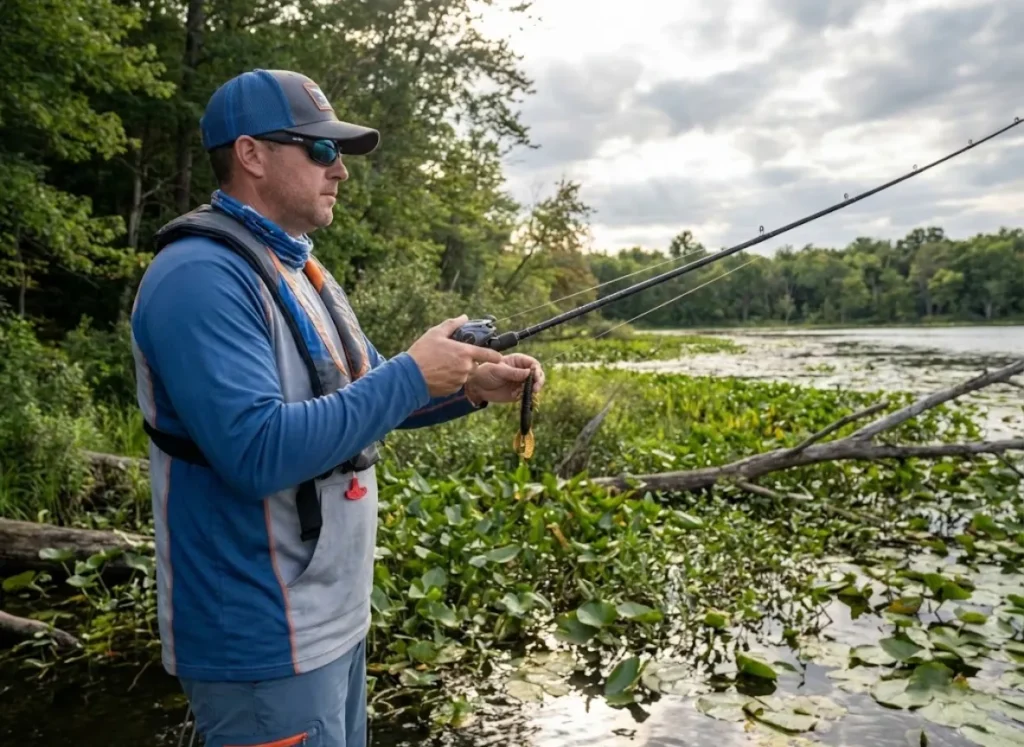
Here’s the honest anti-sell. If you fall into any of these categories, pocket that $60.
You’re Fishing Standard Lure Weights (1/2oz+)
Lure momentum dominates when weight exceeds 1/2oz. The spool reaches casting RPM regardless of bearing material—your arm and rod loading generate more than enough energy to overcome bearing friction.
Sport Fishing Magazine tests showed no meaningful distance differences with lures over 3/4oz. If you’re a bass angler throwing Texas rigs, jigs, and full-size crankbaits, ceramic bearings will not improve your fishing. Full stop.
Your Reel-to-Rod Value Ratio Is Wrong
The 20% rule: don’t spend more than 20% of your reel’s value on bearing upgrades. A $60 ceramic kit in a $150 reel (40%) delivers diminishing returns. In a $400 reel (15%), it’s reasonable.
Budget reel owners—anyone with a sub-$100 reel—should invest in a better reel before upgrading bearings. The entire drivetrain, gears, and drag system limit performance more than bearings alone. Putting $60 ceramics in an $80 reel won’t make it cast like a Metanium.
You Already Neglect Bearing Maintenance
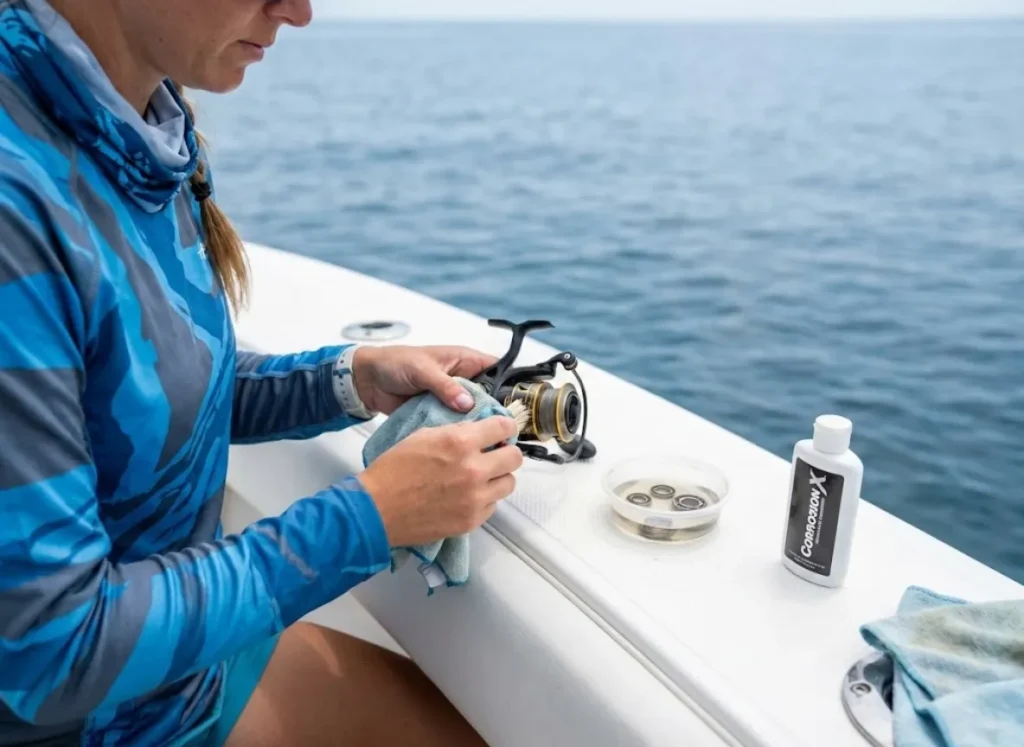
If your current cleaning schedule is “never,” ceramics won’t save you. Contamination—dirt, salt, old lubricant—affects steel and ceramic equally. Master steel bearing maintenance first through a solid post-trip gear washing protocol.
If you can keep clean bearings running smooth, then consider ceramics. If you can’t maintain steels, you’ll waste money on ceramics too.
What the Marketing Won’t Tell You: Ceramic’s Hidden Downsides
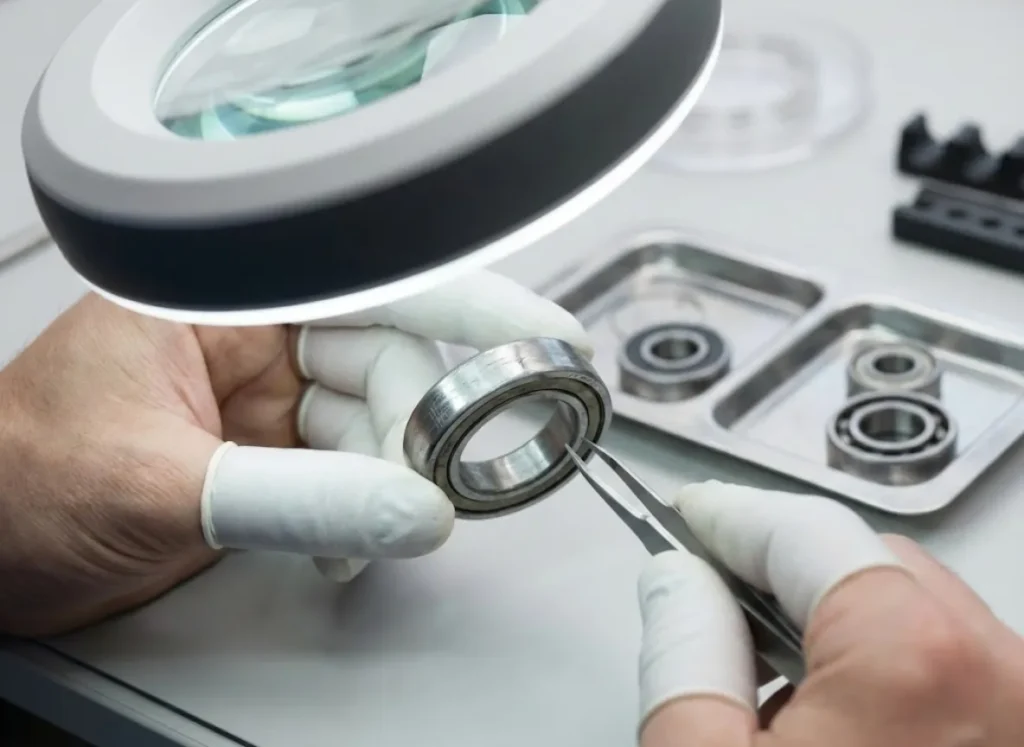
Every manufacturer touts the benefits. Here’s what they leave out.
Brittleness Under Shock Load
Silicon nitride is harder than steel, but hardness comes with brittleness. Under sudden shock loads—hard hooksets, accidental drops—ceramic balls can chip or shatter where steel would simply deform.
Big-game saltwater applications (tuna, yellowtail, large stripers) involve extreme drag loads that transfer stress through bearings. Steel’s ductility is an advantage here—it bends rather than breaks. A ceramic ball chip can score the steel races, creating a permanent grinding feel worse than stock bearing performance.
Brinelling Damage to Steel Races
Brinelling creates permanent indentations in the race from point-loading by harder balls. The ceramic-on-steel contact creates micro-indentations that accumulate over time. This damage manifests as “notchy” feeling, where the bearing develops slight resistance at certain rotation points.
Prevention: avoid leaving reels under tension in rod holders, which point-loads bearings when stationary.
Warranty Voiding: The Legal Fine Print
Zero competitors address this: installing aftermarket bearings voids the manufacturer warranty on most reels. Shimano, Daiwa, and Penn Fishing all have clauses covering “defects in materials and workmanship.” Aftermarket modifications remove this protection.
Swap to ceramics and your drag system fails within warranty? You may have no recourse. Keep your original bearings. If you need warranty service, reinstall them before sending the reel to the manufacturer.
Pro tip: Before installing any aftermarket bearing, photograph your stock bearings and note any manufacturer stamps or markings. Store the originals in a labeled bag. If warranty issues arise, you can swap back and the manufacturer will never know.
A Decision Framework: Should YOU Upgrade?
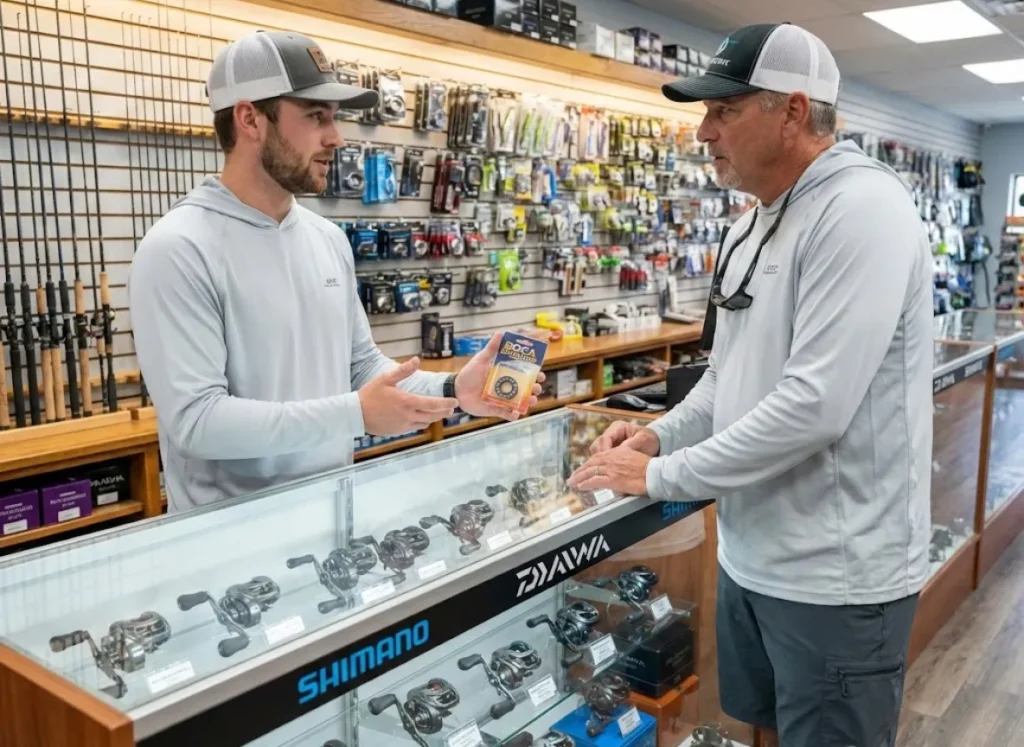
Rather than guessing, run through this quick self-assessment.
The 5-Question Self-Assessment
- Do you fish lures under 1/2oz more than 50% of the time? If no, skip the upgrade.
- Is your reel worth $200+ MSRP? If no, invest in a better reel instead.
- Do you fish saltwater more than 50% of the time? If yes, corrosion resistance adds value.
- Do you perform bearing cleanings at least 4x per year? If no, master maintenance first.
- Can you tolerate operational noise from dry bearings? If no, you’ll add oil and lose the friction advantage.
Score yourself: 4-5 “yes” answers means you’re a strong candidate. 2-3 suggests considering spool bearings only (partial upgrade). 0-1 means keep steel and invest elsewhere.
The Partial Upgrade Strategy: Spool Bearings Only
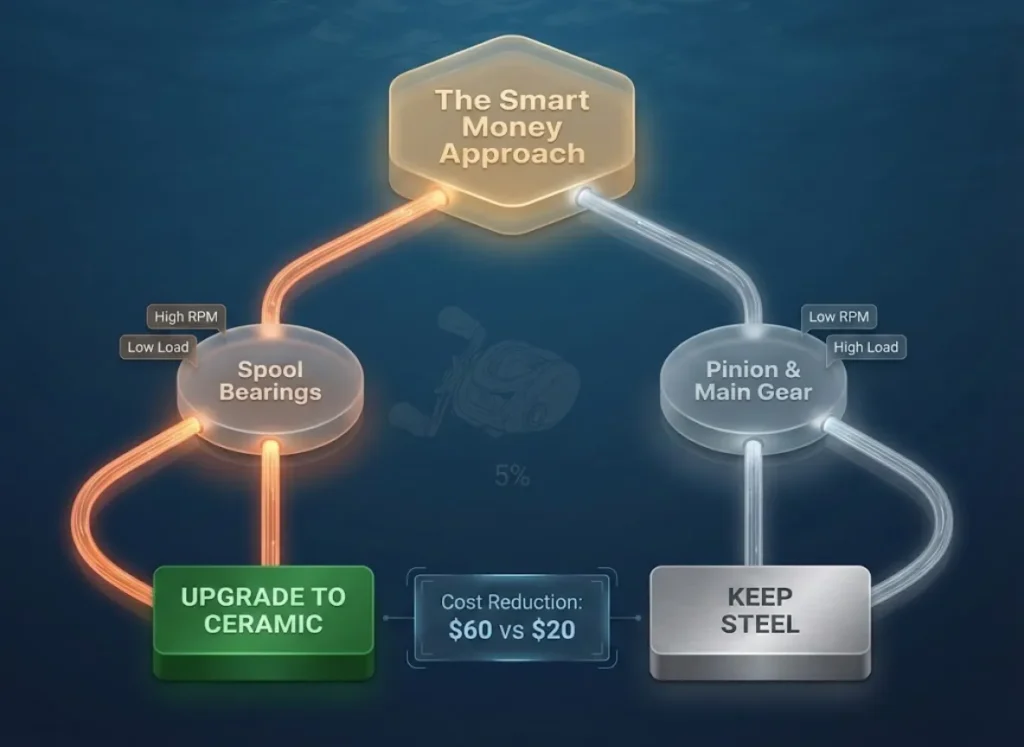
The smart money approach: upgrade spool bearings to ceramic while keeping steel in pinion and main gear positions. Spool bearings see high RPM and low load—that’s where ceramic shines. Pinion bearings see low RPM and high load—steel handles that fine.
This reduces cost from about $60 (full kit) to roughly $20 (two bearings) while capturing most of the casting benefit. Boca Bearings, JapanTackle, and Tackle Warehouse offer spool-only kits for popular reel models like the Curado 51E, Core 101, and Tatula.
If you’re still working on baitcaster casting fundamentals, technique improvements will outperform any bearing swap.
Conclusion
Ceramic bearings aren’t a scam—but they’re not the universal upgrade that marketing suggests either. For BFS specialists chasing ultralight lures, saltwater anglers tired of corrosion, and tournament competitors hunting marginal gains, ceramic hybrids deliver real value.
For everyone else throwing 1/2oz jigs and cranks from mid-tier reels? Your stock stainless steel bearings are fine. That money is better spent on line, lures, or simply learning proper bearing care.
The real question isn’t whether ceramic works—it does. The question is whether YOU are the specific user who will notice the difference. Run the five-question assessment honestly. Score below 4? Keep that $60 in your pocket and spend it on time on the water instead.
FAQ
How much do ceramic bearings increase casting distance?
Ceramic hybrid bearings showed 15-21% distance gains over steel with light lures (1/4oz and under) in testing. With standard lures (1/2oz+), the difference drops to 5% or less. The benefit scales inversely with lure weight.
Do ceramic bearings require lubrication?
Ceramic bearings CAN run dry and maintain lower friction than oiled bearings, but they’ll generate audible noise. Most anglers apply light oil, which dampens noise but reduces the friction advantage. You’re choosing between quiet operation and maximum free-spin.
What are the disadvantages of ceramic bearings?
Three main drawbacks exist. Higher cost—about 50% more than steel. Brittleness under shock load—ceramic chips where steel deforms. Potential brinelling damage to steel races from harder ceramic balls over time. Also, aftermarket installation typically voids manufacturer warranties.
Are ceramic bearings worth it for saltwater fishing?
Partially. The ceramic balls won’t corrode, but the stainless steel races in ceramic hybrid bearings remain vulnerable. The real advantage is reduced maintenance frequency—not immunity to saltwater. If you clean bearings regularly, steel performs fine in salt.
What ABEC rating should I look for in fishing reel bearings?
ABEC 5 or ABEC 7 are common upgrades. ABEC measures precision (tolerance), not speed or durability. Higher ABEC means tighter fits and smoother spin. Don’t overpay for ABEC 9 in fishing applications where contamination matters more than precision.
Risk Disclaimer: Fishing, boating, and all related outdoor activities involve inherent risks that
can lead to injury. The information provided on Master Fishing Mag is for educational and informational purposes
only. While we strive for accuracy, the information, techniques, and advice on gear and safety are not a substitute
for your own best judgment, local knowledge, and adherence to official regulations. Fishing regulations, including
seasons, size limits, and species restrictions, change frequently and vary by location. Always consult the latest
official regulations from your local fish and wildlife agency before heading out. Proper handling of hooks, knives,
and other sharp equipment is essential for safety. Furthermore, be aware of local fish consumption advisories. By
using this website, you agree that you are solely responsible for your own safety and for complying with all
applicable laws. Any reliance you place on our content is strictly at your own risk. Master Fishing Mag and its
authors will not be held liable for any injury, damage, or loss sustained in connection with the use of the
information herein.
Affiliate Disclosure: We are a participant in the Amazon Services LLC Associates Program, an
affiliate advertising program designed to provide a means for us to earn advertising fees by advertising and linking
to Amazon.com. As an Amazon Associate, we earn from qualifying purchases. We also participate in other affiliate
programs and may receive a commission on products purchased through our links, at no extra cost to you. Additional
terms are found in the terms of service.