
In this article
Your favorite rod folds on a good fish, and you box it up sure the factory owes you a new one. Then the reply lands: user error, claim denied. Ask anyone who has ever fought a warranty desk and they will tell you the same thing, roughly 95 to 98 percent of rod failures trace back to the angler, not a defect, and the warranty tech can usually see which one it was before you finish your first sentence. A fishing rod warranty protects against defects in materials and workmanship, not against the way most rods actually break. This is what voids coverage, how a technician reads your broken blank, and what to do when they say no.
The 95% Rule Nobody Wants to Hear
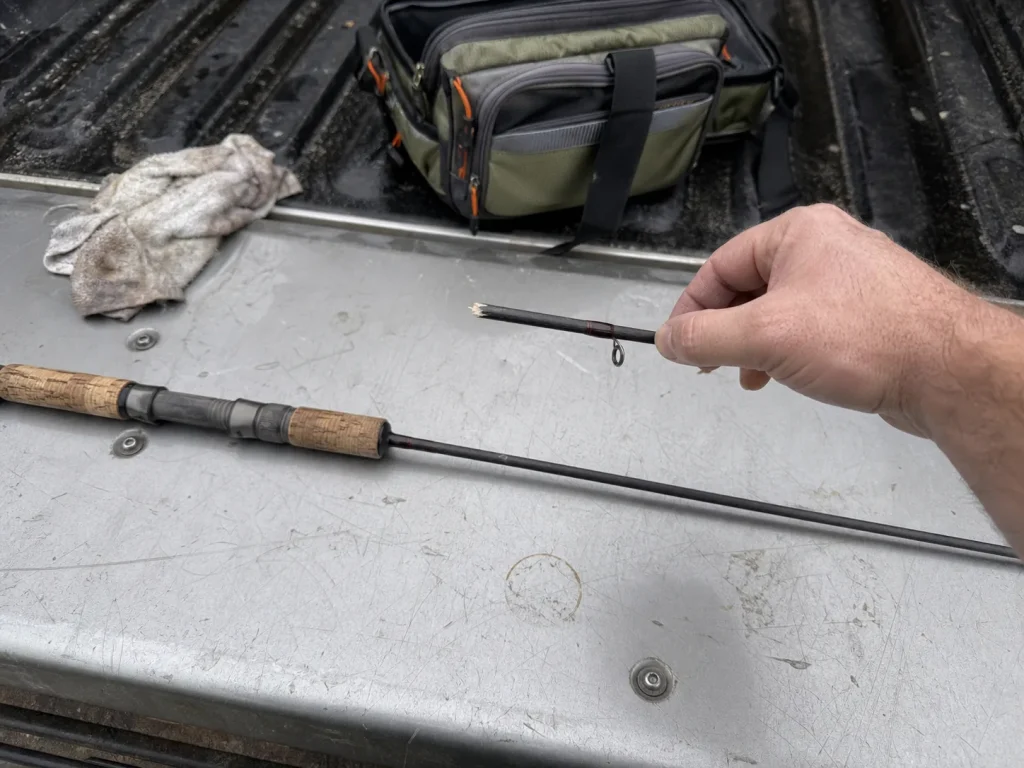
Everyone’s first instinct when a rod snaps is the same: defective rod. The warranty desk has heard that opening line ten thousand times, and they have the data to answer it. Industry figures put user error behind roughly 95 to 98 percent of rod failures, a number echoed by builders like Dobyns and Shimano and by longtime industry voices such as rod authority Tom Kirkman. That is not a company dodging responsibility. It is the baseline reality your claim has to work against.
A true manufacturing defect has a tell. It usually shows up early, in the first handful of trips, and it lives near a guide wrap or a resin flaw where the build went wrong. What it rarely does is wait two seasons and then let go clean in the middle of the blank on a big fish. If you know how to spot trouble before it fails, you can catch a real defect while it still counts as one, which is exactly what a careful look at the hairline damage that shows up before a blank lets go is for.
Here is the distinction that trips up most anglers: a warranty is not a no-fault replacement plan. Those are two different things, and brands sell them separately. The warranty covers the factory’s mistakes. Everything you do to the rod after it leaves the shop is on you, and the number above says that everything is usually the cause. Build your claim around proof, not outrage, and you are already ahead of most people who call in.
How Warranty Techs Read a Broken Blank
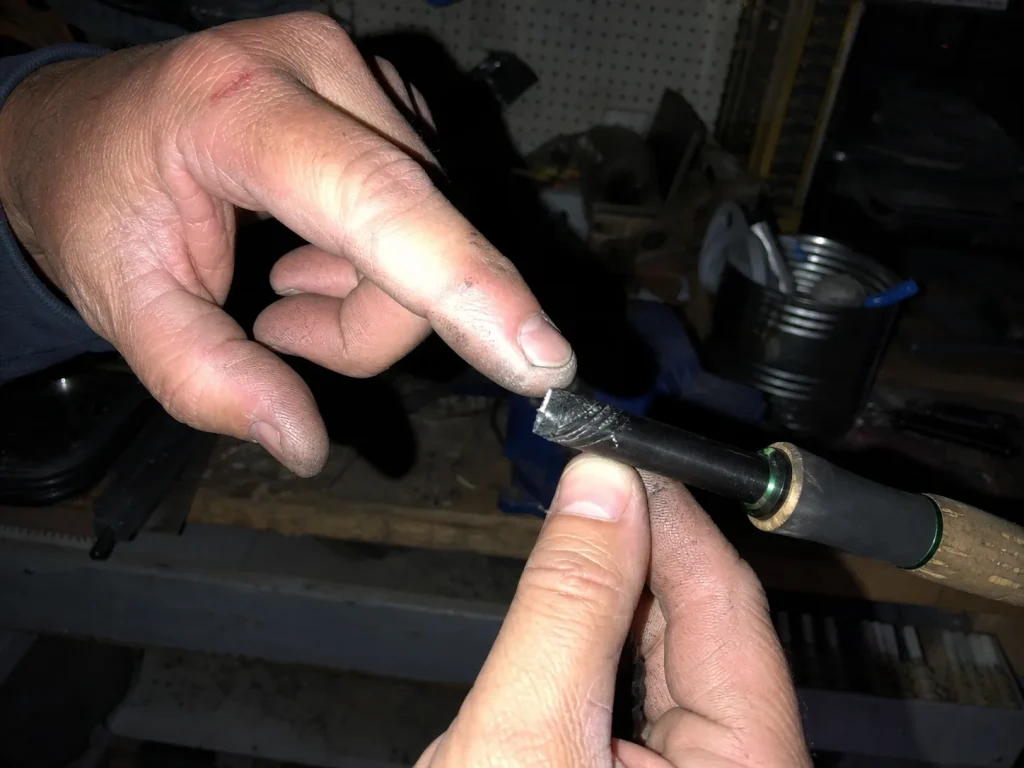
This is the part nobody tells you. A warranty tech barely needs a lab to rule on your rod. The break pattern itself is a fingerprint, and once you can read it, you will know whether your claim is alive or dead before you ever pick up the phone. The blank records how it died in the shape of the failure, and reading that shape is the whole job.
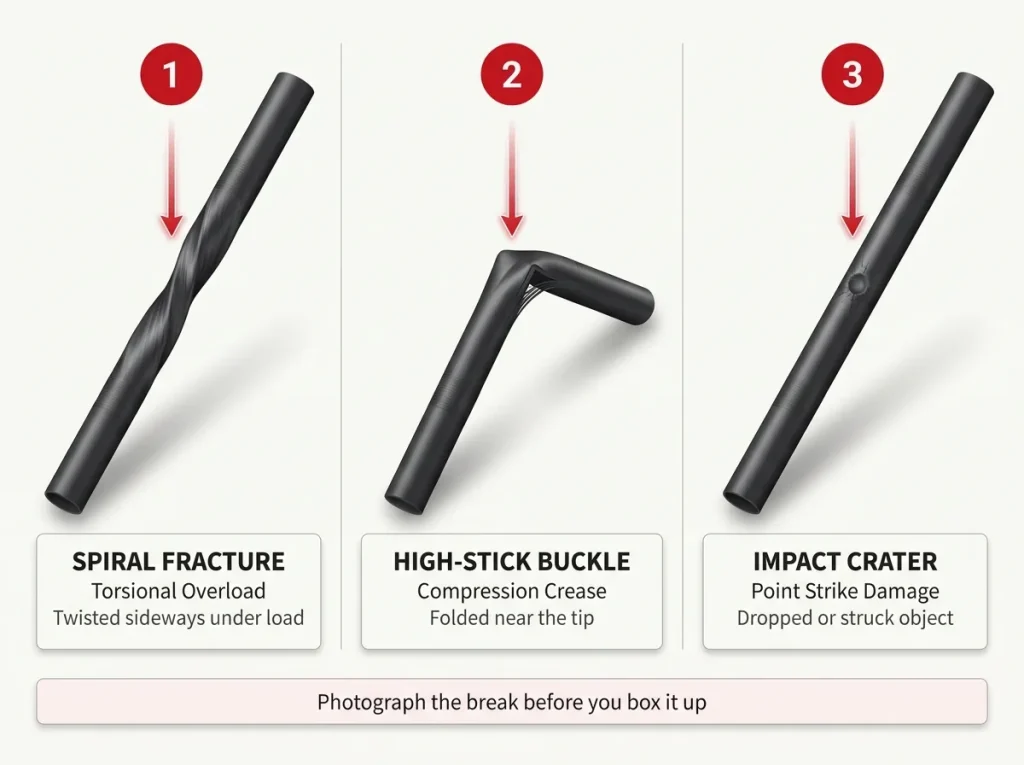
A spiral fracture, where the break twists lengthwise around the blank instead of snapping straight across, means torsional overload. The rod was twisted under load, usually from horsing a fish sideways around cover or cranking hard while the blank was bent off-axis. A clean, straight overbend leaves a different mark than a twist, and the tech reads the difference the same way every time.
The classic high-sticking signature is just as easy to spot: a buckle or crease on the compression side of the blank with splintered fibers on the tension side, sitting 12 to 18 inches down from the tip. That location plus that fold tells the whole story without a single question asked. An impact break is different again, leaving a small crater, nick, or ding right at the failure point, the mark of a rod locker slam, a car door, or a dropped sinker. A ding like that breaks the graphite blank’s hoop strength, its resistance to being crushed inward, so the rod fails there under a load it should have shrugged off. Understanding how high-modulus graphite behaves right up to the point it fails makes these patterns click, and knowing the manufacturing mechanics behind a blank’s strong and weak axis is what separates a real defect from an abuse call in the tech’s eyes.
Photograph the fracture point the moment it happens, before you box anything up. A clear shot of the break end gives you something to push back with if the first ruling comes back as abuse and you think the tech read it wrong.
Mistake #1 — High-Sticking on Every Big Fish
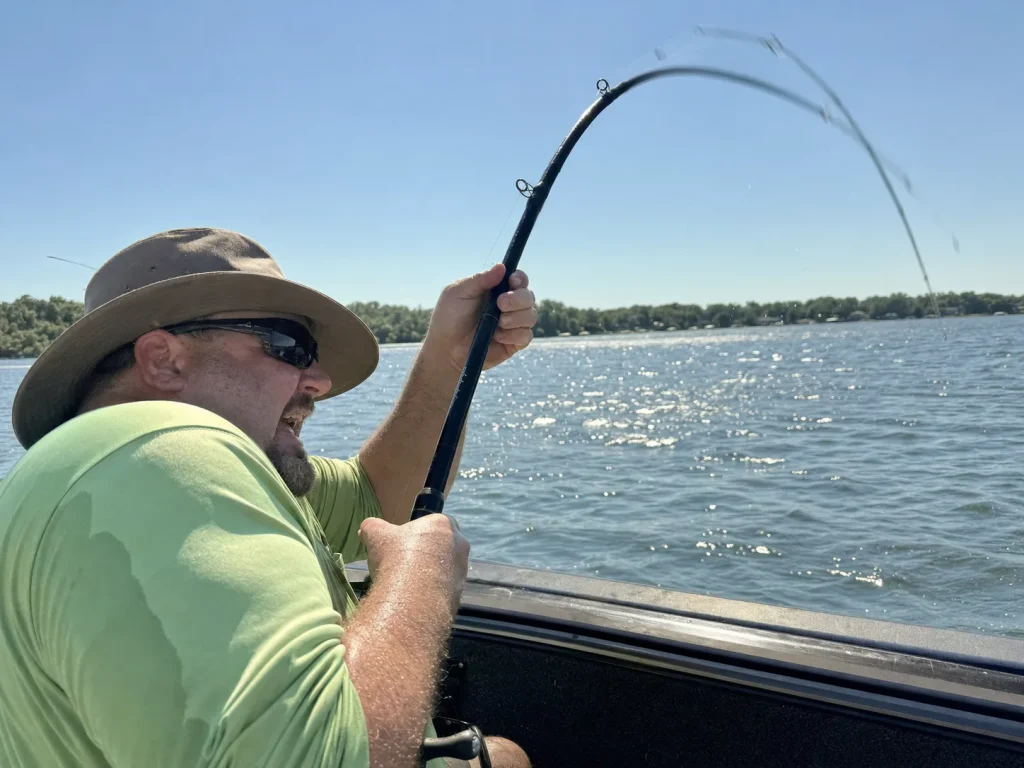
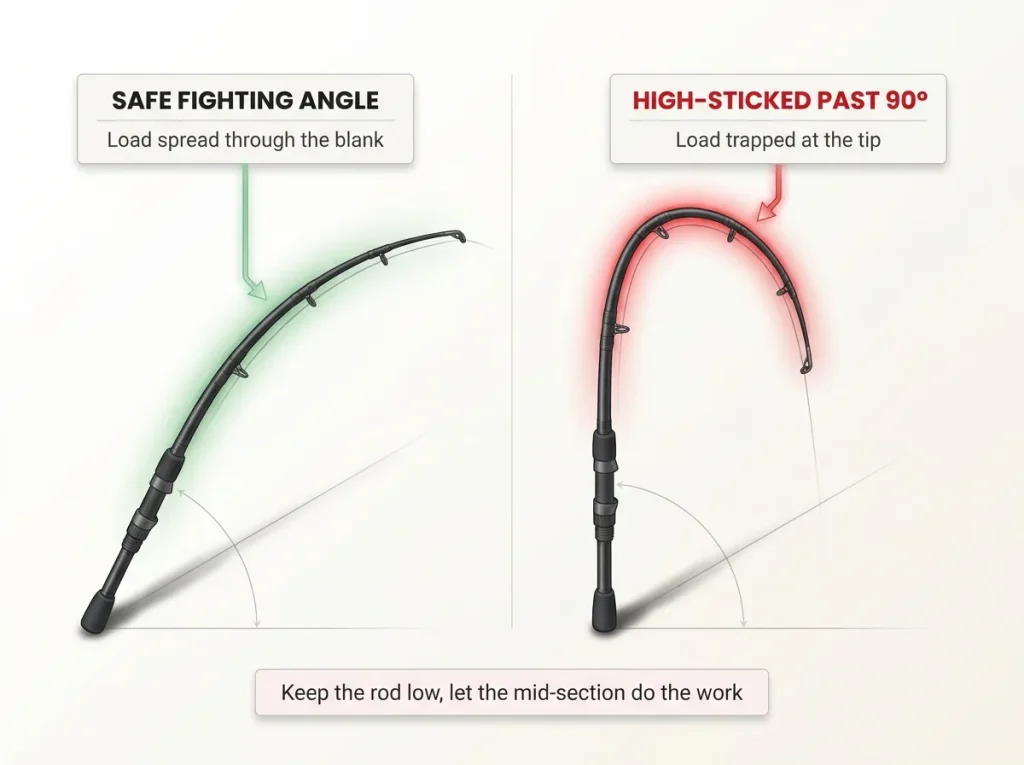
This one voids more rods than any other habit, and almost nobody thinks they do it. High-sticking is loading the rod past roughly 90 degrees, lifting the tip toward the sky to muscle a fish or free a snag. The rule of thumb warranty pages lean on is around 60 degrees or more off vertical relative to the line angle. Cross that line under load and you are stacking force exactly where the blank is thinnest.
Why does the tip third pay for it? Because that is the highest-modulus, lowest-diameter section of the rod, and when you point it straight up, the load quits spreading down the blank and concentrates in those few inches. The rod does not bend, it folds. That is the buckle-and-crease pattern from the last section, printed right into the graphite. The line rating and lure weight rating printed on the blank exist to keep you inside the load the rod can handle, which is why learning to read the line and lure ratings printed right on the blank is more than trivia.
The triggers are always the same: yanking a snag free straight overhead, lifting a fish vertically to the boat instead of using a net, or high-holding for a photo. The fix is boring and it works. Keep the rod at a lower angle, let the reel’s drag and the rod’s mid-section do the fighting, and never point the tip at the sky with weight on it. Getting comfortable with matching a rod’s power to the load you’re actually putting on it is the long-game version of the same lesson. The angler who feels the rod buckle rather than snap clean already knows, deep down, that the claim is dead before the call.
Mistake #2 — Buying Gray Market Without Knowing It
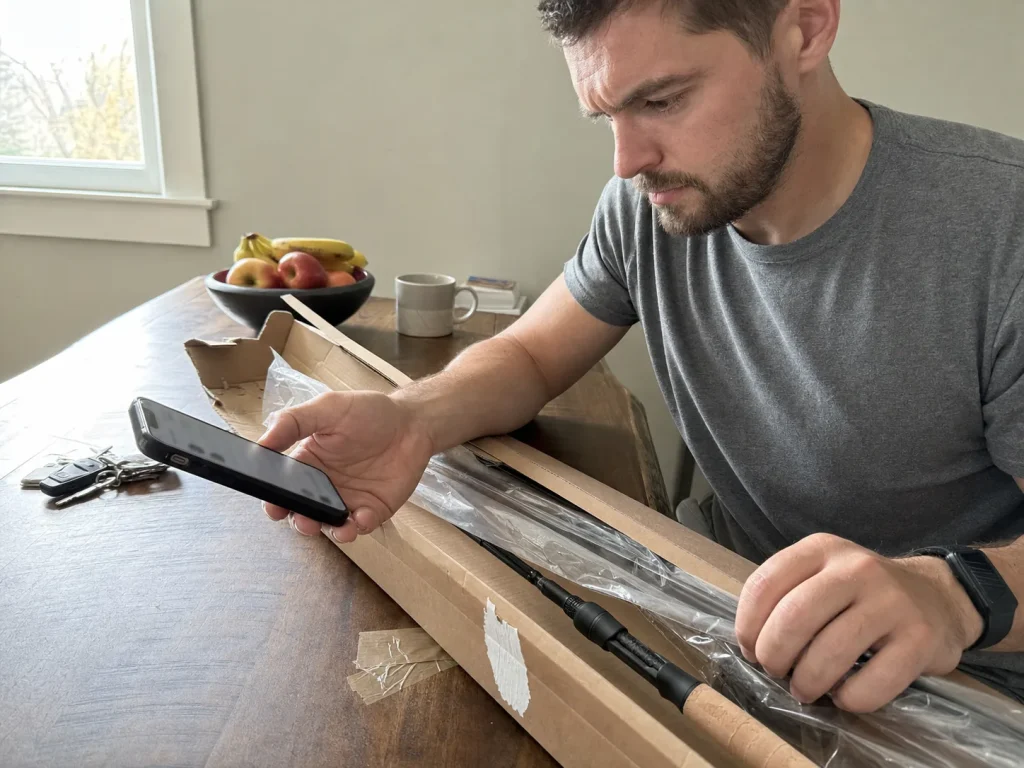
Here is a trap that springs before you ever make a cast. The gray market is any rod bought outside the brand’s authorized-dealer network: unauthorized online resellers, some third-party Amazon Marketplace sellers, overseas eBay imports, liquidation lots. The rod can be 100 percent genuine and still land you with zero coverage, because the warranty attaches to the authorized purchase, not to the product.
This is not a fringe technicality. Major Craft, Scott Rods, and 13 Fishing all explicitly exclude purchases from unauthorized sellers from their North American warranties, in writing, on their own policy pages. The steep discount that made the listing so tempting is often the exact reason the coverage is void, and nothing about the rod itself will tell you. It casts the same, it fights the same, and it fails without a safety net.
Checking is simple once you know to look. Buy from the brand’s listed dealers, keep the receipt, and on any marketplace listing read the “sold by” line before you click, not the “ships from.” The story that keeps surfacing in fishing forums is the angler who scored a rod at a price that felt too good, broke it eight months later on a legitimate defect, and only then discovered the purchase path had quietly voided the whole warranty. The rod was real. The coverage never existed.
On a marketplace listing, the “ships from Amazon” line means nothing for warranty purposes. What matters is the “sold by” name. If it is not the brand or a dealer the brand lists on its own site, treat the warranty as gone before you buy.
Mistake #3 — Skipping Registration and Proof of Purchase
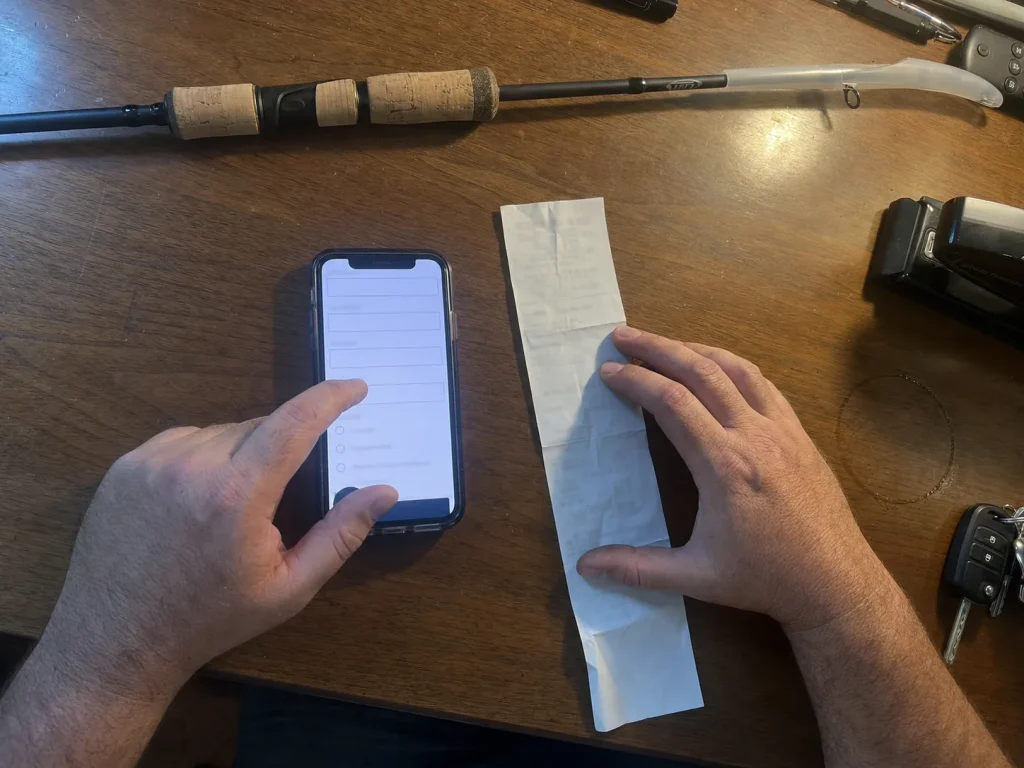
The rod really did have a defect. There was no misuse, no gray-market purchase, nothing. And the claim still dies, because there is no receipt and no registration on file. This is the quietest way to lose a legitimate claim, and it happens on paperwork months before the rod ever breaks.
Most brands want two things: proof of purchase from an authorized dealer, and warranty registration inside a set window, commonly 15 to 60 days from purchase. Miss the window and even a genuine factory defect can fall outside coverage on a technicality. Stack onto that the original owner clause. Rod warranties are usually non-transferable, so a rod that was gifted, inherited, or bought secondhand has typically lost its coverage the moment it changed hands, no matter how the break happened.
The fix costs five minutes. Register the rod the day you buy it, and photograph or digitally file the receipt so it survives a cleaned-out junk drawer. If you are still deciding what to buy, half of this problem disappears by picking the right rod from an authorized dealer in the first place, where the paper trail starts clean. Registration requirements vary enough between brands that it is worth watching how a couple of the big names handle it.
Mistake #4 — Repairing or Modifying the Rod Yourself
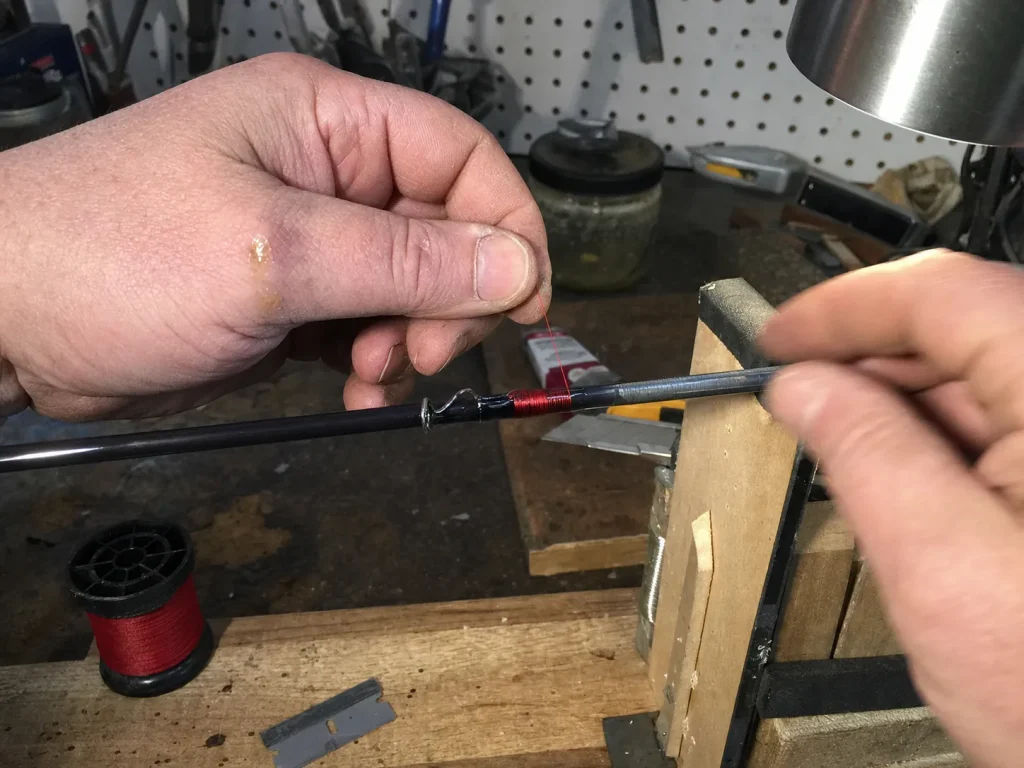
This is the gray area everyone gets wrong in both directions. Swapping a guide, re-wrapping a wrap, or reshaping a handle feels harmless, and it can void coverage on the work you touched. At the same time, a dealer’s blanket “you modified it, the whole warranty is void” is not always the final word, and knowing the difference is worth real money.
Where DIY work genuinely voids coverage is anything that changes the blank’s load path or hides a defect. Aftermarket guides, self re-wraps, and custom rebuilds all fall here, especially once you are swapping to a different guide material or building or rebuilding a rod from a bare blank. Those alter how force travels down the rod, and the manufacturer has a fair argument that your work, not their build, caused the failure. Cosmetic and handle work sits lower on the risk scale, so reworking a cork or EVA handle is far less likely to cost you than touching the blank or the guide spacing.
Now the part that protects you. Federal law does not let a manufacturer void the entire warranty just because an independent repair or an aftermarket part exists on the rod. They have to prove that the specific work caused the specific failure. A shop that waves you off with “you touched it, it’s void” and no further reasoning may not have the ground it thinks it does, which is exactly what the next section is about.
Mistake #5 — Assuming Wear and Accidents Are Covered
“Limited lifetime warranty” does not mean a lifetime of free rods, and the gap between those two readings is where a lot of anglers get burned. A warranty covers defects in materials and workmanship for the original owner. It does not cover the way rods actually wear out and get wrecked.
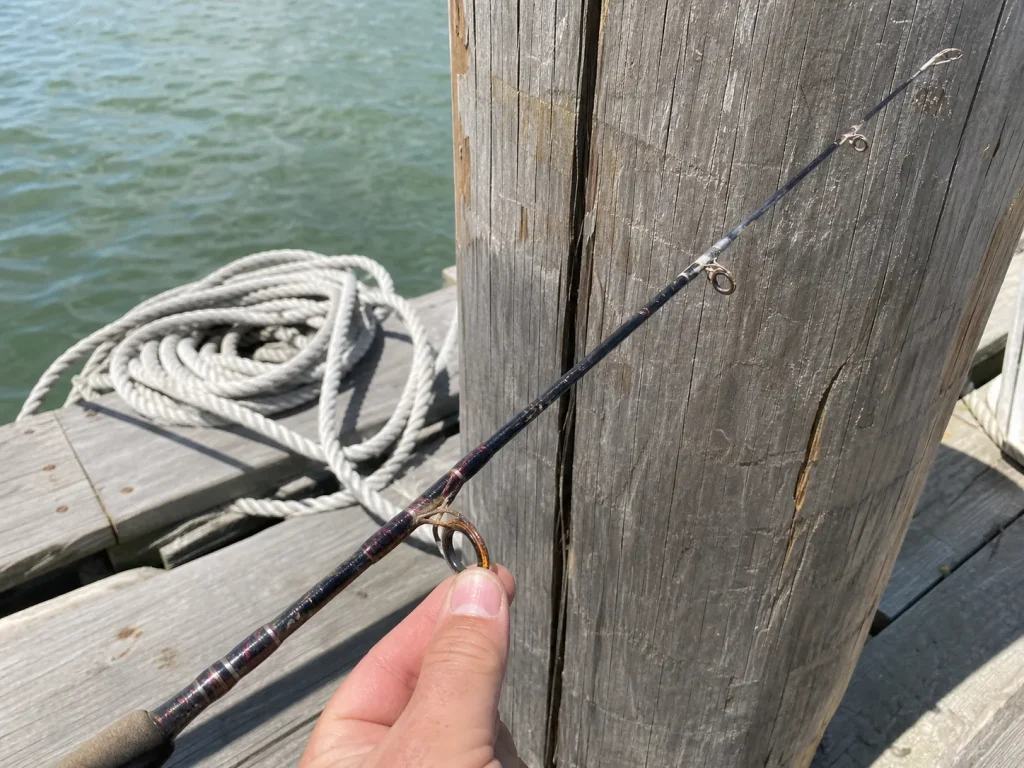
The excluded list is consistent across brands: normal wear and tear, accidental and impact damage, saltwater corrosion from skipped rinses, sun and heat degradation, and lost tip-tops. A rod that spent a season in salt without a freshwater rinse shows it, and that environmental damage reads as neglect, not a defect. Transport is its own quiet category. A rod locker slam or rough airline handling leaves the same impact signature the tech looks for, which is why a slammed tailgate can cost you a claim and why a rigid case that actually survives the trip is cheap insurance against a denial you cannot argue.
There is a maintenance angle hiding in here that pays off twice. Rinsing the rod in fresh water and storing it dry is not just good care, it keeps you from handing the tech an easy “environmental damage” verdict when you do have a real claim. Clean gear makes a defect argument easier, because there is nothing else to blame.
A saltwater rod that gets a quick freshwater rinse and dry storage is not just lasting longer, it is protecting your future claims. Corroded guides give a tech an easy reason to call environmental damage instead of a defect, even when the break really was the factory’s fault.
Your Legal Backstop When They Deny You
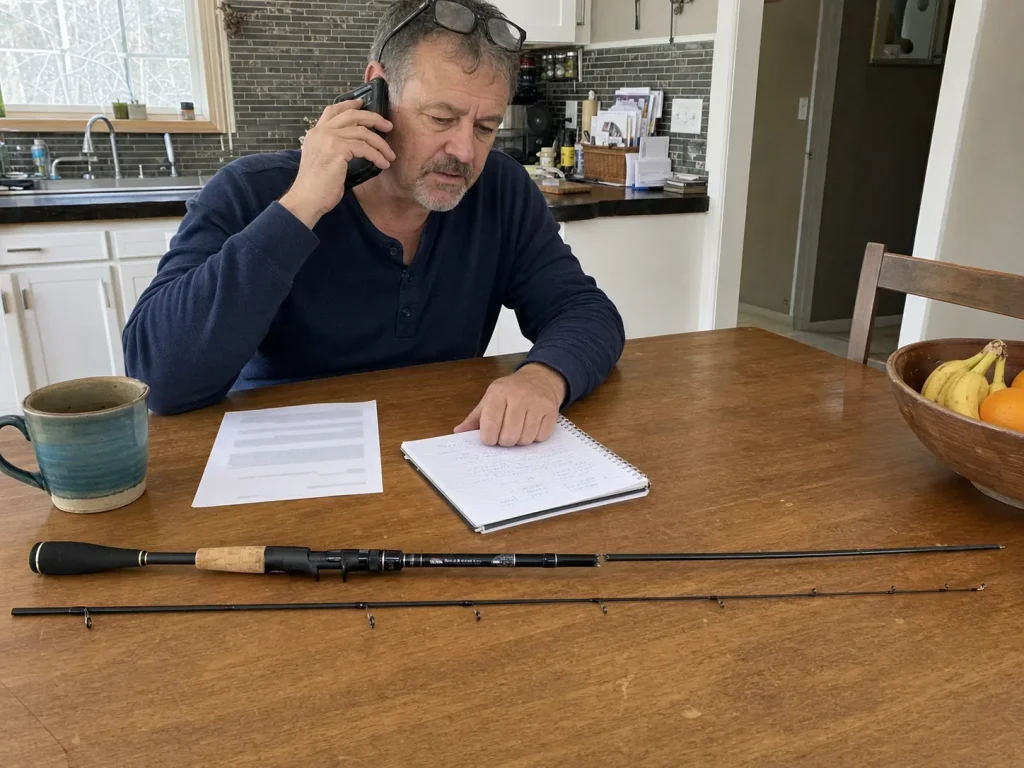
Most anglers never play the one card that actually shifts the odds. Under the Magnuson-Moss Warranty Act, the burden of proof sits on the manufacturer, not on you, and even a modest rod can be worth pushing back on when a denial looks wrong. This is the federal law that governs written consumer warranties, and it has real teeth for exactly the situations rod owners run into.
The most useful piece is the repair-restriction rule. A manufacturer cannot void your warranty simply because an independent repair was done or an aftermarket part is present. They have to prove that the specific part or repair caused the defect, which lines up with the FTC’s own guidance on repair-restriction warranty clauses. That flips a lot of blanket denials on their head. The law also lets a prevailing consumer recover reasonable legal costs, including attorney fees, so your rights under the Magnuson-Moss Warranty Act make small claims court a real, if rarely used, option even on a rod that cost a couple hundred dollars.
The practical move is simple. If a claim is denied and you believe the ruling is wrong, ask for the specific forensic reasoning in writing before you accept it. The burden is on them to explain the call, and a polite request for that explanation changes the whole conversation. Reality check, though: most disputes never reach a courtroom. They end at a discounted replacement, which is the back door worth knowing before you buy your next rod.
When the Claim Fails, Brand Replacement Programs Compared
Even when a defect claim gets denied, you are almost never stuck buying a full-price rod. Nearly every serious brand runs a “we both know it wasn’t a defect” paid replacement program, and the terms vary enough to matter, both when you break a rod and when you choose your next one. Coverage itself varies too, from a limited lifetime warranty on some rods down to a one-year warranty on others, so the replacement program is what fills the gap once that window closes.
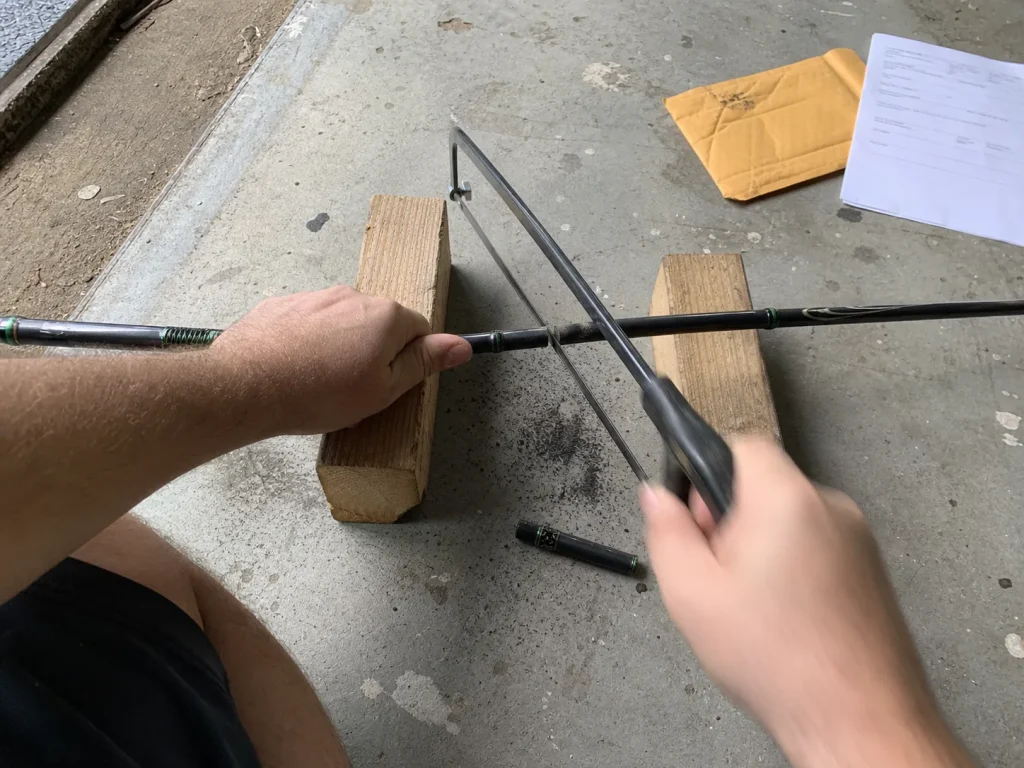
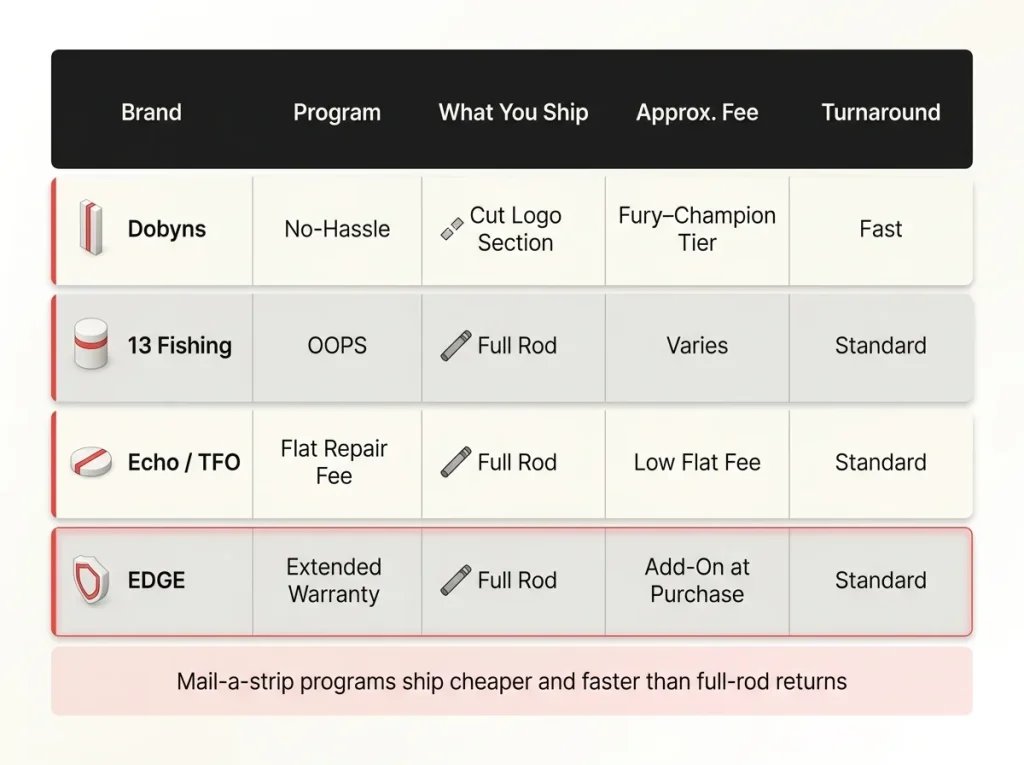
Dobyns runs the friendliest version, the No-Hassle program, where you cut out the roughly six-inch section of blank carrying the logo and specs and mail that in instead of shipping the whole rod. It runs around the Fury tier on the low end and the Champion tier higher up, with cheaper shipping and a faster turnaround because you are mailing a strip, not a tube. 13 Fishing’s OOPS program covers the same no-fault idea but asks you to ship the entire broken rod back with no prepaid label, and the pricing is less transparent up front. Brands like Echo and Temple Fork Outfitters lean on a low flat repair fee, while EDGE offers an extended-warranty add-on you buy at purchase. If speed and shipping cost matter to you, the cut-the-logo programs win, and knowing how the ferrule and blank sections affect where a rod actually breaks helps you understand why mailing a single section even works.
Conclusion
The break pattern tells the truth before you ever call, so if the blank folded near the tip or twisted lengthwise, the tech already knows. The cheap paperwork saves the expensive claim, meaning an authorized dealer and a five-minute registration are worth more than any premium blank when something actually goes wrong. And a denial is not the end, because Magnuson-Moss and a paid replacement program both stand between you and a full-price rod.
Before your next trip, register the rods you already own and stash the receipts somewhere they will survive. Five minutes now is the difference between a replacement and a lecture.
Frequently Asked Questions
01Does a fishing rod warranty cover accidental breakage?
Usually not. Most warranties cover defects in materials and workmanship, not impact, misuse, or high-sticking. Accidental breaks are what a brand’s paid no-fault replacement program is built for.
02Can manufacturers really tell how my rod broke?
Yes. The break pattern is a fingerprint. A spiral fracture means torsional overload, a buckle near the tip means high-sticking, and a crater at the break means impact damage. A tech reads it on sight.
03Does buying a rod on Amazon void the warranty?
It can. If the item is sold by an unauthorized third-party seller rather than the brand or an authorized dealer, that gray-market purchase can void North American coverage even on a genuine rod. Check the sold-by line.
04Is a fishing rod warranty transferable to a new owner?
Rarely. Most rod warranties are limited to the original owner with proof of purchase, so a resold, gifted, or inherited rod has usually lost its coverage the moment it changed hands.
05What do I do if my warranty claim gets denied?
Ask for the denial reasoning in writing. Know your Magnuson-Moss rights if a repair or part was blamed without proof, then compare the brand’s discounted replacement program before paying full price for a new rod.
Risk Disclaimer: Fishing, boating, and all related outdoor activities involve inherent risks that
can lead to injury. The information provided on Master Fishing Mag is for educational and informational purposes
only. While we strive for accuracy, the information, techniques, and advice on gear and safety are not a substitute
for your own best judgment, local knowledge, and adherence to official regulations. Fishing regulations, including
seasons, size limits, and species restrictions, change frequently and vary by location. Always consult the latest
official regulations from your local fish and wildlife agency before heading out. Proper handling of hooks, knives,
and other sharp equipment is essential for safety. Furthermore, be aware of local fish consumption advisories. By
using this website, you agree that you are solely responsible for your own safety and for complying with all
applicable laws. Any reliance you place on our content is strictly at your own risk. Master Fishing Mag and its
authors will not be held liable for any injury, damage, or loss sustained in connection with the use of the
information herein.
Affiliate Disclosure: We are a participant in the Amazon Services LLC Associates Program, an
affiliate advertising program designed to provide a means for us to earn advertising fees by advertising and linking
to Amazon.com. As an Amazon Associate, we earn from qualifying purchases. We also participate in other affiliate
programs and may receive a commission on products purchased through our links, at no extra cost to you. Additional
terms are found in the terms of service.