
Home Apparel & Accessories Best Fishing Vest: Tested for Skill & Sustainable Angling

Best Fishing Vest: Tested for Skill & Sustainable Angling

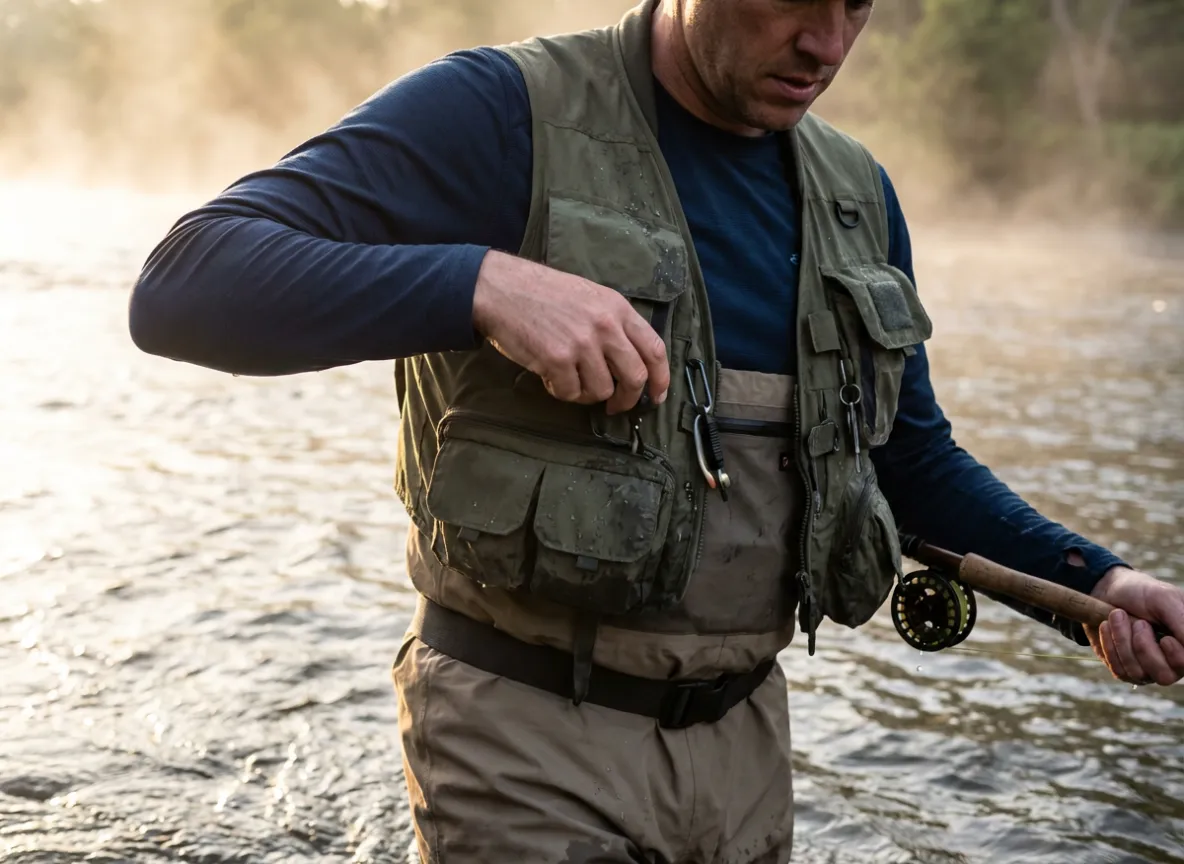
A man in his early 30s wearing a fishing vest stands in a river and adjusts his gear, smiling confidently.

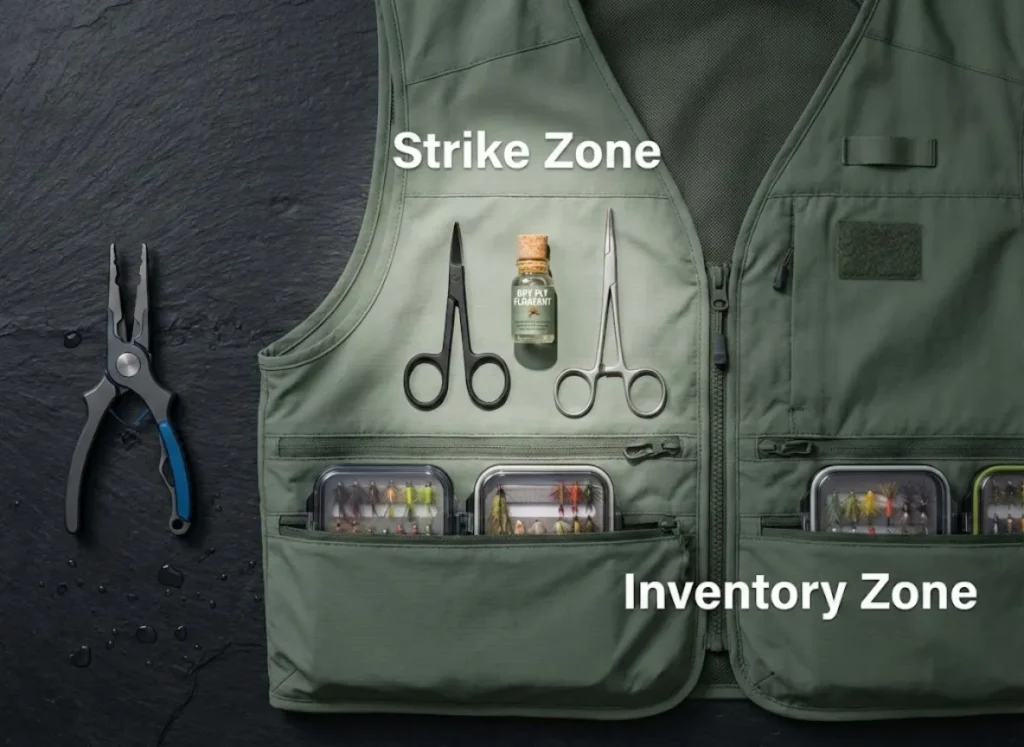
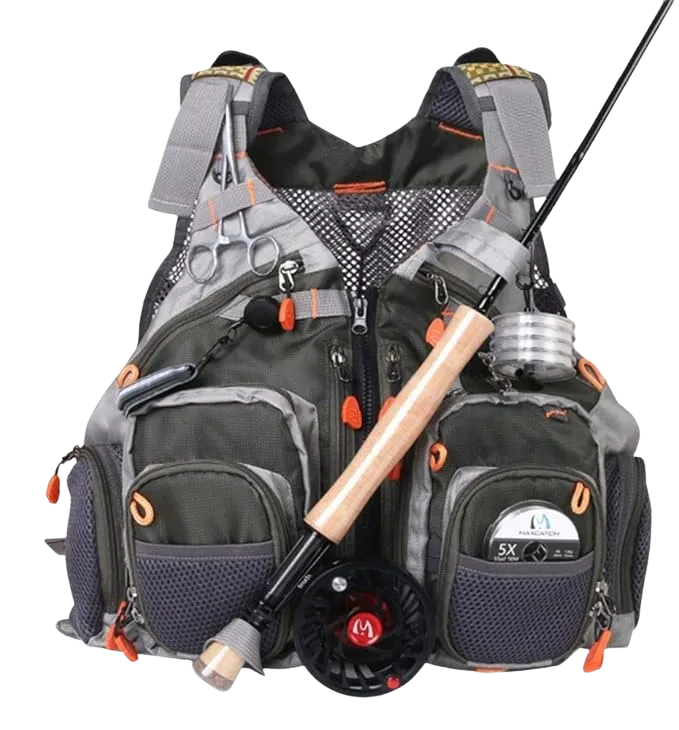
The perfect moment: a subtle rise confirms a mayfly hatch, and you know the exact pattern to match it. But as you fumble through disorganized pockets with a two-handed zipper, the fish are gone. This is the moment you realize a fly fishing vest isn’t just another piece of fishing gear; it’s a critical component of your on-water fishing equipment. The best fishing vest becomes an extension of your body, creating a seamless, intuitive system with well-placed storage pockets that lets you focus on the water, not on finding your tools. It’s one of the most essential fly fishing accessories for effective river fishing and wade fishing.

This guide is designed to shift your perspective from seeing a vest as a simple wearable tackle box to understanding it as a critical piece of performance fishing equipment. You will learn why an intelligent pocket layout and ergonomic access are far more important than sheer pocket count for on-stream efficiency. We will explore our top-rated vests—a listicle of curated product reviews—for three distinct angler types: The Career Guide, The Backcountry Adventurer, and The Weekend Enthusiast. You’ll understand how advanced harness systems with padded shoulders prevent the neck and back strain that cuts a day short, allowing you to fish longer. Finally, we’ll see how leading brands are using innovative recycled materials to create durable gear with a lower environmental impact, connecting your gear choice to the conservation of the fisheries we all love.

How to Choose the Right Fishing Vest: An Expert’s Framework

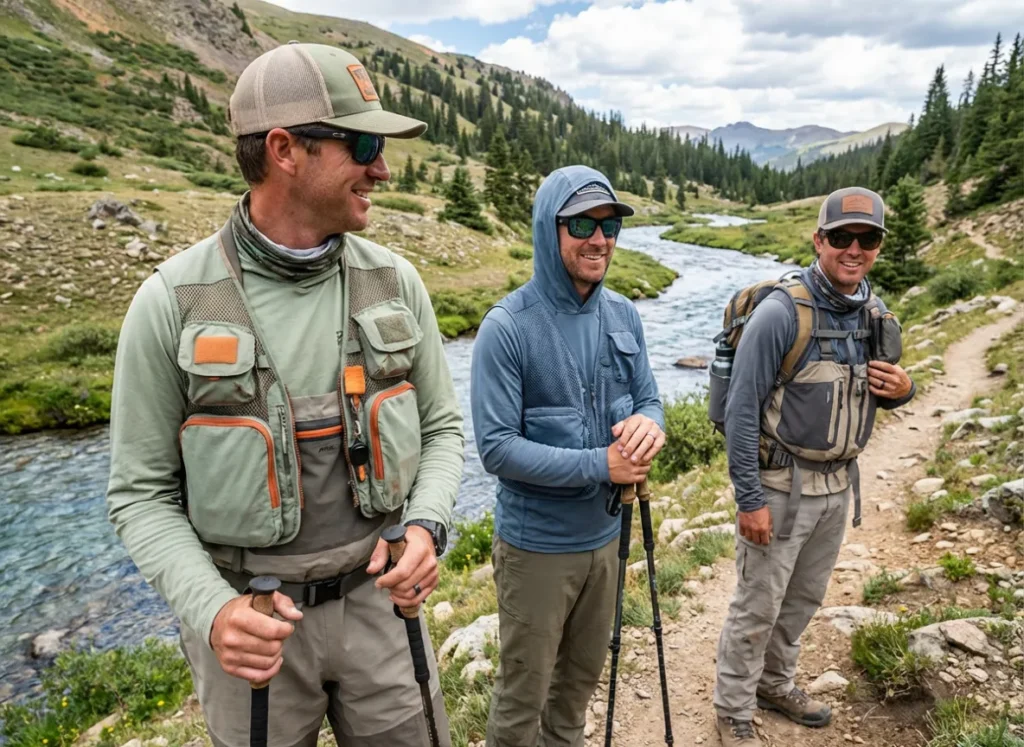
An expert female angler in her mid-30s analyzes the features of her fishing vest while standing by a mountain stream.

To make a smart, confident choice during your gear selection, you need an objective framework. This section deconstructs the key attributes that define a high-performance vest, arming you with the knowledge to evaluate any model like a seasoned professional, whether you need a lightweight mesh vest or one of the more robust, pack-integrated designs.

How Does a Vest’s Design Impact All-Day Comfort and Load Distribution?

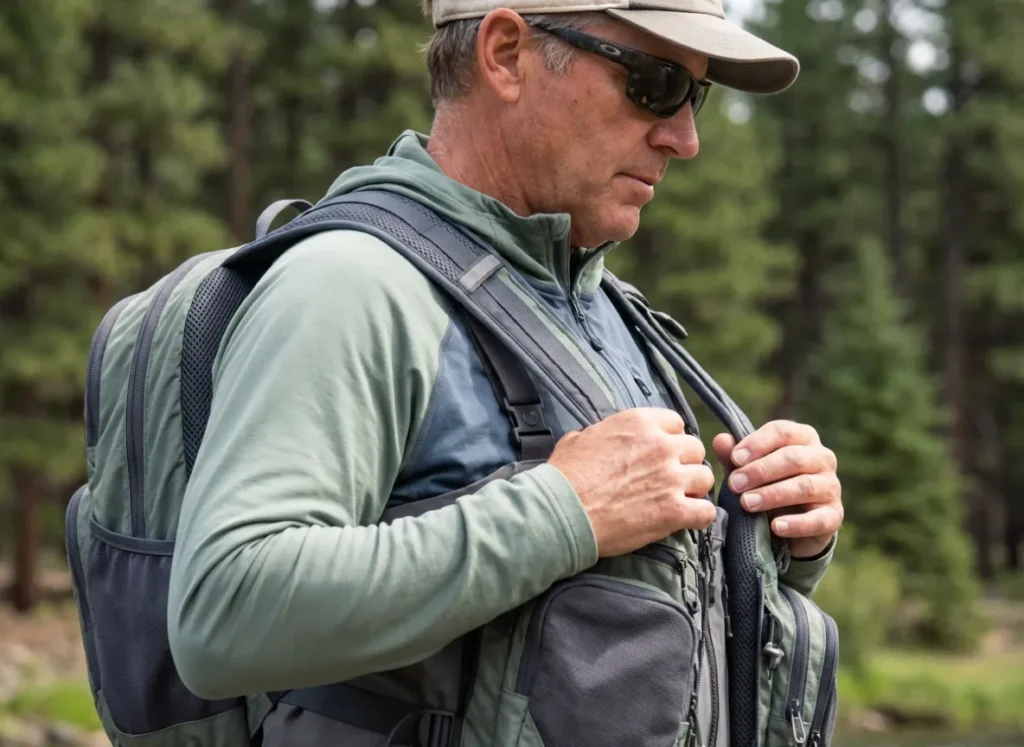
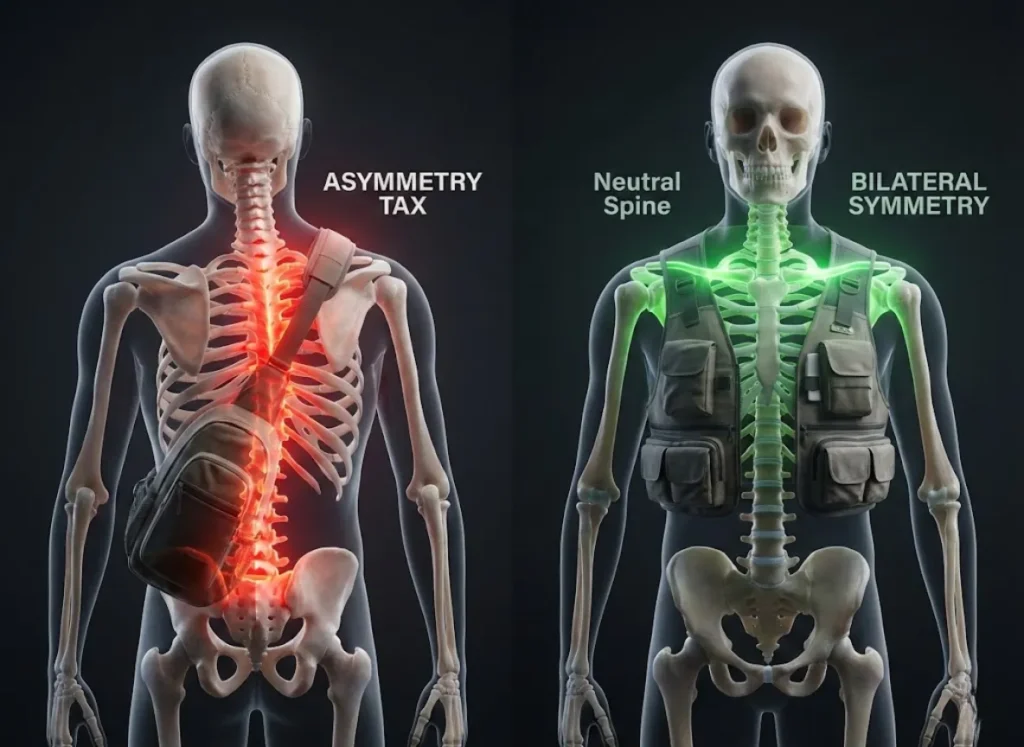
The most common failure of a poorly designed fishing vest is how it handles weight. Cheaper, budget vest options or an old fishing vest will inevitably sag forward, concentrating the entire load onto a single pressure point on the padded neck area. After just a few hours, this leads to persistent strain and fatigue, forcing you to think more about your discomfort than your drift. A superior harness system, by contrast, functions like a technical backpack’s suspension. It features padded collars and padded shoulders that prevent chafing, combined with cushioned and wide, adjustable straps that distribute the weight broadly and evenly across the torso for perfect balance. This intelligent design makes a fully loaded vest feel surprisingly light, allowing for true all-day comfort. This is also why many anglers who try asymmetrical loads like sling packs eventually return to a vest; a balanced load is simply better for long-term back and shoulder health.

Side-by-side infographic comparing the ergonomic benefits of a fishing vest versus a sling pack, illustrating balanced weight distribution across the torso and shoulders for the vest, contrasted with concentrated pressure on one shoulder for the sling pack, in a vibrant explainer cartoon style.

While comfort keeps you on the water, durability ensures your fishing gear survives the trip. For more information on how vests fit into a total angling system, check out Trout Unlimited’s excellent article on returning to the vest. This philosophy of integrated, comfortable gear is just as important when you’re thinking about waders; in fact, it’s much like choosing the right fly fishing waders for long days on the water.

What Materials and Features Define a Vest That Lasts a Decade?

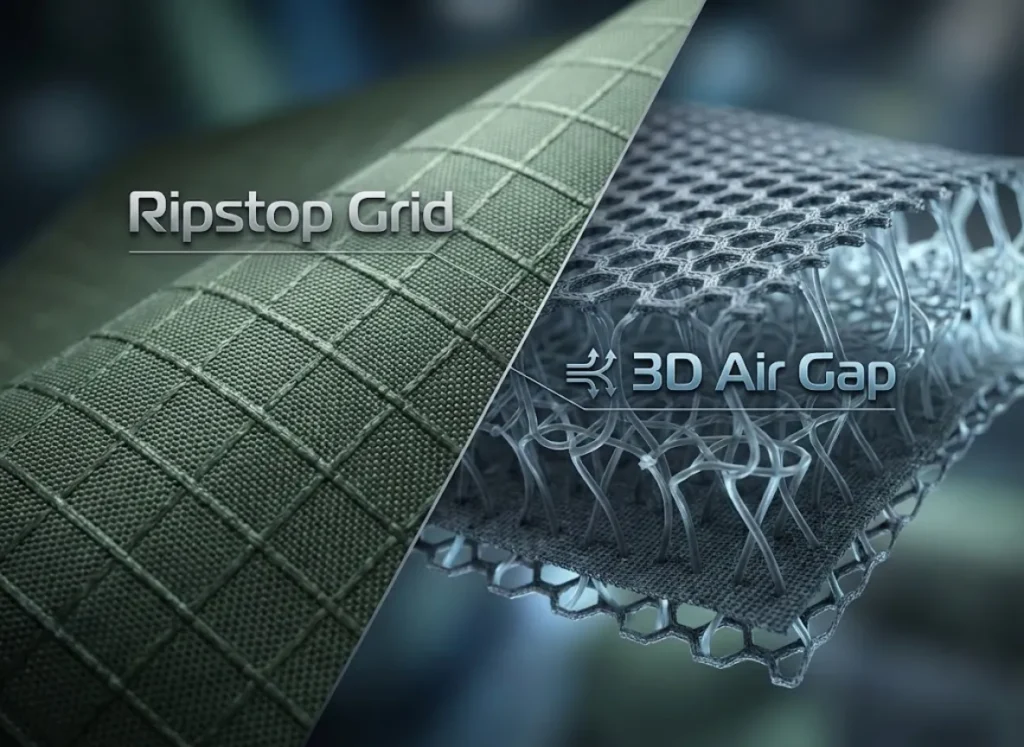
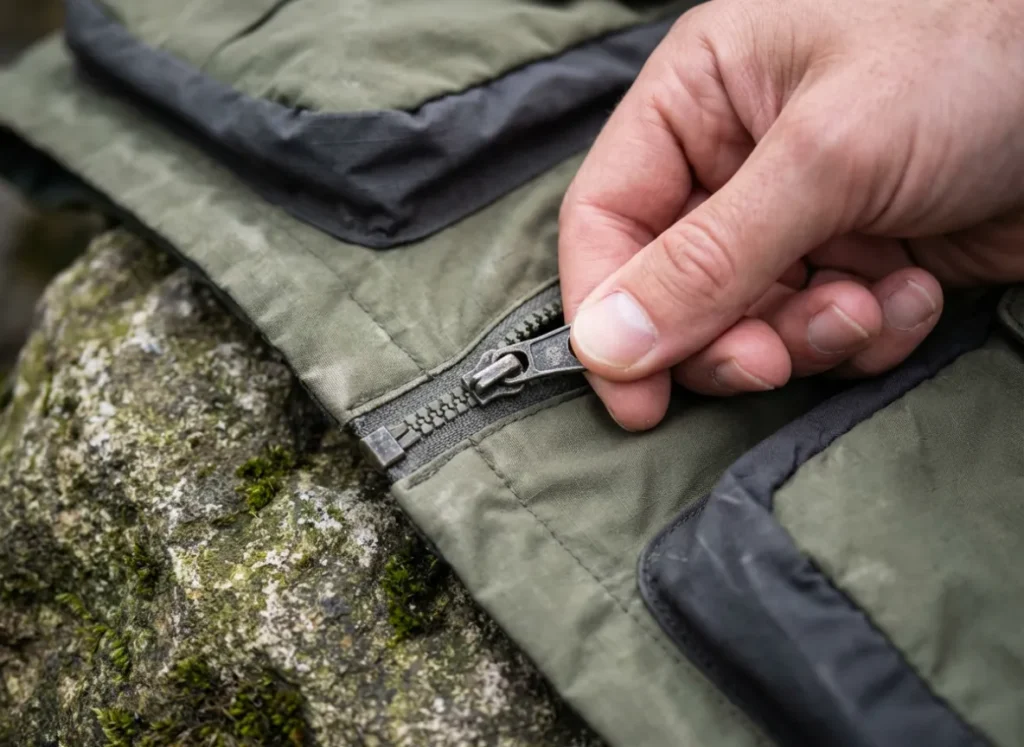
The difference between a vest that fails in two seasons and one that lasts twenty years lies in its material and construction. Standard nylon simply can’t withstand the constant abrasion of bushwhacking or scrambling down a rocky bank. That’s why premium vests use technical, abrasion-resistant materials like Cordura® nylon ripstop with an abrasion-resistant coating. A Durable Water Repellent (DWR) finish adds a critical layer of protection, shedding morning mist and light rain to keep the contents of your pockets dry. Pay close attention to the hardware; zippers, buckles, and stitching are the most common points of failure. High-quality, corrosion-resistant YKK zippers and robust buckles are hallmarks of a long-term investment that often comes with a solid warranty. Beyond toughness, look for functional features that solve real angling challenges: a “third-hand” rod holder that frees you up to change baits or tie knots, an integrated net slot or net holster for secure net attachment, zip-down fly benches with fly drying patches, ample front pockets and interior pockets, and dedicated tool attachment points with retractors that keep nippers and forceps exactly where you need them.

Infographic diagram illustrating the key materials and features of a durable fishing vest, with labeled callouts highlighting padded collar, weight-distributing shoulder straps, integrated net slot, Hypalon tool port, zip-down fly bench, and third-hand rod holder, in a clean vector style evoking outdoor adventure and rugged reliability.

But a vest’s performance isn’t just about toughness; it’s also about how it aligns with your values.

How Does Sustainability Influence Modern Gear Design?

The materials in your vest have a story that starts long before they reach the river. Traditional virgin nylon production is an energy-intensive process. In contrast, recycled materials fundamentally change that story for the better. Innovative fabrics like Fishpond’s Cyclepond, which is made from recycled commercial fishing nets, represent a circular economy in action. This process turns ghost nets that threaten marine life into high-performance gear, directly contributing to ocean conservation.

Infographic bar chart comparing the carbon footprint of virgin nylon production versus recycled Cyclepond fabric, highlighting dramatic reductions in emissions for sustainable fishing gear materials, in a vibrant vector style with eco-themed icons and annotations evoking environmental passion and circular economy innovation.

A brand’s ethos is also a key part of sustainability. A robust warranty and repair program, like Patagonia’s “buy it for life” philosophy, is a commitment against throwaway culture. It reduces landfill waste and promotes a more sustainable form of consumerism, ensuring your gear serves you for decades, not just seasons. This focus on long-term quality and environmental responsibility aligns with broader fish conservation efforts that our sport and its fisheries depend on.

Armed with this framework, let’s explore how we applied it to select the best vests on the market.

Our Selection Process: How We Built This Guide
Three different fishing vests are laid out for review on a wooden surface with a notebook and fishing tools nearby.

To build absolute trust, we believe in full transparency. This guide is the result of an exhaustive analysis of expert commentary from seasoned guides, long-term user reviews from dedicated anglers, and deep dives into technical specifications. We do not accept brand sponsorships; our recommendations are earned, not bought. Every vest we considered was scored against six critical performance criteria: Storage Efficiency (including number and type of pockets like front pockets, rear pockets, zippered pockets, and Velcro pockets), Comfort, Durability, Functionality, Breathability, and Sustainability. We began with a market-wide survey of dozens of vest options and narrowed the field to the top contenders. Each finalist was then matched to a primary user persona to ensure our recommendations solve real-world angling needs, whether you’re guiding clients 200 days a year or exploring a mountain stream on a Saturday.

Pro-Tip: Before you load a new vest, lay out all your gear on the floor. Group items by function: fly boxes, tippet and leaders, tools, floatant, and so on. Assign a permanent “home” pocket for each group. This muscle memory will save you critical seconds when a hatch is on and you need to change your rig quickly.

A Note on Affiliate Links: If you purchase through links in this article, we may earn a small commission at no extra cost to you. This helps fund our independent research and keeps our content free. We only recommend gear we believe in.

The Best Fishing Vests of 2025: Our Top Recommendations for Every Need
A skilled male angler in his late 30s fly casts in a river at sunrise while wearing a high-quality fishing vest.

Here we present the curated top recommendations from our gear review for key user personas. Each choice is backed by our rigorous framework, providing a clear, data-backed justification for why it earned its spot.

Our Top Picks for The Career Guide

This angler lives on the water. They require maximum storage capacity with a mix of front, rear, interior, and exterior pockets for any possible scenario, uncompromising premium durability to withstand daily abuse, and guide-level functionality that enhances on-water efficiency for themselves and their clients. A guide vest must be a reliable workhorse.

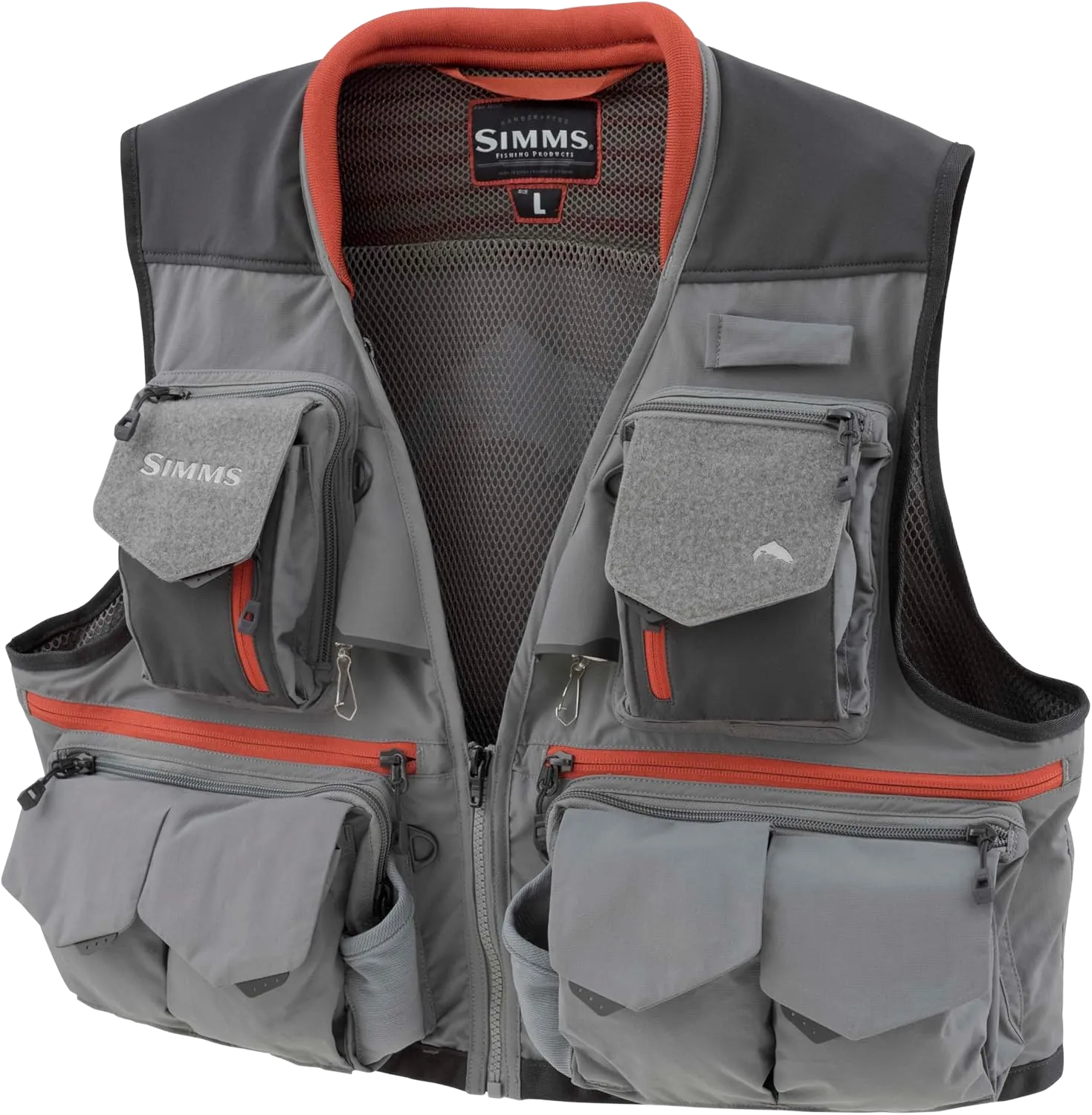
Simms Guide Vest

$ $ $ $
Simms Guide Vest

The Simms Guide Vest stands as the undisputed industry benchmark for professional guides and anglers who demand the absolute maximum from their gear. Its legendary durability comes from a robust Cordura ripstop construction, built to withstand hundreds of days on the water per year. The 26-pocket layout is a masterclass in organization, providing an intuitive home for a vast arsenal of fly boxes, tippet spools, and tools. While it lacks a modern integrated net holster, its third-hand rod holder and thoughtful placement of attachment points create a seamless workflow. For the angler who refuses to compromise on storage or longevity, this vest is the ultimate workhorse.

Overall
Storage & Organization
Comfort & Load Distribution
Durability & Material Science
On-Water Functionality & Features
Sustainability & Brand Ethos
Primary Material Cordura nylon ripstop with DWR finish
Pocket Count 26
Unloaded Weight 1.25 lbs
Integrated Features Rod Holder (Yes), Net Slot (No, D-Ring only), Hydration (No)

You Should Buy This If…

  • You are a professional guide or angler who needs to carry an exhaustive amount of gear for any possible scenario.
  • Uncompromising durability and a legacy of longevity are your highest priorities.
  • You need a ‘third-hand’ rod holder for frequent fly changes and fish handling.

You Should Reconsider If…

  • You require an integrated net holster, as this model relies on a D-ring.
  • You prioritize gear made with documented recycled materials.

Our Top Picks for The Backcountry Adventurer

For this angler, fishing is just part of the journey. They hike miles to reach remote, untouched water and need a system that can carry not only a full fishing loadout but also wilderness essentials. A vest pack combo or one of the modern pack-integrated designs with hydration bladder compatibility, balanced weight, and a lightweight design are paramount.

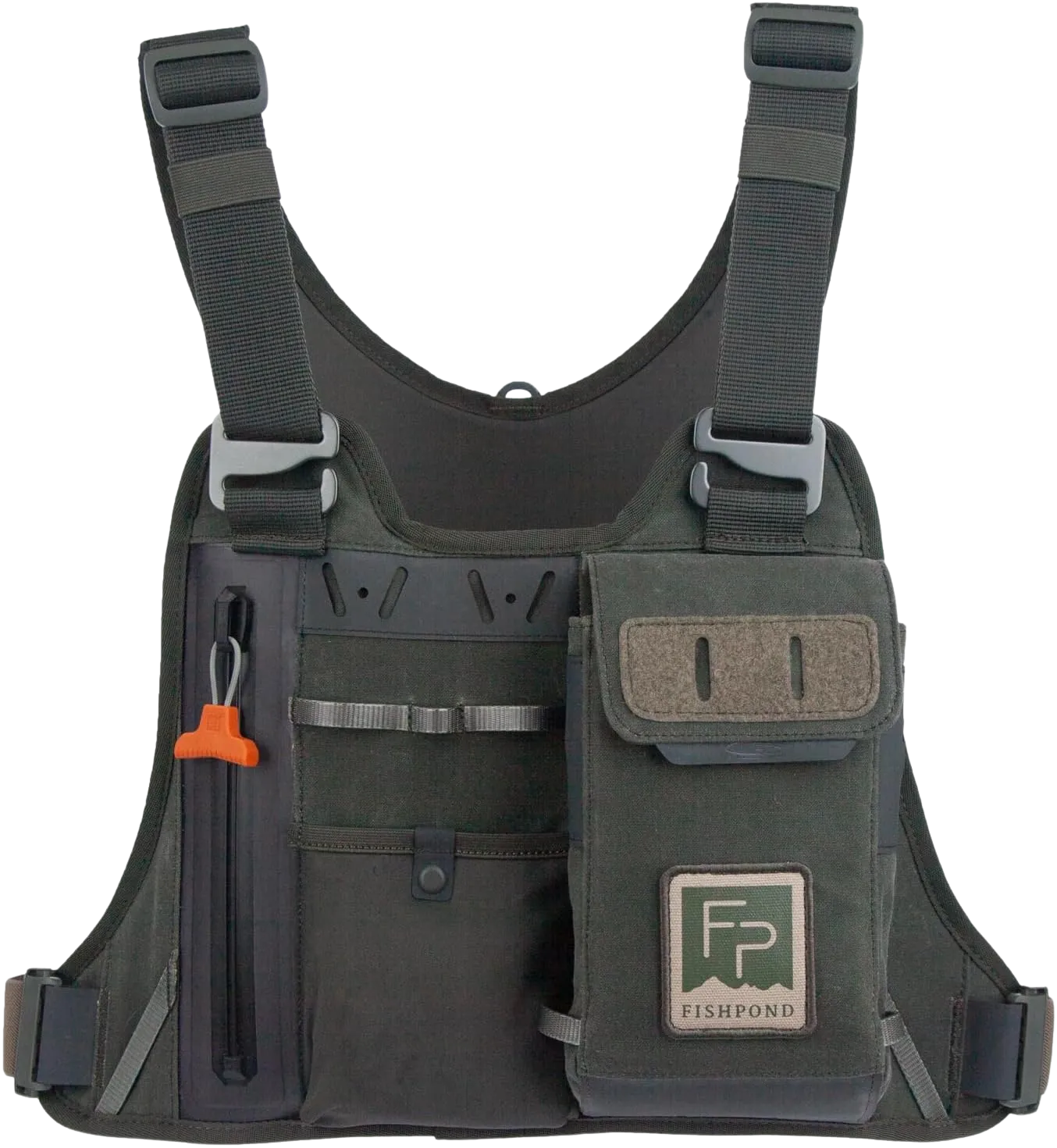
Fishpond Ridgeline Tech Pack

$ $ $ $
Fishpond Ridgeline Tech Pack

The Ridgeline Tech Pack is the ultimate integrated solution for anglers whose pursuits begin where the trail ends. It masterfully combines a full-featured, 22-pocket vest front with a 15L daypack, eliminating the need for a separate system. The front provides guide-level organization for immediate access to flies and tools, while the pack comfortably hauls layers, lunch, and a hydration reservoir. Built from Fishpond’s signature recycled Cyclepond fabric, it offers exceptional durability with a clear commitment to conservation. For any trip that involves significant hiking to remote water, the Ridgeline’s blend of capacity, comfort, and intelligent design is simply unmatched.

Overall
Storage & Organization
Comfort & Load Distribution
Durability & Material Science
On-Water Functionality & Features
Sustainability & Brand Ethos
Primary Material 420D Nylon Recycled Cyclepond Fabric
Pocket Count 22 (vest) + 15L backpack
Unloaded Weight 2.95 lbs
Integrated Features Rod Holder (Yes), Net Slot (Yes), Hydration (Yes)

You Should Buy This If…

  • Your fishing trips involve significant hiking and you need to carry a full day’s worth of wilderness gear.
  • You need maximum organization on the vest front combined with significant bulk storage in the back.
  • Purchasing gear made from recycled, sustainable materials is a top priority.

You Should Reconsider If…

  • You are an ultralight minimalist; the base weight of nearly 3 lbs is too heavy for your style.
  • You primarily fish close to the car and do not need the capacity of a daypack.

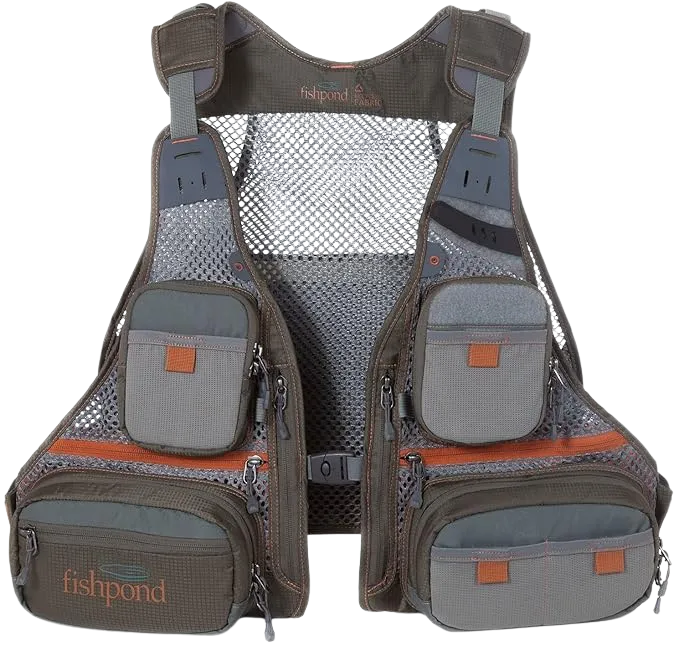
Fishpond Sagebrush Pro Mesh Vest

$ $ $ $
Fishpond Sagebrush Pro Mesh Vest

The Sagebrush Pro is engineered for the angler who values breathability and modularity above all else. Its lightweight mesh construction provides exceptional airflow, making it the top choice for hot summer days or strenuous hikes. With 17 thoughtfully arranged pockets and Fishpond’s signature zip-down fly bench, it offers ample storage for serious day trips. Its standout feature, however, is its ability to attach directly to compatible Fishpond backpacks, allowing you to create a customized backcountry system tailored to your specific needs. This versatility, combined with its sustainable Cyclepond fabric construction, makes it an incredibly smart and adaptable piece of gear.

Overall
Storage & Organization
Comfort & Load Distribution
Durability & Material Science
On-Water Functionality & Features
Sustainability & Brand Ethos
Primary Material 210D Nylon Recycled Cyclepond Fabric; Mesh
Pocket Count 17
Unloaded Weight 1.6 lbs
Integrated Features Rod Holder (Yes), Net Slot (Yes), Hydration (No)

You Should Buy This If…

  • You want a modular system and the ability to attach your vest to a separate backpack.
  • Maximum breathability for warm weather hiking and fishing is your top concern.
  • You are committed to brands with a strong, transparent sustainability story.

You Should Reconsider If…

  • You need a fully integrated, all-in-one vest and pack system.
  • A “one size fits most” design is not suitable for your body type.

Our Top Picks for The Weekend Enthusiast

This angler is passionate and dedicated, but doesn’t necessarily need expedition-level capacity. They seek a high-performance vest that provides excellent organization, all-day comfort, and modern features. This is often the best fishing vest for beginners, representing a significant upgrade over entry-level or cheap-quality vests without the professional price tag.

Fishpond Gore Range Tech Pack

$ $ $ $
Fishpond Gore Range Tech Pack

The Gore Range Tech Pack delivers a premium experience at an outstanding value. It perfectly blends a traditional vest feel with modern technical features like two zip-down molded fly benches, providing an organized workspace on the water. Its 17-pocket layout offers exceptional organization for all but the most gear-heavy anglers, and the padded shoulder system distributes weight beautifully to prevent neck fatigue. Constructed from the same recycled Cyclepond fabric as Fishpond’s top-tier models, it doesn’t compromise on sustainability or durability. For the dedicated angler looking for pro-level features without the pro-level price, the Gore Range is the smartest buy on the market.

Overall
Storage & Organization
Comfort & Load Distribution
Durability & Material Science
On-Water Functionality & Features
Sustainability & Brand Ethos
Primary Material Recycled Cyclepond Fabric
Pocket Count 17
Unloaded Weight N/A
Integrated Features Rod Holder (No), Net Slot (Yes, D-Ring), Hydration (No)

You Should Buy This If…

  • You want a high-performance vest with premium features like zip-down fly benches at an accessible price point.
  • You prioritize sustainable manufacturing and want to support brands using recycled materials.
  • A comfortable, well-balanced design and excellent breathability for all-day wear are key for you.

You Should Reconsider If…

  • You absolutely need an integrated rod holder.
  • You require more than 20 pockets for your gear loadout.

Simms Tributary Vest

$ $ $ $
Simms Tributary Vest

The Tributary Vest is the perfect gateway into the Simms ecosystem, offering the brand’s renowned quality at an incredibly accessible price. This durable, no-nonsense vest excels at the fundamentals. Its lightweight mesh construction provides excellent breathability for warm weather, while the padded collar—a feature rarely seen at this price—adds significant all-day comfort. The inclusion of a ‘third-hand’ rod holder is a high-value bonus that makes rigging changes effortless. While it has fewer pockets than premium models, it provides more than enough organization for the essentials, making it an exceptional choice for new anglers or anyone seeking a reliable, high-value vest.

Overall
Storage & Organization
Comfort & Load Distribution
Durability & Material Science
On-Water Functionality & Features
Sustainability & Brand Ethos
Primary Material 100% Nylon Shell; 100% Polyester Mesh
Pocket Count 9
Unloaded Weight N/A
Integrated Features Rod Holder (Yes), Net Slot (No, D-Ring), Hydration (No)

You Should Buy This If…

  • You are looking for a high-value, budget-friendly vest from a top-tier brand.
  • Having a functional rod holder is more important to you than having a high number of pockets.
  • You need a lightweight, breathable mesh vest for warm-weather fishing.

You Should Reconsider If…

  • You find that oversized pocket flaps and zippers requiring two hands to operate are a deal-breaker.
  • You need to carry more than a couple of fly boxes and essential tools.

Orvis Clearwater Mesh Vest

$ $ $ $
Orvis Clearwater Mesh Vest

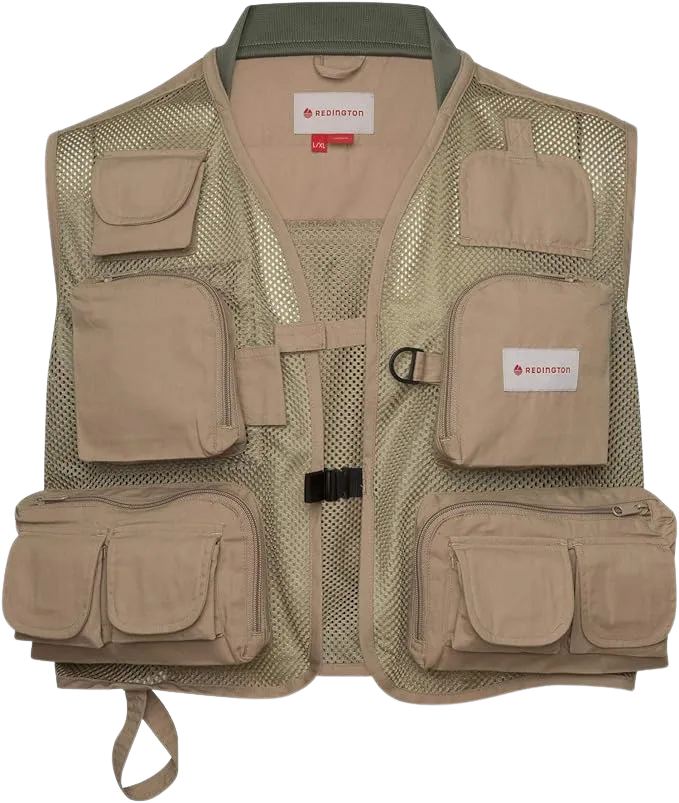
The Orvis Clearwater Mesh Vest brings the brand’s focus on refined design and comfort to an accessible price point. It’s an ideal choice for the minimalist or warm-weather angler who values breathability and a streamlined profile. The hybrid design uses durable, recycled polyester for the pockets and a lightweight mesh for the body, keeping you cool on long summer days. Its eight pockets are thoughtfully arranged with a vertical orientation that reduces bulk and prevents interference with your cast. For the angler who wants Orvis quality and a clean, efficient layout without excessive features, the Clearwater is a comfortable and practical choice.

Overall
Storage & Organization
Comfort & Load Distribution
Durability & Material Science
On-Water Functionality & Features
Sustainability & Brand Ethos
Primary Material Polyester
Pocket Count 8
Unloaded Weight N/A
Integrated Features Rod Holder (No), Net Slot (No, D-Ring), Hydration (No)

You Should Buy This If…

  • You are an Orvis loyalist looking for a simple, affordable, and lightweight vest.
  • Your priority is breathability and comfort for warm-weather fishing.
  • You carry a minimal amount of gear and prefer a streamlined design with just the essentials.

You Should Reconsider If…

  • You need advanced features like an integrated rod holder or dedicated tool ports.
  • You require a large number of pockets to organize a wide variety of tackle.

Pro-Tip: For hybrid vest/pack systems, pack the heaviest items (like a water bottle or heavy rain jacket) closest to your back and in the middle of the pack. This centralizes the center of gravity, preventing the pack from pulling you backward and maintaining better balance while wading on slick rocks.

Conclusion

Ultimately, the search for the best fishing vest leads to a few core truths. The optimal vest is a balanced system where comfort and intelligent load distribution are just as crucial as storage capacity for long-day performance. Investing in durable materials like Cordura and quality hardware is an investment in reliability, ensuring your gear won’t fail when you’re miles from the trailhead. Furthermore, your choice of gear can be an extension of your angling ethic; supporting brands that use recycled materials helps protect the fisheries we are all passionate about. The final choice is entirely dependent on your personal context—the professional guide, the backcountry explorer, and the weekend enthusiast all have unique needs that different vests are brilliantly designed to solve.

Choosing the right vest is a personal journey. Use this framework to evaluate your own needs and make a confident choice that will serve you on the water for years to come. Have a favorite vest we didn’t mention? Share your experience in the comments below!

Frequently Asked Questions about Fishing Vests

What’s more important in a fishing vest: the number of pockets or the layout?

The layout and ergonomic design are far more important than the sheer number of pockets. An efficient layout, like the one on the Orvis PRO Vest, allows for one-handed access and intuitive organization, which saves critical time on the water. Knowing exactly where your tippet or forceps are without looking means more time with your fly in the water and less time fumbling with your gear.

Are expensive fishing vests really worth the money?

Yes, for dedicated anglers, a premium vest is a long-term investment in durability and reliability. High-end vests like the Simms Guide Vest use superior materials and construction that can last for 15-20 years of hard use, making them more cost-effective over time than replacing cheaper vests every few seasons. The improved comfort and functionality also directly translate to more enjoyable and effective time on the water.

Should I get a fishing vest or a sling pack?

Choose a vest if you prioritize balanced load distribution and want to prevent long-term shoulder and back strain. While sling packs offer a clear front for casting, their asymmetrical load is a frequent cause of discomfort, prompting many experienced anglers to return to the ergonomic design of a modern vest. A vest distributes weight across both shoulders, which is inherently more stable and comfortable for all-day wear.

What is the best type of fishing vest for hot weather?

The best vests for hot weather are those constructed with large panels of lightweight polyester mesh to maximize airflow. Models like the Fishpond Sagebrush Pro Mesh Vest are designed specifically for breathability, keeping you cooler and more comfortable on summer days. The mesh allows body heat to escape and air to circulate, which makes a significant difference during a long, hot day of fishing.

Risk Disclaimer: Fishing, boating, and all related outdoor activities involve inherent risks that can lead to injury. The information provided on Master Fishing Mag is for educational and informational purposes only. While we strive for accuracy, the information, techniques, and advice on gear and safety are not a substitute for your own best judgment, local knowledge, and adherence to official regulations. Fishing regulations, including seasons, size limits, and species restrictions, change frequently and vary by location. Always consult the latest official regulations from your local fish and wildlife agency before heading out. Proper handling of hooks, knives, and other sharp equipment is essential for safety. Furthermore, be aware of local fish consumption advisories. By using this website, you agree that you are solely responsible for your own safety and for complying with all applicable laws. Any reliance you place on our content is strictly at your own risk. Master Fishing Mag and its authors will not be held liable for any injury, damage, or loss sustained in connection with the use of the information herein.

Affiliate Disclosure: We are a participant in the Amazon Services LLC Associates Program, an affiliate advertising program designed to provide a means for us to earn advertising fees by advertising and linking to Amazon.com. As an Amazon Associate, we earn from qualifying purchases. We also participate in other affiliate programs and may receive a commission on products purchased through our links, at no extra cost to you. Additional terms are found in the terms of service.