

In this article
You reach for your go-to squarebill crankbait, only to find the treble hooks fused into a brown, oxidized mass. The points are dull, the split rings are compromised, and a fifty-dollar selection of fishing lures is now worthless because of a single drop of trapped saltwater. This is not a storage failure; it is a preservation failure. In 2026, a fishing tackle box is no longer just a plastic bin—it is a tactical asset designed to sanitize the internal atmosphere and withstand hydrostatic pressure.
We didn’t just look at these boxes in a studio. We dragged them across rocky banks, exposed them to saltwater spray, and tested their seals against the relentless humidity that destroys fishing gear silently. Whether you are running a bass boat offshore or hiking a creek bank for trout, your “Time-to-Bait” efficiency depends entirely on your system.
Here is what we found in the chemical war against rust, the truth about waterproofing standards, and the specific loadouts that survived our 2026 testing.
How to Choose the Right Tackle Management System
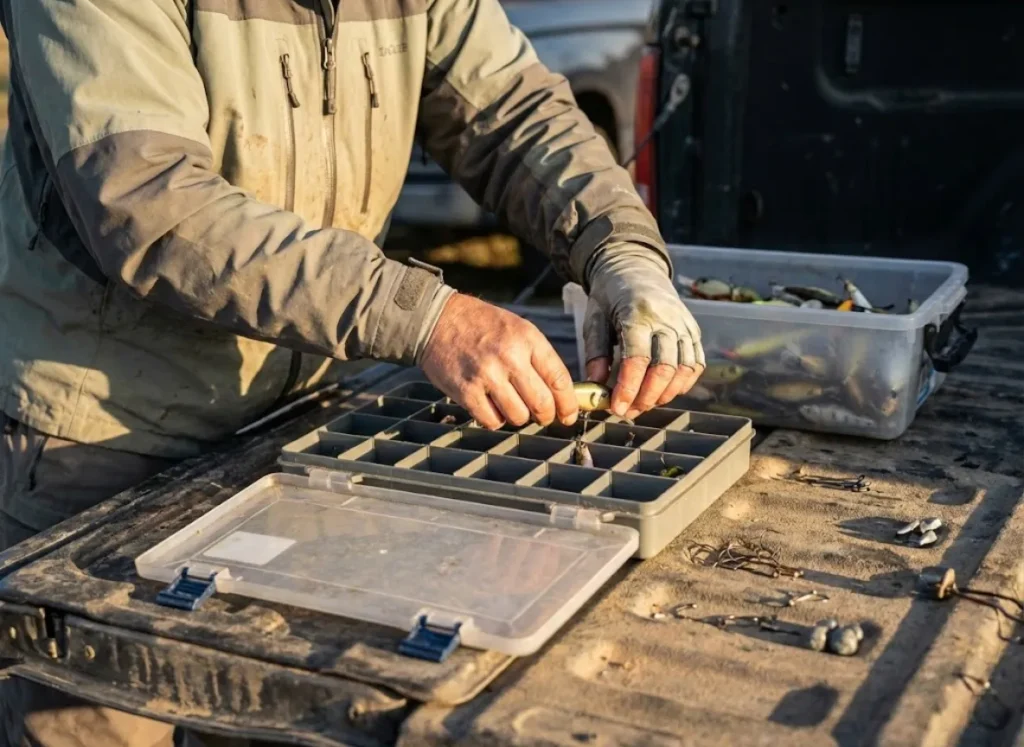
Selecting a tackle system requires looking past the aesthetics and understanding the engineering principles that keep your fishing hooks sharp and your mind clear. This isn’t just about buying a box; it’s about conducting a personal investigation into your own angler logistics to find the ultimate storage solution.
Why Vapor Corrosion Inhibition (VCI) Matters
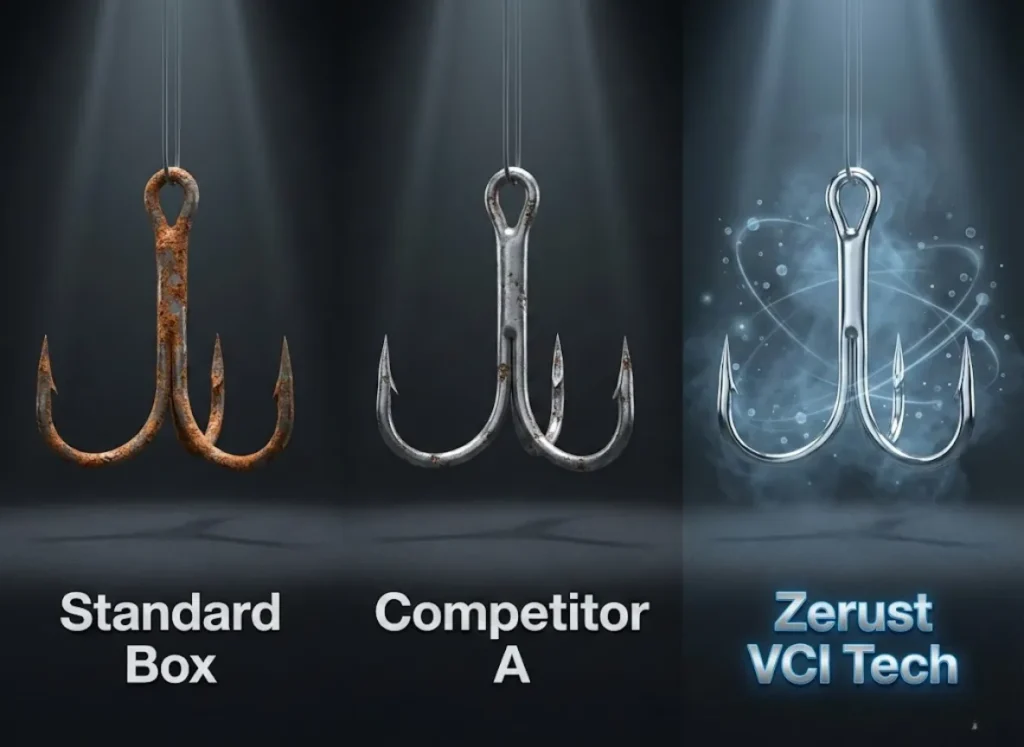
Rust is the silent killer of tackle investments. In a closed environment, moisture and oxygen attack the steel of your hooks. The only way to stop rust in a sealed container is through Vapor Corrosion Inhibition (VCI). These systems release vapor molecules that settle on metal surfaces, forming a “passivation layer” that blocks oxidation at the molecular level.
Pro-Tip: Never put a wet lure directly back into a standard box. If you must, leave the lid open until bone dry. Even VCI has limits against standing water.
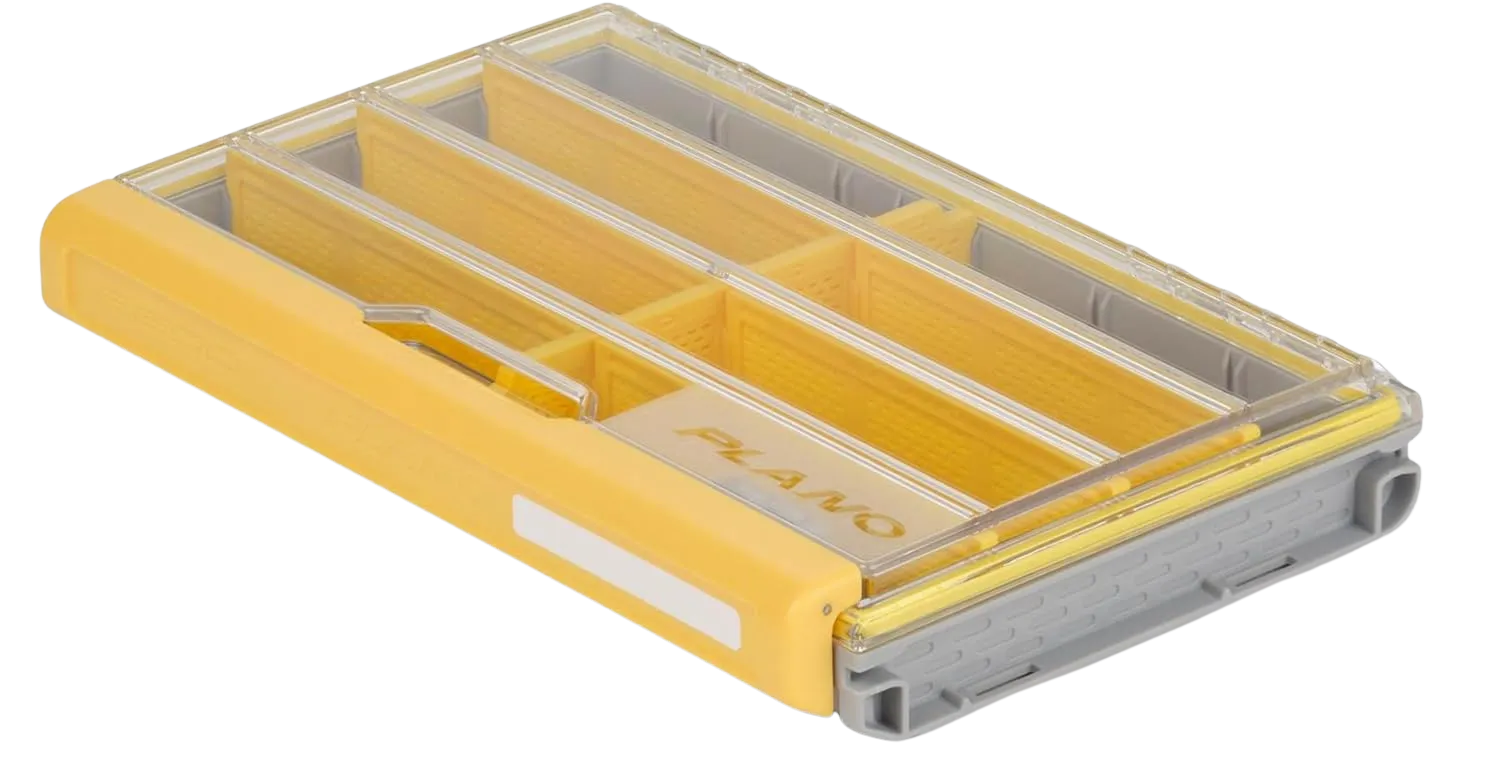
There is a massive difference between active protection, where the box itself is VCI infused with inhibitors (like Zerust products found in Flambeau Tuff Tainers or the Rustrictor tech in Plano Edge), and passive plastic that requires you to buy aftermarket emitters. We found that relying on passive storage significantly increases the cost of corrosion, as rust compromises structural integrity long before you see the brown flakes. Understanding the durability mechanics of saltwater vs freshwater gear is the first step in deciding whether you need a simple plastic tray or a chemically active vault.
Understanding Ingress Protection (IP) Integrity
Once you understand how to chemically protect the steel, you must understand how to physically exclude the catalyst: water. This is where the Ingress Protection (IP) rating system becomes critical. The rating consists of two numbers; the first indicates protection against solids (dust), and the second against liquids.
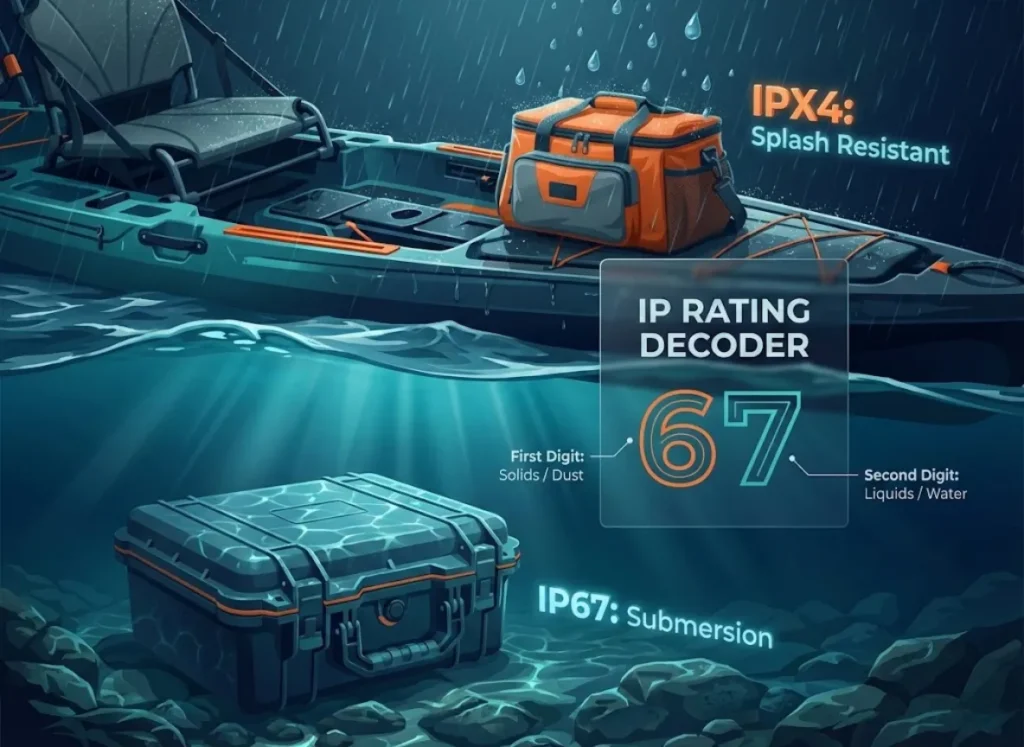
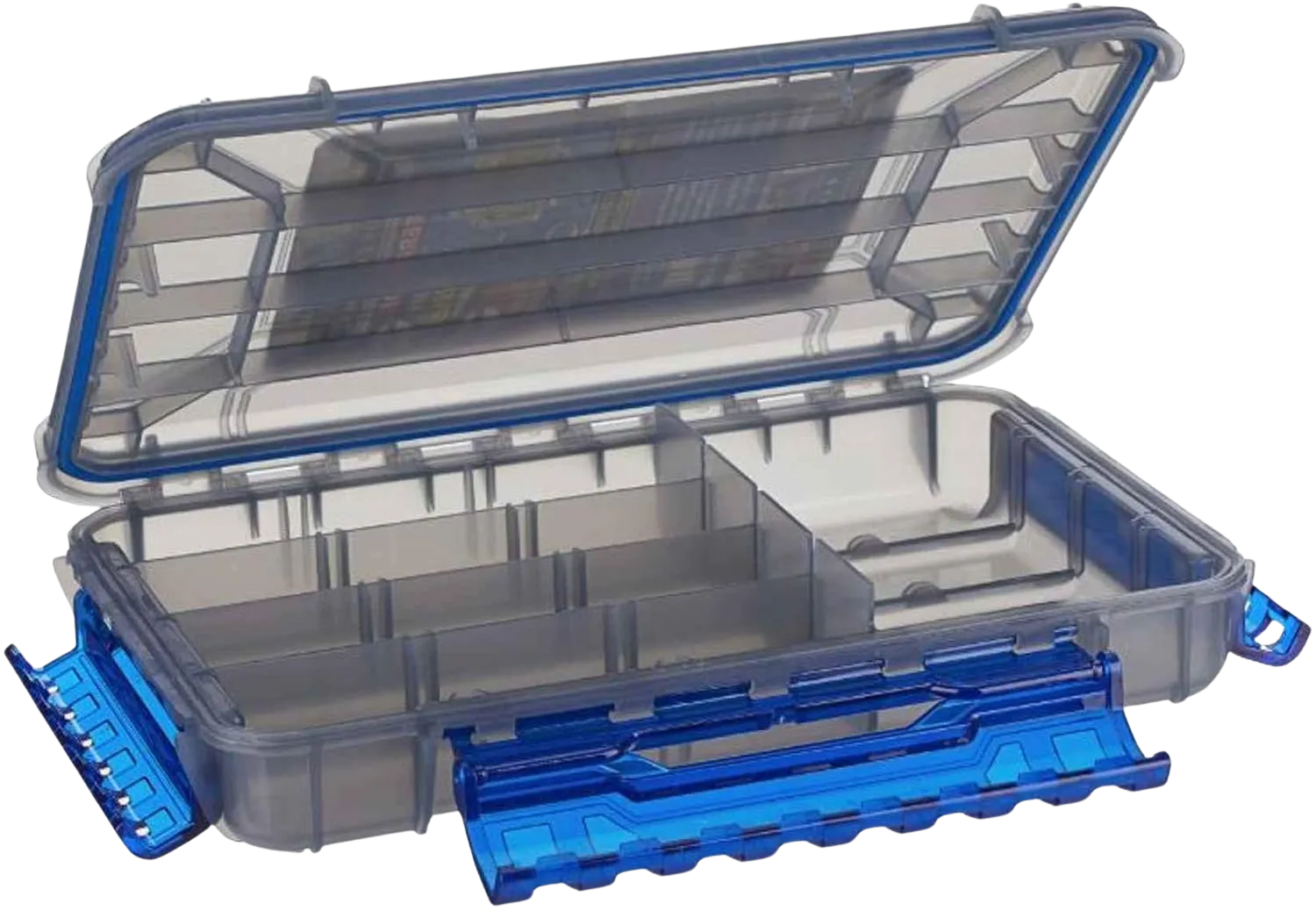
Most anglers mistake “water resistant” for waterproof. A soft bag rated IPX4 can handle rain, but it will flood if your kayak rolls over. For true protection, especially crucial for anglers outfitting the best fishing kayaks, you need an IP67 rating, which guarantees the unit can be submerged without leaking. Our tests showed a stark difference in seal composition: cheap foam gaskets degrade and compress over time, while 40-Shore Silicone O-rings maintain their elasticity and seal integrity season after season according to IEC standards.
Modularity & “Time-to-Bait” Efficiency
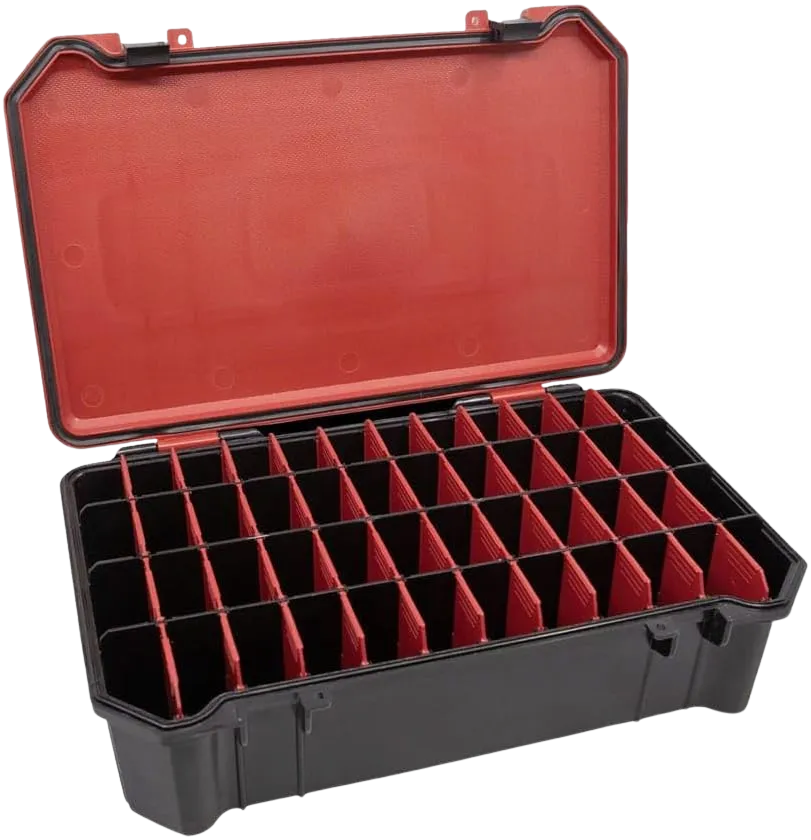
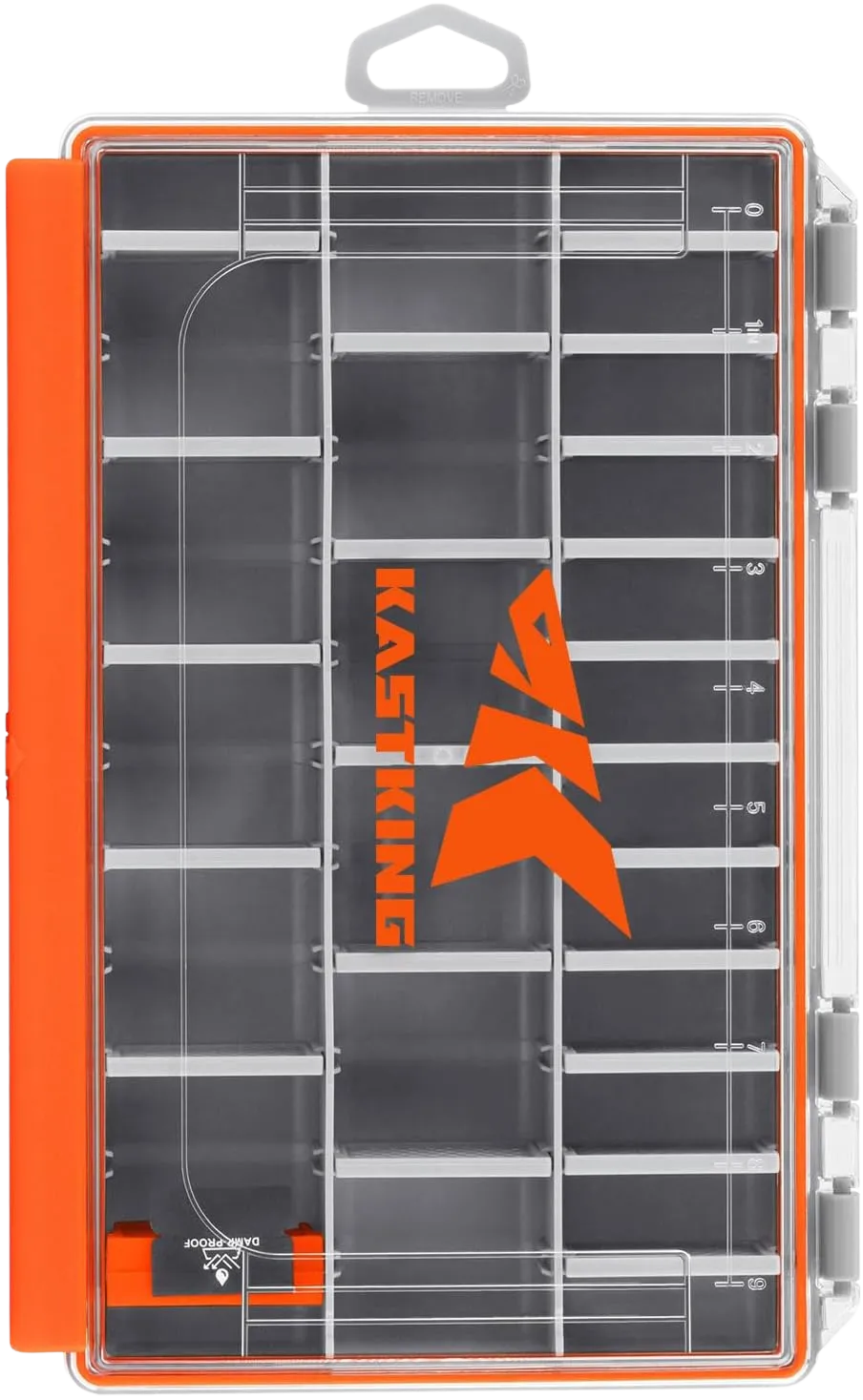
A waterproof seal protects the gear, but the internal layout determines your speed and efficiency on the water. We call this “Time-to-Bait.” If you have to dig for five minutes through a tangled mess to find a swivel, you are wasting prime fishing time. Custom geometry in removable dividers allows you to create channels for large swimbaits or micro-grids for tiny fishing weights.
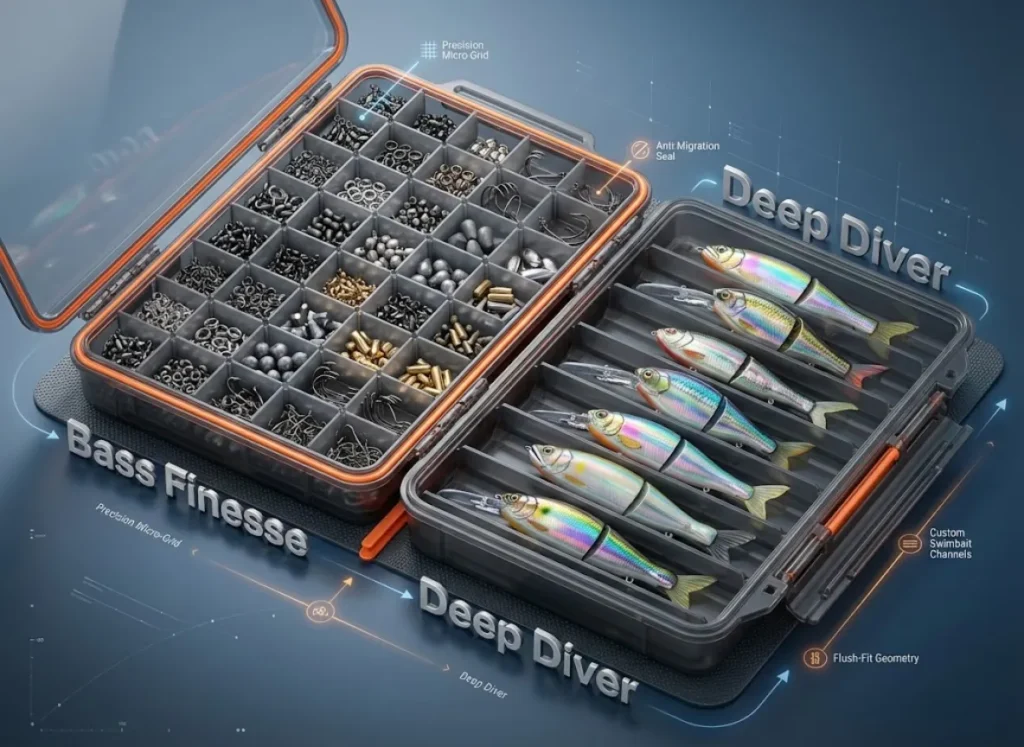
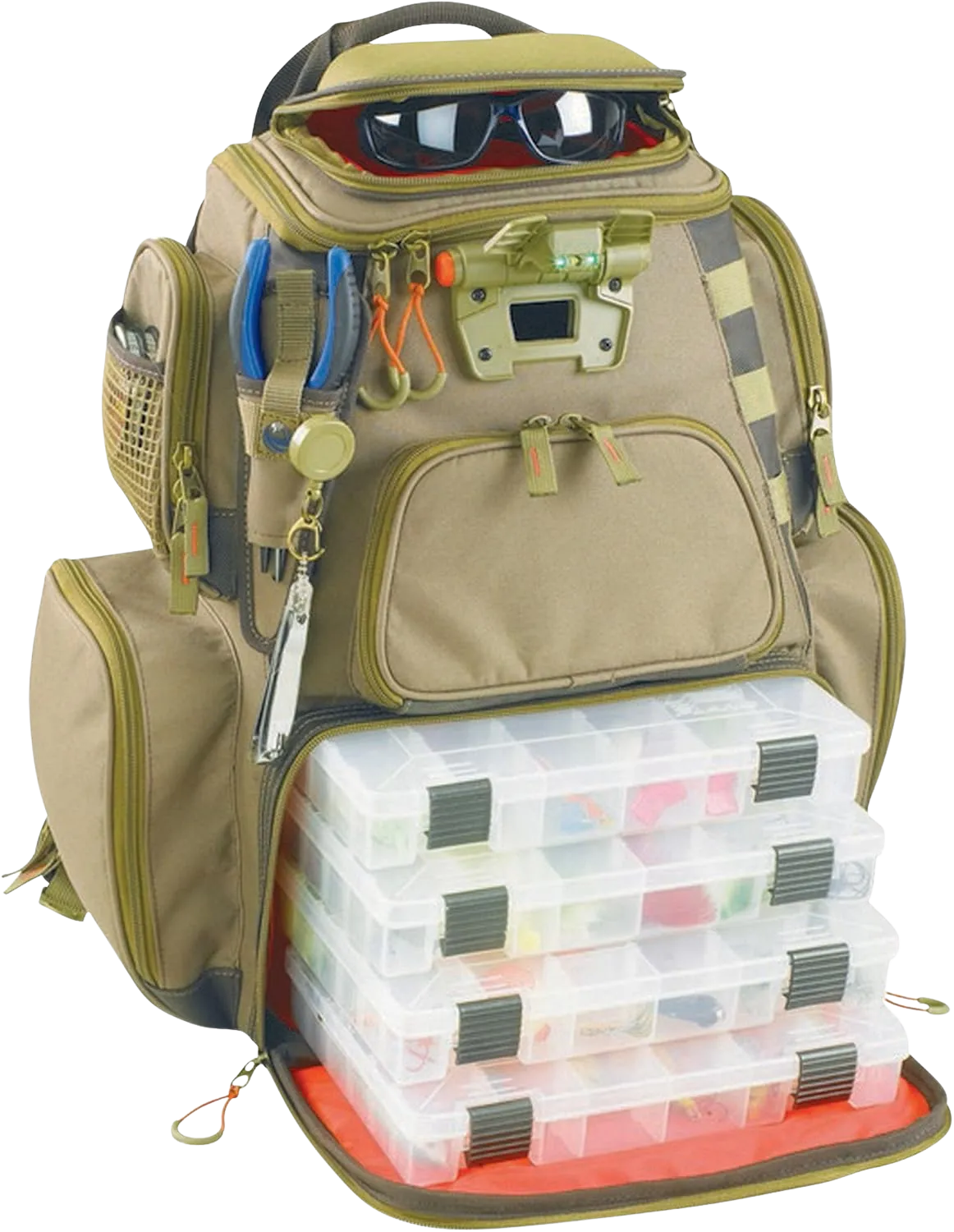
The biggest failure point in cheap boxes is divider lift. If the divider doesn’t sit flush with the lid, thin items like terminal tackle will jump compartments. This is critical for preventing the migration of small terminal tackle, which turns a well-organized kit into a shaken disaster. As noted by experts at Bassmaster, system integration—how the box fits into your boat locker or tackle backpack—is just as vital as the box itself. Whether you rely on standard Plano 3700 sizing or the smaller 3600 footprint, consistency is key.
Our Selection Process: How We Built This Guide
- Commitment to Objectivity: We moved beyond “unboxing” reactions to analyze long-term material performance and durability.
- Evaluation Framework: Every unit was scored on 6 distinct criteria, including VCI Efficacy, IP Integrity, and Latch Durability.
- Persona-Driven Selection: We filtered hundreds of SKUs down to distinct “User Personas” (Boat Captain, Bank Walker, or Kayak Minimalist) to ensure recommendations fit specific logistical needs.
- A Note on Links: We may earn a commission if you purchase through our links, but our “Critical Flaws” sections ensure you know the downsides before buying.
The Best Fishing Tackle Boxes of 2026: Our Top Recommendations for Every Need
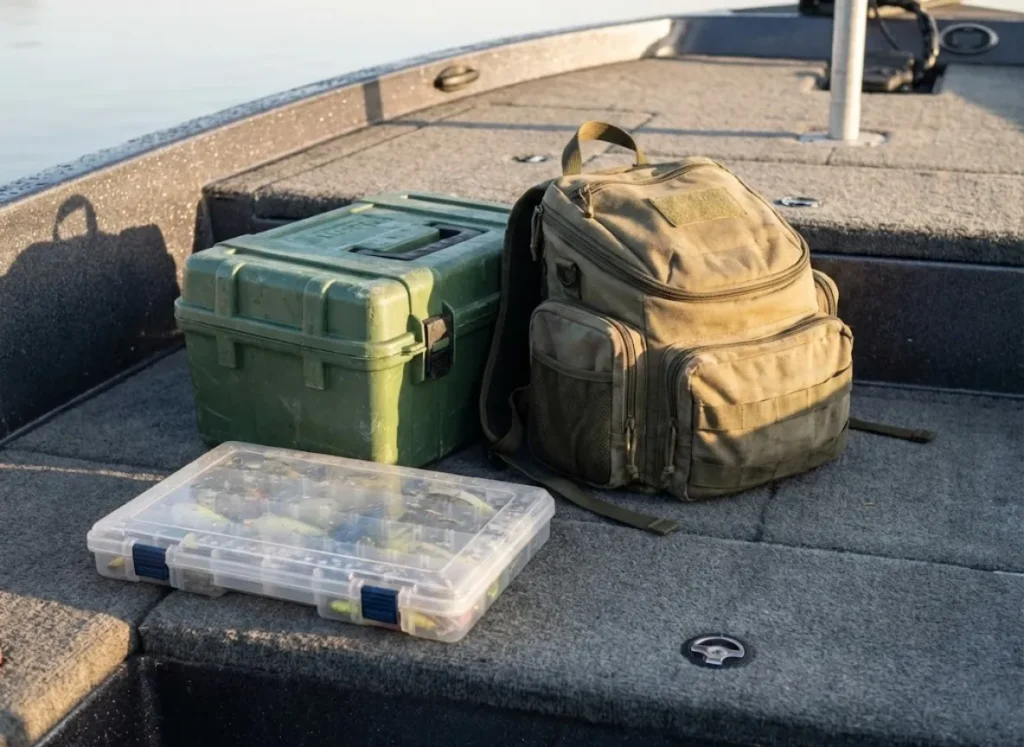
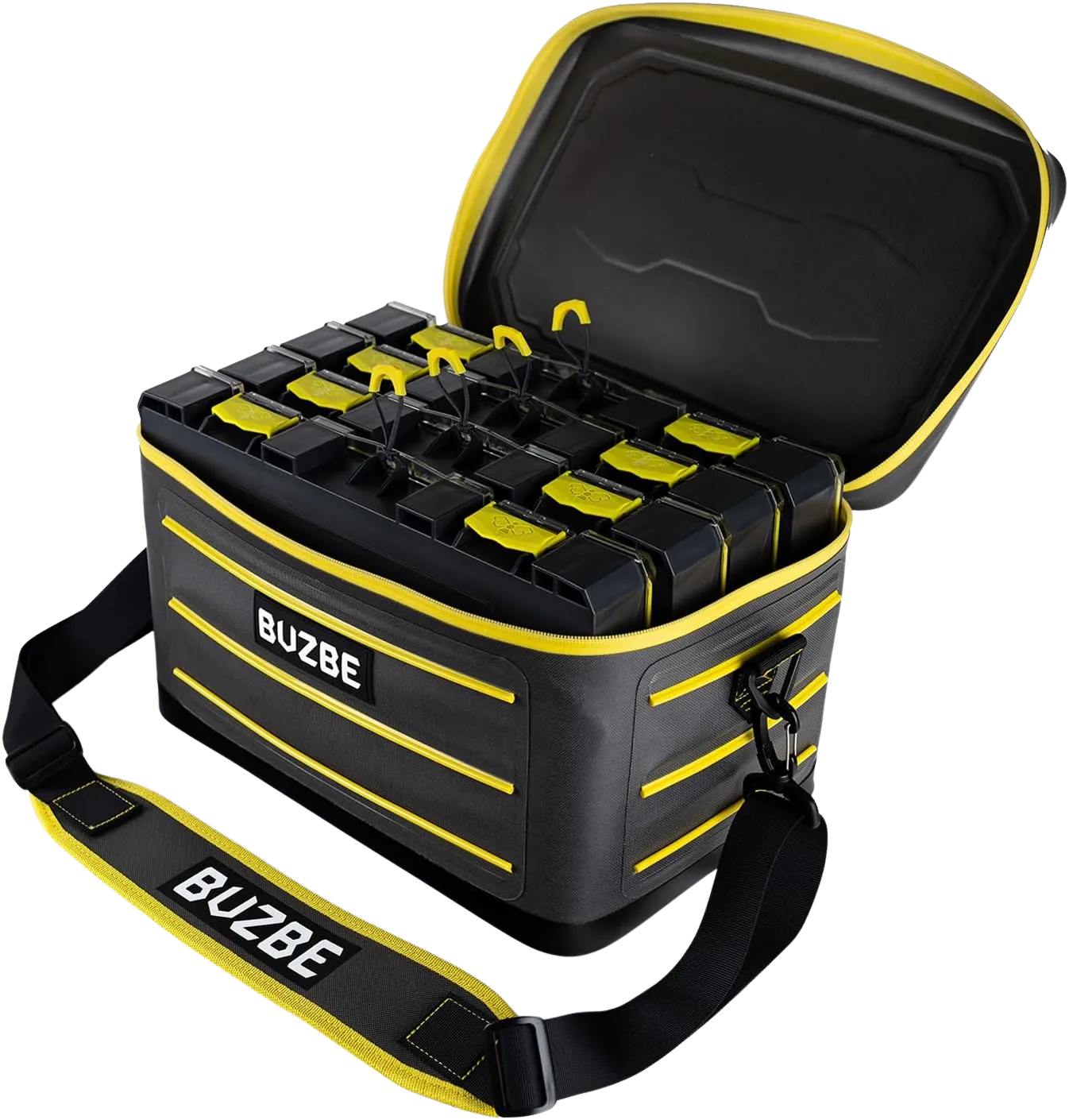
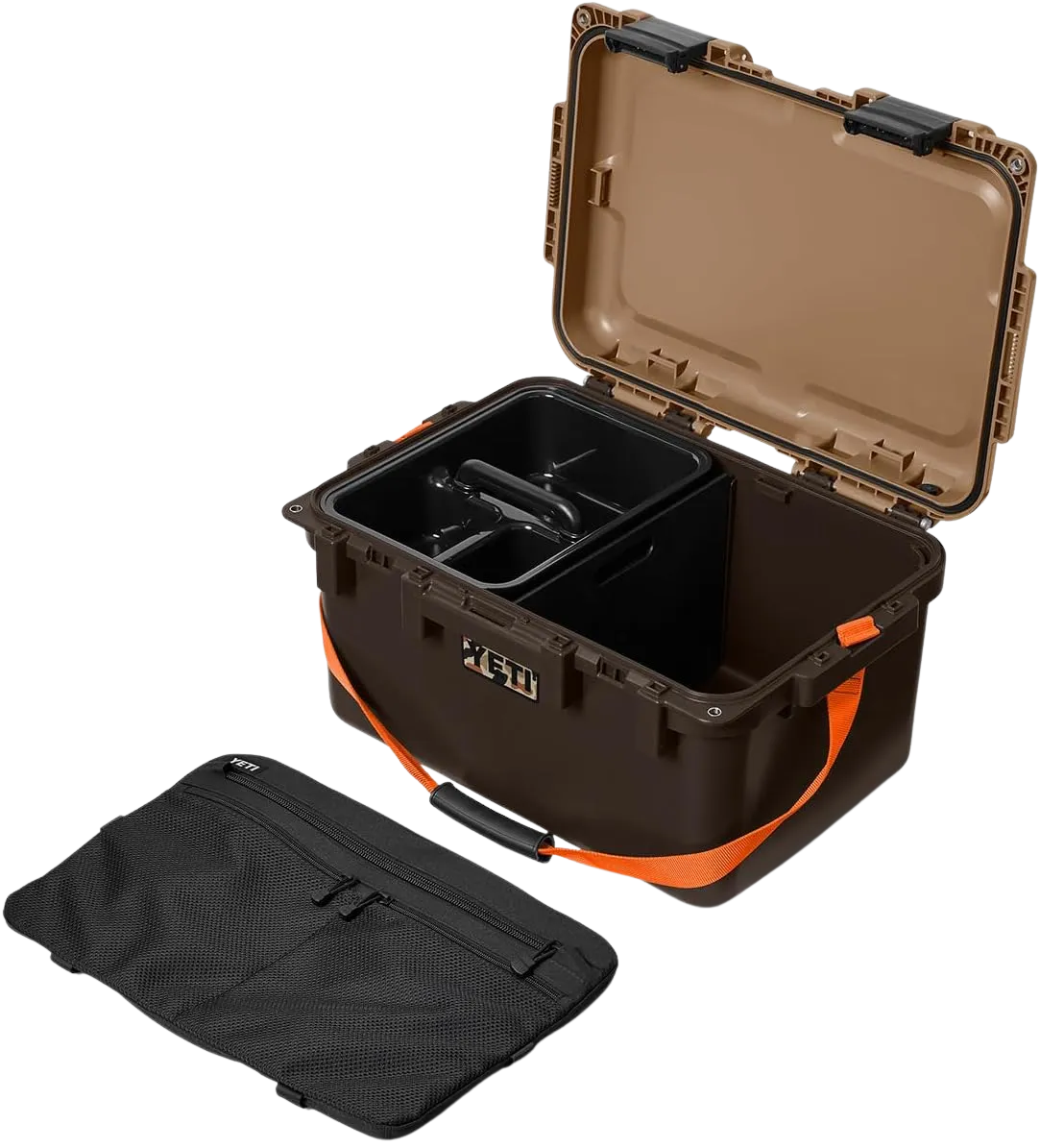
Our Top Picks for The Tactical Boat Captain
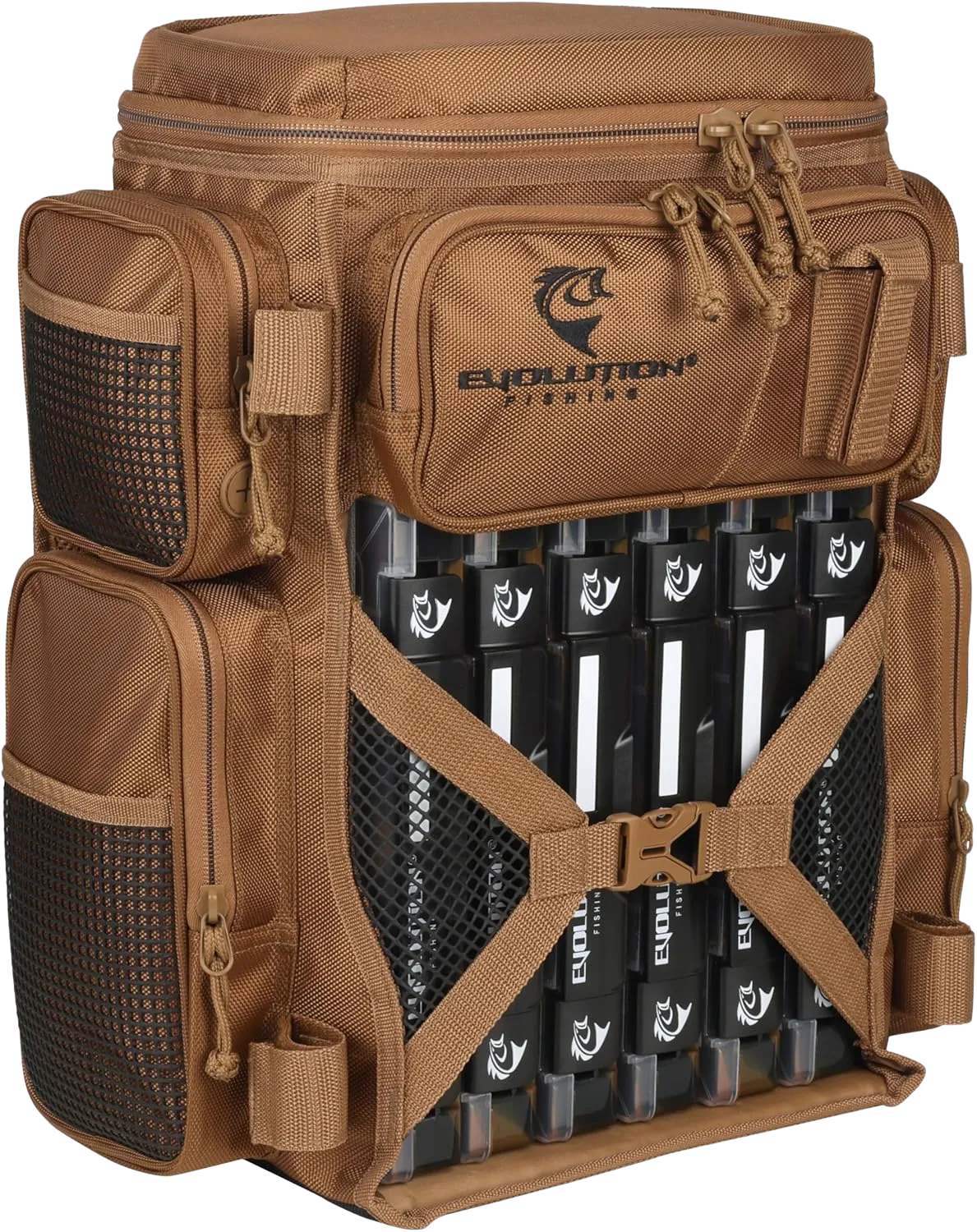
Our Top Picks for The Mobile Bank Walker
Our Top Picks for The Kayak & Wade Specialist
Pro-Tip: If you use soft plastics with high salt content (like Senkos), do not store them in the same compartment as your hooks. The salt draws moisture out of the air and into the VCI atmosphere, overwhelming the protection.
Conclusion
The era of tossing gear into a rusty tin box is over. Our 2026 tests confirm three non-negotiable truths. First, VCI technology is essential; passive plastic will not save your hooks in the long run. Second, seal integrity is situational—IPX4 is fine for rain, but IP67 is mandatory if you are close to the waterline. Finally, material matters; polycarbonate lids offer clarity and durability that cheap polypropylene classic tackle boxes cannot match.
Stop buying replacement hooks every spring. Audit your storage system today, upgrade your waterproofing, and spend your time on your next fishing trip, not scrubbing rust.
FAQ – Frequently Asked Questions
Do I really need a waterproof tackle box if I don’t fish from a kayak?
Yes, because high humidity alone can cause rust inside a closed box. A waterproof seal (IP67) combined with VCI prevents the greenhouse effect that destroys hooks even without direct water contact.
How long does the anti-rust (VCI) protection last in boxes like Flambeau Zerust?
Generally 5 years, provided the box is kept closed when not in use. After this period, you should supplement the protection with aftermarket VCI chips or Plastabs.
Can I use foam inserts for my hooks to keep them organized?
Use caution; while great for organization, wet foam traps moisture against the metal hook point, accelerating rust faster than an open air box. Always dry hooks before re-inserting them into foam.
Why are my tackle box latches breaking?
Most budget boxes use living hinges (thin molded plastic) that fatigue and snap. Look for boxes with mechanical hinges and stainless steel pins (like the Plano EDGE or Buzbe) for long-term durability.
Risk Disclaimer: Fishing, boating, and all related outdoor activities involve inherent risks that
can lead to injury. The information provided on Master Fishing Mag is for educational and informational purposes
only. While we strive for accuracy, the information, techniques, and advice on gear and safety are not a substitute
for your own best judgment, local knowledge, and adherence to official regulations. Fishing regulations, including
seasons, size limits, and species restrictions, change frequently and vary by location. Always consult the latest
official regulations from your local fish and wildlife agency before heading out. Proper handling of hooks, knives,
and other sharp equipment is essential for safety. Furthermore, be aware of local fish consumption advisories. By
using this website, you agree that you are solely responsible for your own safety and for complying with all
applicable laws. Any reliance you place on our content is strictly at your own risk. Master Fishing Mag and its
authors will not be held liable for any injury, damage, or loss sustained in connection with the use of the
information herein.
Affiliate Disclosure: We are a participant in the Amazon Services LLC Associates Program, an
affiliate advertising program designed to provide a means for us to earn advertising fees by advertising and linking
to Amazon.com. As an Amazon Associate, we earn from qualifying purchases. We also participate in other affiliate
programs and may receive a commission on products purchased through our links, at no extra cost to you. Additional
terms are found in the terms of service.