
In this article
Right now, one of the top-ranking pages for noodling gloves is selling readers a Berkley PowerBait Noodling Glove for ninety-nine dollars. That glove does not exist. It was an April Fools’ joke Berkley published back in 2022, and the original post said so in plain language at the bottom. If the biggest gloves guide online can’t tell a real product from a punchline, it’s no wonder people show up at the water with the wrong glove on their hand. Ask anyone who has actually reached into a dark hole for a flathead: the thickest, most armored glove is usually the wrong buy. This guide covers what noodling gloves actually protect you from, why thin often beats thick, and a short honest shortlist of real gloves you can buy today.
What Noodling Gloves Actually Protect You From
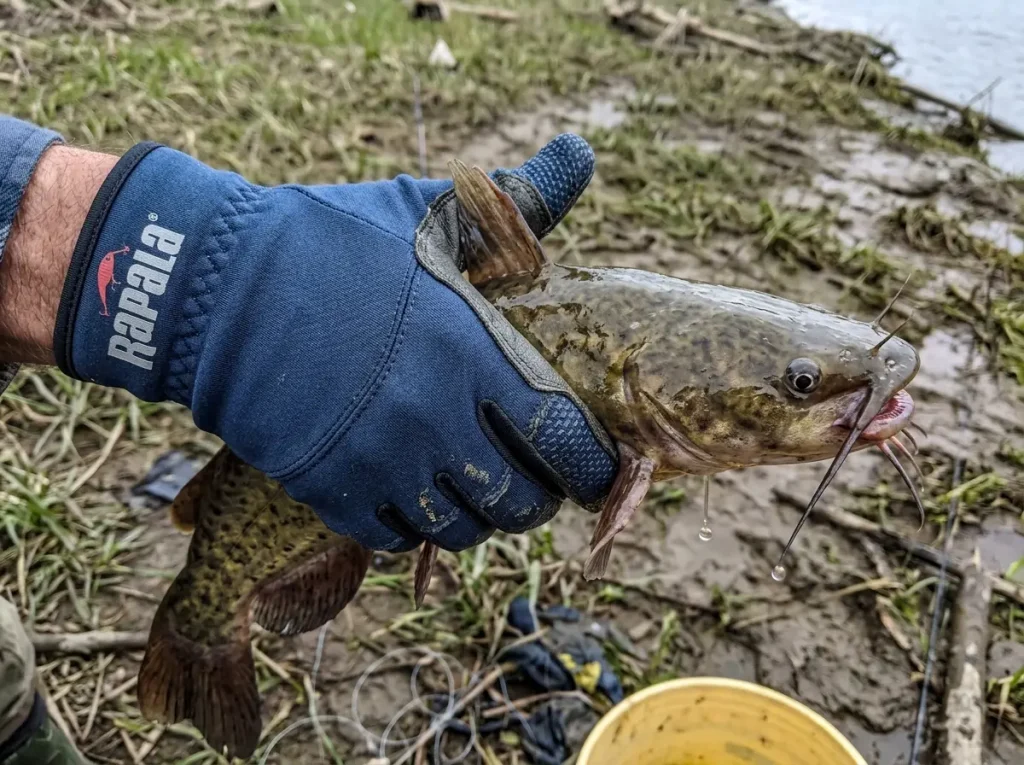
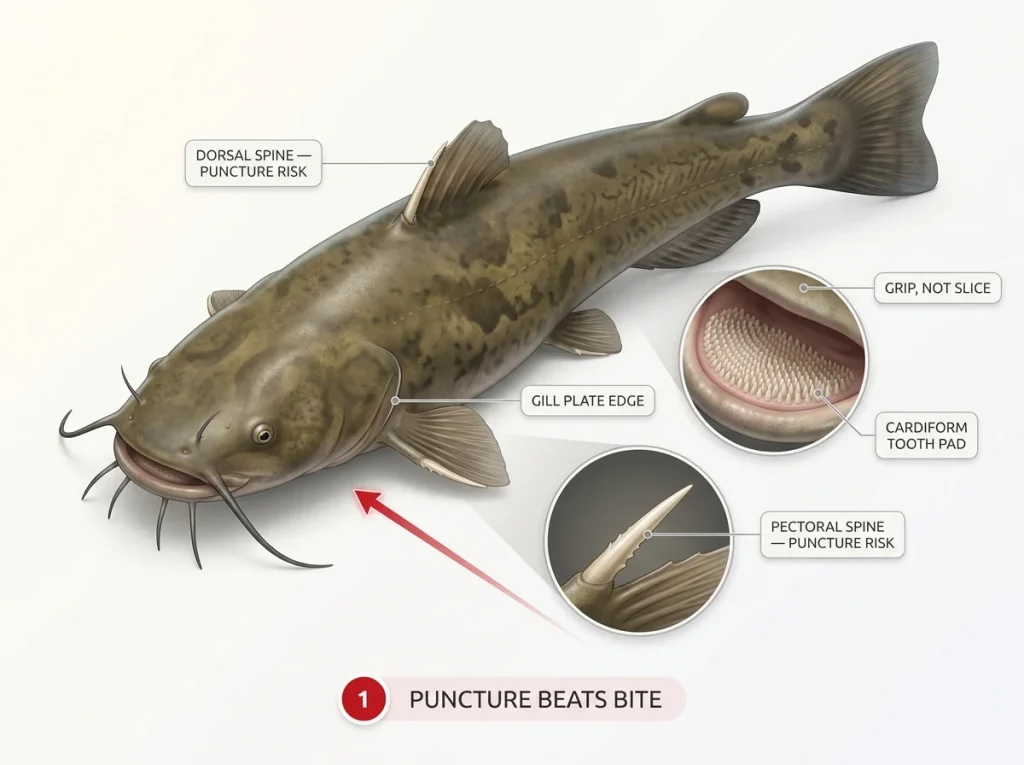
Here is where almost everyone gets it wrong. They picture a catfish as something with fangs, so they buy a glove built to stop a bite. A flathead or blue cat does not bite the way a pike or a muskie does. It clamps down with pads of short, closely packed teeth that work like coarse sandpaper, built to hold prey, not slice it. Catfish don’t have fangs, they have pads of cardiform teeth built to grip, not slice, according to the Missouri Department of Conservation. The clamp itself rarely breaks skin badly. It scrapes you raw, and that’s about it.
So if the mouth isn’t the real threat, what is? Two things nobody put on the box.
The Bite Myth, a Grinding Pad Not Fangs
Once you understand that a catfish grabs with a rough pad instead of teeth, the whole idea of “bite protection” falls apart. A thick, padded glove built to stop a puncture from a fang is solving a problem you don’t have. What you feel when a big flathead clamps down is pressure and sandpaper, not a stab. The reflex to yank your hand back out is the real problem, and we’ll get to why.
Spines and Gill Plates, the Real Puncture Threat
The genuine puncture risk sits on the fish, not in its mouth. A catfish carries hard, sharp spines on its pectoral and dorsal fins, and when you’re grabbing blind in a dark hole you can drive a hand straight onto one. Those are the same pectoral and dorsal spines that make handling any catfish a careful job, and they’re exactly what a good noodling glove is built to keep out of your palm. A gill plate edge can open you up too when you slide a hand inside to lock on.
What’s Waiting in the Hole, Rebar Glass and Worse
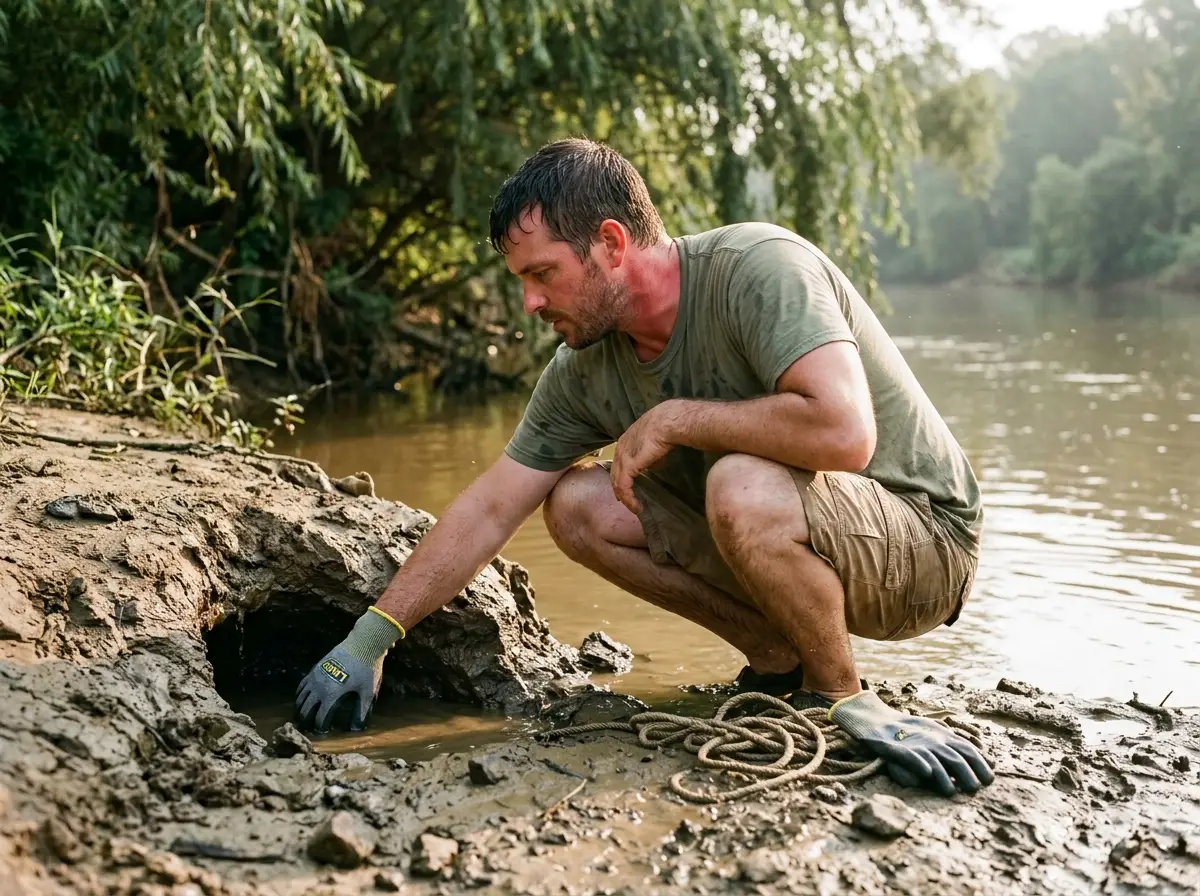
Then there’s everything your arm hits on the way in. A bank hole or spawning cavity that looks clean from shore can hide a chunk of submerged rebar, a broken bottle, or a sharp rock an arm’s length back. That’s the scrape and puncture threat a glove and sleeve are really earning their keep against. Plenty of holes also hold a snapping turtle or a cottonmouth, which is its own reason to know your water before you commit a hand.
Cut-Resistant vs Puncture-Resistant Isn’t the Same Spec
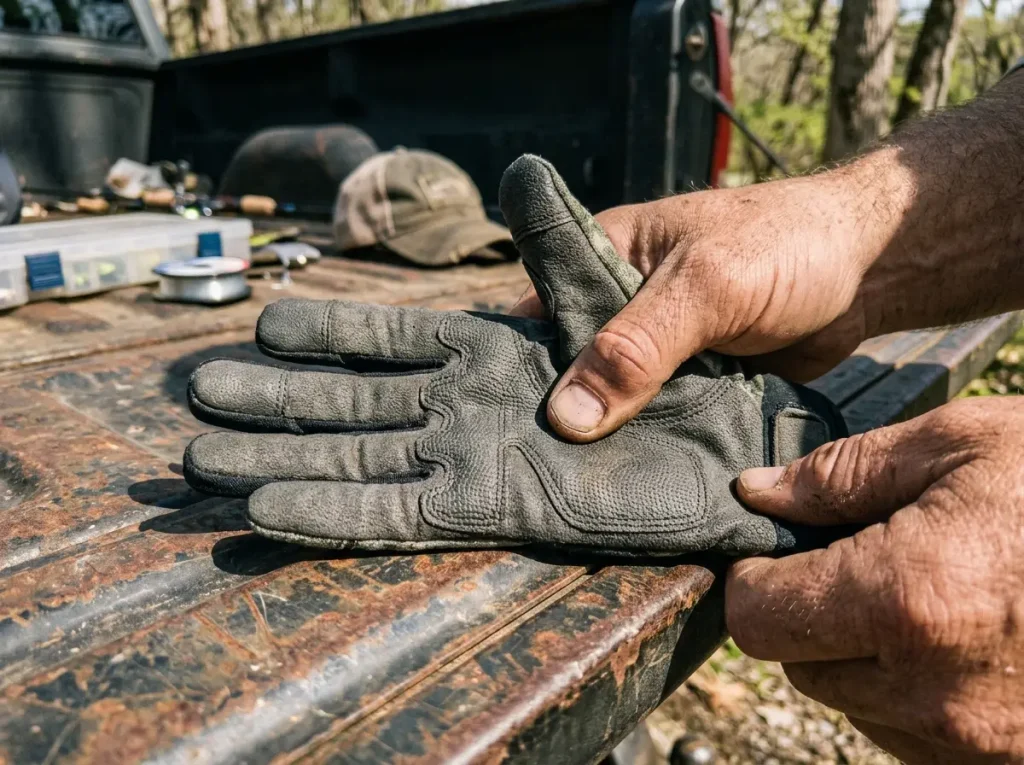
Two gloves can both say “protective” on the tag and protect against completely different things. This is the spec confusion that gets people hurt, and no competitor separates it for noodling. Read the tag wrong and a spine goes straight through a glove you thought had you covered.
What Cut Resistance Actually Measures
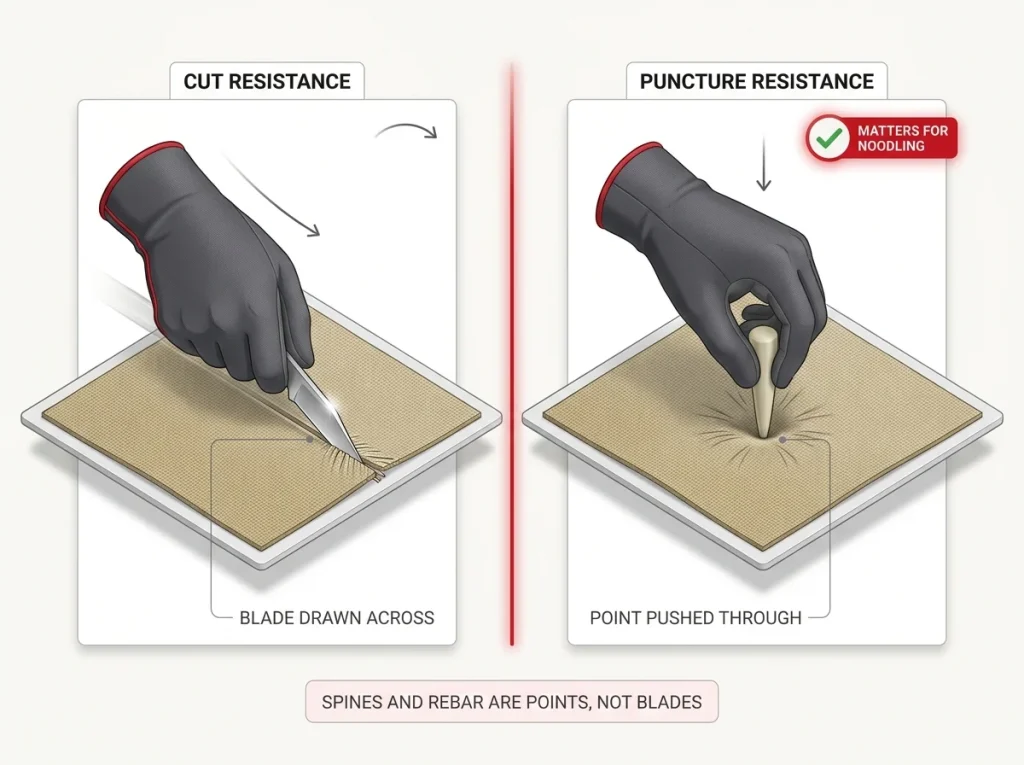
Cut resistance measures a blade drawn across the fabric, a slicing motion. That’s the number a fillet glove is built around, because a fillet knife slides. A Kevlar knit rated high for cut resistance can still let a point push straight through the weave, because stopping a slice and stopping a stab are two different jobs.
Why Puncture Rating Wins for Noodling
Noodling threats are points, not blades. A spine, a nail of rebar, a rock tip, all of them push through rather than slide across. That means puncture resistance is the spec that matters, and it’s the one most gloves in the tackle aisle don’t advertise because they were built for filleting. When a glove does publish a puncture number, pay attention.
Reading a Glove’s Spec Sheet Honestly
Lindy rates its SuperFabric palm as far more puncture-resistant than a comparable handling glove. Read manufacturer numbers as relative, not gospel, they tell you this glove resists a point better than that one, not that any glove makes you invincible. The honest takeaway is simple: match the spec to the threat. Points call for a puncture rating, and a “cut-resistant” label alone doesn’t cover you.
Why the Thickest Glove Is Usually the Wrong Buy
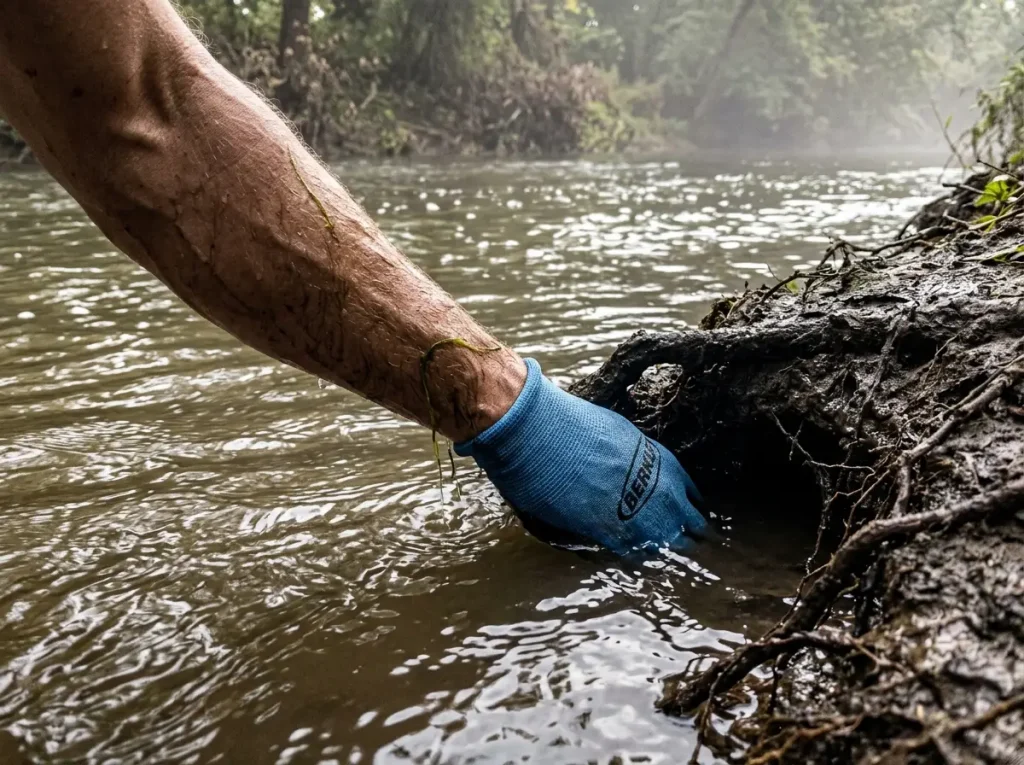
This is the part the ninety-nine-dollar ghost glove crowd never explains. In noodling, more armor is not more safety. Past a point, it’s the opposite.
Feel Is the Only Sense That Works in a Dark Hole
Most holes sit in murky water, and plenty go to zero visibility once your arm is in past the elbow. You can’t see the fish. You find its head by feel, by pure proprioception, reading the shape of a jaw and a gill plate with your fingertips. The higher the turbidity, the more that feel is the only sense you have left. Pile on thick padding and you deaden that feel, the same way oven mitts would. Experienced hands say it again and again on the catfish forums: heavy vinyl and stacked Kevlar gloves go “too slippery” and dead, and a tacky thin glove or a bare-grip garden glove beats them for locating and holding a fish.
When a cat clamps down, don’t jerk back. That reflex is what breaks fingers and loses fish. Stay still, let it clamp fully, then push your hand deeper and hook your fingers under the jaw or gill plate, a move noodlers call gilling. A thin glove lets you feel that moment. A thick one turns it into a guess.
The Fumble Problem, When Armor Gets Slippery
Thick gloves don’t just dull your feel, they get slick. A heavy rubber or vinyl glove slides on a slimed, thrashing fish right when you need the grip most, and you fumble the hold. That’s why so many veterans reach for tacky rubber-dip garden gloves or brown jersey work gloves, grippy when wet, thin enough to feel, and cheap enough to replace every season.
Flathead vs Big Blue, When to Skip the Glove Entirely
Species changes the call. A flathead has a big soft mouth and forgives most gloves. A big blue cat behaves nothing like a flathead on the grab, smaller mouth, harder clamp, and a habit of spinning once it’s got you. For a fifty-pound blue, forum veterans will tell you to stop relying on a glove alone and bring a net or a lip-gripper instead. Knowing which fish lives in your hole decides your whole plan, glove included.
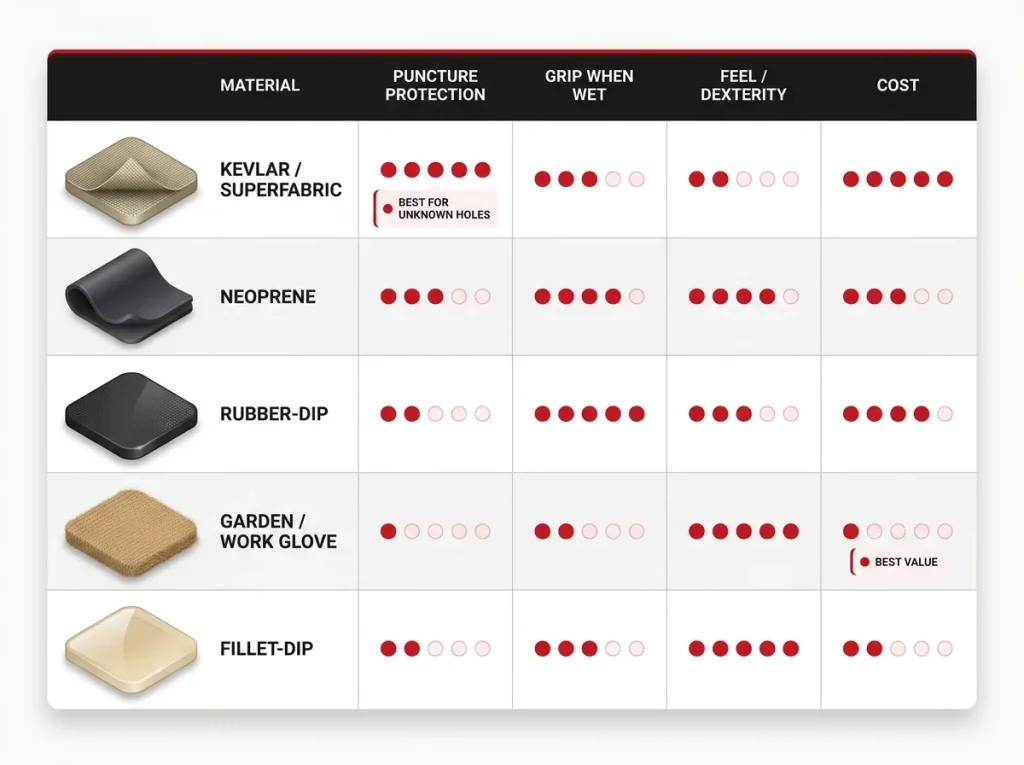
Noodling Glove Materials Compared
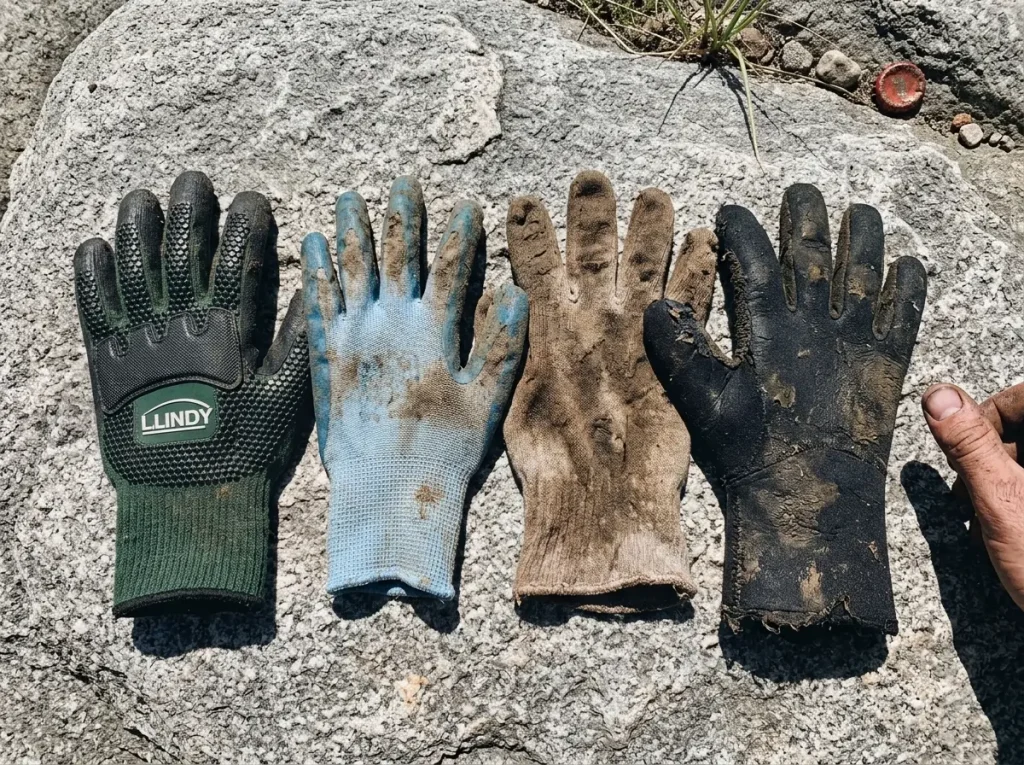
Every material buys you something and costs you something. Here’s the honest walk through the gear shed, matched to what noodling actually asks of a glove.
Kevlar and SuperFabric, the Puncture Lane
Kevlar and SuperFabric are your puncture defenders. The best of them, like Lindy’s SuperFabric palm, put the armor exactly where a spine lands, on the palm, thumb, and forefinger, and leave the rest thinner so you keep some feel. This is the lane for unknown holes where you can’t rule out rebar or a big spine.
Neoprene and Rubber-Dip, the Grip Lane
Neoprene and latex or rubber-dip gloves trade some puncture protection for grip and feel. A latex-coated handling glove grabs a slimed fish well and stays thin, which is why it shines for the actual hold rather than the armor. Neoprene adds a little warmth and a lot of dexterity in a package you can still feel through.
The Garden-Glove and Fillet-Glove Budget Favorites
Don’t laugh off the cheap options. Tacky rubber-dip garden gloves, cotton-knit shop gloves, and thin polyurethane-dip fillet gloves are genuine field favorites because they preserve feel and cost almost nothing. The community shorthand is “buy once, cry once” for a good glove, but plenty of hands run cheap grippy gloves and replace them each season on purpose. If the best solution is a five-dollar pair of grippy garden gloves you already own, that’s the honest answer.
The Best Noodling Gloves for Real Protection
Gloves are one piece of a bigger hand-fishing and handling kit worth building out properly, so pick the one that fits your holes rather than the one with the loudest tag. These are real, current, Amazon-available picks, sorted by the job each one wins.
Best Overall, Lindy Fish Handling Glove
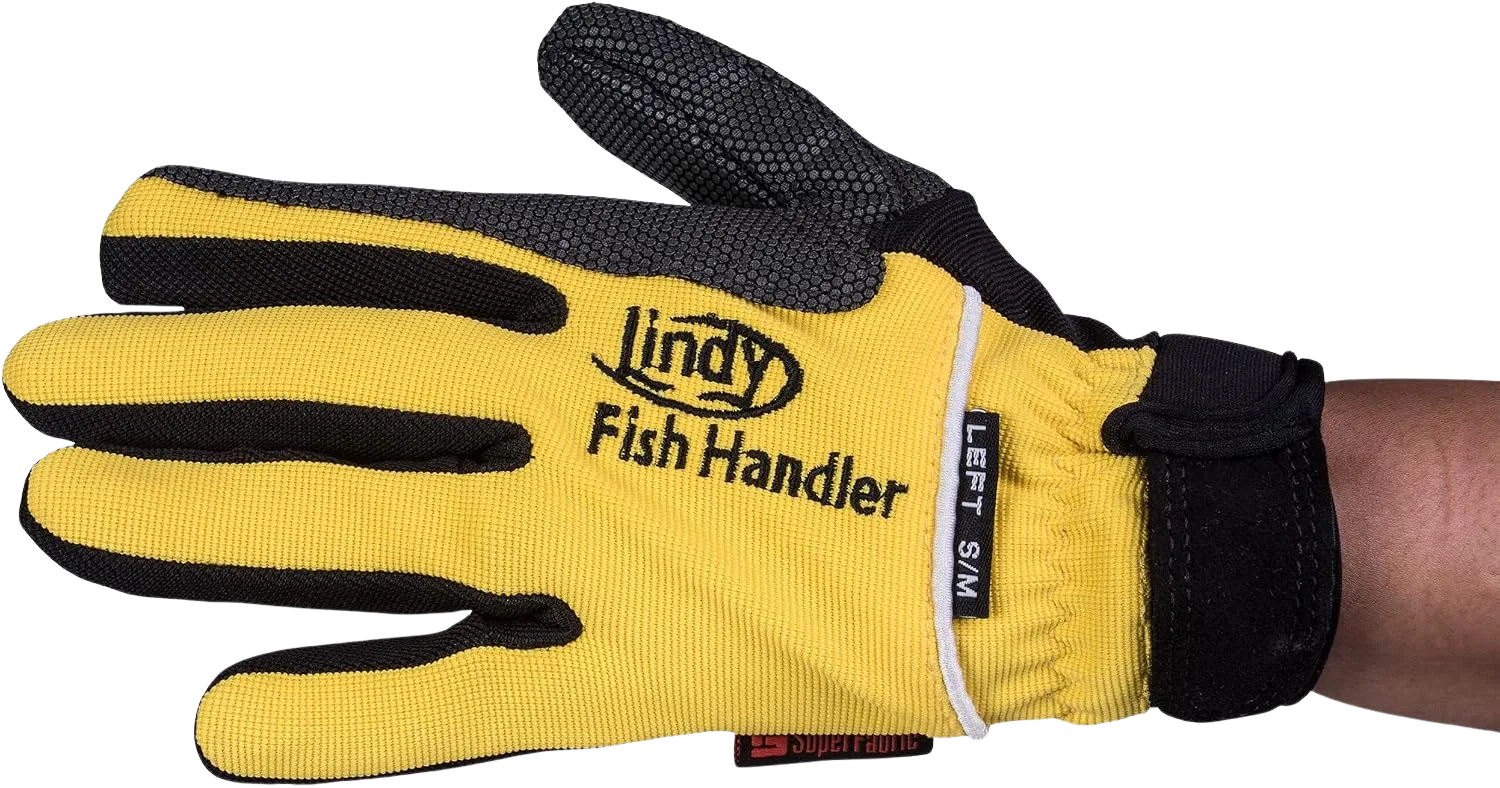
If you only own one purpose-built glove, make it this one. The reason it tops the list isn’t the marketing, it’s that targeted reinforcement solves the real puncture threat without turning your hand into a numb club. It’s a premium pick, and for anyone reaching into holes they can’t scout first, it earns the price.
Best Grip, Rapala Fisherman’s Gloves
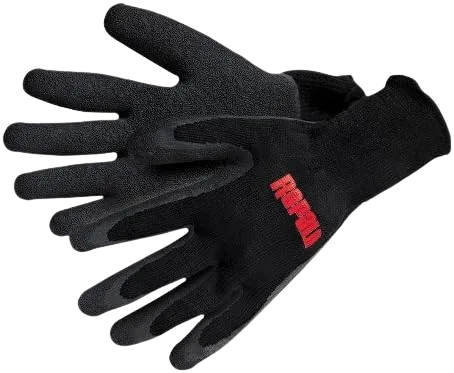
Where the Lindy prioritizes armor, the Rapala prioritizes the hold. The latex coating is the reason, it grabs slime instead of sliding on it. If your holes are familiar and your main worry is losing grip on a big fish mid-fight, this mid-range glove is the practical pick.
Best Feel, KastKing Mountain Mist
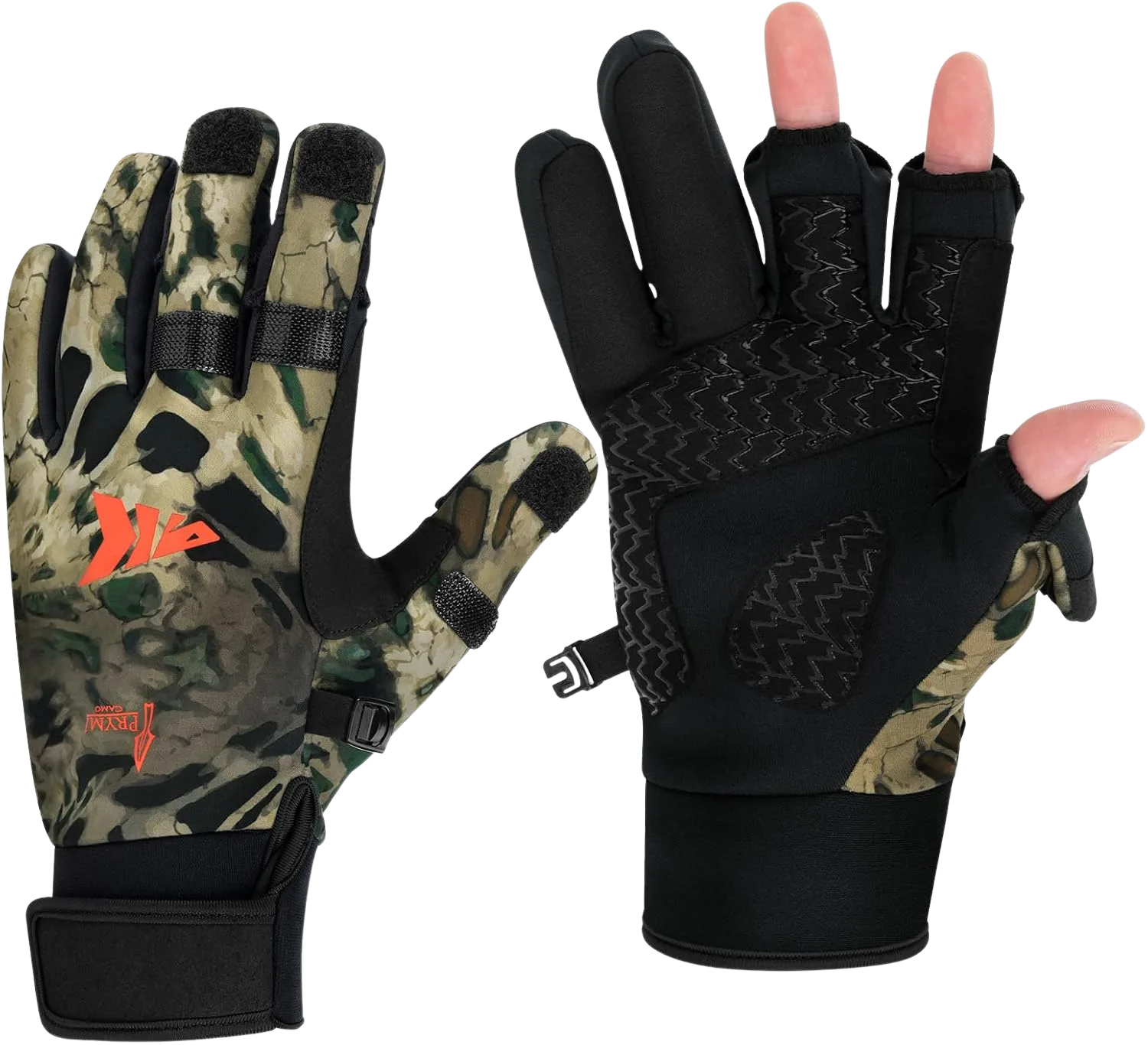
This is the glove for anyone who has fumbled a fish in a thick pair and sworn off them. It won’t stop a big spine the way the Lindy will, so save it for holes you know. In clean, familiar water where the whole game is feel, thin wins, and this is a budget-friendly way to get there.
Best Budget, Berkley Coated Grip Gloves
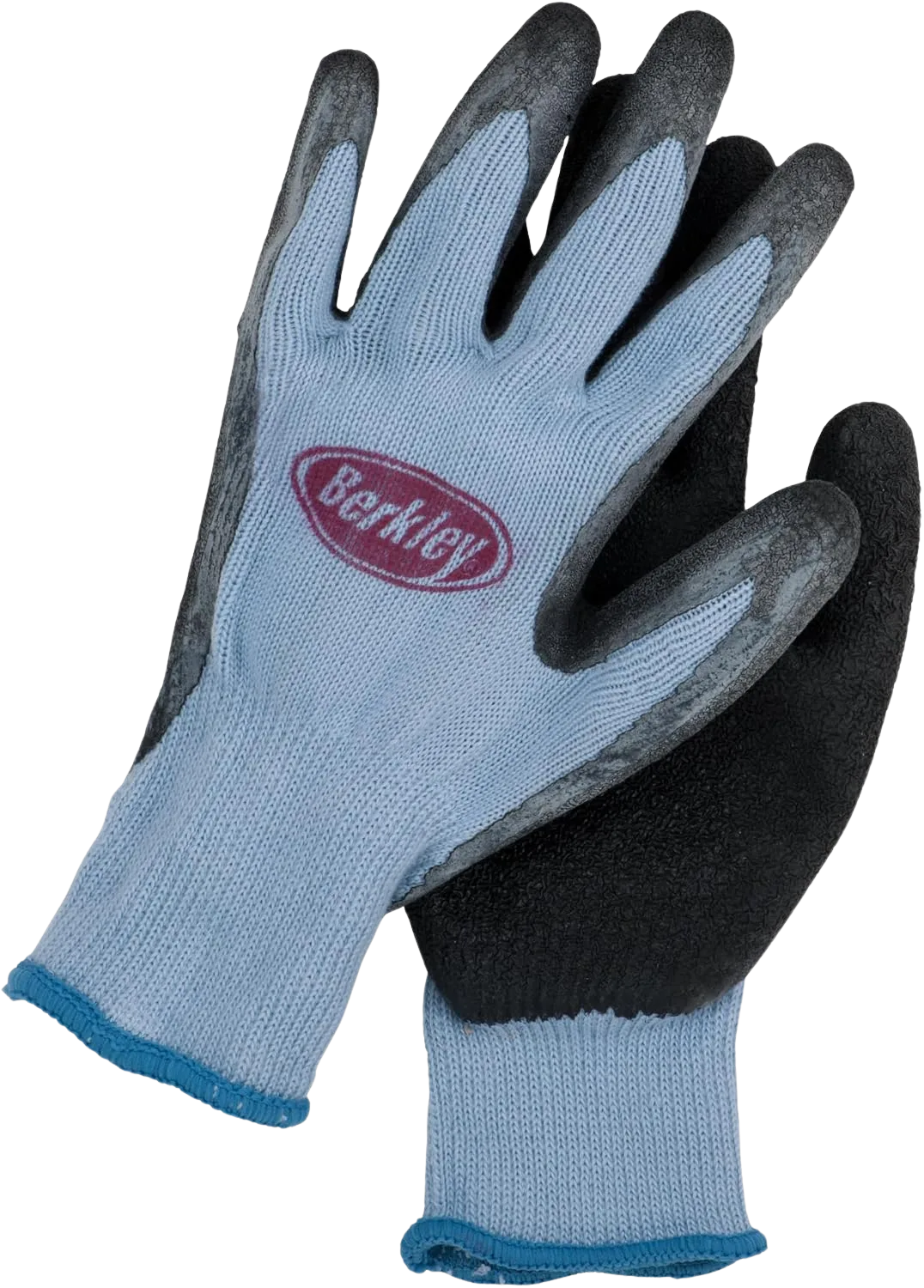
Worth naming plainly, this is the Berkley glove that actually exists, not the ghost product from the intro, and it’s a solid budget starting point. It won’t match the Lindy for puncture defense, but for a first-timer testing the water it does the job without much outlay.
Don’t Forget Your Forearm
Here’s the tell that separates people who’ve reached into a hole from people who’ve only read about it. The glove guards your hand, but the damage usually lands higher up. Your forearm goes in past the wrist, and that’s the part scraping across rock, rebar, and a gritty hole edge on the way in and out. A glove alone leaves it bare.
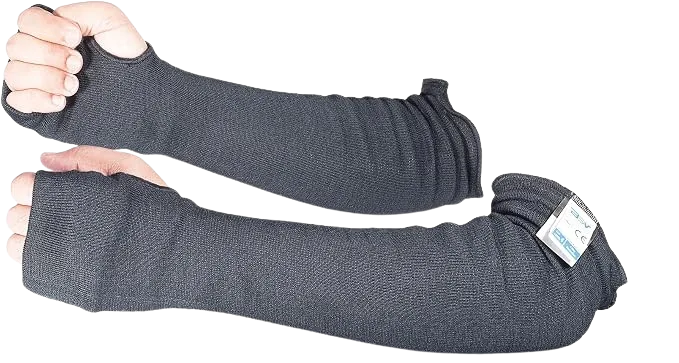
Why a Sleeve Belongs in Your Kit
A Kevlar forearm sleeve isn’t a luxury add-on for unknown or rocky holes, it’s the missing half of the setup. Pairing a thin, feel-first glove with a sleeve often beats one thick glove that trades away all your dexterity. You get the feel where you need it, at the fingertips, and the armor where you need it, up the arm. For the biggest fish, remember the earlier caveat, a landing net does a job no glove or sleeve can when a fifty-pound blue decides to spin.
Sizing, Fit, and How Gloves Fail Over a Season
Nobody warns you about this until you learn it the hard way, so here it is up front. Fit and wear decide whether a glove helps or hurts, and both go wrong in predictable ways.
Why a Loose Glove Costs You the Fish
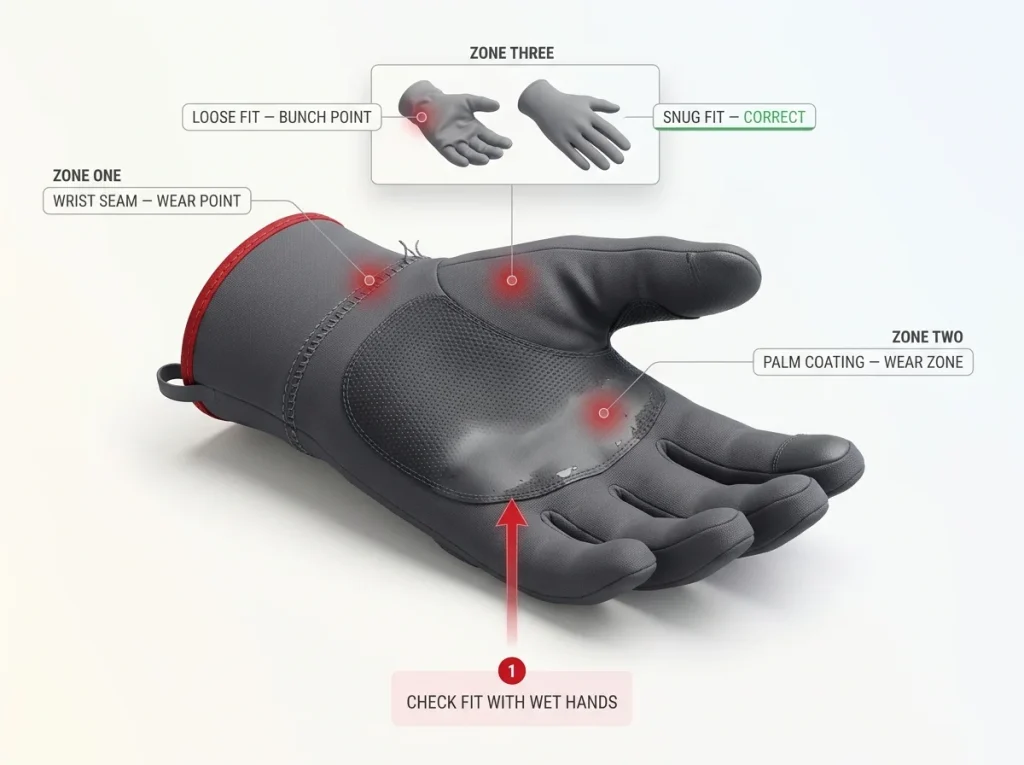
The instinct to buy a size up “for a safety margin” backfires. A loose glove bunches at the palm, and that bunched fabric is one of the top reasons hands lose the grip on a jaw mid-fight. You want it snug, close enough that the glove moves as one with your hand. Not tight enough to choke off circulation, but never sloppy.
Do the fit check with wet hands, not dry ones. Neoprene and coated gloves loosen up once they soak, so a pair that felt snug in the store can bunch at the palm an hour into the water. If it slides at all on a wet hand on the bank, it’ll slide worse on a fish.
How Gloves Actually Fail, Seams and Coatings
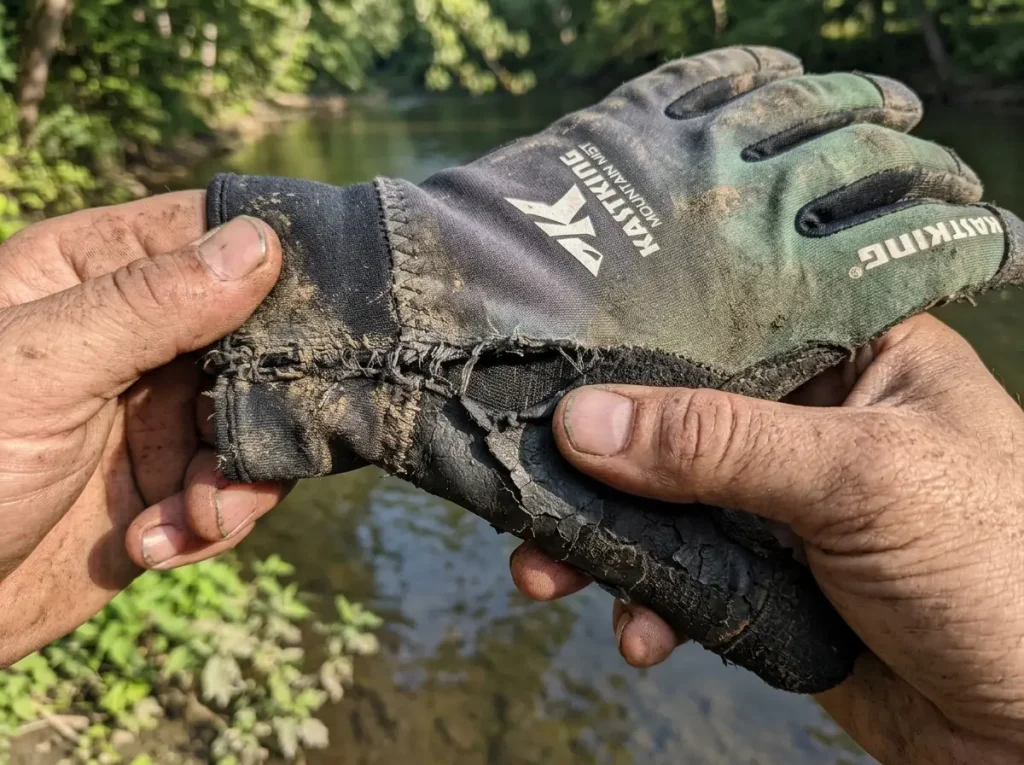
Gloves die in two spots. The wrist seam blows out from being dragged in and out of holes all season, and the palm coating peels once it’s been ground against enough rock and grit. Check both before a trip. A peeling palm turns your grip glove back into a slick one, and a split seam lets water and spines find the gap.
Buy Once or Replace Cheap, an Honest Call
The forums argue this endlessly, and both camps are right. Spend on a purpose-built glove and get a season or three of real protection, or run cheap grippy gloves and swap them when they wear. If you fish a handful of clean, known holes, the cheap route is genuinely fine. If you’re reaching into rock every weekend, buy once.
Before You Reach In, Safety and Legality
A glove is the last thing to sort out, not the first. Before any of this matters, get two things right, is it legal where you fish, and are you doing it the safe way.
Is Noodling Even Legal Where You Fish
Noodling is legal in only about sixteen states, and state regulations vary hard from one to the next. Some, like Kansas, require a separate hand-fishing permit on top of your regular license, and even where flathead, blue, and channel catfish are all fair game, bag limits and size limits still apply. Always check your state wildlife agency’s hand-grabbing rules, South Carolina’s DNR, for example, allows it statewide with no closed season but caps blue catfish possession. Getting it wrong is a citation, not a warning, so confirm before you plan a trip.
The Non-Negotiables, Buddy, Hole, Hazards
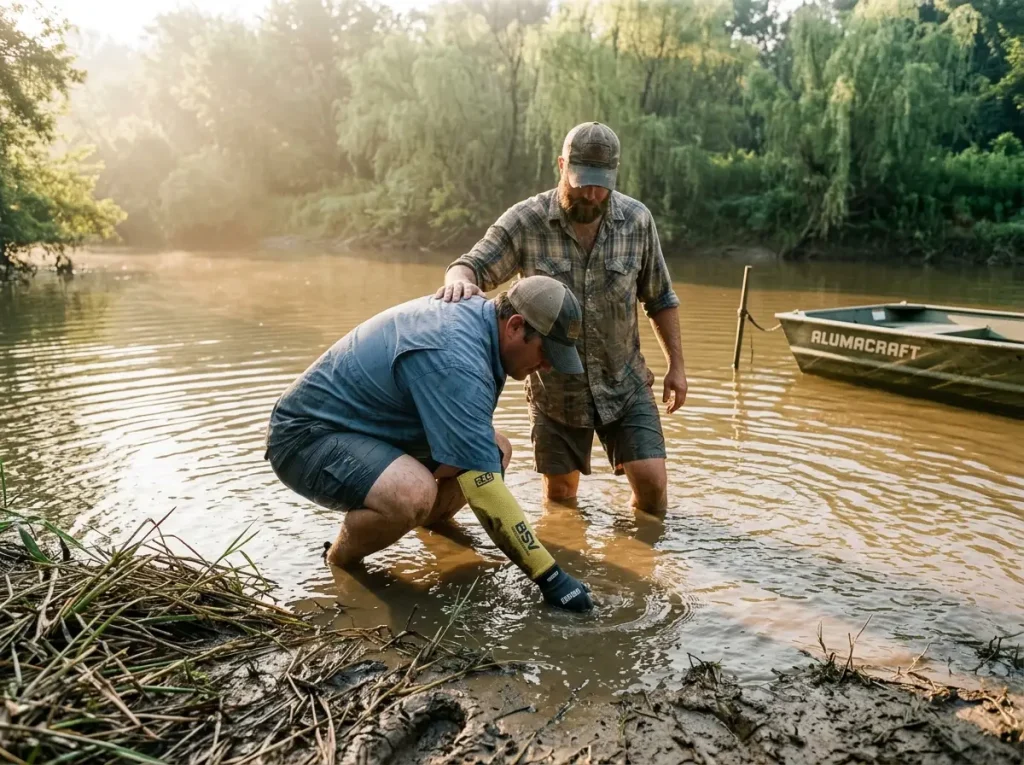
Even where it’s legal, the basics don’t bend. The buddy system isn’t optional, never go alone, keep a spotter within arm’s reach, and wear a life jacket or PFD in any water over your head, because reaching blind into a submerged hole is exactly where water-related emergencies happen. Only work submerged bank holes and hollows you can identify, and know your hazards, snapping turtles, cottonmouths (water moccasins), and submerged debris. A glove protects your hand. It does not replace a buddy.
Keep four fingers together and give a slight wiggle when you feel around a hole, it mimics the nest-robbing prey a guarding catfish wants to grab. An open, spread hand invites a broken finger instead of a clean bite on the meat of your fingers.
Timing the Spawn Window
Noodling turns on with the spawn, when water temperatures sit in the seventy to eighty degree range and males are guarding nests in bank holes. The pre-spawn stretch is slow, but once fish lock onto nests, peak season is on. That runs as early as May in the South and pushes toward mid-summer farther north. It’s the same spring spawn window that fills the holes you’ll be reaching into, so plan the trip around water temperature rather than the calendar.
Conclusion
Protect against the real threats, spines and submerged debris, not a slicing bite that catfish don’t have. Match the glove to the hole, thin and feel-first for clean water you know, puncture-armored for the holes you can’t scout, and pair either one with a forearm sleeve. And sort the legal and safety basics before the gear, because no glove makes up for fishing alone or fishing where you shouldn’t.
Pick the glove that fits your water, add a sleeve, confirm your state’s rules, and you’ll be set well before the next spawn fills the banks.
Frequently Asked Questions
01Is the Berkley PowerBait Noodling Glove real?
No. It was a Berkley April Fools’ joke published in 2022 and was never sold. Any page listing it as a real product for sale is repeating a mistake, so buy one of the real gloves instead.
02Do noodling gloves actually protect against catfish bites?
Partly, but that is not their main job. A catfish grips with a rough tooth pad rather than slicing, so the real protection is against pectoral and dorsal spines and the rock or debris inside the hole.
03What material is best for noodling gloves, Kevlar or neoprene?
Kevlar or SuperFabric for maximum puncture protection in unknown holes, neoprene or a thin rubber-dip glove for feel in known, clean holes. Match the material to the threat you actually face.
04Can you noodle catfish without gloves?
Many experienced noodlers do, especially in familiar holes. Bare hands leave you exposed to spines and hidden debris, though, so a thin grippy glove is cheap insurance for very little loss of feel.
05What size noodling glove should I get?
Snug, not loose. A glove sized too big bunches at the palm and is a leading cause of losing grip on the fish mid-fight. It should move with your hand without cutting off circulation.
Risk Disclaimer: Fishing, boating, and all related outdoor activities involve inherent risks that
can lead to injury. The information provided on Master Fishing Mag is for educational and informational purposes
only. While we strive for accuracy, the information, techniques, and advice on gear and safety are not a substitute
for your own best judgment, local knowledge, and adherence to official regulations. Fishing regulations, including
seasons, size limits, and species restrictions, change frequently and vary by location. Always consult the latest
official regulations from your local fish and wildlife agency before heading out. Proper handling of hooks, knives,
and other sharp equipment is essential for safety. Furthermore, be aware of local fish consumption advisories. By
using this website, you agree that you are solely responsible for your own safety and for complying with all
applicable laws. Any reliance you place on our content is strictly at your own risk. Master Fishing Mag and its
authors will not be held liable for any injury, damage, or loss sustained in connection with the use of the
information herein.
Affiliate Disclosure: We are a participant in the Amazon Services LLC Associates Program, an
affiliate advertising program designed to provide a means for us to earn advertising fees by advertising and linking
to Amazon.com. As an Amazon Associate, we earn from qualifying purchases. We also participate in other affiliate
programs and may receive a commission on products purchased through our links, at no extra cost to you. Additional
terms are found in the terms of service.