

In this article
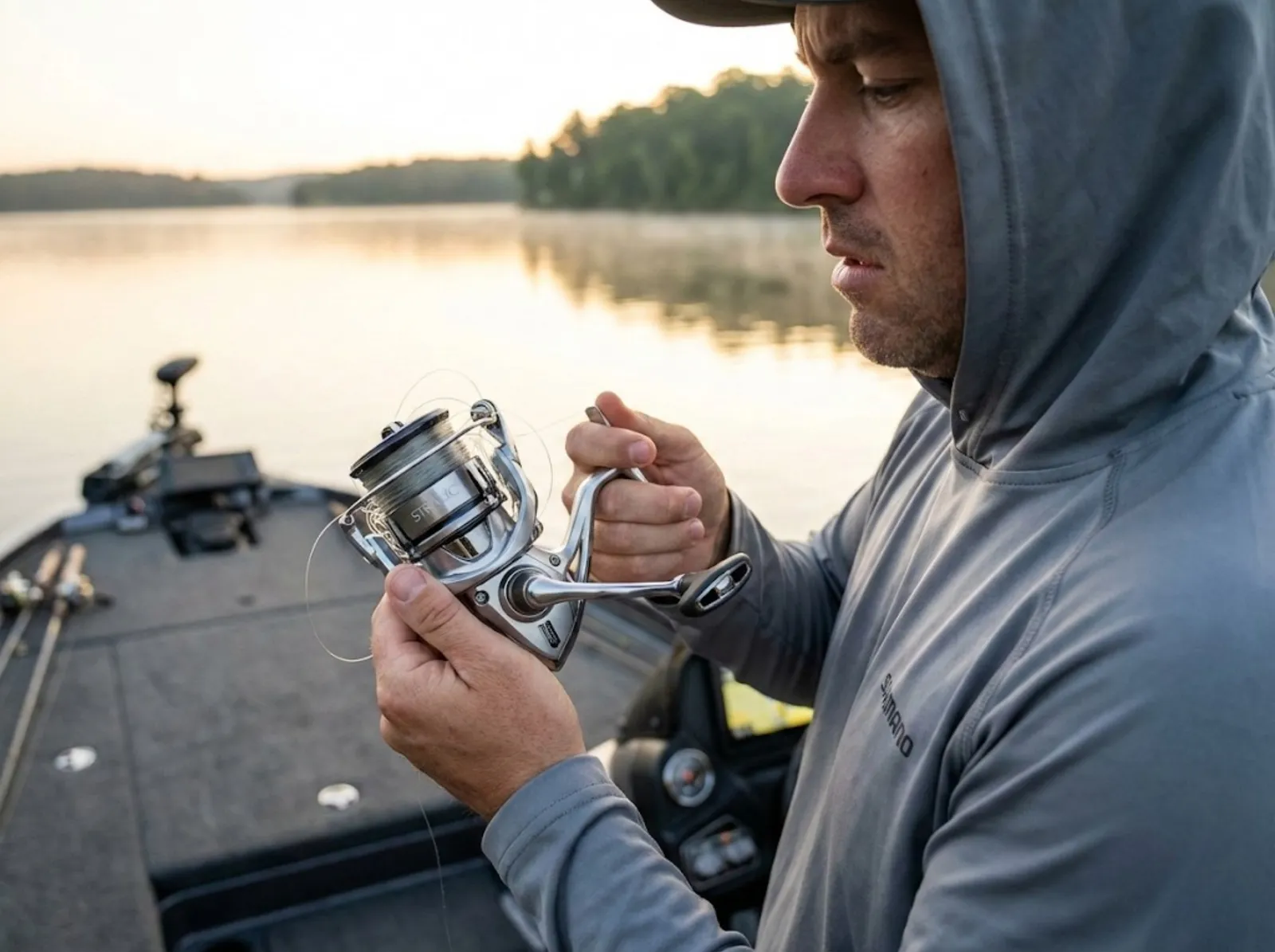
You’re halfway through the best topwater bite of the season when your line explodes off the spool in a tangled mess. Coils everywhere, lure dangling uselessly, fish gone. That’s line twist—and it just ruined your morning.
After fifteen years of guiding clients through these exact problems on everything from bass boats to kayaks, I’ve learned that prevention is easy once you understand what’s happening mechanically. The fix is even easier when you know the right techniques.
This guide explains exactly why spinning reels twist line, how to prevent it before you ever make your first cast, and five proven techniques to reset mangled line right on the water.
⚡ Quick Answer: Spinning reels create line twist because the rotating bail wraps line around a stationary spool, imparting angular energy with every retrieve. Prevent twist by closing your bail manually, never reeling against a slipping drag, and spooling line with correct counter-rotation. Fix existing twist by towing bare line behind a boat at idle, or walking it out across a field while reeling under tension.
The Physics Behind Spinning Reel Line Twist
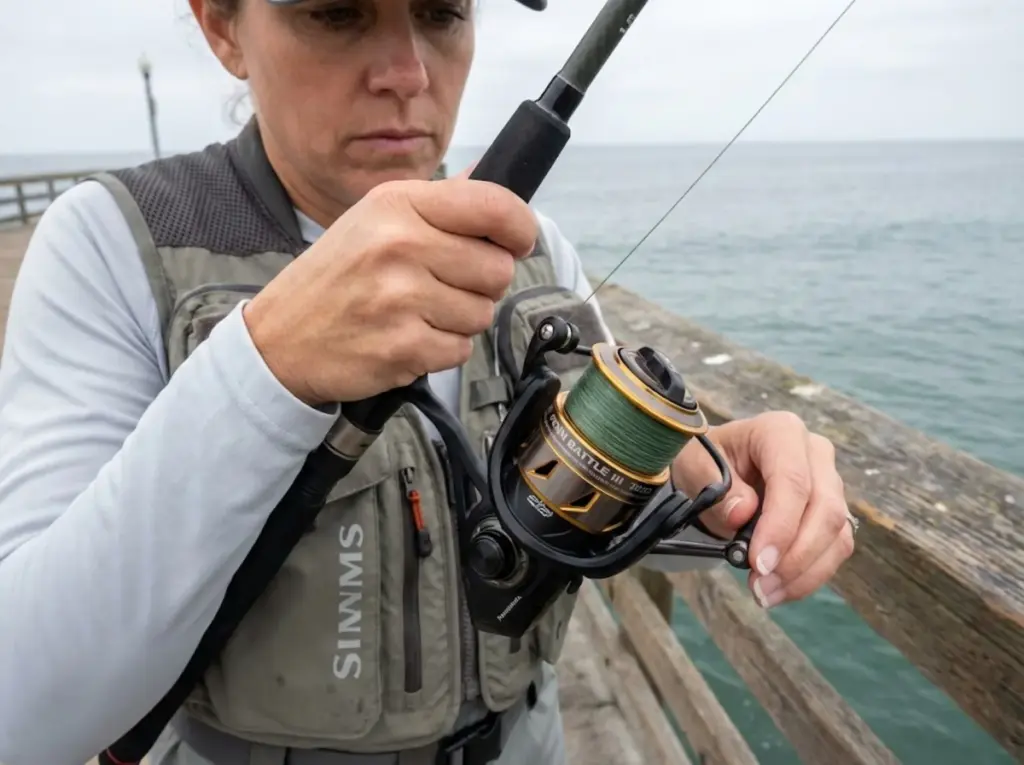
Every spinning reel creates twist by design. Unlike baitcasting reels where the spool rotates to release and retrieve line, spinning reels wrap line around a stationary spool using a rotating bail arm. That fundamental mechanical difference is why line twist is a spinning reel problem—not a baitcaster problem.
When you retrieve, the bail arm rotates around the spool’s axis while line feeds through the line roller onto the stationary spool. The line makes a critical 90-degree turn over that roller, and each rotation imparts angular displacement to the line. With a typical 5.3:1 gear ratio, you’re adding 5.3 twist-inducing rotations to your line for every single turn of the handle.
The line roller is your first line of defense. When it spins freely, it neutralizes most of that bail torque by allowing line to pass with minimal friction. When the roller is seized up with salt, sand, or dried algae, twist locks into the line and accumulates rapidly.
Pro tip: Listen to your line roller during the retrieve. If you hear grinding instead of smooth spinning, that roller bearing needs cleaning and oil before your next trip. Five minutes of maintenance prevents hours of frustration.
Spool fill level matters more than most anglers realize. Overfilling—leaving less than 1/16 inch between line and lip—causes “fluffing” where multiple coils jump off together during the cast. Underfilling beyond 1/8 inch increases friction against the spool lip and requires more bail rotations to retrieve the same amount of line.
The sweet spot is exactly 1/8 inch gap between your line and the spool lip. This balances optimal casting distance with controlled line release.
Understanding how line memory develops helps you connect why twist and line memory work together to create those frustrating permanent coils in monofilament.
Why Your Line Type Makes Twist Better or Worse

All fishing line experiences mechanical twist from spinning reel use. The difference is how each material responds to that twist—and how visible the problem becomes.
Monofilament takes the hardest hit. Single-strand nylon polymers have high “memory,” meaning they set molecular bonds when stressed by tension or heat. Once twisted mono sits overnight—especially in a hot car trunk—those coils become semi-permanent. You’ve seen the pig-tail effect where line spirals off the spool the moment tension releases. That’s memory-locked twist.
Fluorocarbon shares mono’s stiffness problem but adds another complication. Fluoro’s higher density makes it jump off the spool in angular loops rather than smooth coils. Specialized formulas like Seaguar InvizX are designed softer specifically for spinning reel applications.
Braided line has near-zero memory, so it won’t hold visible coils. But braid still experiences mechanical twist that creates internal friction between the woven fibers. The result: premature fraying and increased wind knots during casting. Braid twist is invisible until it tangles—which makes it more treacherous, not less.
Pro tip: Run the three-second test periodically—let a few feet of line hang slack. If it coils or spirals, you have twist that needs addressing before your next cast.
Environmental factors compound these material differences. UV exposure degrades monofilament after approximately 500 hours of sunlight, creating microscopic surface fractures that increase friction over the line roller. Cold weather stiffening affects both mono and fluoro, making existing twists more visible and harder to work out.
The comprehensive breakdown of choosing between braid, fluoro, and mono covers the broader material selection considerations that inform your twist management strategy.
The Spooling Mistakes That Create Twist Before You Fish
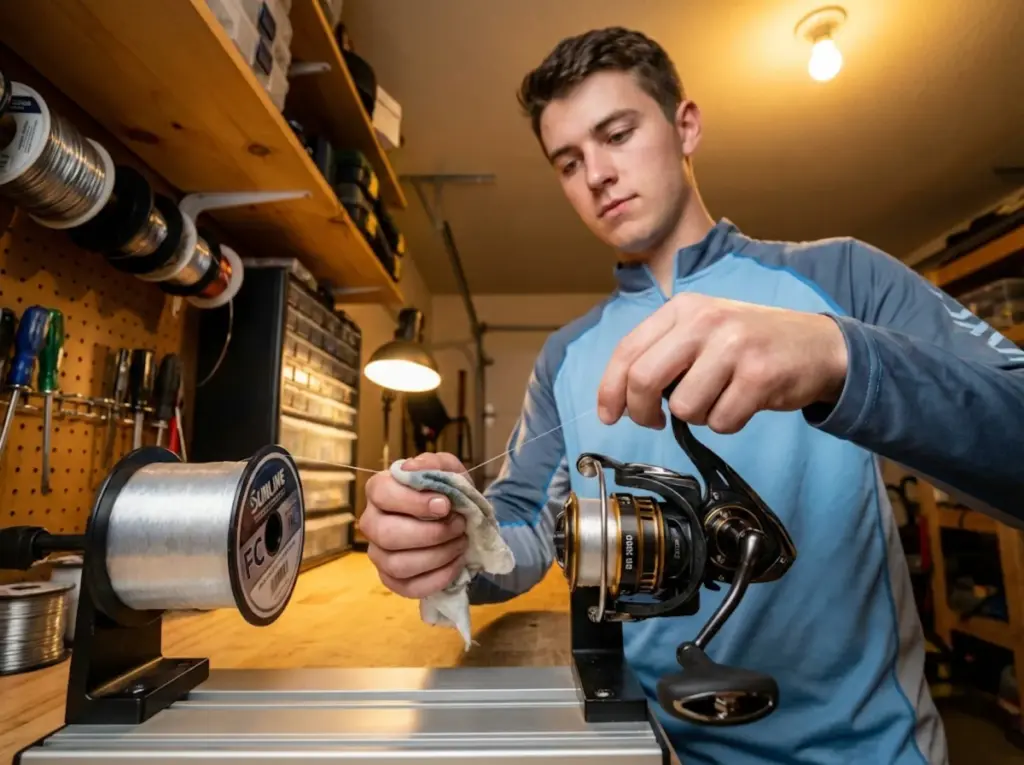
Most line twist problems start during initial spooling—before you ever make a cast. Get this step wrong and you’re fighting an uphill battle from the first retrieve.
The traditional “label up” rule suggests positioning the filler spool so the label faces up toward you while spooling. The theory is that this matches factory winding direction to your bail rotation. It works for most monofilament, but it doesn’t work for every spool or every line type.
The more reliable approach is Mike Iaconelli’s counter-rotation method: visually confirm that line exits the filler spool in the opposite direction your bail rotates. If your bail rotates clockwise (like most reels), the line should exit the filler spool counter-clockwise. Watch the first few feet as you begin spooling—if you see immediate coiling, flip the filler spool orientation and try again.
Tension is equally critical. Loose layers during spooling will bury under pressure when you hook a big fish or set hard. That buried line releases in explosive tangles when the pressure comes off. Apply consistent friction throughout the spooling process using a damp cloth or have a buddy pinch the line as you reel. The line should lay under slight tension from arbor knot to the final wrap.
For fluorocarbon specifically, the water bucket method reduces memory set during spooling. Submerge the filler spool in a bucket of warm water to lubricate the stiff polymer as it feeds onto your reel.
The complete process for the zero-twist spooling guide walks through each step with the visual detail this technique requires.
The Operator Errors That Destroy Your Line On the Water
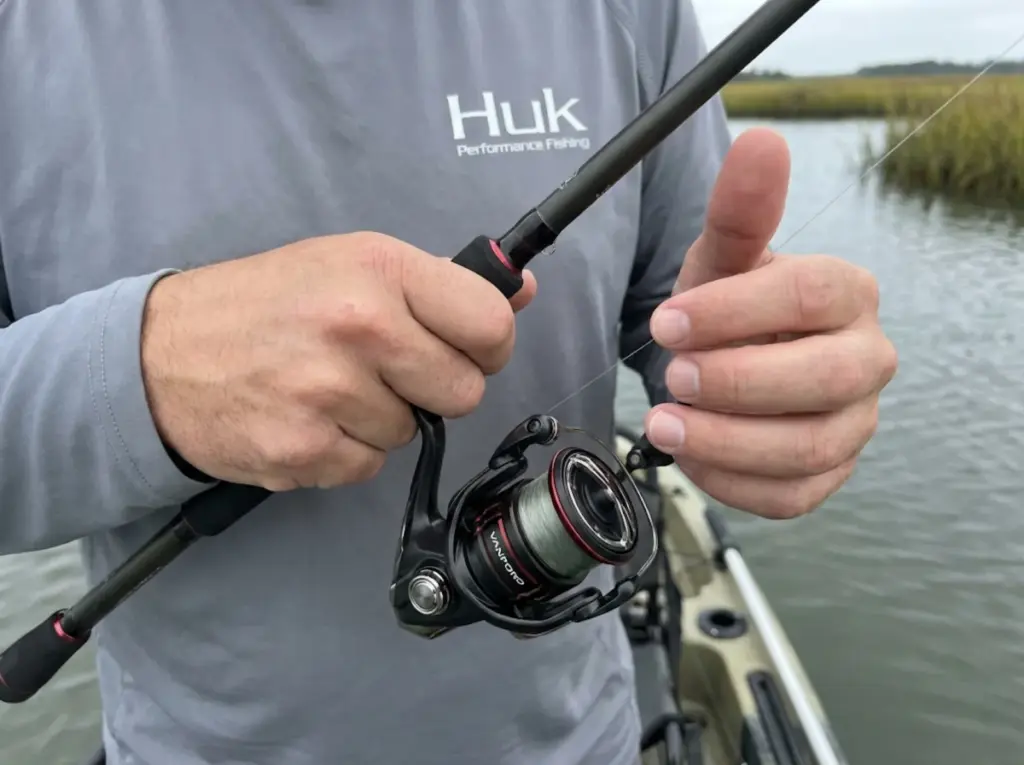
Even perfectly spooled line develops severe twist through common operator habits. Two mistakes cause the most damage—and both are completely preventable.
Mistake #1: Closing the bail with the handle turn. When you flip the bail by turning the reel handle, the bail snaps closed with slack in the system. That slack creates a loose line loop that doesn’t seat properly against the line roller. Over hundreds of casts, those loose loops accumulate into the bird’s nest tangles that ruin fishing days.
The fix is simple: use manual bail closure after every cast, then pull the line taut with your finger against the roller before you begin retrieving. This takes one extra second per cast and eliminates an entire category of twist accumulation.
Mistake #2: Reeling against a slipping drag. This might be the single most damaging habit in spinning reel fishing. When a fish pulls drag and you continue turning the handle, the spool stays stationary while the bail rotates. Every handle turn with drag slippage adds 4-6 full twists to your line. One hard fish fight with bad technique can devastate a spool of monofilament.
The correct approach is the pump-and-reel method. Lift the rod to move the fish—this uses rod power, not reel torque. Reel only while lowering the rod to take up the slack you’ve gained. If you hear the drag singing, stop reeling immediately. Any handle turns during drag slip multiply twist exponentially.
Pro tip: A crooked soft plastic creates additional twist because the bait spins like a propeller during retrieve. Always rig your worms, creature baits, and swimbaits perfectly straight on the hook. That five seconds of rigging attention prevents cumulative lure-induced twist.
Understanding proper drag settings helps you find the right starting tension so your drag works with you during the fight, not against you.
5 Field-Tested Fixes for Existing Line Twist
Prevention handles most situations, but sometimes you inherit twist—from a bad spool, borrowed gear, or a long session where mistakes accumulated. These five methods reset your line without respooling.
Fix #1: The Towing Method (Boat Anglers)
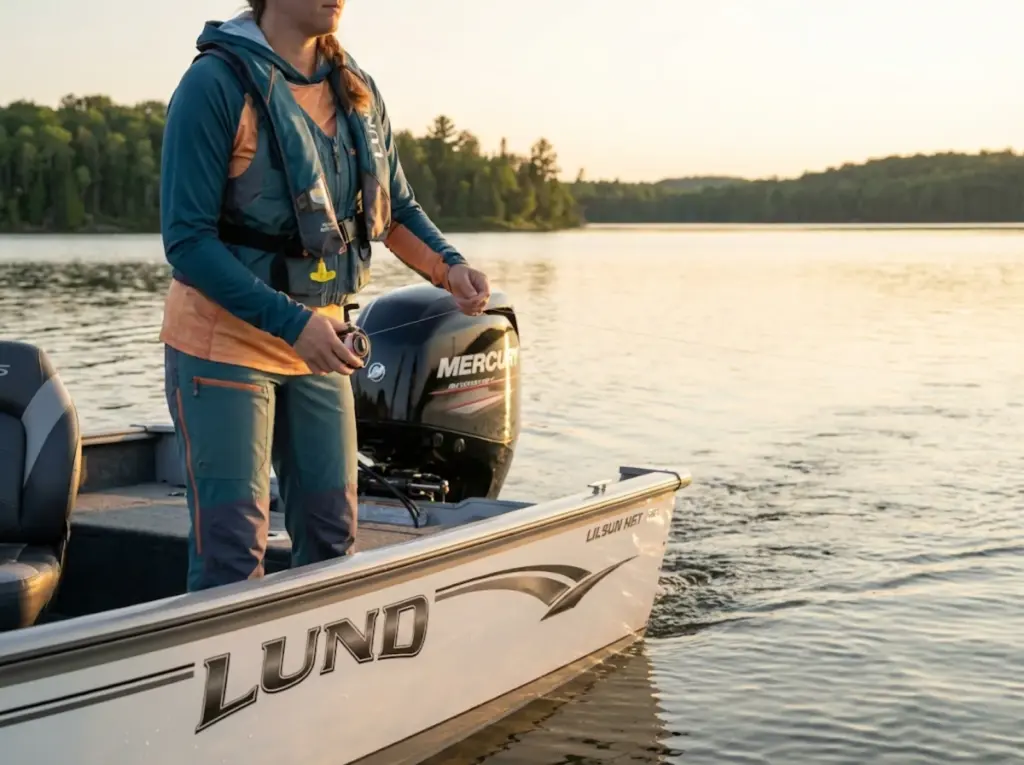
Remove all terminal tackle including swivels and lures. Let out 70 yards of bare line behind the boat while idling at low speed. The water resistance naturally untwists the line as it drags through the surface. After 30-60 seconds of towing, reel back in while applying finger tension to pack the line tightly. Repeat twice if twist is severe.
Fix #2: The Stationary Anchor Fix (Bank Anglers)
Attach a quality ball-bearing swivel (Sampo brand recommended) to a solid anchor—fence post, car side mirror, or sturdy tree branch. Open your bail and walk 30-40 yards away from the anchor point. Close the bail and pull the line taut for 30-60 seconds. The ball-bearing swivel spins freely to release all the stored rotational energy. Walk toward the anchor while reeling to maintain tension throughout.
Fix #3: The Walk-Out Reset
Remove your lure and open the bail. Walk the line out across a field, parking lot, or beach—anywhere with 30-50 yards of clear space. Close the bail, apply finger tension, and reel the line back in slowly. The drag through grass or pavement provides light resistance that helps seat the line properly.
Fix #4: The Three-Second Twist Test
This is a diagnostic tool you should use periodically. Pull a few feet of line off the spool and let it hang completely slack. If it immediately coils or spirals, you have significant twist that needs addressing before your next cast. Use one of the above methods immediately.
Fix #5: Strategic Swivel Use
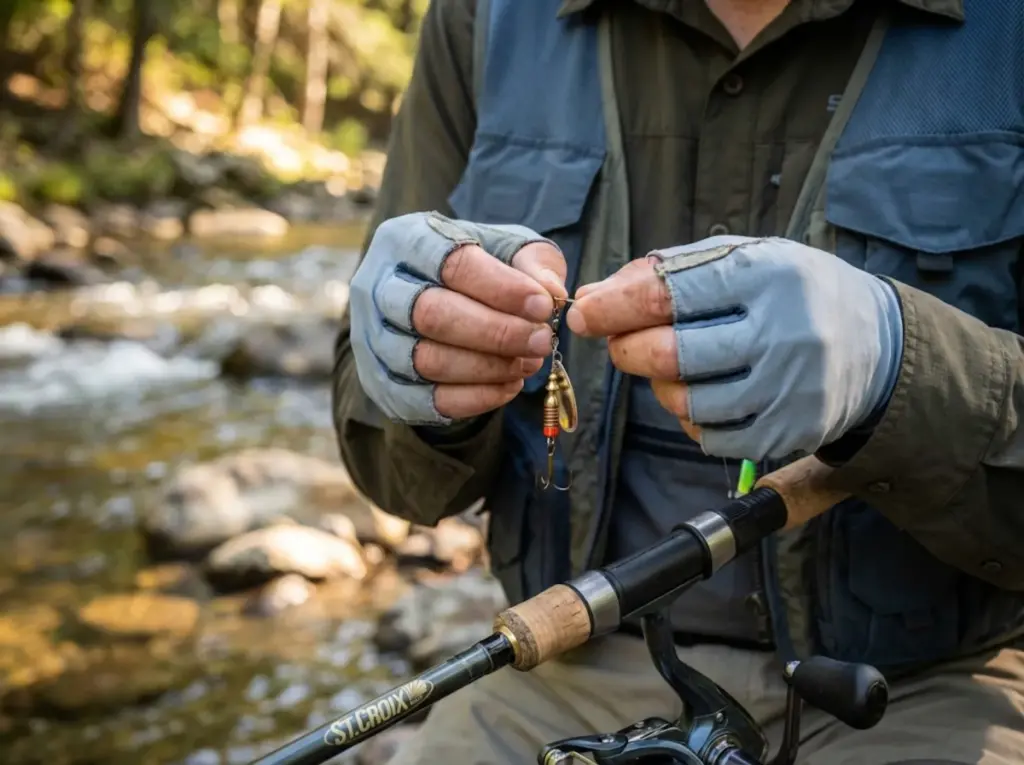
For lures that spin during retrieve—inline spinners, spoons, and blade baits—add a quality ball-bearing swivel above the lure. The swivel neutralizes lure-induced twist in real time as you fish. This is prevention, not a fix, but it stops the accumulation that would require later correction.
More techniques for removing stubborn line memory address deeper conditioning methods for line that has set with permanent memory.
Gear That Prevents Twist Before It Starts
The right equipment choices reduce twist accumulation before it becomes a problem.
Ball-bearing vs. barrel swivels: This distinction matters more than most anglers realize. Standard barrel swivels rely on metal-on-metal friction and seize under tension—they simply don’t rotate when you need them to. Ball-bearing swivels use stainless steel bearings to spin even under load. Sampo, VMC, and quality brands cost $2.50-$5 each versus $0.10-$0.25 for barrel swivels. That price difference is worth it when fishing any lure that spins.
Line conditioners: Products like Blakemore Real Magic, Reelsnot, and KVD Line and Lure reduce friction through your guides and over the line roller while softening stiff polymers. They’re particularly valuable for fluorocarbon, which is notoriously stiff on spinning applications. Apply before fishing and periodically during long sessions.
Pro tip: Apply line conditioner the night before a big trip and let it soak in. You’ll get better penetration into the line fibers than a quick spray at the ramp.
Braid-to-fluoro leader systems: Running braided line on the spool eliminates memory concerns where it matters most, while a fluorocarbon leader provides stealth at the business end. The methods for connecting braid to fluorocarbon leaders give you multiple options depending on your target species and conditions.
Sealed line roller reels: Higher-end reels like the Shimano Thunnus CI4 and comparable Daiwa models feature sealed line roller assemblies that resist contamination longer between maintenance cycles. If you fish saltwater or sandy environments regularly, this feature pays dividends in reduced twist over the life of the reel.
Regular maintenance: Clean and oil your line roller bearing every 30-60 hours of freshwater use with synthetic reel oil—not WD-40, which attracts dust. After any saltwater exposure, rinse the reel with fresh water and hit the roller assembly specifically before storage.
Conclusion
Line twist is baked into spinning reel design. The rotating bail will always impart some angular energy to your line, and you can’t change the fundamental physics of how these reels work.
But you can control how much twist accumulates and eliminate it quickly when it becomes a problem.
The three non-negotiables: close your bail by hand, never reel against a slipping drag, and spool your line with the correct counter-rotation orientation. Do those consistently and you’ll spend more time fishing than untangling.
Next time you see coils jumping off your spool, stop casting and run the three-second test. If the line spirals when slack, take five minutes to walk it out or tow it behind the boat. That quick reset prevents hours of frustration and salvages fishing days that would otherwise be lost to tangled line.
Frequently Asked Questions
Why does my spinning reel twist line even when I spool it correctly?
Every retrieve adds minor twist because the rotating bail wraps line around a stationary spool—that’s the fundamental design. Accumulated twist becomes visible over hundreds of casts. Periodic resets using the towing method or walk-out method keep it manageable.
Is braided line better for preventing line twist?
Braid has near-zero memory so it won’t hold visible coils, but it still experiences mechanical twist that causes internal fiber friction and wind knots. The advantage is that twist is easier to remove from braid and doesn’t permanent-set like it does with mono.
Should I use a swivel on my spinning reel to prevent twist?
Only use a ball-bearing swivel—standard barrel swivels seize under tension and don’t rotate when you need them to. Ball-bearing swivels are essential when fishing inline spinners, spoons, or any lure that rotates during retrieve.
How do I know if my line has too much twist?
Use the three-second twist test: pull a few feet of line off the spool and let it hang slack. If it immediately coils or spirals, you have significant twist that needs to be removed before your next cast.
Does line conditioner really help with line twist?
Line conditioners like Blakemore Real Magic reduce friction and soften the polymer, making line more supple and less prone to memory. They won’t remove existing twist, but they help prevent new twist from setting permanently into the line.
Risk Disclaimer: Fishing, boating, and all related outdoor activities involve inherent risks that
can lead to injury. The information provided on Master Fishing Mag is for educational and informational purposes
only. While we strive for accuracy, the information, techniques, and advice on gear and safety are not a substitute
for your own best judgment, local knowledge, and adherence to official regulations. Fishing regulations, including
seasons, size limits, and species restrictions, change frequently and vary by location. Always consult the latest
official regulations from your local fish and wildlife agency before heading out. Proper handling of hooks, knives,
and other sharp equipment is essential for safety. Furthermore, be aware of local fish consumption advisories. By
using this website, you agree that you are solely responsible for your own safety and for complying with all
applicable laws. Any reliance you place on our content is strictly at your own risk. Master Fishing Mag and its
authors will not be held liable for any injury, damage, or loss sustained in connection with the use of the
information herein.
Affiliate Disclosure: We are a participant in the Amazon Services LLC Associates Program, an
affiliate advertising program designed to provide a means for us to earn advertising fees by advertising and linking
to Amazon.com. As an Amazon Associate, we earn from qualifying purchases. We also participate in other affiliate
programs and may receive a commission on products purchased through our links, at no extra cost to you. Additional
terms are found in the terms of service.