
In this article
You’ve got a box of jigs. A football jig, a couple of flipping jigs, a swim jig you keep meaning to throw more, and one rod you use for all of them. Then you watch the guy two docks down set the hook on a bite you never even felt. The truth nobody at the tackle counter tells you is that the right casting rod for jig fishing isn’t the one with the biggest price tag, it’s the one matched to the jig actually tied to your line. This guide walks you through what makes a jig rod work, how to match one to the jig you throw, the picks worth buying at every budget, and where a cheap rod is genuinely all you need.
Here’s how the top picks stack up by budget tier, power and action, and the jig style each one was built for.
| Rod | Tier | Power / Action | Best Jig Style |
|---|---|---|---|
| Fenwick World Class | Premium | Medium-Heavy / Extra-Fast | Feeling subtle falls |
| G. Loomis GLX Jig & Worm | Premium | Medium-Heavy / Fast | Purpose-built jig work |
| St. Croix Mojo Bass | Mid | Medium-Heavy / Fast | All-around jig fishing |
| Dobyns Fury | Value | Medium-Heavy to Heavy / Fast | Grass and pads |
| KastKing Royale Legend Pro | Budget | Medium-Heavy / Fast | Learning jig or worm |
What Actually Makes a Casting Rod Good for Jig Fishing
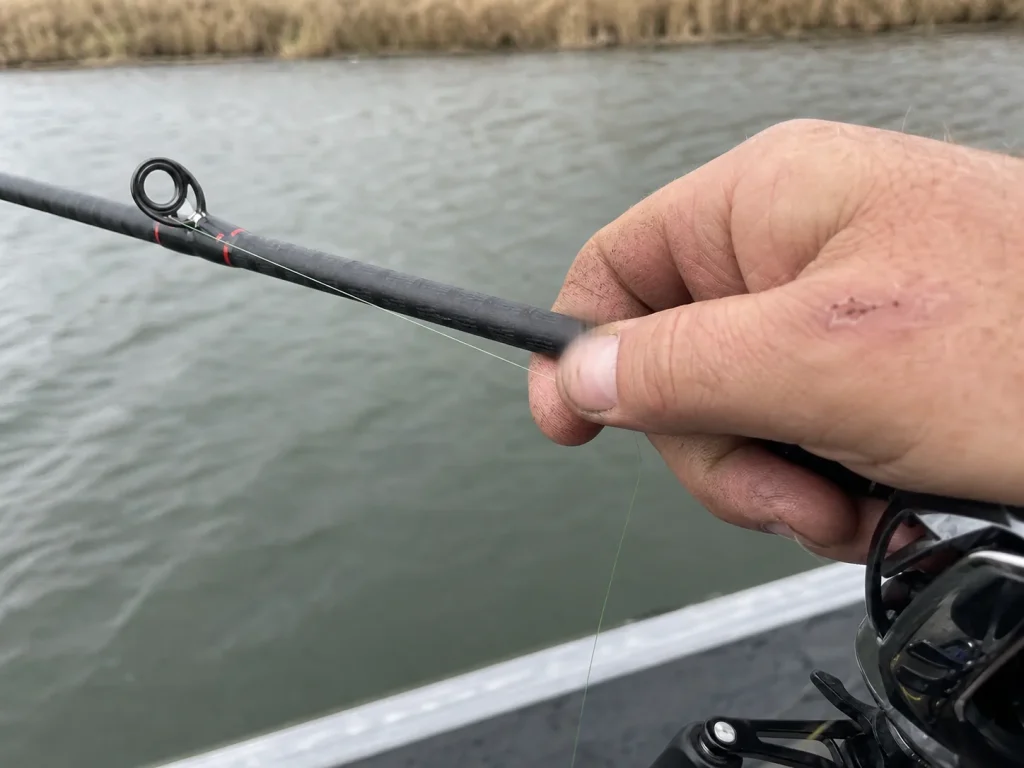
A jig rod has two jobs, and most people only think about one. It has to let you feel the bite, and it has to drive the hook home and pull a largemouth bass out of whatever it’s buried in. Before we narrow down to jig-specific traits, it’s worth knowing how a blank behaves in general, and our complete guide to fishing rods covers that groundwork. The jig-fishing part is where it gets specific.
Here’s the thing nobody tells you at the counter. The strike you’re paying that sensitive blank to feel doesn’t usually happen on the retrieve. It happens while the jig is sinking, when you’re not doing anything at all. Most jig bites come on the fall, the sinking phase after the lure hits the water and drops on a controlled line. What you’re feeling for is a soft tick or the line suddenly going weightless while you’re dead-sticking the jig on the drop, not a hit on the swim back. That’s the real reason blank sensitivity outranks raw power on a jig rod, and it’s a point the modulus science behind graphite versus glass explains from the material side.
Once you get that, the spec sheet makes more sense. Backbone and tip sensitivity are two different jobs on the same rod. The tip telegraphs the bite to your hand, and the lower half of the blank does the heavy lifting on the hookset and when you’re horsing a bass out of cover. You want both, and they’re not the same thing.
The spec that trips people up most is action. A fast action rod doesn’t mean a stiff tip. It means the flex is concentrated up near the tip while the rest of the blank stays stout, so you keep the feel without giving up the driving power. That’s exactly the combination jig fishing wants.
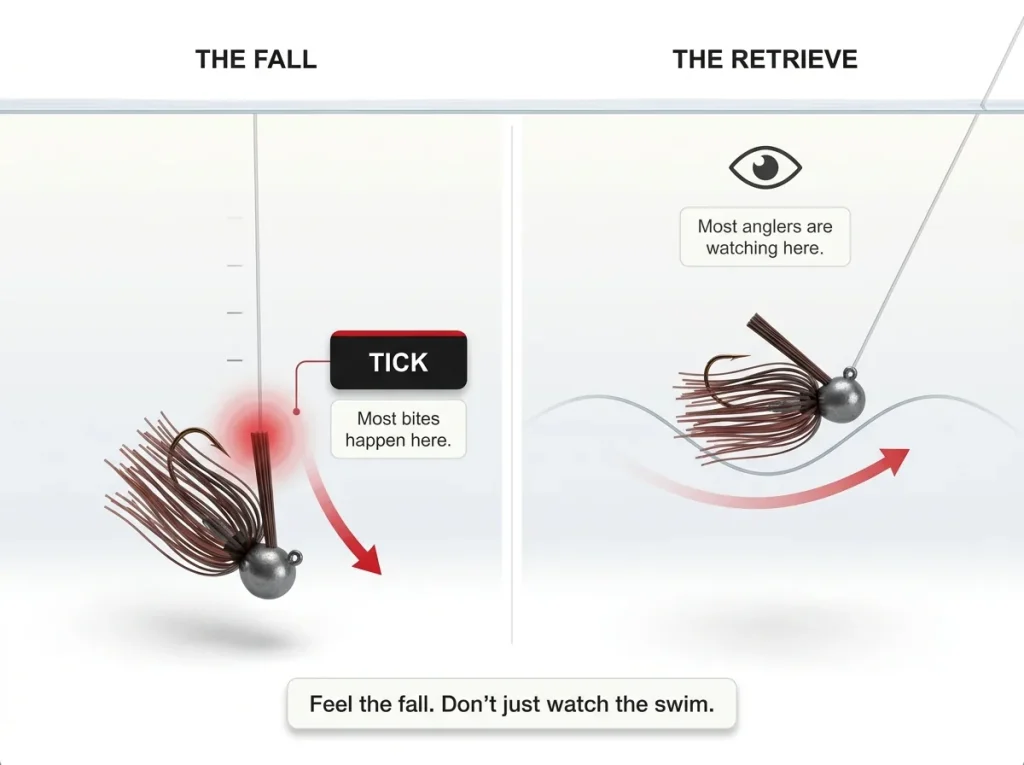
The tell that separates a good jig rod from a great one is the moment your line goes weightless mid-fall. If you can feel that dead spot the instant a bass swims up and inhales the jig on the drop, the rod is doing its job. Miss it, and you’re setting the hook half a second late on a fish already headed for the boat.
Matching Rod Power, Action, and Length to Your Jig Style
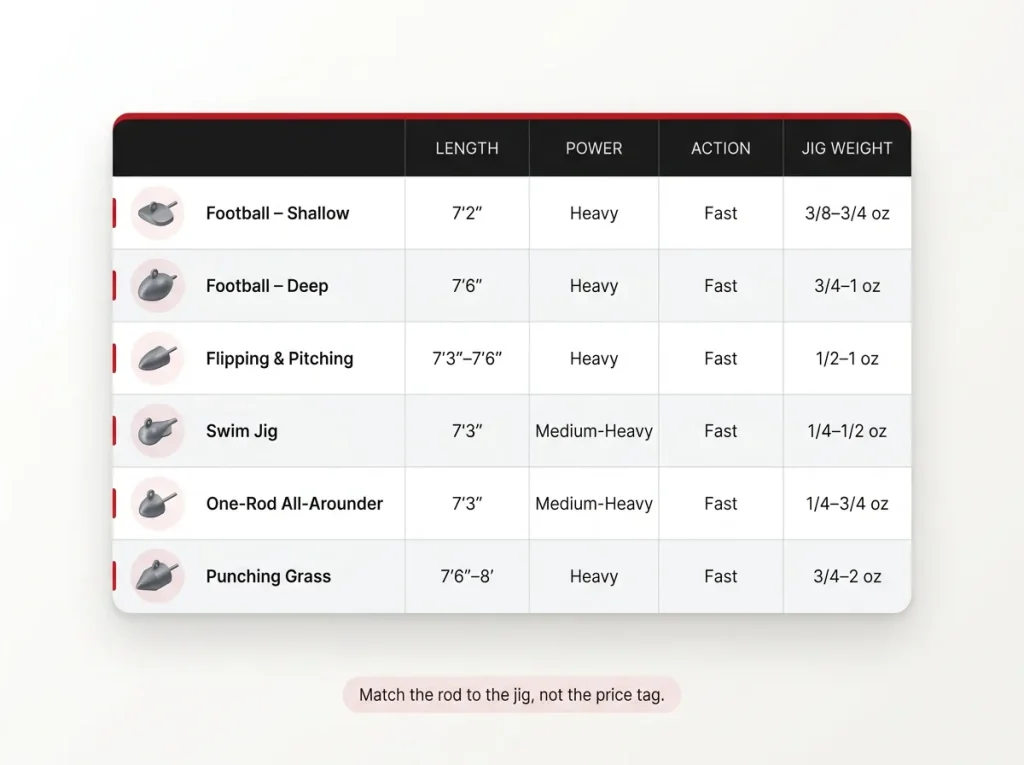
This is the section every other article scatters across five separate pages. Jigging rods here, baitcasting rods there, a technique-by-technique breakdown somewhere else. So let’s put it in one place. Point at the jig in your hand and get the spec. If the power and action terms still feel fuzzy, our breakdown of how rod power and action actually differ is the fastest way to get fluent before you read on.
Football Jigs (Dragging Bottom)
A football jig gets dragged across hard bottom, so length is about picking up slack fast on a long-distance hookset. For water shallower than 15 feet, a 7’2″ heavy rod with fast action covers it. Once you’re fishing 20 feet or deeper, step up to a 7’6″, because the extra length lets you take up more line per hookset sweep when the fish is sitting well below the boat. Reading depth and bottom right matters as much as the rod does, and the football-jig mistakes that lose deep-water bass are worth knowing before you commit to a spot.
Flipping and Pitching Jigs (Heavy Cover)
Flipping and pitching is short, accurate lobs straight into cover, then leaning on the rod to get the fish back out before it wraps you around something. That calls for a 7’3″ to 7’6″ heavy rod with fast action. The length is leverage, plain and simple.
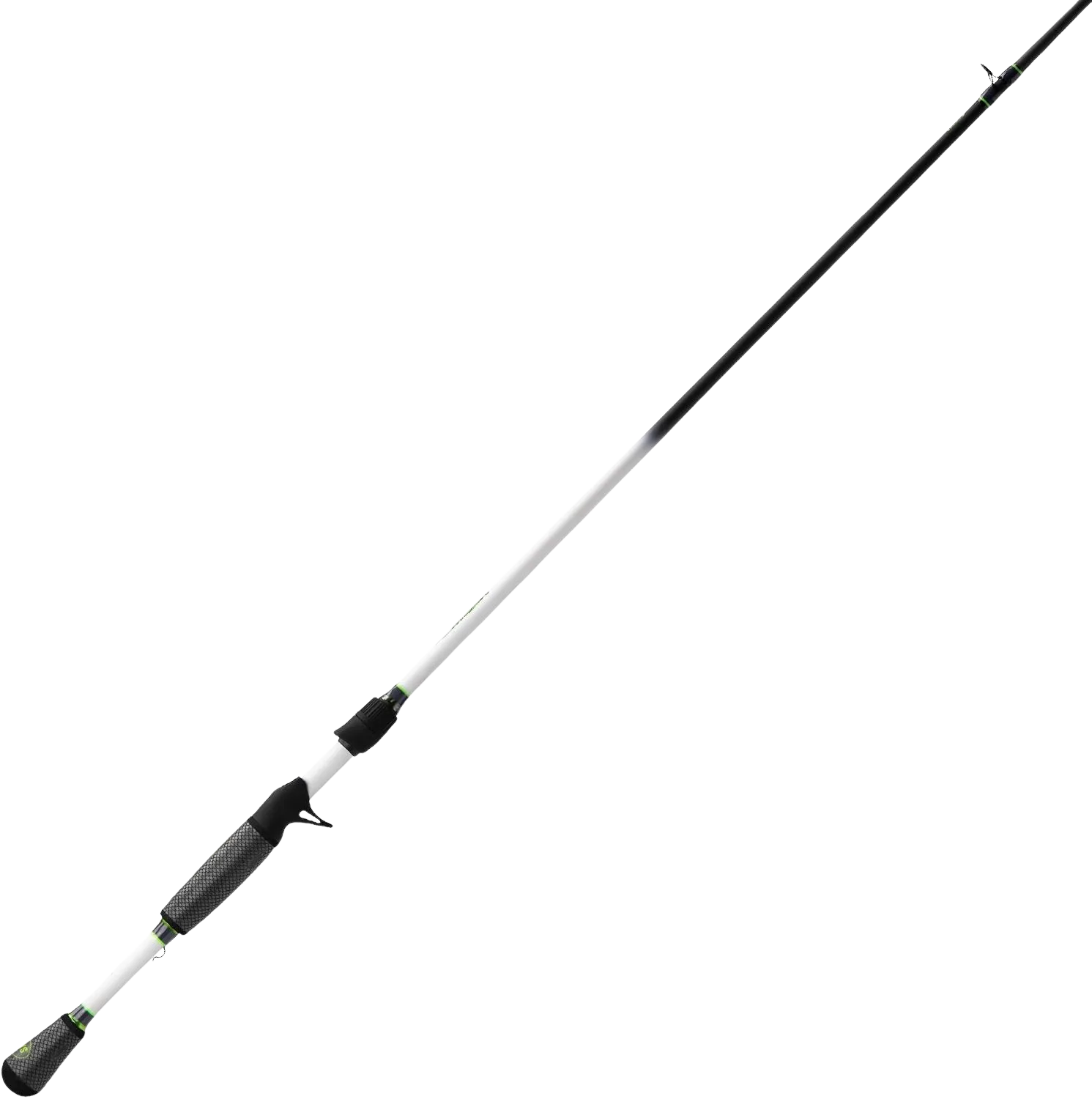
The Lew’s Mach earns its keep here because it doesn’t flinch when you set on a fish in a bush. If you fish a lot of docks, that same length and control carries straight over to skipping a jig under docks, which is its own skill worth building.
Swim Jigs and the One-Rod All-Arounder
If you only want to own one jig rod, this is the spec to hand you: a 7’3″ medium-heavy with fast action. It swims a jig, casts one a mile, and still drags a 3/4-ounce football jig in under 15 feet without feeling like a broomstick. It’s the honest answer for anyone who isn’t ready to buy a quiver of specialized rods yet.
Punching Heavy Grass
Punching is a different animal. You’re driving a heavy jig or weight straight down through matted vegetation, so you want a 7’6″ to 8′ heavy flipping rod with fast action, sized to your sinker weight. Jig and weight sizes for punching run heavy, often 3/4 ounce up past 2 ounces, and it’s that tip-loaded power that shoves a heavy-gauge hook through the mat.
Here’s a counterintuitive one that veteran flippers pass around: if you’re missing bites while punching, drop from an extra-fast taper to a moderate-fast one. The softer taper loads deeper into the backbone and buys the fish an extra half-second to fully eat before your hookset comes tight. Fewer missed fish, not more, from a rod that bends a little further.
One more habit worth breaking. Match your jig weight to the depth and cover in front of you, not to the jig you always throw. Light 1/8 to 1/4 ounce for shallow finesse work, medium 1/4 to 3/4 ounce for wood and grass, heavy 3/4 to 2 ounces for punching mats. The rod and the weight are a system.
The Best Casting Rods for Jig Fishing by Price Tier
Walking the rod rack from the flagship down to the sleeper, here’s what your money actually buys at each jump. No spec soup, just who each rod is for.
Premium Rods for Feeling Every Subtle Fall
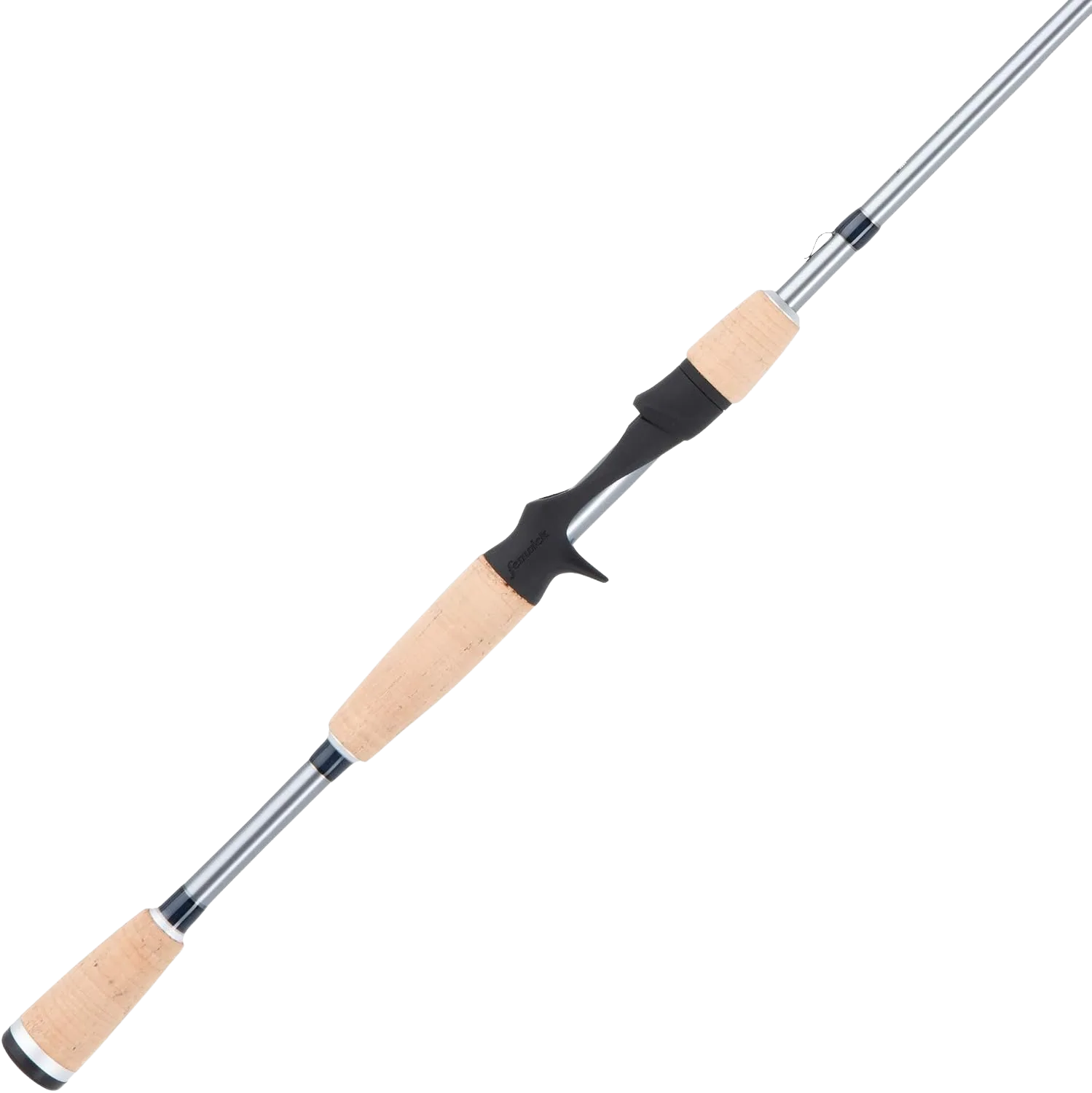
The Fenwick World Class is a splurge, and it’s honest about what it buys you: not basic function, but the ability to feel the falls that a lesser rod hides. If you fish long finesse sessions where every subtle bite counts, it earns the money.
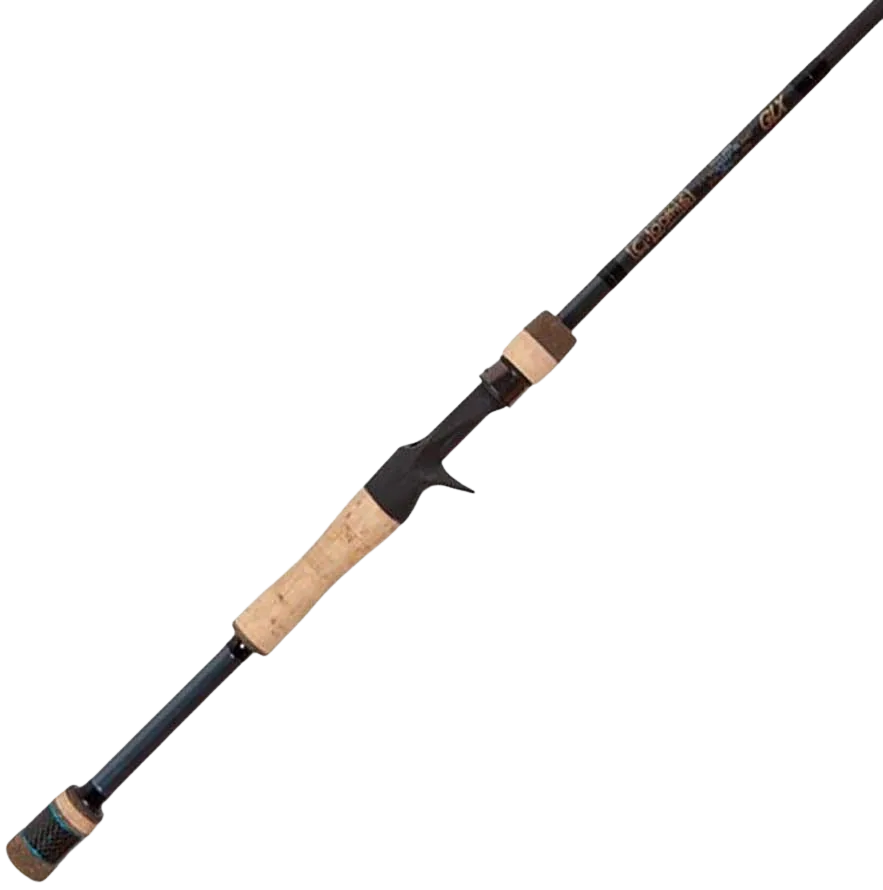
The G. Loomis GLX Jig & Worm is the pick for the angler who wants the rod that was designed around the technique, not adapted to it. You pay for that focus, but you feel it every time the jig ticks bottom.
Step-Up and Mid Rods, Most Feel for Less
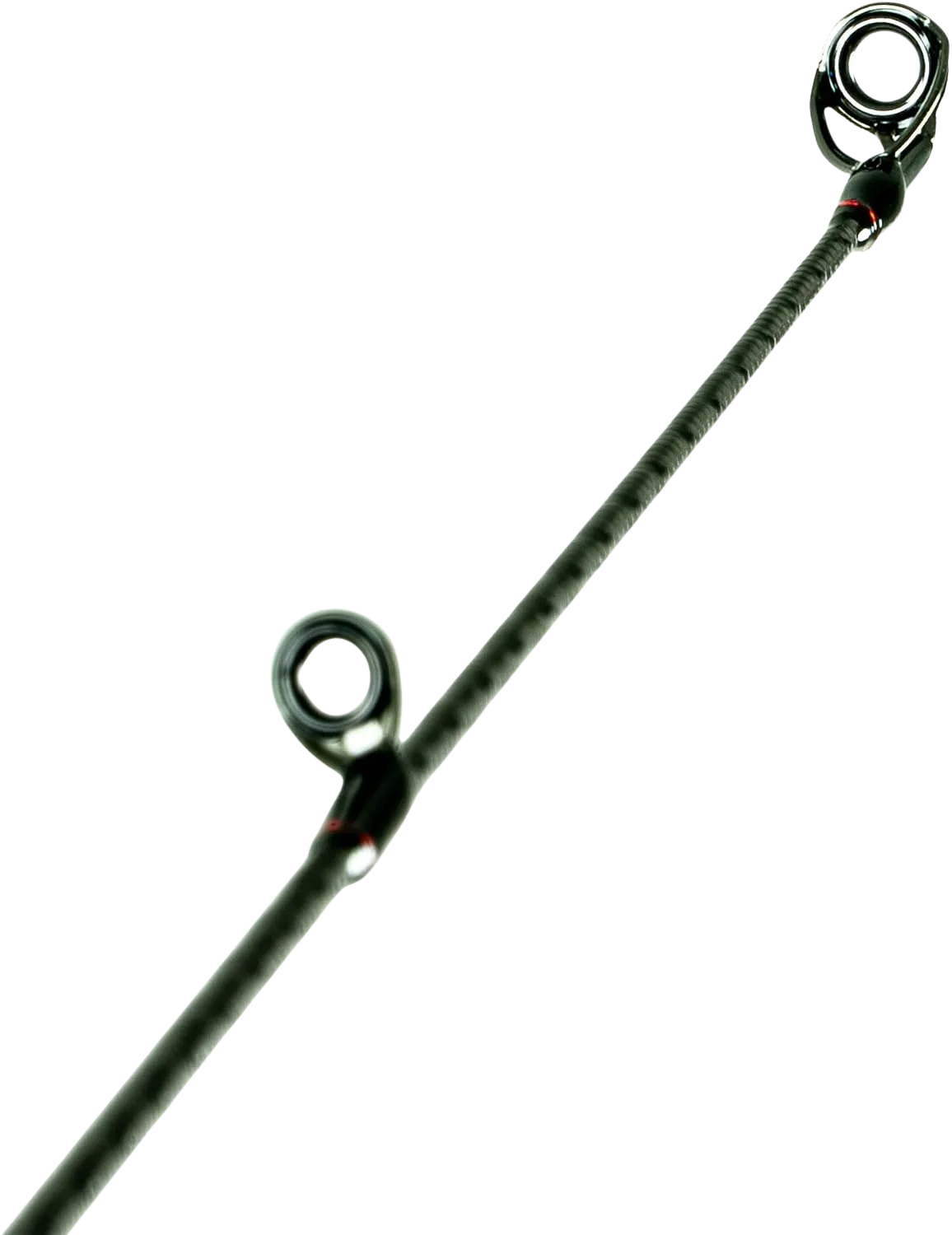
The Shimano Zodias is the smart step-up when you’ve outgrown a beginner rod but aren’t ready to drop premium cash. It’s the “buy once, skip the middle” rod for a lot of anglers.

The St. Croix Mojo Bass is the mid-tier pick I’d hand a friend who wants one dependable jig rod and doesn’t want to think about it again. It comes in a range of lengths and powers, so you can size it to the jig style you fish most.
Value Rods, the Workhorses

The Dobyns Fury is the value pick that experienced anglers actually recommend, not just the cheapest thing on the rack. It’s a great first “real” jig rod.
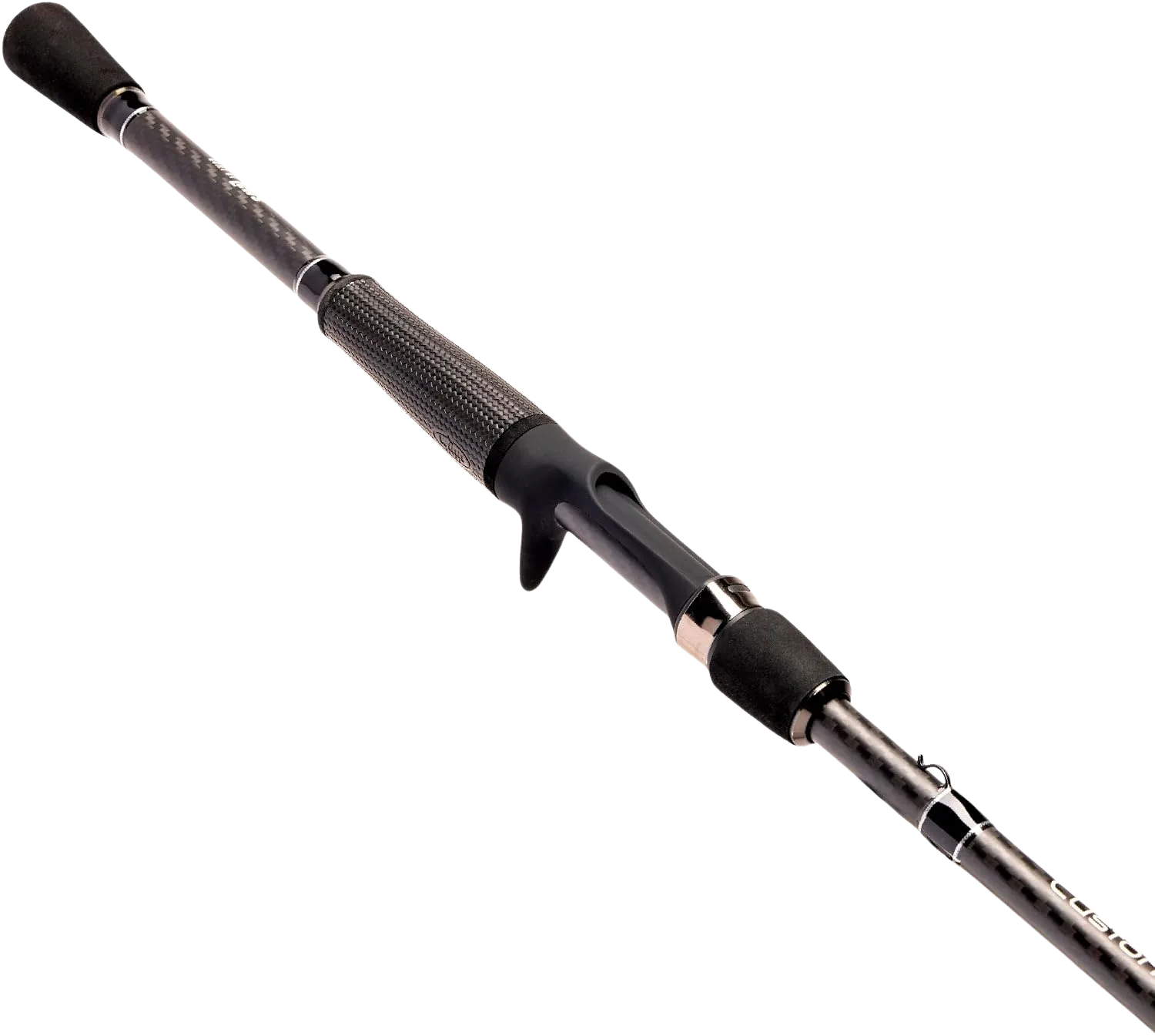
The Lew’s Custom Lite is the value pick for anglers who fish long days and feel every ounce by hour six. Light in the hand, easy on the wrist, honest on the wallet.
Budget Rods That Stay Technique-Correct
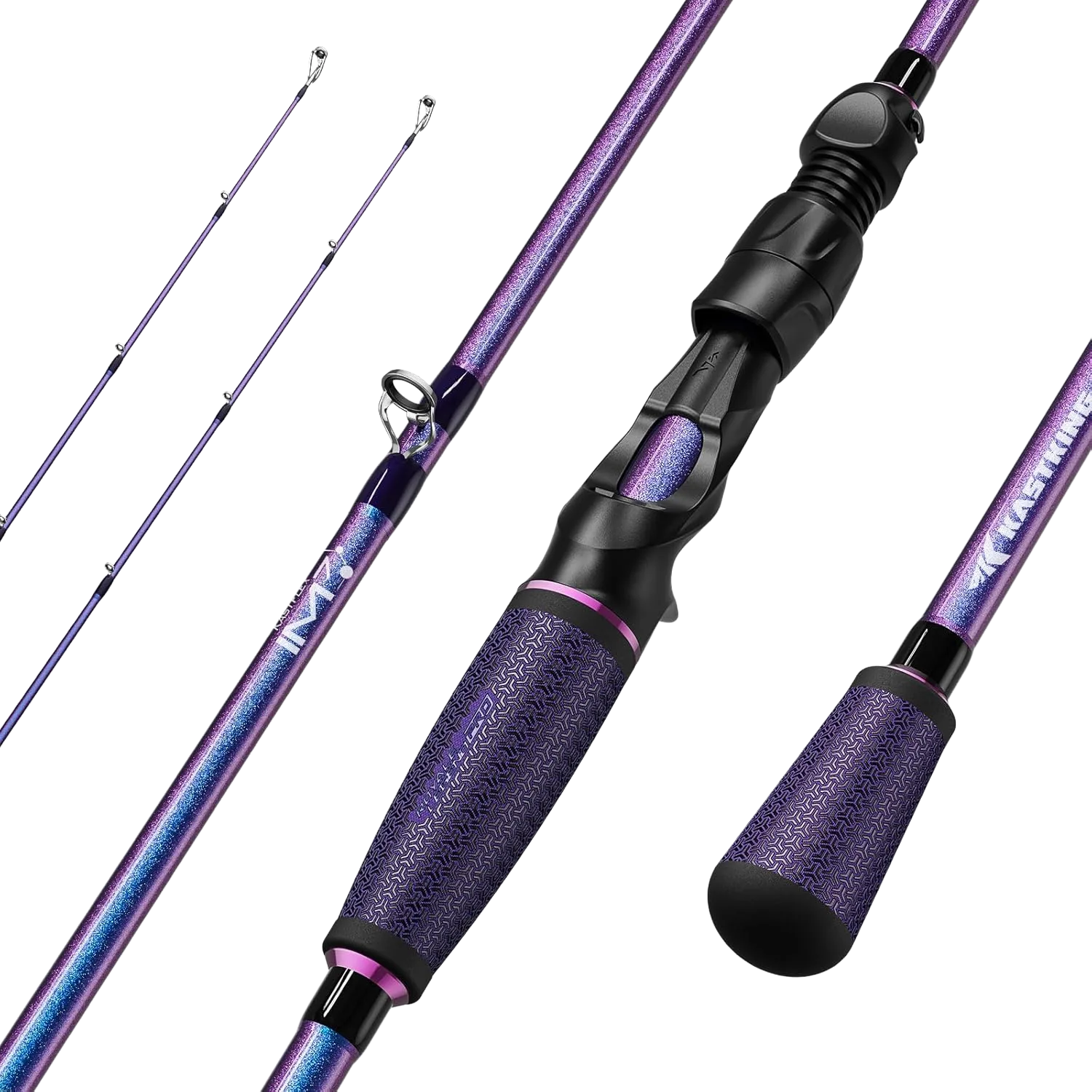
The KastKing Royale Legend Pro proves you don’t have to spend big to fish the right taper. For a first jig rod, or a backup you won’t cry over, it’s hard to argue with.
Pairing the Right Reel and Line With Your Jig Rod
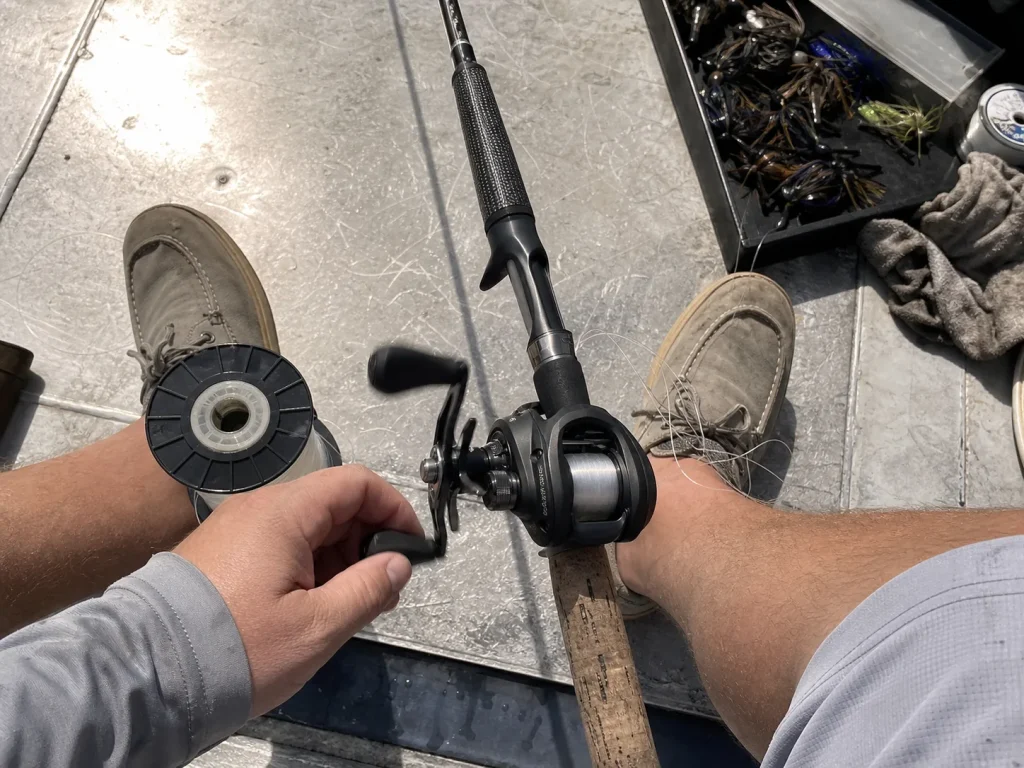
A rod is only half the setup. People obsess over the blank, then bolt a slow reel and the wrong line to it and wonder why the whole thing feels dead in their hands.
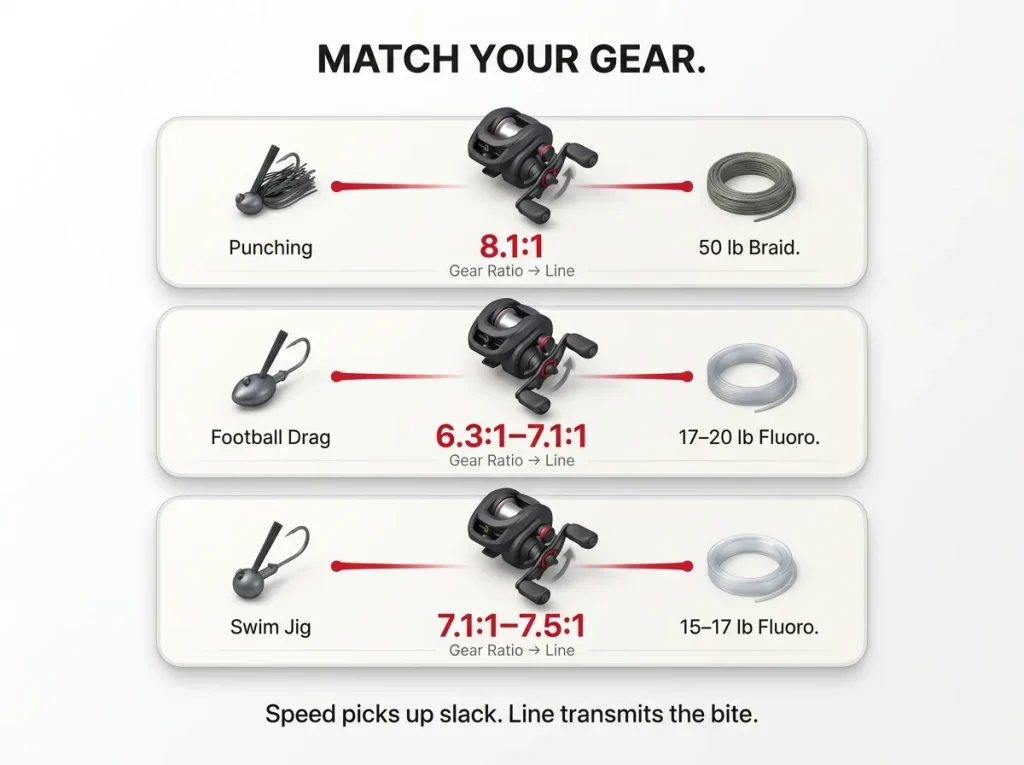
Start with the reel. A baitcasting reel with a 7.1:1 or faster gear ratio is the sweet spot for jig fishing. That speed lets you pick up slack fast on the hookset and burn a swim jig back or slow-drag a football jig with the same reel. If gear ratio is a fuzzy number to you, why most anglers pick the wrong gear ratio breaks down what the numbers actually do to your lure speed.
Line is where a lot of good rods get let down. For most jig work, 15 to 20 pound fluorocarbon line is the move, because its low stretch means better bite transmission and sharper hooksets. When you’re punching grass or fishing heavy cover, switch to 30 to 50 pound braided line so you can winch fish out without a break-off.
Don’t pair a light-rated blank with heavy braid because “heavier is safer.” A rod rated for 10 to 20 pound line strapped to 50 pound braid has no give when you cross a hard hookset, and that stress is exactly what cracks a blank near the hookset. Match your line to the rating printed right there on the rod.
One last thing that quietly wears you out: balance. A tip-heavy rod and reel combo tires your wrist over a long day of casting, and it’s the kind of fatigue you don’t notice until it’s already set in. Getting the rod and reel balanced right is a small tweak that pays off every trip.
Component Quality and What’s Actually Worth Paying For
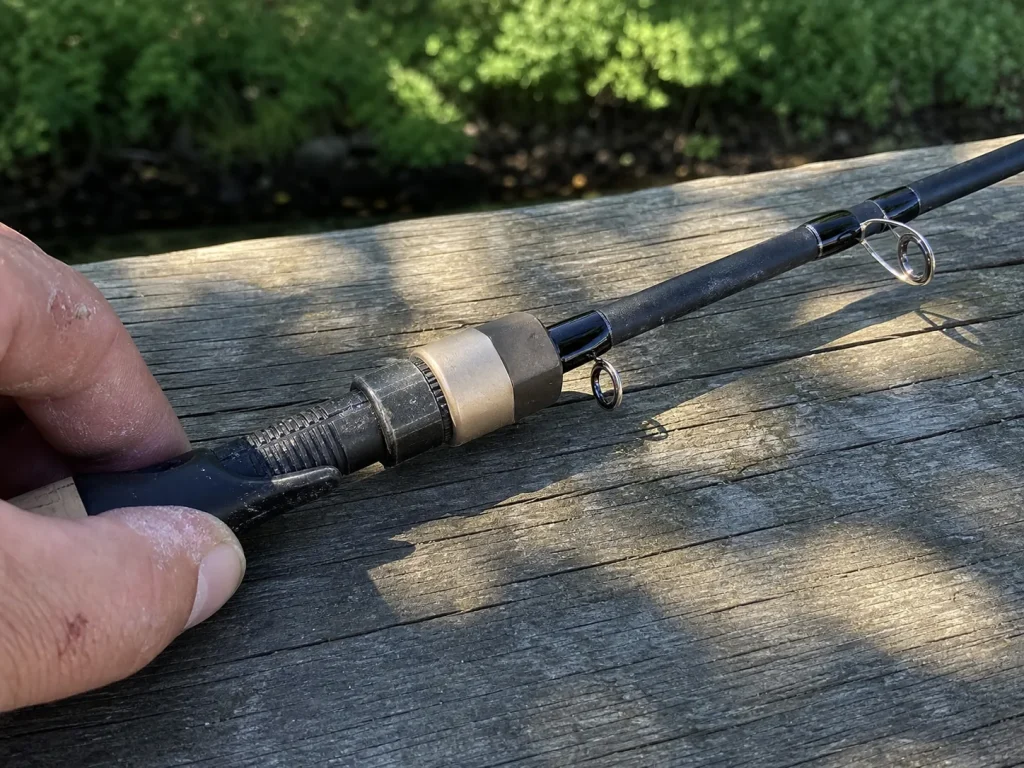
Every rod page brags about premium components. Here’s which ones you feel on the water and which ones you don’t. If the label terms throw you, our guide to reading a rod label decodes the whole thing.
The Blank (Graphite Modulus and IM Ratings)
The blank is where most of the money goes and most of the feel comes from. Higher graphite modulus means a lighter, more sensitive blank, but also a more brittle one, so chasing the biggest number isn’t the goal. For a jig rod, IM7 or 30-ton graphite is the practical sweet spot: sensitive, light, and not fragile. If you want the full story on why bigger isn’t always better, what rod modulus and IM7 or IM8 ratings really mean lays it out.
Guides and Reel Seat
Guides and the reel seat are the components people ignore until one fails. Quality guide inserts, like aluminum oxide or Fuji, transmit vibration cleanly and hold up to braid, while cheap guides are usually the first thing to crack or pop out. The differences between guide materials matter more than the marketing makes them sound. You feel a good blank in the tip, but you feel a good reel seat in your palm, because a loose seat buzzes and kills the sensitivity you paid for.
The Grip (Cork vs EVA)
Grip material is a real choice, not just preference. Cork reads sensitivity a touch better and feels warm, while EVA foam takes abuse and shrugs off water. Which one suits you comes down to how you fish and how you treat your gear, and our breakdown of cork versus EVA foam grips walks through the tradeoffs. Either way, the grip is a component you touch every second you fish, so it’s worth caring about.
Setup Mistakes That Quietly Ruin a Good Jig Rod
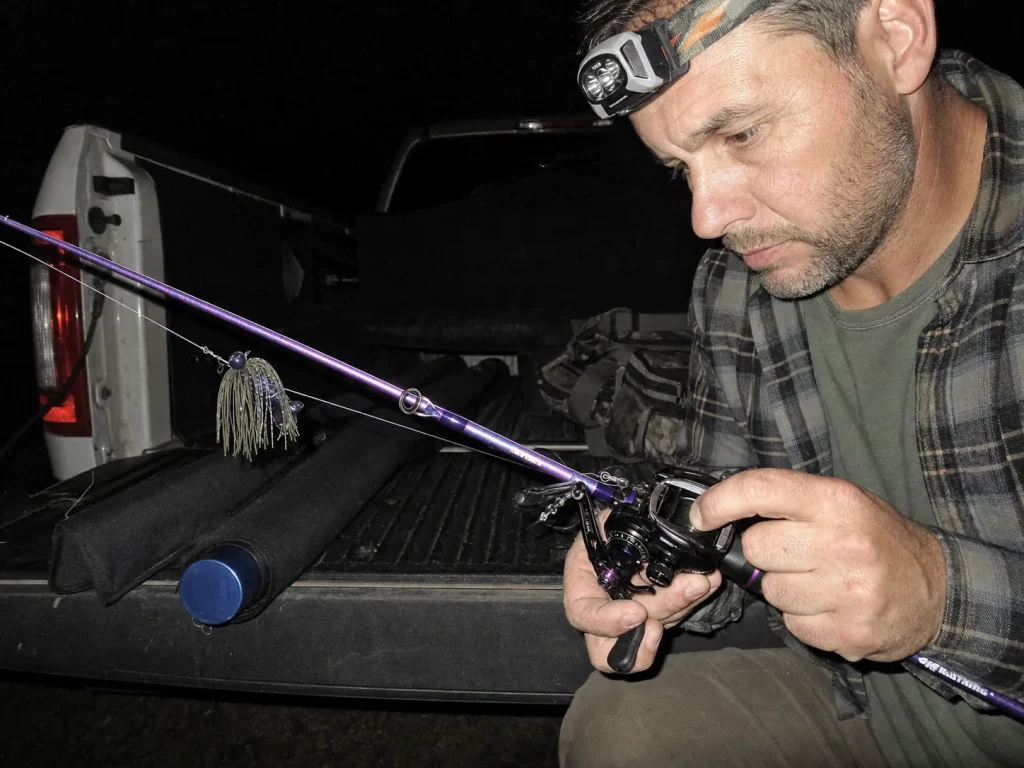
A great jig rod won’t save you from a reel that’s set up wrong. Here’s the ten-second stuff people skip and then blame on the rod.
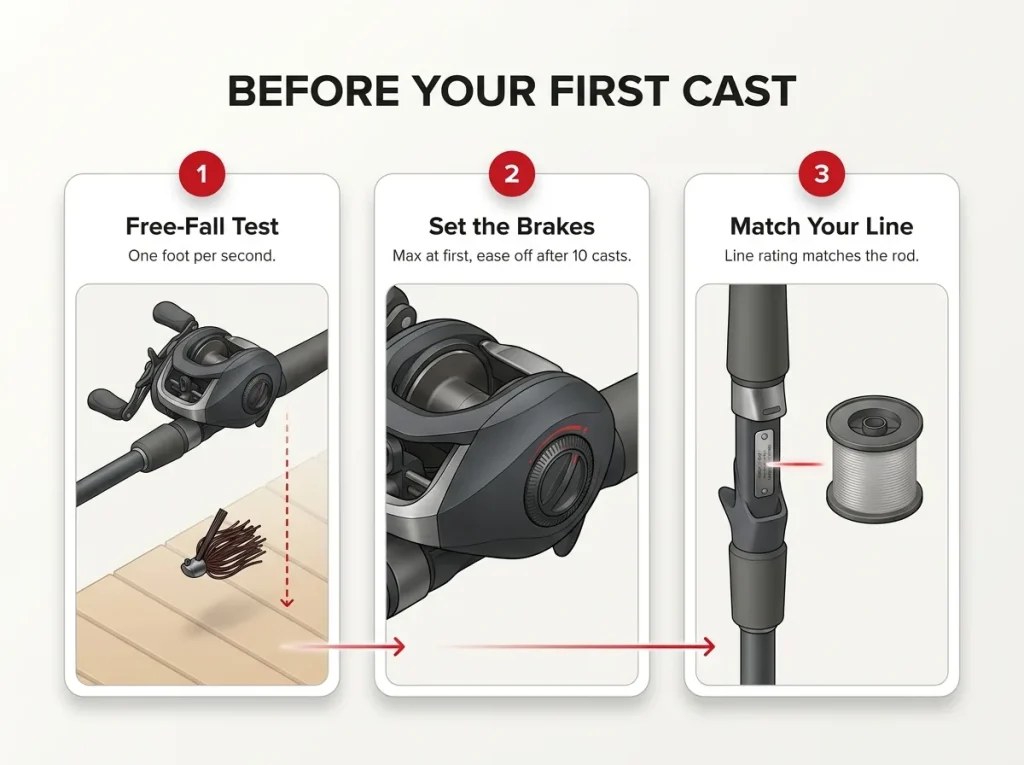
Start with spool tension. Dial it so your jig free-falls at roughly one foot per second and the spool stops the instant the lure hits the ground. That single check before your first cast prevents most backlash birds’ nests, no matter which rod is mounted. When one does happen, knowing how to clear a baitcaster backlash in about a minute keeps you fishing instead of picking at a tangle.
Brakes are the next habit. Start the day with the brakes near max, and only back them off after about ten clean casts at each setting. That’s a repeatable protocol, not the vague “just get a feel for it” advice most guides give. Dialing your spool tension the right way is the other half of the same job.
The mistake that costs whole rods is the line-rating mismatch we flagged earlier, and it’s worth repeating from the setup side: a light-rated blank paired with heavy braid has no cushion when you cross a hookset, and that’s how good rods crack. Overfilling the spool and overtightening the reel seat are smaller versions of the same problem, quiet habits that cost you casts and sensitivity. Before your first trip of the season, it’s also worth a minute to check your state’s freshwater fishing regulations, since a current fishing license is the cheapest insurance on the water.
Reading Water Clarity and Cover to Adjust Your Rod Choice
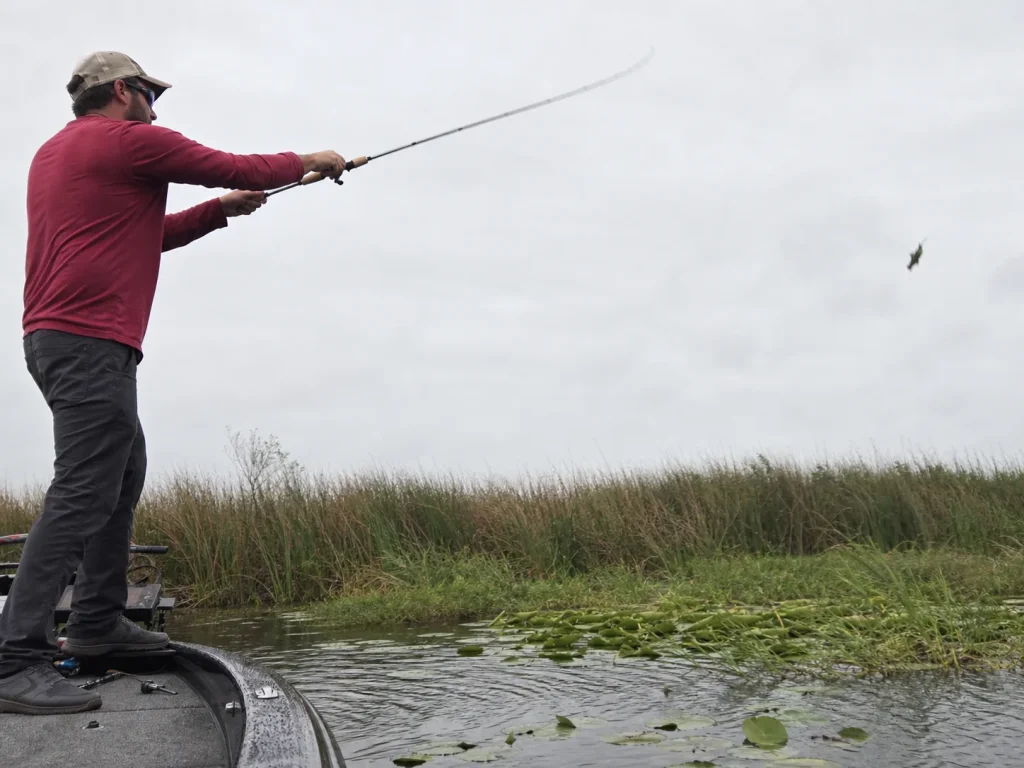
Here’s the angle no roundup mentions. The rod that’s perfect for punching a matted-grass flat is the wrong rod for a clear highland reservoir, and the other way around. Conditions pick the rod as much as the technique does.
In stained water and heavy grass, bass aren’t spooky and you need to move fish out of cover fast. That’s the case for bulkier jig profiles fished on stouter, faster-tapered gear built to punch through vegetation. The water hides the rod, so you optimize for power.
Clear water flips the priority. Now the fish can see everything, so you go with lighter, more parabolic moderate-action setups and natural-toned jigs, because a stiff rod telegraphs unnatural movement to a smallmouth bass that’s already suspicious. In gin-clear water, a too-stiff rod makes a finesse jig hop like it’s on strings, and the fish reads it as fake before it ever commits. The swim jig, worked through the right cover, is a great example of matching gear to conditions on the fly.
The takeaway is to read the water before you pick the rod off the deck. Two anglers throwing the same jig in different water should have two different rods in their hands.
Budget vs Premium and When the Cheap Rod Is Genuinely Fine
Now the part a sponsored roundup will never tell you. For most everyday jig fishing, a bulletproof budget rod casts and hooksets just fine. Here’s exactly where that stops being true.

The Ugly Stik GX2 is tougher than it needs to be for the everyday jig fishing most of us actually do. Where the premium rods earn their money is the narrow stuff: tip sensitivity for detecting the most subtle falls, weight savings on long finesse sessions, and the tournament-level hookset margins that decide a check. If that’s not your fishing, you’re paying for feel you’ll rarely use.
So here’s honest buying logic. Buy the cheap rod first and fish it hard. You’ll figure out fast what you’re missing, and then you upgrade the one technique you fish most, not your whole rack. Don’t drop premium money on a rod to throw a jig four times a year. Durability plays into this too, because how you break a rod matters more than what you paid for it, and what actually voids a rod warranty is almost always user error, not a factory flaw.
Wrapping It Up
Three things to take to the water. Sensitivity wins because the bite happens on the fall, so buy the blank that lets you feel it. Match the rod to the jig in your hand, not to the price tag on the wall. And a cheap rod covers about 90% of jig fishing, so save the premium money for the one technique you actually live in.
Point at the jig you throw most, match it to the spec in this guide, and go feel the difference on your next trip. The right rod doesn’t catch the fish for you, but it stops letting them get away unfelt.
Frequently Asked Questions
01What power and action rod is best for jig fishing?
A medium-heavy, fast-action casting rod handles most jig fishing, with enough backbone for the hookset and enough tip to feel the bite on the fall. Step up to heavy power for flipping and punching heavy cover.
02What length rod is best for flipping and pitching jigs?
A 7’3″ to 7’6″ rod is the sweet spot for flipping and pitching. The extra length gives you leverage to pull a bass out of cover and picks up slack faster on the hookset. Go 7’6″ to 8′ for punching matted grass.
03What line should you use for jig fishing?
Use 15 to 20 pound fluorocarbon for most jig work, since low stretch means better bite detection and hooksets. Switch to 30 to 50 pound braid when you’re punching grass or fishing heavy cover.
04Can you use a spinning rod for jig fishing?
For finesse jigs and lighter presentations in clear water, yes. But for standard, flipping, and punching jigs, a casting rod gives you the backbone and hookset power a spinning setup can’t match.
05Is a medium-heavy or heavy rod better for jigs?
Medium-heavy covers all-around jig fishing and open water; heavy is better when you’re pulling bass out of grass, timber, or docks. If you only own one, make it a 7’3″ medium-heavy fast.
Risk Disclaimer: Fishing, boating, and all related outdoor activities involve inherent risks that
can lead to injury. The information provided on Master Fishing Mag is for educational and informational purposes
only. While we strive for accuracy, the information, techniques, and advice on gear and safety are not a substitute
for your own best judgment, local knowledge, and adherence to official regulations. Fishing regulations, including
seasons, size limits, and species restrictions, change frequently and vary by location. Always consult the latest
official regulations from your local fish and wildlife agency before heading out. Proper handling of hooks, knives,
and other sharp equipment is essential for safety. Furthermore, be aware of local fish consumption advisories. By
using this website, you agree that you are solely responsible for your own safety and for complying with all
applicable laws. Any reliance you place on our content is strictly at your own risk. Master Fishing Mag and its
authors will not be held liable for any injury, damage, or loss sustained in connection with the use of the
information herein.
Affiliate Disclosure: We are a participant in the Amazon Services LLC Associates Program, an
affiliate advertising program designed to provide a means for us to earn advertising fees by advertising and linking
to Amazon.com. As an Amazon Associate, we earn from qualifying purchases. We also participate in other affiliate
programs and may receive a commission on products purchased through our links, at no extra cost to you. Additional
terms are found in the terms of service.