In this article
You spool up fresh braid, make your third cast, and a fist of slack line balls up at the rod tip. A wind knot, on brand-new line. Most anglers blame the wind or the reel, and most of the time they have it backwards. The line you picked and the way it went on the spool did that. This guide breaks down the best fishing line for spinning reels with honest braid, mono, and fluorocarbon picks by category and budget, and it frames every one around how the line actually behaves coming off a fixed spinning spool, plus the spooling and twist fixes that stop wind knots for good.
How Each Line Type Behaves Off a Spinning Spool
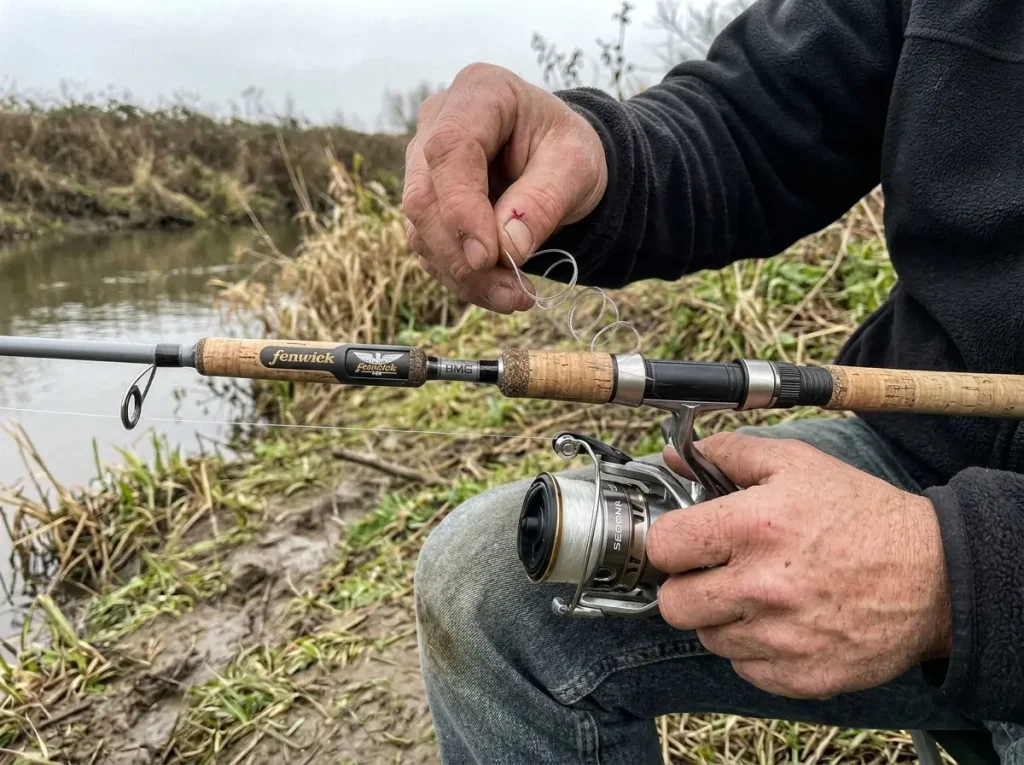
Here is where most line guides get it wrong. They review line like it lives in a vacuum, all breaking strength and diameter charts. On a spinning reel, the question that actually matters is simpler. What does this line do when it comes off a fixed spool with no tension on it? Stiff line fights that spool. Limp line behaves. Get that one idea and the rest of this guide clicks into place.
A spinning reel does not turn the spool. The line peels off the front in loose loops every cast, then the bail lays it back on. Any memory or stiffness in the line shows up right there, as coils that want to spring off the moment you let the slack go. That is the whole story behind the wind knot, which has almost nothing to do with wind. If you want the full foundation on materials before the picks, our complete guide to fishing line covers how each one is built, and a side-by-side braid vs fluoro vs mono breakdown goes deeper on the trade-offs.
Monofilament Stretches and Forgives
Monofilament is a single strand of nylon, sometimes blended into a copolymer for a touch less stretch and memory, and it is the friendliest thing you can put on a spinning reel. It has low memory when it is fresh, it lays flat, and its stretch forgives a lot of sins. Set the hook too hard, horse a fish near the boat, let a beginner crank against the drag, and mono absorbs it. That stretch is also why it casts smooth off a spinning spool without springing into coils.
The trade is sensitivity. All that stretch means you feel less of what your lure and the fish are doing, especially at distance. Mono also soaks up water and breaks down in sunlight faster than the other two. For a new angler, none of that outweighs how easy it is to live with.
Fluorocarbon Is Invisible but Stiff
Fluorocarbon is the line fish have the hardest time seeing underwater, which is its entire reason for living. It sinks, it resists abrasion, and it has very little stretch, so it telegraphs bites well. On a spinning reel it has one real problem. Heavy or stiff fluoro has too much memory to lie flat off a small spool, so it springs off in coils and tangles before you have made ten casts.
The fix is to respect its limits. Keep fluorocarbon mainline light, in the 2 to 6 lb range where the diameter is thin enough to behave, or run it only as a leader and let braid carry the casting load. A heavy spool of straight fluoro on a small spinning reel is a bird’s nest waiting to happen.
Braid Is Thin and Lies Flattest
Braided line is woven from several strands of Spectra or PE fiber, and it changed spinning reels for good. It has near-zero stretch for instant hooksets and sensitivity, it does not soak up water, and it is astonishingly thin for its strength. A 20 lb braid runs about the same diameter as 6 lb mono, so you pack far more line on the spool and cast noticeably farther at the same strength you are used to.
Quality braid is also limp, which is exactly what a spinning spool wants. It lies flattest, so it throws the fewest wind knots of the three when it is spooled right. The downsides are that it is visible in clear water, which is why anglers add a fluoro leader, and it can slip on a bare spool, which we fix later.
The Specs That Actually Matter on a Spinning Reel
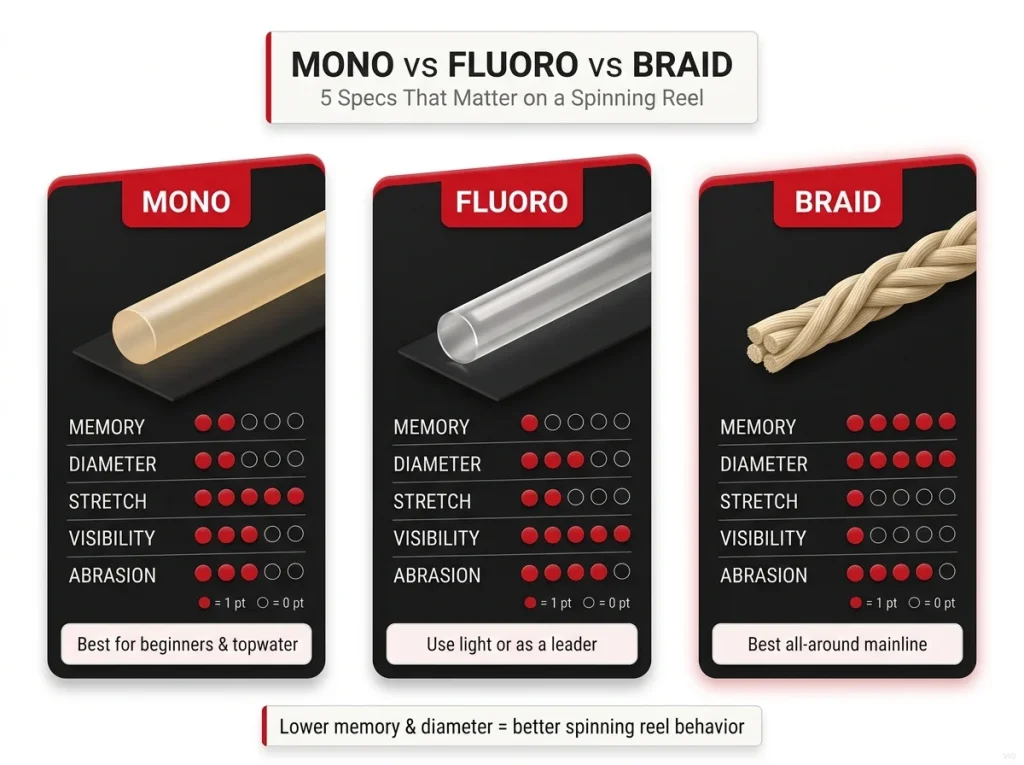
Forget the marketing wall on the tackle shop pegboard. On a spinning reel, five specs decide whether your day is smooth or a tangle. Line memory is the big one, the line’s tendency to hold coils, and it is the number one spinning-reel troublemaker. After that comes diameter, which controls how much line fits and how far you cast, then stretch, which trades sensitivity for forgiveness.
The last two are visibility, which matters more in clear water than anywhere else, and abrasion resistance, which matters around rock, dock pilings, and heavy cover. Notice what is missing from that list. Raw breaking strength almost never decides anything, because every line here is stronger than your knot and your drag setting.
Best Braided Line for Spinning Reels
Braid is the default mainline on most spinning setups now, and for good reason. The job here is to tell you which spool is worth the money and which cheap one quietly does the same work. All three of these lie flat and cast well. They split on coating, smoothness, and price.
PowerPro Spectra Braid (Best All-Around)
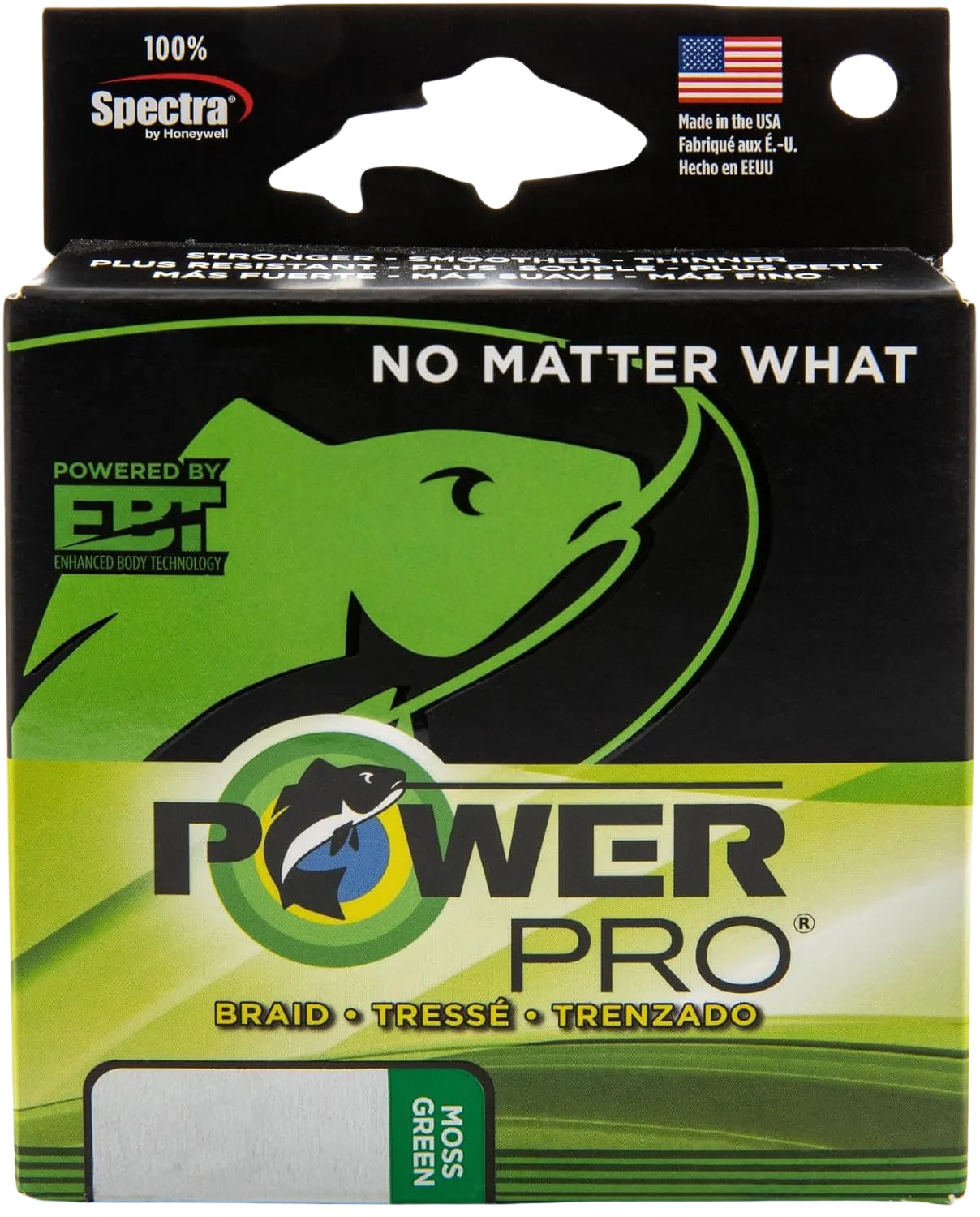
The reason PowerPro Spectra earns the default slot is consistency. It stays round instead of going flat and ribbon-like after a season, and round braid digs into itself less under drag. The moss green disappears against weeds and wood, so you can skip a leader in dirty water and tie straight to the lure. Spool it a touch under capacity and you will go whole trips without picking out a tangle.
Moss green is the default braid color for tying straight to your lure in stained or cover water. Save the high-vis yellow for when you are watching the line itself for bites, like dragging a worm in deep water. In clear water, neither hides braid well, which is what the leader is for.
KastKing SuperPower Braid (Best Budget)
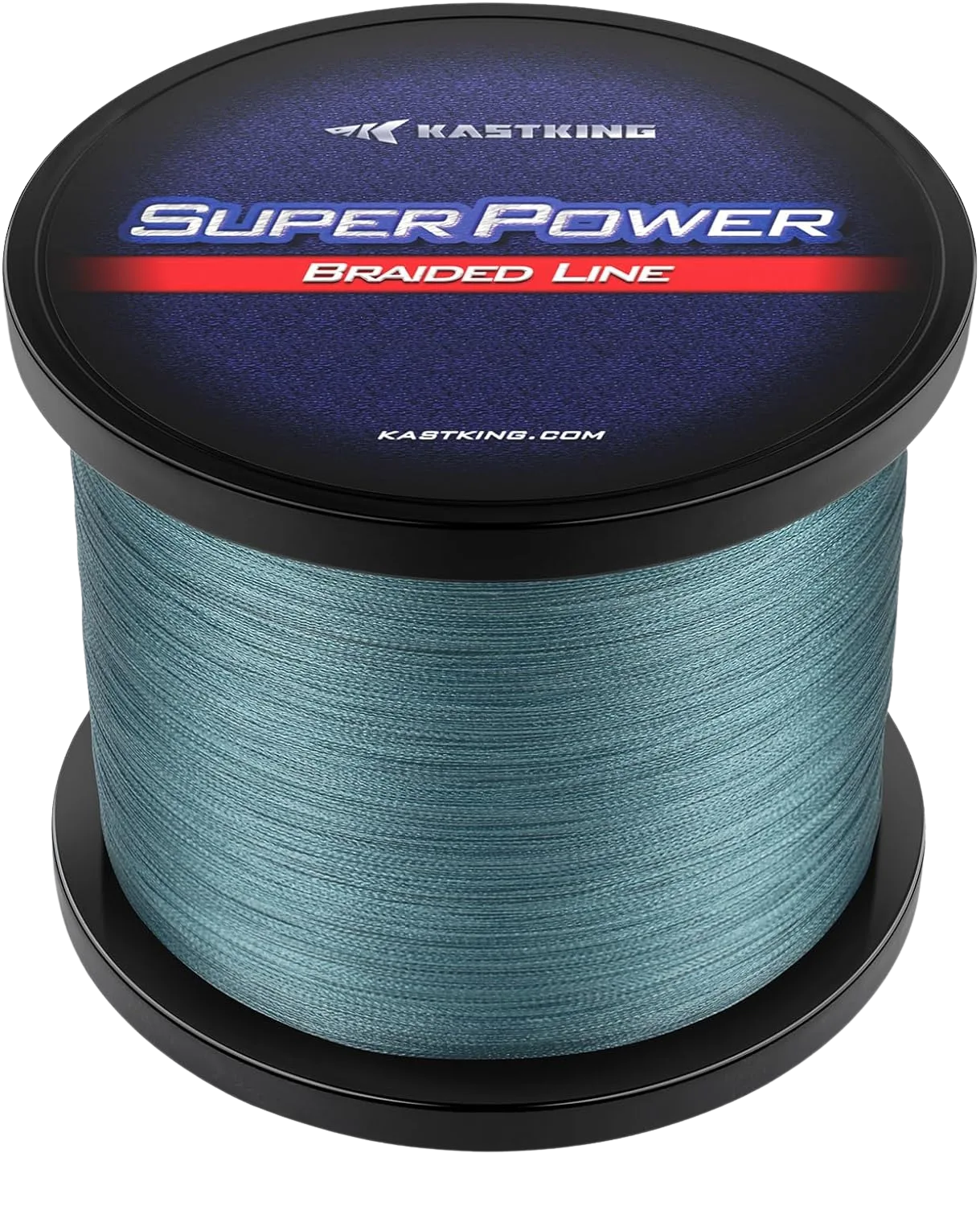
This is the line that ends the premium-or-nothing argument. KastKing SuperPower does the two things braid has to do, cast far and set hooks with no stretch, and it does them for budget money. It can feel slightly coarse out of the box and the color fades a bit faster, neither of which costs you a single fish. For most anglers spooling a 2500 or 3000 reel, this is all the braid you need.
Sunline Xplasma Asegai (Best Premium)
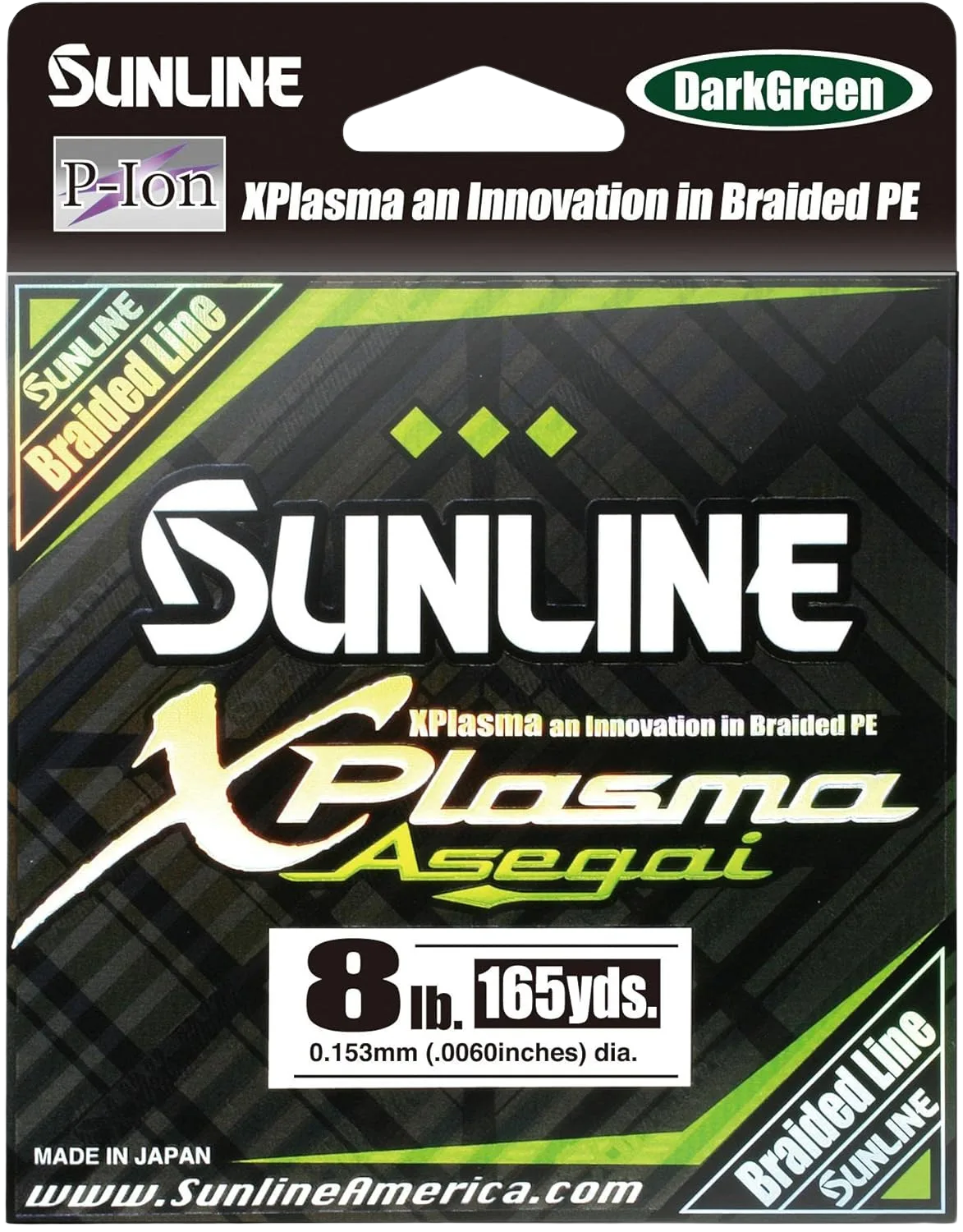
Sunline Xplasma Asegai earns its price tag in two situations and only two. You fish heavy cover and need a coating that resists nicks and digging, or you are chasing every last yard on a long cast across open flats. The smooth surface noticeably reduces guide friction. If you fish neither of those hard, the PowerPro or even the KastKing will catch you the same fish. When you have committed to braid and want the deep dive, our full roundup of the best braided lines compares more options by use case.
Best Monofilament for Spinning Reels
Mono gets written off as beginner line, and that sells it short. It is the most forgiving thing you can put on a spinning reel, it is the cheapest reliable line money buys, and a few yards of it under your braid is the fix for half the slipping problems anglers blame on the reel. Two picks cover almost every job.
Berkley Trilene XL (Best for Beginners)
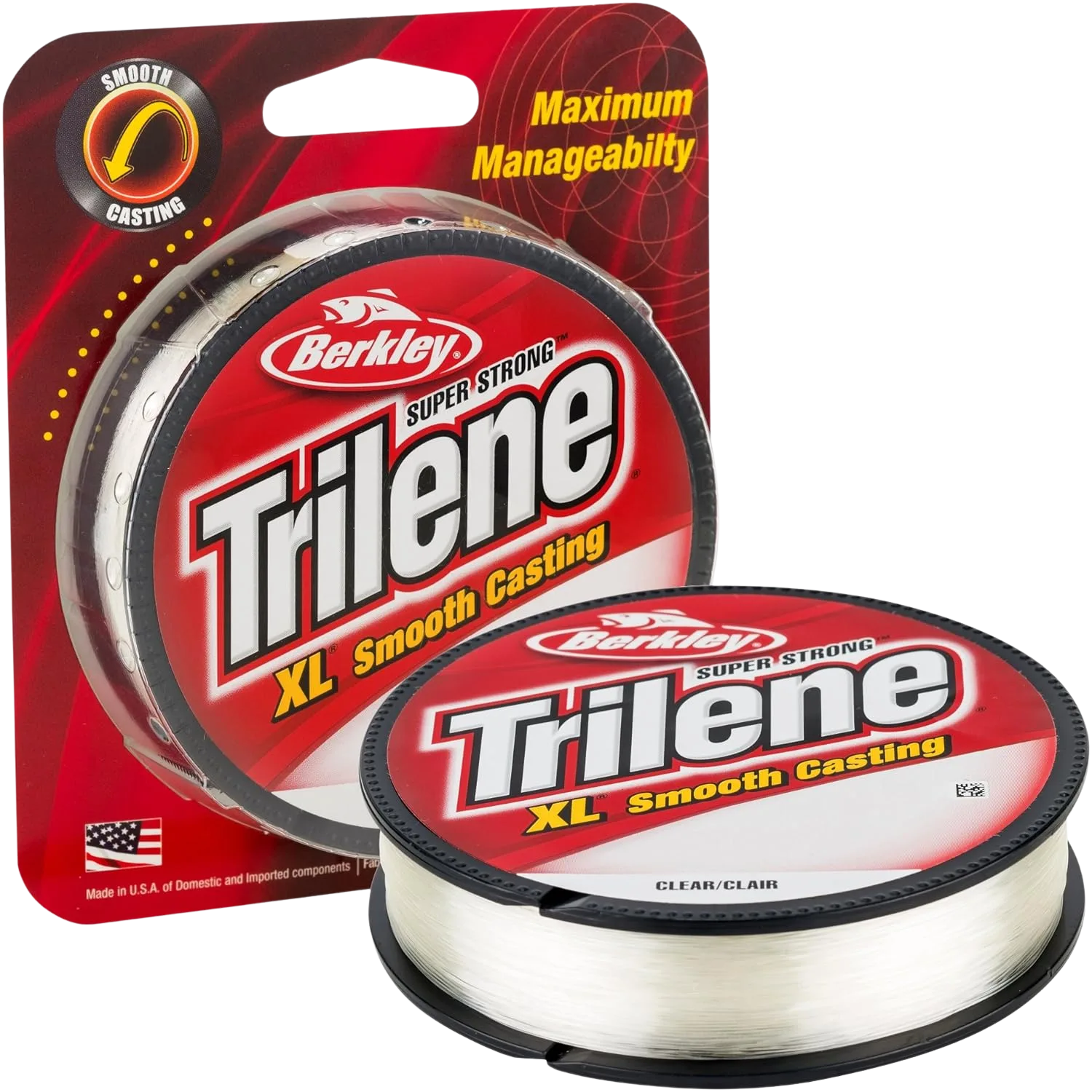
Berkley Trilene XL has been the line new anglers learn on for decades, and the reason is its low memory. It comes off the spool without the spring-coils that turn a beginner’s first session into a tangle clinic. The stretch that costs you sensitivity is the same stretch that keeps a treble hook pinned when an excited kid cranks too hard. For a first reel or a loaner rod, nothing makes the day go smoother.
Berkley Trilene Big Game (Best Value Mono)
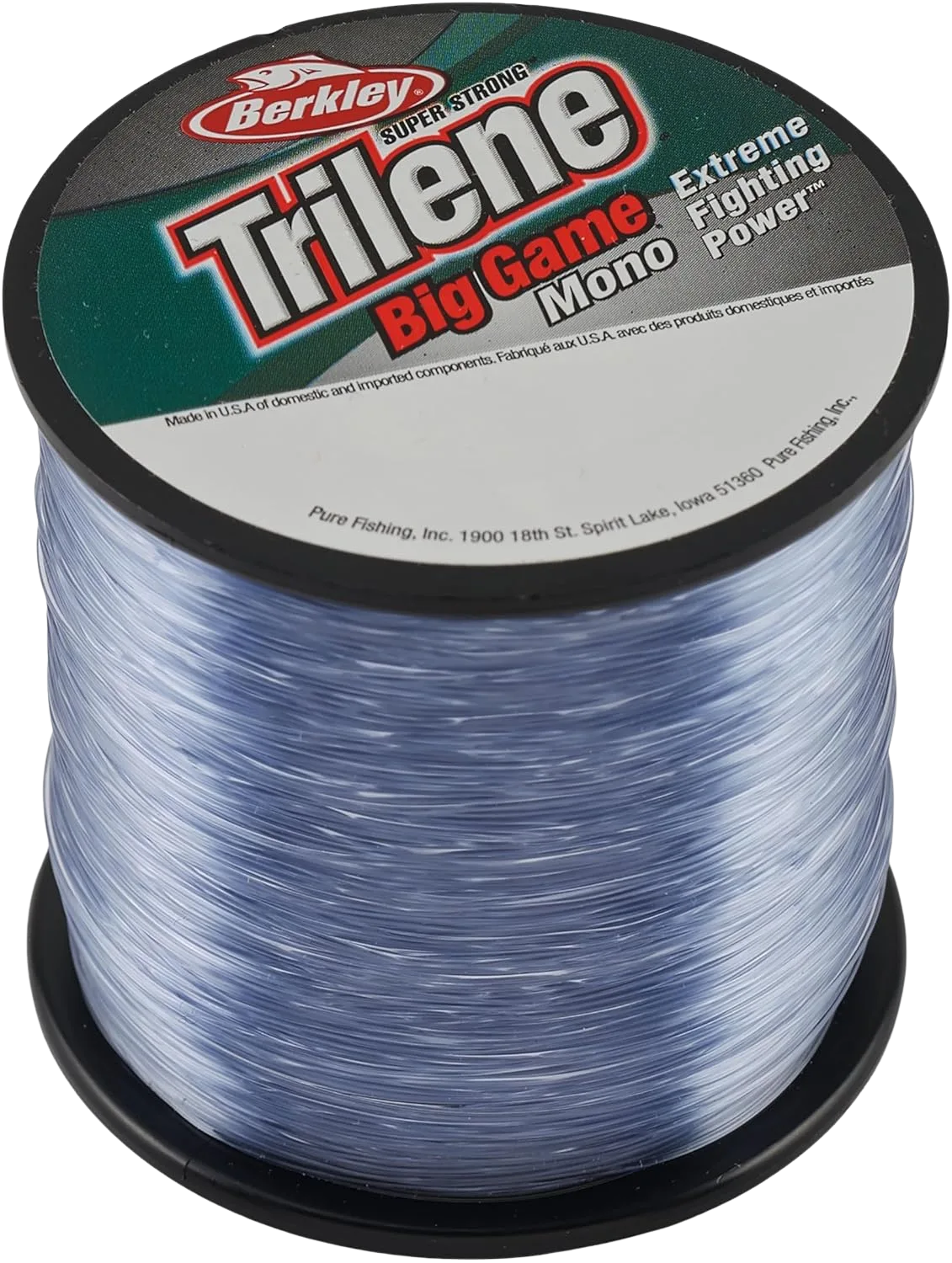
Most anglers keep a spool of Berkley Trilene Big Game in the bag even when braid lives on the reel. A few wraps of it on the bare spool give your braid something to grip so it cannot spin free, which we walk through below. It is also the honest choice for heavier mono jobs like surf, catfish, and anything that drags across rock, where its abrasion resistance and rock-bottom price beat paying premium.
When Monofilament Is Still the Right Call
Even in a braid world, mono wins a few jobs outright. Topwater and other treble-hook baits are the clearest case. The stretch that hurts your sensitivity actually helps here, because it keeps a thrashing fish from tearing off the small trebles the way no-stretch braid can. A lot of veteran anglers run straight mono on their topwater rod for exactly this reason.
Mono also floats, which keeps your walking baits and poppers on the surface where they belong. And it is the right backing under braid every single time. The one place it falls short is deep, sensitive presentations at distance, where the stretch swallows the bite. Know the trade and mono stays in your rotation for life.
Best Fluorocarbon for Spinning Reels
Fluorocarbon is where anglers overspend the fastest. The honest take is that most people do not need top-shelf fluoro filling a whole spool. They need a little of it as a leader. That said, light fluoro mainline has a real place for clear-water finesse, so here are the picks that actually behave on a spinning reel, from light mainline to budget to premium.
Seaguar InvizX (Best Light Fluoro Mainline)
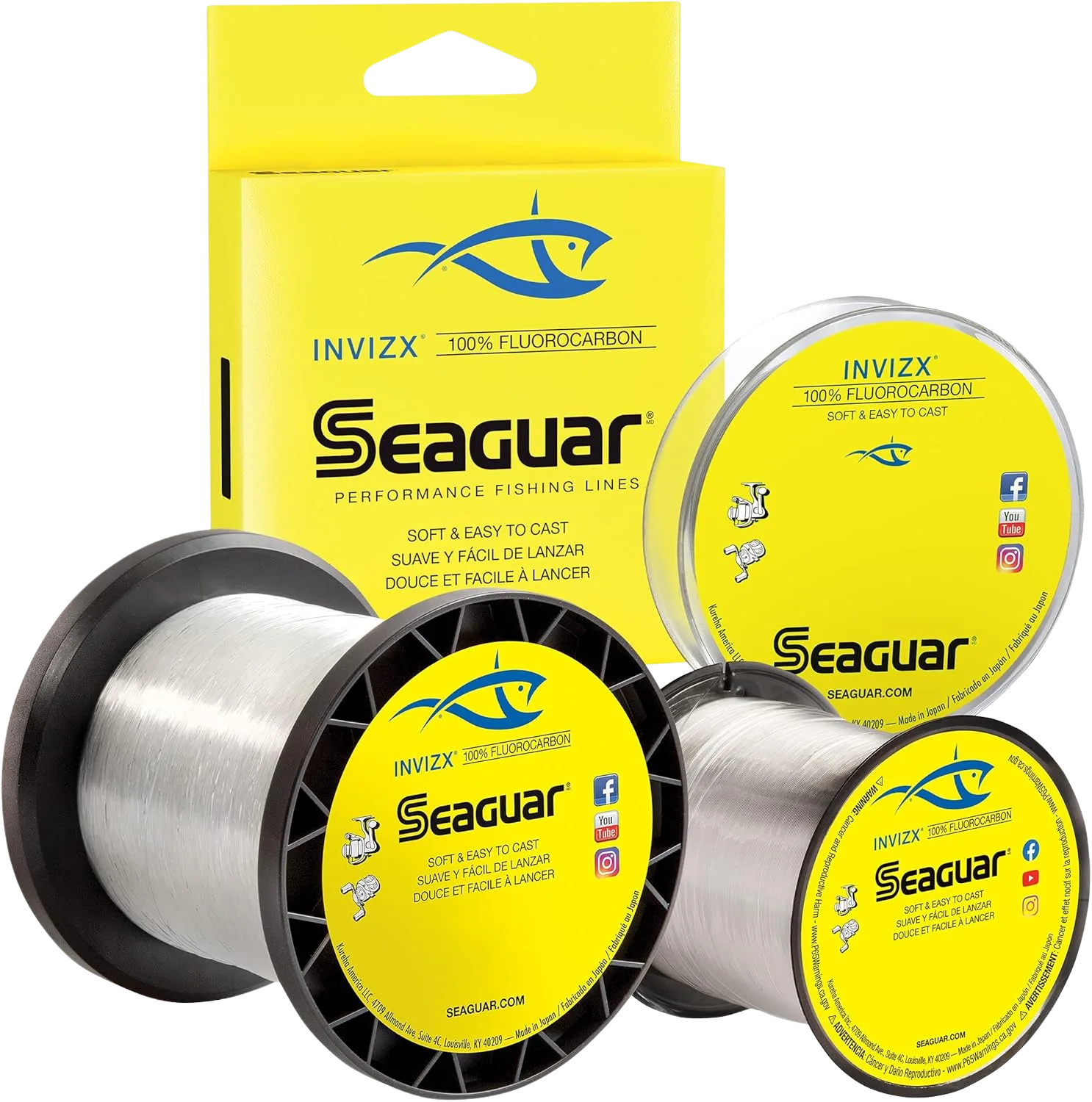
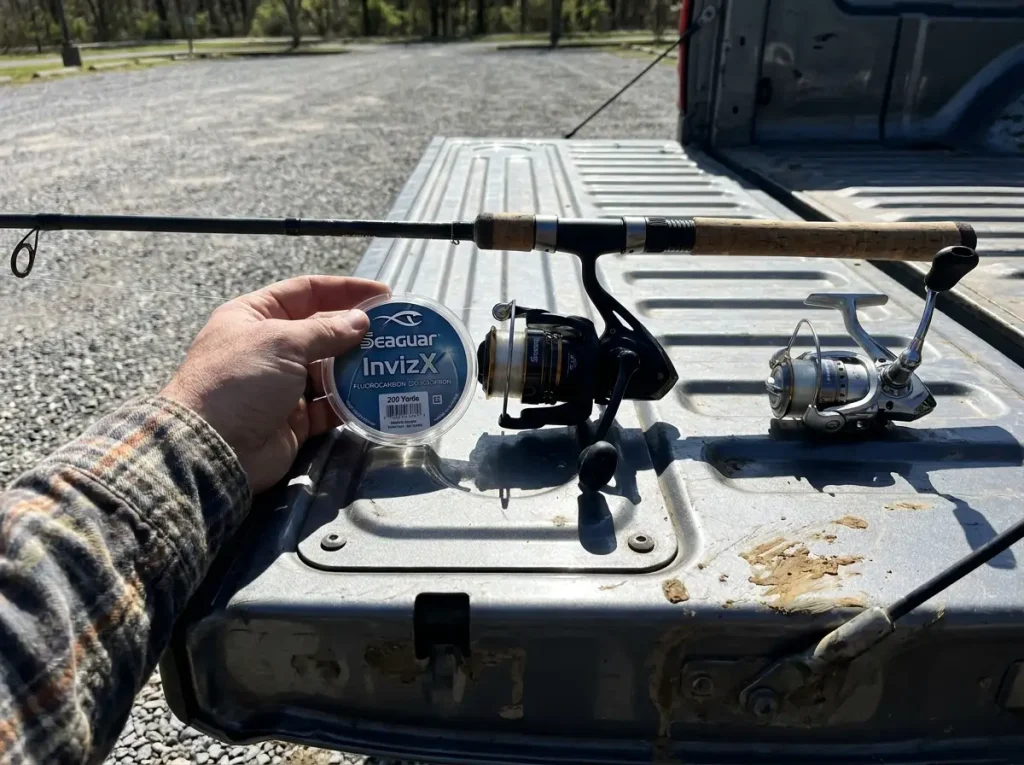
If you want fluorocarbon as your actual mainline, Seaguar InvizX is the one that pulls it off on a spinning reel. It is noticeably more supple than typical fluoro, so in 6 or 8 lb it lays down without the memory coils that bird-nest other brands. This is the setup for drop-shotting and finesse worms in gin-clear water, where the near-invisibility of fluoro buys you bites that braid never gets.
Seaguar Red Label (Best Budget Fluoro)
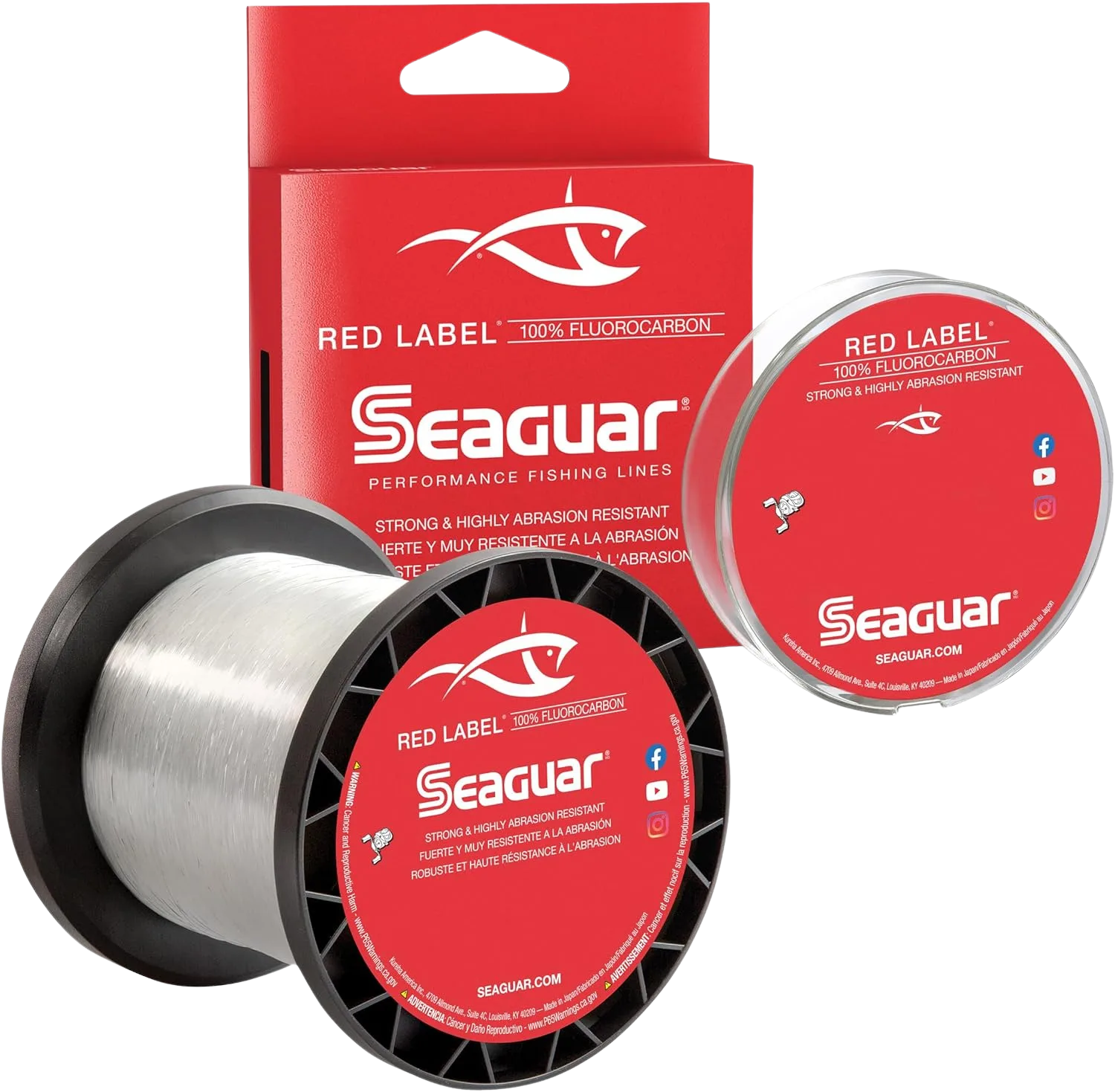
Seaguar Red Label exists to settle the premium debate honestly. It is genuine 100% fluorocarbon for value money, and as a leader spool, which is how most anglers use fluoro anyway, it is impossible to out-fish. The premium lines are a touch more supple and abrasion-tough, but spool this on your leader and you will not lose fish to it. Save the upgrade for where it matters.
Sunline Super FC Sniper (Best Premium Fluoro)
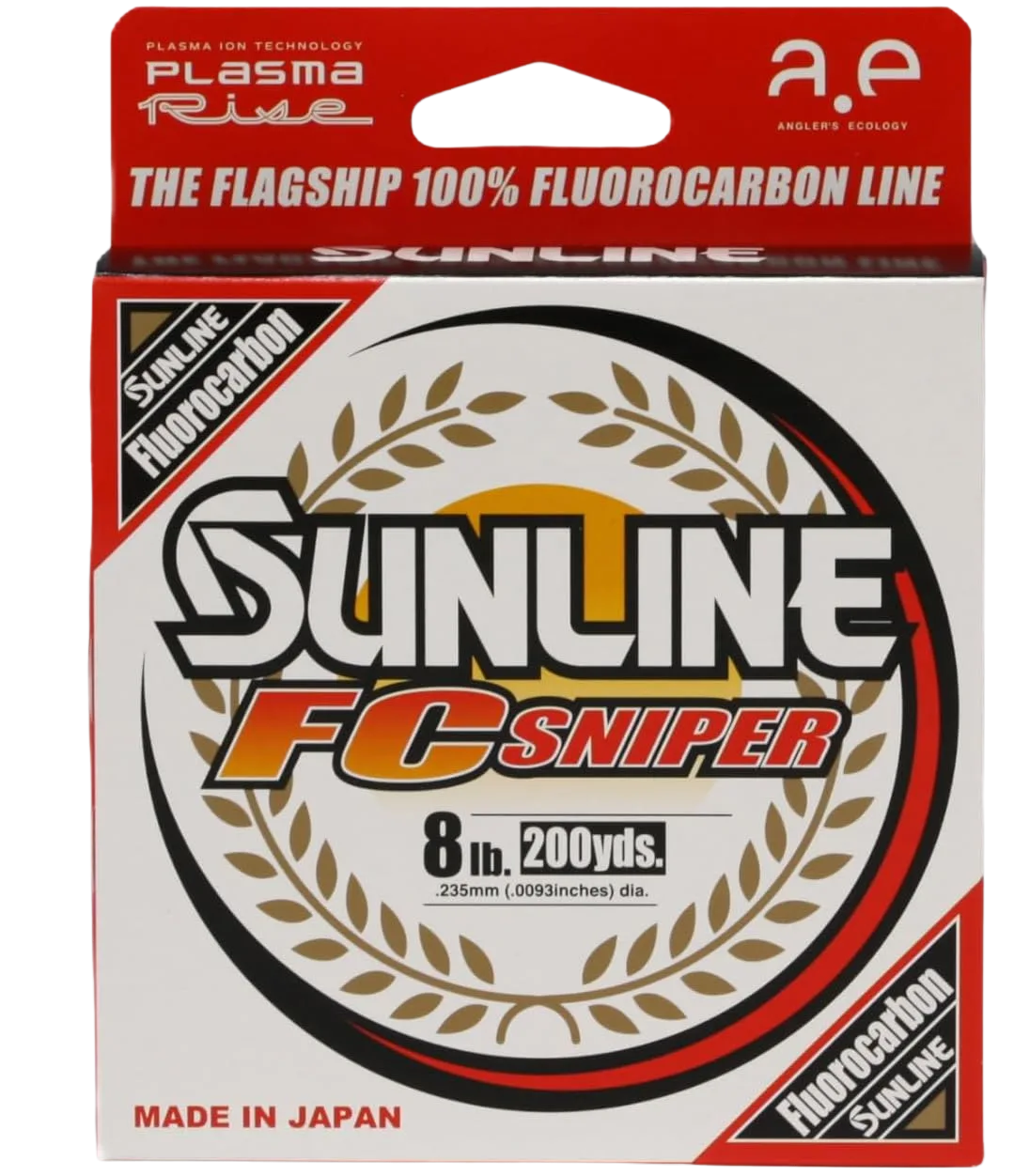
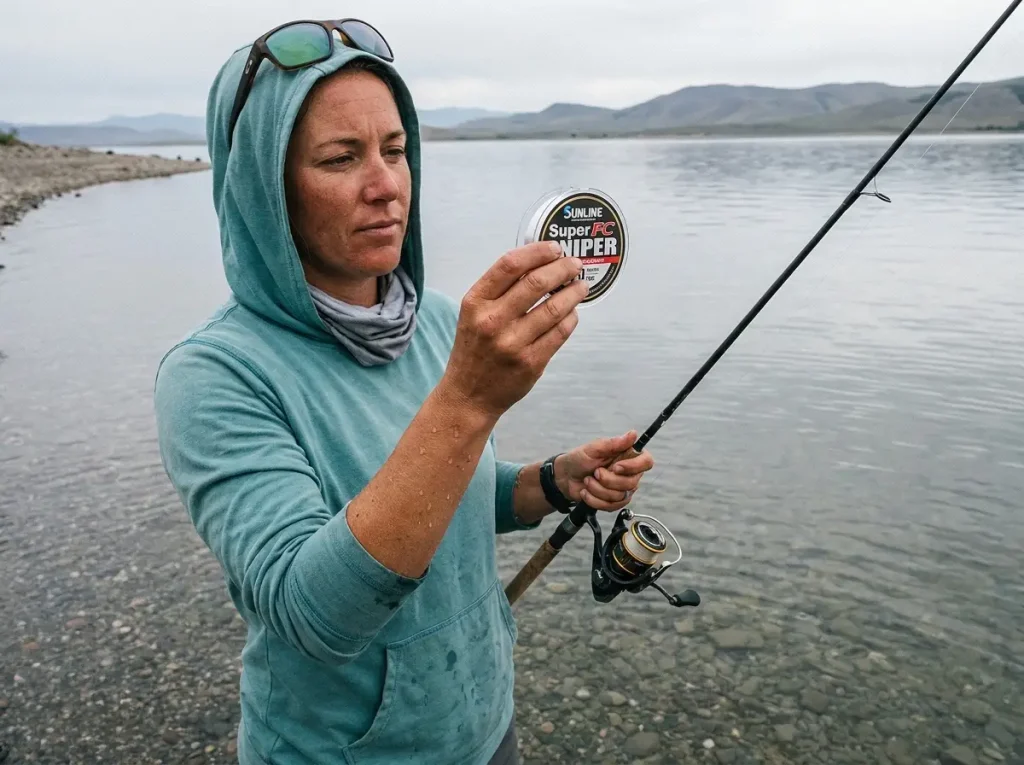
Sunline Super FC Sniper is one of the best-selling fluorocarbons in the country, and the triple-resin coating is why. It keeps memory low so it casts cleaner off a spinning spool than most fluoro, and it takes abuse around rock and wood without nicking through. If you fish fluoro as a working mainline in cover, this is the one worth the splurge. For why fluoro is worth the trouble at all, our breakdown of why fluorocarbon nearly disappears underwater explains the light physics behind it.
The Braid-to-Leader Setup Most Anglers Actually Need
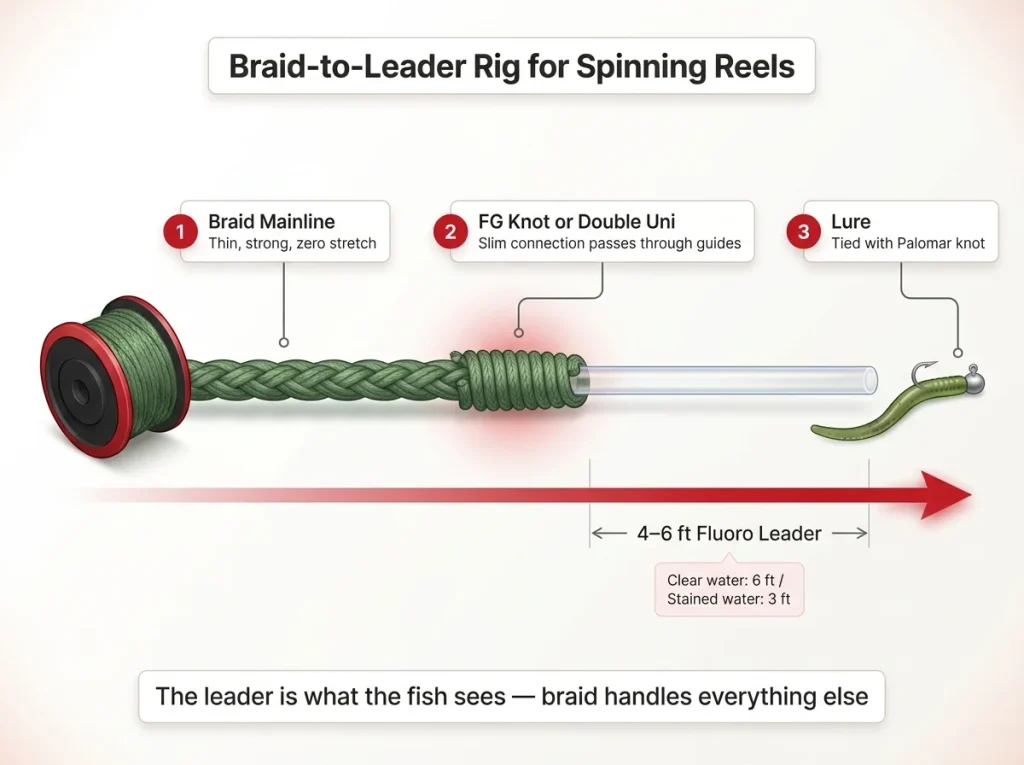
Here is the single best piece of advice for anyone spooling a spinning reel. Stop buying three different spools of line. Put braid on the reel and tie on a few feet of fluorocarbon leader, and you have covered around ninety percent of fishing situations with one setup. Braid gives you the casting and sensitivity, the leader gives you an invisible business end.
Why Braid Plus a Fluoro Leader Beats Three Spools of Line
The braid-and-leader rig is the default for a reason. You get the thin diameter and long casts of braid, the no-stretch hooksets, and the line capacity, then the last few feet that the fish actually sees become invisible fluorocarbon. It is the best of both materials on one reel, and it costs less over time because a spool of braid lasts seasons and you only replace short leaders.
The mistake the rig fixes is the tackle-box-full-of-line habit. Anglers buy a spool of mono, a spool of braid, and a spool of fluoro, then agonize over which goes on which reel for which day. Braid plus a fluoro leader makes most of that decision for you. In stained or heavy-cover water you can even skip the leader and tie straight to moss-green braid.
Leader Length and the Knot That Joins Them
Run a leader of 3 to 6 feet of fluorocarbon. Shorter in stained water where invisibility matters less and you want fewer knot worries, longer in clear water and for spooky fish. Join the braid to the leader with an FG knot if you want the slimmest connection, a double uni if you want something easier to tie on the water with cold hands, or an Albright knot as a reliable middle ground. The FG is worth learning because it is thin enough to reel through the guides on the cast. Tie the lure on the business end with a Palomar knot and the whole rig holds.
The connection knot is the part beginners get wrong, and a bad one is where the rig fails. Take your time, seat it right, and the leader becomes a non-issue. If short casts are dogging you, dialing in a slim, low-profile connection is part of the answer, and our guide to a slim FG knot that shoots through the guides walks through the casting side of it.
Wet every fluorocarbon knot with spit or water before you cinch it down. Cinching fluoro dry builds friction heat that weakens the line right at the knot, and it will pop on the hookset when you least expect it. One second of spit saves the fish of the day.
Berkley Vanish (The Leader Material to Use)
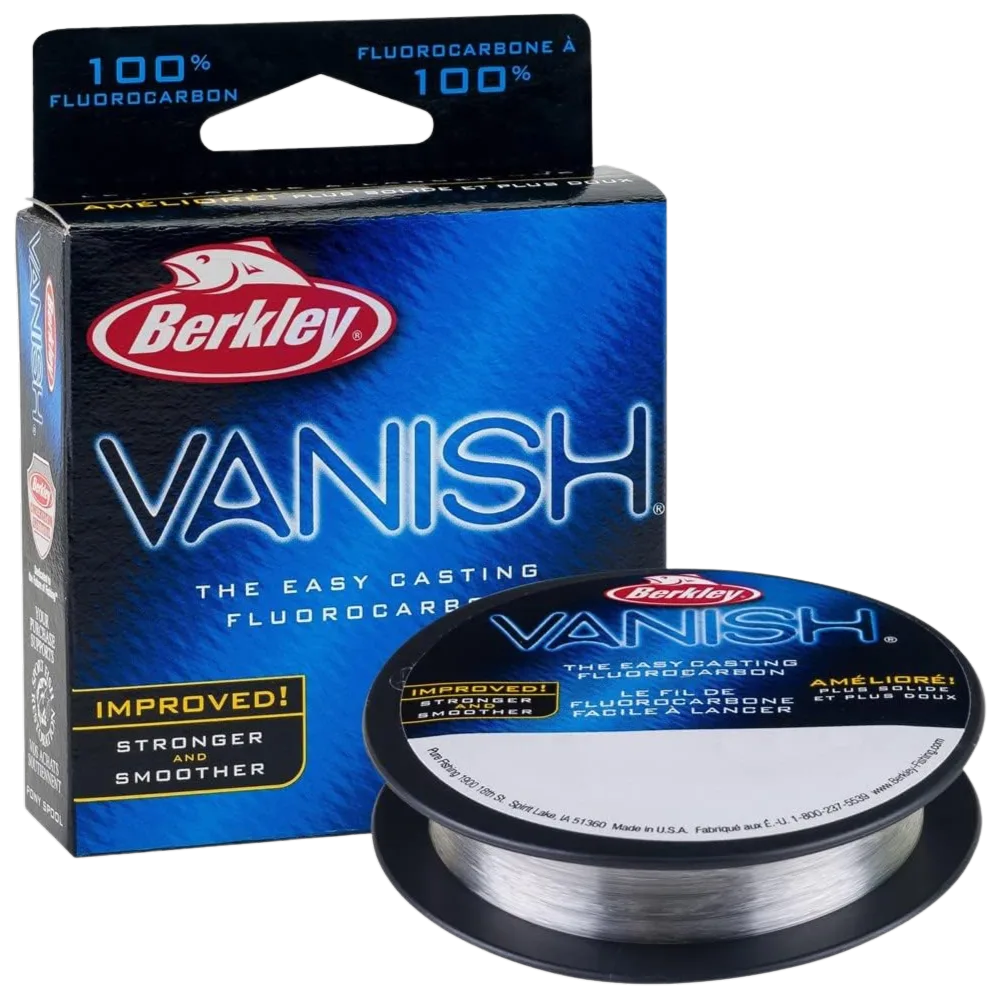
You do not need premium leader material for most fishing, and Berkley Vanish proves it. It is supple, it ties easily, and it is on the shelf at every shop in the country, so you are never stuck without a leader. Match the leader strength to your braid and your target, keep a spool in the bag, and re-tie a fresh few feet whenever the old leader gets nicked or short.
Matching Line Weight to Your Reel and Target Species
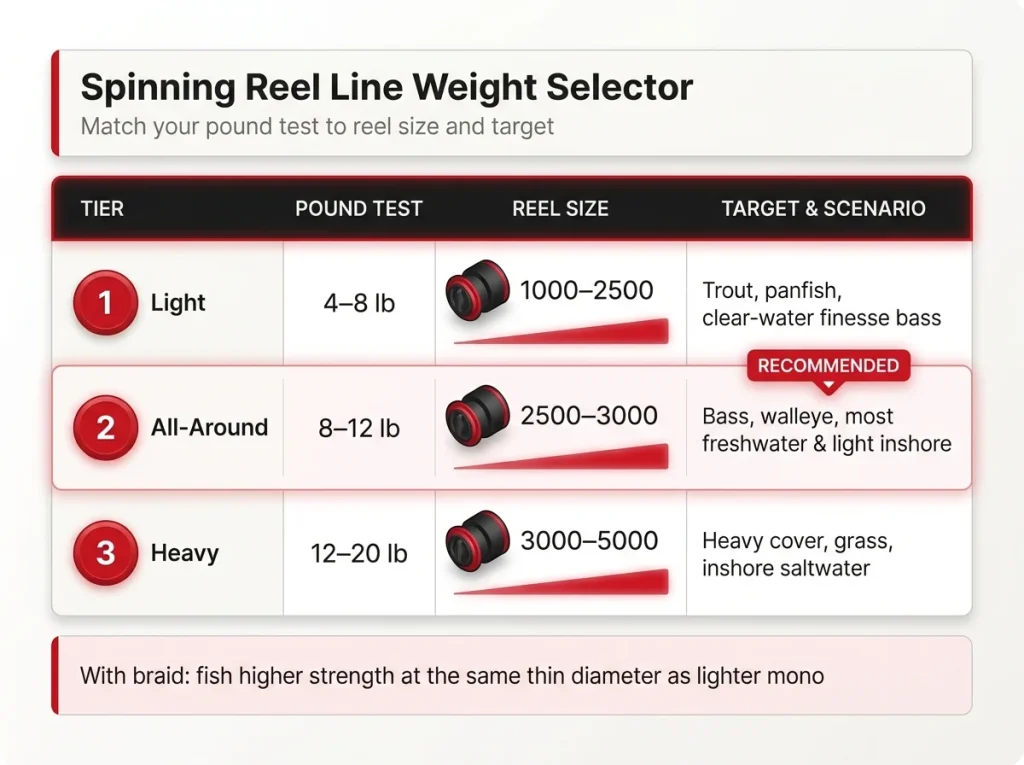
Going heavier does not make you safer on a spinning reel. It costs you diameter, casting distance, and adds tangles. The rule veterans live by is to match the lightest line your target and cover allow, then stop. Here is how the weight ranges break down by reel size and species.
Light Line (4 to 8 lb) for Finesse and Clear Water
This is trout, panfish, and finesse-bass water, the classic light tackle range, paired with small 1000 to 2500 reels. Light line casts tiny lures the farthest, lets them move naturally, and disappears better in clear water. In 4 to 6 lb, fluorocarbon mainline or a fluoro leader really shines, because line-shy fish in gin-clear water refuse anything they can see. The thin diameter is doing more work than the material name on the box.
All-Around (8 to 12 lb) for Bass and Most Setups
If you fish one spinning reel for everything, this is the range, on a 2500 or 3000 reel. It handles freshwater largemouth and smallmouth bass, walleye, and most inshore situations without feeling heavy. In braid, 10 lb gives you a thin diameter that casts a mile and still has the backbone to pull fish out of light cover. This is the do-everything zone where most anglers should live.
Heavy Line (12 to 20 lb and Up) for Cover and Saltwater
Step up only when the fish or the cover forces it. Heavy braid in the 15 to 20 lb range, on a 3000 to 5000 reel, is for punching through grass, fishing wood and rock, and inshore saltwater around oysters and pilings. This is where braid’s thin-for-its-strength advantage pays off most, because you fish 20 lb power at a diameter that still casts. Even here, do not go heavier than the spot actually needs.
The line capacity is stamped right on your reel spool, usually in both mono and braid ratings. Read it before you buy, because filling a small reel with heavy line is the fastest way to wreck your casting and pile on wind knots. The reel is telling you what it wants.
Pound test confuses more anglers than almost any spec because the number on the box is not the whole story. If you want the full picture before you buy, our breakdown of what pound test actually measures clears up why two 10 lb lines can behave nothing alike.
Spooling It Right and Stopping Line Twist for Good
This is the section that fixes the wind knot in the title. The dirty secret of spinning reels is that most tangle problems are not the line’s fault and not the reel’s fault. They come from how the line went on the spool. Get the spooling right and a huge share of your wind knots and twist simply stop happening. This is the part nobody explains plainly, so here it is.
Fill to an Eighth of an Inch From the Lip
Fill your spool to about an eighth of an inch from the lip, and no closer. Anglers overfill on purpose, thinking more line means longer casts, and it backfires. When you stop reeling and the tension drops, an overfilled spool lets the limp coils billow off all at once, and that loose pile is your bird’s nest before you have even cast. The billowing is the tell. If you see line ballooning off the spool when you pause, you put on too much.
A spool filled to the right level feeds line cleanly and holds it under control. You give up almost nothing in distance and you trade away the single most common cause of wind knots. Closer to the lip squeezes out a few more feet of cast, so creep up on it, but the moment you see billowing, back it off.
Stop Braid From Slipping With Backing or Tape
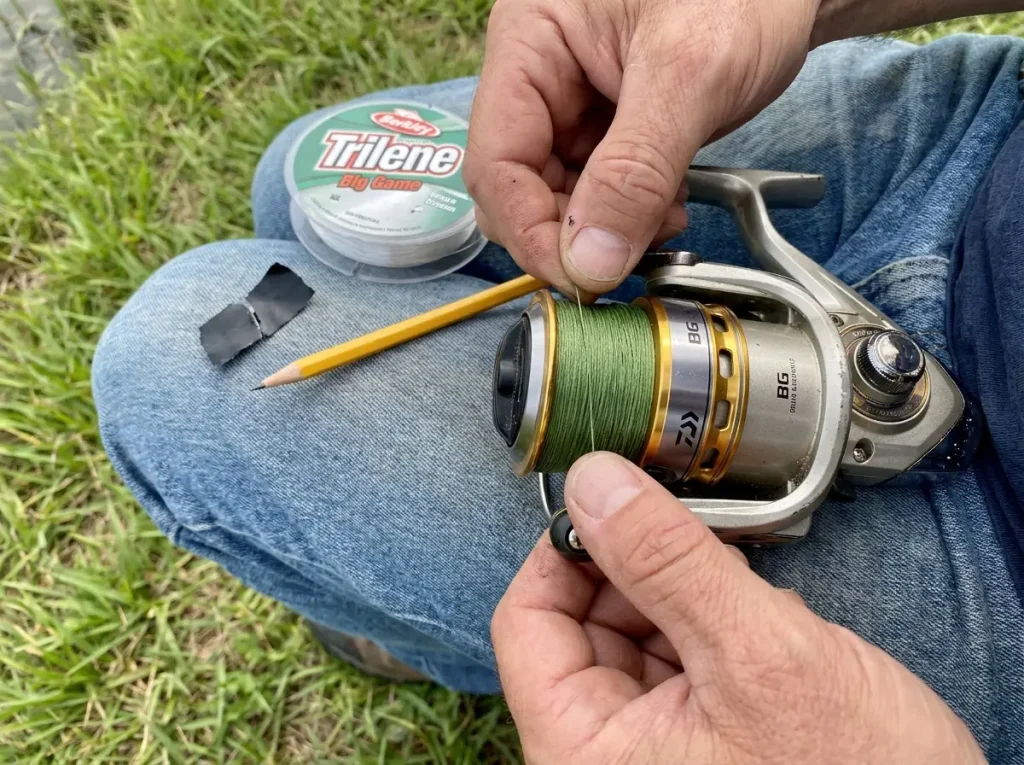
Braid has a cloth-like surface that cannot bite a slick metal spool, so if you tie it straight to a bare arbor, the whole spool of line spins free under drag. You set the hook and reel, and nothing happens, because the line is just rotating around the spool. Some anglers chase this ghost for a whole trip, blaming missed hooksets on the fish.
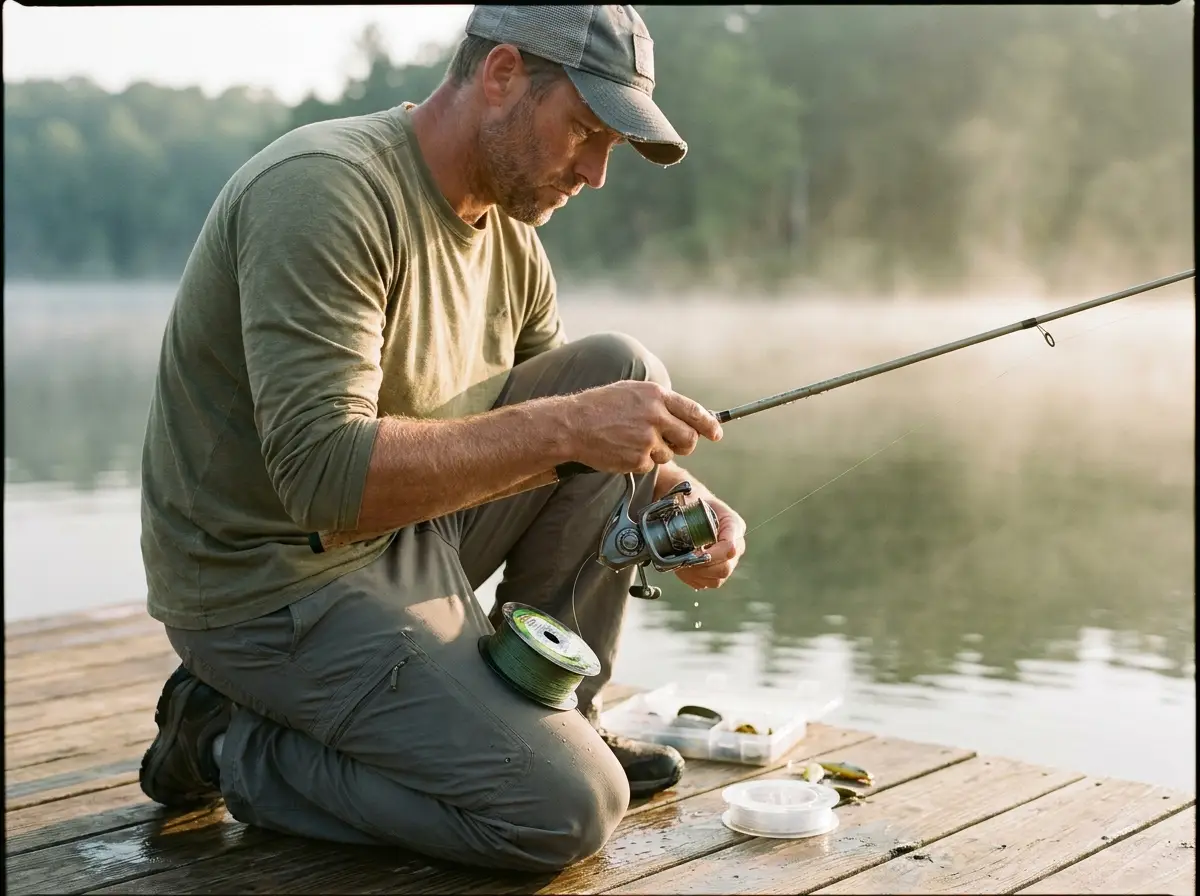
The fix is a grip layer under the braid. Lay down a few yards of mono backing first, then tie your braid to that, and the mono bites the arbor so the braid can never spin. A single wrap of electrical or arbor tape on the bare spool works too. Mono backing is the better answer because it never slips and a cheap spool of mono costs less than wasting braid on the bottom of the reel. Your Berkley Trilene Big Game from the mono section is exactly the backing you want here.
Run mono backing under your braid instead of tape. Tape can shift and the adhesive fails over time, but a few wraps of mono tied to the spool never let go, and a cheap spool of mono is far less money than throwing braid away just to fill the bottom of the reel.
Why Your Line Twists and the On-the-Water Fix
Line twist on a spinning reel is mechanical, not bad luck. The bail wraps line around a fixed spool every turn of the handle, and when you reel against a slipping drag while a fish is taking line, you can dump four to six twists into the line per crank without moving the fish an inch. Do that for a long fight and the line comes back a corkscrew. The other culprit is the overfilled spool from above, which billows twisted coils right off.
The fix is two habits and one trick. Stop cranking the handle when a fish is taking drag, and let the rod do the pumping instead. Then, after a session that built up twist, take the lure off and let the bare line tow behind the boat for a minute, or hang it in moving current, and the line spins itself straight again. If a spinning lure like an inline spinner is the culprit, a small barrel swivel a foot up the line stops the lure from winding twist in the first place. A shot of line conditioner like KVD Line and Lure Conditioner between trips softens the coils and cuts memory on mono and fluoro, which keeps twist from setting in. For the deeper treatment, here are five field-tested fixes for line twist that go past the basics.
One last habit closes the loop on doing this right. When you re-spool, you strip off the old line, and that line does not belong in the water or the trash. Old monofilament can persist for hundreds of years and entangles wildlife, so dispose of your stripped-off line the right way and drop your old spools in one of the 15,000-plus monofilament recycling bins the BoatUS Foundation has helped set up at boat ramps and tackle shops nationwide.
Picking the Right Line for Where and How You Fish
Now put it all together. You do not pick line in the abstract, you pick it for the water in front of you and the way you fish it. Match the line to the situation and most of the second-guessing disappears.
Clear-Water Finesse and Pressured Fish
In clear water with pressured fish, invisibility wins, full stop. Run a light fluorocarbon mainline in 4 to 6 lb, or keep braid on the reel and tie on a fluoro leader. This is drop-shot, wacky-rig, and shaky-head water, where finesse presentations and a line the fish cannot see are the whole game. The lighter and thinner you go, the more bites you get, right up to the point your cover will let you land the fish.
Topwater, Moving Baits, and Heavy Cover
For topwater and treble-hook moving baits, mono earns its spot, because its stretch and float keep thrashing fish pinned and the bait on the surface. For heavy cover, grass, and wood, go the other way and run straight braid for the no-stretch power to wrench fish out, in moss green so you can tie direct without a leader. These two situations sit at opposite ends, and matching the line to each is the difference between landing fish and pulling hooks.
Kayak, Saltwater, and the Budget-vs-Premium Truth
For kayak fishing and inshore saltwater, braid plus a fluoro leader is the workhorse, giving you distance, capacity, and abrasion resistance around oysters and pilings where redfish and other inshore species hold. You can match your line to the water the way Take Me Fishing lays it out for the saltwater specifics. And here is the honest budget verdict. A value spool of KastKing braid or Berkley Trilene XL covers most anglers most of the time. The premium lines, the Xplasma, the InvizX, the Super FC Sniper, earn their money only in heavy cover, gin-clear finesse, or when you need every last yard of casting distance. Buy premium for the job that demands it, not as a default.
Conclusion
The best line for a spinning reel is the one that comes off the spool clean. Limp braid lies flattest and throws the fewest wind knots, mono forgives beginners and treble hooks, and fluorocarbon belongs light or on a leader. Match the material to how it behaves on a fixed spool and you have already solved most of the problem.
Most anglers only need braid plus a fluoro leader, not three spools of line and not the premium tier. And the wind knots that started this whole search are usually the spool’s fault, not the line’s. Back the braid so it cannot slip, fill to an eighth of an inch from the lip, and stop cranking against a slipping drag. Re-spool one reel this week the right way, with backing, the correct fill level, and a fresh leader, and feel the difference on your first cast next trip.
Frequently Asked Questions
01What pound test line is best for a spinning reel?
For most 2500 to 3000 spinning reels and bass-sized fish, 8 to 12 lb is the do-everything range. Drop to 4 to 8 lb for trout, panfish, and clear-water finesse, and step up to 12 to 20 lb for heavy cover and inshore saltwater. With braid you can fish a higher strength at a thin diameter.
02Is braid or mono better for a spinning reel?
Braid wins for casting distance, sensitivity, and line capacity, which is why it is the default spinning mainline. Mono wins for beginners, topwater forgiveness, and as cheap backing. Most anglers run braid mainline with a fluoro leader and keep mono for specific jobs like treble-hook baits.
03Do you need a fluorocarbon leader with braid on a spinning reel?
In clear or pressured water, yes. Braid is visible, so a 3 to 6 ft fluorocarbon leader gives you an invisible business end while keeping braid’s casting and sensitivity. In stained or heavy-cover water you can skip it and tie straight to moss-green braid.
04Can you tie braid directly to a spinning reel spool?
You can, but on a bare slick spool the whole spool of braid spins free under drag and you reel with no pickup. Add a few yards of mono backing or one wrap of electrical tape to the arbor first so the braid can grip and never slip.
05How often should you re-spool a spinning reel?
It depends on line type and use. Braid lasts seasons, while mono and fluorocarbon break down faster from sunlight and memory. Re-spool when you see fading, persistent memory coils, or nicks, and strip off and recycle the old line responsibly.
Risk Disclaimer: Fishing, boating, and all related outdoor activities involve inherent risks that
can lead to injury. The information provided on Master Fishing Mag is for educational and informational purposes
only. While we strive for accuracy, the information, techniques, and advice on gear and safety are not a substitute
for your own best judgment, local knowledge, and adherence to official regulations. Fishing regulations, including
seasons, size limits, and species restrictions, change frequently and vary by location. Always consult the latest
official regulations from your local fish and wildlife agency before heading out. Proper handling of hooks, knives,
and other sharp equipment is essential for safety. Furthermore, be aware of local fish consumption advisories. By
using this website, you agree that you are solely responsible for your own safety and for complying with all
applicable laws. Any reliance you place on our content is strictly at your own risk. Master Fishing Mag and its
authors will not be held liable for any injury, damage, or loss sustained in connection with the use of the
information herein.
Affiliate Disclosure: We are a participant in the Amazon Services LLC Associates Program, an
affiliate advertising program designed to provide a means for us to earn advertising fees by advertising and linking
to Amazon.com. As an Amazon Associate, we earn from qualifying purchases. We also participate in other affiliate
programs and may receive a commission on products purchased through our links, at no extra cost to you. Additional
terms are found in the terms of service.